
10 Best Low Fat Treats For Miniature Schnauzers (Pancreatitis Safe)
When you own a Miniature Schnauzer, you’re not just a pet parent; you’re the guardian of a sensitive digestive system. These spirited dogs are genetically predisposed to hyperlipidemia (high levels of fat in the blood), making them a high-risk breed for pancreatitis—a painful and potentially fatal inflammation of the pancreas. The wrong treat, even a small one, isn’t just a dietary slip-up; it’s a landmine. This is where we, as Canine Nutrition Hackers, step in. We don’t fall for slick marketing or cute packaging. We analyze labels, scrutinize ingredients, and demand data. This guide is your definitive, no-nonsense manual for navigating the treacherous world of dog treats. We will dissect the science, expose the ‘Enemy Ingredients’ that trigger flare-ups, and provide a vetted list of the 10 best low-fat commercial and homemade treats that are genuinely safe for your pancreatitis-prone Schnauzer.
MEDICAL DISCLAIMER: I am not a veterinarian. The information in this article is based on extensive research and analysis of canine nutrition. It is not a substitute for professional veterinary advice. Always consult with your veterinarian before making any changes to your dog’s diet, especially if they have a pre-existing medical condition like pancreatitis. Your vet’s guidance is paramount in managing your dog’s health.
The Pancreatitis Minefield: Why Fat is the Enemy for Your Schnauzer
To protect your dog, you must first understand the enemy. Pancreatitis occurs when the pancreas, a vital organ responsible for producing digestive enzymes and insulin, becomes inflamed. In a healthy dog, these powerful enzymes are activated only when they reach the small intestine. In a dog with pancreatitis, they activate prematurely within the pancreas itself, causing the organ to essentially start digesting itself. It’s an excruciatingly painful condition, and high-fat meals are the most common trigger.
Miniature Schnauzers are the poster children for this disease due to a genetic condition called idiopathic hyperlipidemia. Their bodies struggle to clear fats from the bloodstream efficiently. A single high-fat treat can overload their system, sparking an inflammatory cascade that leads to a pancreatitis attack. Symptoms can range from vomiting and diarrhea to severe abdominal pain and life-threatening shock.
Enemy Ingredients: The ‘Do Not Feed’ List
Your first line of defense is knowing what to avoid. Treat labels can be deceiving. Here are the primary culprits you must eliminate:
- High-Fat Meats: Any treats containing pork (including bacon), lamb, duck, or fatty cuts of beef are off-limits. These are notoriously high in fat and can easily trigger an attack.
- Grease and Oils: Table scraps, especially greasy foods like fried chicken, burgers, or anything cooked with large amounts of butter or oil, are poison for a pancreatitis-prone dog. Avoid treats with ambiguous ingredients like ‘animal fat’ or an excess of added oils.
- Processed Fillers & By-products: Many cheap, mass-market treats are loaded with low-quality ‘meat by-products’ and fatty fillers. If you can’t identify the primary ingredients as lean protein or whole vegetables, put the bag down.
- Dairy (in excess): While small amounts of plain, low-fat yogurt can be okay, cheese and other full-fat dairy products are a common trigger. Many commercial ‘cheese-flavored’ treats use high-fat cheese powders.
Vigilance isn’t optional; it’s the core of responsible Schnauzer ownership. Reading every single label is your non-negotiable duty.
The Nutrition Hacker’s Code: Decoding ‘Low-Fat’ Labels
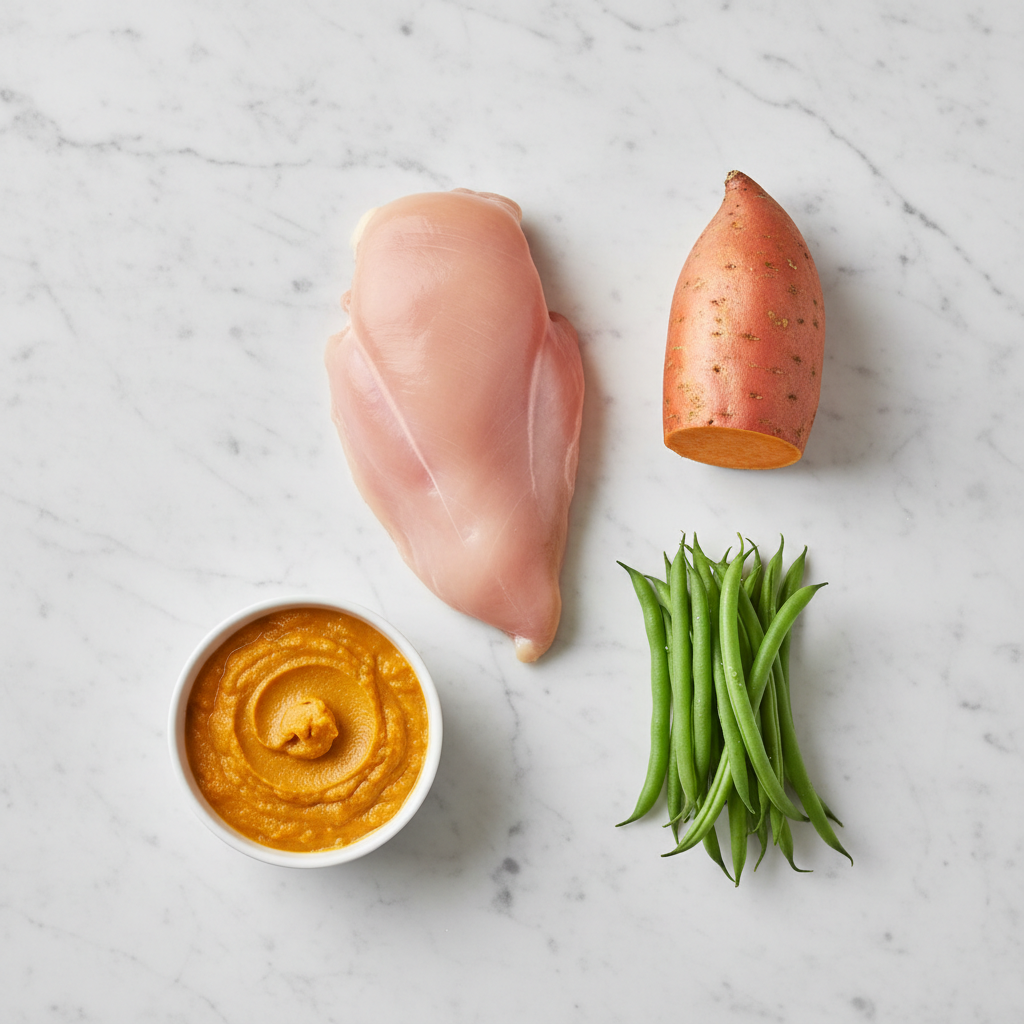
The term ‘low-fat’ on a dog treat package is a marketing slogan, not a medical guarantee. Your job is to ignore the front of the bag and become a forensic analyst of the back panel. The two most critical areas are the Guaranteed Analysis and the Ingredient List.
Mastering the Guaranteed Analysis
This box is your data point. For a dog with a history of pancreatitis, the magic number for treats is a Crude Fat percentage of 10% or less. Many vets recommend staying even lower, in the 7-8% range if possible. Do not compromise on this. If a treat’s crude fat content is 12%, 15%, or higher, it does not belong in your dog’s diet, no matter how ‘natural’ or ‘grain-free’ it claims to be.
Hero Ingredients: Building a Safe Treat Arsenal
Now that you know what to avoid, let’s focus on what to look for. These are the building blocks of a safe and healthy treat for your Schnauzer:
- Lean Proteins: Look for single-source, lean proteins like skinless chicken breast, turkey, cod, or other whitefish. These provide essential amino acids without the dangerous fat load.
- Digestible Vegetables & Fruits: Ingredients like pumpkin, sweet potato, carrots, green beans, and apples are excellent. They are naturally low in fat, high in fiber (which aids digestion), and packed with vitamins.
- Simple Carbohydrates: If a treat contains grains, look for whole, easily digestible options like oats or brown rice. Many of the best options, however, are grain-free and rely on vegetables for their structure.
Hacker Tip: The shorter the ingredient list, the better. If you see a list of 20+ ingredients with chemical-sounding names you can’t pronounce, it’s a red flag. The best treats are often the simplest.
Forensic Review: Top 5 Commercial Low-Fat Treats
We’ve analyzed dozens of brands to find the safest, most reliable low-fat options on the market. These five pass the test for their low fat content, simple ingredients, and overall quality. They are your go-to options when you need a convenient, pre-made treat.
1. Zuke’s Mini Naturals
A training favorite for a reason. These are tiny, moist, and low-calorie, making them perfect for rewarding your Schnauzer without overloading their system. The fat content is consistently low across their various recipes.
- First 5 Ingredients Truth: (Chicken Recipe) Chicken, Ground Rice, Ground Barley, Malted Barley, Vegetable Glycerin. A solid start with real chicken as the first ingredient.
- Fat Content Analysis: Typically around 8% Crude Fat, well within the safe zone.
- Verdict: Excellent for training. Small size prevents overfeeding. Stick to the chicken or turkey recipes.
2. Old Mother Hubbard Classic Bitz Natural Dog Treats
These crunchy, oven-baked biscuits have been around for decades. Their ‘Bitz’ line offers a smaller size perfect for smaller breeds, and their Classic Original recipe is reliably low in fat.
- First 5 Ingredients Truth: Whole Wheat Flour, Oatmeal, Wheat Bran, Chicken Fat, Chicken. While it contains ‘chicken fat,’ the overall percentage is kept very low.
- Fat Content Analysis: The ‘Original’ flavor comes in at a lean 7% Crude Fat.
- Verdict: A great crunchy option. Avoid their higher-fat flavors and stick to the classic recipe.
3. Fruitables Skinny Minis
As the name implies, these treats are designed to be low-calorie and low-fat. They use fruits and vegetables as their primary ingredients, making them a unique and healthy choice.
- First 5 Ingredients Truth: (Apple Bacon Flavor) Sweet Potatoes, Oatmeal, Ground Brown Rice, Tapioca Starch, Vegetable Glycerin. The ‘bacon flavor’ is natural and not from high-fat pork.
- Fat Content Analysis: An impressively low 5% Crude Fat.
- Verdict: A top-tier choice for sensitive dogs. The fruit-forward recipes are an excellent way to add variety.
4. Whimzees Dental Chews (Brushzees)
Dental health is important, but many dental chews are dangerously high in fat. Whimzees are the exception. They are vegetable-based and specifically formulated to be low-fat and easy to digest.
- First 5 Ingredients Truth: Potato Starch, Glycerin, Powdered Cellulose, Lecithin, Yeast. Completely meat-free, eliminating the risk of fatty protein sources.
- Fat Content Analysis: A remarkably low 2% Crude Fat.
- Verdict: The safest dental chew on the market for pancreatitis-prone dogs. Ensure you choose the appropriate size for your Schnauzer.
5. Charlee Bear Original Crunch
These are incredibly light and airy treats, often called ‘the treat that trainers love.’ They are more puff than substance, which is exactly what you want for low-impact rewarding.
- First 5 Ingredients Truth: (Chicken, Rice, & Garden Veggie) Enriched Wheat Flour, Chicken, Rice Flour, Rye Flour, Canola Oil. Simple and straightforward.
- Fat Content Analysis: A very safe 5% Crude Fat.
- Verdict: Perfect for filling puzzle toys or for repetitive training sessions due to their extremely low-calorie nature.
| Brand | Primary Ingredients | Crude Fat % | Best For | Verdict |
|---|---|---|---|---|
| Zuke’s Mini Naturals | Chicken, Rice, Barley | ~8% | Training | Excellent |
| Old Mother Hubbard Bitz | Whole Wheat, Oatmeal, Chicken Fat | ~7% | Crunchy Snack | Very Good |
| Fruitables Skinny Minis | Sweet Potato, Oatmeal, Fruit | ~5% | Sensitive Stomachs | Excellent |
| Whimzees Dental Chews | Potato Starch, Glycerin, Cellulose | ~2% | Dental Health | Superior |
| Charlee Bear Crunch | Flour, Chicken, Rice | ~5% | High-Volume Treating | Excellent |
The DIY Solution: 5 Hacker-Approved Homemade Treats
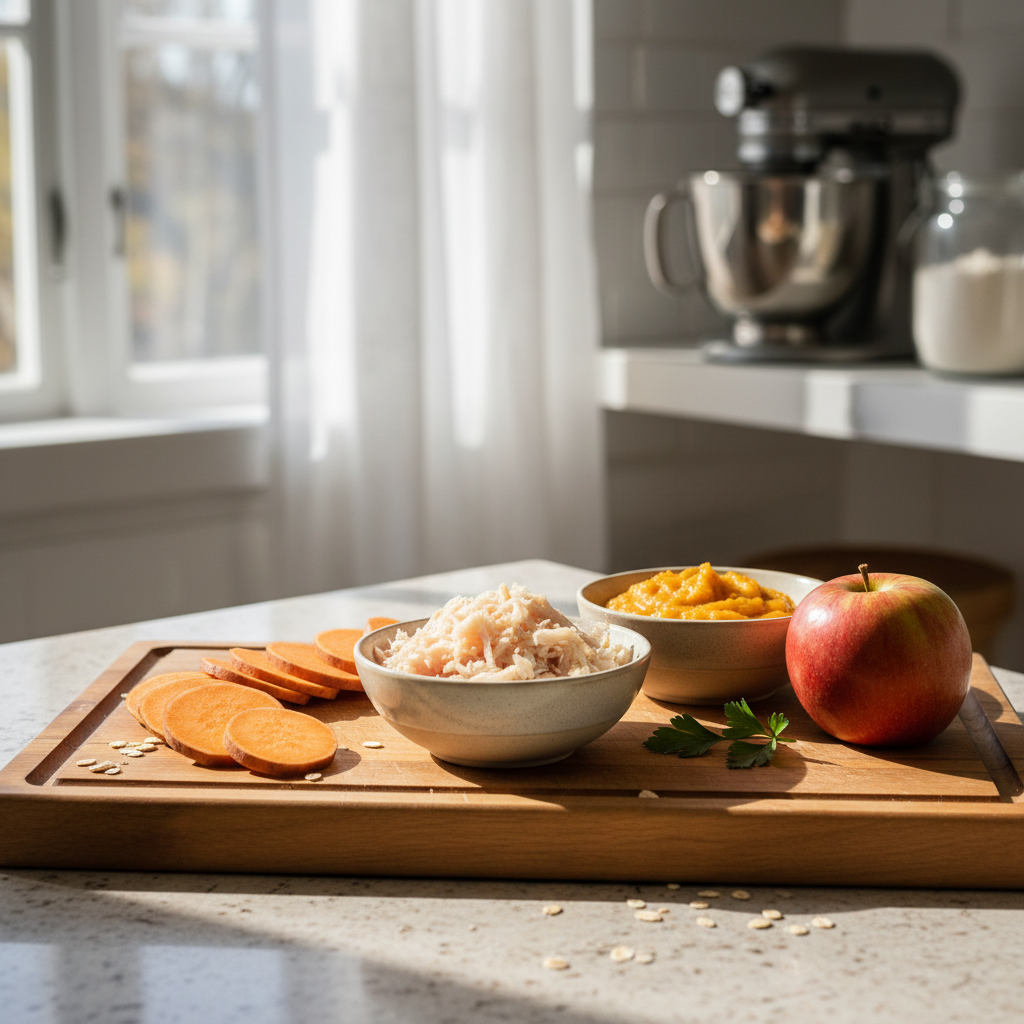
For the ultimate control over every single ingredient, nothing beats making treats yourself. It’s cheaper, healthier, and ensures zero hidden fats or preservatives. These five recipes are simple, safe, and Schnauzer-approved.
SAFETY DISCLAIMER: These recipes are for intermittent or supplemental feeding only. They are not a complete and balanced diet. Always ensure any ingredients you use are plain and contain no added salt, sugar, or toxic substances like xylitol.
1. Dehydrated Sweet Potato Chews
This is the simplest treat you can make. It’s a single-ingredient powerhouse of fiber and vitamins.
- Wash and scrub a large sweet potato.
- Slice it into 1/4-inch thick rounds or strips.
- Place the slices in a single layer on a dehydrator tray or a baking sheet lined with parchment paper.
- Dehydrate at 135°F for 8-12 hours, or bake in an oven at its lowest temperature (usually 170-200°F) for 6-8 hours, flipping halfway through. They should be chewy, not brittle.
Hacker Tip: Make a huge batch at once. Stored in an airtight container, these will last for weeks. They provide a satisfying, long-lasting chew without the risks of rawhide.
2. Frozen Pumpkin & Yogurt Bites
A cool and soothing treat, perfect for digestive health.
- Mix 1 cup of 100% pure pumpkin puree (not pie filling) with 1/2 cup of plain, non-fat Greek yogurt.
- Spoon the mixture into a silicone ice cube tray.
- Freeze until solid, typically 3-4 hours.
- Pop them out and serve. Store the rest in a freezer bag.
3. Baked Chicken & Carrot Strips
A high-value, protein-packed treat with zero added fat.
- Boil one large, boneless, skinless chicken breast until fully cooked.
- Finely shred the cooked chicken.
- Steam and mash one large carrot.
- In a bowl, mix the shredded chicken, mashed carrot, and 1/2 cup of oat flour (simply blend rolled oats in a blender). Add a tablespoon or two of water if needed to form a dough.
- Roll the dough out thinly on parchment paper and cut it into small strips.
- Bake at 350°F for 15-20 minutes, until dry and firm.
4. Apple & Oat ‘Cookies’
A crunchy, fiber-rich cookie without the fat.
- Core and finely dice one apple.
- In a food processor, combine the diced apple with 1 cup of rolled oats and 1/4 cup of water.
- Blend until a sticky dough forms.
- Roll small balls of the dough and flatten them onto a parchment-lined baking sheet.
- Bake at 350°F for 20-25 minutes, until golden and crisp.
5. Simple Green Bean ‘Fries’
The easiest ‘treat’ you can give. Many dogs love the crunch and taste of plain green beans.
- Wash and trim fresh green beans.
- You can serve them raw for a crunchy snack.
- Alternatively, you can steam them for a few minutes to soften them slightly, then cool completely before serving.
Hacker Tip: Keep a bag of frozen green beans in your freezer. When your dog is begging for a treat, toss them a frozen bean. It’s a calorie-free, fat-free, and satisfyingly crunchy reward.
Conclusion
Managing the diet of a Miniature Schnauzer with a predisposition for pancreatitis is a serious commitment, but it doesn’t have to be a sentence of bland, boring food. Your role as a Canine Nutrition Hacker is to be a vigilant gatekeeper. You must scrutinize every label, question every ingredient, and prioritize your dog’s long-term health over marketing gimmicks. Whether you choose the convenience of a carefully vetted commercial treat or the absolute control of a DIY recipe, the power is in your hands. By arming yourself with this knowledge, you can confidently reward your beloved Schnauzer, knowing that you are providing a treat that is not only delicious but, most importantly, unequivocally safe. Your veterinarian is your most important partner in this journey, so maintain an open dialogue and work together to give your dog the long, healthy, and happy life they deserve.