15 Aesthetic DIY Dog Food Pantry Labels (Free Download)
Let’s get one thing straight: I am The Canine Nutrition Hacker. I don’t waste time on fluff. I dissect ingredient labels, expose marketing gimmicks, and find the most efficient ways to maximize your dog’s health without emptying your wallet. You might think pantry labels are purely for Instagram aesthetics, a frivolous pursuit for pet parents with too much time on their hands. You would be wrong.
An organized pantry is your first line of defense in the war against nutritional degradation. The moment you open a bag of expensive, high-quality dog food, the clock starts ticking. Oxygen, light, and humidity begin to rob it of vital nutrients and healthy fats. A disorganized system leads to stale food, potential pest contamination, and wasted money. Hacking your dog’s nutrition starts long before the bowl; it starts with how you store the fuel. This guide provides the strategy and the tools—including 15 free, downloadable DIY labels—to turn your pantry into a high-efficiency nutritional hub. It’s time to get serious about storage.
Why Your Pantry System is a Critical Nutrition Hack
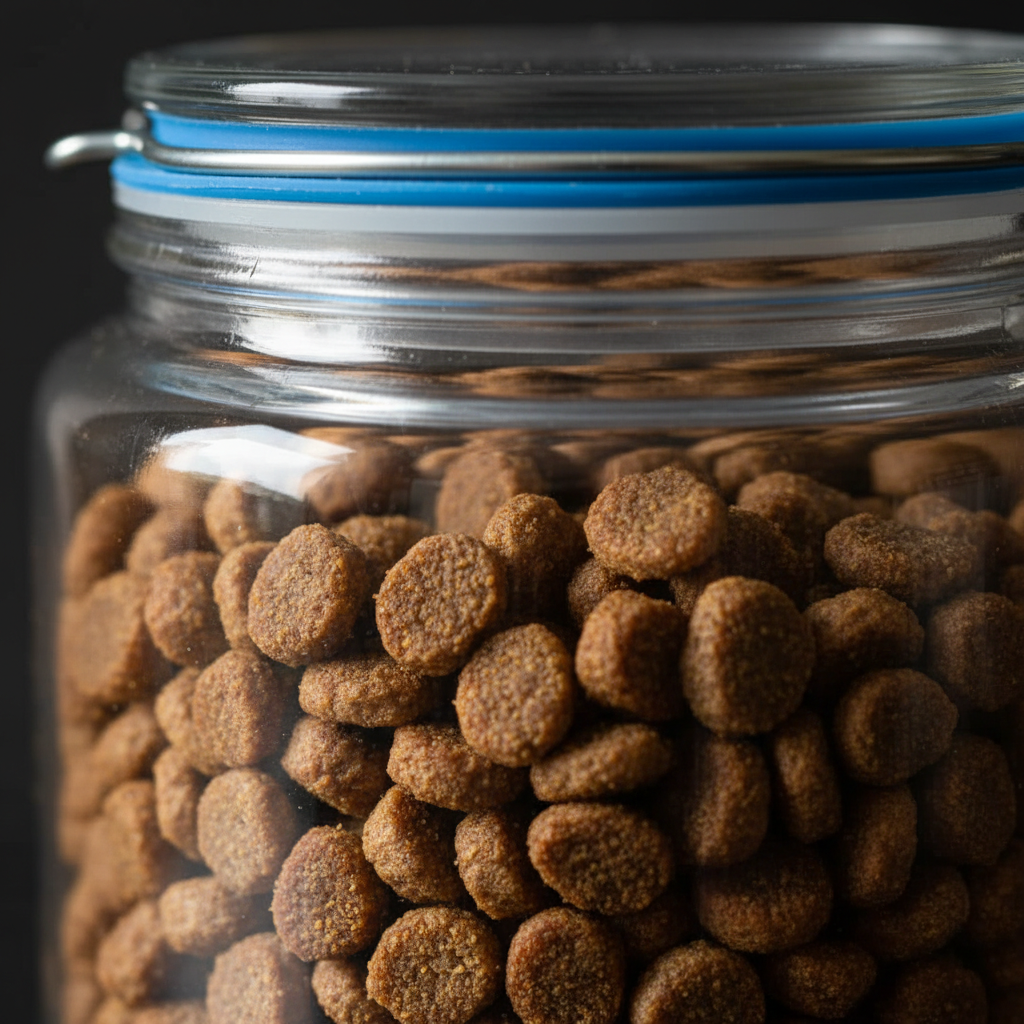
Before we get to the free labels, you need to understand the ‘why’. A sloppy storage system actively works against the high-quality food you’re buying. It’s like putting premium fuel in a car with a leaky gas tank. Here’s the forensic breakdown of the risks you’re running with a half-open bag of kibble shoved in a corner.
Nutrient Degradation: The Invisible Threat
High-quality dog foods are rich in essential fatty acids, like Omega-3 and Omega-6, and fat-soluble vitamins (A, D, E, K). These are the powerhouses for your dog’s coat, joint health, and immune system. They are also incredibly fragile. When exposed to oxygen—a process called oxidation—these fats turn rancid. Not only do they lose their nutritional value, but they can also cause digestive upset and long-term health issues. Light and heat accelerate this process. Storing food in its original bag, often left open or poorly sealed, is a recipe for nutrient loss.
Contamination and Pests: The Uninvited Guests
Your dog’s food is a tempting target for pests like pantry moths, beetles, and even rodents. Their presence introduces bacteria and waste into the food. Furthermore, a poorly managed pantry risks cross-contamination from human foods or cleaning supplies. An airtight container is a non-negotiable fortress against these invaders.
The FIFO Principle: First In, First Out
Without a clear system, it’s easy to buy a new bag of food and simply dump it on top of the old food. This is a critical error. The kibble at the bottom can sit for months, becoming stale and nutritionally void. A proper system, facilitated by clear labels and containers, allows you to implement the ‘First In, First Out’ (FIFO) method—the same principle used in professional kitchens to ensure freshness and safety. You use up the oldest food first, guaranteeing your dog is always eating the freshest meal possible.
Hacker Tip: Think of your dog’s kibble like expensive coffee beans. You wouldn’t leave a bag of artisan coffee open on the counter to go stale, would you? You’d put it in an airtight, opaque container in a cool, dark place. Grant your dog’s food the same respect. The nutritional integrity depends on it.
The Hacker’s Toolkit: Selecting Mission-Critical Containers
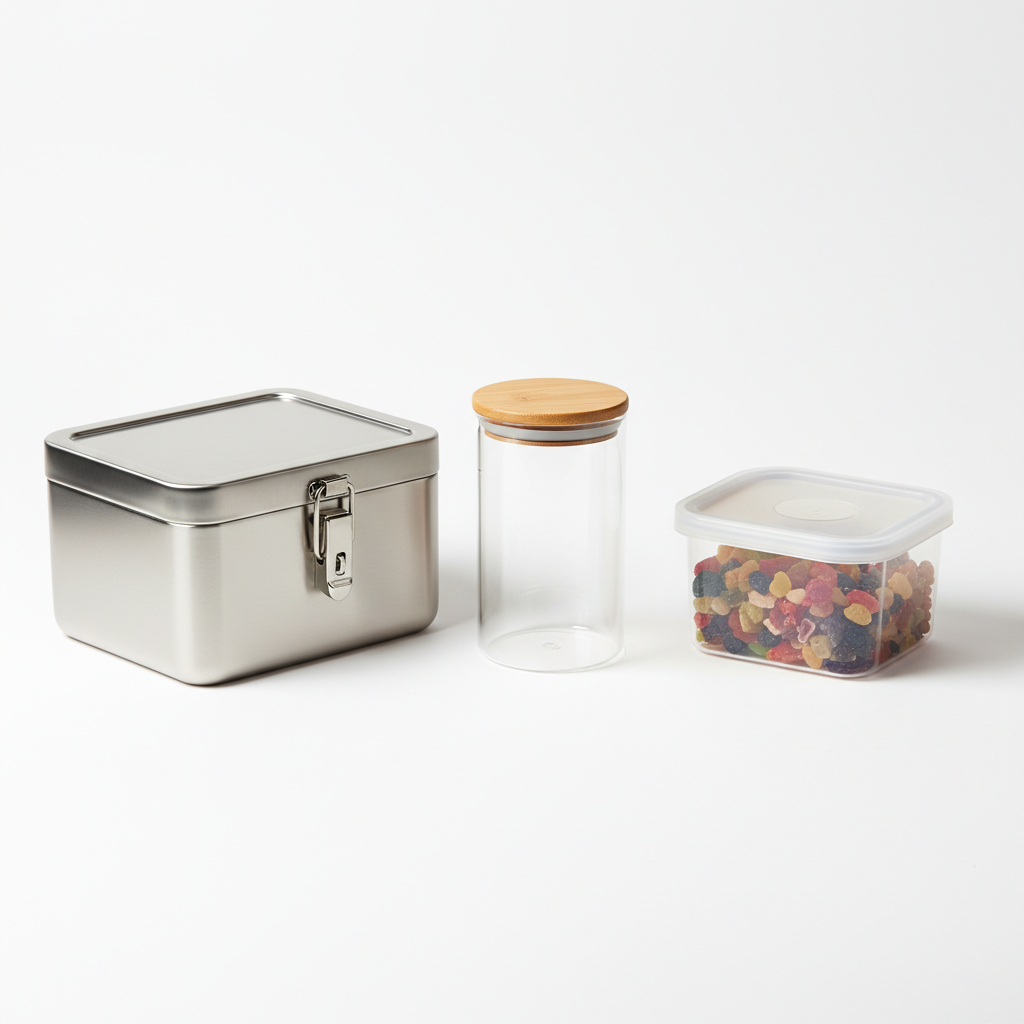
The right container is just as important as the label you put on it. Your choice directly impacts the longevity and safety of your dog’s food. Forget flimsy plastic bins with loose lids; we’re talking about food-grade, airtight solutions. Here’s the breakdown:
Container Material Analysis
- Glass: The gold standard for non-reactivity. Glass won’t leach chemicals into the food or absorb odors. It’s easy to clean and sanitize. The primary drawback is its weight and breakability. Best for: Treats, supplements, and smaller quantities of food on an open shelf where aesthetics matter.
- Stainless Steel: Durable, lightweight, and easy to clean. It’s completely opaque, offering the best protection from light degradation. Ensure you purchase a food-grade (304 grade) stainless steel container. Best for: Bulk storage of kibble in a pantry or cabinet.
- BPA-Free Plastic: The most common and cost-effective option. Look for clear labels stating it’s BPA-free, BPS-free, and phthalate-free. Choose plastics with locking lids and silicone gaskets to ensure a truly airtight seal. While convenient, plastic can scratch over time, creating tiny crevices where bacteria can hide. Best for: A budget-friendly, practical option for all types of storage, but requires more diligent cleaning.
| Material | Freshness Seal | Light Protection | Durability | Hacker Verdict |
|---|---|---|---|---|
| Glass | Excellent (with good lid) | Poor (unless tinted) | Fair (breakable) | Ideal for treats & toppings |
| Stainless Steel | Excellent | Excellent | Excellent | The ultimate choice for bulk kibble |
| BPA-Free Plastic | Good to Excellent | Fair to Poor | Good | The best all-around budget option |
Insider Secret: Skip the ‘pet’ aisle. The best containers are often found in the restaurant supply section. Brands like Cambro and Rubbermaid Commercial make food-grade, airtight containers that are designed for the rigors of a professional kitchen. They are often cheaper and far more durable than the cutesy, overpriced bins sold at pet stores.
The Free Arsenal: 15 Downloadable Pantry Labels
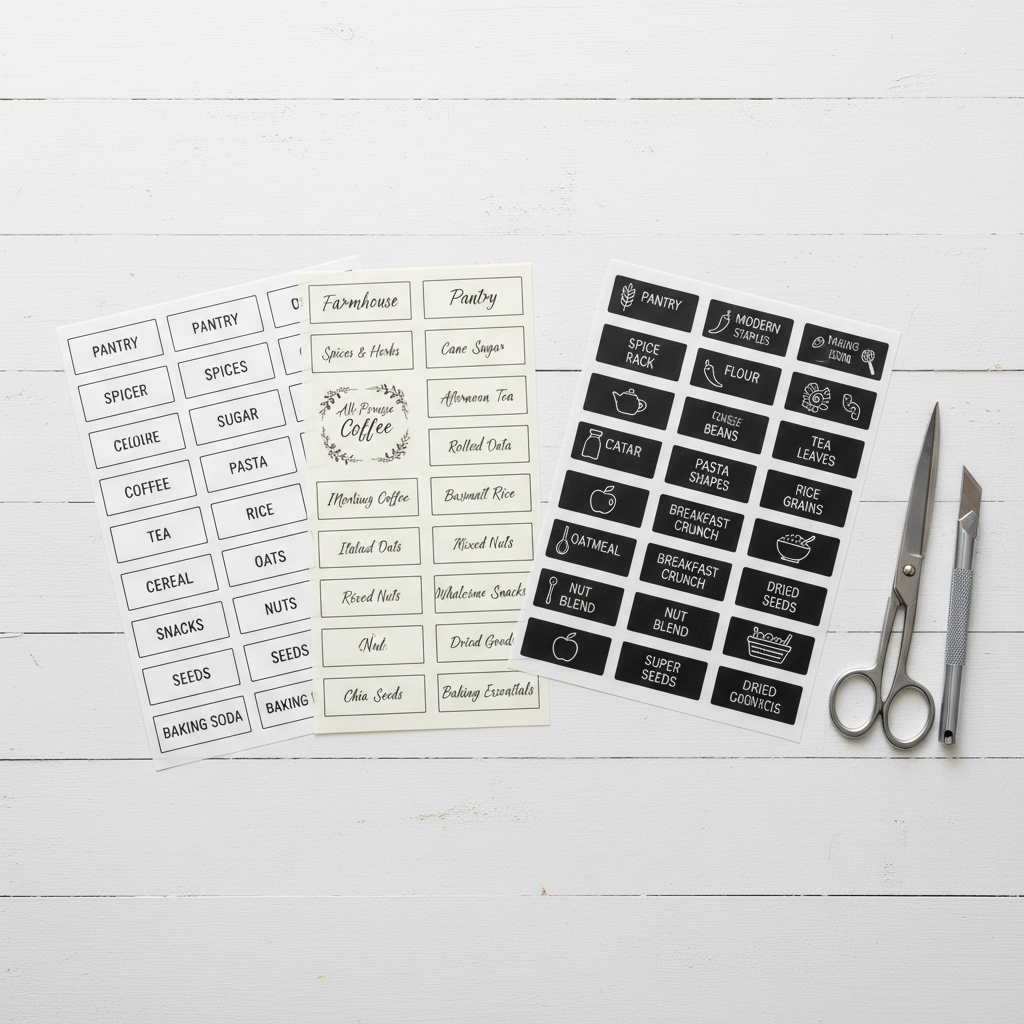
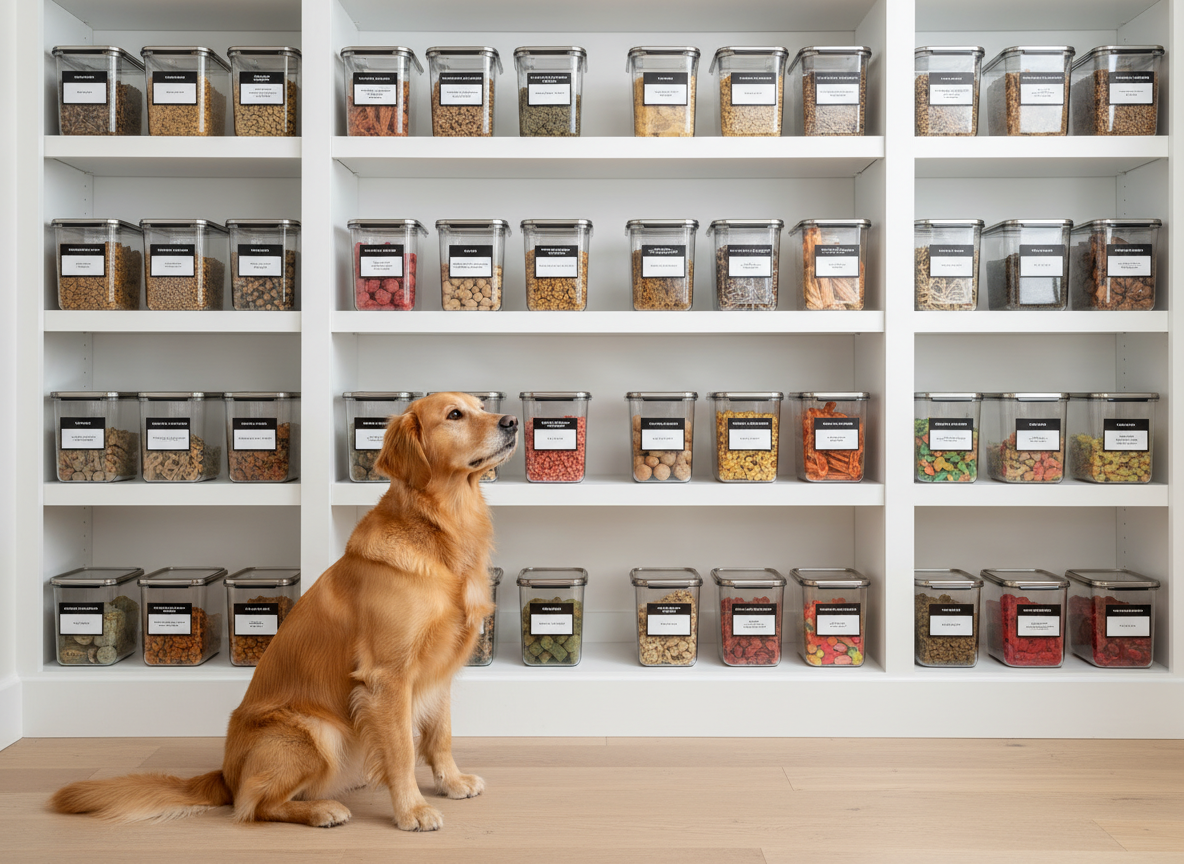
Here is the core of your mission. I’ve designed 15 labels across three distinct aesthetic styles. You can print them on sticker paper or high-quality cardstock. Each design is clean, clear, and designed for maximum readability. Find the style that fits your system and deploy it. Your free PDF download is waiting at the end of this section.
Style 1: The Minimalist Operator
Clean, sans-serif fonts. No clutter. All business. Perfect for the modern, efficient home.
- KIBBLE: Bold, all-caps. The foundation of the pantry.
- TREATS: Simple, clean, and direct.
- TRAINING: For high-value, small-batch training rewards.
- DENTAL: For dental chews and health-specific treats.
- PUPPY: Essential for multi-dog households to prevent food mix-ups.
Style 2: The Rustic Farmhouse
A slightly warmer, more traditional feel with elegant script and serif fonts. For a classic, cozy aesthetic.
- Dog Food: A charming script font that’s still highly legible.
- Good Boy Snacks: A playful yet classic label for everyday treats.
- The Biscuit Jar: A timeless label for your dog’s favorite cookies.
- Dental Sticks: A clear, descriptive label for oral health items.
- Toppers: A dedicated label for meal enhancers like freeze-dried morsels or gravy.
Style 3: The Modern Iconographer
This style combines clean text with simple, intuitive line-art icons for quick visual identification.
- FOOD (with a simple bowl icon): For the main kibble container.
- REWARDS (with a bone icon): For all general treats.
- HEALTH (with a small cross icon): For supplements, vitamins, or medicated treats.
- CHEWS (with a rawhide/chew stick icon): For long-lasting recreational chews.
- SPECIAL DIET (with a star icon): To clearly mark prescription or specialized food.
To get your free, high-resolution printable PDF of all 15 labels, click the download link here. [Editor’s Note: A download link would be placed here on a live website]. The file is formatted for standard 8.5×11 inch paper for easy home printing.
Mastering Application: A Flawless, Long-Lasting Finish
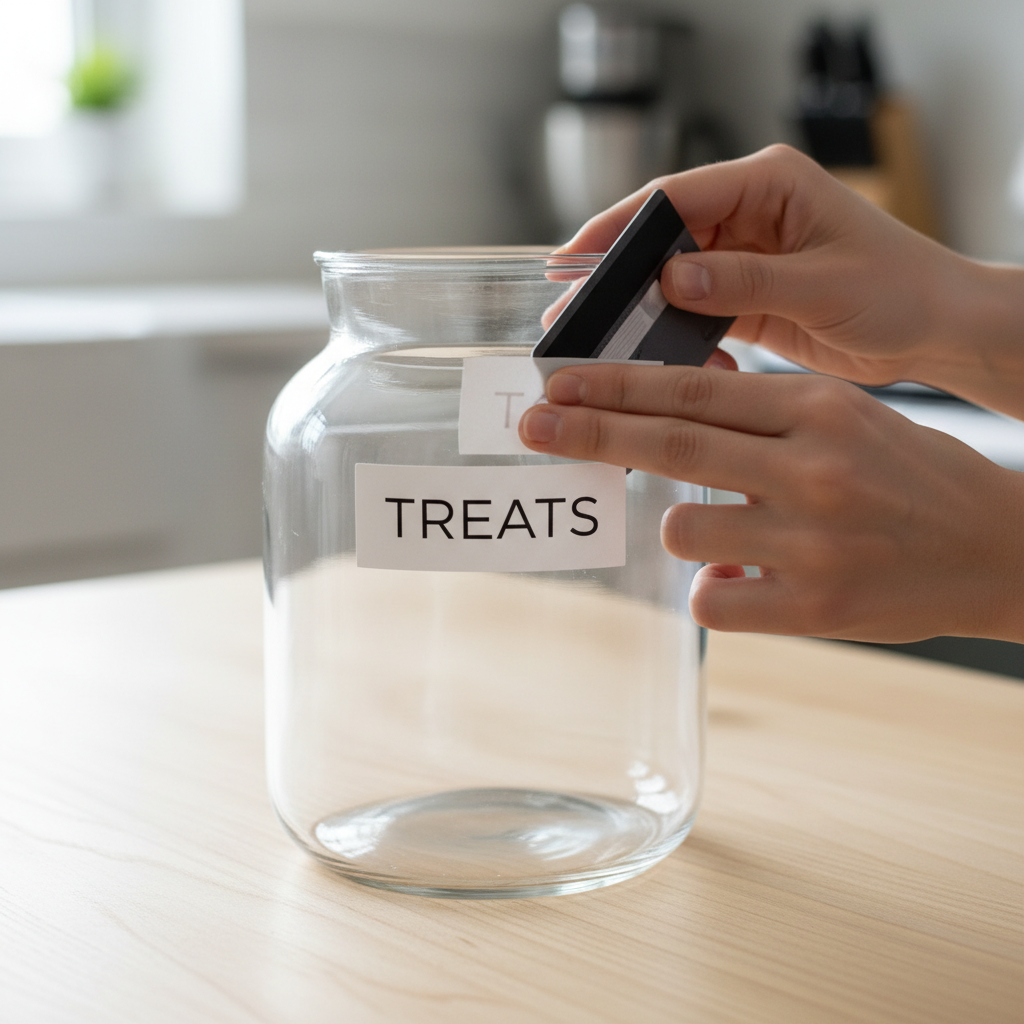
A great label is useless if it peels off, smudges, or is applied crooked. Precision here ensures your system not only works well but looks professional. Follow this protocol for a perfect application every time.
Step 1: Choose Your Medium
- Full-Sheet Sticker Paper: The easiest method. Simply print, cut, peel, and stick. Look for vinyl or waterproof options for maximum durability, especially if you’ll be washing the containers.
- Cardstock & Adhesive: For a more rigid, premium feel. Print on heavy cardstock, cut out the labels, and use a strong adhesive like a spray mount or double-sided tape. This method is less waterproof.
Step 2: Print for a Professional Result
In your printer settings, choose the highest quality print option (often called ‘Photo’ or ‘Best’). If you’re using sticker paper or cardstock, make sure to select the correct paper type in the settings. This ensures the printer uses the right amount of ink for crisp lines and no smudging.
Step 3: Waterproof Your Paper Labels
If you didn’t use vinyl sticker paper, you must waterproof your labels. The easiest hack is to apply a layer of clear packing tape over the top of the label before you stick it on the container. Trim the edges for a clean finish. Alternatively, a few light coats of a clear acrylic spray sealant will also do the trick.
Step 4: The Hinge Application Method
To avoid bubbles and crooked placement, use the hinge method. First, clean the surface of your container with rubbing alcohol to remove any oils. Then, peel back only one inch of the sticker backing. Align the label perfectly and press down that one-inch edge. Now, slowly peel away the rest of the backing with one hand while you smooth the label down with the other, using a credit card or a small squeegee. This pushes air out as you go, guaranteeing a bubble-free finish.
Hacker Tip: For a truly high-end, ‘no label’ look on glass or clear plastic containers, print your designs on clear sticker paper. When applied correctly, only the black text and icons will be visible, appearing as if they were professionally printed directly onto the container itself.
Conclusion
You now have the strategy and the tools to execute a complete overhaul of your dog food storage system. This isn’t a frivolous organizational project; it’s a fundamental component of a proactive nutritional strategy. By implementing an airtight, organized, and clearly labeled system, you are directly protecting the investment you make in your dog’s food. You are preserving critical nutrients, preventing dangerous contamination, and eliminating waste. This is the essence of being a Canine Nutrition Hacker: looking at every element of your dog’s life and optimizing it for maximum health and efficiency. Your pantry is now more than just a storage space—it’s a tactical advantage in providing the best possible care for your dog.