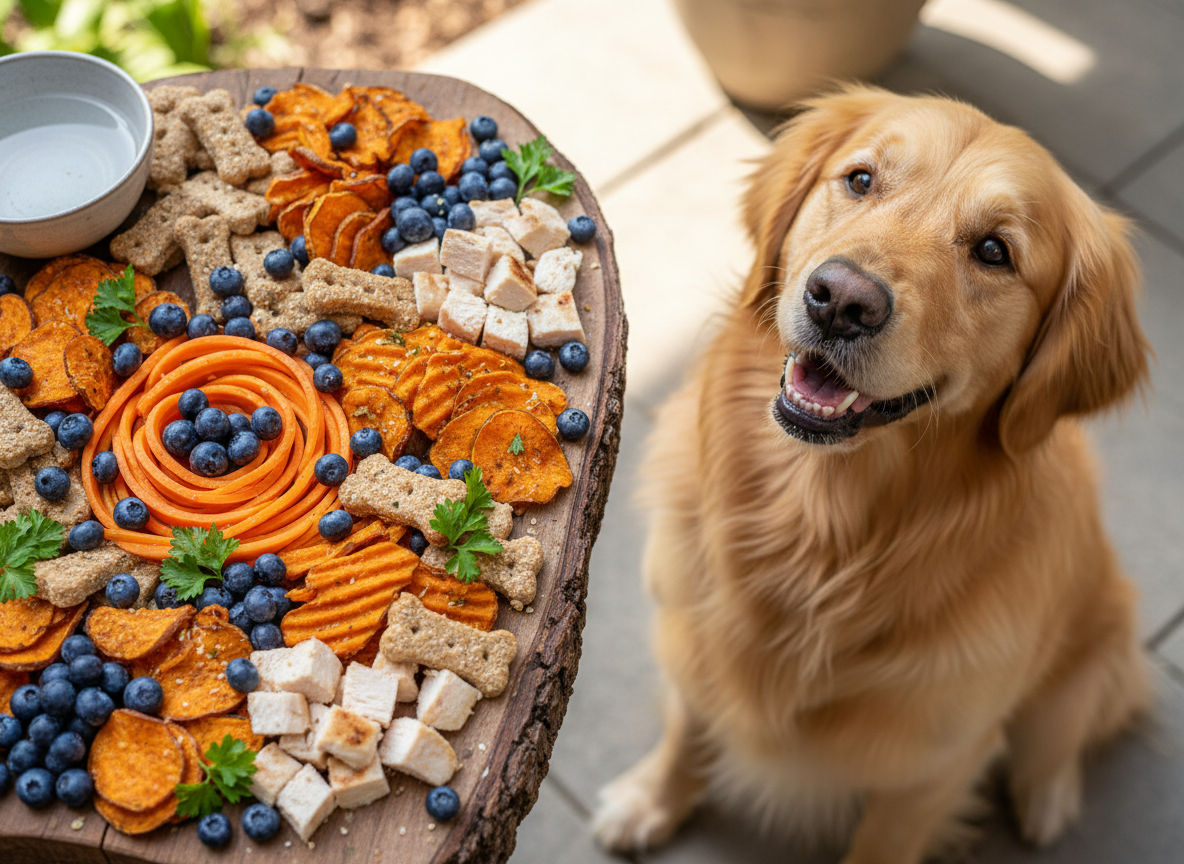
15 Barkcuterie Board Ideas Your Dog Will Devour
Forget the bags of brown, crunchy circles filled with unpronounceable ingredients and chemical preservatives. The modern pet owner demands better, and the market is flooded with boutique treats that cost more per ounce than prime steak. There’s a smarter way. I’m The Canine Nutrition Hacker, and I’m here to expose the truth: you can provide your dog with superior nutrition, incredible enrichment, and photo-worthy snacks without emptying your wallet. Enter the Barkcuterie Board.
This isn’t just about arranging treats on a platter; it’s a strategic approach to your dog’s health and happiness. It’s about taking back control from manufacturers who prioritize shelf life over nutritional value. It’s about turning snack time into a stimulating sensory experience. In this guide, we will dissect the anatomy of a perfect board, explore 15 vet-approved themes, and run a cost analysis that will change the way you shop for your dog forever.
CRITICAL SAFETY DISCLAIMER: I am a canine nutrition analyst, not a veterinarian. The information provided here is for educational purposes. Always consult your veterinarian before introducing new foods into your dog’s diet, especially if your dog has health conditions, allergies, or is on a special diet. All foods should be served in moderation, and treats should not exceed 10% of your dog’s daily caloric intake. Immediately discontinue any food that causes digestive upset.
The Barkcuterie Blueprint: Core Principles of Canine Grazing
Before we dive into specific recipes, you must understand the foundational principles. A successful barkcuterie board isn’t a random assortment of leftovers; it’s a balanced, safe, and engaging platter designed for a canine’s specific needs. Mastering these rules is non-negotiable.
The Golden Rules of Safety: Non-Negotiable No-Go’s
Your first priority is safety. Many human foods are toxic to dogs. Internalize this list and never include these items on a board. This is not an exhaustive list, so always research a new food before offering it.
- Grapes & Raisins: Can cause acute kidney failure.
- Onions, Garlic, & Chives: Can damage red blood cells, leading to anemia.
- Chocolate: Contains theobromine, which is highly toxic to dogs.
- Macadamia Nuts: Can cause weakness, vomiting, tremors, and hyperthermia.
- Xylitol: An artificial sweetener found in many products (including some peanut butters!) that causes a rapid release of insulin and can lead to liver failure. Read every label.
- Alcohol & Caffeine: Highly toxic and can be fatal.
- Cooked Bones: Can splinter and cause choking or internal damage.
Portion Control is Paramount
This is a treat, not a meal. The ‘10% Rule’ is the gold standard: treats should make up no more than 10% of your dog’s total daily caloric intake. A barkcuterie board is a special occasion indulgence. Use it for training, as a reward, or for mental enrichment. If you present a massive board, let your dog have a few pieces and save the rest for later. Overfeeding leads to obesity, a primary driver of joint problems, diabetes, and a shortened lifespan. Don’t sabotage your dog’s health for a cute photo.
The Anatomy of a Perfect Board
A well-structured board offers a variety of textures, flavors, and nutrients. Think in categories to ensure a balanced offering:
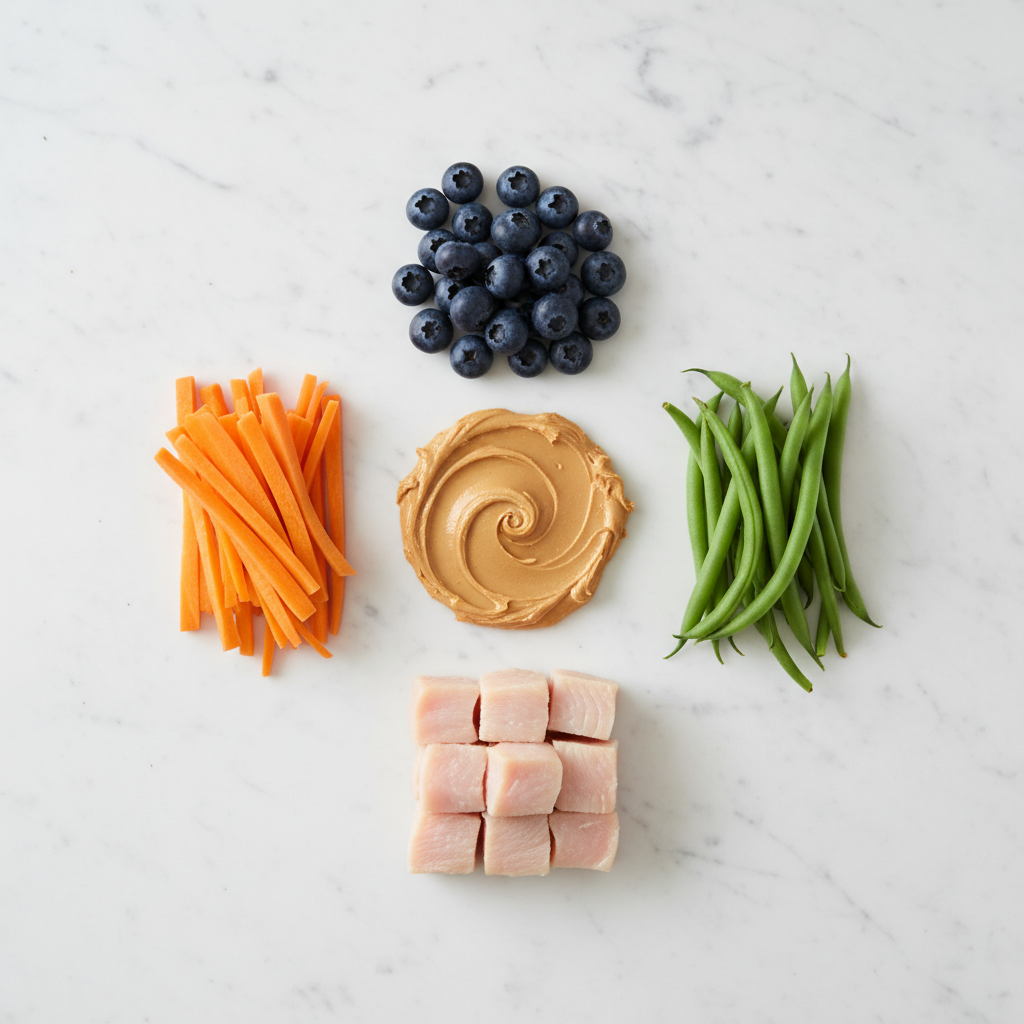
- The Protein Anchor (30%): Lean, cooked, unseasoned meats like chicken, turkey, or beef. Dehydrated meat jerky (with no additives) or small pieces of fish like salmon (cooked) are excellent.
- The Garden Veggies (30%): Offer crunch and vitamins. Think raw carrot sticks, green beans, cucumber slices, or steamed broccoli florets.
- The Fruit Accent (15%): For a touch of sweetness and antioxidants. Use small amounts of apple slices (no seeds), blueberries, strawberries, or watermelon (no rind/seeds).
- The Satisfying Starch (15%): Cooked and cooled sweet potato cubes, pumpkin puree, or plain, cooked oatmeal can add healthy fiber and carbohydrates.
- The Lickable Lure (10%): A smear of plain Greek yogurt, unsweetened pumpkin puree, or a xylitol-free peanut butter gives them something to focus on and is great for spreadable toys or mats.
15 Vet-Approved Barkcuterie Board Ideas Your Dog Will Devour
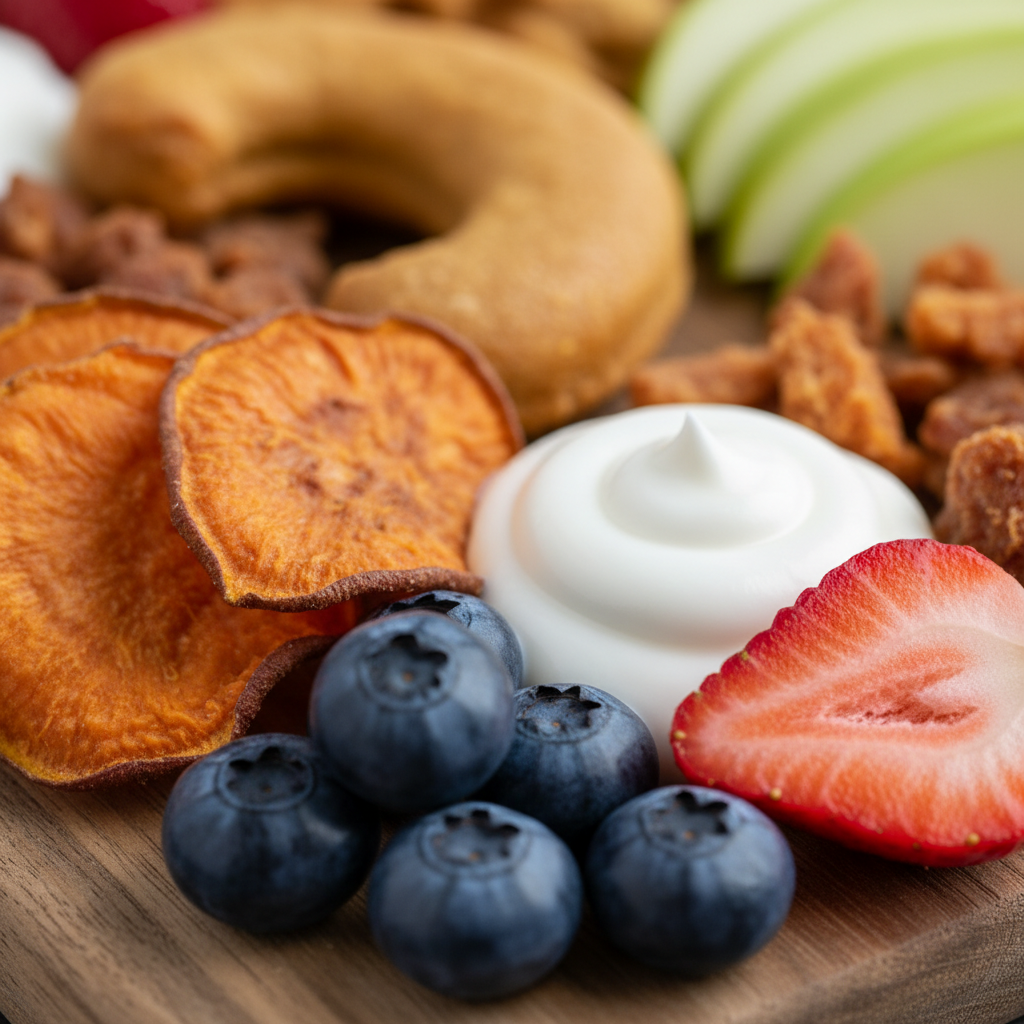
Now, let’s apply the principles. Here are 15 themed ideas, ranging from puppy-specific platters to boards for the sensitive senior. Use these as templates and customize based on your dog’s preferences and dietary needs.
For the Puppy Power-Up
- The Teething Tamer: Frozen carrot sticks, a smear of plain yogurt, small cubes of cooked sweet potato, and a few blueberries. The frozen carrots are fantastic for soothing sore gums.
- The Brain Builder: Small pieces of cooked salmon (for omega-3s), a few raspberries, steamed broccoli florets, and a spoonful of plain, cooked oatmeal.
- The Tummy Tamer: A dollop of pumpkin puree, small cubes of boiled chicken breast, and soft-cooked rice. Perfect for sensitive puppy stomachs.
The Senior Soother
- The Joint Juice Board: Pieces of cooked salmon, blueberries (a powerful antioxidant), a smear of plain yogurt with a sprinkle of turmeric (anti-inflammatory), and soft-cooked sweet potato.
- The Soft & Savory: Shredded boiled chicken, mashed pumpkin, scrambled egg (unseasoned), and seedless watermelon cubes. Easy on aging teeth.
- The Low-Cal Comfort: Green beans, apple slices (no seeds), small pieces of cooked turkey breast, and cucumber slices. Helps manage weight while still feeling like a treat.
The Athlete’s Refuel
- The Protein Punch Platter: Cubes of lean steak (cooked, unseasoned), dehydrated beef liver treats, a hard-boiled egg, and carrot sticks for crunch.
- The Endurance Engine: Sliced bananas, a large smear of xylitol-free peanut butter, cubes of cooked chicken, and a handful of blueberries.
- The Post-Hike Hydrator: Chunks of seedless watermelon, cucumber slices, a dollop of plain Greek yogurt, and turkey jerky (single ingredient).
The Sensitive Tummy Platter
- The Novel Protein Board: If your dog is allergic to chicken, try cubes of cooked duck, lamb, or rabbit. Pair with steamed sweet potato and green beans.
- The Gut Guardian: A large spoonful of pumpkin puree (great for digestion), plain yogurt (for probiotics), boiled shredded chicken, and cooked oatmeal.
- The Grain-Free Grazer: Dehydrated sweet potato chips, apple slices, pieces of cooked salmon, and a handful of fresh green beans.
The Holiday Feast Board
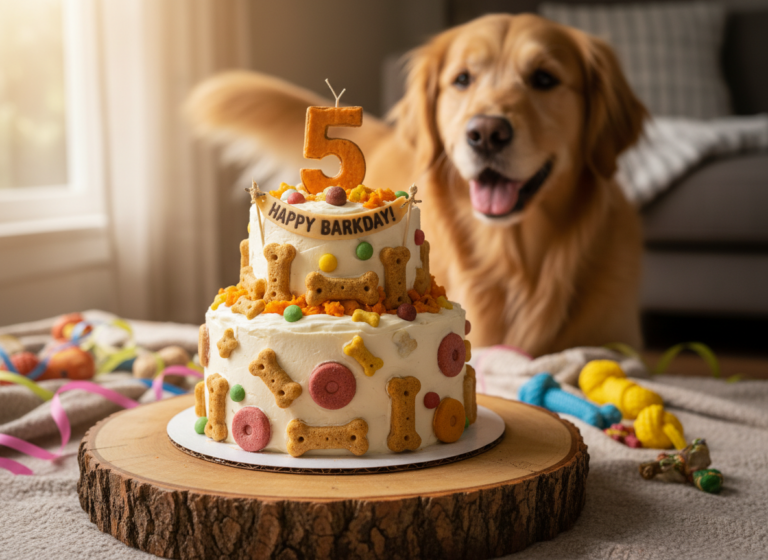
- The Birthday Bash: A ‘pupcake’ made from whole wheat flour and topped with yogurt ‘frosting’, surrounded by your dog’s favorite fruits like strawberries and blueberries, and pieces of their favorite lean protein.
- The Thanksgiving Plate (Dog-Friendly): Unseasoned cooked turkey, a dollop of mashed plain sweet potato, steamed green beans, and a few cranberries (not the sugary sauce!).
- The ‘Pup-kin’ Spice Autumn Board: A generous smear of pumpkin puree, apple slices, dehydrated sweet potato chews, and a sprinkle of cinnamon (which has anti-inflammatory properties).
The Cost-Benefit Analysis: Hacking Your Treat Budget
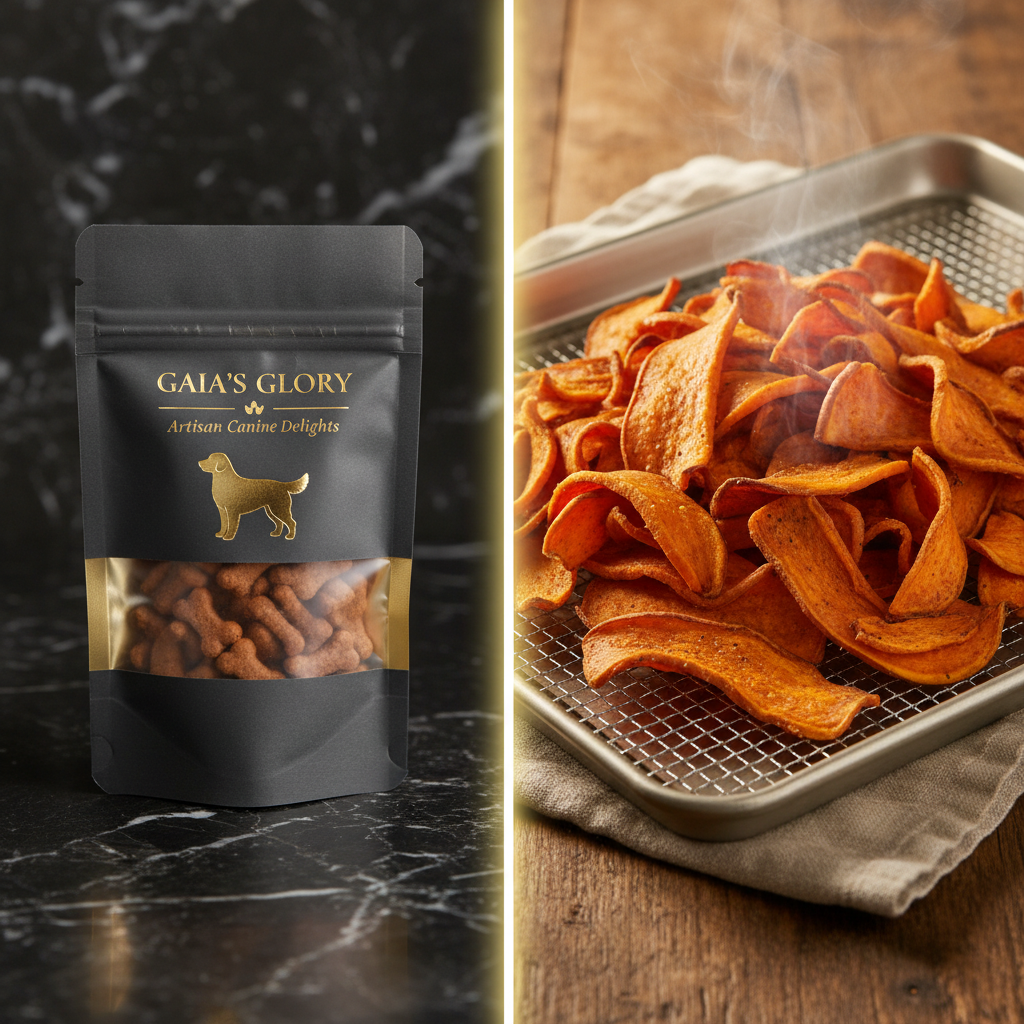
The boutique pet store sells an image of health, but a quick forensic analysis of the price tag and ingredient list tells a different story. Let’s break down the real cost of providing high-value treats and see where your money is actually going. We’ll compare a popular ‘premium’ treat—dehydrated sweet potato chews—against the DIY version.
Insider Secret: A simple food dehydrator is one of the best investments a dedicated dog owner can make. It costs around $40-$70 and will save you hundreds of dollars per year by allowing you to make your own jerky, fruit leathers, and vegetable chews with zero additives.
| Metric | Boutique Brand Sweet Potato Chews | DIY ‘Hacker’ Sweet Potato Chews |
|---|---|---|
| Source Ingredients | ‘Sweet Potatoes’ (Origin often unspecified, may include preservatives like sulfites) | 2 large organic sweet potatoes |
| Initial Cost | $15.99 for an 8oz bag | $3.50 for 2 lbs of fresh sweet potatoes |
| Yield | 8oz (227g) | Approx. 12oz (340g) of dehydrated chews |
| Cost Per Ounce | $2.00/oz | $0.29/oz |
| The ‘Hacker’ Verdict | You are paying a premium of over 600% for convenience and fancy packaging. The ingredient quality is a black box. | For a fraction of the price, you get a larger quantity of a higher-quality product with 100% ingredient transparency. The savings are astronomical over the long term. |
This isn’t a fluke; this pattern repeats across almost every category of dog treat. By investing a small amount of time in preparation, you gain complete control over quality and slash your budget. You’re no longer paying for marketing, packaging, and supply chain markups—you’re paying only for the raw, wholesome ingredients.
Prep & Storage: The Canine Meal-Prep Pro

A great barkcuterie board doesn’t have to be a time-consuming project for every single snack time. Applying simple meal-prep principles allows you to have high-quality components ready to assemble at a moment’s notice. Work smarter, not harder.
Batch Cooking & Prepping
Dedicate one hour on a Sunday to prepare a week’s worth of barkcuterie components. This is the key to consistency and convenience.
- Proteins: Cook a batch of plain chicken breasts or lean ground turkey. Shred or cube the meat and store it in an airtight container in the refrigerator for up to 4 days.
- Vegetables: Wash and chop your dog-safe veggies like carrots, cucumbers, and bell peppers. Store them in airtight containers. You can even blanch green beans to have them ready to serve.
- Starches: Cook a batch of plain rice or oatmeal. Bake a few sweet potatoes, mash them, and store them in the fridge.
Smart Storage Solutions
Proper storage is crucial for maintaining freshness and safety. Your refrigerator and freezer are your best allies.
- Airtight Containers: Use glass or BPA-free plastic containers for all prepped items. This prevents cross-contamination and keeps food fresh.
- The Freezer Hack: The freezer is your secret weapon for long-term storage and creating unique treats. Freeze pumpkin puree or plain yogurt in silicone ice cube trays. These ‘pupsicles’ are a perfect, cooling addition to any board. You can also freeze chopped fruits like blueberries or strawberries on a baking sheet before transferring them to a bag to prevent clumping.
- Dehydrated Goods: Store homemade jerky or dried vegetables in an airtight container in a cool, dark place. They can last for several weeks.
By having these components ready, you can assemble a diverse and exciting barkcuterie board in under two minutes, turning an elaborate-looking treat into an easy daily ritual of enrichment for your dog.
Conclusion
You are now equipped with the knowledge to move beyond the commercial treat aisle and become the master of your dog’s snack time. The barkcuterie board is more than a trend; it’s a powerful tool for delivering targeted nutrition, preventing boredom, strengthening your bond, and saving significant money. You’ve seen the cost analysis—the numbers don’t lie. By investing in whole foods, you’re making a direct investment in your dog’s long-term health and vitality.
Remember the core principles: safety first, portion control always. Start with the ideas provided, but don’t be afraid to innovate. Observe what your dog loves, consult your vet on new ingredients, and take pride in providing a treat that is as nourishing as it is beautiful. You are no longer just a pet owner; you are your dog’s personal chef and nutritional advocate. You are a Canine Nutrition Hacker.