7 Vet-Approved Homemade Dog Food Recipes for Skin Allergies
CRITICAL SAFETY DISCLAIMER: I am a canine nutrition analyst, not a veterinarian. The information and recipes provided here are for educational purposes and are based on established veterinary nutritional principles. Before you make any changes to your dog’s diet, you MUST consult with your veterinarian or a board-certified veterinary nutritionist. Every dog is an individual with unique needs. These recipes are a foundation and must be properly balanced with specific supplements to ensure they are complete and safe for long-term feeding.
You’ve tried the creams, the medicated shampoos, and the endless bags of premium, wallet-draining ‘sensitive skin’ kibble. Yet, the scratching, licking, and hot spots persist. It’s a frustrating, expensive cycle that leaves both you and your dog miserable. The problem often lies in the very food you trust to nourish them. Commercial dog food, even the high-end brands, can be a minefield of common allergens, inflammatory fillers, and over-processed ingredients that do more harm than good. It’s time to stop treating the symptoms and start hacking the source of the problem: the food bowl. This guide will arm you with the knowledge and vet-approved recipes to take back control, soothe your dog’s skin, and build a truly healthy diet from the ground up.
Deconstructing the Problem: Why ‘Hypoallergenic’ Kibble Fails
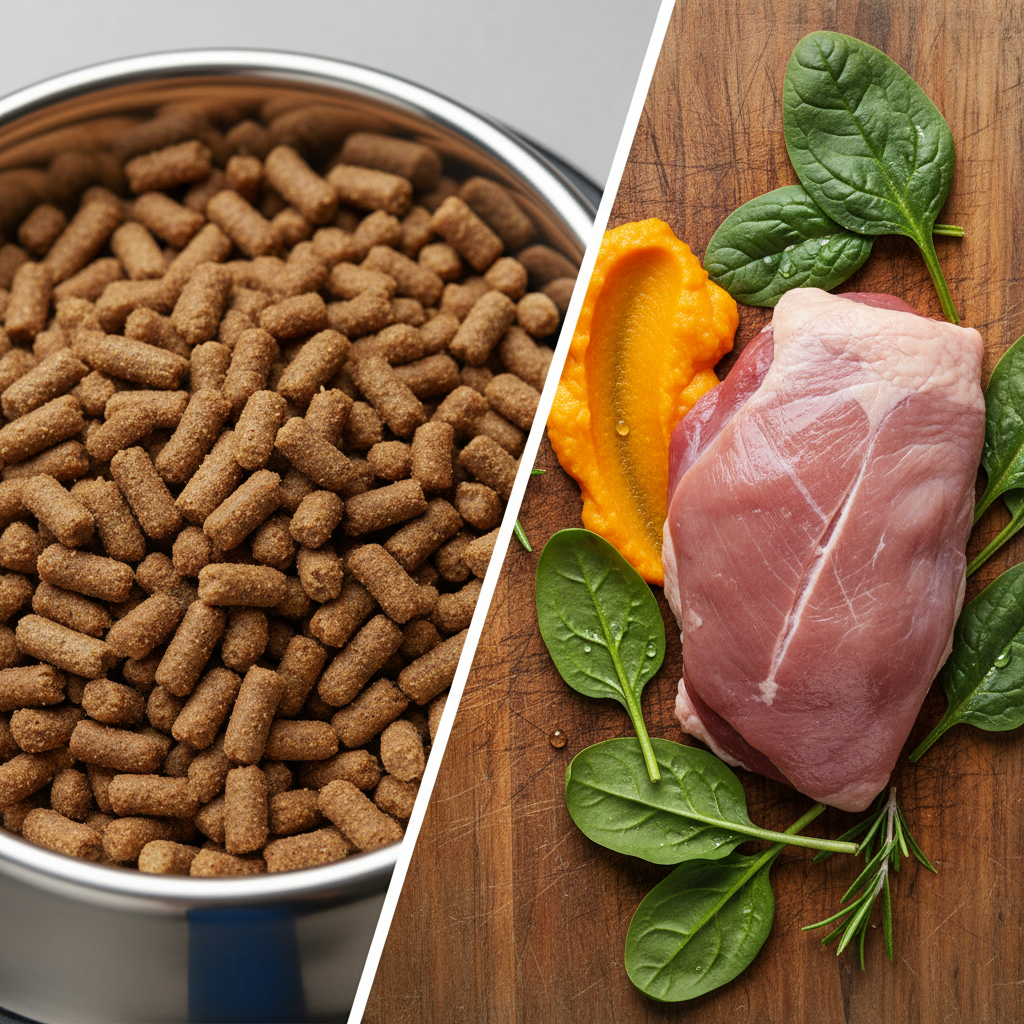
The term ‘hypoallergenic’ on a dog food bag is a marketing masterpiece, not a medical guarantee. To understand why these formulas often fail, you have to think like a nutrition hacker and analyze the ingredient panel. The top culprits for food-based skin allergies in dogs are proteins—specifically, the ones they’ve been exposed to the most over time. This typically includes chicken, beef, dairy, and egg. Many ‘grain-free’ foods simply swap corn and wheat for other starchy fillers like peas and lentils, which can still cause gut issues for some dogs.
Let’s dissect a typical ‘sensitive skin’ formula’s first five ingredients:
- Deboned Chicken: A decent start, but chicken is one of the most common canine allergens.
- Chicken Meal: A concentrated protein source, but again, it’s chicken.
- Brown Rice: A common carbohydrate that can be inflammatory for some dogs.
- Barley: Another grain that offers little nutritional value for a dog’s specific needs.
- Pea Protein: A cheap way for manufacturers to boost the protein percentage on the label without adding more quality meat.
The high-heat processing used to create kibble can also degrade vital nutrients, particularly the fragile Omega-3 fatty acids that are essential for skin health. You’re often left with a product that, despite its claims, may contain the very ingredients triggering your dog’s immune response. The only way to have 100% control is to make the food yourself.
The Real Cost Breakdown: Hacking Your Budget for Superior Nutrition
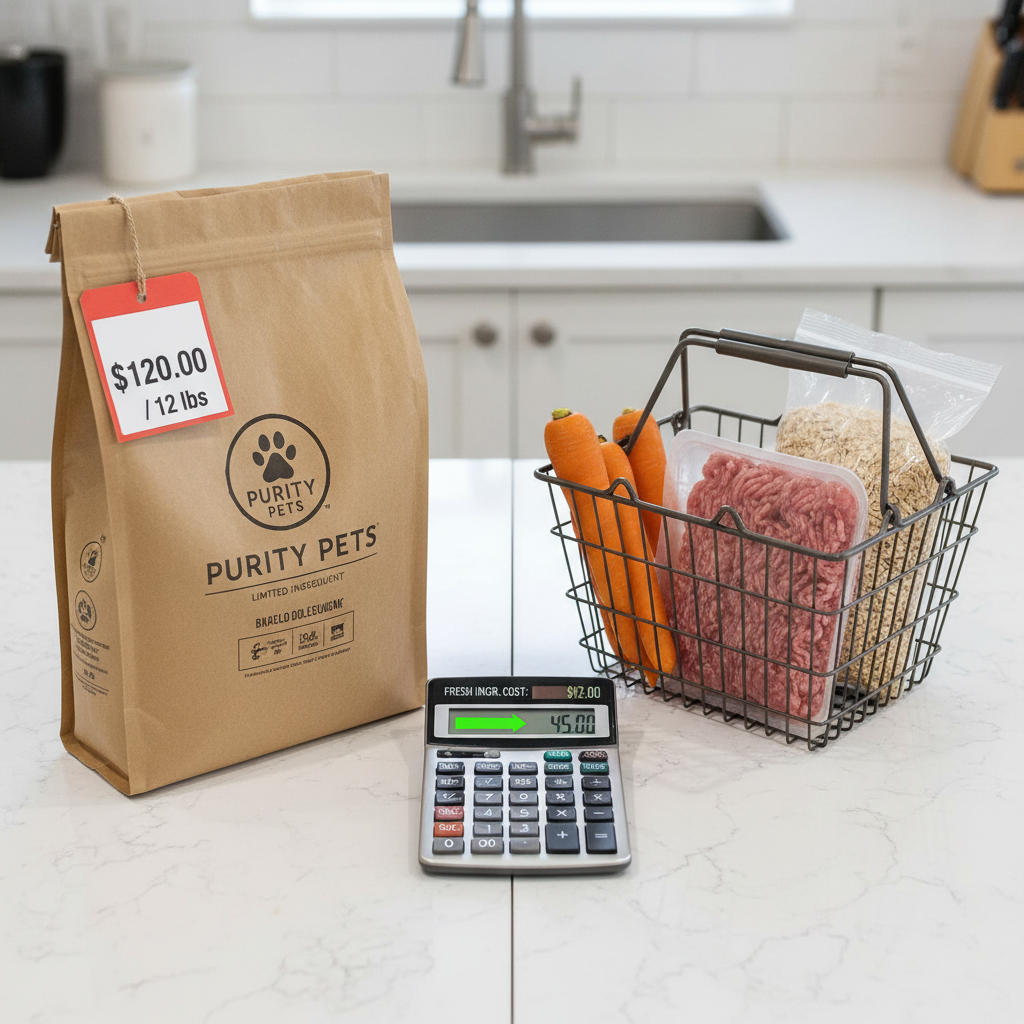
One of the biggest myths about homemade dog food is that it’s prohibitively expensive. While the initial grocery bill might seem higher than a bag of kibble, the cost per day for a far superior product is often comparable, or even cheaper, than premium commercial brands. The key is buying in bulk, shopping sales, and understanding the true cost of what you’re feeding.
Let’s break down the approximate daily cost for a 50-pound dog:
| Diet Type | Primary Ingredients | Approximate Cost Per Day (50lb Dog) | Verdict |
|---|---|---|---|
| Premium ‘Hypoallergenic’ Kibble | Salmon Meal, Potatoes, Pea Protein | $2.50 – $4.00 | High cost for processed ingredients and potential allergens. You pay for marketing and convenience. |
| Homemade Salmon & Sweet Potato Diet | Fresh Salmon, Sweet Potatoes, Kale, Supplements | $3.00 – $4.50 | Higher quality, 100% human-grade ingredients. Total control over every component. Excellent for skin health. |
| Homemade Turkey & Cranberry Diet | Ground Turkey, Oats, Carrots, Supplements | $2.25 – $3.50 | More budget-friendly protein source. Still vastly superior to kibble in terms of freshness and bioavailability. |
Hacker Tip: Make friends with your local butcher. They often have organ meats (like liver and heart) and less popular cuts of meat that are incredibly nutritious for dogs and can be purchased for a fraction of the cost of muscle meat. Also, check for frozen fish and meat sales and stock up.
The Core Recipes: 7 Vet-Approved Formulas to Combat Itching
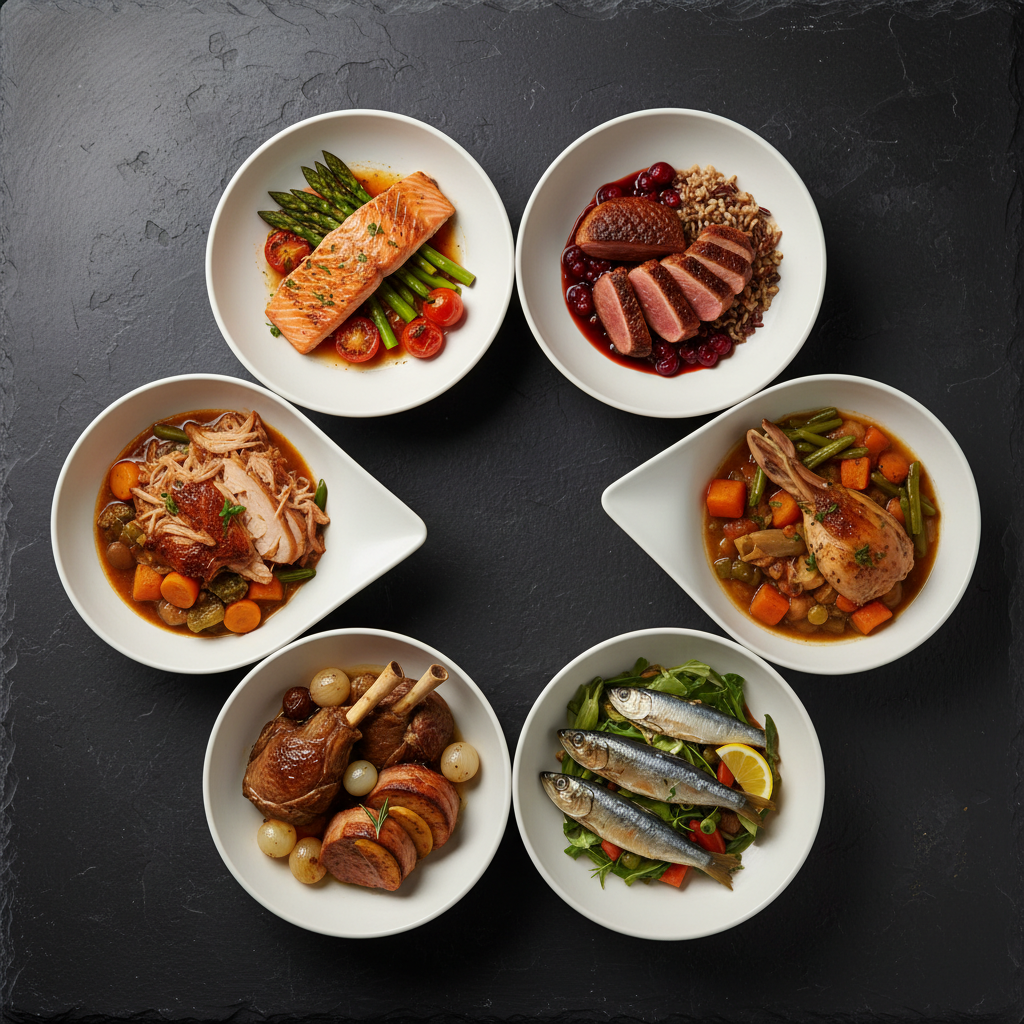
Here are seven foundational recipes designed around novel proteins and anti-inflammatory ingredients. Remember to introduce any new food slowly over 7-10 days. All recipes are formulated for an adult dog and should be fed at a rate of approximately 2-3% of their ideal body weight per day, split into two meals. This is a starting point—adjust based on your dog’s activity level and body condition. Crucially, these recipes are not balanced on their own and require a supplement like BalanceIT or a custom formulation from your vet.
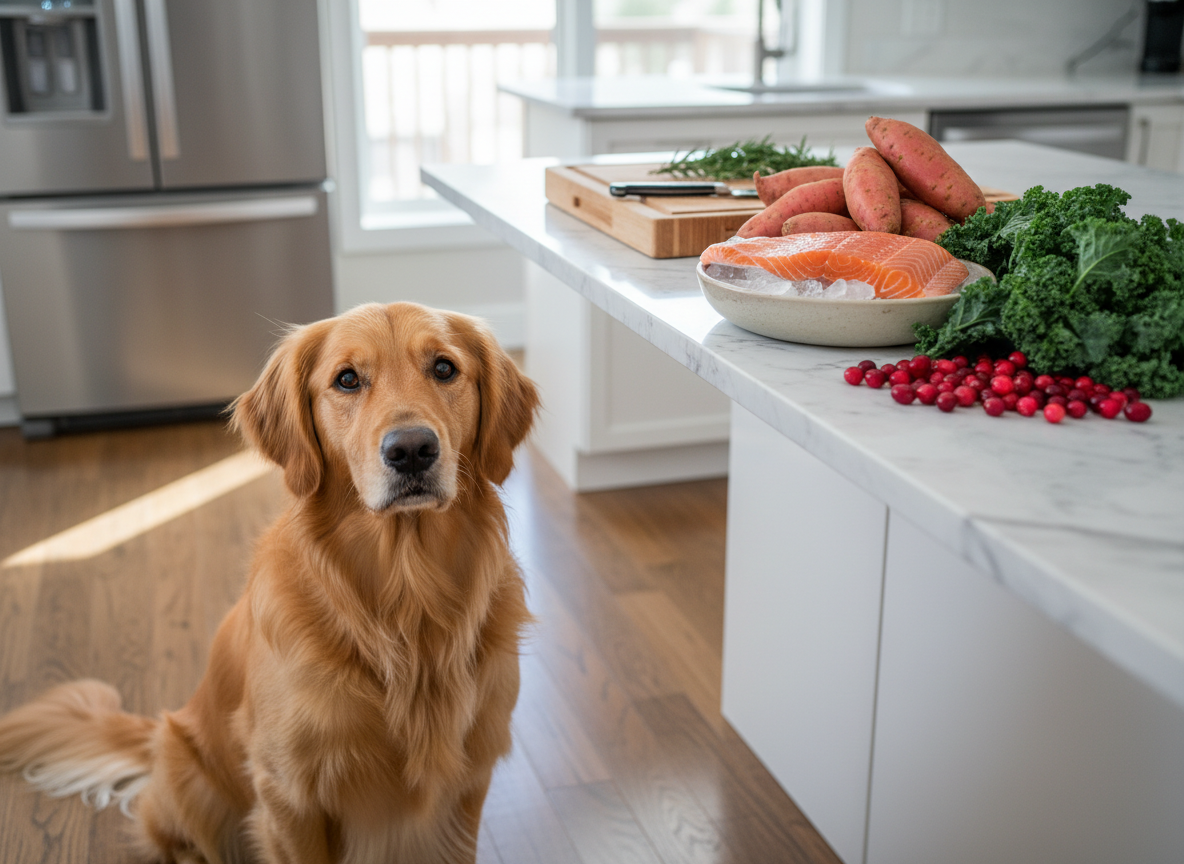
1. Salmon & Sweet Potato Powerhouse
This recipe is packed with Omega-3 fatty acids from salmon, which are powerful anti-inflammatories for the skin.
- Protein: 1 lb salmon, baked and flaked
- Carbohydrate: 2 lbs sweet potatoes, baked and mashed
- Vegetable: 1 cup kale, finely chopped and steamed
- Fat: 1 tbsp fish oil (or oil from the cooked salmon)
- Bake salmon and sweet potatoes until cooked through.
- Let cool, then remove skin from salmon and flake the meat. Mash the sweet potatoes.
- Gently steam the kale until wilted.
- Combine all ingredients in a large bowl and mix thoroughly.
2. The Duck & Pumpkin Digestive Soother
Duck is a fantastic novel protein, meaning your dog has likely never been exposed to it, reducing the chance of a reaction. Pumpkin is excellent for digestive health.
- Protein: 1.5 lbs ground duck
- Carbohydrate/Fiber: 1.5 lbs pumpkin puree (100% pure pumpkin, not pie filling)
- Vegetable: 1 cup spinach, finely chopped
- Calcium: Add as per your supplement’s instructions.
- Cook the ground duck in a skillet over medium heat until browned. Drain off excess fat.
- In a large bowl, combine the cooked duck, pumpkin puree, and fresh spinach.
- Mix well to ensure all ingredients are evenly distributed.
3. The Turkey & Cranberry Cleanse
A leaner protein option that’s still less common than chicken. Cranberries are rich in antioxidants and support urinary tract health.
- Protein: 2 lbs ground turkey (93/7)
- Carbohydrate: 1 cup cooked oatmeal (cooked in water)
- Vegetable/Fruit: 1 cup chopped carrots and 1/2 cup fresh or frozen cranberries
- Cook ground turkey thoroughly. Drain fat.
- Cook oatmeal according to package directions. Steam or boil carrots until tender.
- Combine all ingredients in a food processor and pulse a few times for a consistent texture.
4. Rabbit & Quinoa Hypoallergenic Feast
Rabbit is one of the most effective novel proteins for dogs with severe allergies. Quinoa provides a gluten-free source of carbohydrates and amino acids.
- Protein: 1.5 lbs ground rabbit
- Carbohydrate: 2 cups cooked quinoa
- Vegetable: 1 cup chopped zucchini
- Fat: 1 tbsp flaxseed oil
- Sauté the ground rabbit until cooked.
- Cook quinoa according to package directions. Lightly steam the zucchini.
- Combine all ingredients and drizzle with flaxseed oil before mixing.
5. The Sardine & Kale Omega Boost
Sardines are an incredibly cost-effective and potent source of Omega-3s and Vitamin D. They are also low on the food chain, meaning less mercury contamination.
- Protein: 2 cans (approx. 8 oz) sardines packed in water, no salt added
- Base: 2 lbs boiled and mashed potatoes
- Vegetable: 2 cups finely chopped kale
- Extras: 1 hard-boiled egg, chopped
- Mash the sardines (bones and all for calcium) with the hard-boiled egg.
- Combine the sardine mixture with the mashed potatoes and kale.
- Mix thoroughly. This recipe is potent, so it can be used as a meal or a topper.
6. The Lamb & Oatmeal Gentle Blend
For dogs who can’t tolerate poultry, lamb can be a great alternative. It’s rich in essential amino acids and B vitamins.
- Protein: 1.5 lbs ground lamb
- Carbohydrate: 2 cups cooked oatmeal
- Vegetable: 1 cup green beans, steamed and chopped
- Brown the ground lamb and drain the fat.
- Prepare oatmeal and steam green beans.
- Combine all ingredients and mix well.
7. The Pork & Green Bean Gut Guardian
Pork is another underutilized protein in commercial dog foods, making it a good choice for an elimination diet. Green beans provide fiber and vitamins.
- Protein: 2 lbs ground pork
- Carbohydrate: 1 lb butternut squash, roasted and mashed
- Vegetable: 1 cup chopped green beans
- Cook the ground pork thoroughly.
- Roast the butternut squash until tender, then mash. Steam the green beans.
- Combine all ingredients and serve.
CRITICAL ALERT: Balancing the Bowl with Essential Supplements
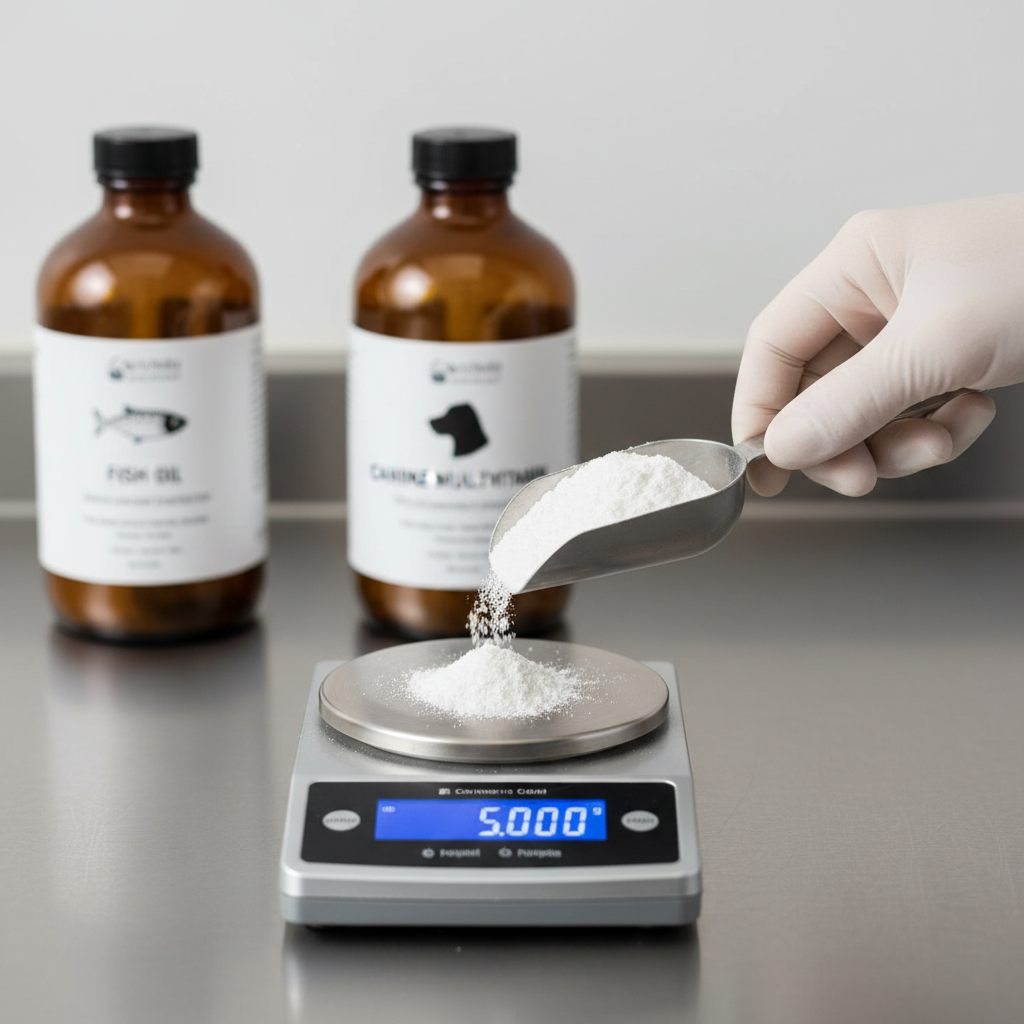
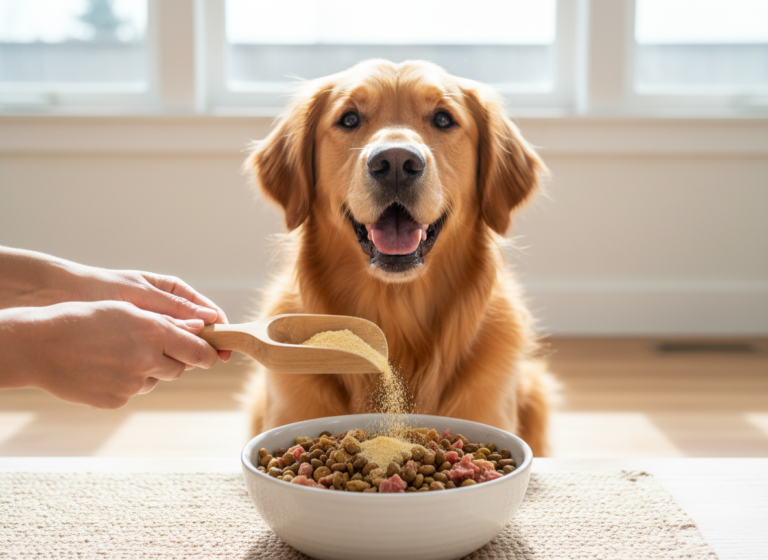
This is the most important section in this guide. You cannot simply feed your dog meat, carbs, and vegetables and call it a day. Doing so will lead to severe nutritional deficiencies over time. A homemade diet MUST be balanced with essential vitamins and minerals to mimic the nutrients they would get from a whole prey animal.
You have two primary options for balancing these recipes:
- Commercial Premix: Use a product specifically designed to balance homemade dog food. BalanceIT is a popular online tool and product line created by veterinary nutritionists that allows you to input your recipe and get a custom supplement blend. This is the safest and most reliable method for most owners.
- Veterinary Nutritionist Formulation: Work directly with a board-certified veterinary nutritionist. They can create a custom supplement recipe tailored precisely to your dog’s specific health needs, age, and activity level.
Key nutrients that are often lacking in basic homemade diets include:
- Calcium and Phosphorus: Essential for bone health. Never omit a calcium source.
- Zinc: Crucial for skin and coat health.
- Vitamin E and D: Important antioxidants and for calcium absorption.
- Omega-3 Fatty Acids: Even if using fish, an additional high-quality fish or algae oil is beneficial for skin allergies.
Do not skip this step. An unbalanced diet is more dangerous than a mid-tier kibble. Your diligence here is non-negotiable.
The Efficiency Hack: Batch Cooking and Storing for the Savvy Owner
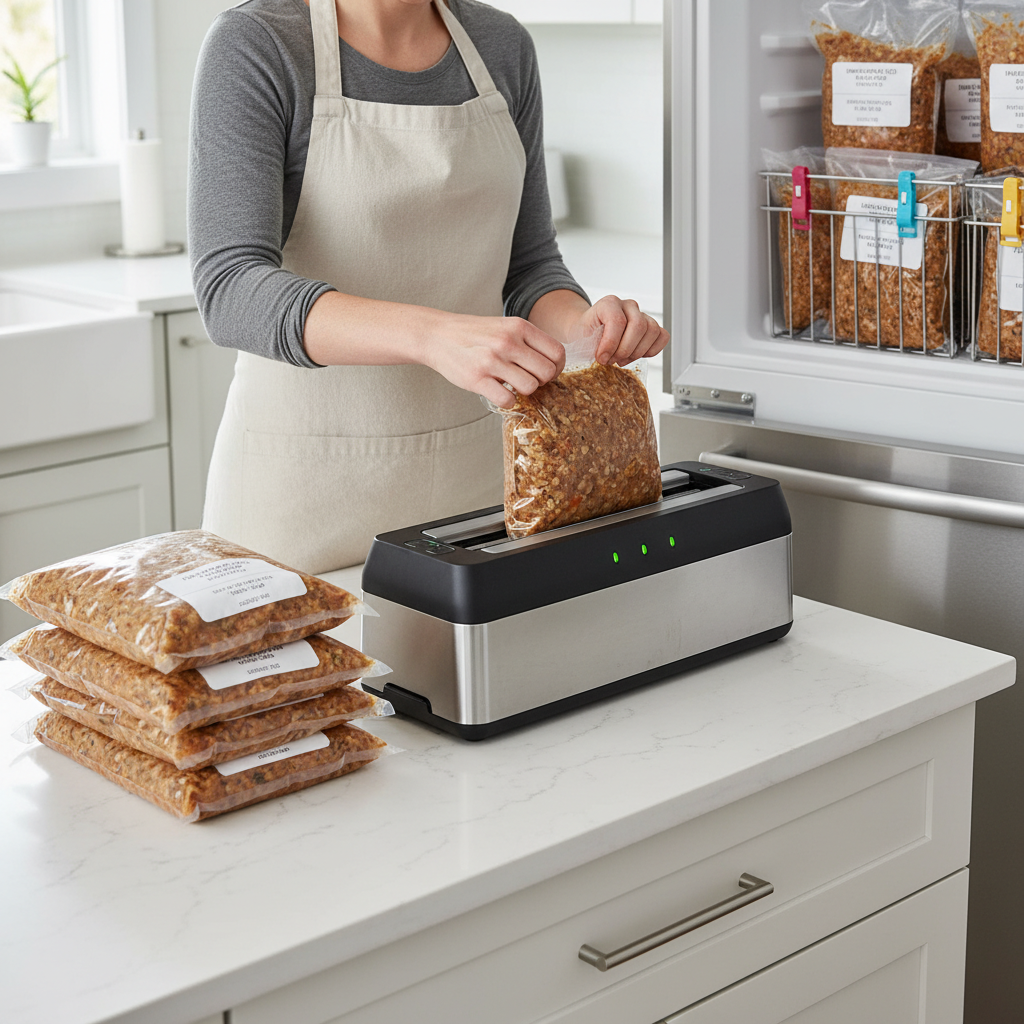
Making fresh food for every meal isn’t practical for most people. The secret to long-term success with a homemade diet is batch cooking. Dedicate a few hours one day a week or every other week to preparing a large quantity of food.
Step-by-Step Batching Process:
- Calculate Your Needs: Determine how much food your dog eats per day, then multiply that by the number of days you want to prep for (e.g., 14 or 30 days).
- Cook in Bulk: Use large stockpots for grains and proteins. Roast vegetables on large baking sheets. Let everything cool completely to room temperature before portioning. This is critical for food safety.
- Portion and Pack: Use a kitchen scale to weigh out each meal into individual containers or freezer bags. This ensures consistent feeding and makes mealtime simple. Don’t add supplements to the portions you’re going to freeze; add them to the food daily after it has been thawed and warmed.
- Label and Freeze: Clearly label each container with the date and recipe name. Food can be stored in the freezer for up to 3 months.
- Thaw Safely: Move a few days’ worth of food from the freezer to the refrigerator to thaw. Never thaw at room temperature. You can gently warm the food before serving by adding a little hot water.
Hacker Tip: For smaller dogs or for creating ‘toppers,’ portion the finished food into large silicone ice cube trays. Once frozen, pop out the cubes and store them in a freezer bag. You can thaw one or two cubes per meal for perfect portion control.
Conclusion
Switching to a homemade diet is the ultimate act of empowerment for a savvy dog owner. You are no longer at the mercy of marketing claims and ambiguous ingredient lists. You have seized control, providing your dog with fresh, human-grade, anti-inflammatory nutrition tailored to their needs. While it requires an investment of time and a commitment to safety and balance, the rewards—a drastic reduction in itching, a healthier coat, more energy, and a happier companion—are immeasurable. You’ve now been armed with the foundational knowledge and recipes to become a true Canine Nutrition Hacker. Remember to partner with your veterinarian, embrace the process, and watch your dog thrive.