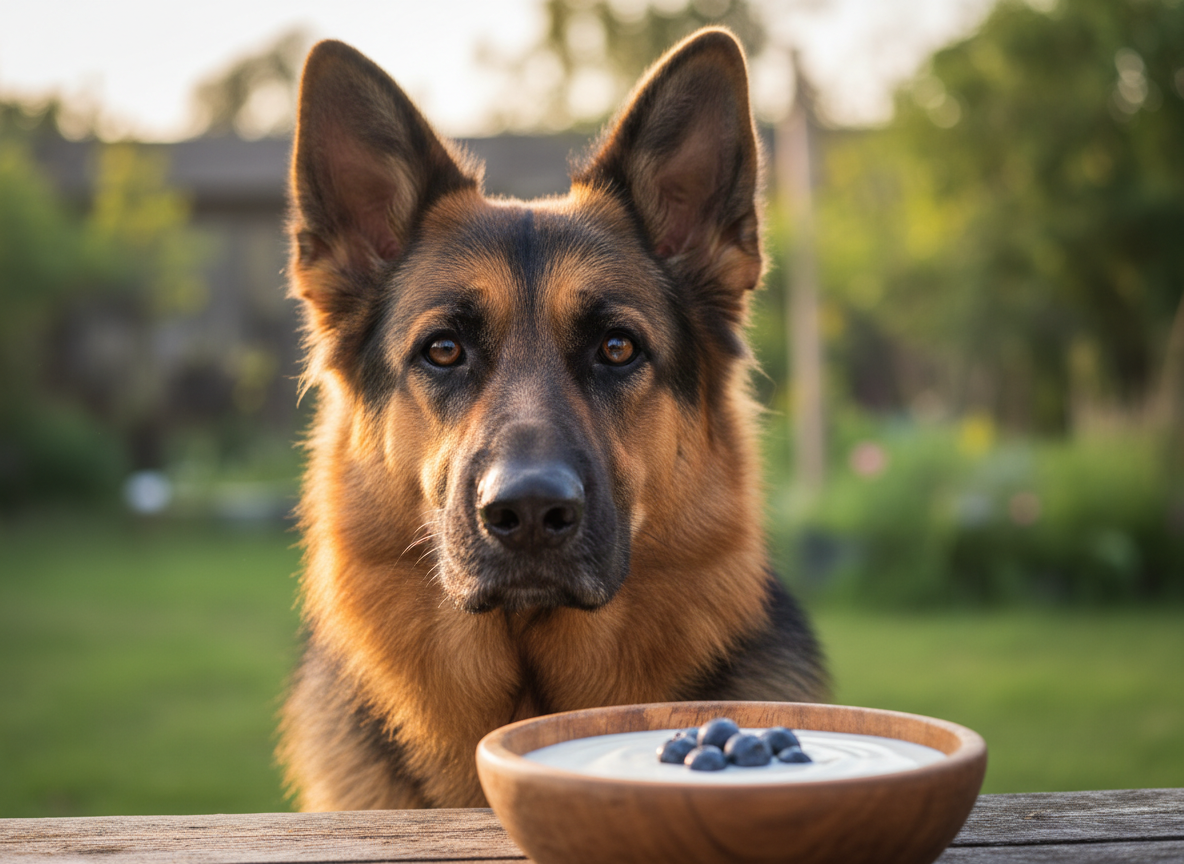
Why Your Dog Needs Probiotics & The Best Natural Sources
Let’s cut through the noise. The pet wellness industry wants you to believe that the secret to your dog’s health lies in an expensive bottle of powdered probiotics. They market fancy labels with impressive ‘CFU counts’ and scientific-sounding strain names, charging you a premium for something your dog’s ancestors got for free. I’m here to tell you that’s a half-truth designed to empty your wallet. As The Canine Nutrition Hacker, I don’t follow trends; I follow biology. Your dog’s gut—its microbiome—is the command center for its entire body, influencing everything from its immune system to its mood. Neglecting it is not an option, but overpaying for a solution is a mistake.
This guide is your blueprint to bypassing the marketing hype. We’re going to decode the science of the canine microbiome and unlock the power of potent, bioavailable, and shockingly affordable natural probiotic sources you can find in your own grocery store. It’s time to stop guessing and start taking strategic control of your dog’s health from the inside out.
Medical Disclaimer: I am a canine nutrition analyst, not a veterinarian. The information in this article is for educational purposes only. Always consult with a trusted veterinarian before making any significant changes to your dog’s diet or health regimen, especially if your dog has a pre-existing medical condition.
Decoding the Canine Microbiome: The Command Center for Your Dog’s Health
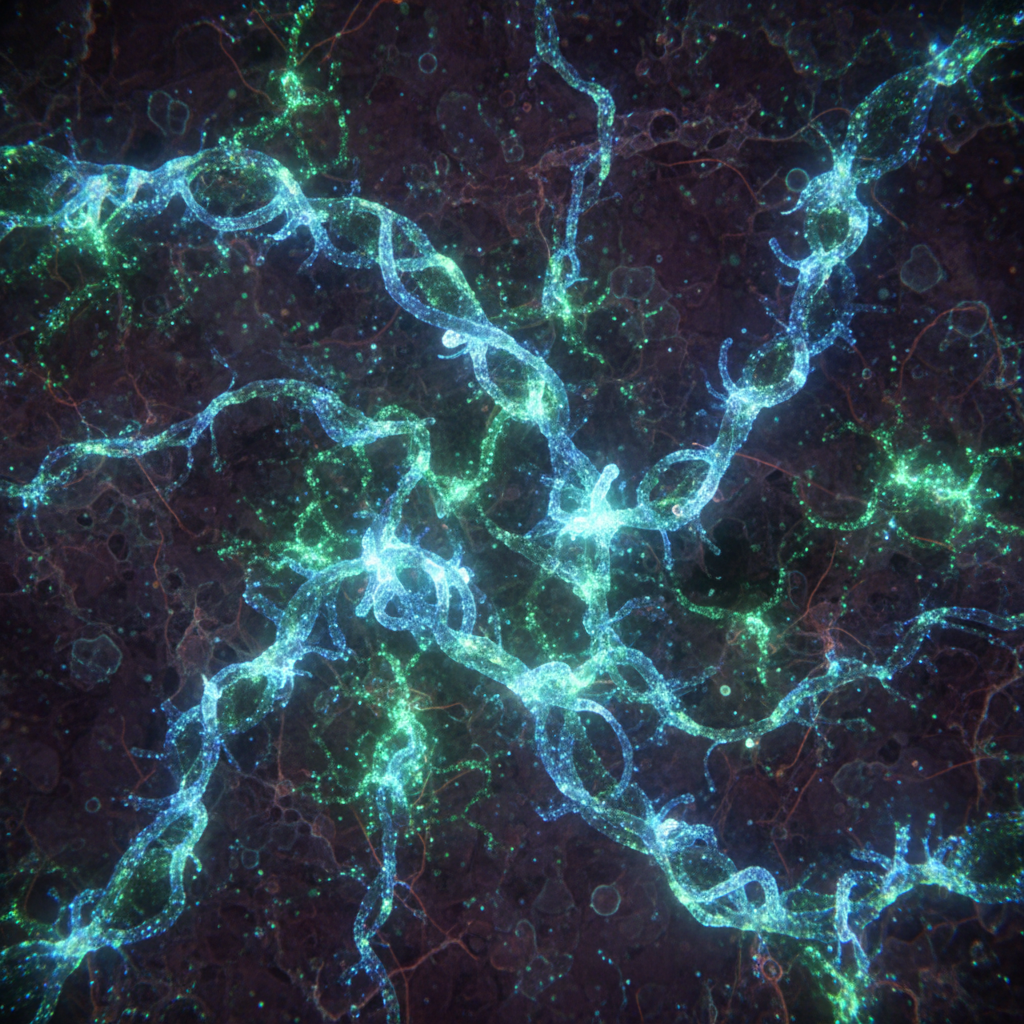
Before we can optimize your dog’s gut, you need to understand what you’re dealing with. Forget thinking of your dog’s stomach as just a food processor. Picture it as a bustling, complex metropolis inside their digestive tract, populated by trillions of microorganisms—bacteria, fungi, and viruses. This community is the microbiome, and its balance is the single most critical factor in your dog’s long-term health.
In this internal city, you have two types of residents: the beneficial citizens (probiotics) and the opportunistic criminals (pathogenic bacteria). In a healthy gut, the good guys vastly outnumber the bad, keeping everything running smoothly. These beneficial bacteria are relentless workers, performing tasks essential for survival:
- Nutrient Synthesis & Absorption: They break down food that your dog’s own enzymes can’t handle, unlocking vital nutrients. They even manufacture essential vitamins like B12, K, and biotin right there in the gut. A dog can eat the most expensive food in the world, but without a healthy microbiome, it won’t be able to absorb and use those nutrients effectively.
- Immune System Regulation: Approximately 70-80% of your dog’s immune system resides in its gut. The microbiome acts as a gatekeeper, training the immune system to recognize friend from foe. A balanced gut prevents the immune system from overreacting (leading to allergies and autoimmune issues) or under-reacting (leading to frequent infections).
- Defense Against Pathogens: A thriving population of good bacteria creates a protective barrier along the intestinal wall. They crowd out and produce substances that kill harmful invaders like Salmonella, E. coli, and Clostridium perfringens before they can take hold.
- Mood and Behavior: The gut-brain axis is a real, bi-directional highway of communication. The microbiome produces neurotransmitters, including serotonin (the ‘feel-good’ chemical). An imbalanced gut can contribute to anxiety, stress, and even aggression. A happy gut truly supports a happy dog.
When this delicate ecosystem is disrupted—a state called ‘dysbiosis’—the bad bacteria proliferate, the city’s walls crumble, and systemic chaos ensues. This is the root cause of not just diarrhea, but a cascade of chronic health issues that baffle many owners and vets alike.
The Gut Busters: Identifying the Enemy Ingredients and Lifestyle Stressors

A healthy microbiome isn’t just about adding more good bacteria; it’s about eliminating the enemies that are killing them off. Your dog’s gut is under constant assault from the modern world. Identifying these ‘gut busters’ is the first critical step in your intervention.
The Usual Suspects:
- Antibiotics: While sometimes medically necessary, antibiotics are the nuclear bomb of the microbiome. They don’t discriminate, wiping out vast populations of both good and bad bacteria. A single course can disrupt the gut for up to a year, leaving it vulnerable to opportunistic pathogens.
- Ultra-Processed Kibble: The convenience of kibble comes at a steep biological cost. High-heat extrusion processing destroys delicate nutrients and enzymes. Worse, many formulas are packed with fillers that actively harm gut health. Be on the lookout for corn gluten meal, soy protein isolate, and wheat gluten. These are not species-appropriate and serve as super-foods for harmful bacteria, promoting inflammation.
- Chemicals and Preservatives: Artificial preservatives like BHA, BHT, and ethoxyquin are used to extend shelf life but can be toxic to the microbiome. Likewise, hidden sugars (often disguised as ‘cane molasses’ or ‘corn syrup’) directly feed yeast and pathogenic bacteria.
- Stress: Just like in humans, chronic stress floods your dog’s body with the hormone cortisol. This directly impacts the gut, altering motility and permeability, and creating an environment where bad bacteria can thrive. Separation anxiety, loud noises, a chaotic home, or even boredom are all potent gut busters.
- Environmental Toxins: Your dog walks through, lies on, and ingests a shocking amount of toxins. Pesticides and herbicides on your lawn, chemical floor cleaners, and even chlorinated tap water can all deal a significant blow to their delicate gut flora.
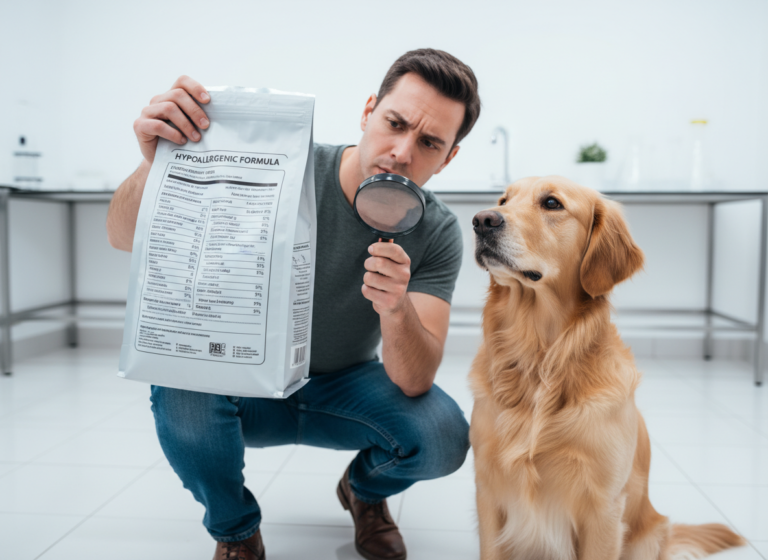
Hacker Tip: Become a forensic label reader. Ignore the flashy marketing on the front of the bag. Turn it over and analyze the first five ingredients—that’s the bulk of the food. If you see a grain or a vague ‘meat by-product’ before a whole, named protein source, put the bag down. Your dog’s gut will thank you.
Natural Probiotic Powerhouses: Real Food vs. The Supplement Aisle
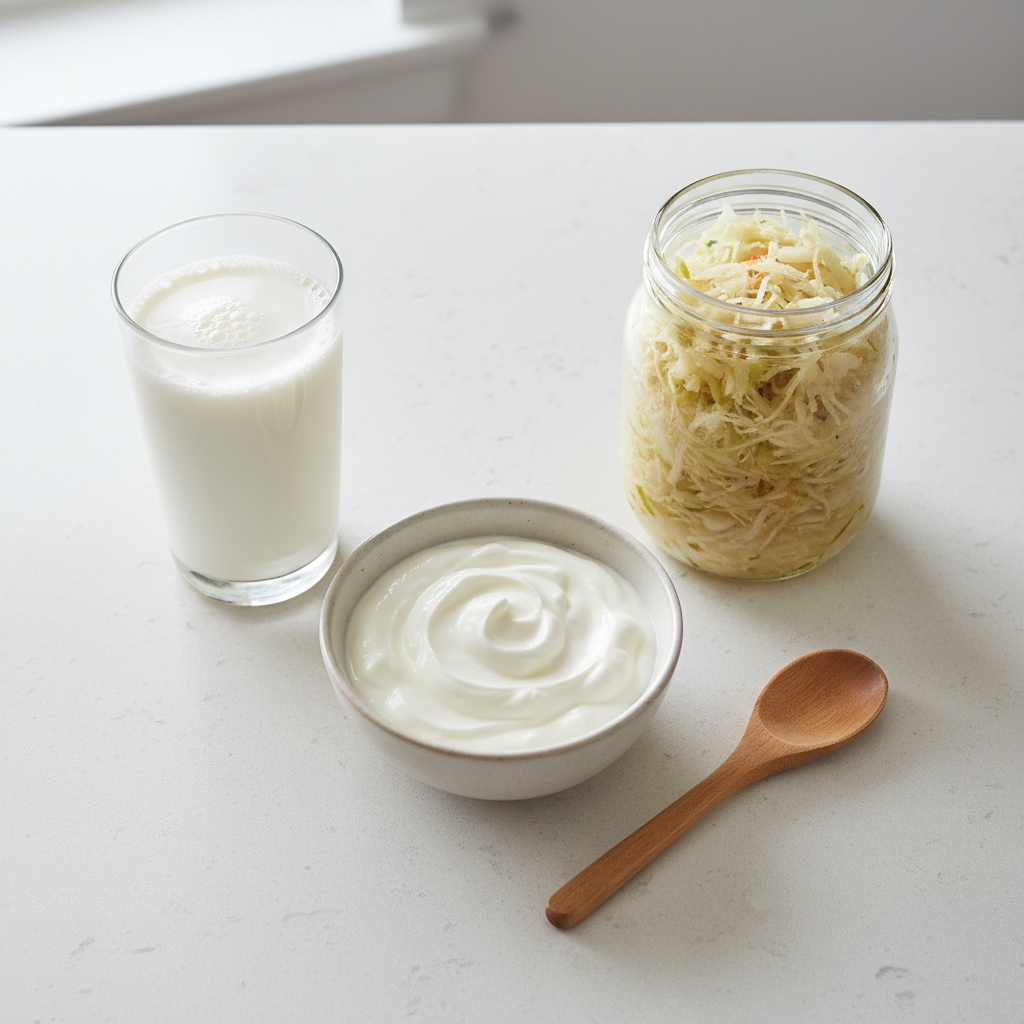
Now for the core of the hack. Why spend $30-$50 a month on a powder when you can get a more potent, diverse, and bioavailable source of probiotics for a quarter of the price? Commercial supplements have their place in acute situations, but for long-term maintenance, nothing beats real, living food. The bacteria in food sources are housed in a protective matrix (fats and proteins) that helps them survive the harsh acidic environment of the stomach and reach the intestines intact.
The Hacker’s Top Probiotic Sources:
Plain, Unsweetened Kefir: The King of Cultured Foods
This is, without a doubt, the most powerful probiotic you can give your dog. Kefir is a fermented milk drink with a consistency similar to a thin yogurt. While yogurt typically contains 2-5 strains of beneficial bacteria, kefir can contain up to 61 different strains of bacteria and beneficial yeasts. This diversity is crucial for building a resilient microbiome. The fermentation process also significantly reduces lactose, making it easily digestible for most dogs.
Plain, Unsweetened Yogurt: The Accessible Option
If you can’t find kefir, yogurt is a solid second choice. The key is to look for two things on the label: ‘Live and Active Cultures’ and ‘No Added Sugar’. Sugars, especially artificial ones like xylitol, are toxic to dogs. Opt for full-fat plain Greek yogurt, which is higher in protein and has had more of the lactose strained out.
Fermented Vegetables: The Advanced Hacker’s Choice
For the truly dedicated owner, small amounts of fermented vegetables can provide unique probiotic strains. Sauerkraut is a great source. CRITICAL: You must use a raw, unpasteurized sauerkraut found in the refrigerated section. The shelf-stable canned versions have been heat-treated, killing all beneficial bacteria. Also, ensure it contains no onions or toxic spices. A tiny amount (1/4 teaspoon for a small dog) is all that’s needed.
Green Tripe: The Carnivore’s Superfood
This one isn’t for the faint of heart due to its potent smell, but it’s a nutritional powerhouse. Green tripe is the raw, unbleached stomach lining of a ruminant animal like a cow. It is teeming with the animal’s own digestive enzymes and beneficial bacteria, making it a ‘living’ food that is incredibly beneficial for canine digestion.
Let’s break down the real-world difference:
| Feature | Natural Sources (e.g., Kefir) | Typical Commercial Supplement |
|---|---|---|
| Strain Diversity | Extremely High (30-60+ strains) | Limited (Often 5-15 strains) |
| Bioavailability | Excellent (protected by food matrix) | Variable (can be destroyed by stomach acid) |
| Cost Per Serving (50lb dog) | Low (~$0.20/serving) | High (~$0.75 – $1.50/serving) |
| Additional Nutrients | Rich in vitamins, minerals, enzymes, fatty acids | Often isolated probiotics only |
| Verdict | Superior for holistic health and value. | Convenient for specific uses, but often overpriced and less diverse for maintenance. |
The Hacker’s Protocol: How to Safely Introduce and Dose Natural Probiotics

Adding these powerful foods requires a strategic approach. Dumping a large amount of probiotics into a compromised gut can cause a ‘die-off’ effect (Herxheimer reaction) as bad bacteria are eliminated, leading to temporary gas, bloating, or loose stools. To avoid this, we follow one simple rule.
Rule #1: Start Low and Go Slow.
This is non-negotiable. Your dog’s system needs time to adjust. The goal is a gentle re-colonization, not a hostile takeover. Here is a safe, effective starting protocol:
- Choose Your Weapon: Start with just one probiotic source. Kefir is my top recommendation due to its potency and digestibility.
- Calculate the Starting Dose: Do not follow human serving sizes. The correct dose is based on weight.
- Small Dogs (under 20 lbs): Start with 1/2 teaspoon per day.
- Medium Dogs (20-60 lbs): Start with 1 teaspoon per day.
- Large Dogs (over 60 lbs): Start with 1-2 teaspoons per day.
- Observe for 3-4 Days: Mix the starting dose into one meal per day. Watch your dog’s stool quality and energy levels. If stools remain firm and normal, you can proceed. If stools become slightly loose, maintain the current dose until they firm up before increasing.
- Gradual Increase: Slowly double the dose every 4-5 days until you reach the optimal maintenance dose.
Optimal Maintenance Doses:
- Small Dogs: 1-2 teaspoons
- Medium Dogs: 1-2 tablespoons
- Large Dogs: 2-4 tablespoons
Unlocking Synergy: Add Prebiotics
Probiotics are the live bacteria. Prebiotics are the specific types of fiber that feed them. Adding prebiotics to your dog’s meal alongside the probiotic source is like giving the new good-guy residents their favorite food, helping them multiply and establish a strong colony. You don’t need a fancy prebiotic powder; real food works better.
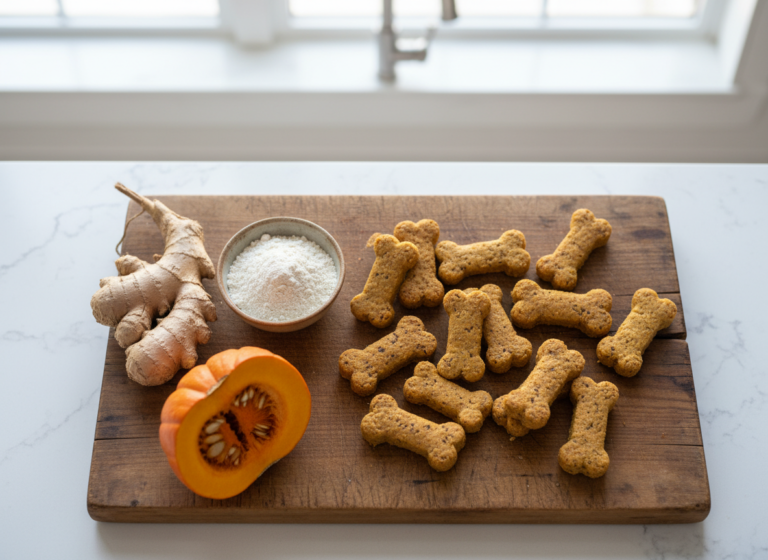
- Pumpkin Puree (100% pure, not pie filling)
- Steamed Asparagus (chopped)
- Small piece of Banana
- Ground Flaxseed
Insider Secret: Don’t stick to just one probiotic source forever. After a month on kefir, try a month with Greek yogurt. Then maybe add in a bit of green tripe. Rotating your sources every month or two introduces an even wider array of beneficial bacteria strains, building a more robust and resilient microbiome that can handle whatever life throws at it.
Conclusion
You now possess the knowledge that cuts through the most pervasive marketing in the pet industry. You understand that your dog’s gut health is the foundation of their vitality, and you know that the most powerful tools to support it are not found in a pill bottle, but in the dairy aisle of your grocery store. By focusing on eliminating the ‘gut busters’ and strategically adding potent, natural probiotic sources like kefir and yogurt, you are taking a proactive, authoritative role in your dog’s wellness journey.
This isn’t just about saving money on supplements; it’s about providing a biologically superior solution that delivers a wider diversity of beneficial bacteria than most commercial products can offer. You are no longer just a pet owner; you are a Canine Nutrition Hacker. Start low, go slow, observe the positive changes in your dog’s coat, energy, and digestion, and take pride in knowing you are providing the very best for your loyal companion. Always remember to partner with your veterinarian to create the optimal health plan for your individual dog.