Freeze-Dried vs. Dehydrated Dog Food: What’s the Real Difference?
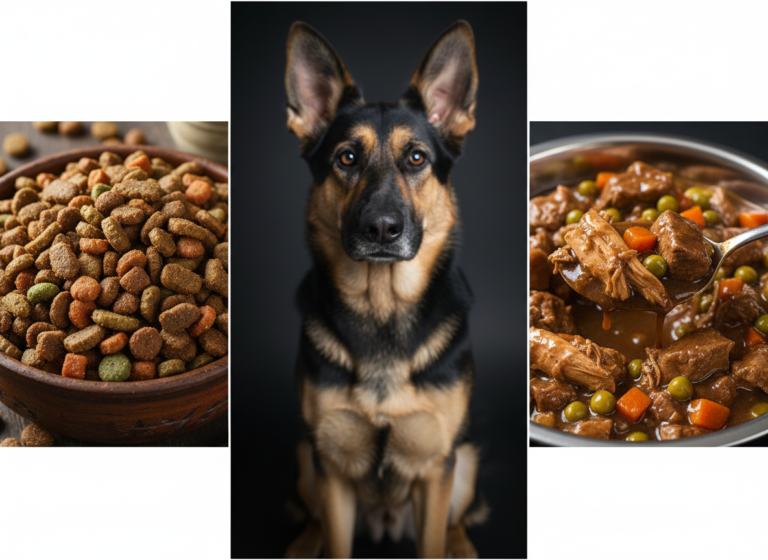
Walk into any high-end pet store and you’ll face the wall of ‘alternative’ dog foods, a confusing landscape far from the simple world of kibble. Two options, freeze-dried and dehydrated, often sit side-by-side, looking deceptively similar in their premium packaging. Many pet owners use the terms interchangeably, but this is a critical error. They are fundamentally different, and that difference has a direct impact on your dog’s nutrition and your wallet.
As the Canine Nutrition Hacker, I don’t deal in marketing fluff. I deal in forensic analysis. One of these methods uses a high-tech vacuum process that preserves nearly 100% of raw nutrients. The other uses gentle heat, offering a more budget-friendly path to a healthier diet, but with a nutritional compromise. This guide will dissect the science, expose the true cost per meal, and reveal the practical realities of each. By the end, you won’t just know the difference; you’ll know exactly which one is the smart choice for your dog.
The Science of Preservation: Water Removal at Two Extremes

The core difference between these two food types isn’t about ingredients; it’s about the physics of water removal. Both aim to create a shelf-stable product by eliminating moisture, which inhibits the growth of bacteria, yeast, and mold. However, the methods they employ are worlds apart.
Freeze-Drying: The High-Tech Cold Vacuum
Freeze-drying, technically known as lyophilization, is the gold standard for preservation. The process is straight out of a science lab:
- Freezing: The raw ingredients are rapidly frozen at extremely low temperatures, typically between -30°F and -50°F. This locks the water content into tiny ice crystals.
- Vacuum: The frozen food is then placed in a powerful vacuum chamber.
- Sublimation: The pressure inside the chamber is lowered, causing the ice crystals to turn directly into water vapor, completely bypassing the liquid stage. This process, called sublimation, gently removes up to 99% of the moisture without using high heat.
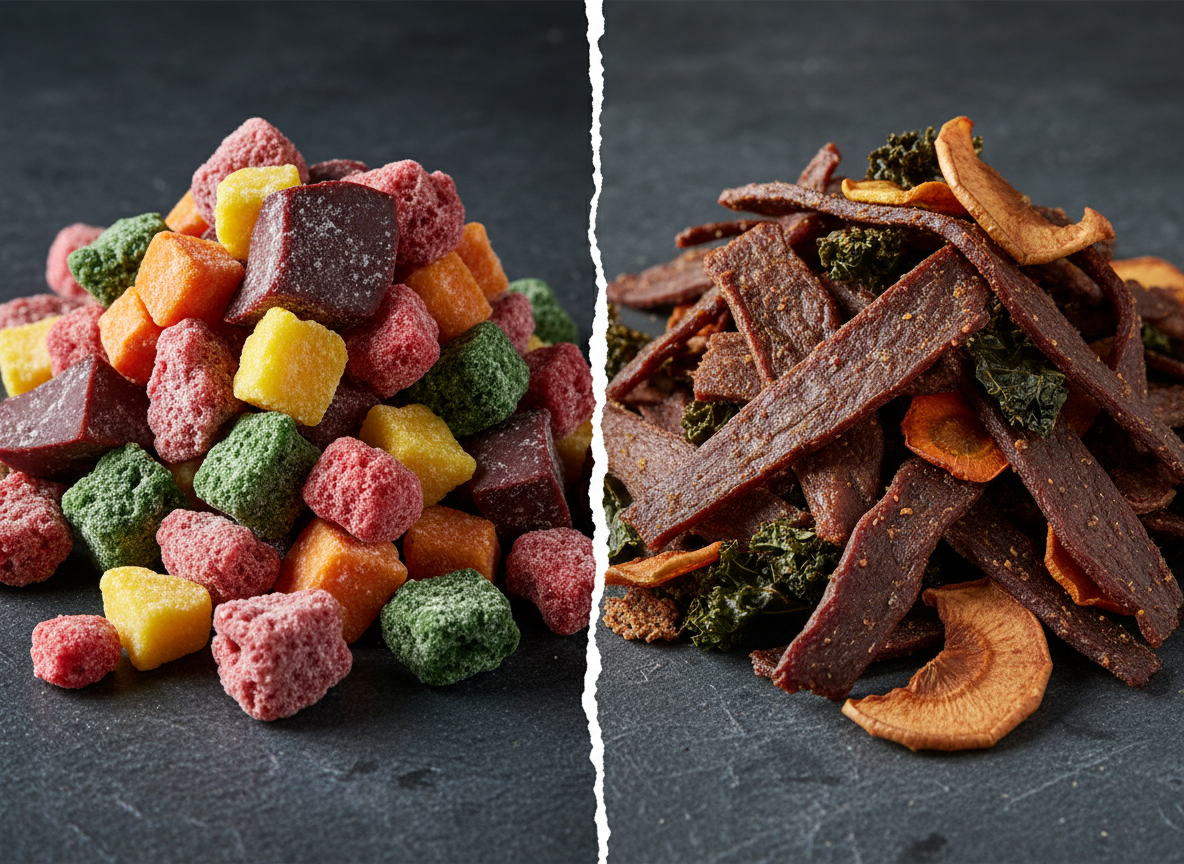
The result is an incredibly lightweight, porous food that retains its original shape, color, and, most importantly, its nutritional structure. Think of it as suspended animation for food; all the goodness of raw is locked in place, ready to be reawakened with water.
Dehydration: The Ancient Art of Low Heat
Dehydration is a much older and simpler technology. It works by circulating low-temperature air (usually 120°F to 160°F) over the food for an extended period. This process causes the water to slowly evaporate from the ingredients. It’s the same principle used to make jerky or dried fruit.
While effective at preserving the food, the introduction of heat—even at low levels—is the critical point of difference. This heat, applied over many hours, inevitably begins to alter the food on a molecular level. The final product is denser, chewier, and more shrunken than its freeze-dried counterpart because the cell walls have been altered by the heat and slow evaporation process.
The Nutritional Showdown: Which Method Protects the Nutrients?

This is the most critical question for any discerning pet owner. The entire point of moving away from high-heat extruded kibble is to provide superior nutrition. Here, the absence of heat gives freeze-drying a decisive, scientifically-backed advantage.
Heat is the enemy of delicate nutrients. Key vitamins, especially water-soluble ones like B vitamins (Thiamine, Folate) and Vitamin C, are notoriously heat-sensitive. The same goes for enzymes and certain antioxidants that are naturally present in raw ingredients. The high-heat extrusion process used to make kibble (often exceeding 300°F) decimates these vital components, which is why manufacturers must add a synthetic ‘vitamin pack’ back in after cooking.
Freeze-drying, by avoiding heat entirely, preserves the nutritional integrity of the raw ingredients to a degree that no other preservation method can match. The proteins, vitamins, minerals, and enzymes remain in their natural, unaltered state. This is why it’s considered the pinnacle of shelf-stable raw feeding.
Insider Secret: The proof is in the visual and textural evidence. Rehydrate a piece of freeze-dried beef and a piece of dehydrated beef. The freeze-dried piece will feel remarkably similar to a piece of fresh, raw meat—soft, moist, and pliable. The dehydrated piece will be tougher and chewier. This textural difference is a direct reflection of what happened to the protein structures at a cellular level.
Dehydration, while far gentler than kibble manufacturing, still involves heat. The prolonged exposure to even low temperatures will cause some degradation of those same heat-sensitive vitamins and enzymes. The nutritional loss is not catastrophic, and dehydrated food remains a massive step up from kibble. However, it is a measurable step down from the pristine profile of freeze-dried food. If your goal is to feed a diet that is biochemically as close to fresh and raw as possible, freeze-drying is the undisputed winner.
The Bottom Line: Hacking Your Pet Food Budget

Nutritional superiority comes at a price. The specialized equipment and energy-intensive, time-consuming nature of freeze-drying make it the most expensive pet food option on the market, ounce for ounce. This is often where pet owners experience ‘sticker shock’ and retreat back to kibble. But a smart analysis reveals the true cost.
First, understand that you are paying for concentrated nutrition. A 1-pound bag of freeze-dried food might yield 4-5 pounds of actual meals once rehydrated. The cost per meal, not the cost per bag, is the only metric that matters. Dehydrated food is also concentrated, but typically less so than freeze-dried.
Let’s break down the approximate daily cost to feed a moderately active 50lb dog, comparing these options against a high-quality, grain-free kibble.
| Food Type | Approx. Cost per Ounce (Dry) | Approx. Daily Feeding Amount (Dry) | Approximate Cost Per Day |
|---|---|---|---|
| Premium Grain-Free Kibble | $0.15 – $0.25 | ~12-14 oz | $1.80 – $3.50 |
| Dehydrated Raw Food | $1.50 – $2.50 | ~4-5 oz | $6.00 – $12.50 |
| Freeze-Dried Raw Food | $2.50 – $4.00+ | ~3-4 oz | $7.50 – $16.00+ |
The numbers are stark. A full diet of freeze-dried raw is a significant financial commitment. However, this doesn’t have to be an all-or-nothing proposition.
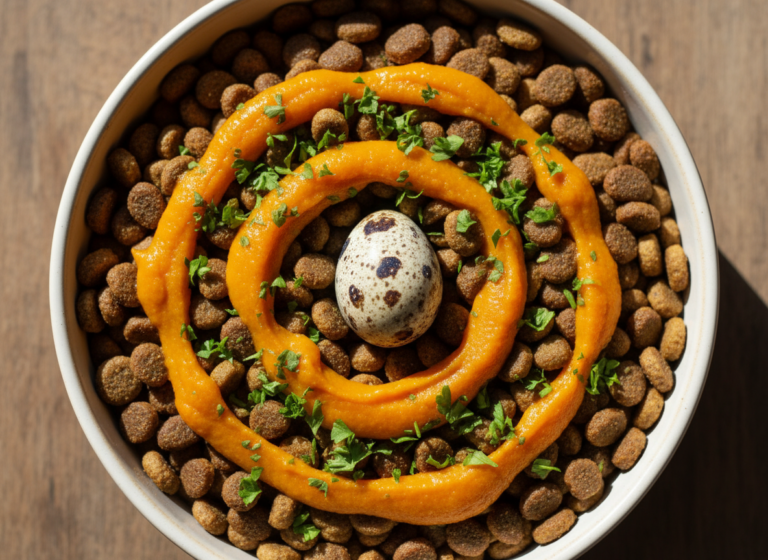
Hacker Tip: The most effective budget hack is to use freeze-dried food as a ‘topper’ or ‘mixer.’ By replacing just 25% of your dog’s high-quality kibble with rehydrated freeze-dried food, you introduce a massive boost of pristine, bioavailable nutrients—live enzymes, unaltered amino acids, and natural vitamins—for a fraction of the cost of a full meal. This hybrid approach gives you the best of both worlds: the affordability of kibble with a powerful nutritional punch from raw.
Practicality & Palatability: The Real-World Test

Beyond nutrition and cost, the daily reality of preparing these foods matters. Convenience, storage, and, most importantly, whether your dog will actually eat it, are key factors in your decision.
Rehydration Time
This is a major win for freeze-dried. Thanks to its porous, sponge-like structure, freeze-dried food rehydrates almost instantly. Add a little warm water, stir for 2-3 minutes, and it’s ready to serve. This speed makes it incredibly convenient for busy mornings or travel. Dehydrated food, being much denser, requires a longer soak. You’ll typically need to add warm water and wait anywhere from 5 to 15 minutes for it to soften sufficiently, which requires more planning.
Texture and Palatability
For picky eaters, freeze-dried is often the holy grail. When rehydrated, it has a soft, meaty texture that closely mimics fresh food, which most dogs find irresistible. Dehydrated food can rehydrate into a texture that is sometimes described as a thick oatmeal or a dense pate, which can be less appealing to dogs with texture sensitivities.
Shelf Life and Versatility
Both options are shelf-stable and do not require refrigeration before opening, making them far more convenient than frozen raw diets. Once opened, they should be used within a month or two and stored in a cool, dark, and dry place. Freeze-dried food also shines in its versatility. The dry, lightweight nuggets make for an exceptionally high-value, clean-handling training treat that will have your dog’s undivided attention.
The Forensic Verdict: Which Food Wins for Your Dog?
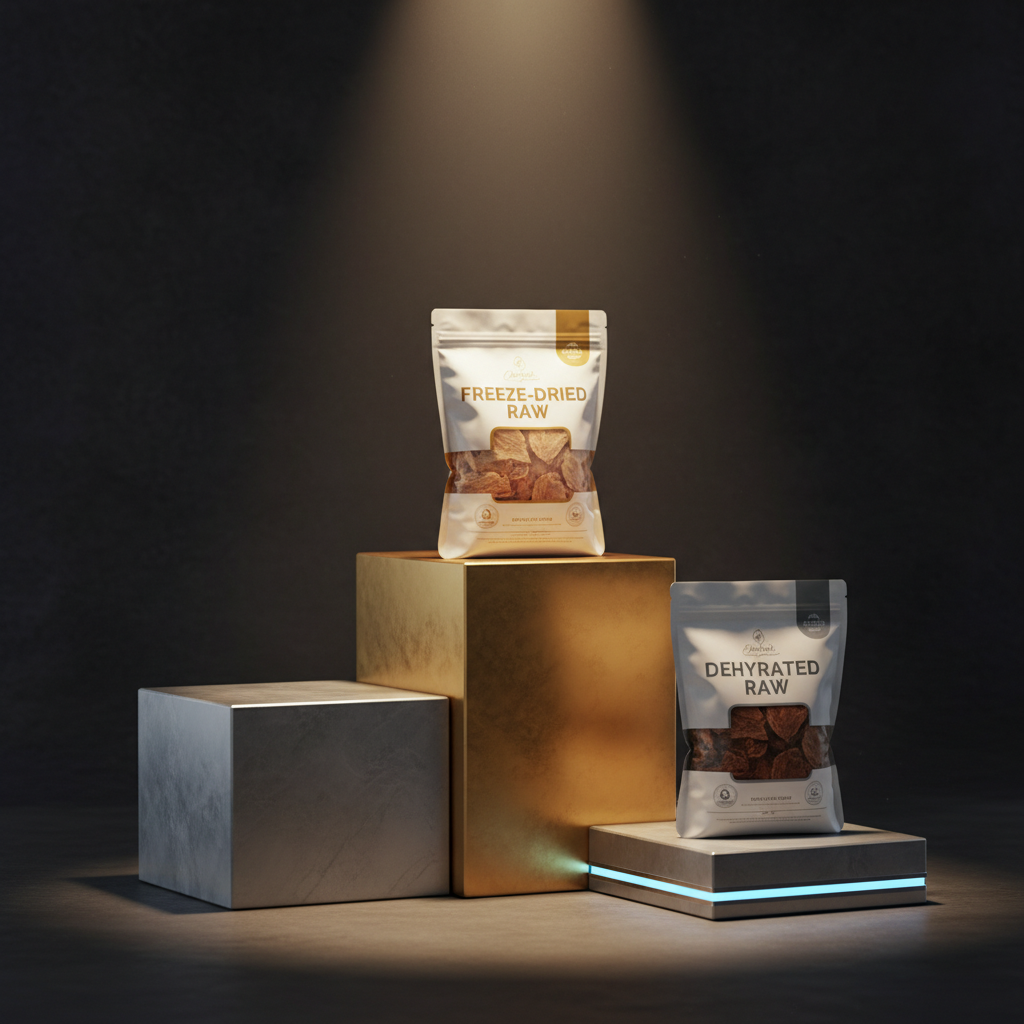
After analyzing the science, the cost, and the daily use, a clear picture emerges. There isn’t one ‘best’ food, but there is a ‘best choice’ for a specific situation. This final comparison breaks it down to help you make the definitive decision.
| Feature | Freeze-Dried Food | Dehydrated Food |
|---|---|---|
| Preservation Method | Sublimation (cold vacuum) | Evaporation (low heat) |
| Nutritional Retention | Excellent (97-99%). Closest to fresh raw. | Good to Very Good. Some loss of heat-sensitive vitamins/enzymes. |
| Cost Tier | Premium / Highest | High / Moderate |
| Rehydration Time | Very Fast (1-3 minutes) | Slow (5-15+ minutes) |
| Rehydrated Texture | Soft, meaty, like fresh food | Denser, pate-like or chewy |
| Best For… | Maximum nutrition, picky eaters, performance dogs, convenient travel, high-value treats. | A significant upgrade from kibble, budget-conscious raw feeders, dogs without texture issues. |
The Canine Nutrition Hacker’s Recommendation:
- Choose Freeze-Dried if: Your absolute top priority is providing the highest level of bioavailable nutrition possible in a shelf-stable format. It’s the ideal choice for dogs with compromised immune systems, performance athletes, extremely picky eaters, or for owners who simply demand the best and have the budget to support it.
- Choose Dehydrated if: You are looking for a fantastic nutritional middle-ground. It offers a dramatic improvement over even the best kibbles, retains a significant amount of the benefits of raw food, and is more financially accessible for long-term feeding than its freeze-dried counterpart.
Conclusion
The debate between freeze-dried and dehydrated dog food is a battle between perfection and practicality. Freeze-dried is the undisputed champion of nutritional preservation, delivering a product that is biochemically almost identical to fresh, raw food. Dehydrated food is the strong contender, offering most of the benefits of a raw diet at a more sustainable price point, with a minor trade-off in nutritional potency due to the use of low heat.
Ultimately, the power is in your hands. You are now equipped with the forensic data to look past the marketing and make an informed decision based on your dog’s specific needs, your lifestyle, and your budget. Whether you choose to go all-in on a freeze-dried diet, opt for the balanced approach of dehydrated, or use the ‘Hacker Tip’ of topping kibble, you are taking a massive step toward optimizing your dog’s health. That’s not just smart ownership; it’s a strategic investment in a longer, healthier life for your canine companion.