How to Make Slippery Elm Syrup for Instant Digestive Relief
That low, rumbling gurgle from your dog’s belly is a sound every pet owner dreads. It’s the universal signal for impending digestive distress—be it diarrhea, constipation, or general discomfort. Before you reach for expensive, pre-packaged supplements filled with questionable binders, I’m here to show you a better way. As The Canine Nutrition Hacker, my mission is to arm you with the knowledge to take control of your dog’s health without emptying your wallet. Today, we’re tackling one of nature’s most effective gut-soothers: Slippery Elm.
This guide will provide you with a step-by-step, foolproof recipe for making a potent slippery elm syrup at home. We’ll deconstruct the science, expose the sourcing secrets to avoid low-quality powders, and provide a direct cost-breakdown that proves why DIY is the superior choice. You’ll have a powerful, natural remedy on hand for those inevitable stomach upsets, made with ingredients you can trust.
SAFETY DISCLAIMER: READ THIS FIRST
I am not a veterinarian. The information in this article is for educational purposes only and is based on extensive research and personal experience. Slippery elm is widely considered safe for canine use, but it is not a cure-all. Always consult with your trusted veterinarian before introducing any new supplement or remedy into your dog’s diet, especially if your dog is pregnant, nursing, on medication, or has a pre-existing health condition. Persistent digestive issues can be a sign of a serious underlying problem that requires professional medical attention.
Deconstructing Slippery Elm: The Science Behind the Soothing
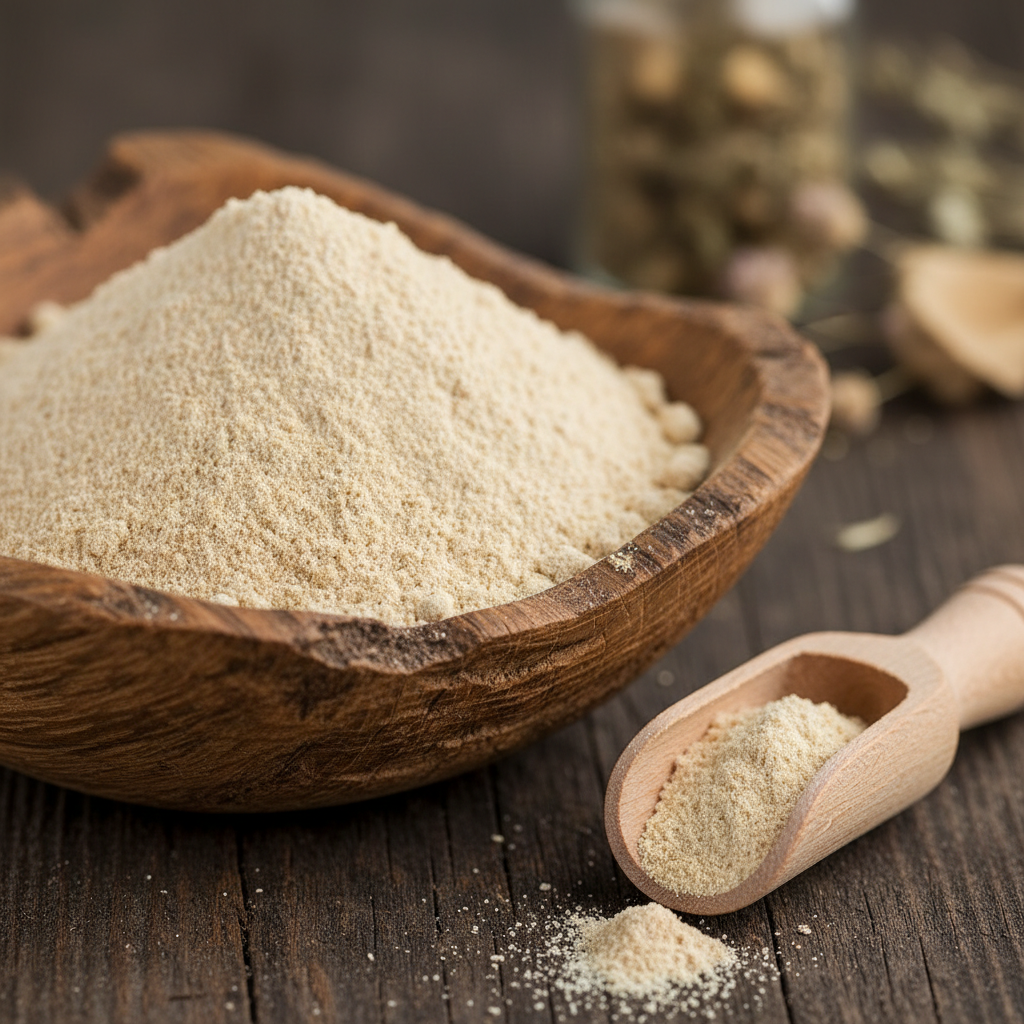
To effectively use a tool, you must first understand how it works. Slippery elm (Ulmus rubra) isn’t magic; it’s science. The medicinal power comes from the inner bark of the slippery elm tree, which is dried and ground into a fine powder. This powder contains a crucial substance called mucilage.
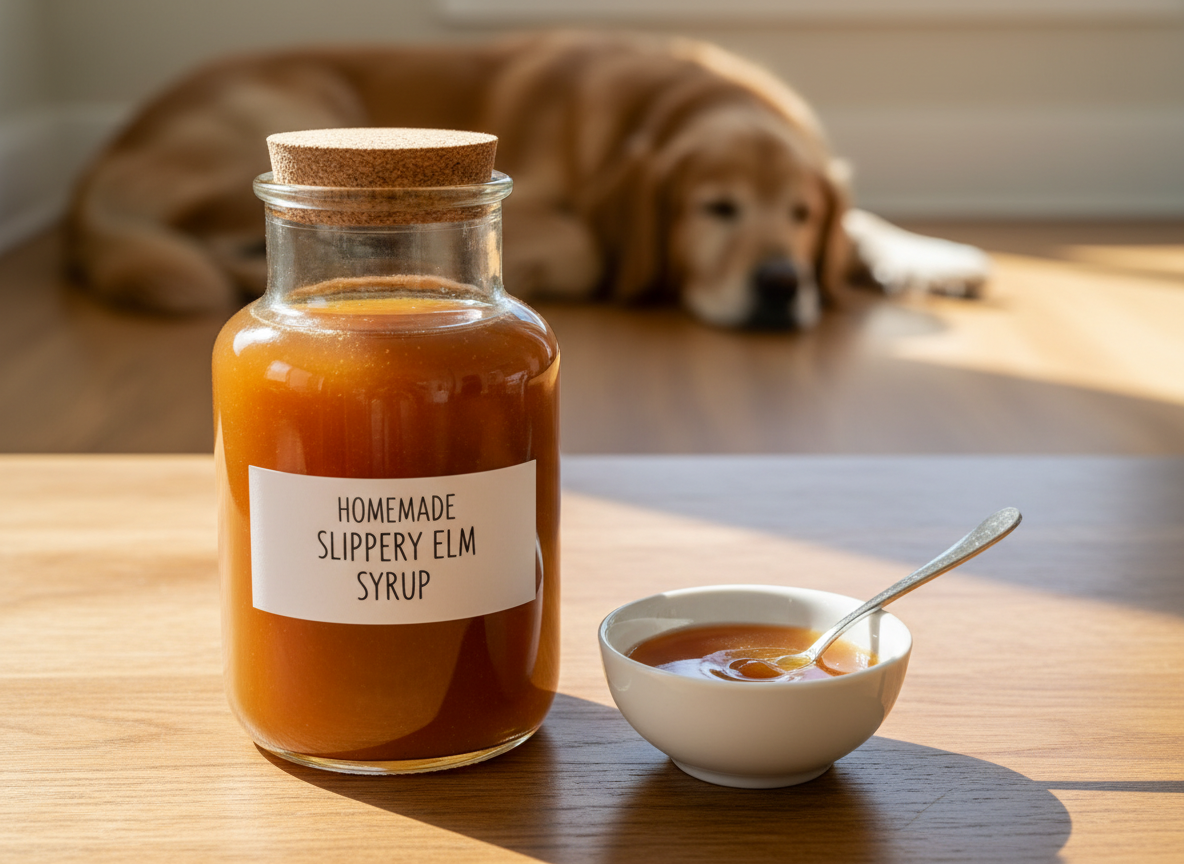
When this mucilage comes into contact with water, it transforms into a slick, gel-like substance—the ‘syrup’ we’re going to make. This gel has several profound effects on your dog’s gastrointestinal system:
- It Coats and Protects: The primary function of the mucilage is to coat the entire digestive tract, from the esophagus to the colon. Think of it as a natural, protective bandage for inflamed and irritated tissues. For dogs with gastritis, acid reflux, or ulcers, this coating provides immediate, soothing relief from pain and discomfort.
- It Lubricates for Constipation: For a dog struggling with constipation, the slippery nature of the gel helps lubricate the intestines, making it easier for stool to pass without straining. It adds bulk and softness to the stool, promoting gentle and effective elimination.
- It Soothes for Diarrhea: This is where slippery elm shows its remarkable versatility. For diarrhea, the mucilage coating soothes the inflamed intestinal lining, which can help reduce the frequency and urgency of bowel movements. It calms the spasms and irritation that drive the condition.
- It’s a Prebiotic: Beyond its immediate mechanical effects, slippery elm can also support long-term gut health. It acts as a prebiotic, feeding the beneficial bacteria in your dog’s gut. A healthy microbiome is the foundation of a robust immune system and proper digestion.
Understanding this mechanism is key. You’re not just masking a symptom; you’re providing a physical barrier that allows the body’s own healing processes to work more effectively on the irritated tissues underneath.
Sourcing Secrets: How to Buy High-Quality Slippery Elm Powder

Not all slippery elm powder is created equal. The market is flooded with products of varying quality, and giving your dog a substandard product will yield substandard results. As a nutrition hacker, this is where we gain an edge. The key is knowing what to look for and what to avoid.
The Inner Bark vs. The Whole Bark
The mucilage—the active, soothing ingredient—is most concentrated in the inner bark of the tree. Cheaper products often use the ‘whole bark,’ which includes the gritty, less effective outer bark. This dilutes the potency and can result in a darker, less effective powder.
What to Look For on the Label:
- Botanical Name: Ensure the product lists Ulmus rubra. This is the true North American slippery elm. Other species may not have the same medicinal properties.
- Ingredient List: It should say one thing: “100% Slippery Elm Inner Bark Powder.” Avoid products with fillers, binders, anti-caking agents (like silicon dioxide), or sweeteners (like xylitol, which is highly toxic to dogs).
- Color and Texture: High-quality inner bark powder is a light, grayish-tan or pale pinkish-tan color. It should be very fine, soft, and fluffy, almost like flour. If it’s dark brown, gritty, or has a coarse texture, it likely contains a high percentage of outer bark.
- Country of Origin: Look for products sourced from the United States, as Ulmus rubra is native to North America.
Hacker Tip: The smell is another giveaway. Pure, high-quality slippery elm powder has a faint, sweet, maple-like or fenugreek-like aroma. It should not smell musty, old, or like dirt. Trust your senses—if it seems off, it probably is. Your dog’s health depends on the purity of the ingredients you use.
The Canine Nutrition Hacker’s Foolproof Recipe: Slippery Elm Syrup
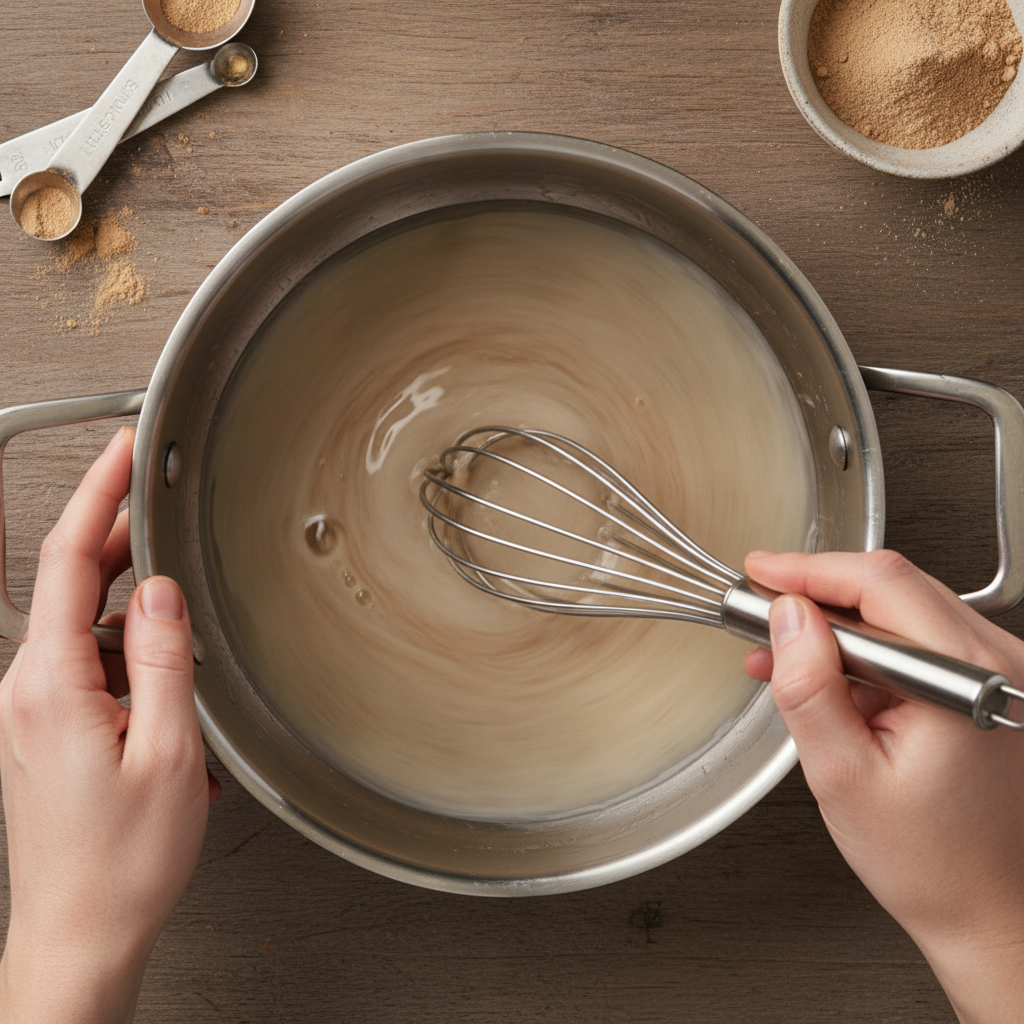
This is the core of our mission. This recipe is simple, fast, and creates a potent syrup that will be ready to use in minutes. Forget complex instructions; we’re focused on efficiency and efficacy.
Tools & Ingredients
- 1/2 teaspoon of high-quality slippery elm inner bark powder
- 1/2 cup (4 ounces) of cold, filtered water
- A small saucepan
- A small whisk or fork
- An airtight glass jar for storage
Step-by-Step Instructions
- Combine: Pour the 1/2 cup of cold water into your saucepan. It’s important to use cold water to start, as this prevents the powder from clumping.
- Sprinkle, Don’t Dump: Slowly sprinkle the 1/2 teaspoon of slippery elm powder over the surface of the water. Dumping it all in at once is the number one cause of lumps.
- Whisk Immediately: As you sprinkle, begin whisking the powder into the water. Continue whisking vigorously for 30-60 seconds until the powder is fully incorporated and there are no lumps.
- Apply Heat: Place the saucepan over low-to-medium heat. Continue to stir or whisk frequently as the mixture heats up. Do not walk away, as it can thicken quickly.
- Thicken: As it warms, the mixture will thicken into a gel-like consistency, similar to egg whites or a thin pudding. This process usually takes only 2-3 minutes. Do not boil it.
- Cool and Store: Once thickened, remove the saucepan from the heat and let the syrup cool completely. Once cool, pour it into your airtight glass jar. It can be stored in the refrigerator for up to 5 days.
Dosage & Administration Guidelines
Dosage is based on weight. Always start with a smaller dose to see how your dog responds. The syrup should be given about 30-60 minutes before a meal, or at least 2 hours after a meal or any medications.
- Small Dogs (under 25 lbs): 1/2 to 1 teaspoon
- Medium Dogs (25-50 lbs): 2 teaspoons to 1 tablespoon
- Large Dogs (50-80 lbs): 1 to 2 tablespoons
- Giant Breeds (over 80 lbs): 2 to 4 tablespoons
You can give a dose 2-4 times per day as needed. Most dogs will lick it right off a spoon, but you can also use a needless syringe to administer it into their cheek pouch.
CRITICAL WARNING
Because slippery elm coats the digestive tract, it can slow down or prevent the absorption of other substances. You MUST administer slippery elm at least 2 hours apart from any other medications, supplements, or food. Failure to do so could render your dog’s essential medications ineffective. Consult your vet about timing if your dog is on medication.
The Real Cost Breakdown: DIY Syrup vs. Pre-Made Formulas
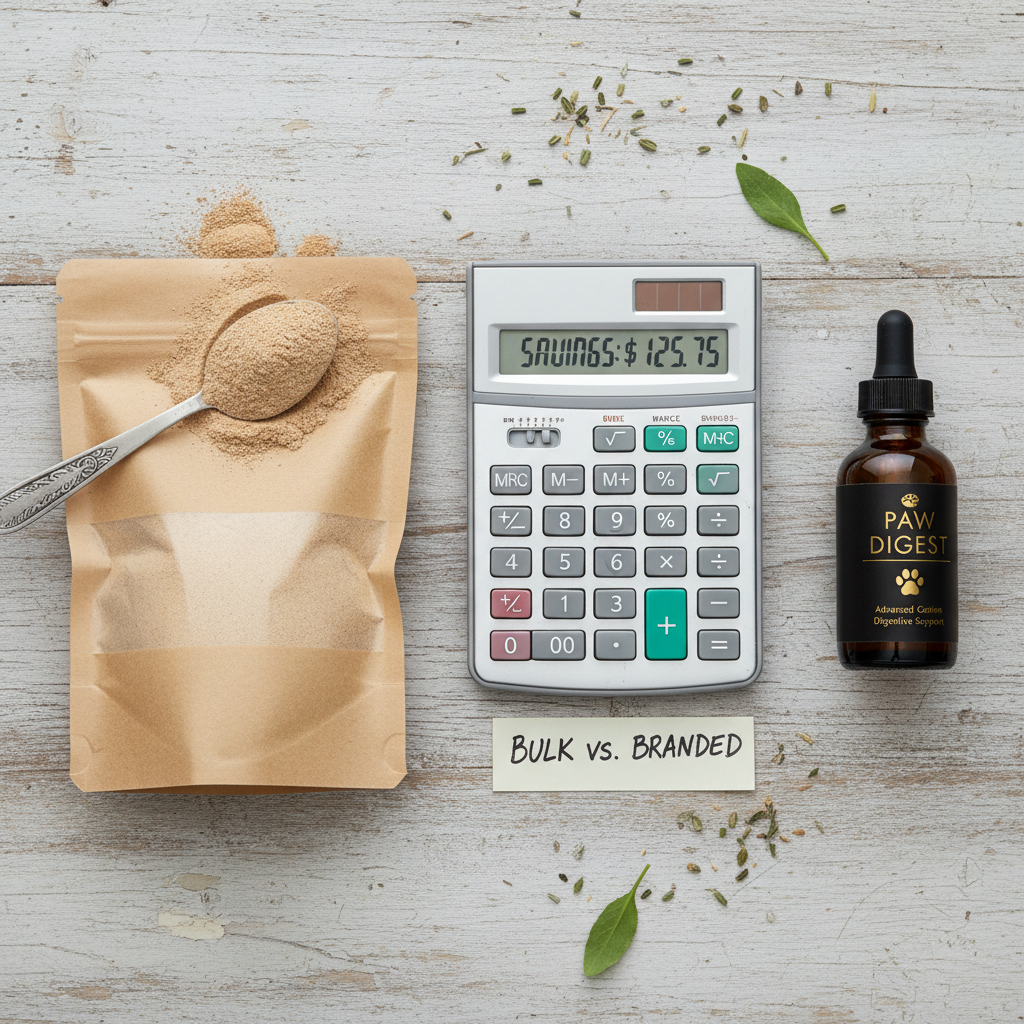
Here’s where the ‘hacker’ mindset truly pays off. Commercial pet supplements are a multi-billion dollar industry, and convenience comes at a steep price. By investing a few minutes of your time, the savings are staggering. Let’s break down the numbers for a typical 4oz container of slippery elm powder.
| Feature | DIY Slippery Elm Syrup | Pre-Made Commercial Product |
|---|---|---|
| Source Ingredient | 4oz bag of 100% pure organic inner bark powder (~$15.00) | 8oz bottle of pre-mixed syrup (~$25.00) |
| Servings Per Container | A 4oz bag contains approx. 48 teaspoons. At 1/2 tsp per batch, this yields 96 batches. | An 8oz bottle contains approx. 48 teaspoons (servings). |
| Cost Per Teaspoon (Dose) | $15.00 / 48 teaspoons = $0.31 per teaspoon of powder. The water is negligible. | $25.00 / 48 teaspoons = $0.52 per teaspoon of syrup. |
| Hidden Ingredients | None. Only slippery elm and water. You control the purity. | Often contains glycerin, natural flavors, preservatives (e.g., sodium benzoate), and other binders. |
| The Verdict | Vastly superior cost-effectiveness and 100% ingredient control. You get a pure, potent product for a fraction of the price. The initial investment in a bag of powder lasts for months. | Convenient but significantly more expensive over time. You pay a premium for water, preservatives, and potential unwanted additives. |
The math is undeniable. You’re paying nearly double for a commercial product that is less pure and diluted with other ingredients. By making it yourself, you ensure maximum potency and save a significant amount of money that can be better spent on high-quality food or veterinary care for your dog.
Storage and Shelf Life: The Batch Cooking Hack
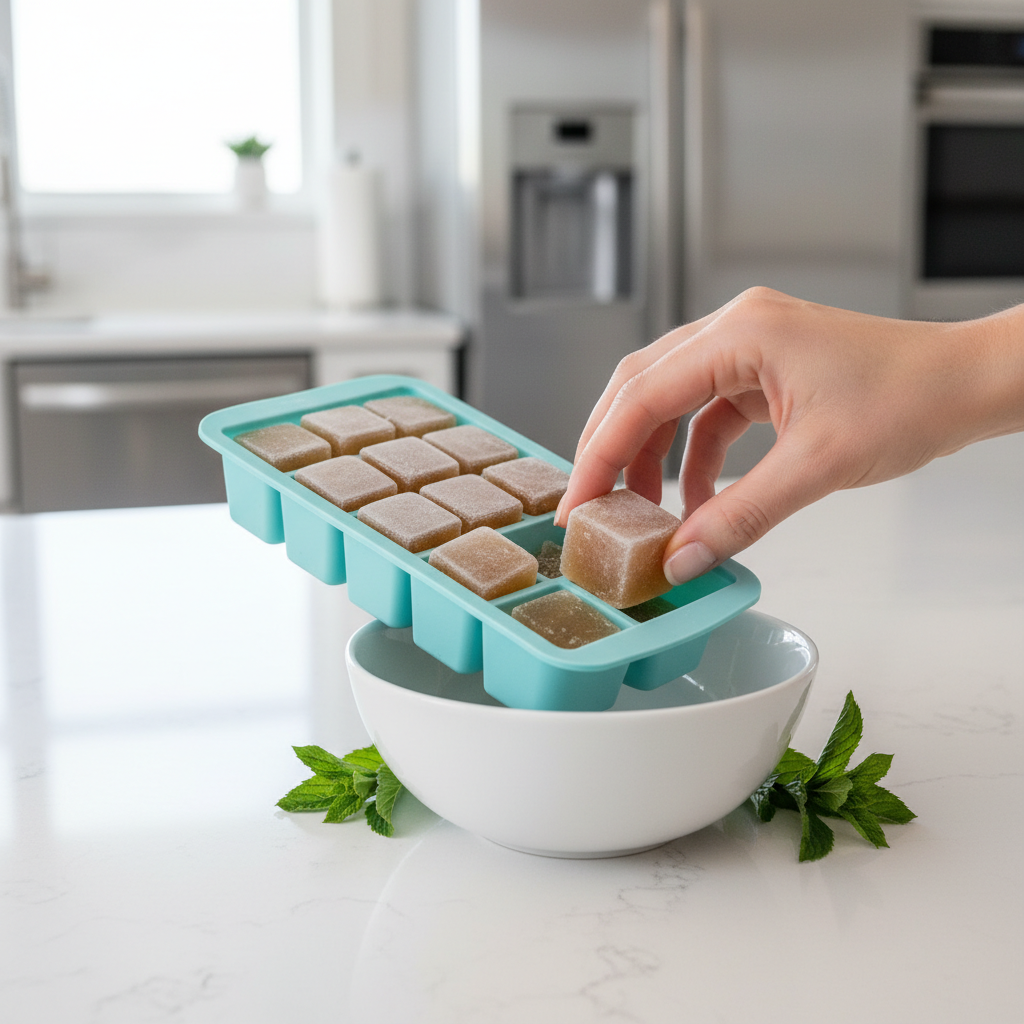
While the fresh syrup lasts for up to five days in the refrigerator, digestive emergencies don’t always announce themselves in advance. Having single, ready-to-go doses on hand is the ultimate preparedness strategy. This is where we apply a classic batch-cooking hack to our natural remedy.
The fresh syrup freezes exceptionally well, locking in its potency without any degradation of the mucilage. The key is to freeze it in a way that makes administration simple and fast.
The Ice Cube Tray Method
- Prepare a Larger Batch: Make a larger batch of the syrup. For example, use 2 teaspoons of powder and 2 cups of water. Follow the same heating and whisking instructions until you have a smooth, thick syrup.
- Cool Completely: This step is crucial. Do not pour hot liquid into plastic or silicone trays. Let the syrup cool to room temperature.
- Portion and Freeze: Pour the cooled syrup into a clean silicone ice cube tray. Silicone trays are ideal because they make it incredibly easy to pop out a frozen cube. A standard ice cube tray slot holds about 1-2 tablespoons, which is a perfect pre-portioned dose for a medium or large dog. For smaller dogs, use a mini ice cube tray.
- Store for the Long Term: Once the cubes are frozen solid (usually after 4-5 hours), pop them out of the tray and transfer them to a labeled freezer bag or airtight container. They will keep in the freezer for up to 6 months.
Insider Secret: When your dog needs a dose, simply take out one cube and let it thaw in a small bowl at room temperature. It will only take about 20-30 minutes. In a pinch, you can gently warm it in a small dish set in a larger bowl of warm water to speed up the process. You now have a perfect, pre-measured dose ready to deploy at the first sign of stomach gurgles.
Conclusion
Empowering yourself with the knowledge to create safe, effective home remedies is a cornerstone of proactive pet ownership. By mastering this simple recipe for slippery elm syrup, you’ve unlocked a powerful tool for managing your dog’s digestive health. You’ve bypassed the expensive, additive-laden commercial products and replaced them with a pure, potent, and incredibly cost-effective solution. You now have control over the ingredients, the quality, and the cost.
Keep a supply of high-quality slippery elm powder in your pantry and a few frozen cubes in your freezer. Being prepared means you can act swiftly at the first sign of discomfort, providing your canine companion with the gentle, soothing relief they need, exactly when they need it.
Remember, while this remedy is a fantastic first line of defense for minor digestive upset, it is not a substitute for professional veterinary care. Always consult your vet for chronic issues or if your dog’s condition worsens. You are your dog’s greatest advocate, and combining your informed care with professional guidance is the ultimate strategy for a long, healthy, and happy life together.