
Hydrolyzed Protein Dog Food: The Science Behind Allergy Relief
The constant scratching. The red, inflamed skin. The recurring ear infections. If you’re the owner of a dog with food allergies, this cycle of misery is all too familiar. You’ve tried grain-free, limited ingredient, and novel protein diets, yet the symptoms persist. It’s a frustrating, expensive, and emotionally draining battle. But what if there was a way to stop treating the symptoms and instead address the root cause at a molecular level? This isn’t marketing fluff; it’s established science. Welcome to the world of hydrolyzed protein dog food.
As The Canine Nutrition Hacker, my job is to look past the glossy packaging and expose the truth behind the ingredients. Hydrolyzed protein diets are one of the most powerful, and often misunderstood, tools in the veterinary nutrition arsenal. This guide will arm you with the knowledge to understand exactly how these diets work, what to look for on the label, and how to implement them effectively for maximum relief. We’re going to bypass the hype and get straight to the science.
MEDICAL DISCLAIMER: I am not a veterinarian. This information is for educational purposes only and is not a substitute for professional veterinary advice, diagnosis, or treatment. Always consult with your veterinarian before making any changes to your dog’s diet, especially when dealing with medical conditions like allergies. These diets are typically prescription-only for a reason.
The Allergy Epidemic: Identifying the Enemy in Your Dog’s Bowl

Before we can appreciate the solution, we must first understand the problem. A true food allergy is an immune-mediated adverse reaction to a food ingredient. In simple terms, your dog’s body mistakenly identifies a specific protein as a dangerous invader and launches an inflammatory attack. The collateral damage of this attack manifests as the itchy skin, hives, and gastrointestinal upset you know so well.
The vast majority of canine food allergies are not caused by grains, as popular marketing would have you believe. The science is clear: the primary culprits are large, intact protein molecules. Think of these proteins as enemy soldiers in uniform. Your dog’s immune system sees the uniform (the specific protein structure) and immediately goes on the offensive.
The Usual Suspects: Common ‘Enemy’ Ingredients
While any protein can theoretically cause an allergic reaction, studies consistently point to a few common offenders. These are proteins that have been prevalent in dog foods for decades, leading to increased exposure and, consequently, a higher likelihood of sensitization.
- Chicken: The most common protein source in dog food is also a frequent trigger.
- Beef: Another staple of the canine diet that is high on the allergen list.
- Dairy: Proteins like casein and whey found in milk products can be highly allergenic for some dogs.
- Soy: Often used as a plant-based protein source and filler, soy is a known allergen.
- Lamb & Egg: While less common than beef or chicken, these can also be problematic for sensitive dogs.
The key takeaway is that the problem isn’t ‘protein’ itself, but the size and structure of specific proteins. The immune system’s recognition system is what needs to be outsmarted.
The Science of Hydrolysis: Hacking the Immune System
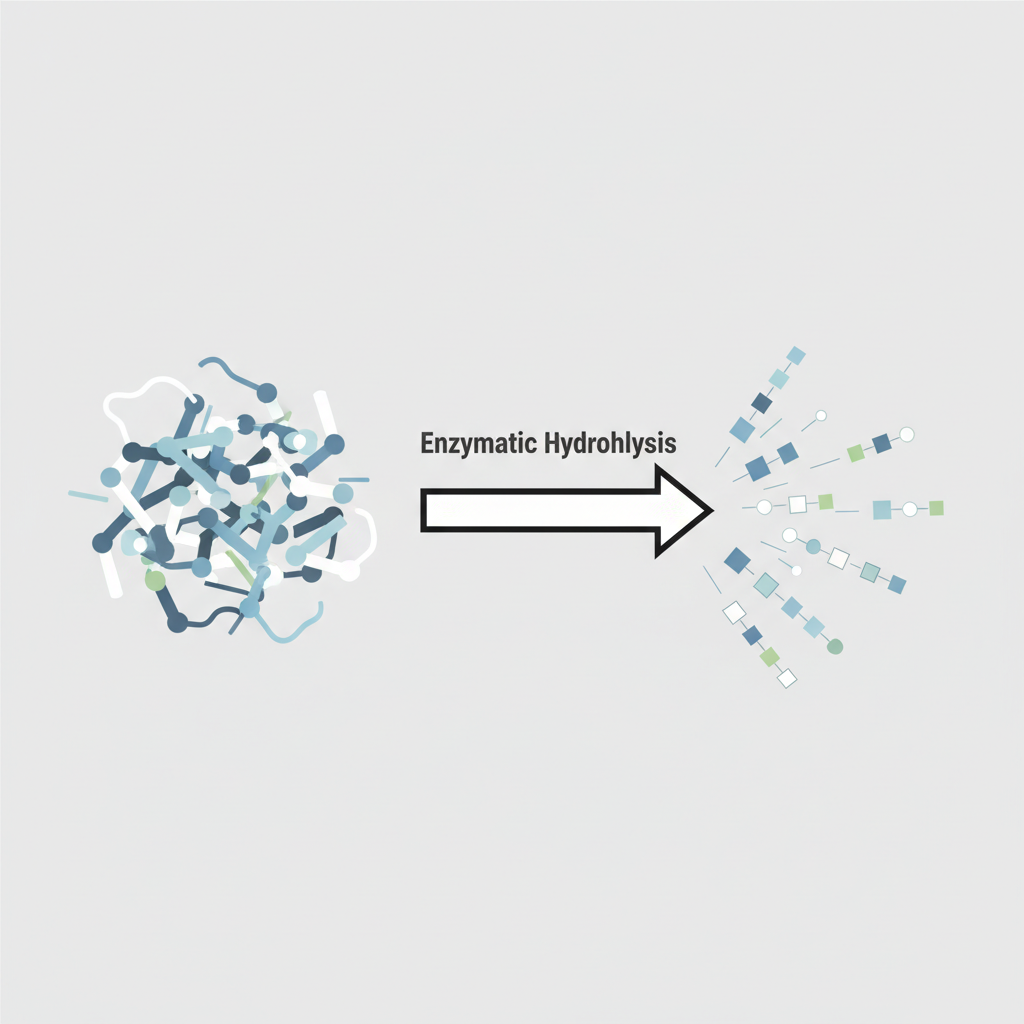
This is where the genius of hydrolyzed protein comes into play. If the problem is the immune system recognizing the ‘uniform’ of the protein soldier, what if you could break that soldier down into such tiny pieces that the uniform is no longer recognizable? That is precisely what enzymatic hydrolysis does.
In a highly controlled process, manufacturers use enzymes to break down the intact proteins from a source like chicken liver or soy into tiny fragments called peptides and their base components, amino acids. These fragments are so small—typically less than 10,000-12,000 daltons in molecular weight—that they can effectively fly under the radar of the immune system’s surveillance cells. The body gets the essential amino acids it needs for survival without triggering the allergic alarm.
Insider Secret: Think of it like this: A whole chicken protein is a full-sized car that the immune system has a ‘wanted’ poster for. Hydrolysis dismantles that car into thousands of individual nuts, bolts, and wires. When these tiny pieces pass by, the immune system doesn’t recognize them as the wanted vehicle and simply lets them pass. The nutritional value is delivered without the allergenic response.
Not All Hydrolysis is Created Equal
You may see terms like ‘partially hydrolyzed’ or ‘extensively hydrolyzed’. For a true hypoallergenic diet used in an elimination trial, extensively hydrolyzed is the gold standard. This indicates the proteins have been broken down to the smallest possible size, offering the lowest risk of triggering an immune reaction. Partially hydrolyzed proteins, while smaller than intact ones, may still be large enough to be recognized by a highly sensitive dog’s immune system.
Decoding the Label: What to Look for in a Hydrolyzed Diet

When you’re paying a premium for a prescription diet, you need to be sure you’re getting what you pay for. Analyzing the ingredient label is non-negotiable. Here’s your forensic checklist:
The Hero Ingredient: The Hydrolyzed Protein Source
This should be one of the very first ingredients listed. Look for specific language like ‘hydrolyzed soy protein isolate’, ‘hydrolyzed chicken liver’, or ‘hydrolyzed salmon protein’. The term ‘hydrolyzed’ is your key indicator. Be wary of foods that simply list ‘chicken’ and then have a hydrolyzed ingredient further down the list; you want the primary protein source to be the hydrolyzed one.
The Carbohydrate Source: Purity is Paramount
To minimize potential variables, the best hydrolyzed diets use a highly purified carbohydrate source. You’ll often see ingredients like corn starch, potato starch, or brewers rice. The key here is that these are the ‘starch’ component, not the whole grain or vegetable, which could contain trace proteins. This obsessive focus on purity is what makes these diets effective for diagnostic purposes.
Beneficial Additives for Skin & Coat
Since these diets are designed for dogs with skin issues, many are fortified with ingredients to support the skin barrier. Look for hero ingredients like:
- Omega-3 Fatty Acids: Often from fish oil, these have natural anti-inflammatory properties.
- Omega-6 Fatty Acids: Ingredients like borage oil or sunflower oil provide essential fatty acids for healthy skin.
- Zinc and B Vitamins: Crucial micronutrients for skin cell regeneration.
A truly therapeutic diet is formulated not just to avoid triggers but also to actively help heal the damage caused by allergies.
The Trade-Offs: Palatability, Cost, and Long-Term Use
A hydrolyzed protein diet is a powerful tool, but it’s not without its challenges. A savvy owner needs to weigh the pros and cons before committing.
The Palatability Problem
The process of hydrolysis can impart a bitter taste to the food. Consequently, some dogs, particularly picky eaters, may turn their noses up at it. Manufacturers try to combat this with natural flavors (that are also hydrolyzed to prevent a reaction), but it can still be an issue.
Hacker Tip: To increase palatability without compromising the diet, try adding a small amount of warm water to the kibble to create a gravy-like consistency. This can release more of the food’s aroma and make it more appealing. Never add toppers, broths, or other foods without explicit veterinary approval, as this will void the elimination trial.
The Cost Factor: A Necessary Investment
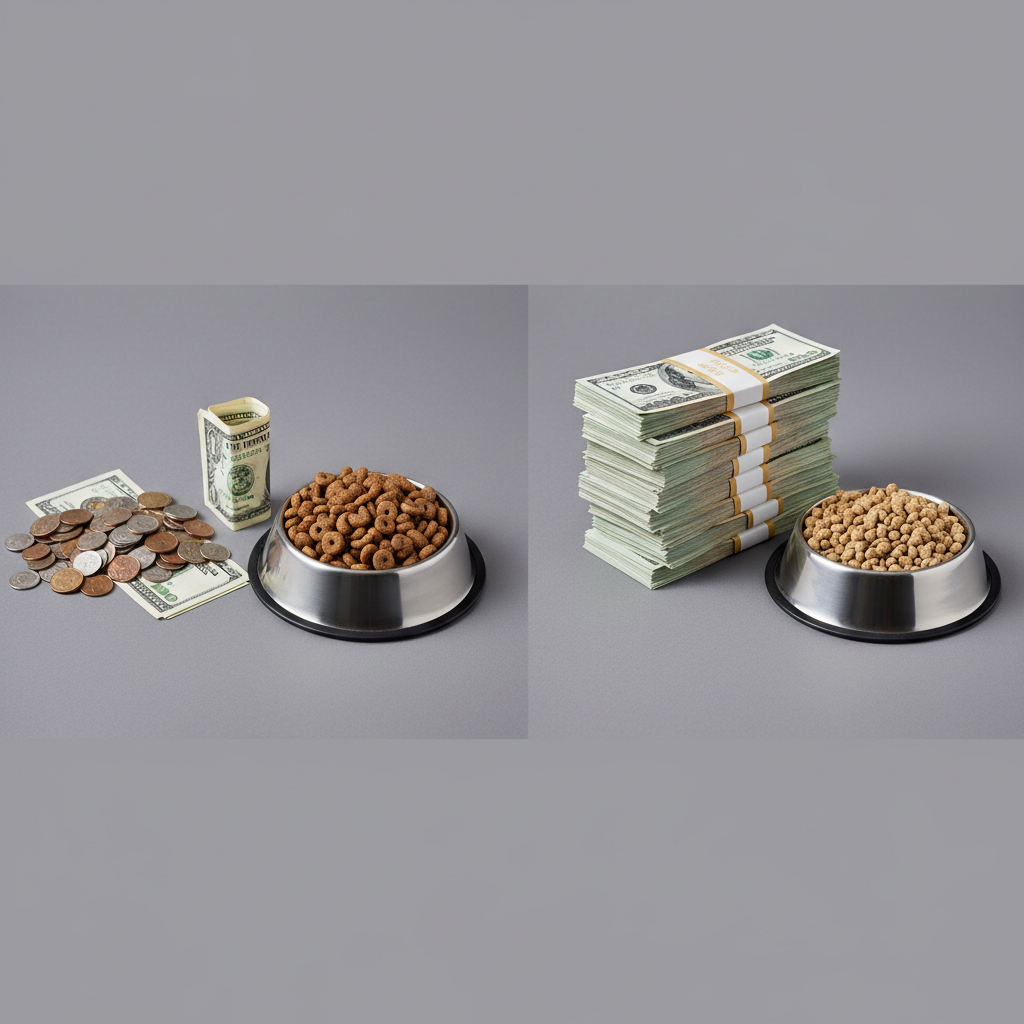
Let’s be blunt: these diets are expensive. They are medical-grade nutrition, and the price reflects the advanced processing and stringent quality control required. To put it in perspective, here’s a cost breakdown for a hypothetical 50lb dog:
| Diet Type | Average Cost Per Pound | Approximate Cost Per Day |
|---|---|---|
| Standard Premium Kibble | $2.50 – $3.50 | $1.75 – $2.50 |
| Prescription Hydrolyzed Diet | $5.00 – $7.00+ | $3.50 – $5.00+ |
While the sticker shock is real, you must factor in the money saved on vet visits, allergy medications (like Apoquel or Cytopoint), and medicated shampoos. Often, the higher food cost is offset by a significant reduction in other allergy-related expenses.
Is It a Forever Food?
This is a critical conversation to have with your veterinarian. A hydrolyzed diet is the gold standard for conducting an elimination diet to prove a food allergy exists. After 8-12 weeks on the strict diet, if symptoms have resolved, your vet may guide you through a ‘re-challenge’ phase. This involves reintroducing single, intact proteins one at a time to see which one causes a reaction. Once the specific trigger is identified, you may be able to switch to a less expensive limited ingredient diet that simply avoids that one protein. However, for some dogs with multiple severe allergies, a hydrolyzed diet may be the only viable long-term solution for a comfortable, symptom-free life.
Beyond the Bag: Executing a Flawless Elimination Diet Protocol

Buying the right food is only half the battle. An elimination trial is a strict diagnostic test, and its success hinges on your 100% compliance. One mistake can render weeks of effort useless and lead to a misdiagnosis. This is a zero-tolerance protocol.
The Golden Rules of the Elimination Trial
For the entire duration of the trial (typically 8-12 weeks), your dog can consume nothing but the prescribed hydrolyzed protein food and water. This means:
- No Treats: Zero. Not even ‘hypoallergenic’ ones unless they are made from the exact same hydrolyzed protein. The safest bet is to use pieces of the prescription kibble as treats.
- No Table Scraps: A single crumb of cheese or piece of meat can trigger a reaction and invalidate the entire trial.
- No Flavored Medications: This is a critical and often overlooked rule. Chewable heartworm pills, joint supplements, or other flavored medications contain animal proteins. You must switch to non-flavored, topical, or injectable versions with your vet’s guidance.
- No Flavored Toothpaste or Dental Chews: These almost always contain ingredients that will compromise the diet.
- No Flavored Toys: Check that any chew toys do not have food flavorings embedded in them.
- Monitor the Environment: Ensure your dog isn’t getting into the cat’s food bowl, licking dirty dishes in the dishwasher, or scavenging for scraps on walks.
This level of strictness is not easy, but it is the only way to get a clear and accurate result. You are a scientist testing a hypothesis, and controlling the variables is the key to success. If your dog’s symptoms completely resolve after this period, you and your vet have invaluable information to create a long-term management plan.
Conclusion
Navigating the world of canine food allergies can feel like a labyrinth of misinformation and dead ends. Hydrolyzed protein diets offer a scientifically proven path forward. By breaking down proteins to a size invisible to the immune system, these diets serve as both a powerful diagnostic tool and an effective long-term management strategy for severely allergic dogs. They are not a marketing gimmick; they are a veterinary-prescribed medical solution.
Understanding the science behind the label empowers you. You are no longer just a consumer buying a product; you are an informed partner in your dog’s health care. You can now analyze ingredient lists, understand the purpose of a strict elimination trial, and have a more productive, in-depth conversation with your veterinarian about the best course of action. While the cost and strictness can be daunting, the potential reward—a happy, healthy, itch-free dog—is priceless.
Final Reminder: Always work under the direct supervision of a qualified veterinarian when using a therapeutic diet. They are your most important ally in the fight against your dog’s allergies.