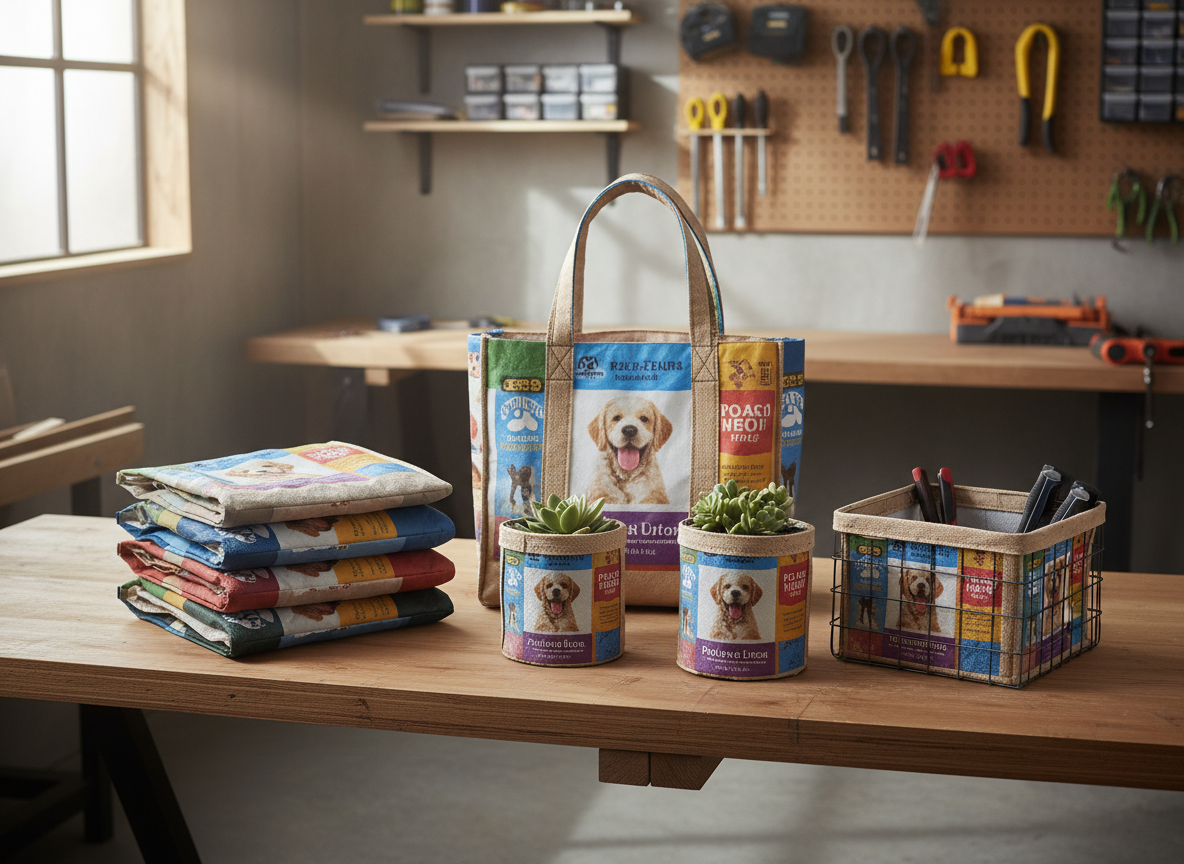
10 Creative Ways to Upcycle Empty Dog Food Bags
You’ve done the research. You scrutinize ingredient labels, dodge fillers, and invest in top-tier nutrition for your canine companion. The result? A healthy dog and, inevitably, a growing stack of remarkably durable, empty dog food bags. Most people see trash. The Canine Nutrition Hacker sees a resource. These aren’t flimsy paper sacks; they are typically made of woven polypropylene, a thermoplastic polymer that’s resistant to water, tearing, and UV degradation. Throwing them away isn’t just wasteful—it’s a missed opportunity. Every bag represents a material you would otherwise have to purchase for other needs. In this guide, we’re going beyond the bowl to apply the same savvy, no-nonsense mindset to the packaging itself. We’ll break down 10 practical, high-value ways to upcycle those empty bags, saving you money and reducing your environmental footprint. This is the ultimate resourcefulness hack for the intelligent pet owner.
Hack #1: The Indestructible Garden Planter
Why It Works
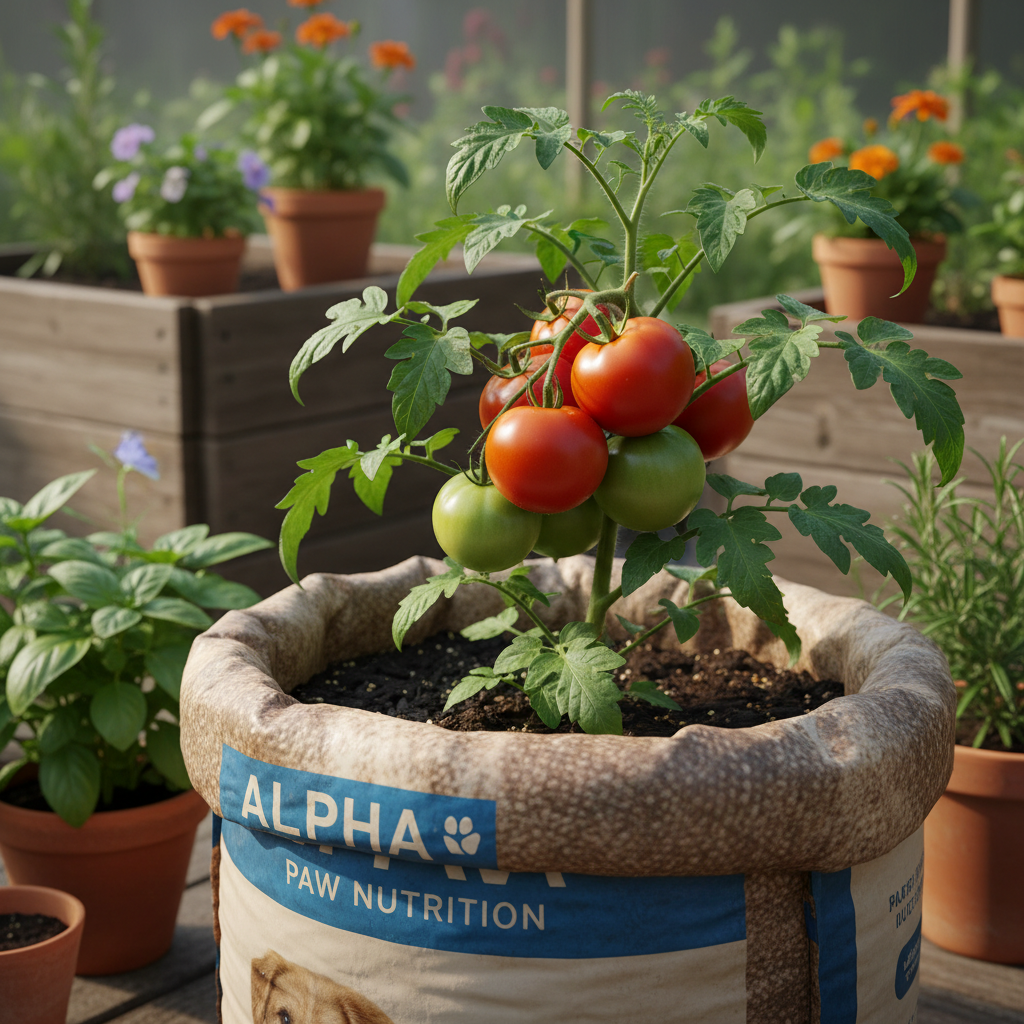
The woven polypropylene material of most premium dog food bags is an ideal, and free, alternative to expensive fabric grow pots. The material is breathable, which promotes healthy root growth through air pruning, and it allows for excellent drainage, preventing root rot. They are lightweight, durable, and can last for several seasons.
Materials Needed
- Empty dog food bag
- Scissors
- Soil
- Your choice of plant (vegetables, herbs, and flowers work well)
Step-by-Step Instructions
- Clean the Bag: First, ensure the bag is completely empty and clean. Turn it inside out and rinse with a hose to remove any remaining kibble dust. Let it dry completely.
- Size the Bag: Decide on the desired height for your planter. For most plants, rolling the top edge of the bag down several times is sufficient. This creates a sturdy, thick rim. For a smaller pot, you can cut the bag down to size.
- Add Drainage: While the material itself drains, adding a few small drainage holes is a pro move. Use scissors or a utility knife to carefully poke 4-5 small holes in the bottom of the bag.
- Fill and Plant: Fill the bag with high-quality potting soil, leaving a few inches at the top. Add your plant or seeds as you would with any other container. The bag’s structure is strong enough to hold the weight of the soil and plant without issue.
Insider Secret: The graphic design on the bags can be quite bold. For a more uniform, minimalist look in your garden, simply turn the bags inside out before filling them. You’ll get a clean, white planter that looks surprisingly chic.
Hack #2: The Ultimate Reusable Tote Bag
Why It Works
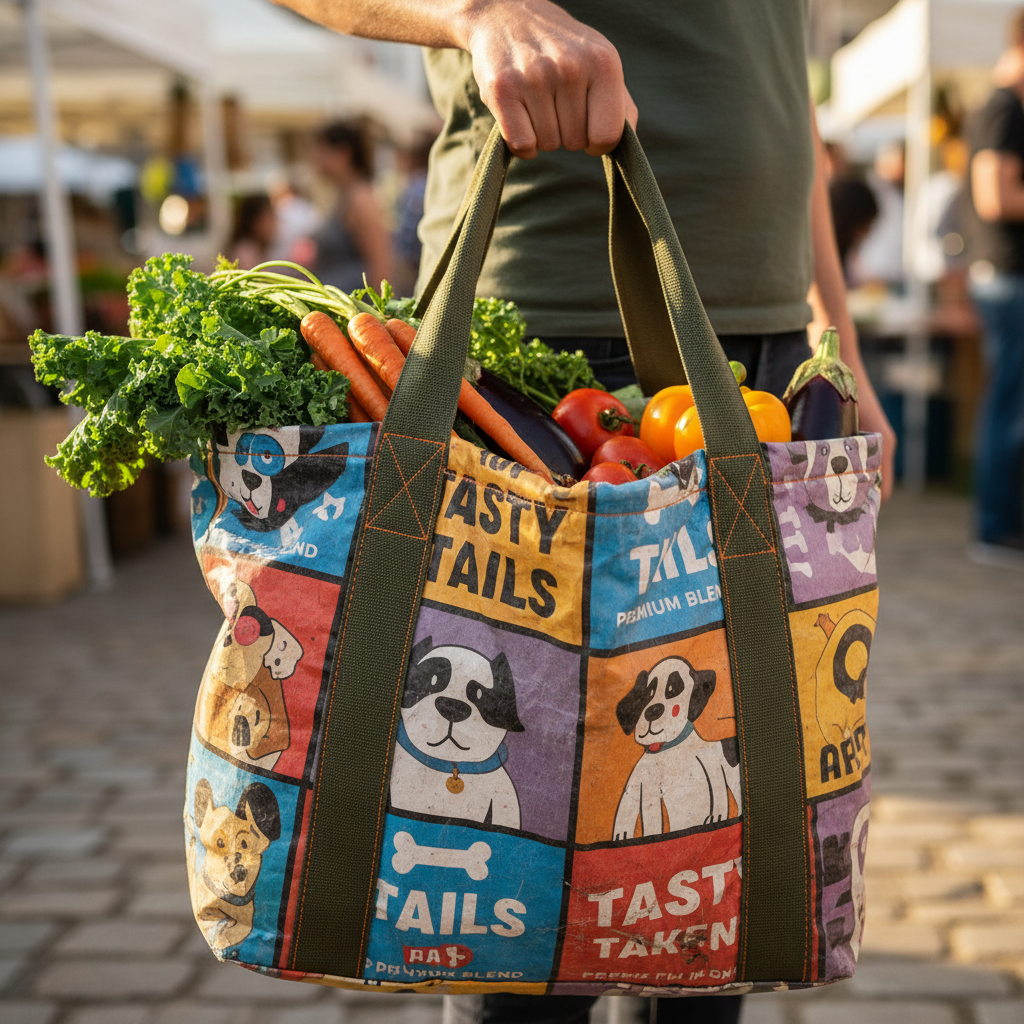
Forget flimsy grocery totes. A dog food bag is waterproof, incredibly strong, and easy to clean, making it the perfect material for a heavy-duty carry-all. It can handle sharp-cornered boxes, heavy cans, and wet produce without tearing or leaking. This is a simple sewing project that yields a professional-grade result.
Materials Needed
- One large, empty dog food bag
- Scissors
- Sewing machine (or heavy-duty needle and thread)
- Nylon webbing for handles (about 4 feet)
- Measuring tape
Step-by-Step Instructions
- Prepare the Bag: Cut the top and bottom seams off the bag to create a long tube of material. Then, cut down one of the side seams so the bag lays completely flat. You now have a large, rectangular piece of fabric.
- Shape the Tote: Fold the material in half, with the printed side facing inward. Decide on your desired dimensions and trim if necessary. A good size is around 18 inches wide by 20 inches tall.
- Sew the Sides: Sew up the two side seams using a strong stitch on your sewing machine. Double-stitching will provide extra reinforcement for heavy loads.
- Create a Flat Bottom: To give the bag a flat, boxy bottom (allowing it to stand on its own), pinch each bottom corner to form a triangle. Sew a straight line across the triangle, about 2-3 inches in from the point. Trim the excess fabric.
- Attach Handles: Cut your nylon webbing into two equal-length handles. Turn the bag right-side out. Fold the top edge of the bag down about 2 inches to the inside to create a clean hem. Pin the ends of each handle on the inside of the bag, a few inches from the side seams, and sew them securely in place. Be sure to sew a reinforcing ‘X’ pattern where the handles attach for maximum strength.
Hack #3: Workshop & Garage Storage Bins
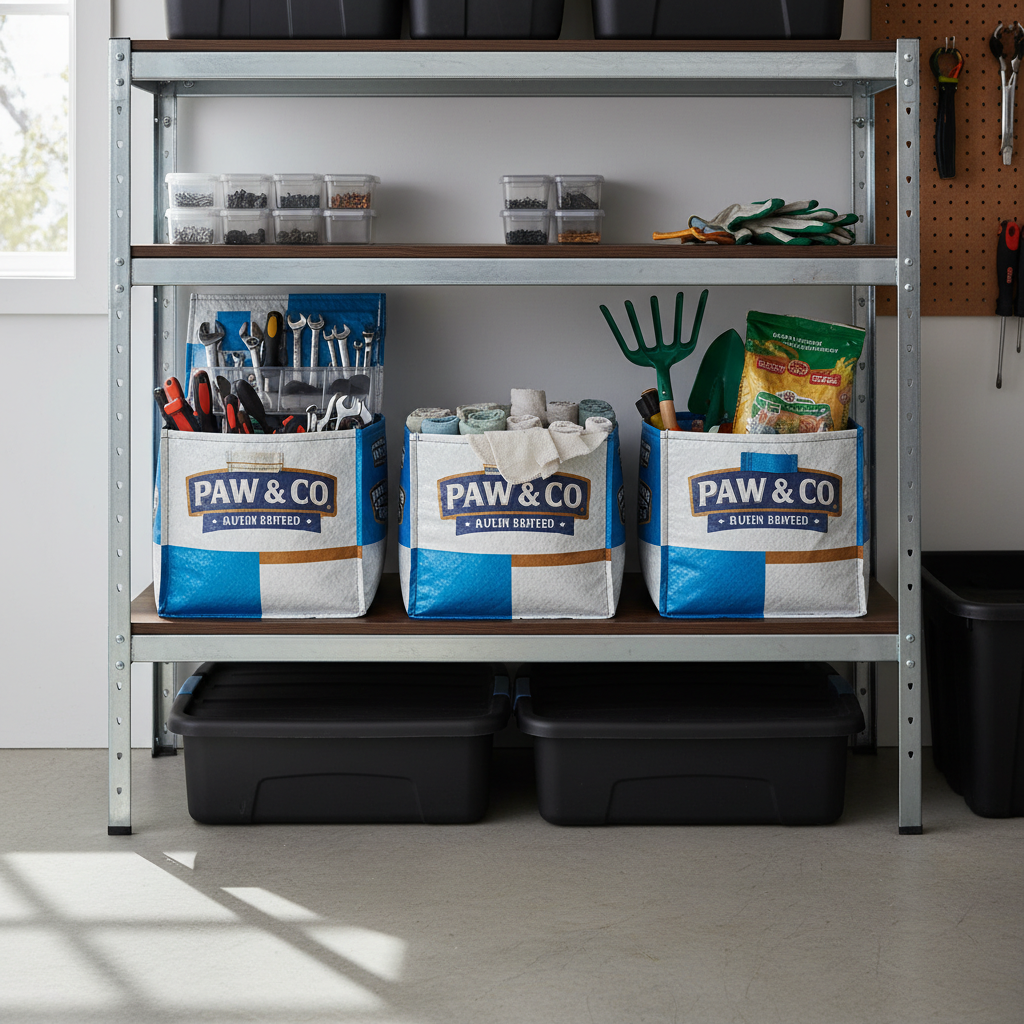
Cardboard boxes get damp and fall apart. Plastic bins crack. Dog food bags, however, are the perfect material for creating simple, durable, open-top storage bins for your garage, workshop, or pantry. They are ideal for organizing everything from kids’ toys and sports equipment to recycling and gardening supplies. This is a no-sew hack that takes minutes.
The Method
This is arguably the simplest hack. First, thoroughly clean the bag. Then, decide on the height of your bin. Using a sharp pair of scissors, cut the bag down to your desired height. To create a rigid and stable rim, simply fold the cut edge over on itself two or three times. The stiffness of the material will hold the fold in place. For even greater stability, you can secure the fold with a few heavy-duty staples. You can create a series of matching bins to organize an entire shelving unit, providing a free and long-lasting storage solution.
Hack #4: Weatherproof Ground Cover & Weed Barrier
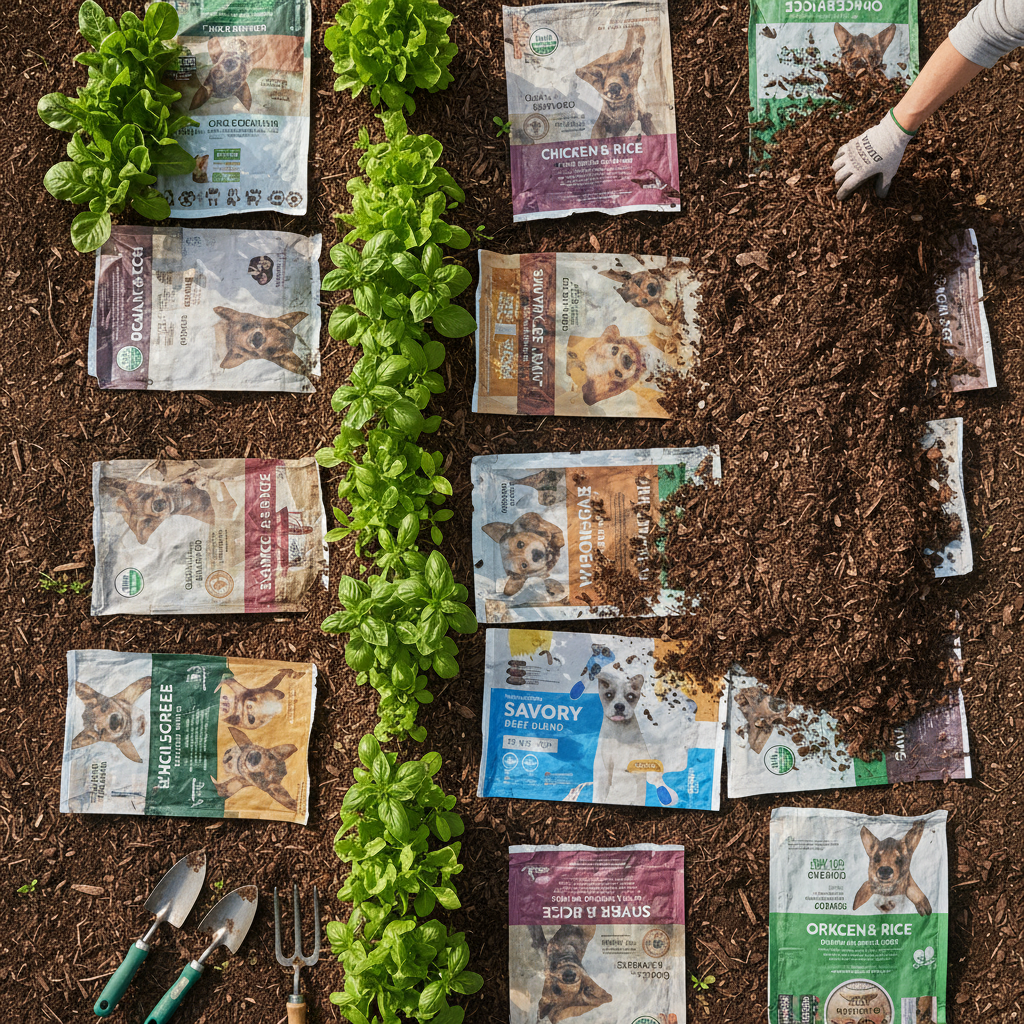
Stop buying plastic sheeting for messy projects or weed-blocking fabric for your garden. A single large dog food bag can be cut open to create a surprisingly large, waterproof, and puncture-resistant ground cover. Use it to protect your floor when painting, to place under a car during an oil change, or as a durable tarp for collecting yard waste. In the garden, it excels as a chemical-free weed control method. Simply slit the bags open, lay them flat between rows, and cover with a layer of mulch. The material blocks sunlight, preventing weed growth, but it’s tough enough to last the entire season.
Hacker Tip: When using bags as a weed barrier, use a knife to cut X-shaped slits where you want to place your plants. This allows you to plant directly through the barrier while still suppressing weeds all around the plant base.
Hack #5: The Emergency Car Kit Organizer
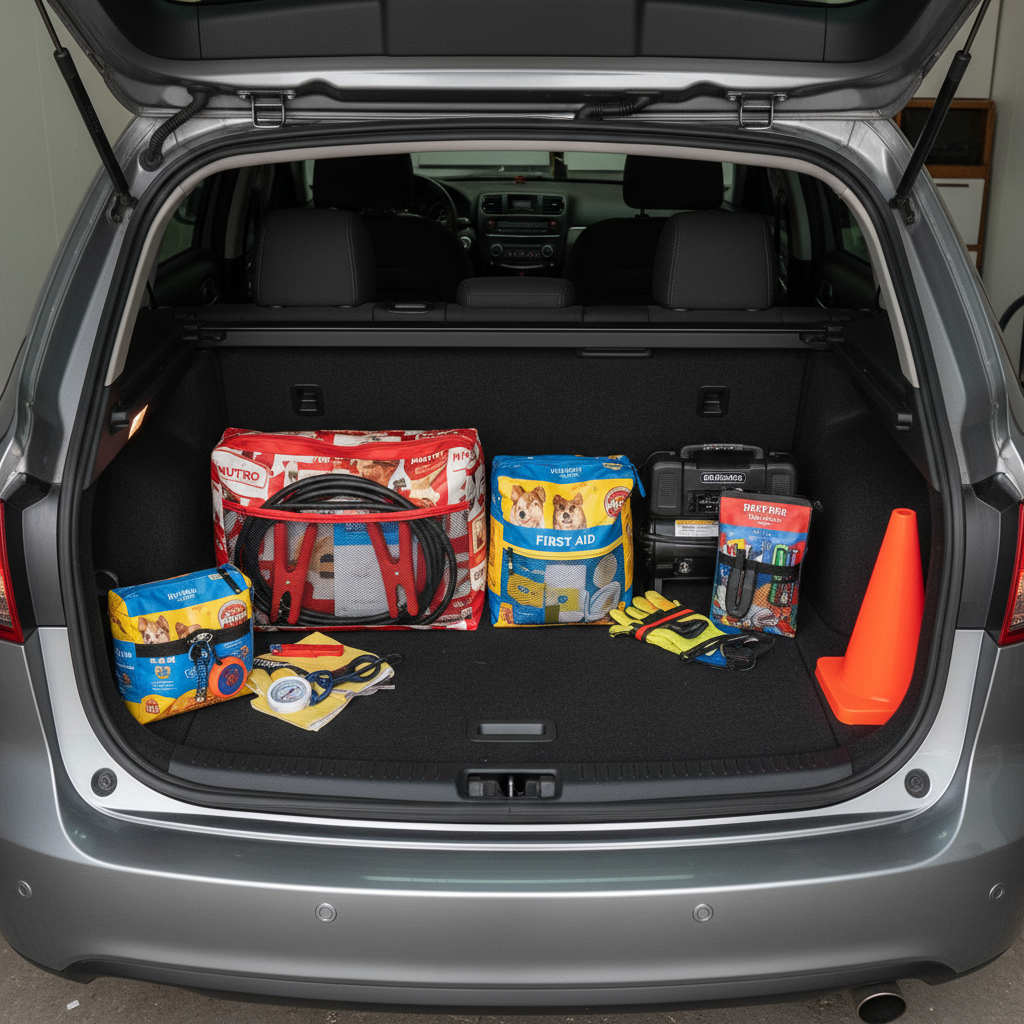
Jumper cables, flares, first-aid supplies, and tools often end up rolling around loose in the trunk. The durable and waterproof nature of dog food bags makes them perfect for creating custom pouches and organizers for your vehicle’s emergency kit. You can create simple, sewn pouches with a velcro closure or a more elaborate tool roll. The key benefit is protection from moisture, which can ruin electronics and rust tools. A well-organized kit is crucial in an emergency, and this hack ensures your gear is protected and easy to find when you need it most. This is a prime example of proactive emergency preparedness using materials you already have.
Hack #6: Durable Pet Bed & Crate Liner
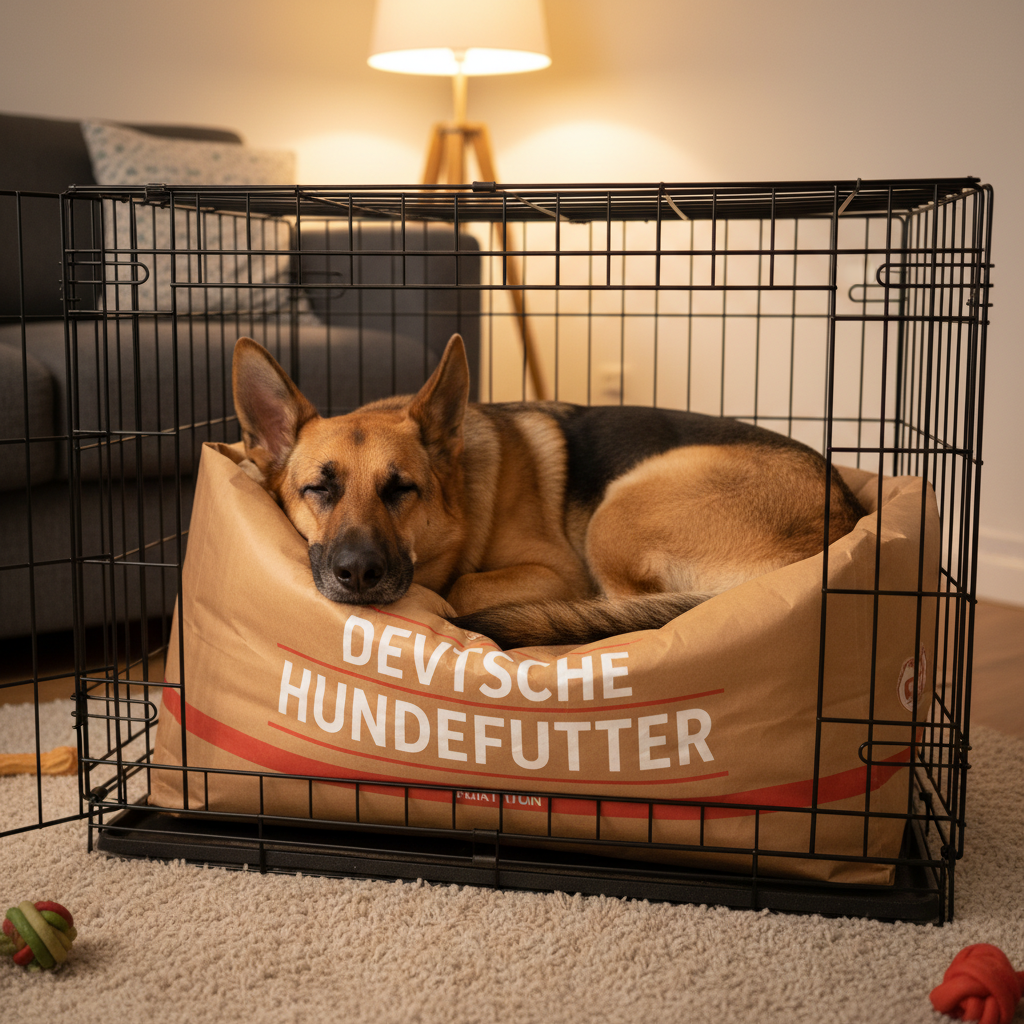
If you have a dog that is tough on their bedding, you know the cost of constantly replacing torn fabric beds. A dog food bag can be fashioned into an incredibly durable, easy-to-clean outer shell for a pet bed or a simple liner for a crate. For a crate liner, simply cut the bag to size and lay it flat. It provides a waterproof barrier that can be wiped clean in seconds. For a full bed, you can sew two bags together, leaving one end open. Stuff it with old towels, blankets, or cedar chips (a natural flea repellent), and then sew the final seam shut. While not indestructible, it’s significantly more chew- and scratch-resistant than most commercial fabric beds.
Hack #7: Superior Shipping & Packing Material
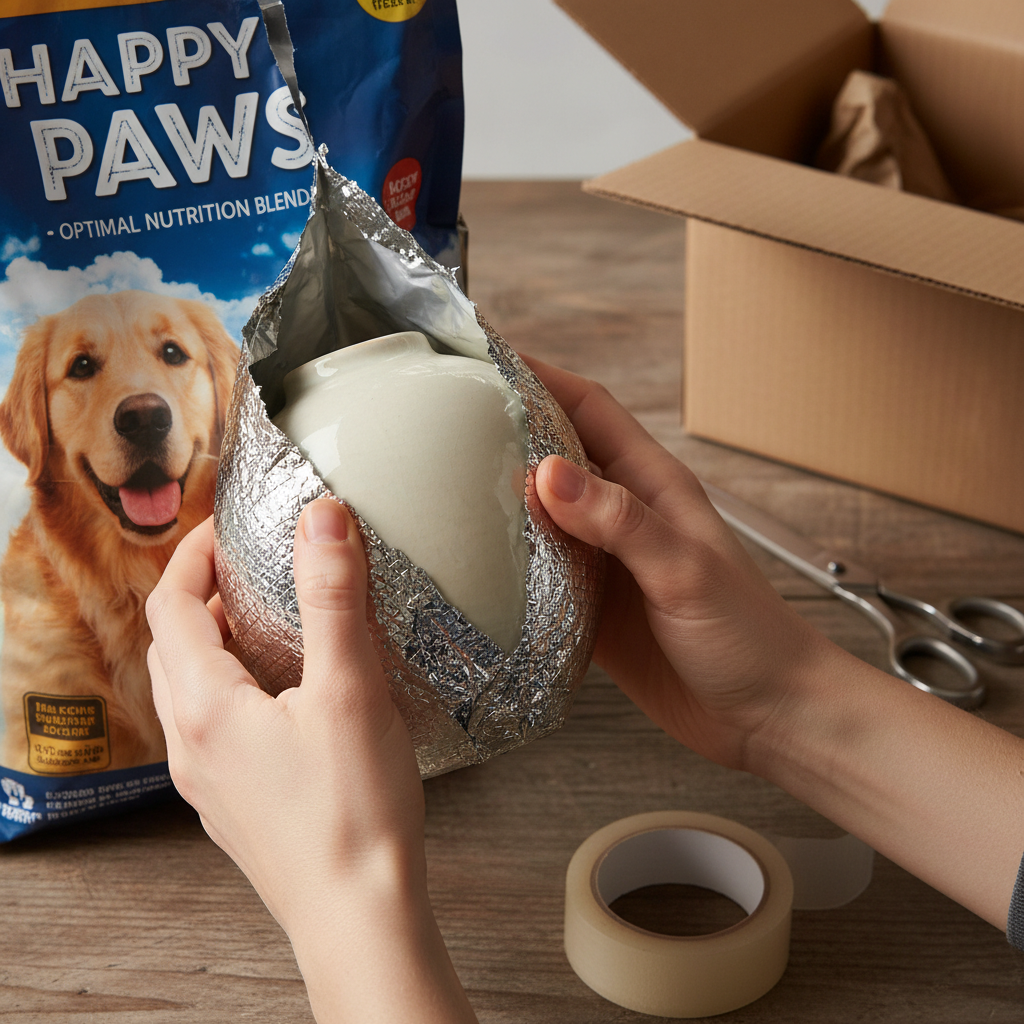
Why pay for bubble wrap? The woven polypropylene material is lightweight yet offers excellent protection against punctures and moisture when shipping items. Instead of balling up newspaper, cut a clean dog food bag into sections and use it to wrap fragile items before boxing them up. It provides a cushioned, water-resistant layer of protection. It’s also great as void fill; simply crumple it up to fill empty space in a box, preventing contents from shifting during transit. This is a simple, no-sew hack that directly translates to money saved on shipping supplies.
Hack #8: The Outdoor Gear Dry Bag
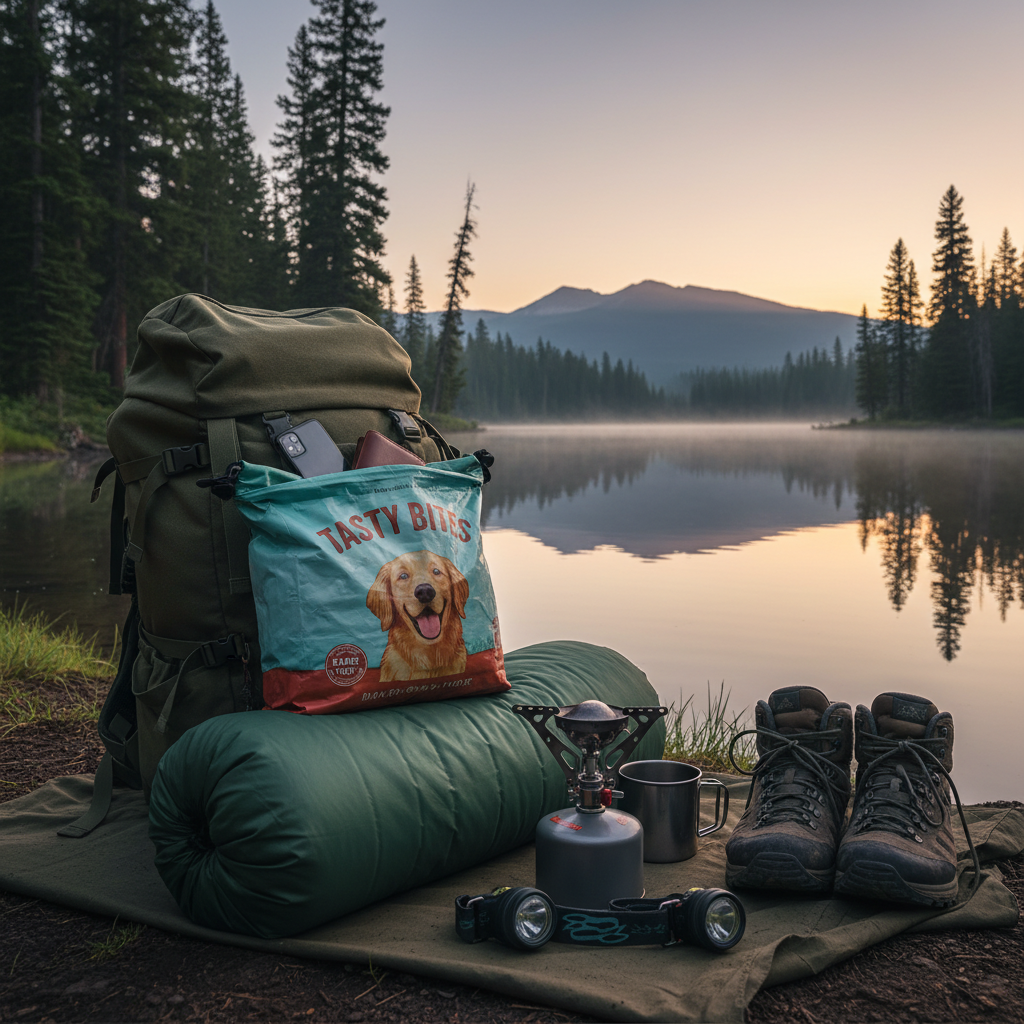
Commercial dry bags for camping, kayaking, or beach trips can be expensive. You can create a highly effective, water-resistant bag for your gear using just a dog food bag. The simplest method requires no sewing. Place your items (phone, wallet, keys, a dry shirt) inside the bag. Squeeze out the excess air, then tightly fold or roll the top of the bag down at least three times. Secure the roll with a sturdy clip or even a rubber band. While it may not be fully submersible like a high-end dry bag, it will easily protect your gear from rain, splashes, and damp ground, making it an essential piece of zero-cost outdoor equipment.
Hack #9: DIY Sandbags for Flooding or Weight
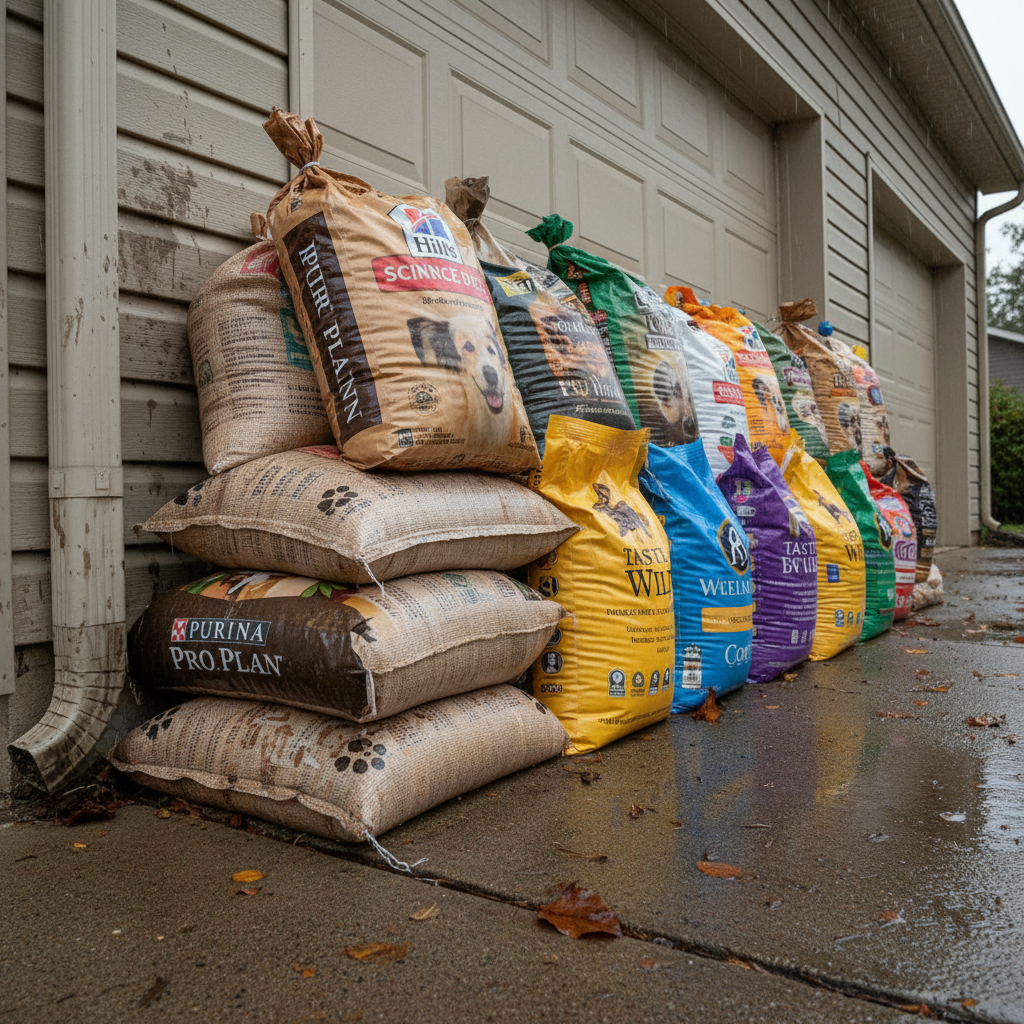
This is one of the most practical and potentially critical uses for empty dog food bags. Their woven construction is designed to hold dozens of pounds of small pellets, making them structurally identical to commercial sandbags. Keep a stack of empty bags on hand for emergencies. When needed, fill them three-quarters full with sand or soil and tie the top securely. They can be used to divert water in a flood, hold down tarps in high wind, or add weight to the back of a pickup truck for better traction in the winter. This is a crucial element of household emergency preparedness that costs absolutely nothing.
Hack #10: Creative & Unbreakable Gift Wrap

For a truly unique and personal touch, use the graphically interesting parts of a dog food bag as gift wrap. It’s a fun way to surprise the dog lover in your life. The material is tear-proof, making it perfect for shipping gifts or for wrapping oddly shaped items. You can also cut the material into thin strips and use a stapler or hot glue to construct elaborate, weatherproof bows that can be reused year after year. It’s a conversation starter and a testament to creative, resourceful thinking.
Conclusion
Being a savvy pet owner—a true Canine Nutrition Hacker—is a mindset that extends beyond the food bowl. It’s about maximizing value, minimizing waste, and making intelligent decisions with the resources you have. Those empty dog food bags are not trash; they are a durable, versatile, and free raw material waiting for a purpose. By transforming them into planters, totes, storage bins, and emergency supplies, you’re not only saving money but also adopting a more sustainable and resourceful approach to pet ownership. You’ve already made the smart choice in nutrition; now, make the smart choice in what you do with the packaging. What other ingenious uses have you found for your empty dog food bags? Share your own hacks and continue the cycle of resourcefulness.