10 Aesthetic Dog Food Storage Station Ideas for Small Spaces
That giant, crinkled, half-open bag of premium dog food shoved into a corner of your kitchen isn’t just an eyesore—it’s a nutritional crime scene. You spend a fortune on high-quality food packed with antioxidants, omega fatty acids, and essential vitamins. Then, you let it sit exposed to its three greatest enemies: air, light, and humidity. Every scoop you serve is less potent than the last.
I’m The Canine Nutrition Hacker. I don’t just analyze ingredient labels; I analyze the entire system of feeding our dogs, from purchase to bowl. And storage is a critical, often-overlooked weak link. Stale, rancid kibble doesn’t just taste bad; it can cause digestive upset and lacks the full nutritional power you paid for. In a small space, the challenge is twofold: protecting the food’s integrity while also protecting your home’s aesthetic from the clutter of pet supplies.
Forget ugly plastic bins. We’re moving beyond basic storage and into strategic, stylish solutions. This guide will show you how to hack your limited space, creating an aesthetic dog food station that is as smart and efficient as it is beautiful. It’s time to stop compromising between a well-decorated home and a well-fed dog.
The Multi-Functional Hack: Furniture with a Feeding Secret
1. The Storage Ottoman or Bench
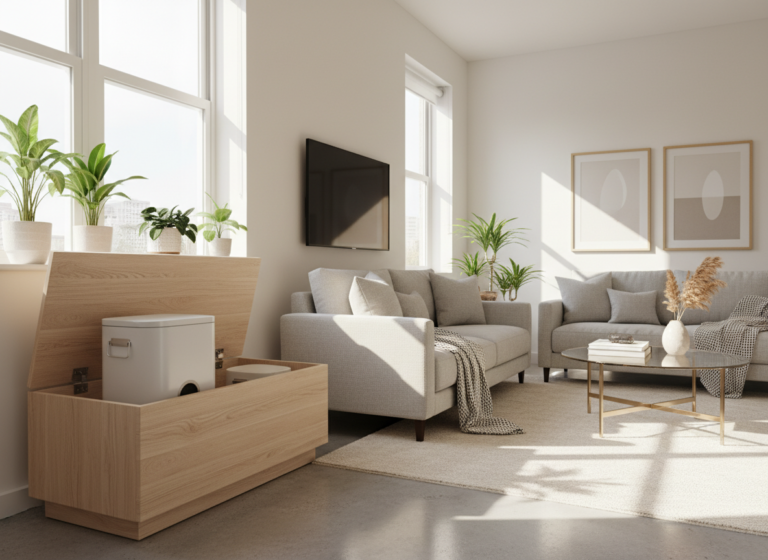
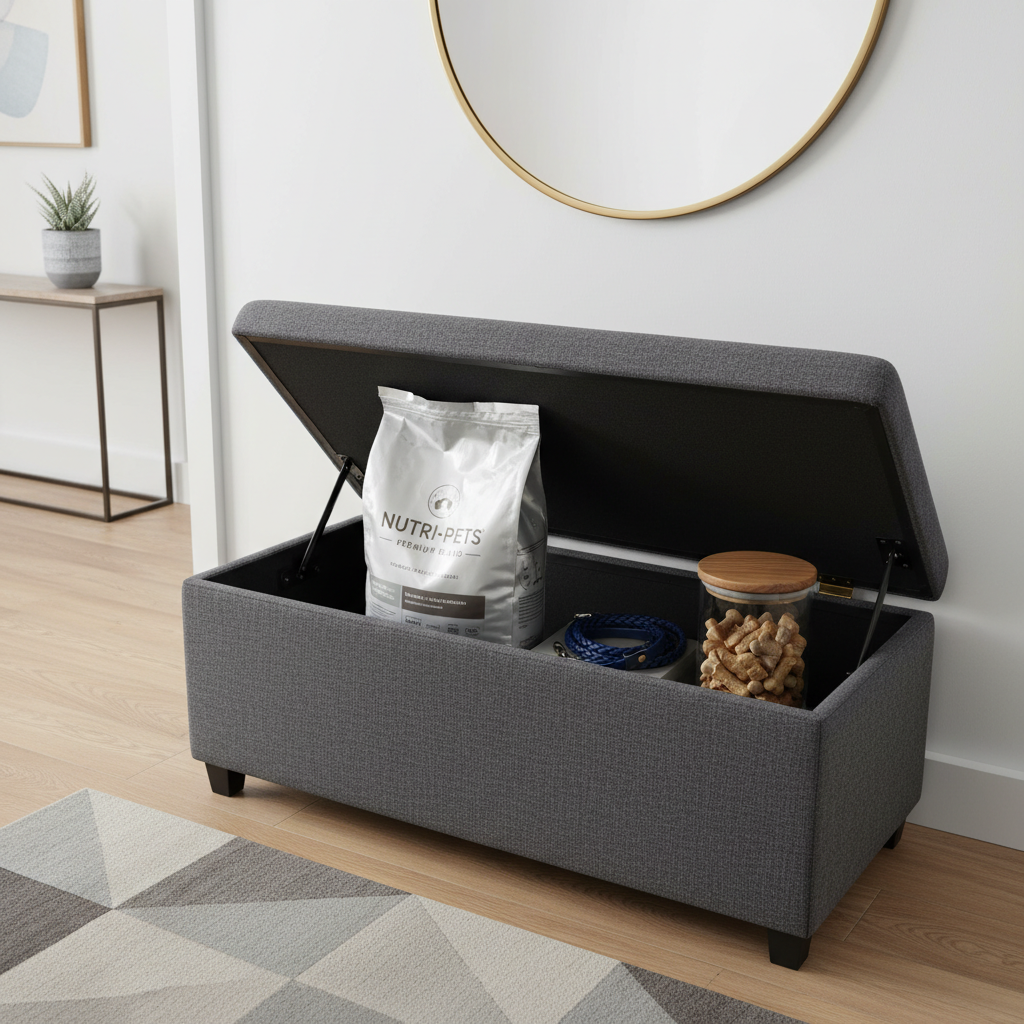
The most effective way to hack a small space is to demand more from your furniture. A storage ottoman or entryway bench is a prime piece of real estate that’s often underutilized. Instead of just being a place to drop your keys or tie your shoes, it can become the ultimate stealth dog food vault. Look for a sturdy bench with a hollow interior and a hinged lid. You can easily fit a 30-pound bag of dog food inside, keeping it completely out of sight, protected from sunlight, and contained.
Insider Secret: Keep the kibble in its original bag even when you place it inside the bench. That bag is a specially designed multi-wall package with a fat and oil barrier. Tossing the bag and pouring the kibble directly into the bench (unless it has a food-grade, airtight liner) exposes it to more air, accelerating spoilage. The bag is your first line of defense.
2. The Integrated Cabinet Pull-Out
For the ultimate seamless solution, look to your kitchen cabinets. The same pull-out hardware used for trash and recycling bins can be repurposed for dog food. A deep drawer or a narrow lower cabinet can be fitted with a sliding mechanism holding one or two large, food-grade containers. This keeps the food completely hidden, yet easily accessible during meal prep. It becomes part of your kitchen’s workflow, not an obstacle you trip over. This is a game-changer for maintaining a clean, minimalist kitchen aesthetic. You can find ready-made kits at home improvement stores or hire a handyman for a custom fit. This method is unparalleled for protecting kibble from light and pests.
Going Vertical: Reclaiming Your Wall and Counter Space
3. Wall-Mounted Grain Dispensers
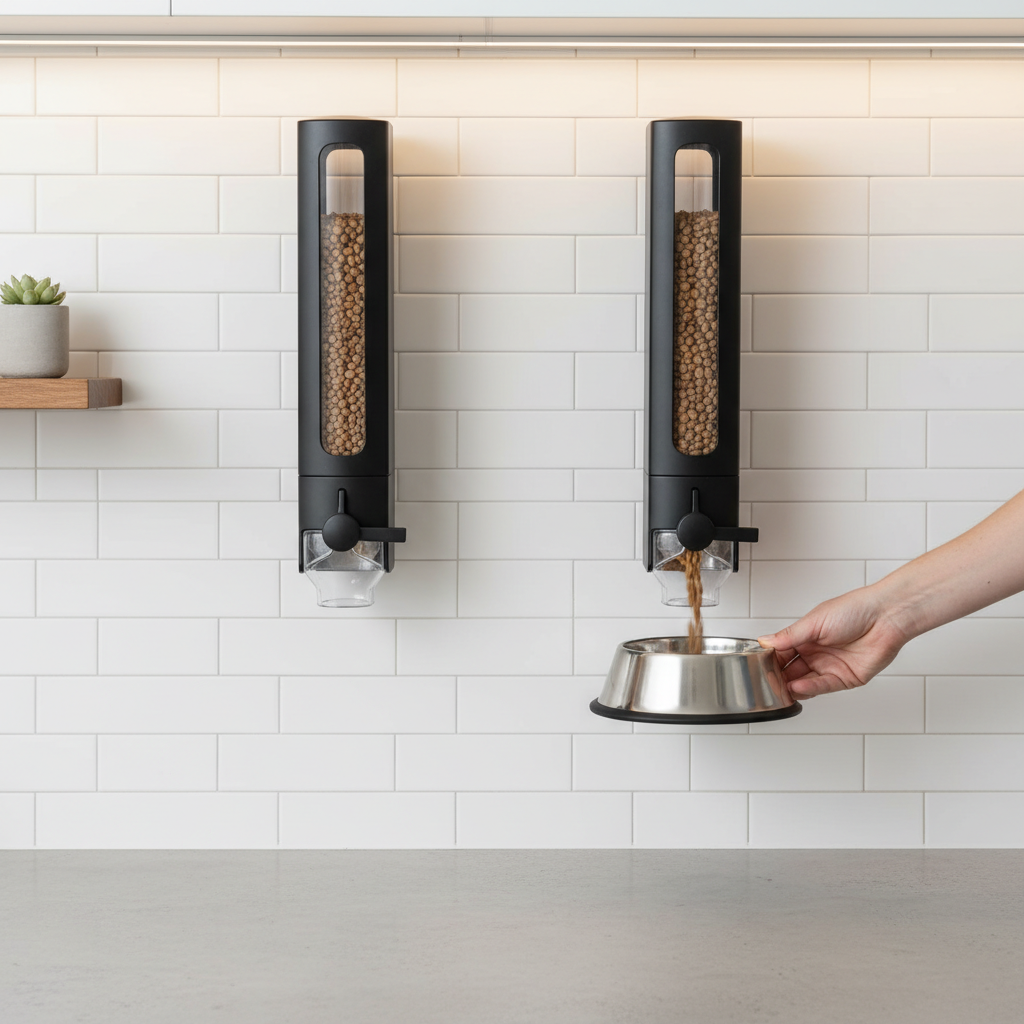
Think beyond the pantry. Wall-mounted grain or cereal dispensers, often seen in commercial kitchens or zero-waste grocery stores, are a brilliant hack for dog food. They free up floor and counter space entirely. Look for models made from durable, pet-safe materials with an airtight seal. A simple pull of a lever dispenses a pre-measured amount of food directly into the bowl, minimizing spills and simplifying portion control. This is ideal for smaller kibble sizes. Warning: Ensure the dispenser you choose is fully opaque. Clear dispensers may look cool, but they allow light to penetrate, which degrades fat-soluble vitamins (like A, D, and E) and can lead to rancidity.
4. Coordinated Canister Sets on Floating Shelves
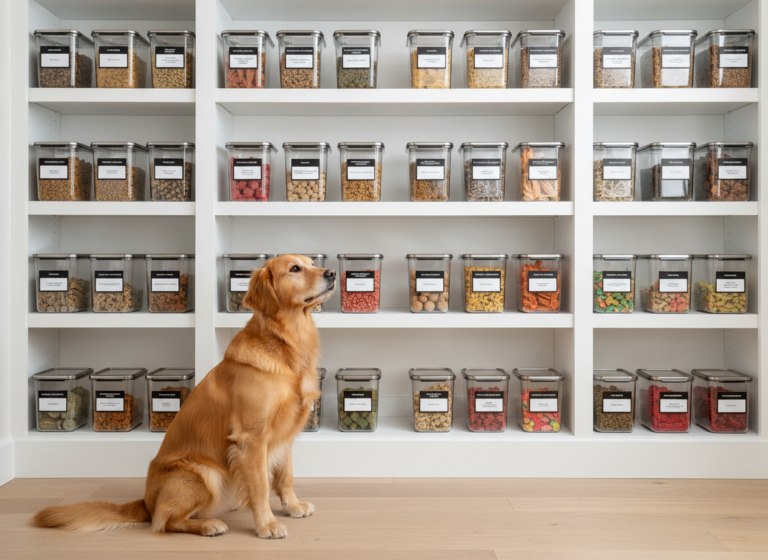
If you prefer to keep a smaller amount of food handy, elevate your countertop game. Ditch the plastic tub and invest in a set of high-quality canisters that match your kitchen decor. Options in ceramic, matte metal, or even bamboo can add to your aesthetic instead of detracting from it. Dedicate a small floating shelf to your ‘pet station,’ featuring a large canister for food, a smaller one for treats, and perhaps a stylish jar for dental chews. This creates a designated, organized, and visually pleasing zone.
Hacker Tip: Never just top off your canister. When it’s empty, you must wash and dry it thoroughly before adding fresh food from the main bag. Oils from the old kibble accumulate on the container walls, and these oils can become rancid and contaminate the new batch, defeating the entire purpose of proper storage.
Repurposed & Upcycled: The Budget-Friendly Aesthetic
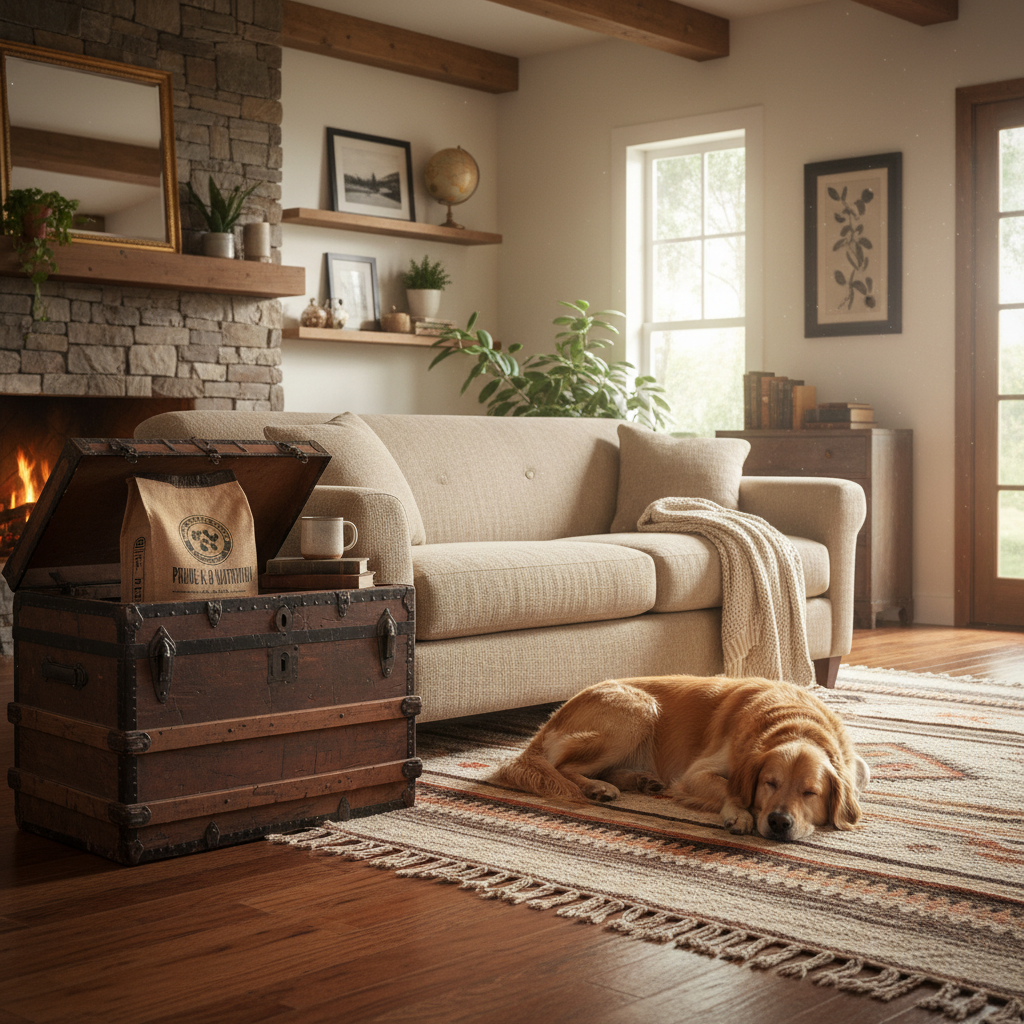
5. Vintage Trunks and Wooden Chests
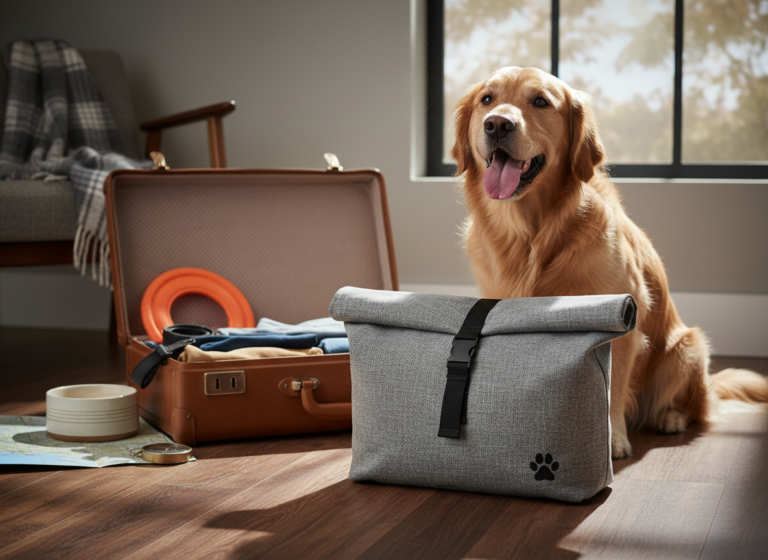
Scour flea markets or your own attic for a vintage trunk or small wooden chest. These pieces bring character and warmth to a room while providing a cavernous space for a large food bag. A flat-topped trunk can double as a unique coffee table or an end table in your living room. The visual appeal is immense, and no guest would ever suspect it’s your dog’s pantry. As with the ottoman, always keep the food in its original packaging inside the trunk to maintain the freshness barrier and make cleanup easier.
6. Lined Wicker or Woven Baskets
For a softer, more bohemian or coastal vibe, a large, sturdy wicker or woven basket with a lid is an excellent choice. It adds texture and a natural element to your decor. To make it food-safe and practical, ensure you place the entire dog food bag inside. If you want to pour the kibble directly, you must use a removable, washable, food-grade fabric liner to prevent oils from seeping into the wicker and to allow for proper cleaning between bags.
7. Galvanized Steel Pails or Tins
Embrace a modern farmhouse or industrial aesthetic with a large galvanized steel pail or a vintage-style tin. These are durable, easy to clean, and naturally opaque, offering great protection from light. Many come with tight-fitting lids. You can often find large versions at garden supply or hardware stores for a fraction of the cost of specialty ‘pet food’ containers. Look for one with handles for easy transport from the car after a trip to the pet store.
The All-in-One Station: Ultimate Command Centers
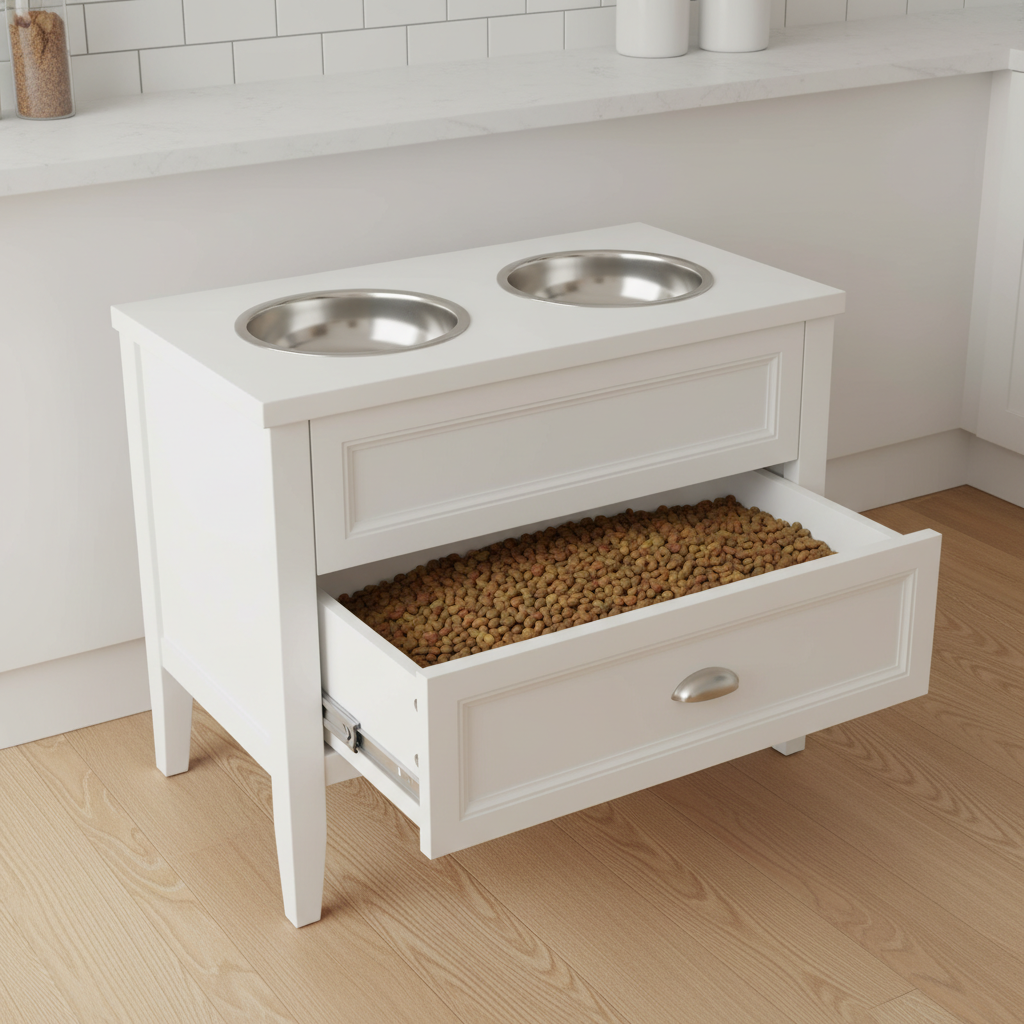
8. Integrated Feeding Stations with Storage
For the owner who craves ultimate order, the all-in-one feeding station is the answer. These purpose-built pieces of furniture typically feature raised food and water bowls set into the top surface, with storage integrated below. The most common designs include pull-out drawers or tilt-out bins that can hold a significant amount of kibble. This design consolidates everything into one footprint, keeping your floor clear of stray bowls and bags. The raised feeder aspect can also be more comfortable for some dogs, particularly larger or senior breeds.
9. Repurposed Rolling Kitchen Carts
A small rolling kitchen cart or bar cart is a versatile and mobile solution. The top surface can be the feeding area, the middle shelf can hold a stylish, airtight food container, and the bottom shelf can store treats, toys, and grooming supplies. The wheels allow you to move the entire station easily for cleaning or to tuck it away when guests are over. This creates a flexible, mobile command center for all of your dog’s daily needs.
10. The DIY Tilt-Out Cabinet
Feeling handy? A DIY tilt-out storage bin, similar in concept to a laundry hamper cabinet, is a fantastic weekend project. You can build a simple wooden frame or repurpose a small, inexpensive cabinet. The front panel tilts forward like a drawer, revealing a large, angled bin inside that funnels kibble towards the front for easy scooping. It’s a custom solution that can be painted or stained to perfectly match your decor, offering a built-in look for a fraction of the cost.
Conclusion
Treating your dog food storage as a deliberate element of your home design is the ultimate Canine Nutrition Hacker move. It’s a strategy that serves three critical functions: it protects your investment in high-quality nutrition by shielding it from environmental degradation, it enhances your daily life by creating a more organized and efficient feeding routine, and it elevates your home’s aesthetic by eliminating pet-related clutter.
Whether you choose a multi-functional piece of furniture, a sleek wall-mounted unit, or a custom-built station, the principle remains the same. An airtight, opaque container is not a luxury; it is a necessity for preserving the vitamins, fats, and overall integrity of your dog’s food. By implementing these ideas, you’re no longer just storing food—you’re creating a system that respects your space, your time, and most importantly, the health and well-being of your dog.