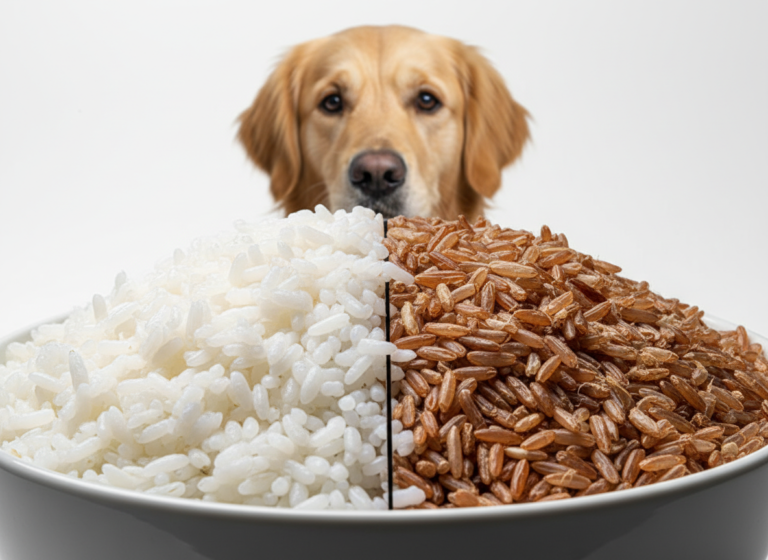

Psyllium Husk for Dogs: Correct Dosage for Firm Stools
Let’s cut to the chase. You’re here because your dog’s digestive system is sending out an SOS, and the evidence is… messy. Vets might throw around terms like ‘colitis’ or ‘dietary indiscretion,’ but you’re left cleaning up the problem. As the Canine Nutrition Hacker, I’m not here to offer platitudes. I’m here to give you a powerful, cost-effective tool to add to your arsenal: psyllium husk. But like any potent tool, it requires precision. The difference between resolving diarrhea and creating a bigger problem comes down to one thing: correct dosage. Forget the vague advice you’ve read on forums. We’re going to dissect the science, establish a clear protocol, and empower you to take back control of your dog’s gut health, starting now.
The Gut Health Battlefield: Why Your Dog’s Stool is a Critical Health Indicator
The Gut Health Battlefield: Why Your Dog’s Stool is a Critical Health Indicator
Before we deploy our secret weapon, you need to understand the terrain. Your dog’s gastrointestinal tract is a complex ecosystem, a bustling metropolis of trillions of bacteria, fungi, and other microbes collectively known as the gut microbiome. In a healthy dog, this system is a well-oiled machine, efficiently breaking down food, absorbing nutrients, and forming perfect, firm stools. This isn’t just about avoiding a mess on your carpet; it’s a direct reflection of your dog’s overall health.
A perfect stool indicates that nutrients are being absorbed properly. It signals that the balance of ‘good’ and ‘bad’ bacteria is in check. When that balance is disrupted—a state called dysbiosis—chaos ensues. Inflammation can run rampant, nutrient absorption plummets, and the immune system can become compromised. The first and most obvious symptom? Loose, watery stools or outright diarrhea.
Ignoring this signal is a critical mistake. Chronic digestive upset isn’t just an inconvenience; it’s a flashing red light on your dog’s health dashboard. It can lead to weight loss, dehydration, and a host of other secondary issues. This is where dietary fiber, specifically a soluble fiber like psyllium husk, enters the picture. It acts as a prebiotic, feeding the beneficial bacteria, and as a bulking agent, literally shaping the stool by absorbing excess water. Understanding this mechanism is the first step to moving from a reactive pet owner to a proactive canine health strategist.
Hacker Tip: Start a simple stool journal. Use a 1-5 scale (1 being liquid, 5 being rock-hard). Note the score, time of day, and what the dog ate. This data is invaluable for identifying triggers and tracking the effectiveness of any dietary intervention, including psyllium husk.
Identifying the Enemy: Common Culprits Behind Loose Stools

Identifying the Enemy: Common Culprits Behind Loose Stools
You can’t win a battle without knowing your enemy. Pouring psyllium husk into a bowl of nutritionally bankrupt food is like trying to patch a sinking ship with a band-aid. To achieve lasting results, we must first identify and eliminate the common dietary saboteurs responsible for digestive chaos.
The usual suspects include:
- Abrupt Diet Changes: The canine gut thrives on consistency. Switching foods too quickly doesn’t give the microbiome time to adapt to new protein sources and ingredient profiles, often resulting in a swift and messy protest.
- Low-Quality Protein & Rendered Fats: Not all protein is created equal. Vaguely named ingredients like ‘meat and bone meal’ are often difficult to digest and can trigger inflammation. Likewise, low-quality, rendered fats can go rancid and cause severe GI upset.
- Common Allergens: Many dogs develop sensitivities to common proteins they’re overexposed to. Chicken, beef, and dairy are at the top of this list. If your dog has chronic loose stools, scrutinize the label for these ingredients.
- Excessive Fillers: This is a big one. Many commercial dog foods are packed with cheap, high-glycemic fillers that offer little nutritional value and can wreak havoc on the gut. Be on high alert for corn, corn gluten meal, wheat, and soy in the first five ingredients. These are often used to artificially inflate protein percentages on the label while providing subpar nutrition.
- Artificial Additives: Colors, flavors, and chemical preservatives like BHA, BHT, and ethoxyquin can irritate the gut lining and disrupt the delicate microbial balance. A clean ingredient label is non-negotiable for a sensitive dog.
Your mission is to become a forensic analyst of your dog’s food label. If any of these enemy ingredients are present, particularly in the top five, they are likely contributing to the problem. Eliminating them is just as important as adding beneficial ingredients like psyllium.
The Fiber Fix: Introducing Psyllium Husk as a Strategic Weapon
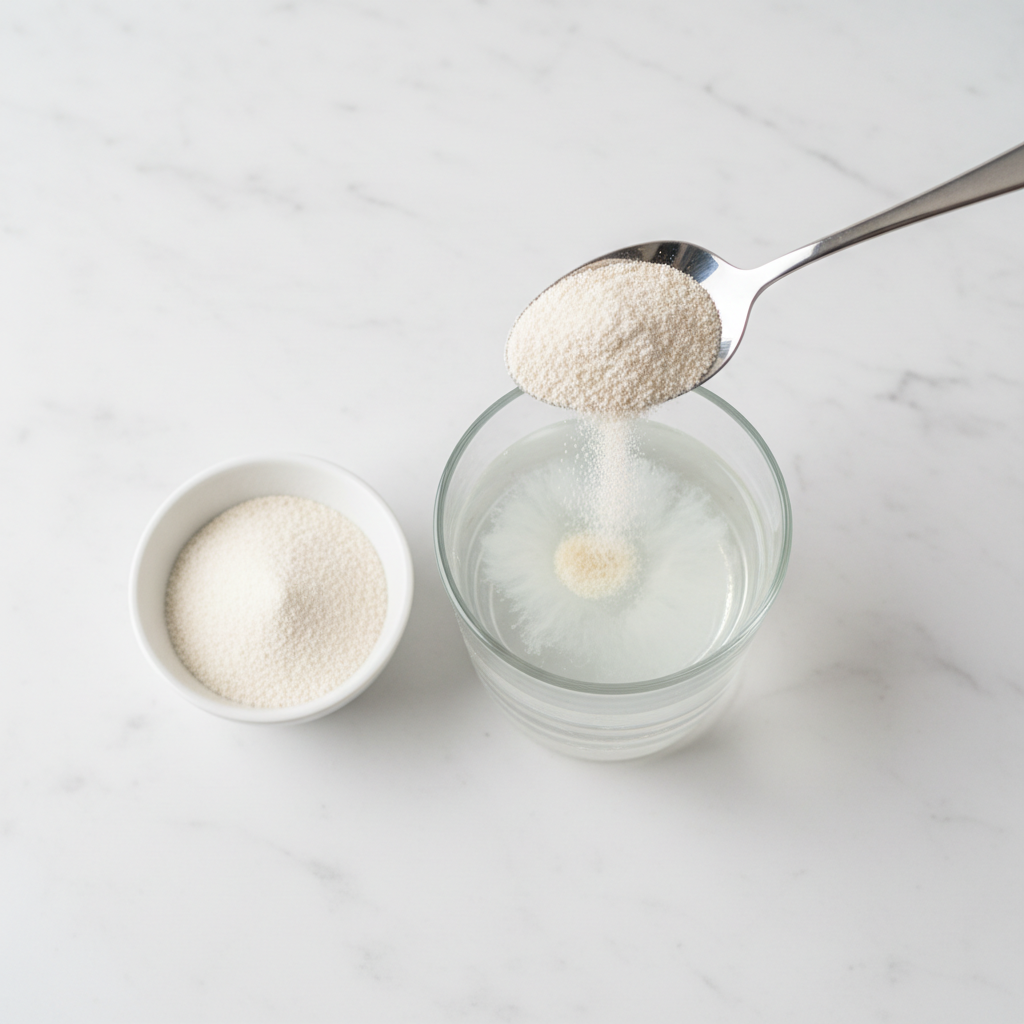
The Fiber Fix: Introducing Psyllium Husk as a Strategic Weapon
Now that we’ve identified the enemy, let’s talk about our primary weapon. Psyllium is a type of soluble fiber derived from the husks of the Plantago ovata plant’s seeds. Think of it as a microscopic sponge. When it comes into contact with water, it swells and forms a gelatinous, soothing mass. This simple mechanical action is what makes it so incredibly effective for managing stool quality.
How It Works: The Two-Front War
Psyllium is unique because it’s a normalizing agent, meaning it can effectively combat both diarrhea and constipation. It fights a two-front war on digestive issues:
- For Diarrhea: In the case of loose, watery stools, the ‘sponge’ action is key. Psyllium husk travels through the digestive tract, absorbing excess water in the colon. This process adds bulk and form to the stool, transforming it from a liquid mess into a firm, well-formed log. It slows down transit time, allowing the colon to do its job properly.
- For Constipation: When a dog is constipated, the gel-like substance formed by psyllium and water helps to lubricate the stool, making it softer and easier to pass. It adds moisture and bulk, stimulating the natural contractions of the intestinal walls (peristalsis) to get things moving.
Insider Secret: Always choose 100% pure psyllium husk powder with no added sugars, sweeteners (especially xylitol, which is toxic to dogs), or artificial flavors. The fine powder form is generally easier to mix into food than whole husks and provides a more consistent dose. Check the human supplement aisle; it’s often purer and more cost-effective than products marketed specifically for pets.
Beyond its mechanical benefits, psyllium also acts as a prebiotic. This means it serves as a food source for the beneficial bacteria in your dog’s gut. By feeding these ‘good guys,’ you help them outcompete the pathogenic ‘bad guys,’ promoting a healthier microbiome and improving long-term gut resilience. It’s not just a quick fix; it’s a strategic move to fortify your dog’s internal defenses.
Precision Dosing: The Canine Nutrition Hacker’s Protocol
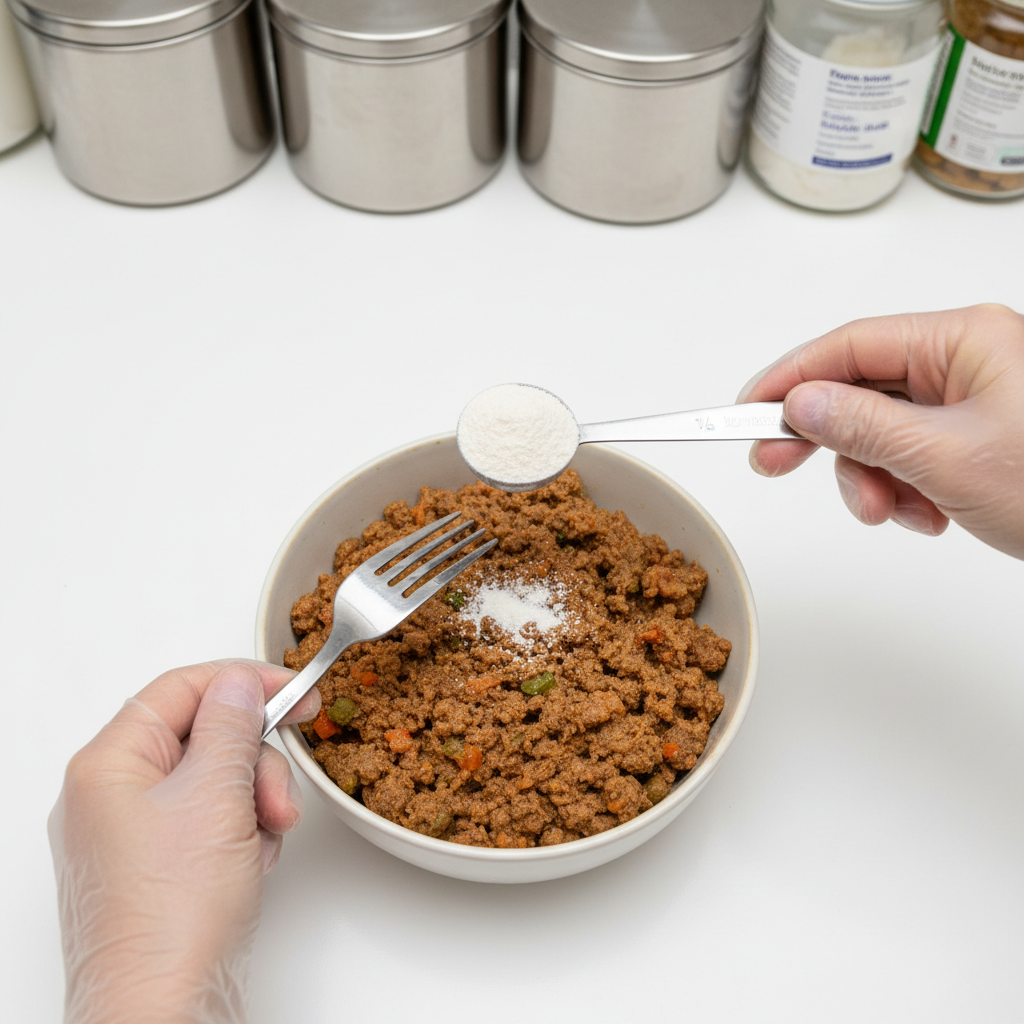
Precision Dosing: The Canine Nutrition Hacker’s Protocol
MEDICAL DISCLAIMER: I am not a veterinarian. The following information is for educational purposes based on extensive research and experience. It is not a substitute for professional veterinary advice. Always consult your veterinarian before adding any new supplement to your dog’s diet, especially if your dog has a pre-existing medical condition or is on medication. Chronic diarrhea can be a symptom of serious underlying disease.
This is where precision becomes paramount. Too little psyllium, and you’ll see no effect. Too much, and you can cause gas, bloating, or even constipation. The key is to start low and go slow. The goal is to find the minimum effective dose for your individual dog.
The Cardinal Rule of Psyllium Husk
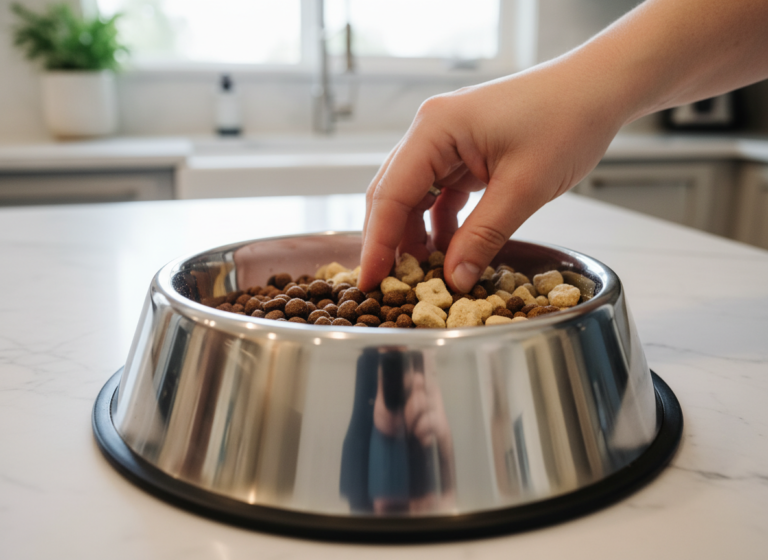
You must ALWAYS mix psyllium husk powder with water or wet food BEFORE serving. Giving dry powder can create a choking hazard or cause esophageal blockage as it rapidly absorbs moisture. A good rule of thumb is to mix each teaspoon of psyllium with at least 2-3 tablespoons of water, broth, or wet food until it forms a gel-like consistency, then mix that gel into the main meal.
Dosage Protocol by Weight
The following are conservative starting points. You may need to adjust slightly up or down based on your dog’s response over several days. It’s often best to divide the total daily dose between two meals.
| Dog’s Weight | Starting Dose (Per Meal) | Total Daily Dose |
|---|---|---|
| Under 15 lbs (Small Dogs) | 1/8 teaspoon | 1/4 teaspoon |
| 15 – 30 lbs (Small-Medium Dogs) | 1/4 teaspoon | 1/2 teaspoon |
| 30 – 60 lbs (Medium Dogs) | 1/2 teaspoon | 1 teaspoon |
| 60 – 90 lbs (Large Dogs) | 3/4 teaspoon | 1.5 teaspoons |
| Over 90 lbs (Giant Breeds) | 1 teaspoon | 2 teaspoons |
Administer this starting dose for 2-3 days and monitor the stool quality. If stools are improving but not yet ideal, you can slightly increase the dose. If you notice any gas or bloating, reduce the dose. The perfect stool is firm, moist, and easy to pick up. Once you achieve this, you’ve found your dog’s maintenance dose.
Implementation, Monitoring, and Long-Term Strategy
Implementation, Monitoring, and Long-Term Strategy
Deploying psyllium husk is not a ‘set it and forget it’ operation. It requires careful implementation and vigilant monitoring to ensure success and safety. Your role now shifts to that of a field commander, observing results and making tactical adjustments.
The Implementation Phase (First 5-7 Days)
- Start at 50% Dose: For the first 1-2 days, consider giving only half of the recommended starting dose from the chart. This gives your dog’s system an even gentler introduction to the increased fiber.
- Ensure Maximum Hydration: This is non-negotiable. Fiber needs water to work. Ensure your dog has constant access to fresh, clean water. You may notice them drinking more, which is a good sign. If your dog isn’t a big drinker, add extra water or low-sodium bone broth to their meals.
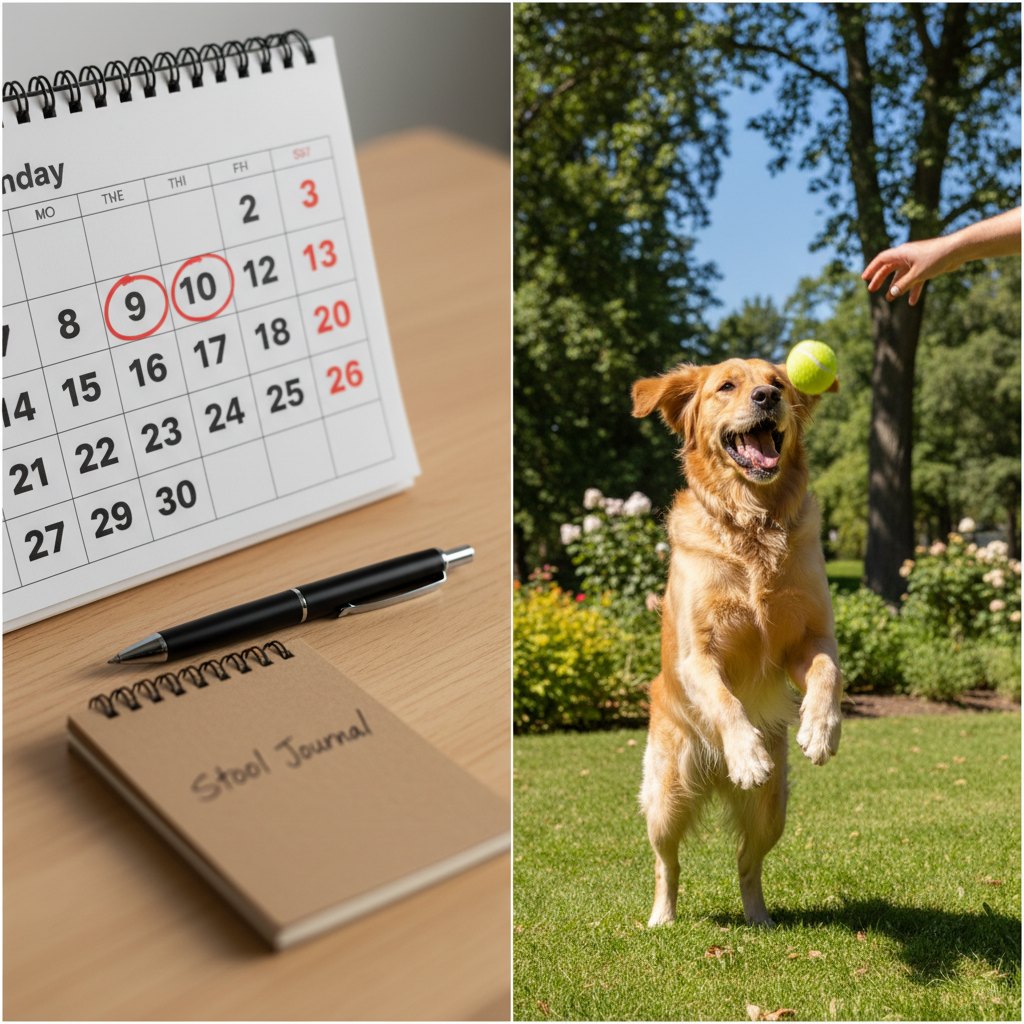
- Observe and Document: Use your stool journal. What is the consistency? Is there straining? Is there any gas or bloating? This data is your intelligence report. You’re looking for a gradual improvement toward a ‘perfect 3 or 4’ on a 5-point fecal score chart.
Adjusting and Maintaining
After the initial week, you can adjust to the full starting dose and hold it there. You should see a marked improvement in stool quality. Once you have consistently firm stools for a week, you’ve found the correct maintenance dose. Some dogs may only need psyllium during periods of digestive upset, while others with chronic conditions like colitis may benefit from it long-term. This is a crucial conversation to have with your vet.
Hacker Tip: For long-term use, consider ‘cycling’ the psyllium. Use it for 5-6 days, then take 1-2 days off. This can help prevent the gut from becoming ‘lazy’ or overly dependent on the supplement to function optimally. This is an advanced technique; discuss it with a holistically-minded vet.
When to Call for Backup (The Vet)
Psyllium husk is a tool for managing simple, diet-related loose stools. You must consult your vet immediately if you see any of the following:
- Diarrhea persists for more than 48 hours.
- The dog is lethargic, vomiting, or has a fever.
- There is blood or mucus in the stool.
- The dog shows signs of abdominal pain or severe bloating.
These can be signs of more serious issues like parasites, infections, pancreatitis, or inflammatory bowel disease that require immediate medical intervention.
Conclusion
You now possess the knowledge to wield one of the most effective, natural, and affordable tools for managing your dog’s digestive health. By understanding the enemy ingredients, embracing the power of soluble fiber, and—most importantly—adhering to a precise, methodical dosing protocol, you’ve moved beyond the realm of a worried pet owner into the role of an empowered Canine Nutrition Hacker. Remember that firm stools are not the goal; they are an indicator. They indicate a balanced gut, proper nutrient absorption, and a thriving internal ecosystem. Use this knowledge wisely, always prioritize your dog’s safety by working with your veterinarian, and take pride in your ability to strategically and effectively engineer better health for your loyal companion from the inside out.