Are Marshmallows Toxic to Dogs? The Hidden Xylitol Risk
That fluffy, sugary cloud of a marshmallow—a staple of campfires and hot chocolate—seems like an innocent treat. It’s tempting to toss one to your dog as their pleading eyes follow your every move. But before you do, you need to stop and think like a forensic investigator. As The Canine Nutrition Hacker, my job is to look past the marketing and the innocent appearance of foods to expose the hidden dangers lurking within. When it comes to marshmallows, the conversation isn’t just about sugar and empty calories. It’s about a potential poison that is increasingly common in our foods: xylitol.
Many pet owners know to avoid chocolate and grapes, but the threat of xylitol is more insidious. It hides in plain sight, often in products marketed as ‘healthy’ or ‘sugar-free.’ A single sugar-free marshmallow could be enough to trigger a life-threatening emergency in a small dog. This guide is not about fear-mongering; it’s about empowerment. We will dissect the marshmallow’s ingredient list, illuminate the catastrophic effects of xylitol on a dog’s system, provide a clear action plan for a worst-case scenario, and arm you with an arsenal of safe, healthy alternatives. Your dog’s safety depends on your knowledge. Let’s get started.
Deconstructing the Marshmallow: A Forensic Ingredient Analysis
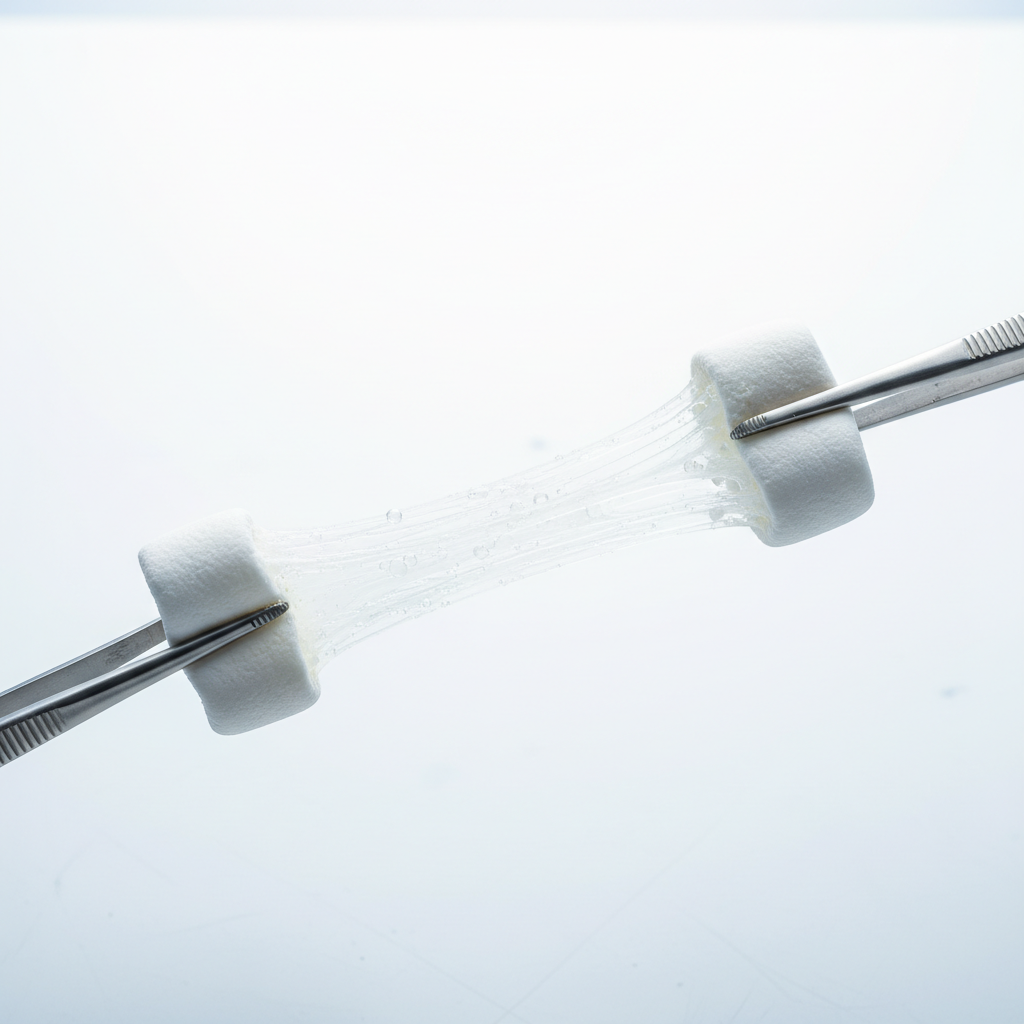
At first glance, a standard marshmallow ingredient list seems simple. But simple doesn’t mean harmless. Let’s put a classic marshmallow under the nutritional microscope to understand why it’s a poor choice for your canine companion, even when it doesn’t contain deadly toxins.
The Usual Suspects: Sugar & Corn Syrup
The first two ingredients in most marshmallows are sugar and corn syrup. For a dog, this is a double-dose of pure sugar. Unlike humans, a dog’s digestive system is not designed to handle high-glycemic loads. A sudden spike in blood sugar can contribute to a host of problems:
- Obesity: Dogs are highly susceptible to weight gain, and sugary treats are a primary culprit. Obesity is not a cosmetic issue; it leads to joint disease, heart problems, and a shortened lifespan.
- Dental Decay: The sticky sugar clings to teeth, promoting tartar buildup, cavities, and painful periodontal disease.
- Metabolic Stress: Constant sugar spikes can strain the pancreas, the organ responsible for producing insulin.
The Pancreatitis Risk
Perhaps the most immediate risk from a high-sugar, high-fat (if it’s a flavored or coated marshmallow) treat is pancreatitis. This is a painful and potentially fatal inflammation of the pancreas, often triggered by the consumption of foods the dog’s body can’t properly process. A seemingly innocent snack can lead to an expensive emergency vet visit and a long, difficult recovery. While a single marshmallow is unlikely to cause pancreatitis in a large, healthy dog, it’s a game of Russian roulette you don’t want to play, especially with smaller breeds or dogs with a history of digestive issues.
Fillers and Lack of Nutrition
The remaining ingredients—water, gelatin, and cornstarch—offer virtually zero nutritional value. They are binders and texturizers. You are essentially giving your dog a puff of air held together by sugar and processed starch. There is no protein, no healthy fat, no vitamins, no minerals. It’s the definition of an empty calorie, taking up space in their stomach that could be filled with nutrient-dense foods that actually fuel their body.
Hacker Tip: Never assess a treat based on your own enjoyment. A dog’s nutritional needs are fundamentally different. A ‘treat’ should still serve a purpose, whether it’s providing a specific nutrient, helping clean teeth, or being a low-calorie training reward. Marshmallows fail on all counts.
The Xylitol Threat: A Code Red Toxin for Canines
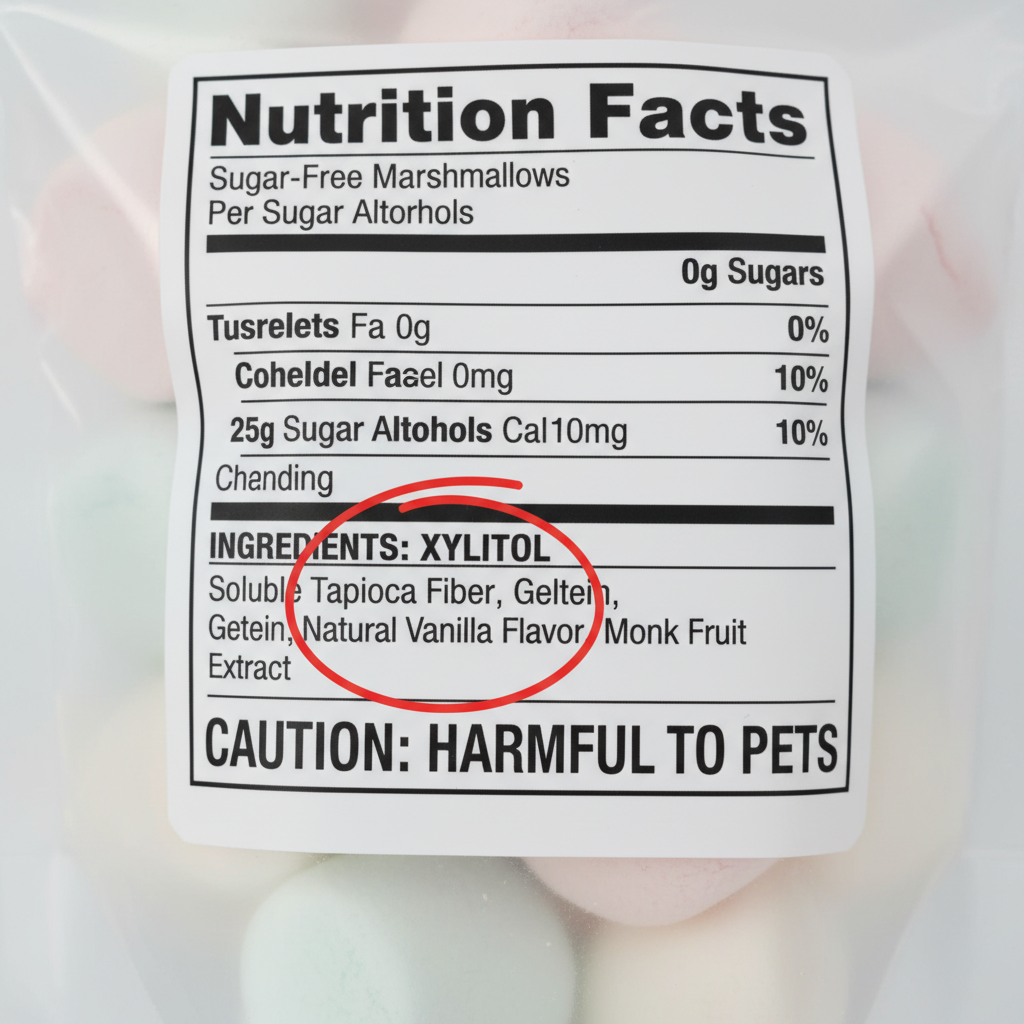
If standard marshmallows are a nutritional wasteland, ‘sugar-free’ marshmallows are a minefield. The danger comes from one specific ingredient used to replace sugar: xylitol. To a dog’s body, this sugar alcohol is one of the most potent and fast-acting poisons they can encounter.
What is Xylitol and Why Is It So Dangerous?
Xylitol is a sugar substitute popular in diet foods, gums, mints, peanut butter, and baked goods because it has a low glycemic index for humans. However, in dogs, the substance is absorbed into the bloodstream with lightning speed. The dog’s pancreas cannot distinguish it from real sugar and reacts by releasing a massive, catastrophic flood of insulin.
This insulin surge causes the dog’s blood sugar levels to plummet, a condition known as severe hypoglycemia. This can happen within 10 to 60 minutes of ingestion and is a life-threatening medical emergency. Without immediate veterinary intervention, it can lead to seizures, coma, and death.
The Two-Phase Attack: Liver Failure
As if rapid-onset hypoglycemia wasn’t enough, xylitol launches a second, more insidious attack. In some dogs, ingestion leads to acute liver necrosis—in simple terms, the complete and irreversible destruction of liver cells. This can occur hours or even days after the initial ingestion, sometimes even in dogs who appeared to recover from the initial hypoglycemic episode. The prognosis for xylitol-induced liver failure is grave.
The table below illustrates the stark difference in how a dog’s body processes regular sugar versus this potent toxin.
| Substance | Canine Metabolic Response | Primary Risk | Onset of Symptoms |
|---|---|---|---|
| Sugar (Sucrose) | Gradual insulin release, managed by the pancreas. | Long-term risks: obesity, dental issues, potential for pancreatitis. | N/A (long-term effects) |
| Xylitol | Massive, uncontrolled insulin flood. | Immediate, life-threatening hypoglycemia; potential for acute liver failure. | 10-60 minutes |
Insider Secret: Food manufacturers often hide xylitol under the term ‘sugar alcohol’ in the ingredient list. If you see this term on a ‘sugar-free’ product, assume it contains xylitol and is unsafe for your dog. Your diligence is their only defense.
Recognizing the Signs: Your Emergency Action Plan for Xylitol Poisoning
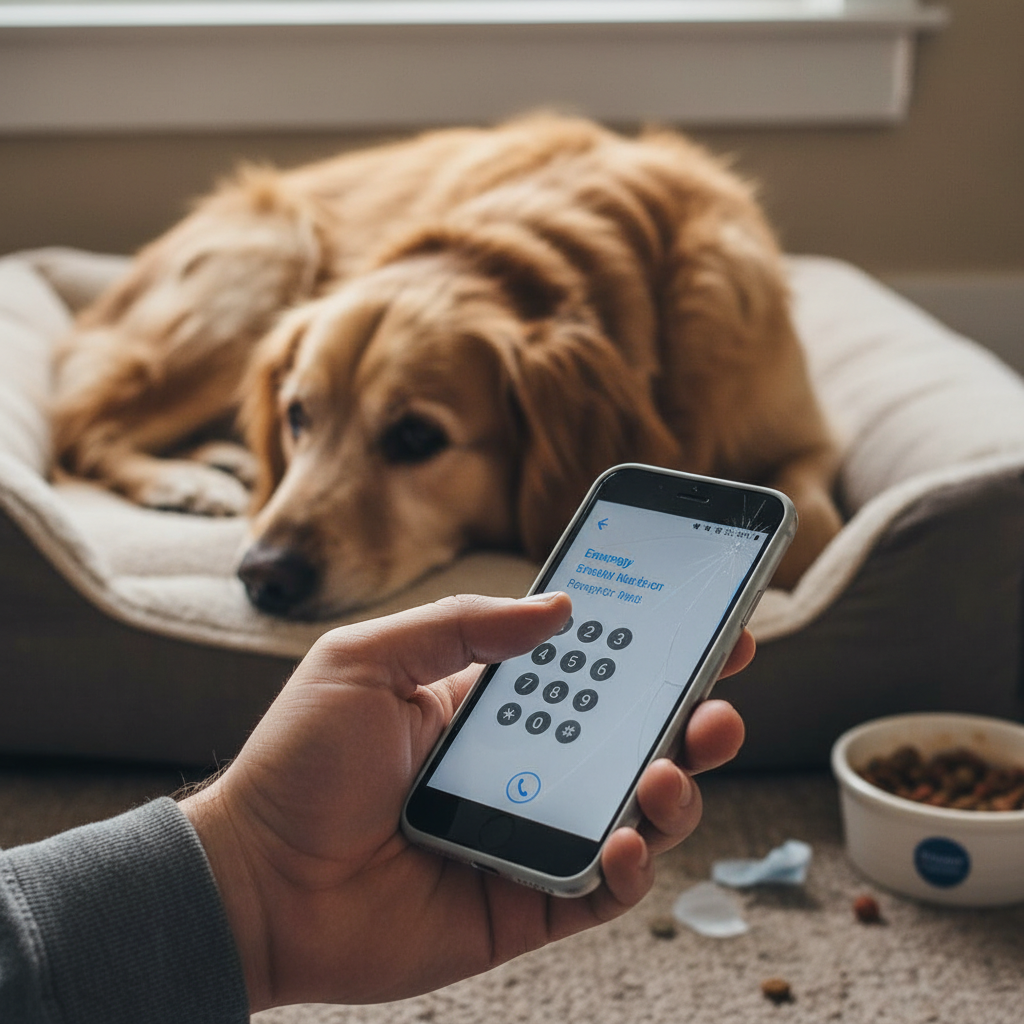
Knowing the danger is the first step. The second is knowing exactly what to do if you suspect your dog has ingested xylitol. Time is the most critical factor. Your calm, swift action can be the difference between life and death.
MEDICAL DISCLAIMER: The following information is for educational purposes only and is not a substitute for professional veterinary care. If you suspect your dog has eaten anything containing xylitol, this is a medical emergency. Contact your veterinarian or the nearest emergency animal hospital immediately.
Symptoms of Xylitol Poisoning (Hypoglycemia)
The initial signs are related to the sudden drop in blood sugar. Be on high alert for any of the following, which can appear rapidly:
- Vomiting
- Weakness and lethargy
- Stumbling or difficulty walking (appearing ‘drunk’)
- Lack of coordination (ataxia)
- Tremors or muscle twitching
- Seizures
- Collapse or loss of consciousness
Your Step-by-Step Emergency Protocol
If you see your dog eat a product containing xylitol, or even if you just suspect it, do not wait for symptoms to appear. Initiate this protocol immediately:
- Secure the Evidence: Safely take the product and its packaging away from your dog. You will need the packaging to tell the veterinarian exactly what and how much was ingested.
- Call for Help Immediately: Your first call should be to your veterinarian or an emergency pet hospital. The ASPCA Animal Poison Control Center (888-426-4435) is another critical resource (a consultation fee may apply). Have the product information ready.
- Do NOT Induce Vomiting: Unless specifically instructed to do so by a veterinary professional, do not attempt to make your dog vomit. With the rapid absorption of xylitol, it’s often ineffective and can cause other complications.
- Temporary Blood Sugar Support (Veterinarian-Directed Only): If you are far from a clinic and a vet advises you to do so over the phone, they may suggest rubbing a small amount of corn syrup, maple syrup, or honey onto your dog’s gums to temporarily counteract the crashing blood sugar. This is a stop-gap measure, not a cure.
- Transport Safely: Get your dog to the veterinary clinic as quickly and safely as possible. If they are having seizures or have collapsed, wrap them in a blanket to keep them warm and secure.
Veterinary treatment will involve hospitalization, IV fluids, dextrose administration to stabilize blood sugar, and continuous monitoring of blood glucose levels and liver function. The faster your dog receives this care, the better their prognosis.
The Safe Treat Arsenal: Hacker-Approved Marshmallow Alternatives
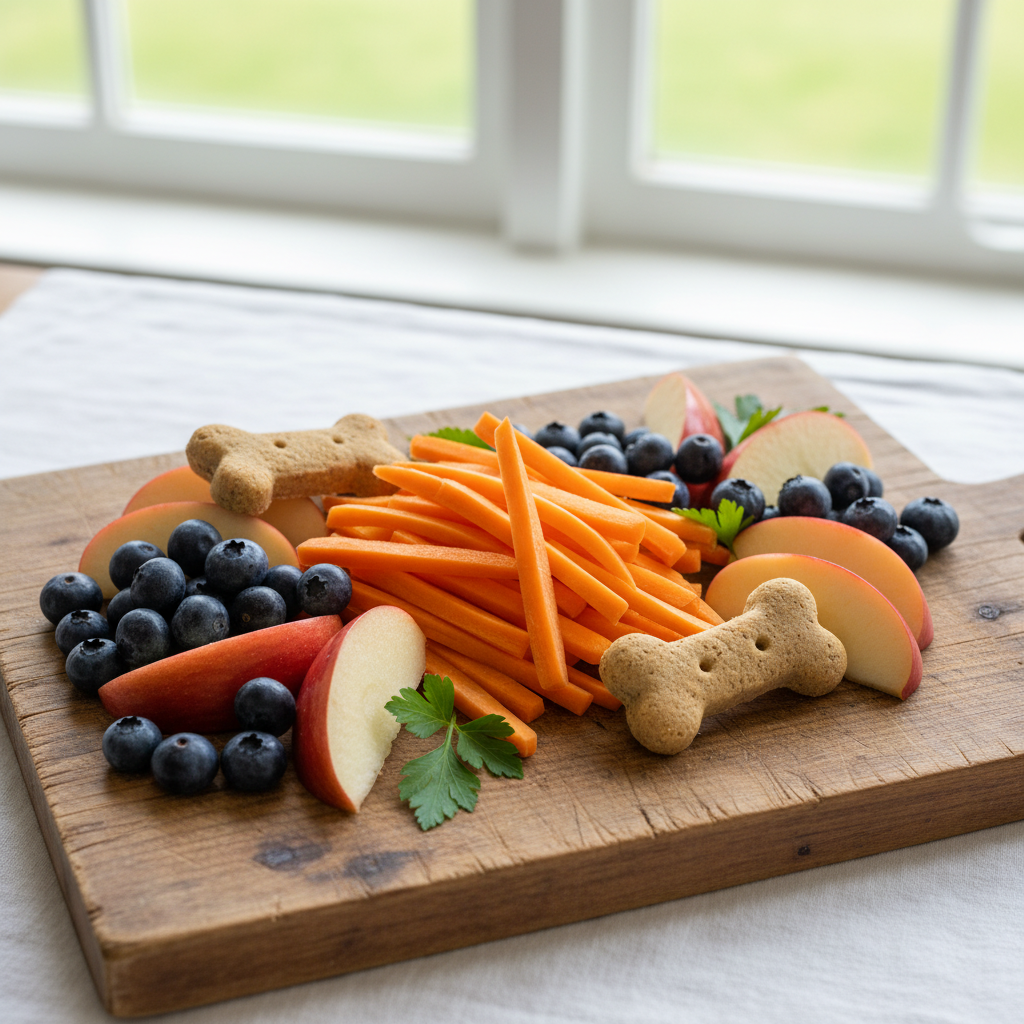
Now that you’ve been armed with the knowledge to protect your dog from harm, let’s pivot to the positive. Your dog doesn’t need marshmallows to feel loved and rewarded. The world is full of safe, healthy, and delicious treats that provide actual nutritional benefits. Here is a list of Canine Nutrition Hacker-approved swaps.
Whole Food Swaps
These are single-ingredient treats from your own kitchen that are packed with vitamins and fiber. They are low-cost and high-value.
- Blueberries: Fresh or frozen, these are antioxidant powerhouses that are low in calories. Many dogs love the bursting texture of frozen blueberries.
- Apple Slices: A crunchy, satisfying treat. Always remove the core and all seeds, as seeds contain trace amounts of cyanide.
- Carrot Sticks: Excellent for dental health due to their abrasive texture, and a great source of Vitamin A.
- Cooked Sweet Potato Cubes: Once cooked and cooled, these are a soft, sweet treat rich in fiber, which is great for digestive health.
DIY ‘Puffy’ Treats
If you want to replicate the soft, chewy texture of a marshmallow, you can easily do so at home with safe ingredients. A simple recipe involves mixing plain Greek yogurt (which contains probiotics) with a small amount of unsweetened applesauce and a dog-safe flour like oat or chickpea flour. Pipe small rounds onto a baking sheet and bake at a low temperature until firm but still soft. You can find many similar recipes online under ‘dog meringue treats’ or ‘yogurt drops’.
Vetted Commercial Treats
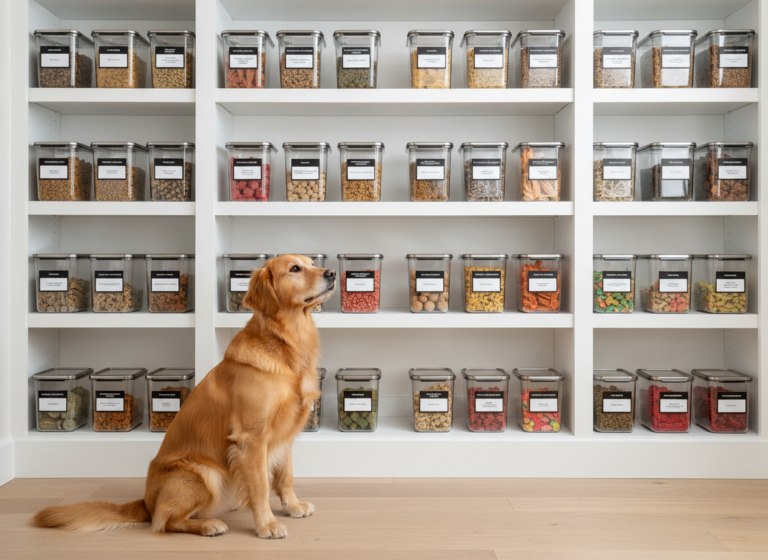
When buying packaged treats, become a label detective. Look for products with short, recognizable ingredient lists. Avoid anything with artificial colors, chemical preservatives (like BHA or BHT), and sweeteners of any kind.
- Single-Ingredient Freeze-Dried Meats: Treats made from 100% chicken, beef liver, or salmon are pure protein and highly motivating for dogs.
- Limited Ingredient Biscuits: Look for brands that use a novel protein (like duck or lamb) and a simple carbohydrate source like oats or sweet potato.
- Dental Chews: Choose chews approved by the Veterinary Oral Health Council (VOHC) to ensure they are both safe and effective at reducing plaque and tartar.
By building this arsenal of safe treats, you never have to feel tempted to share a potentially dangerous human food again. You can reward your dog with confidence, knowing you are contributing to their long-term health and well-being.
Conclusion
The innocent-looking marshmallow serves as a powerful lesson in canine nutrition: what is harmless for us can be deadly for them. We’ve established that standard marshmallows are nutritionally bankrupt junk food, posing risks of obesity and pancreatitis. More critically, we’ve exposed the ‘sugar-free’ marshmallow as a potential poison pill due to the common inclusion of xylitol, a substance that causes catastrophic hypoglycemia and liver failure in dogs.
Your role as a pet owner is that of a protector, and the most powerful tool in your arsenal is knowledge. The simple act of reading an ingredient label before you buy a product or share a snack can save your dog’s life. Reject the temptation to humanize your dog with human treats. Instead, embrace the wide variety of healthy, species-appropriate alternatives that nourish their body and reward them safely.
You are now equipped with the forensic skills to identify threats, an emergency protocol to act decisively, and a roster of safe alternatives. You are not just a pet owner; you are the gatekeeper of your dog’s health. Be vigilant. Read every label. Protect your pack.