7 Hydrating Foods to Feed Your Dog During a Heatwave
When the temperature skyrockets, your dog’s primary defense is their water bowl. But let’s be honest: many dogs are unreliable drinkers. They get distracted, they’re too hot to move, or they simply don’t consume enough to combat the oppressive heat. This is where you, the savvy owner, move beyond basic care and into strategic nutritional intervention. Dehydration isn’t just about thirst; it’s a cascade of physiological failures waiting to happen, leading to heat exhaustion and life-threatening heatstroke. Before we dive into the arsenal of hydrating foods, a critical disclaimer is in order.
MEDICAL DISCLAIMER: I am a canine nutrition analyst, not a veterinarian. The information in this article is for educational purposes and is not a substitute for professional veterinary advice. Always consult your vet before introducing new foods into your dog’s diet, especially if they have pre-existing health conditions like diabetes, kidney disease, or pancreatitis. These foods are supplements to, not replacements for, a constant supply of fresh, clean water.
1. Watermelon: The Classic Summer Super-Hydrator
The Forensic Analysis
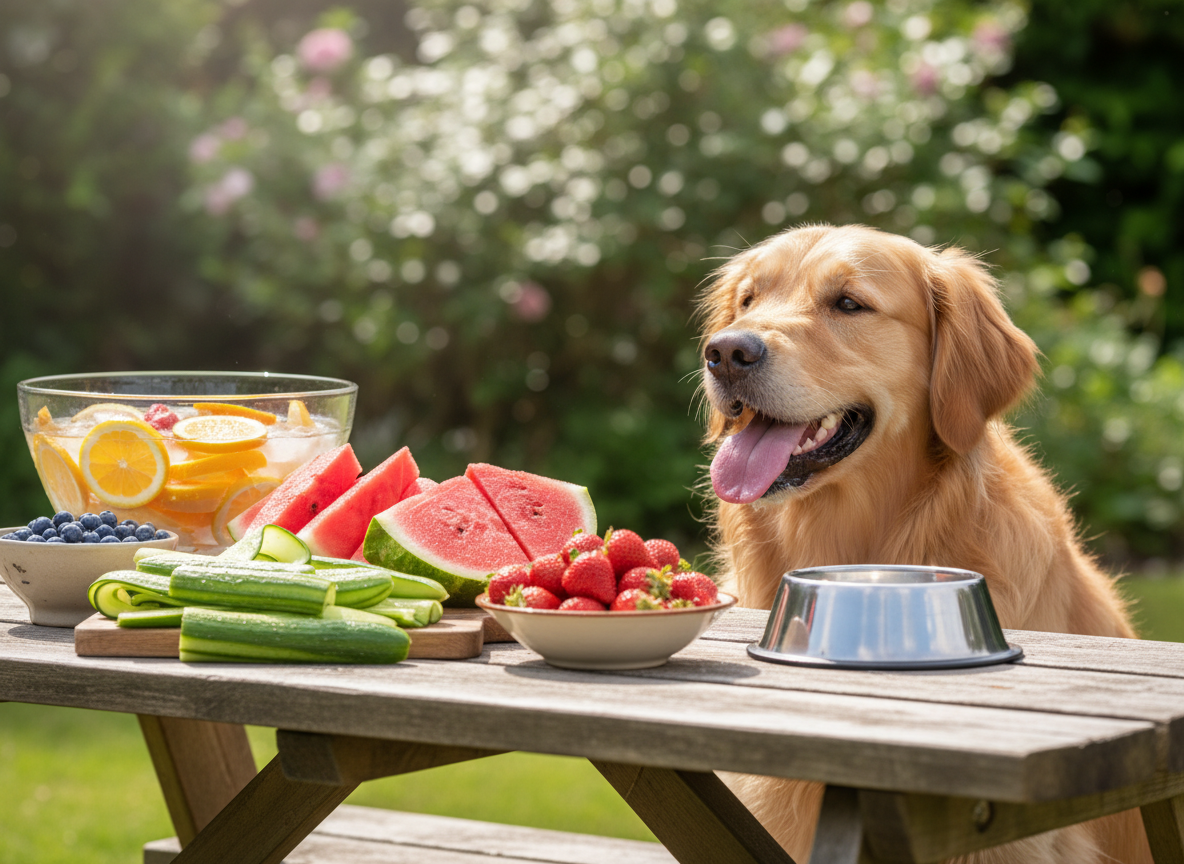
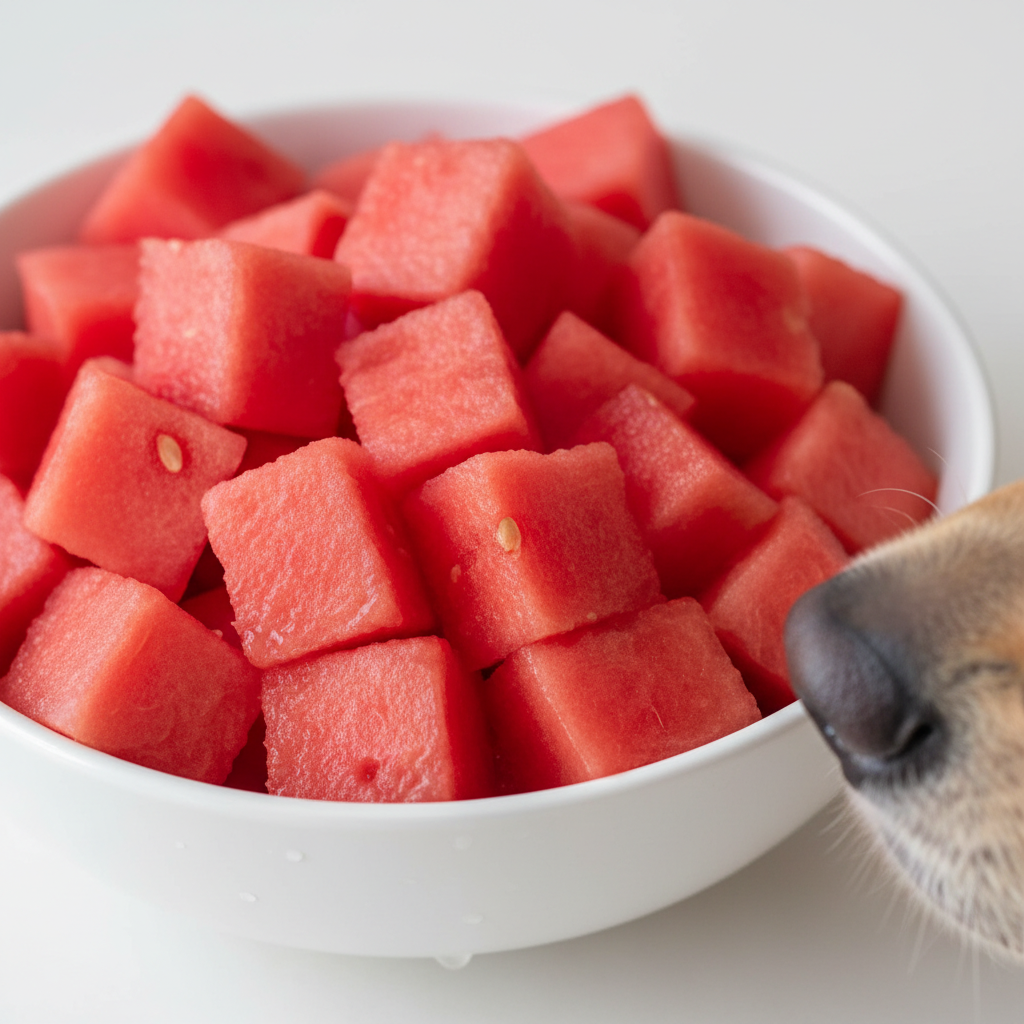
Watermelon is often the first food that comes to mind for summer hydration, and for good reason. A forensic look at its composition reveals it’s approximately 92% water. This makes it an incredibly efficient vehicle for getting more H2O into your dog’s system. But it’s not just water. Watermelon contains valuable nutrients like Vitamin A, Vitamin C, and potassium. Potassium is a critical electrolyte that dogs lose through excessive panting, and replenishing it helps maintain proper muscle function and fluid balance.
Safe Preparation Protocol
Failure to prepare watermelon correctly can turn this hydrating hero into a digestive hazard. Follow these steps precisely:
- Select a seedless variety. While a few swallowed seeds are unlikely to cause harm in a large dog, an accumulation can lead to intestinal blockage. It’s best to eliminate the risk entirely.
- Remove the rind completely. The green outer rind is tough and indigestible. Ingesting it can cause severe gastrointestinal upset and potential blockages. Carve the pink flesh away from any white or green parts.
- Cut into manageable, bite-sized cubes. Ensure the pieces are small enough for your dog to chew and swallow easily, preventing any choking risk.
Portion Control Warning
Despite its benefits, watermelon contains natural sugar. For a 50lb dog, a few one-inch cubes are a sufficient treat. Overfeeding can lead to an upset stomach or diarrhea. For dogs with diabetes, consult your vet before offering any amount.
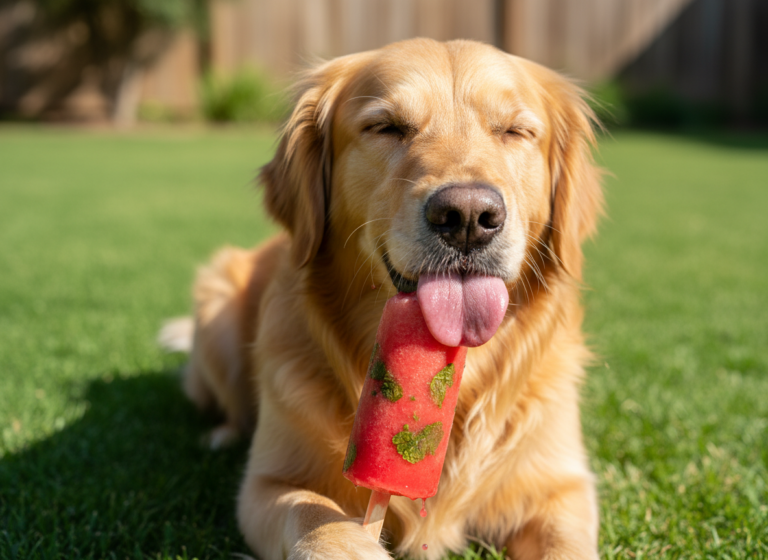
Hacker Tip: Create ‘Watermelon Pupsicles.’ Puree seedless watermelon flesh (with a splash of water if needed) and pour it into an ice cube tray. Freeze for a few hours. These frozen treats are a perfect way to help your dog cool down and hydrate simultaneously after a walk in the heat.
2. Cucumber: The Ultimate Low-Calorie Hydration
The Forensic Analysis
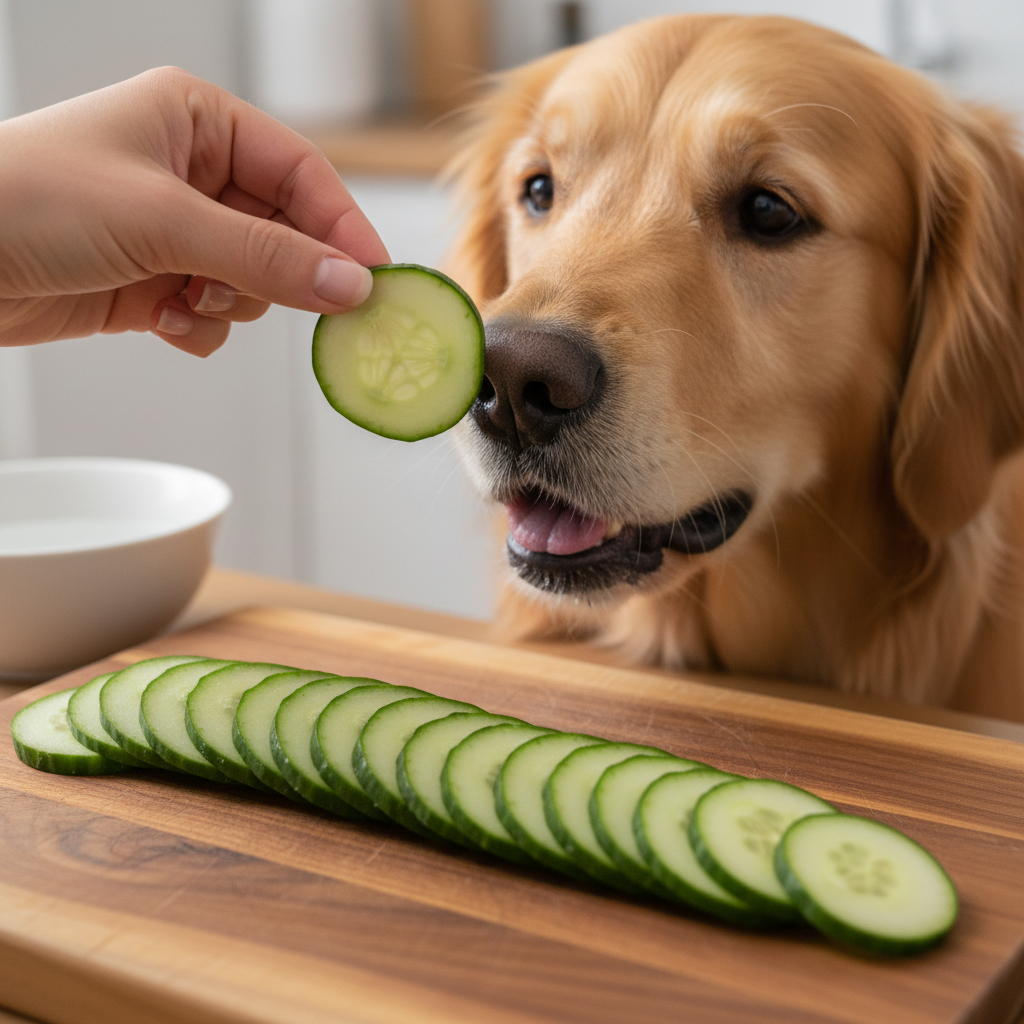
If you’re looking for maximum hydration with minimal calories, cucumber is your secret weapon. Composed of an astonishing 96% water, it’s one of the most hydrating solids you can offer. This makes it the perfect choice for dogs on a weight management plan or those prone to pancreatitis who need to avoid high-fat or high-sugar treats. Beyond water, cucumbers contain small amounts of potassium and Vitamin K, which supports bone health. They are essentially crunchy, solidified water.
Safe Preparation Protocol
Cucumbers are simple to prepare, but shortcuts can be dangerous.
- Wash the exterior thoroughly. Even if you plan to peel it, washing removes pesticides and surface bacteria. Opt for organic when possible.
- Peel or Don’t Peel? For most dogs, the skin is fine in moderation. However, for dogs with sensitive stomachs, peeling the cucumber can improve digestibility.
- Chop appropriately. For small dogs, dice the cucumber into small pieces. For larger dogs, slicing it into ‘coins’ or spears works well. The key is to prevent it from becoming a choking hazard. Never give a dog a whole or large chunk of cucumber.
Portion Control Warning
Because they are so low in calories, it’s easy to overfeed cucumbers. While not metabolically dangerous, too much of any new food can cause digestive upset. A few slices or a quarter-cup of chopped cucumber is plenty for a medium-sized dog.
Hacker Tip: Make ‘Cucumber Boats.’ Slice a peeled cucumber lengthwise and scoop out the seeds. Fill the resulting ‘boat’ with a small spoonful of plain, xylitol-free yogurt or kefir for a hydrating, probiotic-packed snack.
3. Cantaloupe: The Nutrient-Dense Melon
The Forensic Analysis
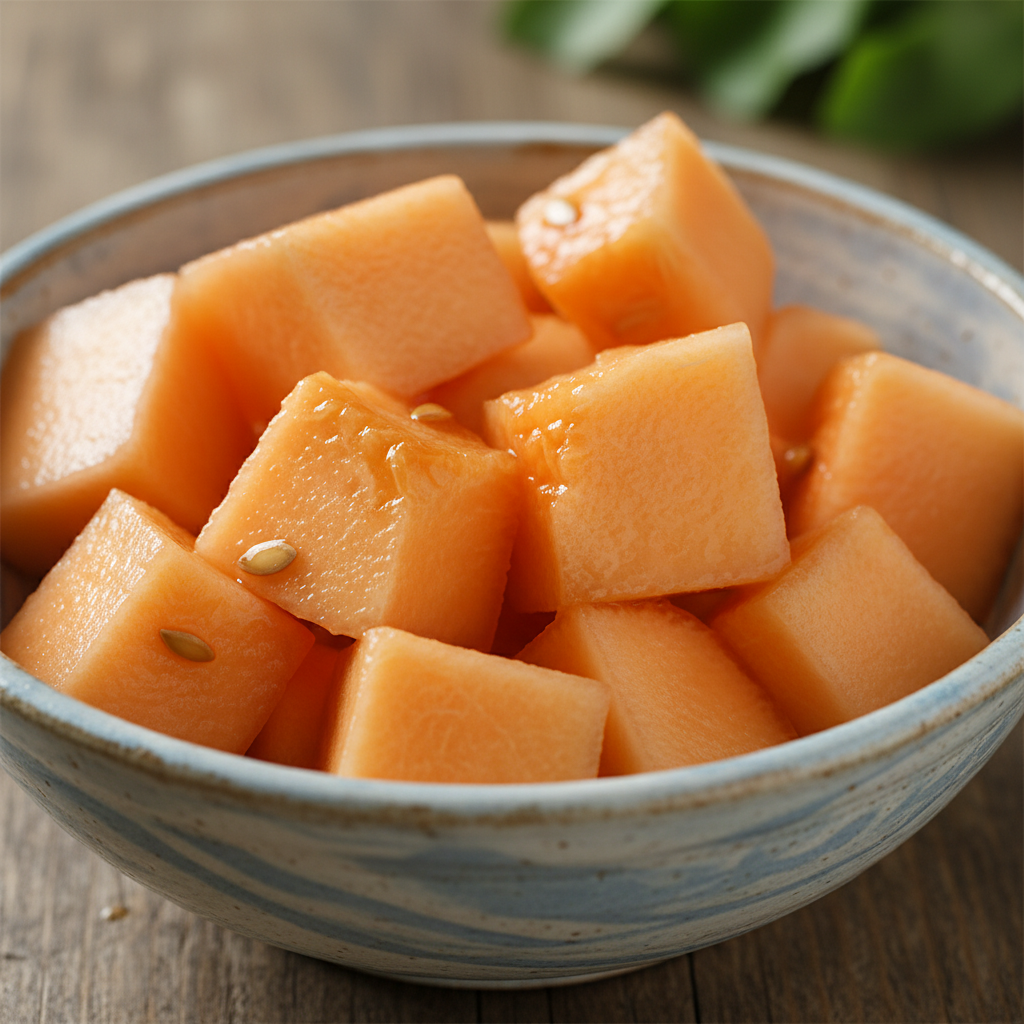
Cantaloupe is another melon powerhouse, boasting about 90% water content. What sets it apart is its rich concentration of beta-carotene, which the body converts into Vitamin A. This vitamin is essential for vision, immune function, and skin and coat health. It’s also packed with Vitamin C, a powerful antioxidant that helps combat inflammation and cognitive aging. It’s a sweet treat that delivers a functional, nutritional punch alongside its hydrating properties.
Safe Preparation Protocol
The preparation rules for cantaloupe are non-negotiable due to two major risks: the rind and the seeds.
- Discard the rind. The rough, netted rind of a cantaloupe is a breeding ground for bacteria like Salmonella. It’s also completely indigestible and a serious blockage risk. Cut it away entirely.
- Scoop out all seeds. The seeds and the stringy pulp in the center can cause choking and digestive upset. Ensure you are only feeding the firm, orange flesh.
- Cut into small, manageable pieces. As with other foods, the size of the pieces should be appropriate for the size of your dog.
Portion Control Warning
Cantaloupe is higher in sugar than watermelon or cucumber. This must be factored in, especially for diabetic or overweight dogs. A couple of one-inch cubes is a reasonable serving size for a 50lb dog. Excessive consumption will lead to loose stools.
Hacker Tip: For picky eaters, finely dice cantaloupe and mix it directly into their regular kibble. The moisture will soften the kibble slightly and the sweetness will entice them to eat, ensuring they get both their core nutrition and a hydration boost.
4. Strawberries: The Antioxidant-Rich Hydrator
The Forensic Analysis
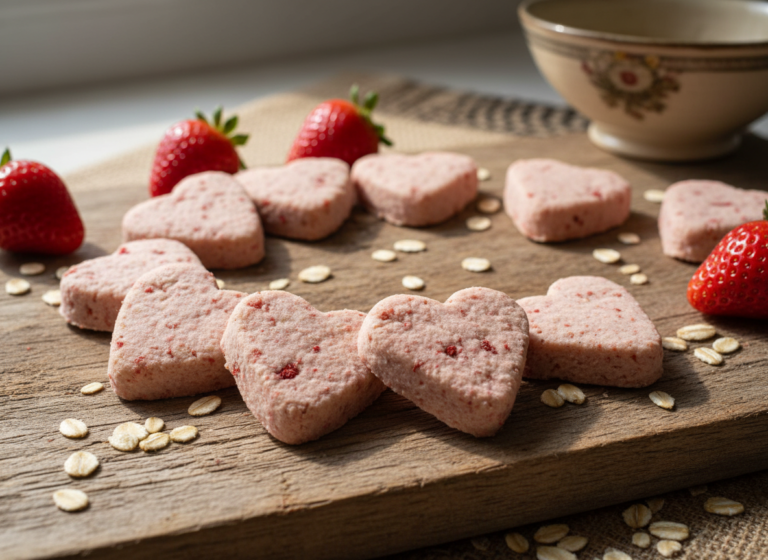
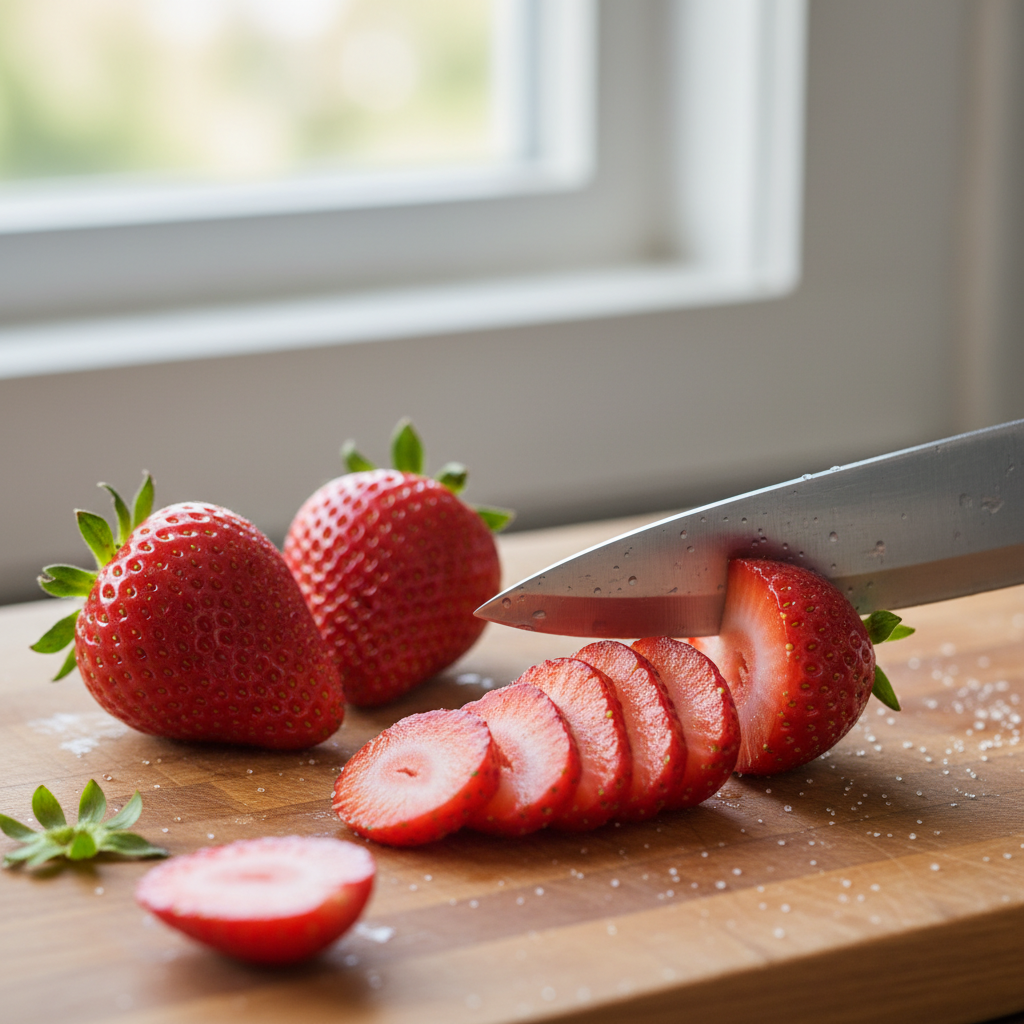
Strawberries are a fantastic functional food, containing approximately 91% water. Their real power lies in their dense antioxidant profile, packed with polyphenols and Vitamin C. These compounds help neutralize free radicals, reducing cellular damage and inflammation—a common issue in overheated, stressed bodies. They are also a good source of fiber, which aids digestion, and contain a malic enzyme that can help naturally clean your dog’s teeth as they chew.
Safe Preparation Protocol
Preparing strawberries is straightforward, but don’t skip the details.
- Wash thoroughly. Strawberries are on the ‘Dirty Dozen’ list for pesticides, so a rigorous wash is essential. Organic is the preferred choice.
- Remove the stem and leaves. The green tops are not toxic, but they can be tough to digest. Simply hull the strawberry before serving.
- Slice or quarter. For smaller dogs, quartering a strawberry is best. For larger dogs, a whole, hulled strawberry can be a fun treat to chew, but slicing is always the safest option to prevent choking.
Portion Control Warning
Like other fruits, strawberries contain sugar. One or two whole strawberries for a medium dog is a perfect serving. Giving too many can contribute to weight gain and digestive issues. Never feed canned or syruped strawberries, which are loaded with excess sugar and preservatives.
Hacker Tip: Mash a single, fresh strawberry with a fork and use it as a ‘flavor burst’ topper on their evening meal. This adds hydration and nutrients without a significant caloric load and can make mealtime more exciting.
5. Celery: The Crunchy, Vitamin-Packed Water Stick
The Forensic Analysis
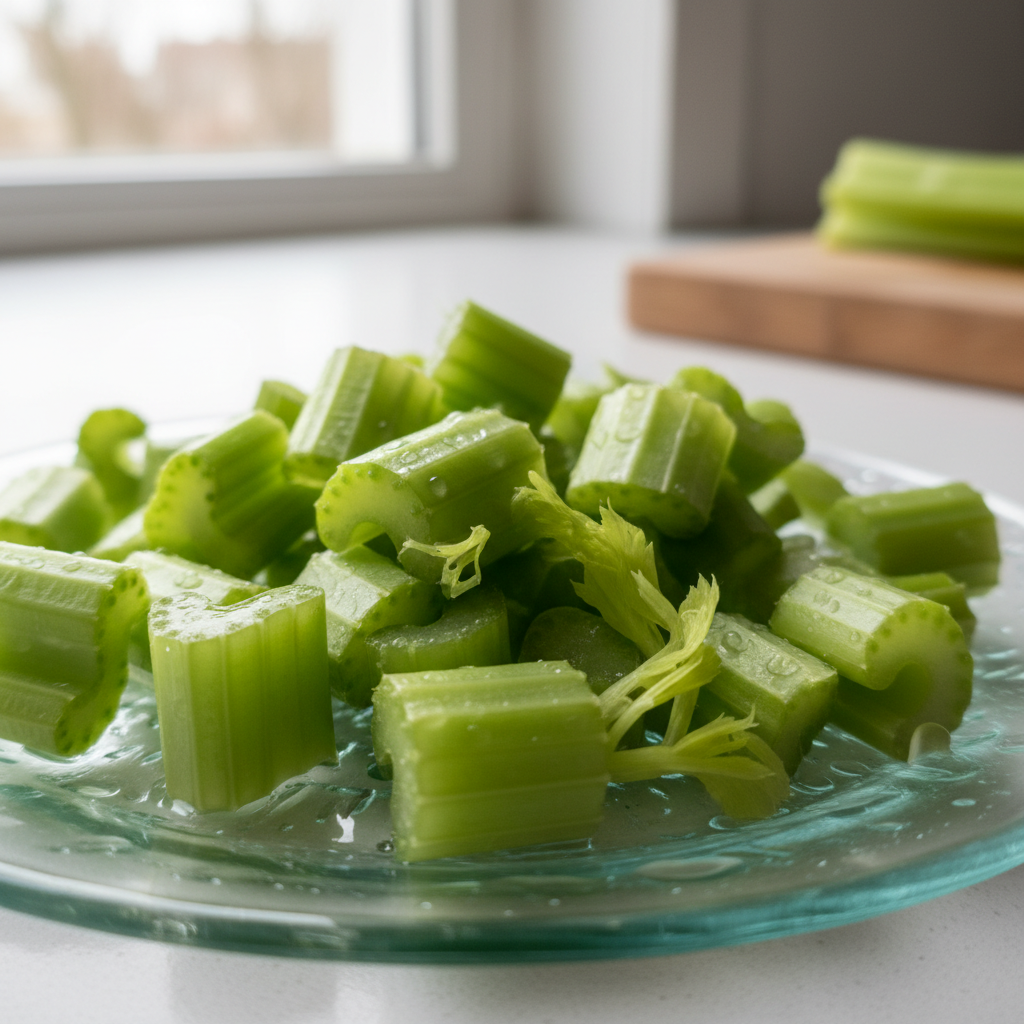
Celery is an underrated hydration tool. It consists of about 95% water and its fibrous crunch is highly satisfying for many dogs. It’s virtually calorie-free, making it another excellent option for dogs needing to watch their weight. Its nutritional profile is surprisingly robust for such a light vegetable, containing Vitamin A, Vitamin K, and Vitamin C. It’s also known to contain compounds that can help freshen a dog’s breath—an added bonus.
Safe Preparation Protocol
The stringy nature of celery makes proper preparation an absolute necessity to avoid turning it into a choking hazard.
- Wash the stalks well. Dirt and debris can get trapped in the grooves of celery stalks.
- Remove the leaves. The leafy ends can be bitter and are best discarded.
- Chop into small, half-inch pieces. This is the most critical step. Giving a dog a full stalk of celery is dangerous. The long, fibrous strings can get caught in their throat. Chopping it into small, coin-like pieces breaks up these fibers and makes it safe to consume.
Portion Control Warning
Celery is a natural diuretic, meaning it can make your dog urinate more frequently. While this is part of the hydration/flushing process, excessive amounts can be counterproductive. A few small pieces are all that’s needed for a hydrating snack.
Hacker Tip: After chopping celery into safe, small pieces, freeze them. On a hot day, the frozen, crunchy, watery bites provide a multi-sensory cooling experience that many dogs love. It’s more engaging than a simple ice cube.
6. Bone Broth: The Electrolyte Supercharger
The Forensic Analysis
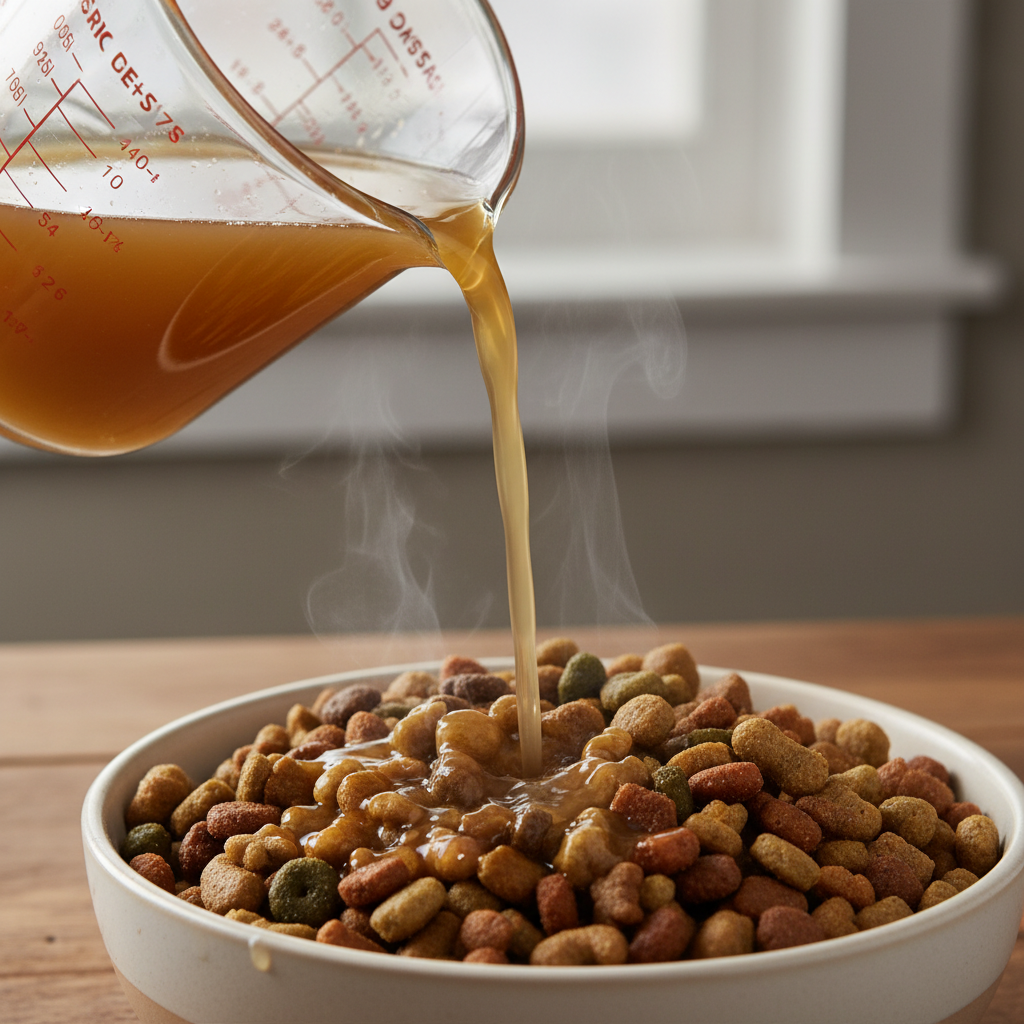
This is the ultimate hydration hack. While technically a liquid, its strategic use is key. Bone broth is not just water; it’s water infused with electrolytes, collagen, and minerals like magnesium and calcium, all leeched from the bones during a long simmering process. When a dog pants excessively, they lose not just water but also vital electrolytes. Plain water doesn’t replace these, but bone broth does. It actively replenishes what the heat is taking away, making it superior to water alone in high-stress situations.
Safe Preparation & Sourcing Protocol
You cannot use just any broth. Human broths are often loaded with sodium, onions, and garlic, which are toxic to dogs.
- Source Commercially: Look for a bone broth made specifically for pets. The ingredient list should be simple: bones, water, maybe a little apple cider vinegar. It must say ‘no onions, no garlic, no added salt.’
- Make it Yourself (The Hacker Way): Simmer beef marrow bones or chicken carcasses in a slow cooker with water for 24 hours. Strain all solids. Let it cool in the fridge and scrape off the hardened fat layer. The resulting gelatinous broth is nutritional gold.
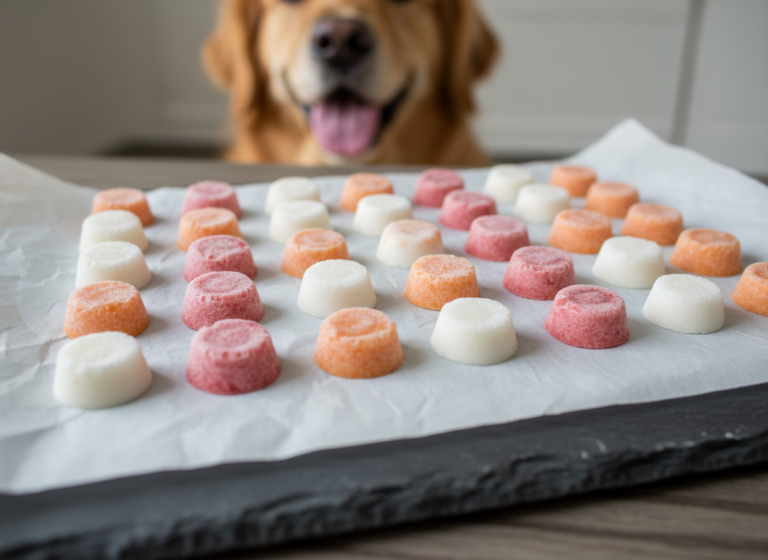
- Serving Methods: You can pour it directly over their kibble to add moisture and flavor, or freeze it in ice cube trays for a lickable, electrolyte-rich treat.
Portion Control Warning
Bone broth is rich. Start with a small amount (a few tablespoons for a medium dog) added to their food or water to ensure it doesn’t cause digestive upset. It should be a supplement, not their primary water source.
Hacker Tip: Create a ‘Hydration Station.’ In addition to their regular water bowl, place a second bowl with a 50/50 mix of cool water and bone broth. This gives them a more enticing option to encourage drinking when they might otherwise ignore plain water.
7. Plain Yogurt or Kefir: The Probiotic Cooler
The Forensic Analysis
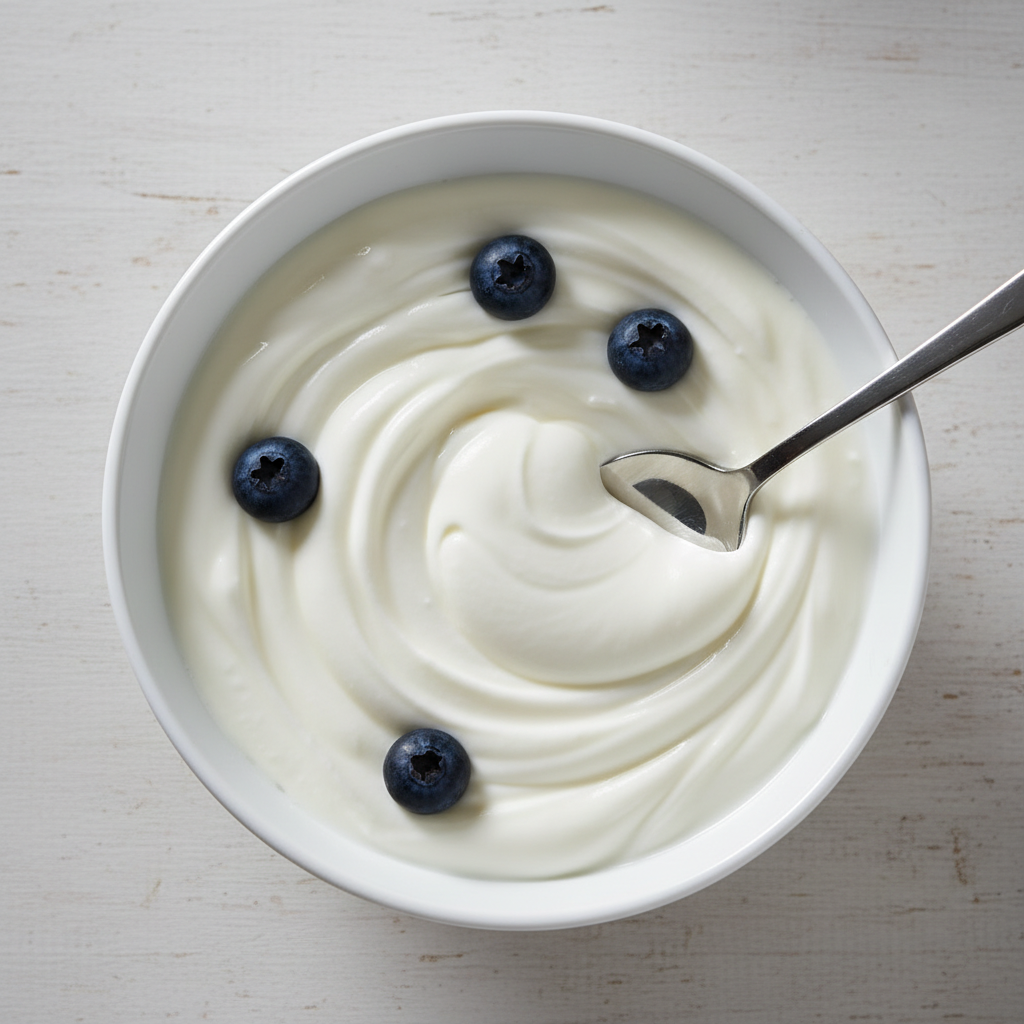
Plain, unsweetened yogurt and its fermented cousin, kefir, are composed of 85-90% water. Their unique advantage is the inclusion of live, active probiotics. Heat and stress can disrupt the delicate balance of a dog’s gut microbiome. Probiotics help reinforce the population of beneficial bacteria, supporting digestive health and immune function during a period of environmental stress. Kefir is often a better choice as it contains a wider variety of probiotic strains and is typically better tolerated than yogurt.
Safe Sourcing & Preparation Protocol
This is an advanced ingredient and requires careful label analysis. Failure here can be dangerous.
- Check The Ingredients Forensically: The label MUST say ‘plain’ and ‘unsweetened.’ It absolutely cannot contain xylitol (also called ‘birch sugar’), a common sugar substitute that is extremely toxic to dogs. Check for other artificial sweeteners as well.
- Choose Full-Fat or Low-Fat: Avoid ‘fat-free’ versions, as they often contain more fillers. Low-fat is generally a safe choice.
- Confirm Live Cultures: The label should state ‘contains live and active cultures’ to ensure you’re getting the probiotic benefit.
Portion Control & Lactose Warning
Many dogs are lactose intolerant. Dairy can cause gas, bloating, and diarrhea. You MUST start with a very small amount—a teaspoon for a small dog, a tablespoon for a large dog—to test their tolerance. If they handle it well, it can be a beneficial treat. If they show any signs of GI upset, discontinue immediately.
Hacker Tip: Use a silicone lick mat. Smear a tablespoon of plain kefir or yogurt onto the mat and freeze it for 20-30 minutes. Licking is a self-soothing behavior for dogs, and a frozen, probiotic-rich lick mat provides mental stimulation, cooling relief, and hydration all in one.
Conclusion
Surviving a heatwave requires more than just a full water bowl. It requires a proactive, strategic approach to your dog’s nutrition and hydration. By incorporating these seven foods—watermelon, cucumber, cantaloupe, strawberries, celery, bone broth, and, with caution, plain yogurt—you are creating a multi-faceted defense against dehydration. You are no longer just a pet owner; you are your dog’s personal nutritionist, analyzing their needs and providing targeted support.
Remember, these are powerful tools in your arsenal, but they are supplements. Your dog’s primary defense will always be unlimited access to fresh water and, most importantly, a cool, safe environment. Monitor your dog closely for signs of overheating like excessive panting, lethargy, or pale gums. By staying vigilant and using these nutritional hacks, you can empower your dog to stay cool, hydrated, and safe all summer long.