
How to Make Dog-Friendly Diwali Sweets (Mithai) Safe for Pets
The festival of lights, Diwali, is a time of joy, celebration, and, of course, an abundance of delicious sweets (mithai). As you share these treats with family and friends, it’s natural to want to include your four-legged family member. However, this is where caution is paramount. Traditional mithai is a minefield of ingredients that are toxic to dogs. Sharing these human treats can lead to severe health consequences, turning a joyous occasion into an emergency vet visit.
SAFETY DISCLAIMER: I am a canine nutrition analyst, not a veterinarian. The recipes and advice provided here are for supplemental treats and should not replace your dog’s balanced diet. Always consult with your veterinarian before introducing new foods, especially if your dog has underlying health conditions, allergies, or dietary sensitivities. These treats are meant for special occasions and should be given in moderation.
This guide is your key to safely including your dog in the festivities. We will deconstruct the dangers lurking in your mithai box and build, from the ground up, safe, delicious, and dog-approved alternatives. Let’s hack the Diwali kitchen and make it a truly happy and safe celebration for everyone, paws included.
The Diwali Danger Zone: Why Traditional Mithai is Toxic for Dogs
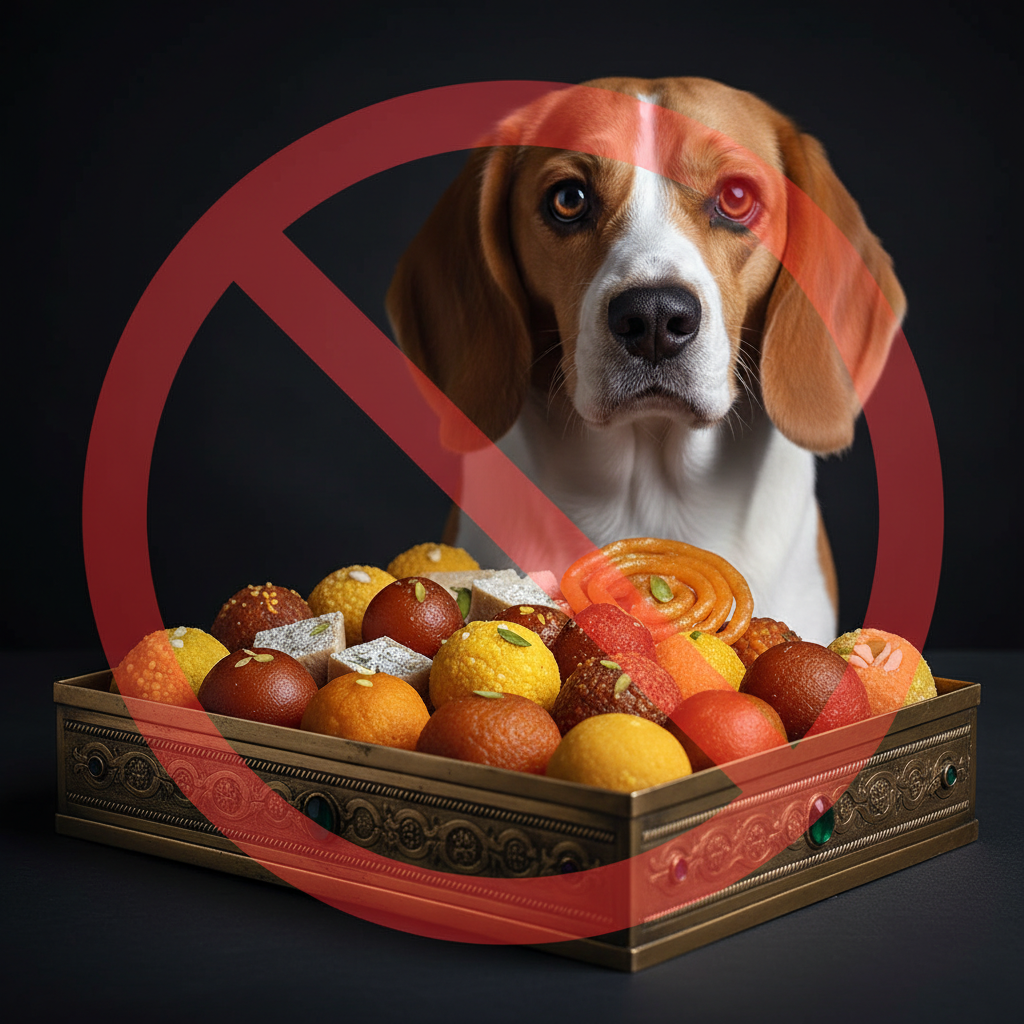
Before we get to the fun part, you need to understand the ‘why.’ Knowing the specific threats lurking in traditional sweets will empower you to protect your pet. Many common ingredients in mithai are highly toxic to canines. This isn’t about being overly cautious; it’s about preventing a genuine medical emergency.
The Primary Offenders on the Ingredient Label:
- Xylitol: This artificial sweetener is extremely toxic to dogs. It’s often found in ‘sugar-free’ sweets. Even a small amount can cause a rapid release of insulin, leading to hypoglycemia (low blood sugar), seizures, liver failure, and even death. Always assume any sugar-free product contains it unless proven otherwise.
- Sugar & Ghee (Clarified Butter): While not acutely toxic like xylitol, high amounts of sugar and fat can wreak havoc on a dog’s digestive system, leading to pancreatitis—a painful and potentially fatal inflammation of the pancreas. Regular consumption contributes to obesity, dental problems, and diabetes.
- Dairy Products: Most mithai is made with milk, khoya, or paneer. Adult dogs are often lactose intolerant, meaning they lack the enzyme to properly digest milk sugars. This can cause significant gastrointestinal upset, including gas, bloating, vomiting, and diarrhea.
- Nuts: This is a tricky category. While some nuts like peanuts are safe in moderation, others are dangerous. Macadamia nuts are highly toxic, causing weakness, vomiting, and hyperthermia. Almonds, while not directly toxic, can be a choking hazard and cause digestive distress. It’s safest to avoid all nuts.
- Raisins, Grapes, and Sultanas: Often used as a garnish, these are acutely toxic to dogs and can cause sudden kidney failure. There is no known safe quantity; even a single raisin can be fatal for some dogs.
- Chocolate & Cocoa Powder: A well-known toxin, the theobromine in chocolate is poisonous to dogs. Dark chocolate and cocoa powder are the most dangerous.
- Spices: Spices like nutmeg and cardamom can cause problems. Nutmeg, in particular, contains myristicin, which can cause hallucinations, disorientation, and an elevated heart rate in dogs when consumed in large quantities.
The bottom line is unequivocal: do not feed your dog traditional human mithai. The risks are far too high. Instead, let’s build them their own safe and festive versions from a list of approved ingredients.
The Canine Nutrition Hacker’s Approved Ingredient Arsenal
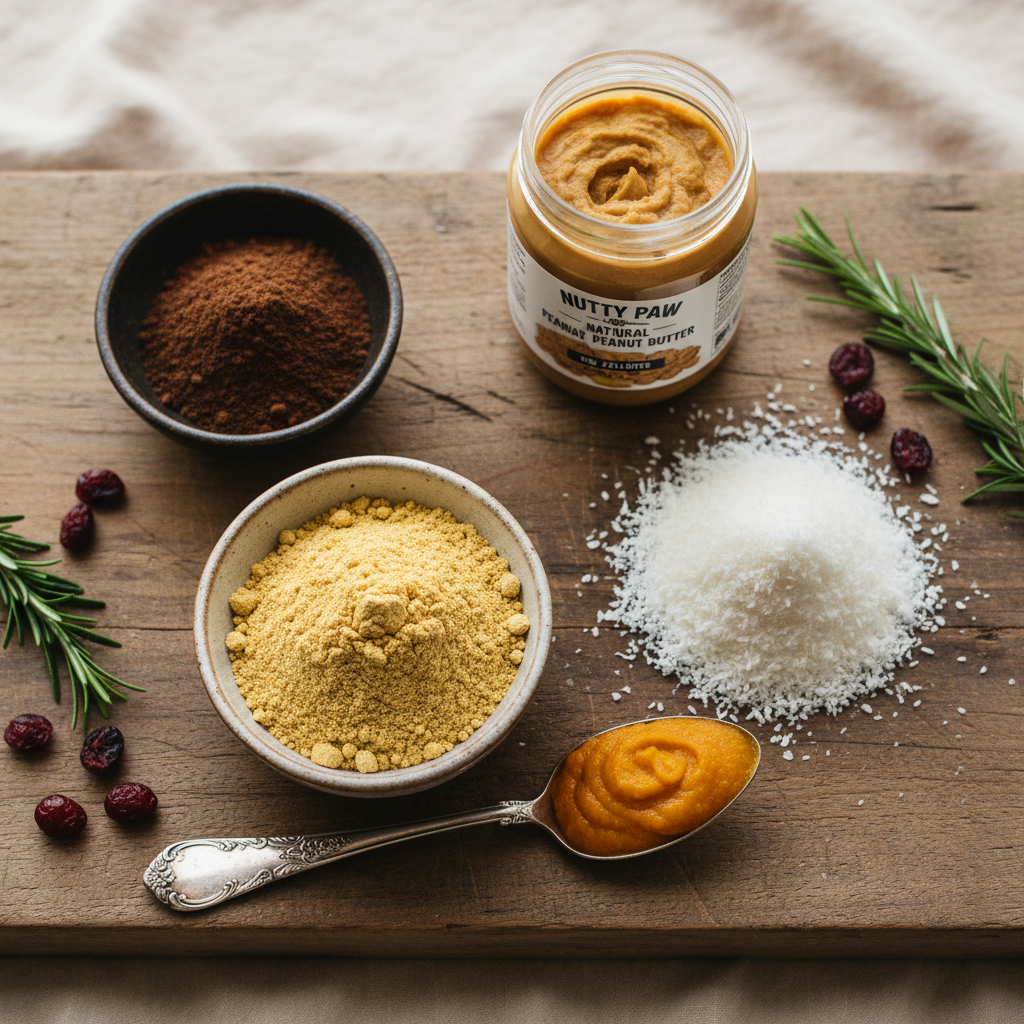
Creating safe dog-friendly mithai is all about smart substitutions. We can replicate the textures and festive feel of traditional sweets using whole-food ingredients that are beneficial for your dog. This is your go-to list for building your pet-safe recipes.
Base Flours & Binders:
- Gram Flour (Besan): Made from chickpeas, this gluten-free flour is high in protein and fiber. It’s the perfect base for creating a dog-friendly ‘Besan Ladoo.’
- Oat Flour: Easily made by blending rolled oats, this is a great source of soluble fiber, which is good for digestion.
- Coconut Flour: High in fiber and healthy fats, it adds a naturally sweet flavor. Use in moderation due to its high fiber content.
Natural Sweeteners & Flavors (Use Sparingly):
- Unsweetened Applesauce or Pumpkin Purée: These add moisture, fiber, and a hint of natural sweetness. Ensure you buy 100% pure purée, not pie filling, which contains sugar and spices.
- Plain, Unsweetened Yogurt: A great source of probiotics for gut health. It can be used as a binder or to create a creamy texture. Choose a brand with live active cultures and no added sugar or xylitol.
- Carob Powder: The ultimate dog-safe chocolate substitute. It’s naturally sweet and rich in flavor, allowing you to create ‘chocolatey’ treats without the toxicity.
- Peanut Butter: A canine favorite. Crucially, check the label to ensure it does NOT contain xylitol. Opt for natural peanut butter with no added sugar or salt.
Healthy Fats & Textures:
- Unsweetened Shredded Coconut: Provides a great texture for ‘barfi’ style treats. It contains medium-chain fatty acids that are good for skin and coat health.
- Coconut Oil: A healthy fat that can be used in small amounts as a binder. It has anti-inflammatory and anti-fungal properties.
By combining these ingredients, you can craft a variety of treats that are not only safe but also offer some nutritional benefits, turning a festive indulgence into a healthy bonus for your dog.
Actionable Recipes: Safe & Festive Dog-Friendly Mithai
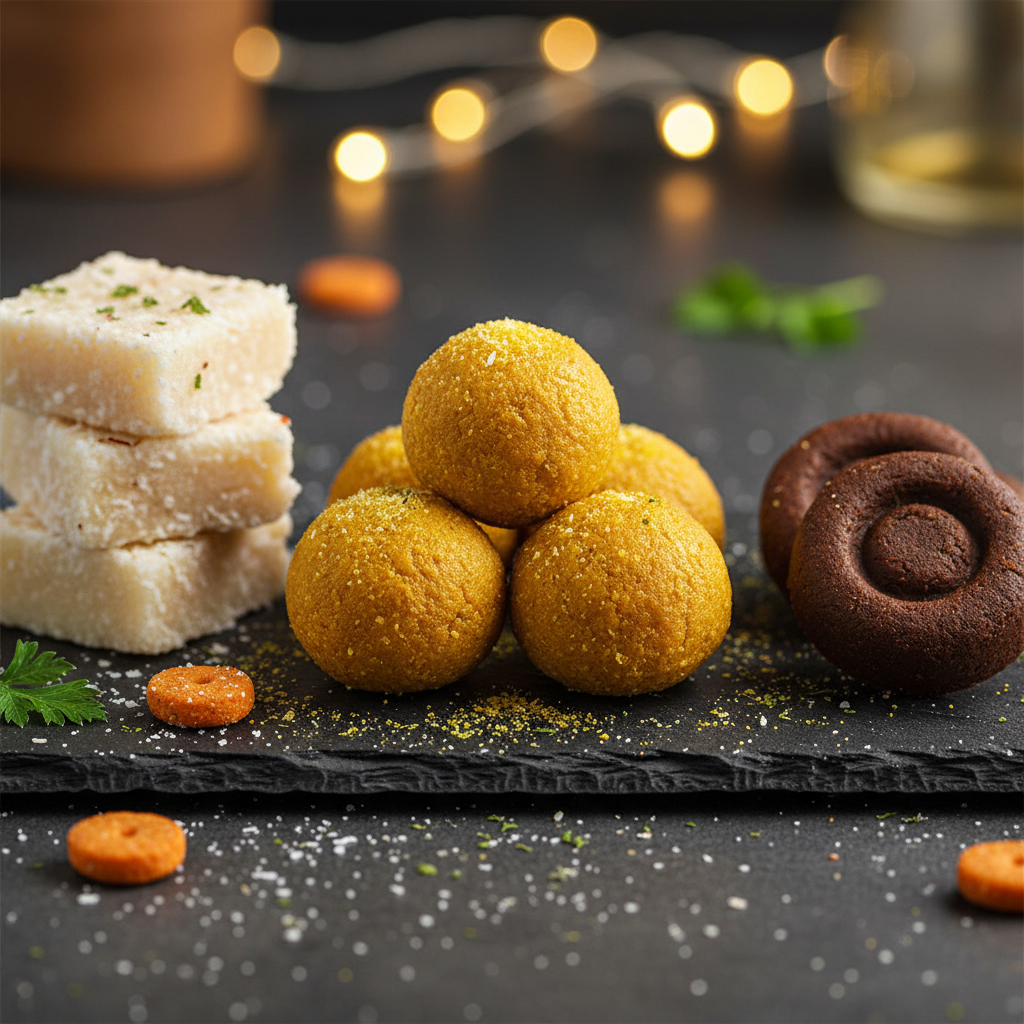
Now it’s time to put our approved ingredients into action. Here are three simple, no-bake recipes that mimic popular Diwali sweets, redesigned from the ground up for your dog’s safety and enjoyment. Remember to introduce any new food slowly and watch for any signs of digestive upset.
Recipe 1: ‘Besan Buddy Ladoos’ (Chickpea Flour Balls)
These protein-packed balls are a safe take on the classic Besan Ladoo. They are soft, easy to chew, and full of savory flavor dogs love.
- Ingredients: 1 cup gram flour (besan), 1/4 cup plain unsweetened yogurt, 2 tablespoons natural peanut butter (xylitol-free), 1 tablespoon melted coconut oil.
- Step 1: In a medium bowl, combine the gram flour, yogurt, and peanut butter. Mix thoroughly until a thick, dough-like consistency forms.
- Step 2: If the mixture is too dry, add the melted coconut oil. If it’s too sticky, add a little more gram flour. The dough should be easy to handle.
- Step 3: Take small portions of the dough and roll them between your palms to form bite-sized balls (about 1-inch in diameter).
- Step 4: Place the finished ladoos on a tray lined with parchment paper and refrigerate for at least 30 minutes to firm up.
Recipe 2: ‘Coconut Paws Barfi’ (Coconut & Pumpkin Squares)
This recipe mimics the texture of coconut barfi, using pumpkin for natural sweetness and binding.
- Ingredients: 1 cup unsweetened shredded coconut, 1/2 cup 100% pure pumpkin purée, 1/4 cup oat flour, 2 tablespoons coconut oil, melted.
- Step 1: In a bowl, mix the shredded coconut, pumpkin purée, and oat flour until well combined.
- Step 2: Add the melted coconut oil and stir until the mixture holds together when pressed.
- Step 3: Press the mixture firmly and evenly into a small, parchment-lined square pan or dish.
- Step 4: Refrigerate for at least 2 hours, or until firm. Once set, cut into small, bite-sized squares.
Recipe 3: ‘Carob Peda Pucks’ (The Safe ‘Chocolate’ Treat)
Satisfy that ‘chocolate’ craving safely with these carob-based treats, which have a fudge-like consistency.
- Ingredients: 1/2 cup carob powder, 1/2 cup natural peanut butter (xylitol-free), 1/4 cup oat flour, 2-3 tablespoons water or plain yogurt as needed.
- Step 1: In a bowl, combine the carob powder, peanut butter, and oat flour. The mixture will be very thick and crumbly.
- Step 2: Add water or yogurt, one tablespoon at a time, and mix until a firm, non-sticky dough forms.
- Step 3: Roll the dough into small balls and then flatten them slightly with your thumb or a fork to create small ‘peda’ pucks.
- Step 4: These are ready to serve immediately but will firm up more if refrigerated for 20-30 minutes.
The Real Cost Breakdown: DIY vs. Boutique Treats
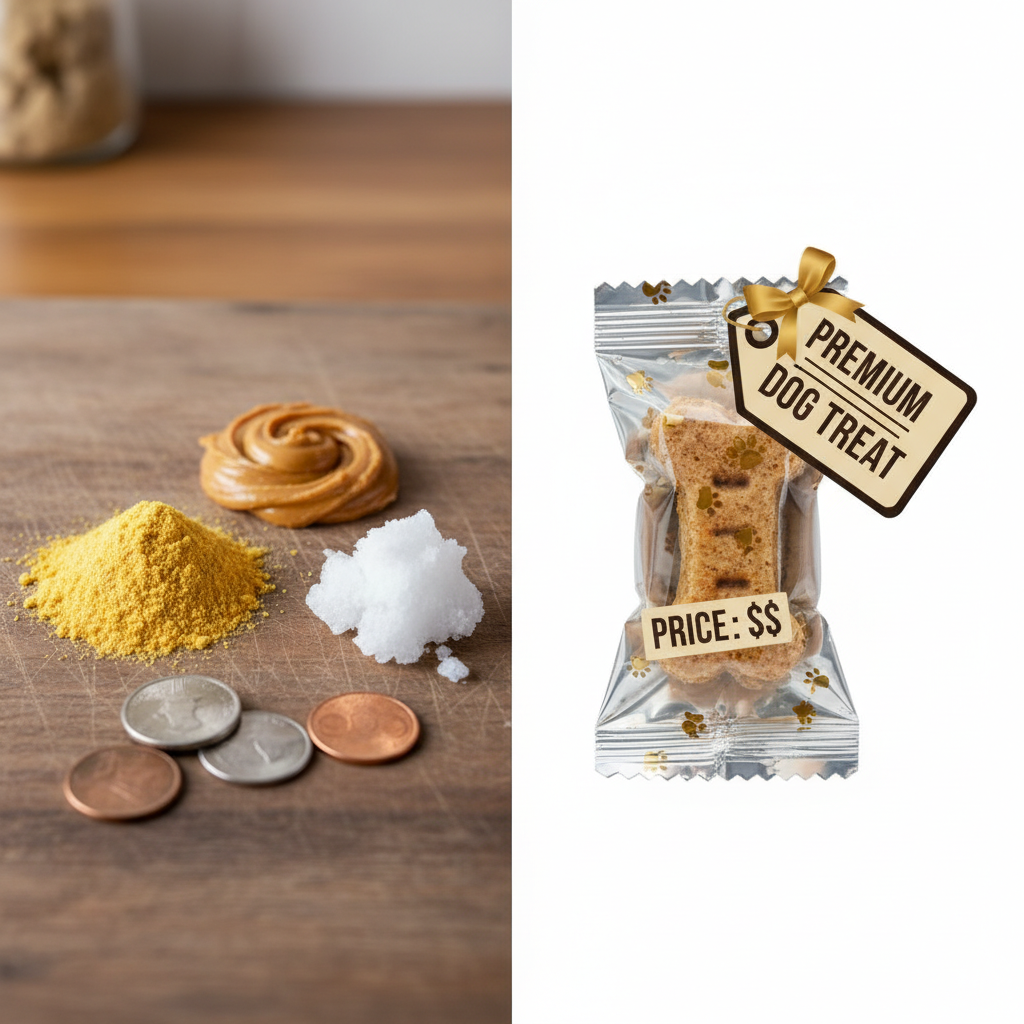
A core tenet of the Canine Nutrition Hacker is value. Why pay a premium for ‘gourmet’ commercial treats when you can make a healthier, safer, and more affordable version at home? Boutique dog bakeries often charge exorbitant prices for festive treats that use the very same ingredients we’ve outlined. Let’s break down the costs.
Insider Secret: The markup on commercial ‘gourmet’ dog treats can be upwards of 500%. You’re paying for marketing and packaging, not necessarily superior ingredients. By making your own, you control the quality and the cost.
Here’s a comparison for a batch of approximately 20 ‘Besan Buddy Ladoos’ versus buying a similar quantity of high-end bakery treats.
| Item | DIY Homemade (Approx. Cost) | Boutique Bakery (Approx. Cost) |
|---|---|---|
| Primary Ingredient (Besan) | $0.75 | Included in final price |
| Binder (Yogurt/Peanut Butter) | $0.50 | Included in final price |
| Fat (Coconut Oil) | $0.25 | Included in final price |
| Labor & Packaging | Your Time | $10.00+ |
| Total Cost (per batch of 20) | $1.50 | $15.00 – $20.00 |
| Cost Per Treat | $0.08 | $0.75 – $1.00 |
The savings are staggering. For less than the price of two commercially made treats, you can create an entire batch at home. You not only save a significant amount of money (a potential saving of over 90%), but you also have absolute certainty about every single ingredient going into your dog’s body. That peace of mind is priceless.
Smart Storage & Serving: The Batch Cooking Protocol

You’ve made a delicious batch of dog-friendly mithai. Now what? Proper storage is key to maintaining freshness and safety. Furthermore, portion control is non-negotiable. These are treats, not meals.
Storage Instructions:
- Refrigeration: Because these treats are made with fresh ingredients like yogurt and pumpkin and contain no preservatives, they must be refrigerated. Store them in an airtight container in the refrigerator. They will typically stay fresh for 5-7 days.
- Freezing: For longer storage, these treats freeze exceptionally well. Arrange them in a single layer on a baking sheet and freeze until solid. Once frozen, transfer them to a freezer-safe bag or container. They can be stored in the freezer for up to 3 months. This is the perfect batch-cooking strategy—make a large batch and have special treats ready for weeks.
Serving Guidelines & Portion Control:
Moderation is the most important rule. The ‘10% Rule’ is a great guideline for all dog treats: they should not make up more than 10% of your dog’s total daily caloric intake.
- Small Dogs (under 20 lbs): 1 small treat per day.
- Medium Dogs (20-50 lbs): 1-2 treats per day.
- Large Dogs (over 50 lbs): 2-3 treats per day.
Always supervise your dog when they are eating any treat to prevent choking. By following these storage and serving protocols, you can ensure your homemade mithai remains a safe, healthy, and enjoyable part of your Diwali celebration.
Conclusion
Celebrating Diwali with your canine companion doesn’t have to mean compromising their health and safety. By understanding the significant dangers of traditional human sweets and embracing a DIY approach, you can create delicious, festive, and completely safe mithai alternatives. You’ve now been equipped with the knowledge of safe ingredients, actionable recipes, and the cost-saving benefits of homemade treats.
This year, as you light the diyas and celebrate the victory of light over darkness, you can also celebrate the joy of sharing the festivities with your loyal friend in the safest way possible. Enjoy the process of baking for your pup, and have a very Happy and Pet-Safe Diwali!