
Can Dogs Eat Calamari? The Truth About Squid and Fried Foods
You’re at a seaside restaurant, the scent of salt and fried food in the air. A basket of perfectly crispy calamari sits on the table, and your dog is giving you *that look*. The temptation to share a piece is powerful. But before you toss that golden ring to your loyal companion, stop. As the Canine Nutrition Hacker, I’m here to tell you that this is one of the most critical judgment calls you can make as a pet owner. The answer to ‘Can dogs eat calamari?’ isn’t a simple yes or no—it’s a forensic investigation into what you’re *really* feeding your dog.
Let’s cut straight to the chase: Fried calamari is unequivocally off-limits. It is a health hazard, not a treat. However, the conversation about its unbattered, un-fried counterpart—plain squid—is more nuanced. This guide will dissect the dangers lurking in that appetizer basket, analyze the nutritional profile of plain squid, and provide a definitive protocol for when and how this seafood can be offered, if at all. Consider this your insider’s briefing on navigating the treacherous waters of feeding human seafood to your dog.
Medical Disclaimer: I am a canine nutrition analyst, not a veterinarian. The information in this article is for educational purposes only. Always consult with your veterinarian before introducing any new food into your dog’s diet, especially if they have underlying health conditions like pancreatitis, kidney issues, or food allergies.
The Forensic Breakdown: Why Fried Calamari is a Canine Health Hazard
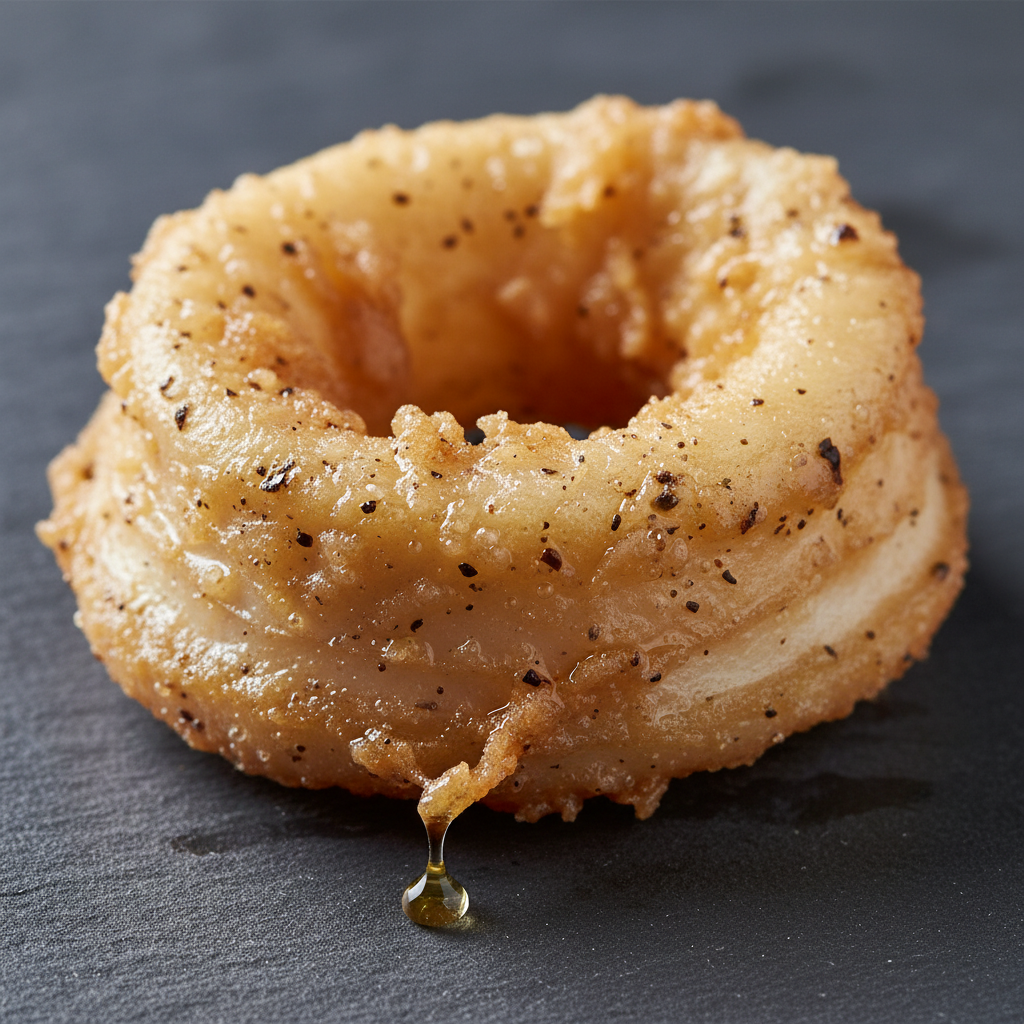
To understand the risk, we need to treat a plate of fried calamari like a crime scene. Every component, from the batter to the oil it’s cooked in, presents a potential danger to your dog’s system. This isn’t just ‘junk food’; for a dog, it can be a systemic poison.
The Battering Ram: An Assault of Empty Calories and Allergens
The crispy coating is the first offender. It’s typically made from refined white flour, cornstarch, and a host of seasonings. For your dog, this translates to:
- Empty Calories: The batter offers zero nutritional value and contributes directly to weight gain and obesity, a leading cause of joint problems, diabetes, and heart disease in canines.
- Gluten and Grain Sensitivities: Many dogs have sensitivities to wheat and other grains used in batter, which can trigger gastrointestinal upset, itchy skin, and chronic inflammation.
- Harmful Seasonings: This is the most acute danger. Batters are a Trojan horse for ingredients that are toxic to dogs. Garlic powder and onion powder are standard in most recipes and are highly toxic to dogs, causing damage to their red blood cells (hemolytic anemia). High levels of salt are also a given, which can lead to sodium ion poisoning, causing vomiting, diarrhea, tremors, and seizures.
The Deep-Fat Danger: A Fast Track to Pancreatitis
The second, and perhaps most severe, offender is the cooking method. Deep-frying submerges the food in extremely hot oil, which the calamari and its batter absorb like a sponge. This massive, sudden influx of fat can overwhelm a dog’s pancreas.
The pancreas produces digestive enzymes. When a dog consumes a high-fat meal, the pancreas can go into overdrive, become inflamed, and even start to digest itself. This condition is known as pancreatitis. It is excruciatingly painful, can be fatal, and often requires expensive emergency veterinary hospitalization. Symptoms include a hunched back, repeated vomiting, severe abdominal pain, and lethargy. Some breeds, like Schnauzers and Yorkshire Terriers, are especially prone to this condition. The unhealthy, often re-used oils in restaurant fryers add another layer of oxidative stress and inflammation to the mix.
Hacker Tip: Never assume a ‘small amount’ of a high-fat food is safe. For a dog unaccustomed to it, even a single greasy calamari ring can be the trigger for a bout of pancreatitis that lands you in the veterinary ER. It’s simply not worth the risk.
Plain Squid Uncovered: Nutritional Benefits vs. Potential Risks

Now, let’s remove the batter and the deep fryer from the equation. What about plain, cooked squid? Here, the picture becomes less of an immediate danger and more of a risk-reward analysis. While squid does contain some beneficial nutrients, it also carries inherent risks that every owner must weigh.
The Nutritional Upside (In Theory)
On paper, squid meat has a decent nutritional profile. It’s a low-fat source of complete protein, which is essential for muscle maintenance. Furthermore, it offers several key micronutrients:
- Omega-3 Fatty Acids: Beneficial for skin and coat health, joint function, and reducing inflammation.
- Zinc: Crucial for immune function and thyroid health.
- Copper: Necessary for forming red blood cells and absorbing iron.
- B Vitamins: Including B12 and Riboflavin, which are vital for energy metabolism and nervous system function.
However, it’s critical to understand that your dog should already be getting these nutrients from their well-formulated, complete-and-balanced dog food. Using squid as a supplement is inefficient and introduces unnecessary risks.
The Hidden Dangers: Parasites, Contaminants, and Choking
Before you rush to the fish market, you must understand the downsides. Plain squid is not a risk-free food.
- Parasites and Bacteria: Never feed your dog raw squid. Like any raw seafood, it can harbor dangerous bacteria like Salmonella and Vibrio, as well as parasites like roundworms. Cooking to an internal temperature of 145°F is mandatory to kill these pathogens.
- Heavy Metals: While squid is relatively low on the food chain compared to giants like tuna or swordfish, it can still accumulate mercury and other heavy metals from the ocean. Chronic exposure, even at low levels, can lead to neurological damage over time.
- Choking Hazard: Squid has a uniquely tough, rubbery, and chewy texture. If not prepared correctly, it poses a significant choking risk. Dogs, especially those who tend to gulp their food, can easily get a piece lodged in their throat. The ring shape of calamari is particularly dangerous.
The Canine Nutrition Hacker’s Safe Serving Protocol

If, after weighing the risks, you decide to offer your dog a minuscule amount of squid as a rare novelty treat, you must follow this protocol without deviation. This is about harm reduction. Failure to adhere to these steps reintroduces the risks we’ve already identified.
- Source with Scrutiny: Purchase only plain, unseasoned, frozen or fresh squid. Avoid any pre-marinated products or squid packed in oil or salt. Your goal is the purest form of the ingredient you can find.
- Prepare with Precision: The only acceptable cooking methods are steaming or boiling. Do not use any oil, butter, salt, pepper, or seasonings of any kind. Cook the squid thoroughly until it is opaque and firm.
- The ‘Chop & Dice’ Rule: This is the most critical safety step. The rubbery texture makes squid a major choking hazard. You must dice the cooked squid into very small, kibble-sized pieces appropriate for your dog’s size. Never give a dog a whole calamari ring, cooked or otherwise.
- The ‘Treat, Not Meal’ Doctrine: Squid is not a meal replacement. It is an ‘intermittent and supplemental’ food item at best. Any treats, including squid, should not make up more than 10% of your dog’s total daily caloric intake. For a medium-sized dog, this means a piece or two of finely diced squid, not several rings. Start with one tiny piece and monitor for any signs of allergic reaction or digestive upset for the next 24-48 hours.
Insider Secret: The best use for a tiny bit of prepared squid is as a high-value training treat in a controlled environment, not as a shared snack from your plate. This reframes it from a ‘human food’ indulgence to a functional part of your dog’s routine, which helps maintain good dietary habits.
Superior Seafood Alternatives for Your Dog’s Health

The truth is, the nutritional benefits of squid are easily surpassed by other, safer seafood options that provide a much bigger bang for your buck without the associated risks. If you want to boost your dog’s omega-3 intake, these are the power players you should be considering instead of calamari.
Here is a forensic comparison of superior seafood choices:
| Seafood Option | Key Benefit | Safe Preparation | Risk Profile |
|---|---|---|---|
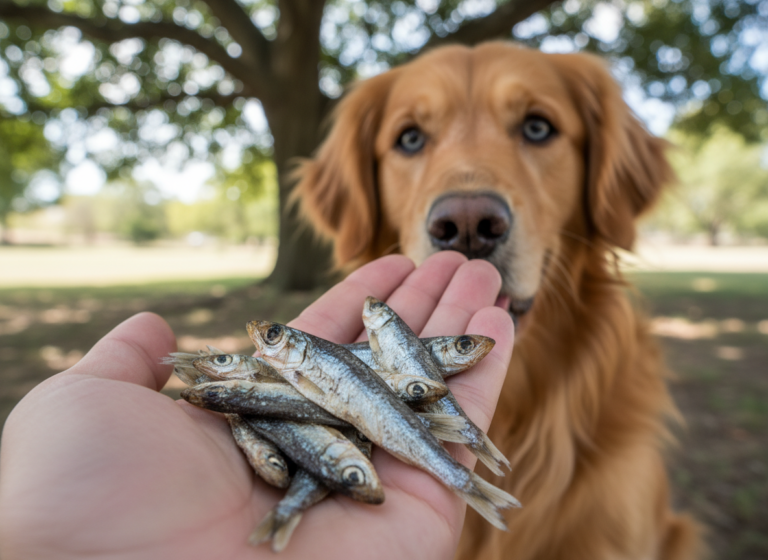
| Sardines (in water, no salt) | Excellent source of Omega-3s (EPA/DHA), Vitamin D, and B12. Low on the food chain, so lower mercury risk. | Serve directly from the can (packed in water only). Mash into food. | Very Low. Watch for sodium content; select no-salt-added versions only. |
| Wild-Caught Salmon | Rich in Omega-3s, high-quality protein, and antioxidants like astaxanthin. | Cooked thoroughly (baked or steamed) with no seasoning. Remove all bones. | Low. Must be cooked to avoid parasites (‘Salmon Poisoning Disease’). Farmed salmon can be higher in contaminants. |
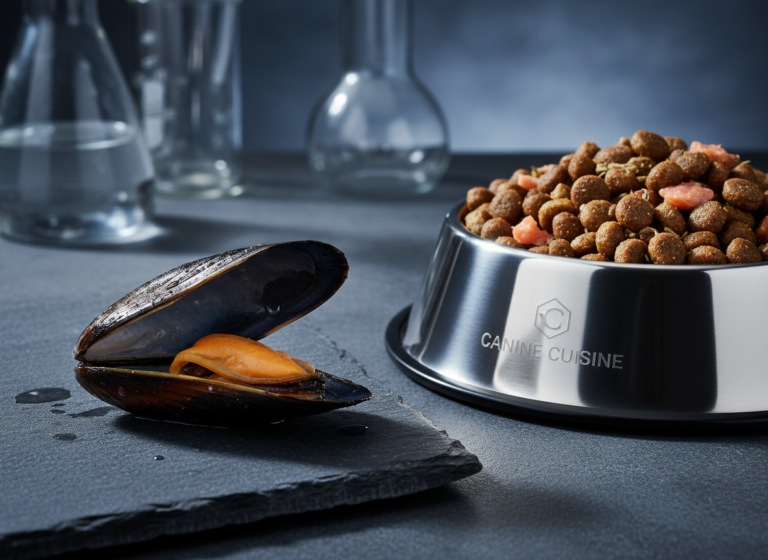
| Green-Lipped Mussels | A potent natural source of glucosamine, chondroitin, and unique anti-inflammatory fatty acids. Excellent for joint health. | Best served as a freeze-dried powder or oil supplement to ensure proper dosage and quality. | Very Low. One of the safest and most effective natural joint supplements. |
| Krill Oil | Highly bioavailable source of EPA and DHA Omega-3s bound to phospholipids, making them easier for the body to absorb. | Administered as an oil supplement, typically in a pump bottle or capsule. | Very Low. More sustainable than many fish oils and less likely to contain heavy metals. |
These alternatives provide concentrated, targeted benefits—especially for joints and skin—without the choking hazards or preparation anxiety associated with squid. They are a smarter, safer, and more effective way to incorporate the power of the sea into your dog’s diet.
Conclusion
So, we return to the original question: Can dogs eat calamari? The final verdict from the Canine Nutrition Hacker is clear. Fried Calamari: An absolute, non-negotiable NO. The combination of excessive fat, toxic seasonings, and empty calories makes it a direct threat to your dog’s immediate and long-term health. Plain, Cooked Squid: A highly conditional ‘maybe’ in minuscule, properly prepared amounts. However, the risks of choking, potential contaminants, and the lack of significant nutritional advantage over other foods render it largely unnecessary and impractical.
Your dog’s health and safety are paramount. Instead of sharing a risky human appetizer, empower yourself with knowledge and opt for one of the superior, safer seafood alternatives that provide proven benefits. Your dog relies on you to be their gatekeeper and nutritional analyst. By reserving their diet for species-appropriate, balanced meals and truly beneficial treats, you are making the best possible investment in their longevity and well-being.