Offal Guide: The Benefits of Feeding Raw Lamb Sweetbreads
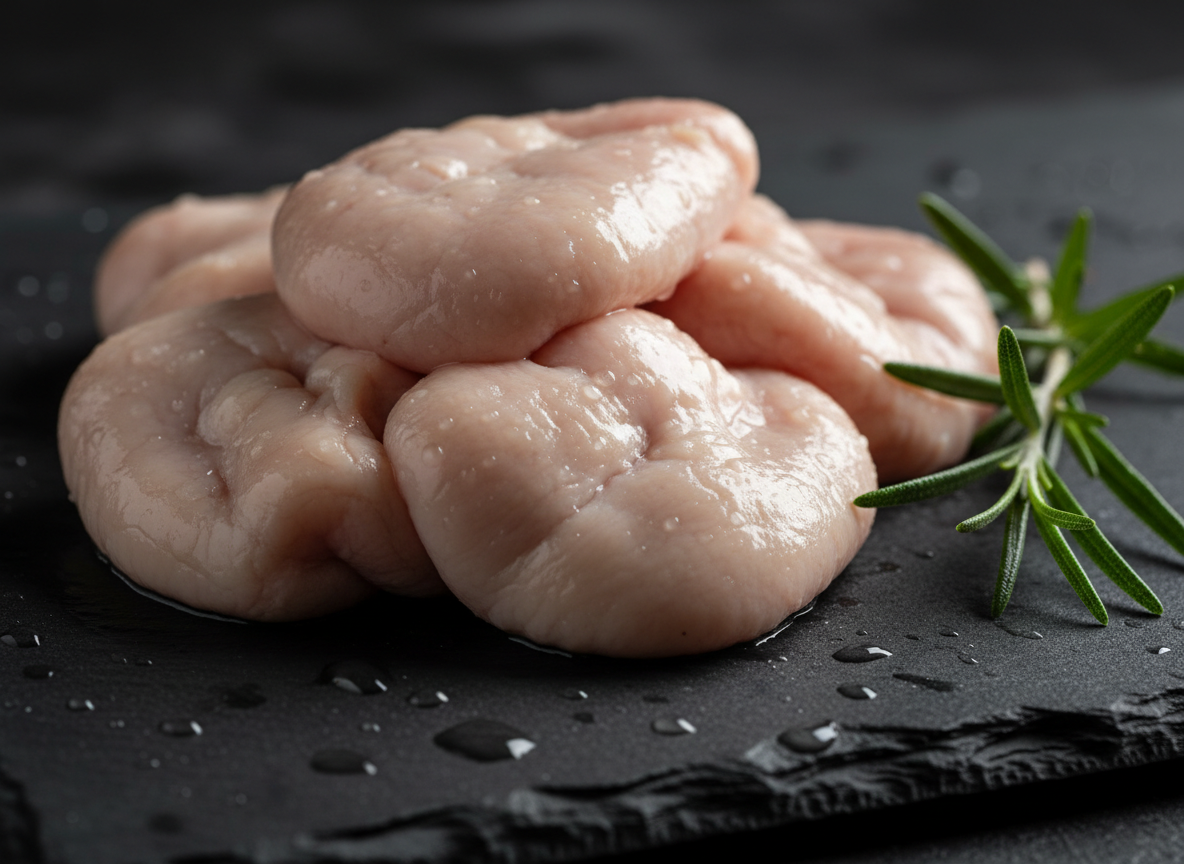
Let’s cut through the marketing noise. The pet food industry spends billions convincing you that a dry, brown, processed pellet is the pinnacle of canine nutrition. As the Canine Nutrition Hacker, I’m here to tell you that real health is found in real food—specifically, the parts of the animal most commercial brands are too squeamish to use. We’re talking about offal, or organ meats, and today’s target is a true nutritional powerhouse: lamb sweetbreads.
Forget the fancy bags with pictures of wolves. This is about forensic nutrition. Lamb sweetbreads are one of the most nutrient-dense, bioavailable, and cost-effective ‘superfoods’ you can add to your dog’s bowl. But you have to know what you’re doing. This guide will give you the insider knowledge to source, prepare, and feed this incredible organ meat safely and effectively.
CRITICAL SAFETY DISCLAIMER: I am a canine nutrition analyst, not a veterinarian. The information in this guide is for educational purposes only. Raw feeding is a significant commitment that requires careful research and planning to ensure a balanced diet. Always consult with a qualified holistic or pro-raw veterinarian before making any changes to your dog’s diet, especially if your dog has pre-existing health conditions. You are responsible for your dog’s health and safety.
The Forensic Breakdown: What Exactly Are Lamb Sweetbreads?
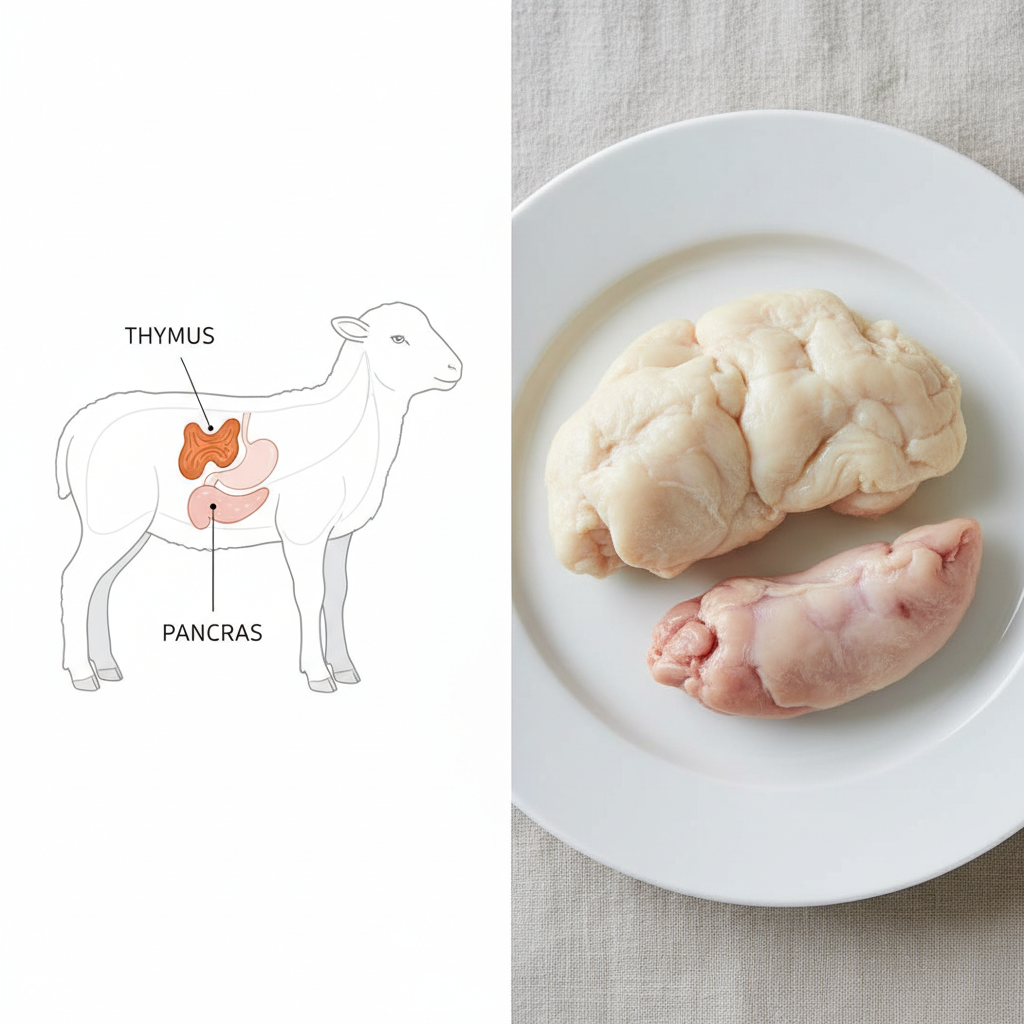
The first step in hacking your dog’s nutrition is to know exactly what you’re feeding them. The term ‘sweetbread’ itself is misleading and often causes confusion. Let’s put it under the microscope.
Sweetbreads are not brains, testicles, or some kind of sugary bread. The term refers to the glandular organs of an animal, specifically the thymus gland and the pancreas.
- The Thymus Gland (Throat Sweetbread): This is found in the neck or chest of young animals like lambs or calves. It’s part of the immune system and is largest in young animals, shrinking as they mature. It has a richer, more delicate texture and flavor. This is typically what is considered the ‘true’ sweetbread in culinary circles.
- The Pancreas (Stomach or Heart Sweetbread): This gland is located near the stomach and is responsible for producing digestive enzymes and hormones like insulin. It has a slightly firmer texture than the thymus.
For canine nutritional purposes, both are valuable, but they serve slightly different functions. The thymus is a masterclass in immune-supporting nutrients, while the pancreas provides a dose of natural digestive enzymes. When you buy ‘lamb sweetbreads’ from a butcher, you could be getting either or a mix of both. Don’t get bogged down in the distinction; both are incredibly beneficial and fall under the ‘other secreting organs’ category in a balanced raw diet.
Hacker Tip: When speaking to a butcher, simply ask for ‘lamb sweetbreads.’ A good butcher will know exactly what you mean. If they ask for clarification, you can specify ‘thymus gland,’ but pancreas is just as good for your dog. The key is sourcing from a young, healthy, pasture-raised animal for the cleanest product.
The Nutritional Payoff: Why This Is a Canine Superfood

This is where we separate the marketing fluff from the biochemical facts. A small portion of sweetbreads delivers a concentrated blast of nutrients that puts synthetic vitamin mixes in kibble to shame. Here’s what you’re giving your dog:
- Rich in B Vitamins: Sweetbreads are packed with B-complex vitamins, especially Vitamin B12, which is crucial for nervous system function, cell growth, and energy production. They also contain significant amounts of B1, B2, B3, and B5.
- Essential Minerals: They are an excellent source of phosphorus for bone health, potassium for muscle function and nerve signaling, and zinc, a master mineral for immune function, skin health, and metabolism.
- Fat-Soluble Vitamins: You’ll find a healthy dose of vitamins A, D, E, and K, which are vital for vision, immune response, bone density, and blood clotting. These are present in their most natural, bioavailable form.
- Natural Enzymes: The pancreas, in particular, is a source of natural digestive enzymes. While the benefits of feeding these enzymes are debated, the principle of ‘like supports like’ is a cornerstone of holistic nutrition. Feeding pancreatic tissue can offer support to your dog’s own digestive processes.
- High-Quality Protein and Fats: Sweetbreads provide easily digestible protein and essential fatty acids that fuel your dog’s body and contribute to a healthy coat.
IMPORTANT WARNING: Sweetbreads are extremely rich and high in purines. Purines are natural compounds that, when broken down, form uric acid. In most dogs, this is not an issue. However, for certain breeds like Dalmatians, English Bulldogs, or any dog with a history of kidney disease or urinary stones, a high-purine diet can be dangerous. This is a non-negotiable point to discuss with your veterinarian.
The Safe Chef’s Guide: Sourcing and Preparation Protocol
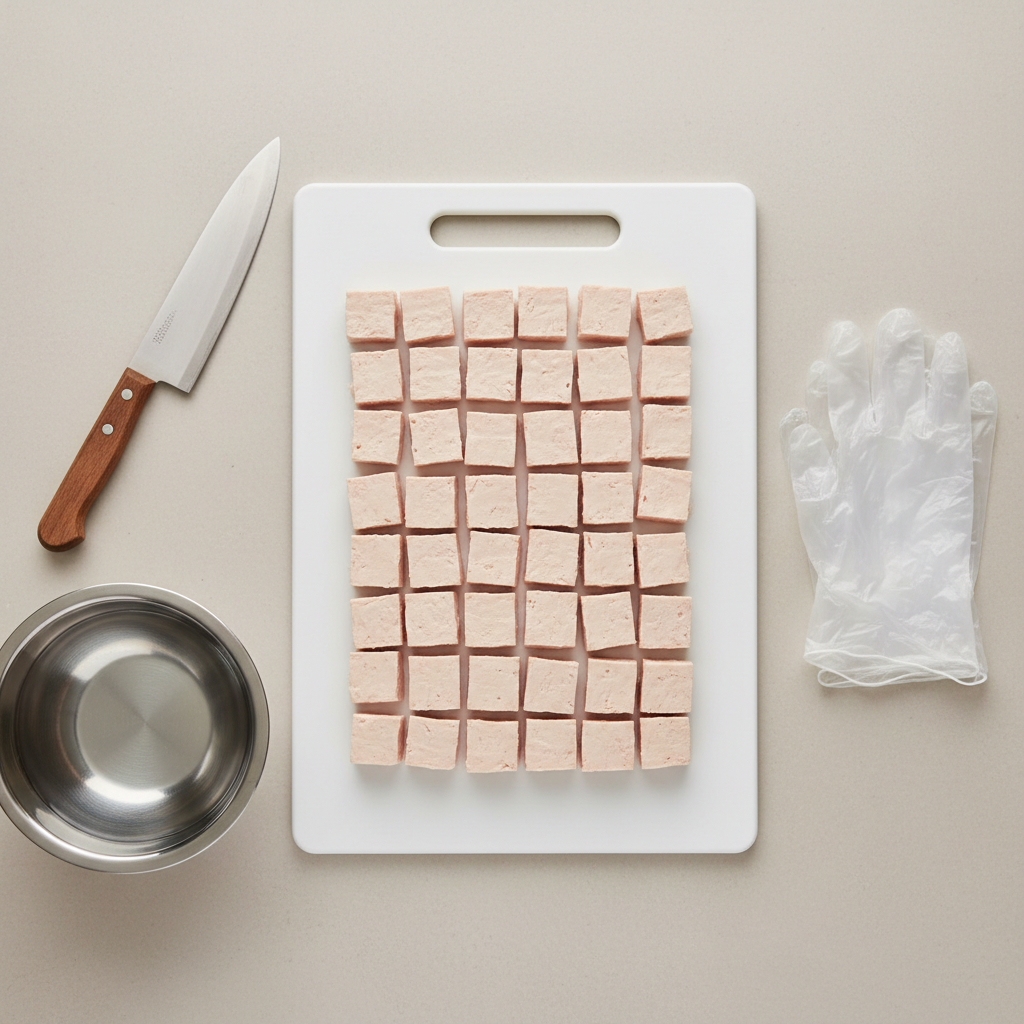
Handling raw meat requires diligence. There are no shortcuts. Follow this protocol to ensure you’re preparing sweetbreads safely and effectively.
Sourcing Secrets
You won’t find lamb sweetbreads in the main meat aisle of your supermarket. You need to dig deeper. Your best sources are:
- Local Butchers: Build a relationship with a quality local butcher. They often have access to offal and can set it aside for you. Ask for sweetbreads from grass-fed, pasture-raised lambs.
- Ethnic Markets: Markets that cater to cuisines where offal is common (e.g., Hispanic, Middle Eastern, Asian) are goldmines for these ingredients.
- Online Raw Food Co-ops/Suppliers: Many companies specializing in raw dog food sell individual organs. This is often the most convenient way to source high-quality, pre-portioned ingredients.
Safe Handling & Preparation Steps
Your kitchen is now a clean room. Treat all raw meat as a potential source of contamination.
- Designate Your Tools: Use a separate cutting board, knife, and storage containers for raw meat that never touch your own food. A high-quality plastic or glass board is easier to sanitize than wood.
- Initial Rinse: Upon bringing them home, rinse the sweetbreads under cold water to wash away any surface residue.
- Optional Soak: For a cleaner final product, you can soak the sweetbreads in a bowl of cold, salted water for an hour in the refrigerator. This can help draw out any remaining blood. Discard the water and rinse again.
- Trimming: You may notice a thin membrane or some excess fatty tissue. You can trim this off if you wish, but it’s not strictly necessary as most is perfectly edible for your dog.
- Portioning: This is the critical step. Cut the sweetbreads into small, manageable chunks appropriate for your dog’s size. For a 50lb dog, think thumbnail-sized pieces. You will not be feeding a large portion at once.
- Sanitize Everything: After you are finished, thoroughly wash your hands, the cutting board, knife, and any surfaces the raw meat touched with hot, soapy water, followed by a food-safe disinfectant.
Batch Cooking & Storage Tip
Sweetbreads are perfect for batch prep. After portioning, lay the individual chunks on a parchment-lined baking sheet and place it in the freezer. Once the pieces are frozen solid (about 2-3 hours), you can transfer them to a freezer bag or container. This ‘flash freezing’ prevents them from clumping together, so you can easily grab the exact amount you need for each meal. They will keep in a deep freezer for up to 6 months.
The Hacker’s Ratio: Integrating Sweetbreads into a Balanced Diet

Feeding offal isn’t about just tossing it in the bowl. It’s about precision. The most common model for a balanced DIY raw diet is the 80/10/5/5 rule:
- 80% Muscle Meat: The main component of the diet.
- 10% Edible Bone: For calcium and other minerals.
- 5% Liver: This organ is so nutrient-dense it gets its own category.
- 5% Other Secreting Organs (OSO): This is where sweetbreads, kidney, spleen, and other glands fit in.
Sweetbreads must be part of a rotation within the ‘Other Secreting Organ’ category. You should never feed only sweetbreads as your dog’s sole organ content. Variety is key to a broad nutritional profile. A good rotation might include kidney, spleen, pancreas (sweetbreads), and thymus (sweetbreads).
Actionable Feeding Example (50lb Adult Dog)
Let’s assume an adult 50lb dog eats about 2% of its body weight daily, which is 1lb (16oz) of food per day.
- Total Daily Food: 16 oz
- Muscle Meat (80%): 12.8 oz
- Edible Bone (10%): 1.6 oz
- Liver (5%): 0.8 oz
- Other Secreting Organs (5%): 0.8 oz
Your 0.8 oz of ‘Other Secreting Organs’ can be lamb sweetbreads on a given day. The next day, it might be beef kidney. The day after, pork spleen. This rotation is crucial.
Insider Secret: Start slower than you think you need to. Glandular organs are incredibly potent. The first time you introduce sweetbreads, give your dog a piece the size of your pinky nail. That’s it. Monitor their stool for the next 24 hours. If all is well, you can gradually increase to the target amount over a week. Rushing this leads to disaster pants, and nobody wants that. This is the most common rookie mistake.
The Real Cost Breakdown: DIY Superfood vs. Commercial Gimmicks

Now for the fun part: saving money while dramatically improving nutrition. Brands love to charge a premium for ‘ancestral’ or ‘exotic’ ingredients. By sourcing them yourself, you bypass the marketing markup entirely. Let’s run the numbers.
Prices are estimates and will vary by location, but the value proposition remains the same.
| Item | Source | Approx. Price per Pound | Cost per Ounce | The Hacker’s Verdict |
|---|---|---|---|---|
| Raw Lamb Sweetbreads | Local Butcher / Online Co-op | $5.00 – $8.00 | $0.31 – $0.50 | Unbeatable value. Direct access to a pure, unprocessed superfood for pennies. You control the quality. |
| Premium Freeze-Dried Lamb Organ Treats | Boutique Pet Store | $25.00 – $40.00 (for a 4oz bag) | $6.25 – $10.00 | Extreme markup for convenience. You’re paying for air, fancy packaging, and processing that can degrade nutrients. |
| High-End Kibble with ‘Lamb & Organ’ Recipe | Big Box Pet Store | $80.00 (for a 24lb bag) | $0.21 | Deceptive value. The actual percentage of organ meat is minuscule, and it’s been subjected to high-heat processing, destroying enzymes and degrading vitamins. You’re mostly paying for fillers and synthetic additives. |
The table makes it clear. While the per-ounce cost of kibble looks low, you are not comparing like with like. The nutritional density and bioavailability of $0.40 worth of fresh, raw sweetbreads is exponentially higher than the trace amounts of powdered, cooked organ meal in a bowl of kibble. By sourcing it yourself, you’re getting a million-dollar ingredient for a dollar-store price.
Conclusion
Navigating the world of canine nutrition is a constant battle against misinformation and clever marketing. Lamb sweetbreads are a prime example of a food that has been forgotten by the mainstream but holds immense power for your dog’s health. It’s nutrient-dense, bioavailable, and—when you know where to look—incredibly affordable.
By taking control of the ingredients, you move from being a passive consumer to an active participant in your dog’s well-being. You are no longer paying for a brand’s marketing budget; you are investing directly in pure, unadulterated nutrition. Remember the core principles: source from quality animals, handle with strict safety protocols, introduce slowly, and always feed as part of a balanced, varied raw diet.
Stop buying the hype. Start feeding the food. That’s the Canine Nutrition Hacker way.