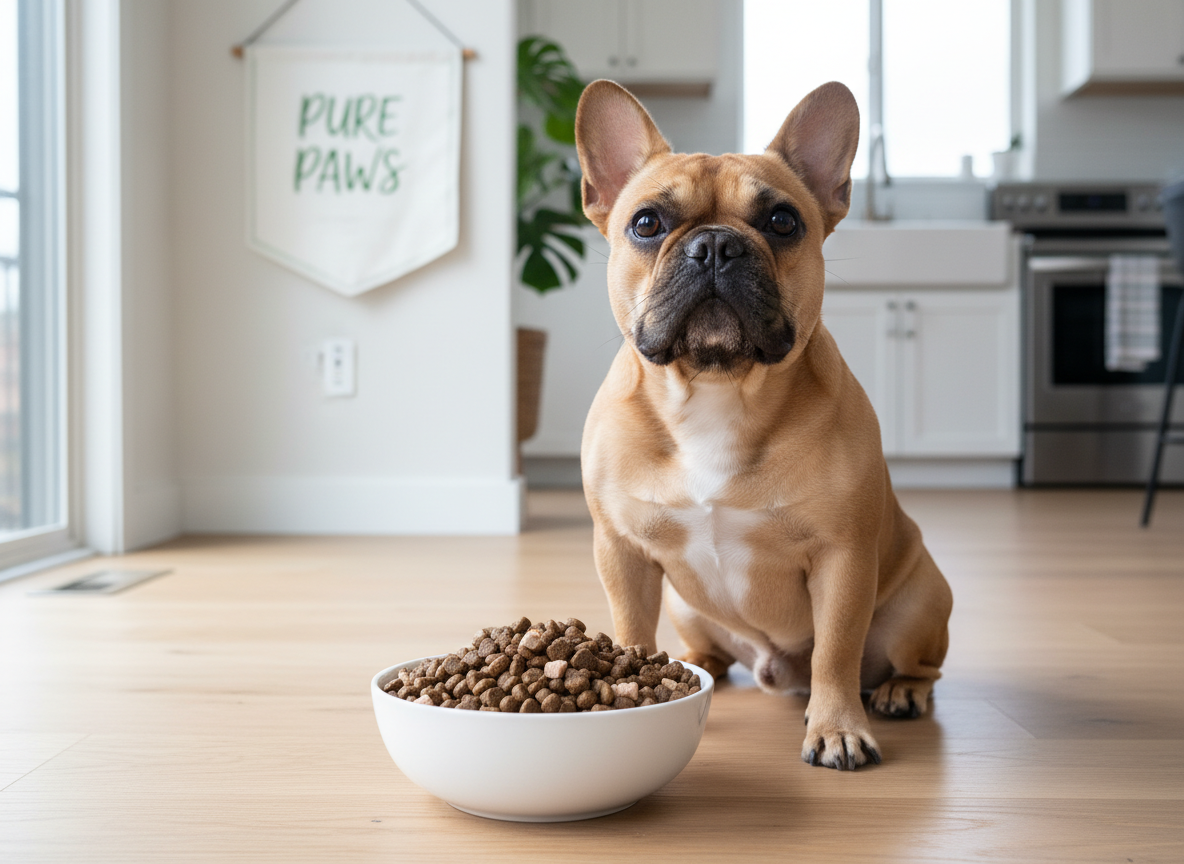
Rabbit Meat for Dogs: Benefits of This Hypoallergenic Protein
If you’re reading this, chances are you’re at your wit’s end. You’ve dealt with the endless scratching, the chronic ear infections, the mysterious hot spots, and the frustrating digestive issues. You’ve tried different foods, followed vet advice, and yet your dog is still suffering. The problem, more often than not, lies in the single most influential factor in their health: their food bowl. Common proteins like chicken and beef have become so ubiquitous in pet food that a significant portion of the canine population has developed allergic reactions to them. This is where the savvy pet owner needs to think like a hacker—bypassing the conventional to find a superior solution. That solution is the ‘novel protein,’ and rabbit is one of the most powerful, yet underutilized, options available.
This isn’t just about switching flavors. It’s about a strategic dietary reset designed to calm an overactive immune system. We will dissect the science behind canine food allergies, identify the enemy ingredients hiding in plain sight, and reveal why rabbit meat is a nutritional powerhouse for sensitive dogs. Prepare to become a forensic label-reader and take back control of your dog’s well-being.
MEDICAL DISCLAIMER: I am The Canine Nutrition Hacker, an expert in analyzing pet food ingredients and nutritional strategies. However, I am not a veterinarian. The information in this article is for educational purposes only and is not a substitute for professional veterinary advice, diagnosis, or treatment. Always consult with a qualified veterinarian before making any significant changes to your dog’s diet, especially if they have a pre-existing health condition.
Decoding Canine Allergies: Identifying the Common Culprits in Your Dog’s Bowl

Before we can deploy a solution, we must first understand the enemy. A food allergy in a dog is an immune system malfunction. The body mistakenly identifies a specific protein as a harmful invader and launches an inflammatory response. The symptoms of this internal battle manifest externally in ways that make both you and your dog miserable. While any ingredient can theoretically cause an allergy, the vast majority of cases are linked to a surprisingly short list of proteins that dogs have been overexposed to for generations.
The Usual Suspects: Top Canine Allergens
The pet food industry’s reliance on a few key ingredients for cost and availability has created a widespread sensitivity problem. These are the primary offenders you’ll find at the top of the ingredient list in most commercial dog foods:
- Chicken: The most common protein in dog food, and consequently, the number one allergen. Its omnipresence means most dogs’ immune systems are constantly exposed to it from puppyhood.
- Beef: Another prevalent protein that frequently triggers allergic reactions for the same reason as chicken—overexposure.
- Dairy: Many dogs are lactose intolerant, but some can also have a true allergic reaction to the proteins found in milk products like cheese and yogurt.
- Soy: Often used as a cheap protein filler, soy is a common and potent allergen that provides suboptimal nutrition for a carnivore.
- Wheat & Corn: While often blamed, true grain allergies are less common than protein allergies. However, low-quality grains like wheat and corn gluten meal are frequent fillers that can contribute to overall inflammation and gut issues.
Recognizing the Red Flags: Symptoms of a Food Allergy
The body’s inflammatory response can show up in several ways. If your dog exhibits any of the following chronic symptoms, their food is the first place you should investigate:
- Persistent Skin Issues: This is the most common sign. Look for obsessive scratching, red or inflamed skin (especially on the belly, paws, and face), hot spots, and hair loss.
- Chronic Ear Infections: If you’re constantly cleaning gunky, foul-smelling ears or your dog is always shaking its head, a food allergy is a likely culprit. The ear canal is an extension of the skin, making it a prime target for inflammation.
- Digestive Upset: Chronic gas, loose stools, diarrhea, or vomiting can all be signs that your dog’s system is rejecting an ingredient in their food.
- Excessive Paw Licking/Chewing: Dogs often lick or chew their paws raw in an attempt to soothe the intense itching caused by an allergic reaction.
Ignoring these symptoms or treating them with temporary fixes like steroids is like disabling a smoke alarm while the fire rages. You’re silencing the warning sign without addressing the root cause. The only way to win this fight is to remove the offending ingredient entirely.
The Power of Novelty: Why Rabbit is a Game-Changer for Sensitive Dogs
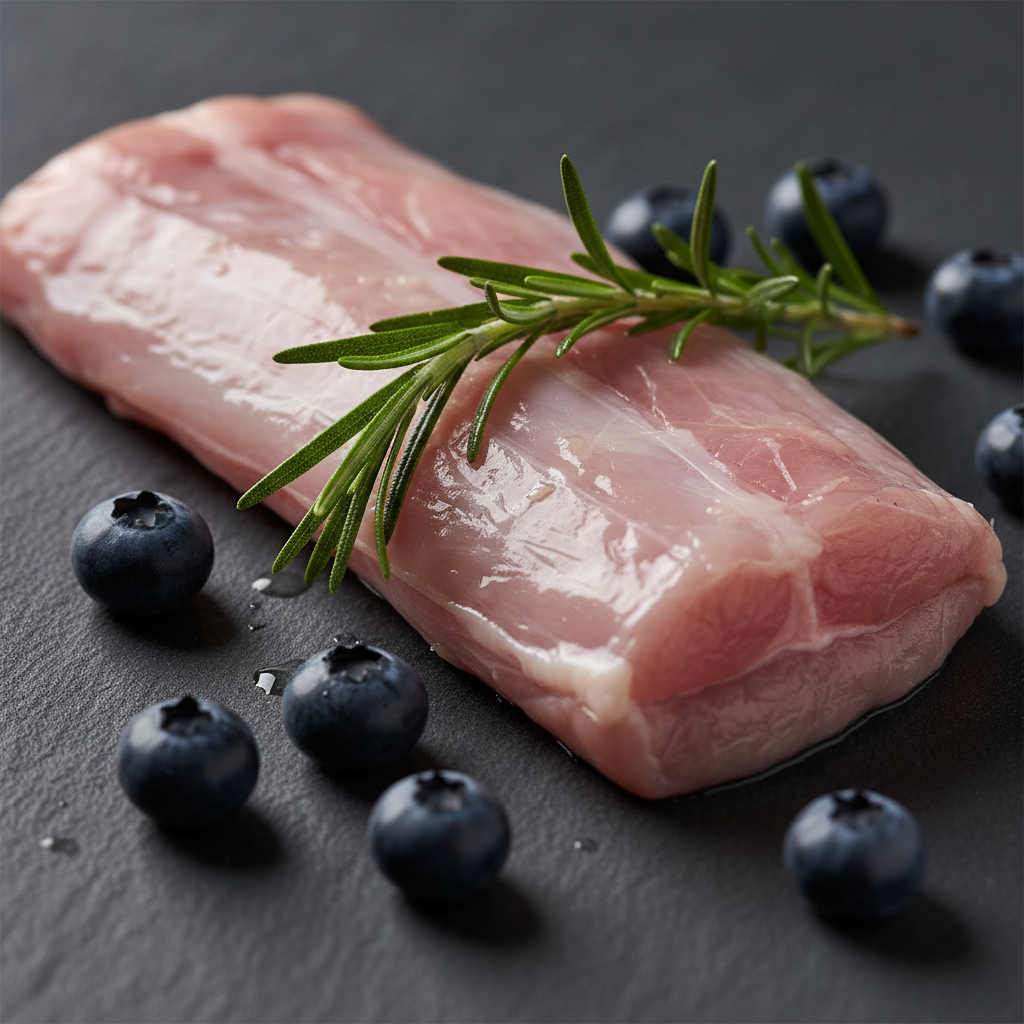
The core principle behind solving food allergies is simple: you can’t be allergic to something your body has never seen before. A ‘novel protein’ is precisely that—a protein source that is new to your dog’s system. By introducing a food built around a protein like rabbit, you effectively hit the reset button on their immune response, giving their inflamed system a chance to calm down and heal.
Rabbit isn’t just a substitute; in many ways, it’s an upgrade. It offers a unique nutritional profile that is exceptionally well-suited for dogs, especially those with sensitivities.
The Nutritional Superiority of Rabbit Meat
- Extremely Hypoallergenic: Because rabbit is not commonly used in dog food, it’s one of the most reliable novel proteins. The statistical probability of a dog having an existing allergy to it is incredibly low.
- High in Protein, Low in Fat: Rabbit is a lean meat, boasting one of the highest protein-to-fat ratios. It’s packed with muscle-building amino acids while being lower in calories and cholesterol than chicken, pork, or beef. This makes it an outstanding choice for maintaining lean body mass and for dogs needing to manage their weight.
- Rich in Essential Nutrients: Rabbit meat is a fantastic natural source of Vitamin B12, which is crucial for nervous system function and energy production. It also contains vital minerals like potassium, phosphorus, and selenium.
- Highly Digestible: The protein structure of rabbit is easily broken down and absorbed by a dog’s digestive system, meaning more nutrients are utilized and there’s less strain on the gut. This is a critical benefit for dogs with sensitive stomachs.
Insider Secret: Beyond the benefits for your dog, rabbit is also one of the most environmentally friendly and sustainable sources of animal protein. Rabbits have a much smaller carbon footprint than cattle or poultry, requiring less land and water. Choosing rabbit is a smart decision for your dog and a responsible one for the planet.
By switching to a rabbit-based diet, you’re not just avoiding an allergen; you are providing a concentrated, easily digestible source of premium nutrition that actively supports your dog’s recovery and long-term health.
Beyond the Bag: A Forensic Guide to Choosing a True Rabbit-Based Formula
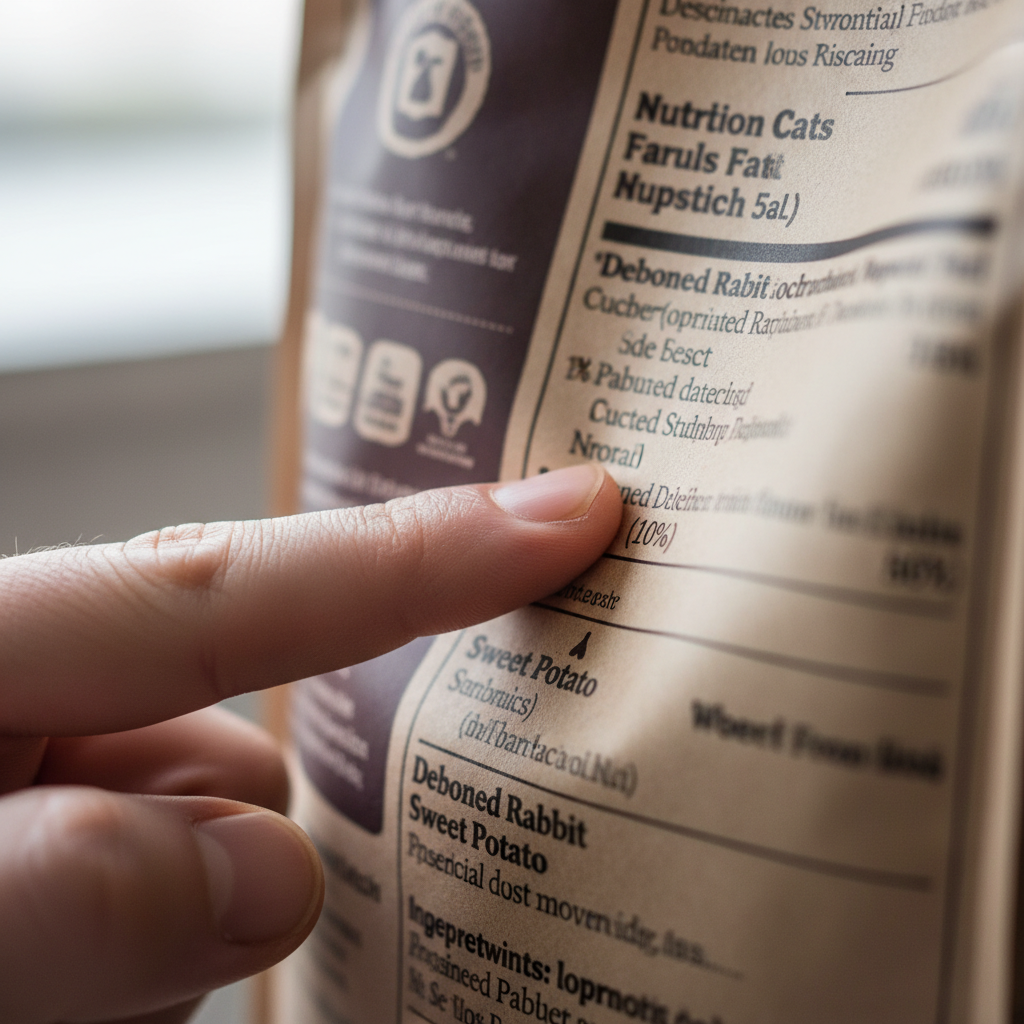
The marketing on the front of the bag is designed to sell. Your job as a Canine Nutrition Hacker is to ignore it and go straight to the fine print: the ingredient panel. A food that screams “REAL RABBIT!” on the front can still be loaded with cheap fillers and even hidden chicken fat that can derail your progress. True hypoallergenic performance comes from a clean, limited-ingredient formula.
The ‘First 5 Ingredients’ Rule
The first five ingredients listed on the label make up the vast majority of the food by weight. This is your truth panel. In a high-quality rabbit formula, you should see rabbit listed as the first, and ideally, the second ingredient (e.g., “Deboned Rabbit” followed by “Rabbit Meal”). Rabbit meal is a concentrated source of protein where the water has been removed, making it a powerful component.
Ingredient Analysis: The Gold Standard vs. The Red Flags
Use this table as your field guide when examining labels. It breaks down what you should demand in a premium formula and what should make you drop the bag and walk away.
| Feature | What to Look For (The Gold Standard) | Red Flag (Avoid This) |
|---|---|---|
| Protein Source | “Deboned Rabbit,” “Rabbit Meal.” Multiple rabbit sources at the top of the list. | Vague terms like “Meat By-products” or “Animal Meal.” Seeing chicken or beef listed anywhere on the panel. |
| Carbohydrate Source | Easily digestible, low-glycemic complex carbs like sweet potatoes, peas, lentils, or pumpkin. | Cheap fillers like “Corn Gluten Meal,” “Wheat Flour,” or “Soybean Meal.” |
| Fat Source | A high-quality named fat source like “Sunflower Oil” or “Flaxseed.” If an animal fat is used, it should be “Pork Fat” or “Lamb Fat”—NEVER “Chicken Fat.” | “Animal Fat” (unspecified source), or worse, “Chicken Fat” in a formula meant to be hypoallergenic. |
| Preservatives | Natural preservatives like “Mixed Tocopherols” (a source of Vitamin E) or rosemary extract. | Artificial preservatives like BHA, BHT, or ethoxyquin. |
A true limited-ingredient rabbit diet should be simple. The goal is to minimize the number of potential allergens. If the ingredient list is a mile long and filled with things you can’t pronounce, it’s not the clean diet your sensitive dog needs.
The Strategic Switch: How to Safely Transition Your Dog to Rabbit-Based Food
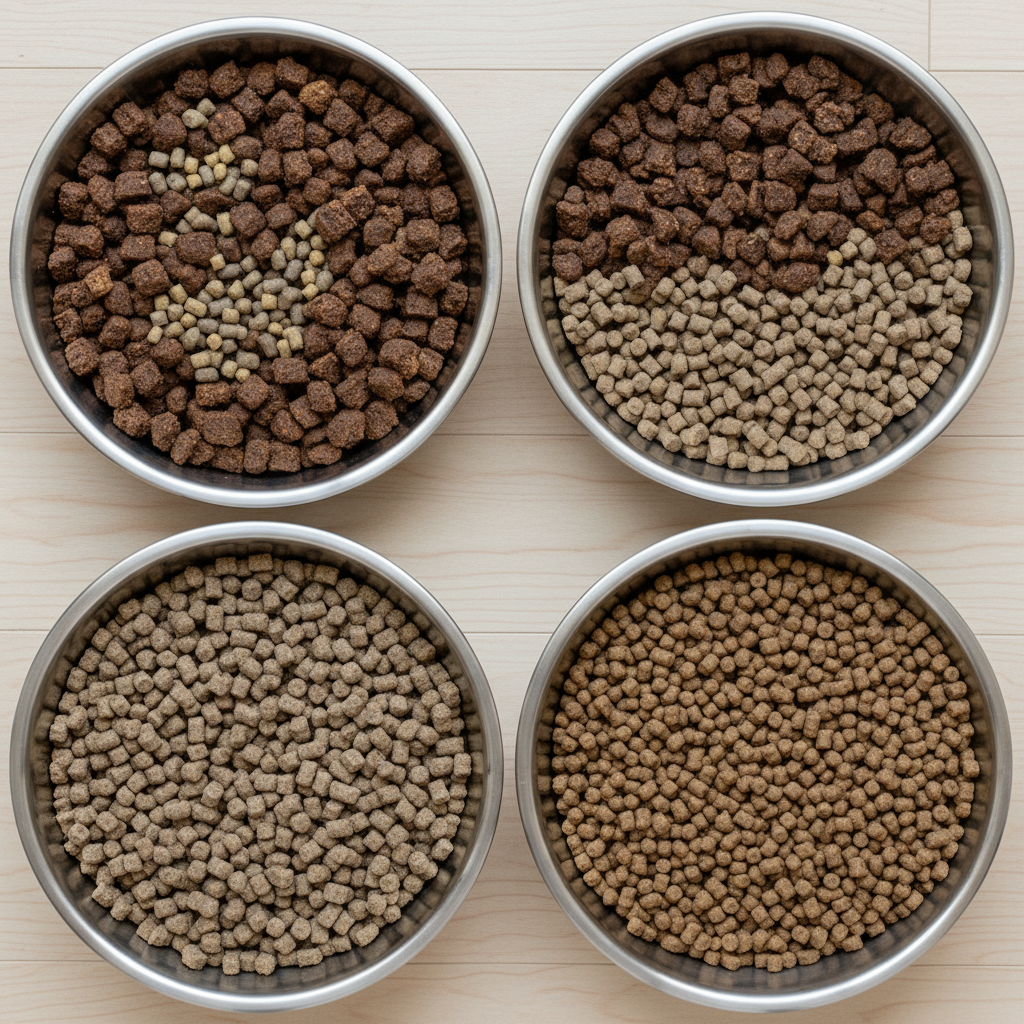
Once you’ve selected a high-quality rabbit formula, you can’t simply swap the food overnight. A dog’s digestive system contains a delicate microbiome of bacteria tailored to its current diet. A sudden change can shock the system, leading to gas, diarrhea, and vomiting—symptoms you’re trying to eliminate. A slow, strategic transition is non-negotiable for success.
The 10-Day Transition Protocol
This gradual approach allows your dog’s gut to adapt to the new ingredients, minimizing the risk of digestive upset. Use a measuring cup for accuracy.
- Days 1-3: 25% new food (rabbit) mixed with 75% old food.
- Days 4-6: 50% new food mixed with 50% old food.
- Days 7-9: 75% new food mixed with 25% old food.
- Day 10 & Beyond: 100% new food.
Observe your dog’s stool throughout this process. If you notice any significant looseness, you can slow the transition down, holding at the current ratio for an extra day or two before proceeding.
Hacker Tip: To give your dog’s gut an extra boost during the transition, add a tablespoon of 100% pure canned pumpkin puree (not pie filling) or a high-quality canine probiotic to their meals. The fiber in pumpkin helps firm up stool, and the probiotics introduce beneficial bacteria to aid digestion of the new protein.
Choosing the Right Format
Rabbit-based diets come in several forms. The best choice depends on your budget, lifestyle, and your dog’s preference.
- Kibble: The most common and convenient option. Look for brands that are baked or cold-pressed to retain more nutrients.
- Canned/Wet Food: Excellent for adding hydration and highly palatable for picky eaters. It can be used as a full meal or a topper for kibble.
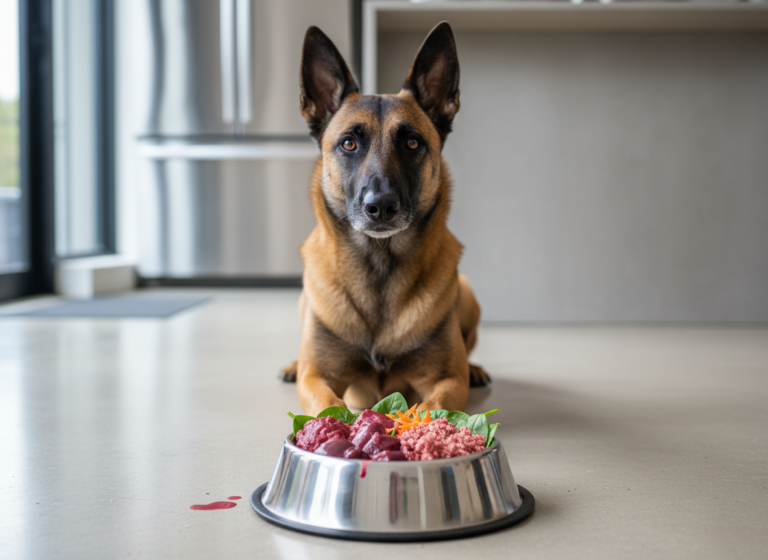
- Freeze-Dried or Dehydrated Raw: Offers the nutritional benefits of a raw diet with the convenience and safety of dry food. You typically rehydrate it with water before serving.
- Frozen Raw: The least processed option, offering maximum nutrient bioavailability. This requires careful handling to ensure food safety.
For many owners, a combination works best. Using a high-quality rabbit kibble as a base and topping it with some rabbit wet food or rehydrated raw can increase palatability and nutritional diversity while managing costs.
Conclusion
Navigating the world of canine nutrition can feel overwhelming, especially when your dog is suffering from food allergies. However, by adopting the mindset of a nutrition hacker, you can cut through the marketing noise and make strategic choices that lead to profound health benefits. Rabbit is more than just a different flavor; it’s a powerful tool in your arsenal against food sensitivities. Its status as a lean, nutrient-dense, and truly novel protein makes it one of the best possible choices for calming an overactive immune system and healing your dog from the inside out.
The power is now in your hands. You know how to identify the enemy ingredients, you know what to look for on an ingredient panel, and you know how to execute a safe transition. By choosing a high-quality rabbit-based food, you are not just feeding your dog—you are providing the specific, targeted nutrition they need to thrive. Take charge of that food bowl and watch your dog transform back into the happy, healthy companion they deserve to be.