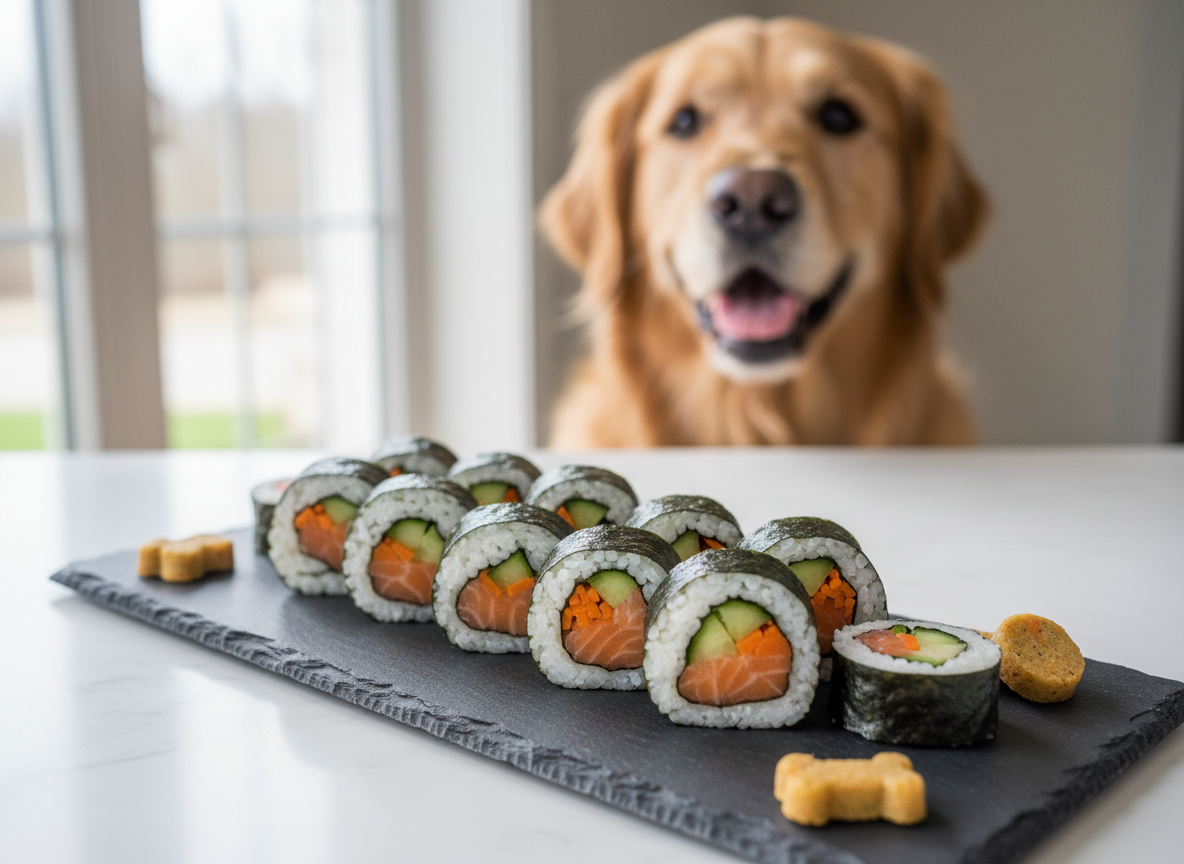
Dog-Friendly Sushi: A Safe and Aesthetic Recipe for Your Pup
The trend of sharing our culinary experiences with our dogs is exploding. From pup-cups to dog-friendly macarons, owners want to give their pets a taste of the good life. Sushi, with its aesthetic appeal and fresh ingredients, seems like a logical next step. But hold on. Before you let your dog near a California roll, you need to understand the significant risks involved. Traditional sushi is a minefield of ingredients that can range from mildly upsetting to downright toxic for canines.
As The Canine Nutrition Hacker, my job is to cut through the cute trends and give you the hard facts. We’re not just making a treat; we’re engineering a safe, nutritionally beneficial, and visually appealing meal enhancement for your dog. This guide will dismantle the dangers of human sushi and provide you with a master blueprint for creating a version that will delight your pup without endangering their health.
SAFETY DISCLAIMER: READ THIS FIRST
I am a canine nutrition analyst, not a veterinarian. The recipe and information provided here are for supplemental feeding and treats only, not to replace a complete and balanced diet. Every dog is an individual with unique dietary needs, allergies, and health conditions. Always consult with your veterinarian before introducing new foods into your dog’s diet, especially if they have pre-existing health issues. This recipe is designed for healthy, adult dogs and should be given in moderation.
Deconstructing Sushi: The Canine Threat Matrix
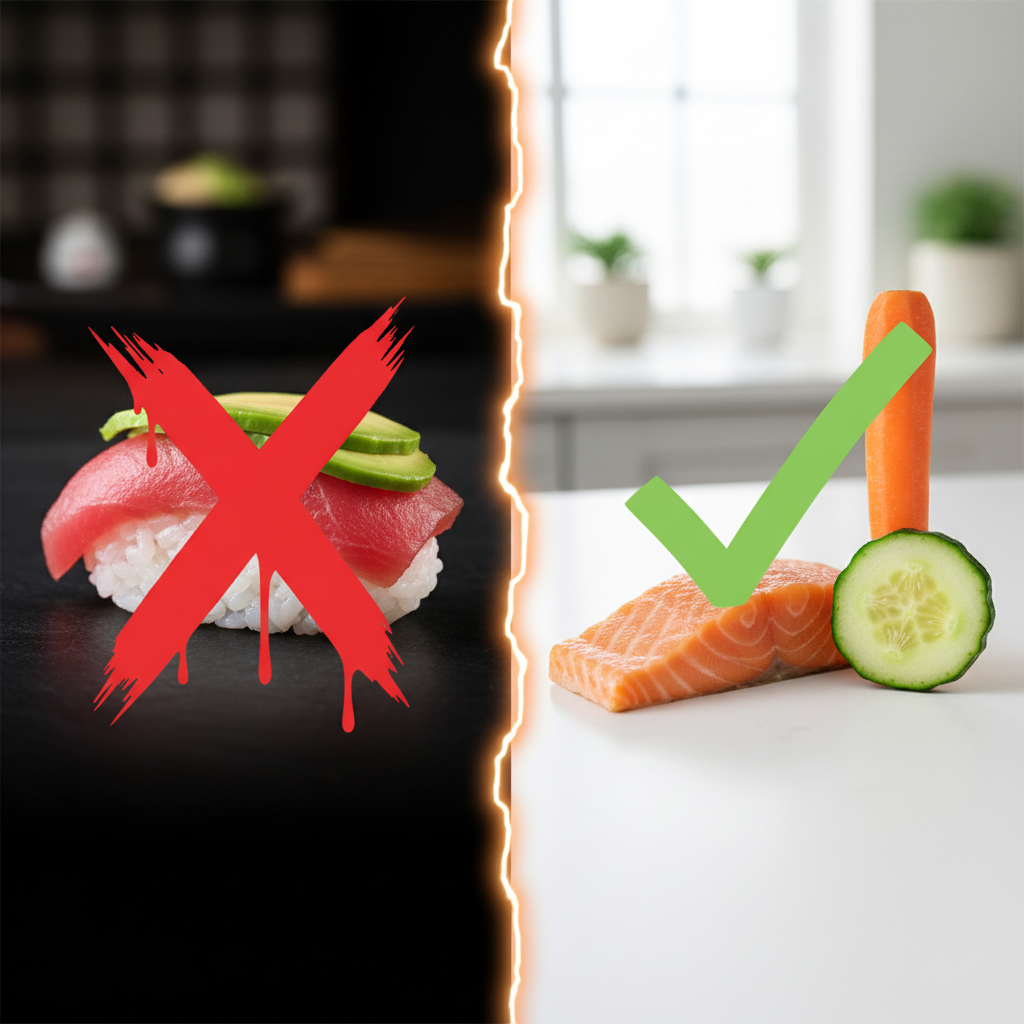
To build a safe recipe, we first must understand the enemy. Human sushi is a carefully balanced combination of flavors and textures, but many of its core components are hazardous for dogs. Let’s put on our forensic hats and analyze the typical sushi platter from a canine perspective.
The Unacceptable Ingredients List
These are non-negotiable. Under no circumstances should your dog consume these common sushi ingredients:
- Raw Fish: This is the biggest danger. While some raw-fed dogs handle specific types of raw fish, the risk of parasites like tapeworms, roundworms, and flukes, as well as bacteria such as Salmonella and Listeria, is unacceptably high for the average pet. Certain fish, particularly salmonids from the Pacific Northwest, can carry a parasite that causes “Salmon Poisoning Disease,” which is often fatal to dogs if left untreated.
- Avocado: A popular ingredient in rolls like the California roll, avocado contains a fungicidal toxin called persin. While dogs are more resistant to persin than other animals, it can still cause vomiting and diarrhea in large quantities. The pit is also a choking hazard and contains the highest concentration of persin. It’s best to avoid it entirely.
- Wasabi & Spicy Mayo: These condiments are far too spicy for a dog’s digestive system. They can cause significant oral and gastric irritation, leading to pain, vomiting, and excessive drooling.
- Soy Sauce: The sodium content in soy sauce is dangerously high for dogs. Even a small amount can lead to salt poisoning, a serious condition that can cause neurological symptoms, seizures, and even death.
- Tempura: Anything fried in batter is a poor choice. The heavy oils, high fat, and excessive calories can lead to gastrointestinal upset, pancreatitis, and contribute to obesity.
- Cream Cheese: While not toxic, many dogs are lactose intolerant. The high fat content in cream cheese can also trigger pancreatitis or lead to an upset stomach.
The Questionable Ingredients
These ingredients aren’t immediately toxic but require careful consideration and preparation.
- Nori (Seaweed): Plain, unsalted seaweed sheets are generally safe for dogs in small quantities and are a good source of vitamins and minerals. However, you must ensure there are no added spices, salts, or oils.
- Sushi Rice: Plain, cooked white rice is safe. However, sushi rice is prepared with vinegar, sugar, and salt. This combination is not ideal for dogs. The added sugar is unnecessary, and the salt contributes to their daily sodium intake. We will use a safer alternative.
- Imitation Crab (Kani): This is a highly processed seafood product made from pollock fish paste (surimi) and loaded with starch, salt, sugar, and artificial flavorings. It offers minimal nutritional value and is essentially a junk food for your dog.
The Canine Nutrition Hacker’s Approved Ingredient Blueprint
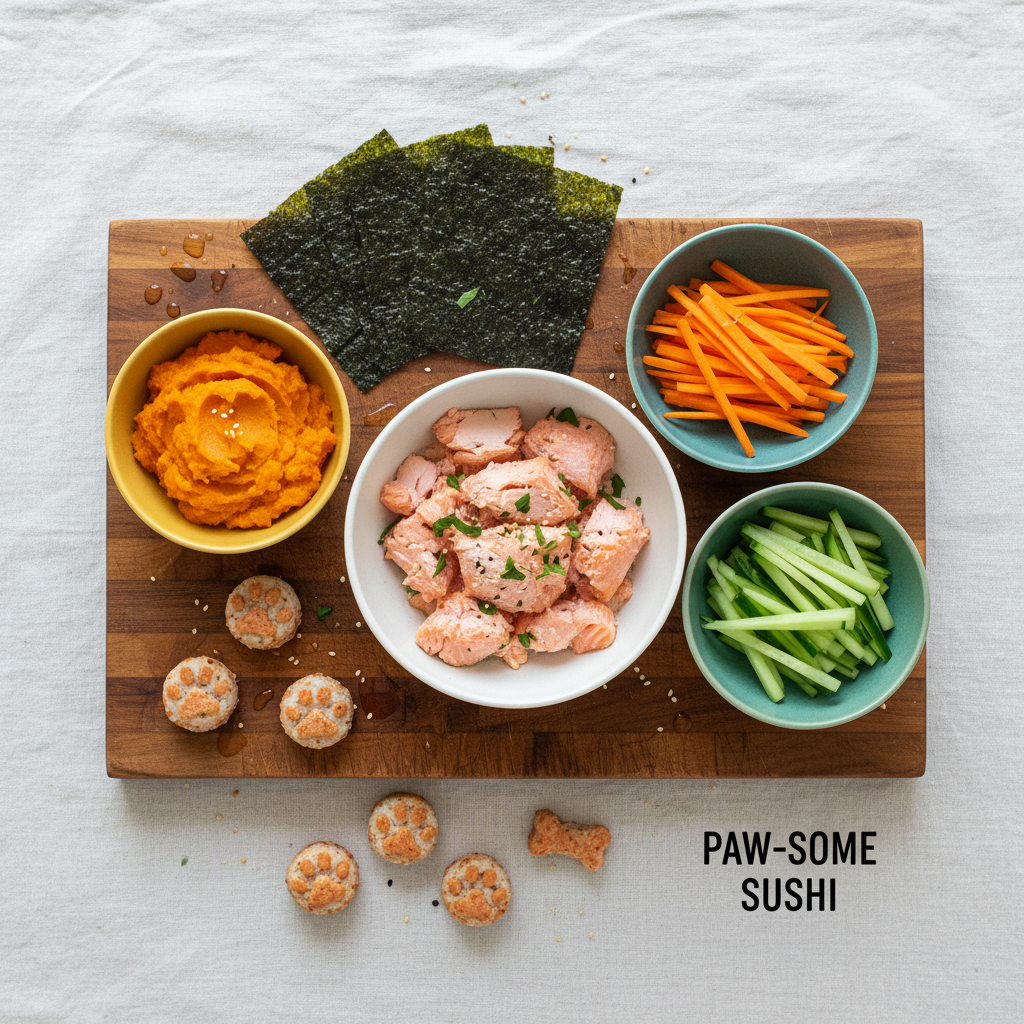
Now that we’ve eliminated the threats, let’s build our arsenal of safe, beneficial, and delicious components. Each ingredient is chosen not just for safety, but for the nutritional value it brings to the table. This is how you turn a simple treat into a powerhouse of health.
The Protein Core: Omega-3 Powerhouses
The star of our sushi must be a high-quality, fully cooked protein. Fish is an excellent choice due to its rich omega-3 fatty acid content, which supports skin and coat health, joint function, and cognitive health.
- Recommended: Cooked Salmon, Mackerel, or Sardines (canned in water, no salt added).
- Preparation: Bake, steam, or poach the fish until fully cooked. Do not add any salt, oil, or seasonings. Once cooled, flake it with a fork. Ensure all bones are removed.
The ‘Sticky Rice’ Solution: Nutrient-Dense Binders
We need a safe, sticky base to hold our rolls together. Instead of seasoned sushi rice, we’ll use dog-friendly alternatives that provide complex carbohydrates and fiber.
- Option 1 (Grain-Free): Mashed Sweet Potato or Pumpkin Puree. These are packed with fiber and beta-carotene. The natural starches create a perfect sticky texture once cooled.
- Option 2 (Grain-Inclusive): Cooked, slightly overcooked brown rice or quinoa. These whole grains provide sustained energy and fiber. Mash it slightly after cooking to increase its stickiness.
The Veggie Crunch: Vitamins & Color
Vegetables add texture, color, and a blast of essential vitamins and minerals. Always use fresh, raw, or steamed vegetables.
- Carrots: Excellent source of Vitamin A. Julienne them into thin matchsticks.
- Cucumber: Hydrating and low in calories. Cut into thin sticks, removing most of the seeds.
- Bell Peppers (Red or Yellow): High in Vitamin C. Slice thinly.
- Zucchini: A good source of vitamins and minerals. Can be used raw or lightly steamed.
The Wrapper: Nori Sheets
We can use traditional nori sheets as the wrapper. They are packed with minerals like iodine, which supports thyroid function. CRITICAL: Read the label. You must buy plain, unsalted, untoasted nori sheets. Many snack versions contain salt, sesame oil, and other seasonings that are not suitable for dogs.
The Blueprint: Step-by-Step Dog Sushi Recipe
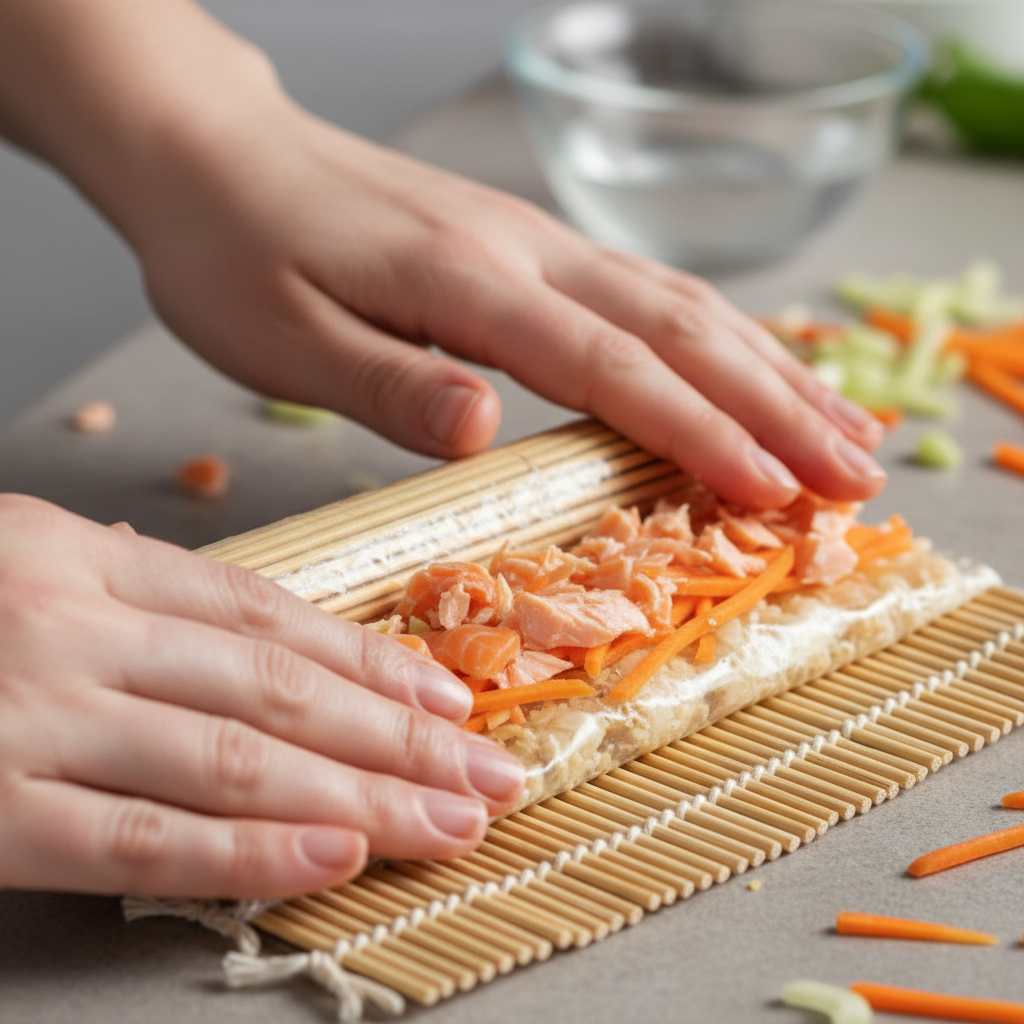
This is where the art and science come together. Follow these steps precisely for perfect, safe doggy sushi rolls every time. This recipe makes approximately 4-5 small rolls, perfect for a week’s worth of special treats for a medium-sized dog.
Ingredients:
- 1 sheet of plain, unsalted nori
- 1/2 cup of ‘Sticky Rice’ Solution (e.g., cooled mashed sweet potato)
- 1/4 cup of flaked, cooked salmon
- 1/4 cup of finely julienned vegetables (e.g., carrot and cucumber matchsticks)
- A bamboo sushi rolling mat (optional, but helpful)
Instructions:
- Prep Your Station: Lay the bamboo mat on a clean, flat surface. Place the sheet of nori on top, shiny side down. Have a small bowl of water nearby.
- Spread the Base: Take your cooled mashed sweet potato or other sticky base and spread it evenly over the nori sheet. Leave about a one-inch border at the top edge of the nori. Don’t press too hard, or you might tear the sheet.
- Layer the Fillings: Arrange the flaked salmon and julienned vegetables in a horizontal line about an inch from the bottom edge of the nori. Don’t overfill, or the roll will be difficult to close.
- The Roll: Using the bamboo mat to help you, lift the bottom edge of the nori and roll it tightly over the fillings. Continue to roll forward, keeping the roll tight and compact.
- Seal the Deal: When you reach the one-inch border you left at the top, dip your finger in the water and lightly moisten the edge of the nori. This will act as a glue to seal the roll shut.
- Slice and Serve: Use a very sharp, slightly wet knife to slice the roll into 1-inch thick pieces. Wiping the knife with a damp cloth between cuts will prevent sticking and ensure clean slices.
Hacker Tip: The ‘Inside-Out’ Roll
For dogs who are hesitant about the texture of nori, create an ‘inside-out’ roll. Lay down a piece of plastic wrap on your bamboo mat. Spread your sticky base on the plastic wrap first. Then, lay a smaller, cut piece of nori on top of the base. Add your fillings and roll it up. The sweet potato or rice will be on the outside, which is often more appealing to picky pups.
Cost Analysis: DIY Sushi vs. Boutique Pet Store Treats
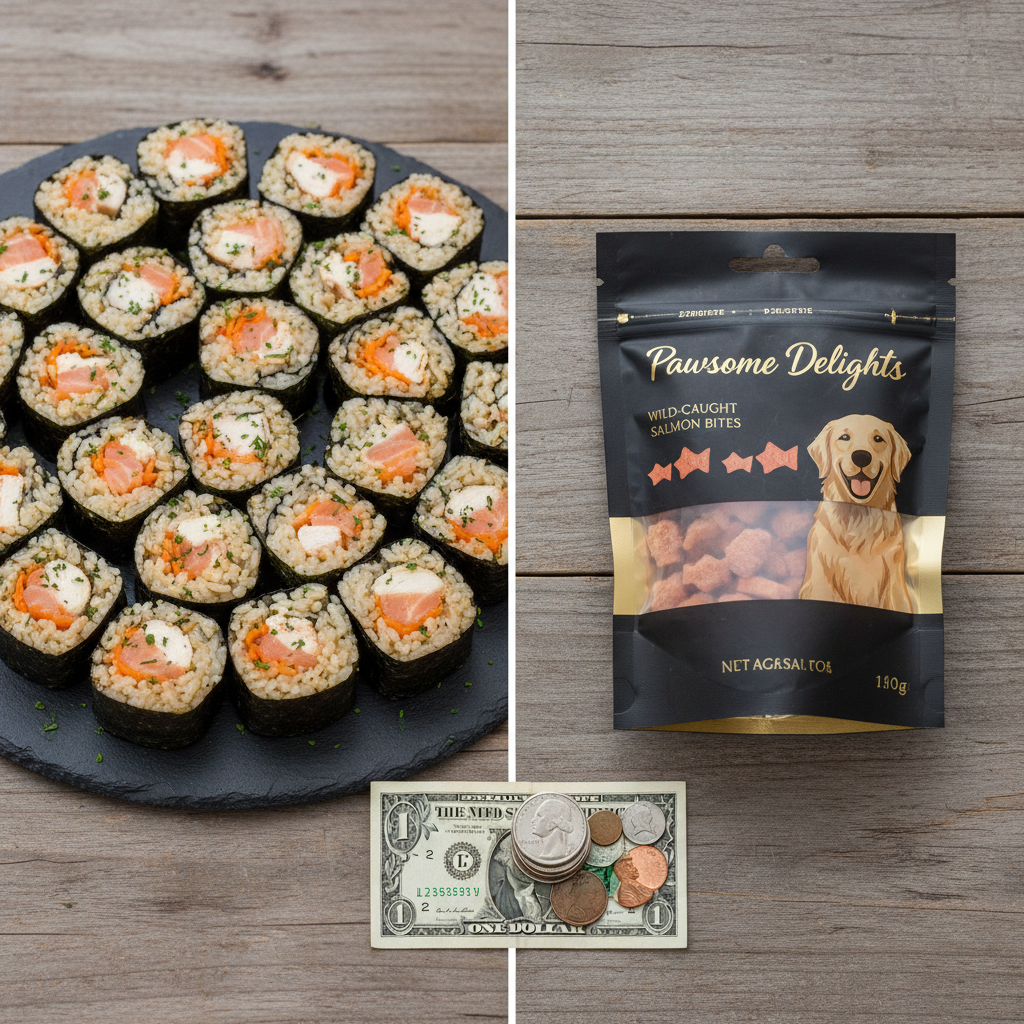
As a savvy owner, you’re not just concerned with health, but also with value. High-end, single-ingredient ‘gourmet’ treats at boutique pet stores can be absurdly expensive. Let’s break down the real cost of our DIY dog sushi versus a typical ‘salmon jerky’ or ‘artisan cookie’ treat.
This analysis assumes you’re making a batch of 5 rolls, yielding approximately 30 individual sushi pieces.
| Metric | DIY Dog-Friendly Sushi (Batch of 30) | Boutique Salmon Jerky Treat (Per Bag) |
|---|---|---|
| Primary Ingredient | 1 can of salmon (~$2.50) | 4oz Salmon (~$12.00) |
| Other Ingredients | 1 sweet potato, 1 carrot, 1 nori sheet (~$3.00) | Often contains glycerin, salt, or preservatives |
| Total Batch Cost | ~$5.50 | ~$15.00 |
| Cost Per Treat | ~$0.18 per piece | ~$0.75 per piece |
| Ingredient Control | 100% control over quality and sourcing. No fillers, no preservatives. | Dependent on brand transparency. Risk of hidden additives. |
| Verdict | Vastly superior value. For a fraction of the price, you get more treats with higher quality, human-grade ingredients and complete control over your dog’s nutrition. The total savings are significant over time. | Convenient but expensive. You pay a premium for processing and packaging, often with lower-quality or unnecessary added ingredients. |
The numbers don’t lie. By investing a small amount of time, you’re not only creating a healthier, more engaging treat but also saving a significant amount of money. You’re looking at a cost savings of over 75% per treat. That’s hacking your dog’s nutrition budget.
Batching & Storage: The Smart Way to Treat
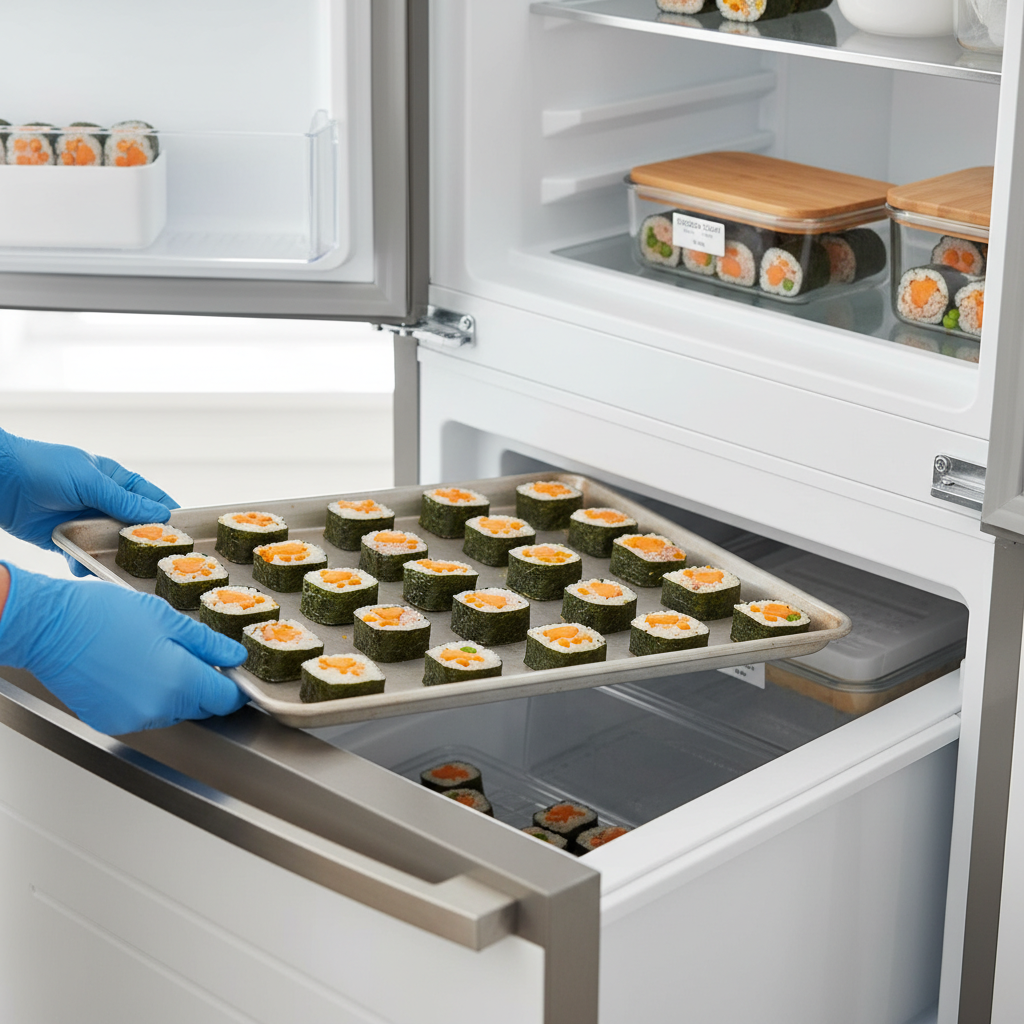
One of the best parts of this recipe is its suitability for batch preparation. You can make a week’s worth of treats in under 30 minutes. However, proper storage is critical to maintain freshness and safety.
Refrigeration Rules
Once sliced, the dog sushi can be stored in an airtight container in the refrigerator. Due to the cooked fish, it’s best to follow these guidelines:
- Maximum Freshness: Consume within 3-4 days.
- Portion Control: Don’t just leave an open plate. Store them in a sealed container to prevent them from drying out and absorbing other fridge odors.
- Serving: Serve directly from the refrigerator.
Freezing for Longevity
If you want to make a larger batch, freezing is an excellent option. This allows you to have treats on hand for weeks.
- Flash Freezing Technique: Place the sliced sushi pieces on a baking sheet lined with parchment paper, ensuring they are not touching. Place the sheet in the freezer for 1-2 hours, or until the pieces are frozen solid. This step is crucial as it prevents them from sticking together in a giant clump.
- Long-Term Storage: Once flash-frozen, transfer the individual pieces into a freezer-safe bag or airtight container. Label the container with the date.
- Storage Duration: They will maintain good quality in the freezer for up to 2 months.
- Thawing and Serving: To serve, simply remove the desired number of pieces from the freezer and let them thaw in the refrigerator for a few hours or at room temperature for about 30-60 minutes. Do not refreeze once thawed.
Remember, these are treats. Even for a large dog, 1-3 pieces per day is a reasonable amount, depending on their overall diet and activity level. Always factor treats into your dog’s total daily caloric intake to prevent unwanted weight gain.
Conclusion
You’ve now moved beyond the realm of a typical pet owner and into the territory of a Canine Nutrition Hacker. You’ve learned to deconstruct a human food trend, identify the inherent dangers, and re-engineer it into something that is not only safe but actively beneficial for your dog. This dog-friendly sushi is more than just an aesthetic treat; it’s a testament to your commitment to providing the absolute best for your companion.
By taking control of the ingredients, you eliminate the risk of harmful preservatives, excessive sodium, and toxic components found in many human foods and even some commercial dog treats. You’re providing a high-value, nutrient-dense snack that supports their health while saving you money. Empower yourself with this knowledge and continue to scrutinize every label and question every ingredient. Your dog depends on you to be their advocate, their chef, and their guardian.