Cheap Homemade Dog Food Recipes That Are Actually Healthy
Let’s cut to the chase. You’re standing in the pet food aisle, staring at a wall of brightly colored bags, each promising a miracle. You read the labels: ‘premium,’ ‘natural,’ ‘holistic.’ Then you look at the price tag and the ingredient list, and a sense of unease creeps in. What exactly is ‘chicken by-product meal’? Why is corn the first ingredient? And why does feeding your best friend a healthy diet have to cost a small fortune? This is the dilemma that traps millions of well-intentioned pet owners. You’re told that the only way to ensure quality is to buy expensive, marketing-driven kibble. I’m here to tell you that’s a calculated lie.
As The Canine Nutrition Hacker, I dissect dog food for a living—not just the marketing, but the science and the economics. The single biggest secret the multi-billion dollar pet food industry doesn’t want you to know is this: with the right knowledge, you can create a nutritionally complete, human-grade meal for your dog for a fraction of the cost of high-end commercial brands. This isn’t about simmering some chicken and rice and calling it a day. That’s a dangerous path to nutritional deficiencies. This is about a strategic, calculated approach to homemade feeding that prioritizes health without destroying your budget.
CRITICAL SAFETY DISCLAIMER: Before we proceed, understand this in no uncertain terms. I am not a veterinarian. The information in this guide is for educational purposes and is the result of extensive research and experience. A homemade diet, improperly balanced, can be far more dangerous than a mid-tier commercial kibble. You MUST consult with your veterinarian or a board-certified veterinary nutritionist before making any significant changes to your dog’s diet. They can help you tailor these recipes to your dog’s specific needs, age, and health conditions, and most importantly, recommend the essential supplements required for a complete and balanced meal. Do not skip this step.
The Real Cost: Hacking Your Dog Food Budget
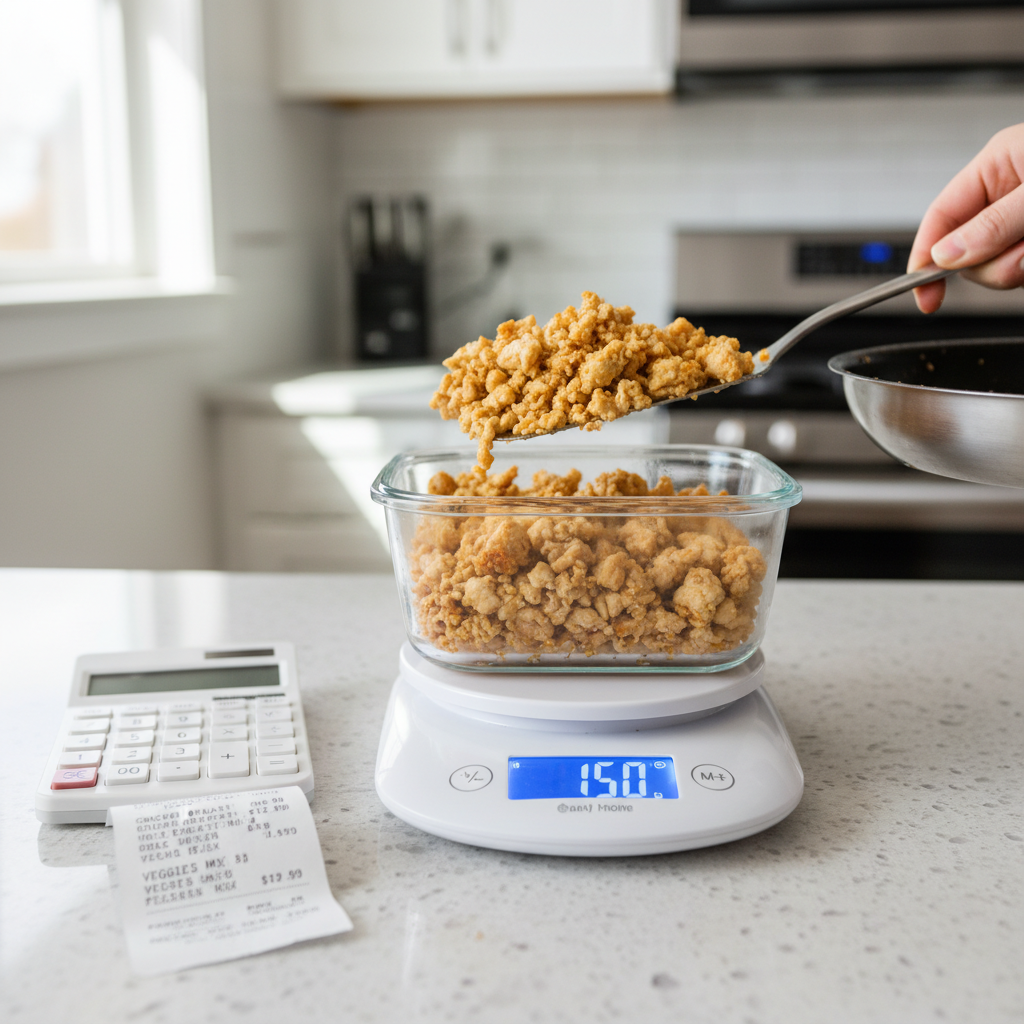
The most common myth about homemade dog food is that it’s a luxury reserved for the wealthy. This is intentionally perpetuated by brands that want to keep you dependent on their products. The reality is that by buying whole ingredients and cooking in batches, you can slash your dog’s food bill significantly. The key is to shop smart and understand the true cost per serving.
Let’s break down the numbers for a moderately active 50-pound dog, comparing a popular ‘premium’ kibble, a trendy ‘fresh food’ subscription service, and our DIY Canine Hacker recipe. Prices are based on average US retail costs and can fluctuate, but the ratios remain consistent.
| Food Type | Primary Ingredients | Estimated Daily Cost (50lb Dog) | Monthly Cost | Verdict |
|---|---|---|---|---|
| Premium Grain-Free Kibble | Deboned Chicken, Chicken Meal, Peas, Lentils, Potato | $2.75 – $3.50 | ~$97.50 | Convenient but expensive for the quality. Often uses legume fillers to boost protein stats. |
| Fresh Food Subscription | USDA Turkey, Carrots, Brown Rice, Spinach, Proprietary Supplement Blend | $5.50 – $8.00+ | ~$210.00+ | Excellent quality but prohibitively expensive for most owners. You’re paying heavily for convenience. |
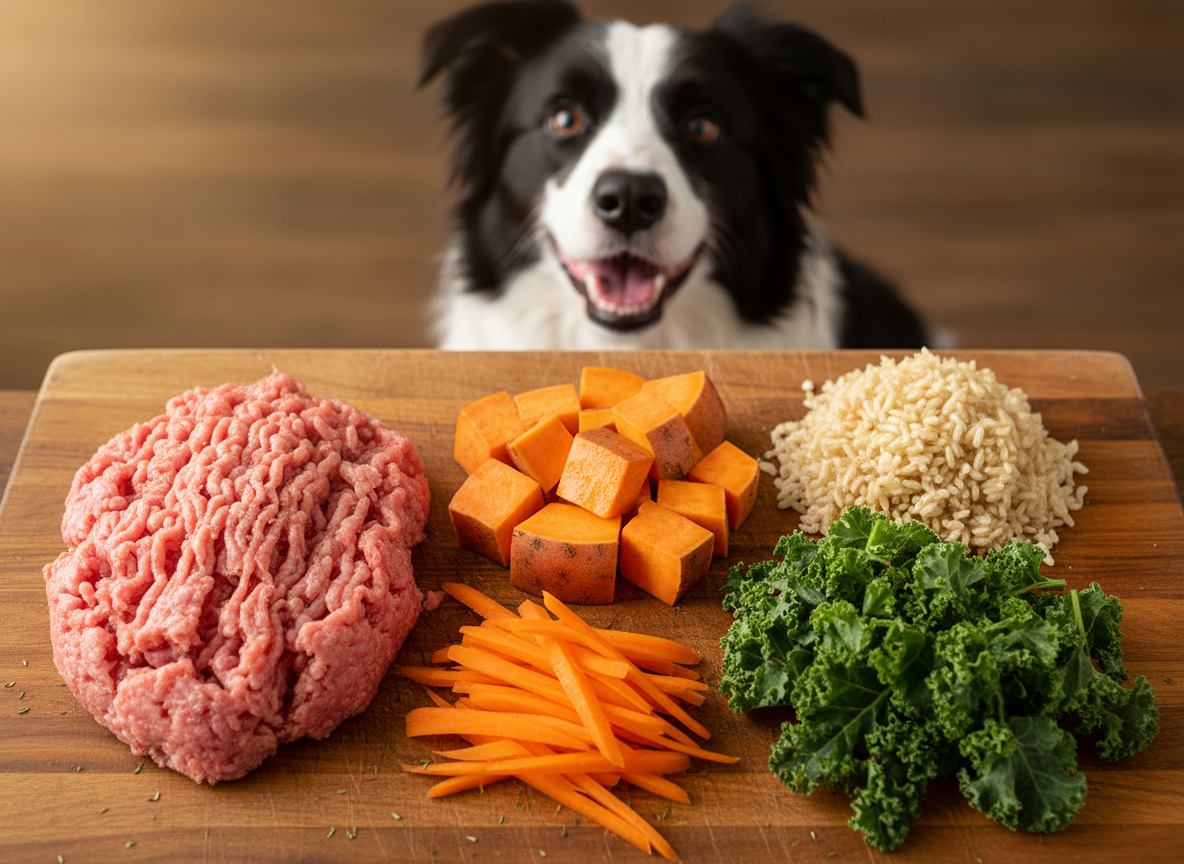
| DIY Canine Hacker Recipe | Ground Turkey, Beef Liver, Sweet Potatoes, Carrots, Kale, Vet-Approved Supplement | $1.80 – $2.20 | ~$60.00 | Unbeatable quality and cost. You control every ingredient, with savings of over 70% vs. subscription services. |
The data is undeniable. By investing a few hours each month to shop for and prepare your dog’s food, you can save over $1,000 per year compared to premium kibble and well over $2,000 compared to subscription services. The quality is not just comparable; it’s superior. You’re using whole, human-grade foods without the high-heat processing that destroys nutrients in kibble.
Hacker Tip: Your freezer is your greatest ally. Buy proteins like ground turkey or chicken when they are on sale in family-sized packs. Cook grains like brown rice or quinoa in large quantities. Wash, chop, and freeze vegetables in pre-portioned bags. This ‘component prepping’ method drastically reduces cooking time on batch day.
The Foundational Formula: Getting the Ratios Right
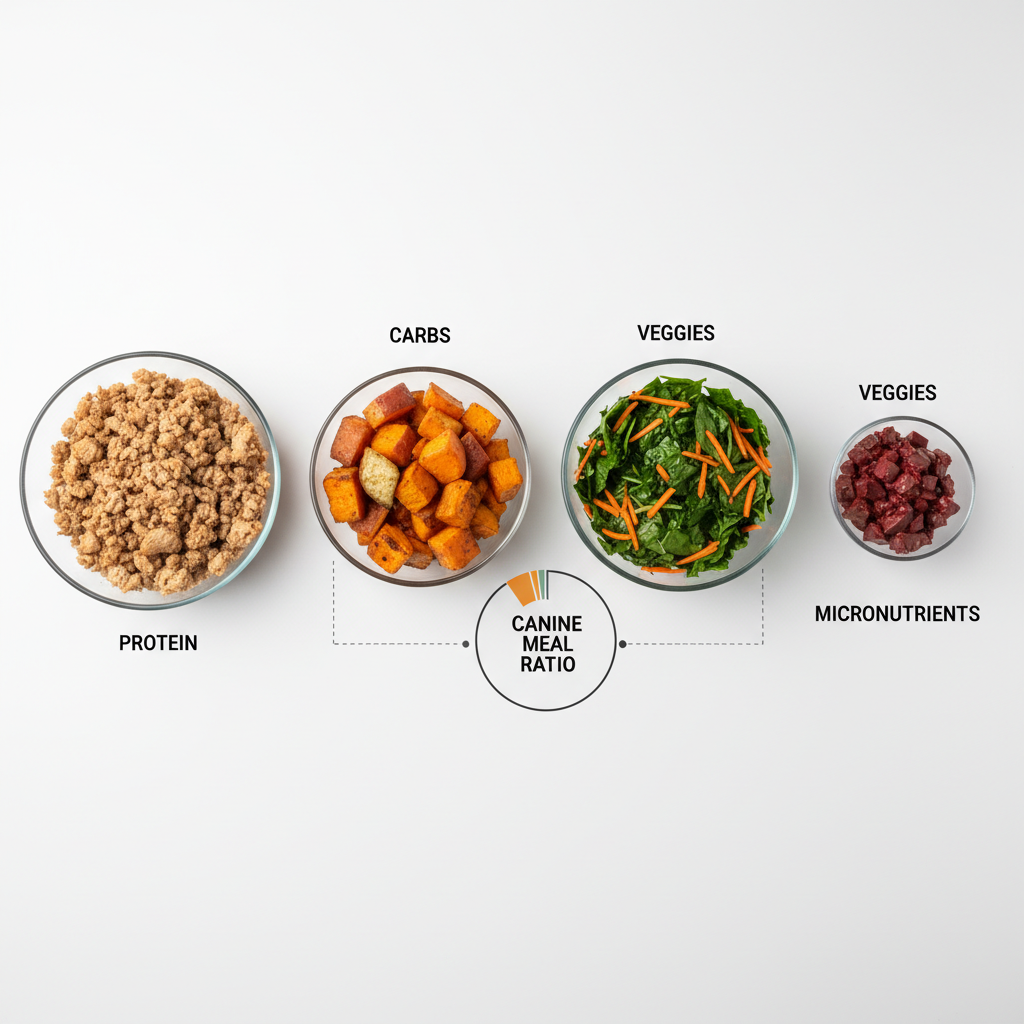
Creating a balanced meal is a science, not guesswork. Simply mixing meat and vegetables will lead to severe health problems over time. Dogs have specific nutritional requirements, most notably the critical ratio of calcium to phosphorus, that must be met. While every dog is an individual, a generally accepted starting point for a healthy adult dog diet follows a specific macronutrient profile. This is our foundational formula.
The Canine Hacker Ratios
This is a baseline formula. Your vet may recommend adjusting these percentages based on your dog’s breed, age, activity level, and any health conditions.
- 40-50% Lean Protein: This is the cornerstone of the diet. It provides essential amino acids for muscle maintenance, tissue repair, and overall function. Examples: Ground turkey (93/7), ground beef (90/10), chicken breast, fish like salmon or sardines (canned in water), lamb.
- 10% Organ Meat: This is a non-negotiable ‘hacker’ secret. Organs like beef liver or chicken liver are nature’s multivitamins. They are densely packed with Vitamin A, B vitamins, iron, and other essential minerals that muscle meat lacks. Do not exceed 10% as too much Vitamin A can be toxic.
- 25-30% Complex Carbohydrates: These provide energy and fiber. Avoid simple fillers like corn and wheat. Opt for nutrient-dense options. Examples: Brown rice, quinoa, sweet potatoes, pumpkin puree, rolled oats.
- 20-25% Vegetables & Fruits: These deliver essential vitamins, minerals, and antioxidants. Avoid toxic options like onions, garlic, grapes, and raisins. Examples: Carrots, spinach, kale, green beans, blueberries, broccoli (in moderation).
The Supplement Mandate
Let me be direct: you cannot meet all of your dog’s nutritional needs with food alone. It is virtually impossible to achieve the correct balance of micronutrients, especially calcium and phosphorus, without supplementation. Failing to do so can lead to metabolic bone disease and other catastrophic health issues. You have two primary options:
- Veterinary Nutritionist Formulation: The gold standard. A veterinary nutritionist will create a custom recipe and supplement plan for your dog.
- Commercial DIY Supplement Blends: Several reputable companies (like Balance IT or Just Food For Dogs) sell nutrient blends specifically designed to be added to homemade food. You input your ingredients, and they provide the exact amount of supplement needed to make the meal complete and balanced according to AAFCO standards. This is the safest and most reliable method for most owners.
Do not simply throw a human multivitamin into the mix. Canine needs are different, and you could cause a toxic overdose of certain vitamins. Invest in a proper canine supplement blend—it is the most important ingredient in your recipe.
The ‘Canine Hacker’ Core Recipes
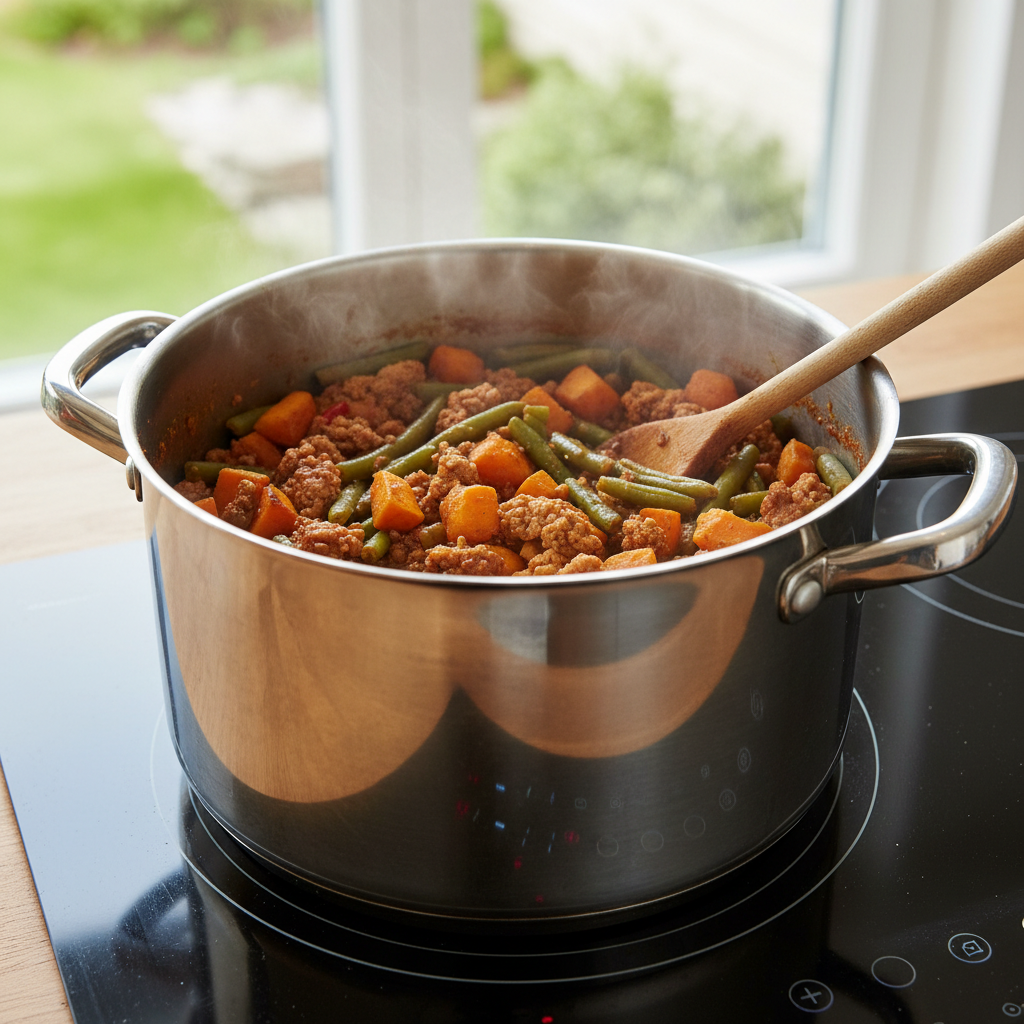
These recipes are based on the foundational formula and are designed to be both nutritionally dense and budget-friendly. Remember to add your vet-approved supplement blend at the end of the cooking process, as instructed by the manufacturer, to ensure the meal is complete and balanced. The following recipes each yield approximately 3 pounds of food, which is about 12 cups.
Recipe 1: The Budget-Friendly Turkey Power Bowl
This is a fantastic starter recipe that’s gentle on the stomach and easy on the wallet. Turkey is a lean protein, and sweet potatoes provide sustained energy and fiber.
- 2 lbs Ground Turkey (93/7)
- 1/4 lb Beef Liver, finely chopped
- 1 large Sweet Potato, washed and diced
- 2 cups Spinach or Kale, chopped
- 1 cup Carrots, grated
- 1/2 cup uncooked Brown Rice
- 1 tablespoon Olive Oil or Coconut Oil
- Water as needed
- Your required amount of a complete supplement blend (e.g., Balance IT)
- Cook the brown rice according to package directions. Set aside.
- In a large stockpot or Dutch oven, cook the ground turkey and beef liver over medium heat until browned. Break it up with a spoon. Do not drain the fat unless there is an excessive amount.
- Add the diced sweet potato, grated carrots, and enough water to just cover the ingredients. Bring to a boil, then reduce heat and simmer for 15-20 minutes, or until the sweet potato is tender.
- Turn off the heat and stir in the chopped spinach or kale. The residual heat will wilt it.
- Combine the meat/vegetable mixture with the cooked brown rice and the olive oil. Stir until thoroughly mixed.
- Allow the food to cool to room temperature. This is critical. Once cool, add your vet-approved supplement blend and mix thoroughly. Adding it to hot food can degrade certain vitamins.
Recipe 2: The Fish & Quinoa Omega Boost
This recipe is excellent for skin and coat health, thanks to the omega-3 fatty acids in salmon and sardines.
- 1.5 lbs Salmon Fillets (skin-on is fine) or 4-5 cans of salmon in water
- 1 can (3.75 oz) Sardines in water, mashed
- 1/2 lb Chicken Livers, finely chopped
- 1 cup uncooked Quinoa
- 2 cups Green Beans, chopped
- 1 cup Zucchini, grated
- 1 tablespoon Flaxseed Oil
- Water as needed
- Your required amount of a complete supplement blend
- Cook the quinoa according to package directions. Set aside.
- If using fresh salmon, bake or poach it until cooked through, then flake it with a fork. If using canned, simply drain it.
- In a large stockpot, gently cook the chicken livers until they are no longer pink.
- Add the flaked salmon, mashed sardines, green beans, and zucchini to the pot. Add a small amount of water if needed and simmer for 10 minutes until vegetables are tender.
- Turn off the heat. Combine the fish/vegetable mixture with the cooked quinoa and flaxseed oil.
- Allow to cool completely before mixing in your supplement blend.
Batch Cooking & Storage: The Time-Saving Hack
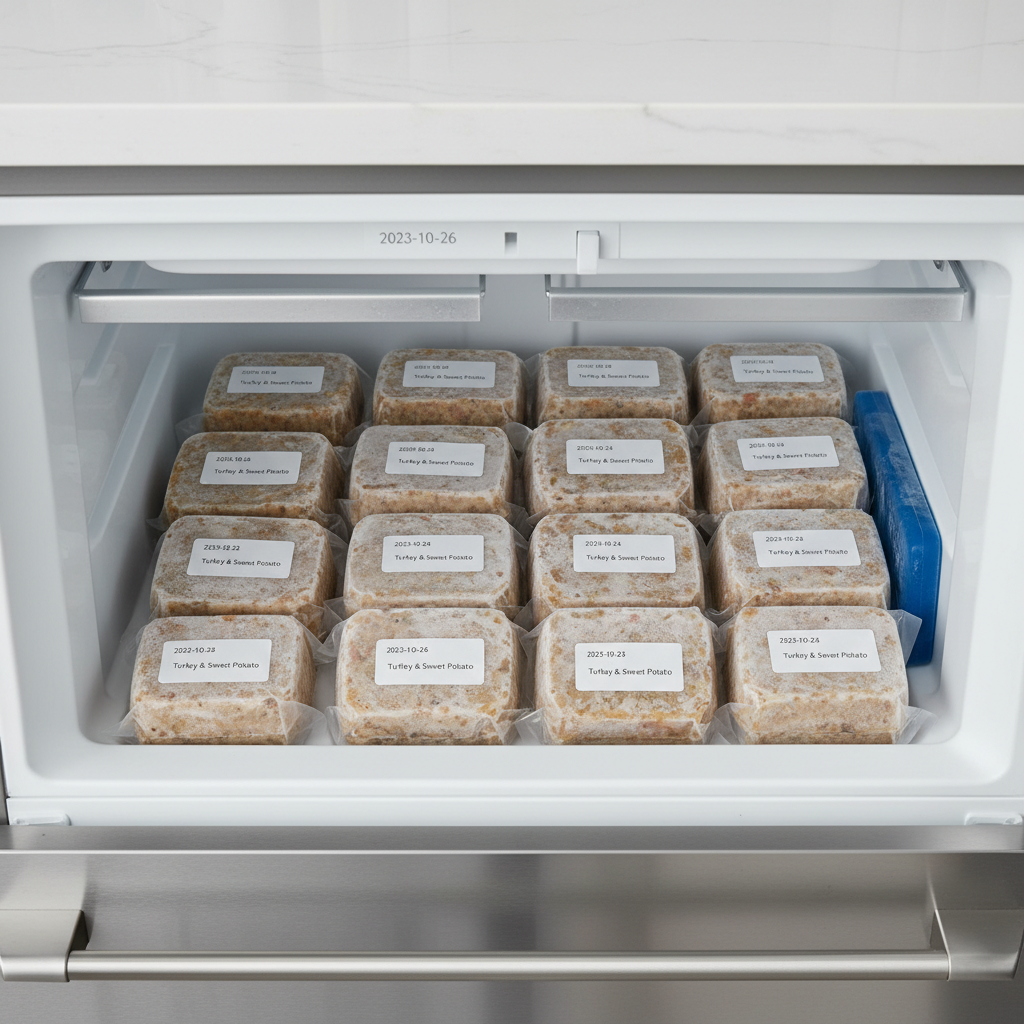
The secret to maintaining a homemade diet without living in your kitchen is mastering the art of the batch cook. By dedicating a few hours once or twice a month, you can prepare weeks’ worth of food, making daily feeding as simple as scooping kibble from a bag.
The Assembly Line Method
- Prep Your Components: Before you start cooking the main meal, get everything ready. Cook all your grains (rice, quinoa) in a large batch. Wash and chop all your vegetables. This is where a food processor can be a massive time-saver for shredding carrots or dicing vegetables.
- Cook Your Proteins: In your largest stockpot, cook all your muscle and organ meats together. This saves time and allows the flavors to meld.
- Combine and Cool: Once the proteins and hard vegetables (like sweet potatoes) are cooked, combine them with the grains and raw leafy greens. Spread the mixture out on baking sheets if you need to speed up the cooling process. It’s essential that the food is completely cool before you portion and freeze it to prevent bacterial growth and freezer burn.
- Supplement and Portion: Once cool, mix in your supplement blend. Use a kitchen scale for accuracy. Portion the food into individual meal sizes based on your dog’s daily caloric needs. This prevents over or under-feeding.
Smart Storage Solutions
- Freezer Bags: Simple, cheap, and effective. Portion meals into quart or gallon-sized freezer bags. Squeeze out all the air before sealing and lay them flat to freeze. This saves a tremendous amount of freezer space.
- Reusable Containers: Glass or BPA-free plastic containers are great for portioning. They are easy to stack and can go straight into the microwave for gentle defrosting if needed.
- Silicone Molds: For smaller dogs, large silicone ice cube trays or muffin tins are perfect. Freeze the portions, then pop them out and store them in a large freezer bag. You can grab the exact number of ‘pucks’ you need for each meal.
A batch of homemade food will typically last 3-4 days in the refrigerator and up to 3 months in the freezer. Always label your containers or bags with the date they were made.
Hacker Tip: An Instant Pot or a large slow cooker is a game-changer for batch cooking. You can cook all the ingredients (except for leafy greens and supplements) together in one pot with minimal supervision. This ‘dump and go’ method frees you up to do other things while your dog’s healthy, delicious food cooks itself.
Conclusion
Transitioning to a homemade diet is one of the most powerful decisions you can make for your dog’s long-term health and vitality. You’ve seen that it’s not only healthier—offering fresh, unprocessed, human-grade ingredients—but it can also be significantly cheaper than relying on commercially produced foods. By taking control of your dog’s bowl, you become their ultimate health advocate, eliminating fillers, questionable preservatives, and low-quality ingredients for good.
However, this power comes with great responsibility. Remember the non-negotiable rules: this journey must be taken in partnership with your veterinarian or a veterinary nutritionist. Nutritional balance is a science, and the addition of a proper supplement blend is the critical step that transforms a simple meal into complete, life-sustaining nutrition. Do your research, invest the time in batch cooking, and never, ever guess when it comes to your dog’s health.
You now have the blueprint. You have the knowledge to hack the system, bypass the marketing hype, and provide your loyal companion with the best possible nutrition at a price you can actually afford. Welcome to the world of the Canine Nutrition Hacker.