
Why Alligator Meat is the Ultimate Hypoallergenic Protein for Dogs
If you’re reading this, you’re likely at your wit’s end. You’ve tried the grain-free, the limited-ingredient, the ‘sensitive stomach’ formulas, yet your dog is still scratching relentlessly, suffering from ear infections, or plagued by digestive issues. You’re not alone. You’re caught in a cycle perpetuated by the pet food industry, a cycle of treating symptoms instead of eliminating the root cause. The problem, more often than not, is the protein source itself.
For years, we’ve been told that chicken, beef, and lamb are the gold standards of canine nutrition. But for a growing number of dogs, these proteins have become the enemy. Their immune systems, overexposed and overwhelmed, have flagged these common ingredients as threats, triggering a cascade of allergic reactions. The answer isn’t another variation of the same old formula. The answer is to go tactical. The answer is a truly novel protein—one your dog’s system has never encountered before. This is where we, as Canine Nutrition Hackers, gain the upper hand. And our secret weapon is alligator.
Medical Disclaimer: I am a canine nutrition analyst, not a veterinarian. The information in this article is based on extensive research and analysis of pet food science. Always consult with your veterinarian before making significant changes to your dog’s diet, especially if they have pre-existing health conditions.
Decoding Canine Food Allergies: The ‘Usual Suspects’ in Your Dog’s Bowl
Before we can deploy a solution, we must first identify the enemy. A true food allergy is an immune-mediated response to a specific ingredient, almost always a protein. The body mistakenly identifies a harmless protein molecule as a dangerous invader and launches an inflammatory attack. The result? The chronic itching, skin infections, and gastrointestinal distress you know all too well.
The Protein Problem: Overexposure is the Culprit
Why are proteins like chicken and beef the most common offenders? It’s a simple matter of exposure. These have been the most common protein sources in dog food for decades. Generations of dogs have consumed them, leading to a higher probability of their immune systems becoming sensitized. It’s not that these proteins are inherently ‘bad,’ but their ubiquity has made them the primary triggers for food-allergic dogs.
The Top Protein & Grain Offenders Include:
- Chicken: The number one offender in most veterinary studies.
- Beef: A close second, found in countless foods and treats.
- Dairy & Egg: Often used as binders or protein boosters, they are common culprits.
- Lamb: Once considered hypoallergenic, its widespread use has now made it a common allergen.
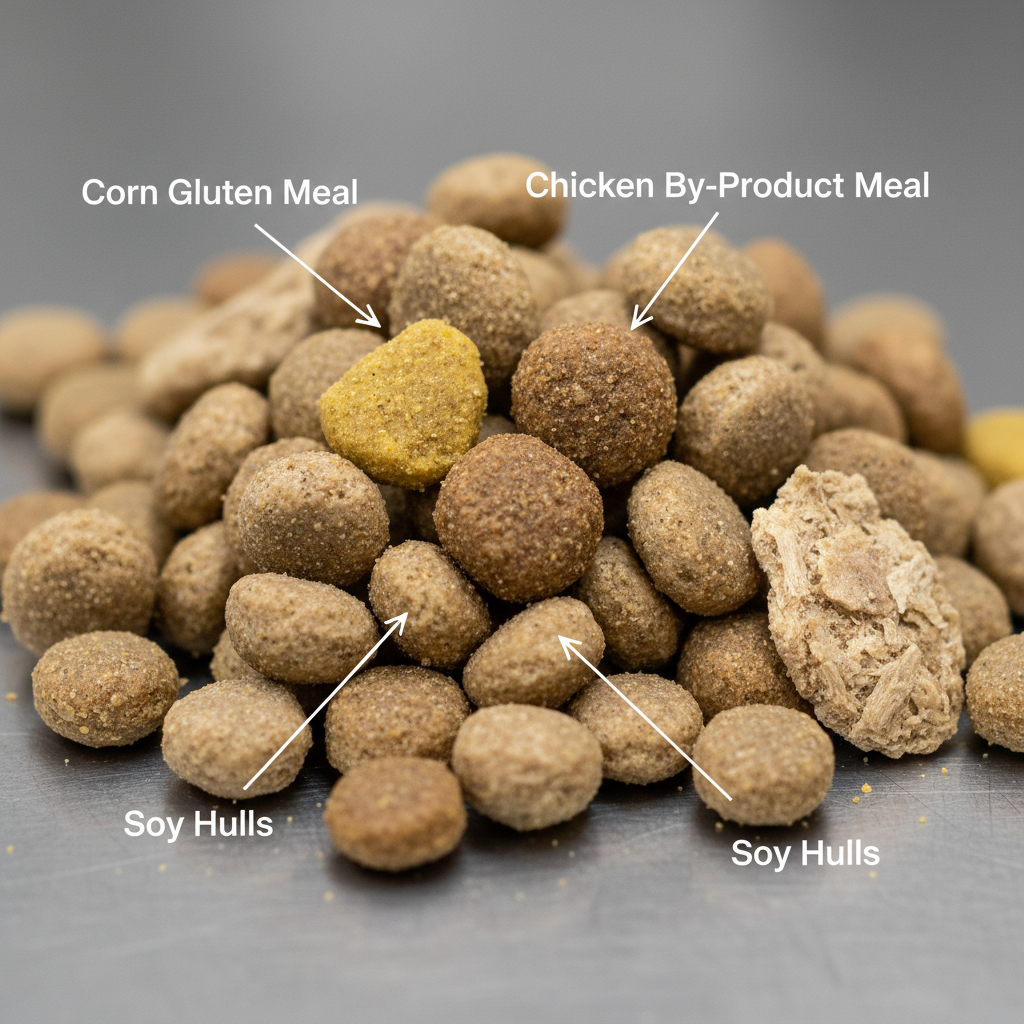
- Soy: A cheap plant-based protein filler that is a notorious allergen for many dogs.
- Wheat & Corn: While grain allergies are less common than protein allergies, the gluten in these ingredients can trigger sensitivities and add to the overall inflammatory load.
Insider Secret: Don’t be fooled by ‘Chicken Flavor.’ If your dog is allergic to chicken, even the flavoring can be enough to trigger a reaction. You must scrutinize the entire ingredient panel for any mention of the offending protein, including ‘hydrolyzed chicken protein’ or ‘chicken fat.’ While the fat is less likely to cause a reaction, a zero-tolerance policy is the safest approach during an elimination diet.
The Power of Novel Proteins: Breaking the Allergic Cycle

If the problem is an immune system that’s over-reactive to familiar proteins, the solution is logically simple: introduce a protein it has never seen before. This is the entire principle behind a ‘novel protein’ diet. A novel protein is one that is so uncommon in commercial pet foods that your dog has virtually zero chance of having been exposed to it before. Without prior exposure, there’s no pre-programmed allergic response from the immune system. The inflammatory cycle is broken.
For years, veterinarians and nutritionists have used proteins like duck, venison, and even kangaroo as novel options. And for many dogs, these work—for a time. The problem is that as these proteins gain popularity, they become less ‘novel.’ Duck is now a common ingredient in many over-the-counter foods. Venison is appearing more frequently. The more they are used, the more likely they are to eventually become allergens themselves.
To truly solve the problem for the most sensitive dogs, we must go beyond the common novel proteins. We need to find a protein that is nutritionally complete, highly digestible, and so rare in the pet food landscape that it offers a true ‘clean slate’ for the immune system. This is precisely why alligator meat has emerged as the ultimate choice for canine nutrition hackers.
Forensic Analysis: Why Alligator Meat Reigns Supreme

Alligator isn’t a gimmick; its effectiveness is rooted in nutritional science and biology. When we break down its properties, it becomes clear why it’s a superior choice for dogs with food allergies and sensitivities.
Hypoallergenic Purity
This is its greatest strength. The probability that your dog has ever been exposed to alligator protein is practically zero. This makes it the perfect protein for an elimination diet to confirm a food allergy or as a long-term solution for a highly allergic dog. It provides a complete reset for the immune system.
Lean, Powerful Nutrition
Alligator is not just an empty hypoallergenic placeholder; it’s a nutritional powerhouse. It’s a very lean white meat, incredibly rich in protein but low in fat. This is ideal for dogs who need to maintain lean muscle mass without the extra calories that can lead to weight gain. It’s also packed with essential nutrients.
Let’s put it head-to-head with the most common allergen, chicken, in a direct comparison:
| Nutritional Metric | Alligator Meat (per 100g) | Chicken Breast (per 100g) | The Hacker’s Verdict |
|---|---|---|---|
| Protein | ~29g | ~31g | Highly comparable, providing excellent muscle support. |
| Fat | ~4g | ~3.6g | Both are very lean, but alligator is naturally low in the saturated fats that can be problematic. |
| Omega-3 Fatty Acids | High | Low | Clear Winner. Alligator is rich in anti-inflammatory Omega-3s, which directly help combat the inflammation caused by allergies. |
| Common Allergen Status | Extremely Rare | #1 Most Common | The Deciding Factor. For an allergic dog, this is the most critical metric. |
Exceptional Digestibility
Some proteins are harder for a dog’s digestive system to break down. Alligator meat is known for being highly digestible, meaning your dog can absorb and utilize more of the nutrients with less gastrointestinal strain. This translates to better nutrient absorption, firmer stools, and less gas—a welcome bonus for any pet owner.
The Bottom Line: Integrating Alligator Protein Into Your Dog’s Diet

Sourcing an alligator-based dog food is the first step. Implementing it correctly is the second. A sudden switch to any new food, even a hypoallergenic one, can cause digestive upset. You must follow a strict transition protocol to allow your dog’s gut bacteria to adapt.
The 10-Day Transition Protocol
This slow transition minimizes the risk of diarrhea or vomiting. Adjust the ratio based on your dog’s individual sensitivity.
- Days 1-3: 75% old food, 25% new alligator-based food.
- Days 4-6: 50% old food, 50% new alligator-based food.
- Days 7-9: 25% old food, 75% new alligator-based food.
- Day 10: 100% new alligator-based food.
Reading the Label Like a Pro
Not all alligator dog foods are created equal. The market is filled with brands that use marketing tricks to sell inferior products. You must become a forensic analyst of the ingredient label.
Hacker Tip: The first ingredient is everything. The label must list ‘Alligator’ or ‘Deboned Alligator’ as the very first ingredient. Avoid foods that lead with a filler like corn or rice, or use vague terms like ‘meat meal.’ Also, be wary of foods that list alligator but also include a common allergen like ‘chicken fat’ further down the list. For a true elimination diet, you need a single-source protein formula.
Look for limited-ingredient diets (LIDs) where alligator is the sole animal protein. This ensures you are not accidentally introducing another potential allergen. The ideal food will pair alligator with easily digestible carbohydrates like sweet potato or peas, rather than common grain fillers.
Conclusion
For the owner of a dog with chronic food allergies, the journey can feel isolating and frustrating. You’ve been battling symptoms with medication and specialized diets that only offer temporary relief. It’s time to change the strategy. By understanding the science of novel proteins and leveraging a powerful, truly hypoallergenic source like alligator, you can move beyond managing symptoms and start solving the problem at its core.
Choosing an alligator-based diet is an advanced nutritional hack. It’s a definitive step to break the allergic cycle, calm your dog’s over-reactive immune system, and provide them with the lean, anti-inflammatory protein they need to thrive. Stop chasing relief and start demanding resolution. The power to end the itching and discomfort is, and always has been, in the food bowl.