Raw vs. Dehydrated Chicken Feet: Natural Glucosamine for Joints
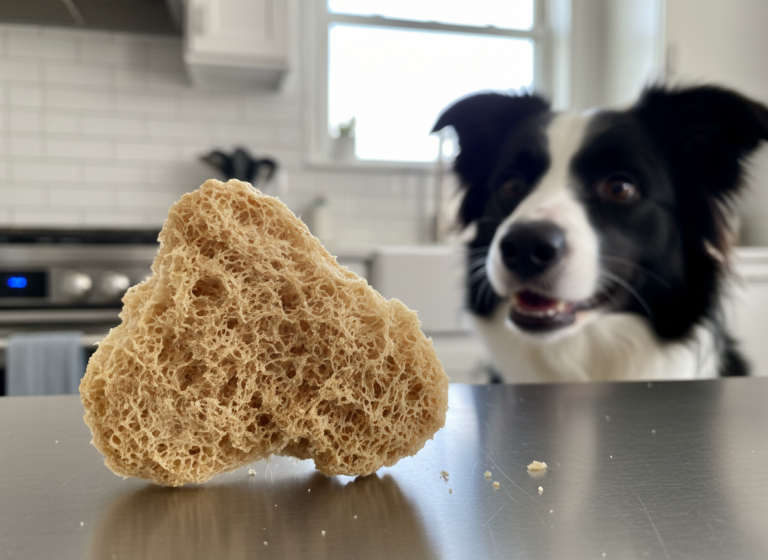
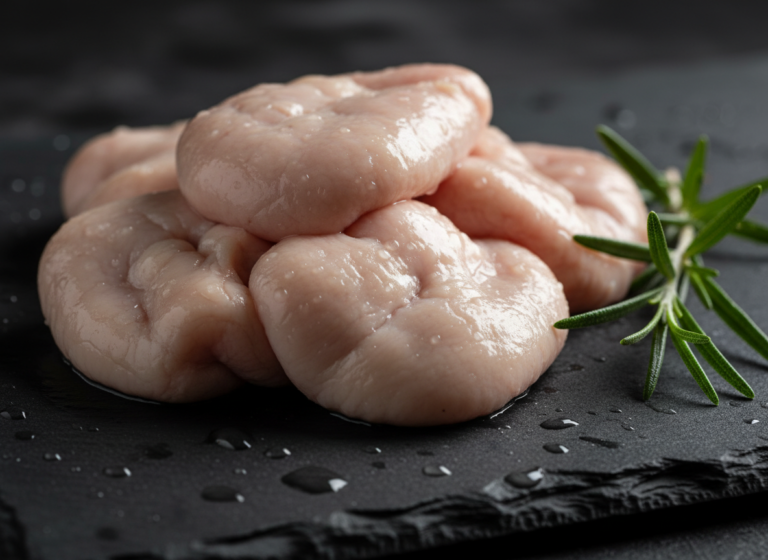
In the world of canine nutrition, we’re constantly bombarded with slick marketing for expensive supplements promising to turn back the clock on our dogs’ joint health. But what if one of the most powerful, natural, and affordable solutions is hiding in plain sight at your local butcher? I’m talking about the humble chicken foot. As The Canine Nutrition Hacker, my job is to cut through the noise and analyze what truly works. Chicken feet are a biological treasure trove of glucosamine, chondroitin, and collagen—the literal building blocks of healthy cartilage. The real question isn’t if you should use them, but how. Today, we’re putting two methods under the microscope in a head-to-head battle: Raw vs. Dehydrated. We will dissect the nutritional science, expose the safety risks, and run a full cost-benefit analysis to determine the undisputed champion for your dog’s mobility and your wallet.
The Anatomy of a Joint-Saving Superfood
The Anatomy of a Joint-Saving Superfood
Before we can compare preparation methods, you need to understand precisely why a chicken foot is more than just a gruesome-looking chew. It’s a complete, whole-food delivery system for joint support. Unlike a processed pill or powder that contains isolated, synthetic compounds, a chicken foot provides a synergistic blend of nutrients in their most natural state.
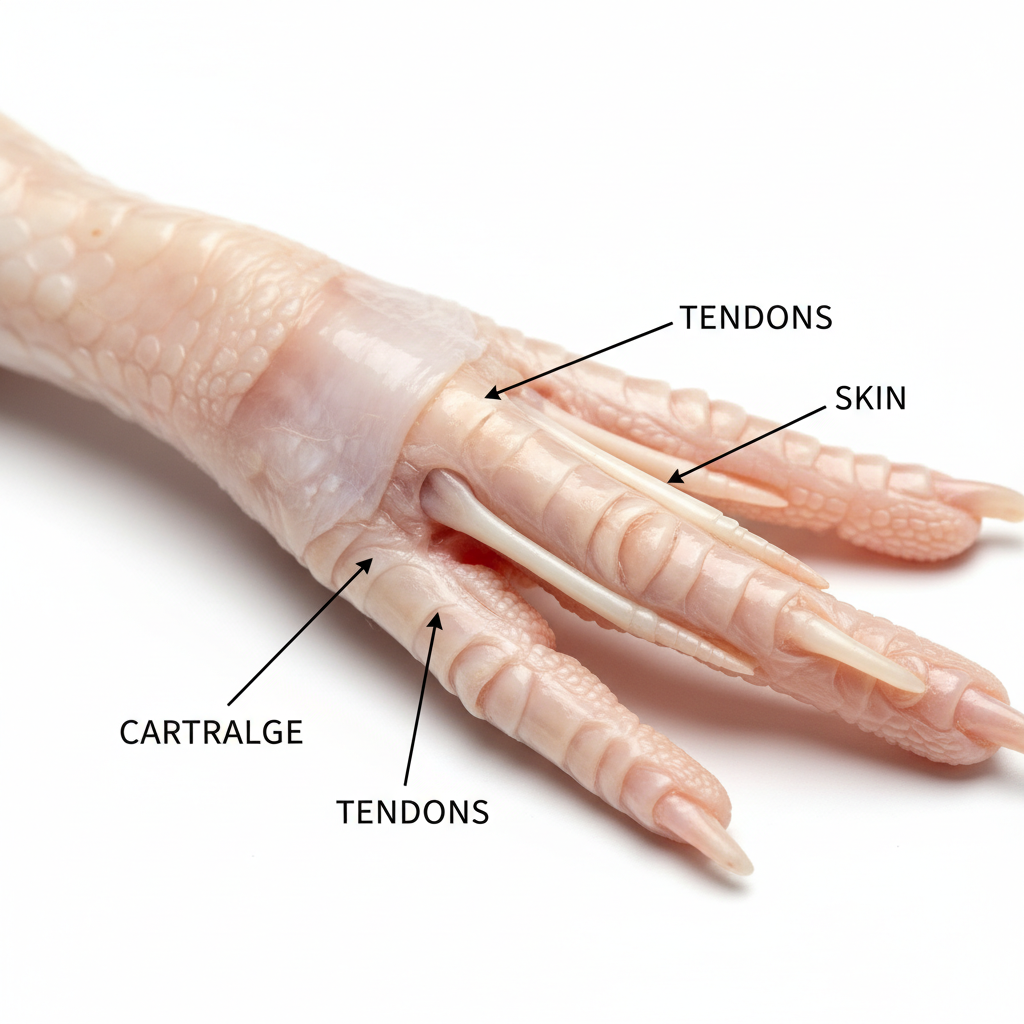
Deconstructing the Powerhouse:
- Cartilage: This is the star of the show. Chicken cartilage is a primary source of naturally occurring glucosamine and chondroitin sulfate. Glucosamine is essential for building and repairing cartilage, while chondroitin helps cartilage retain water, providing crucial shock absorption for the joints.
- Bones and Bone Marrow: The small, soft bones within the foot are rich in calcium, phosphorus, and other trace minerals. When chewed, these bones provide a gentle, natural form of dental scaling.
- Skin and Connective Tissues: This is a fantastic source of collagen and hyaluronic acid. Collagen is the primary structural protein in the body, vital for the health of tendons, ligaments, and skin. Hyaluronic acid is a key component of synovial fluid, which lubricates the joints.
Feeding a chicken foot is essentially giving your dog the raw materials to rebuild and maintain their own joint structures. The bioavailability of these nutrients from a whole-food source is often superior to that of isolated supplements, which may contain fillers and artificial binders. We’re not just supplementing; we’re providing functional, foundational nutrition.
The Raw Analysis: Maximum Potency, Maximum Precaution
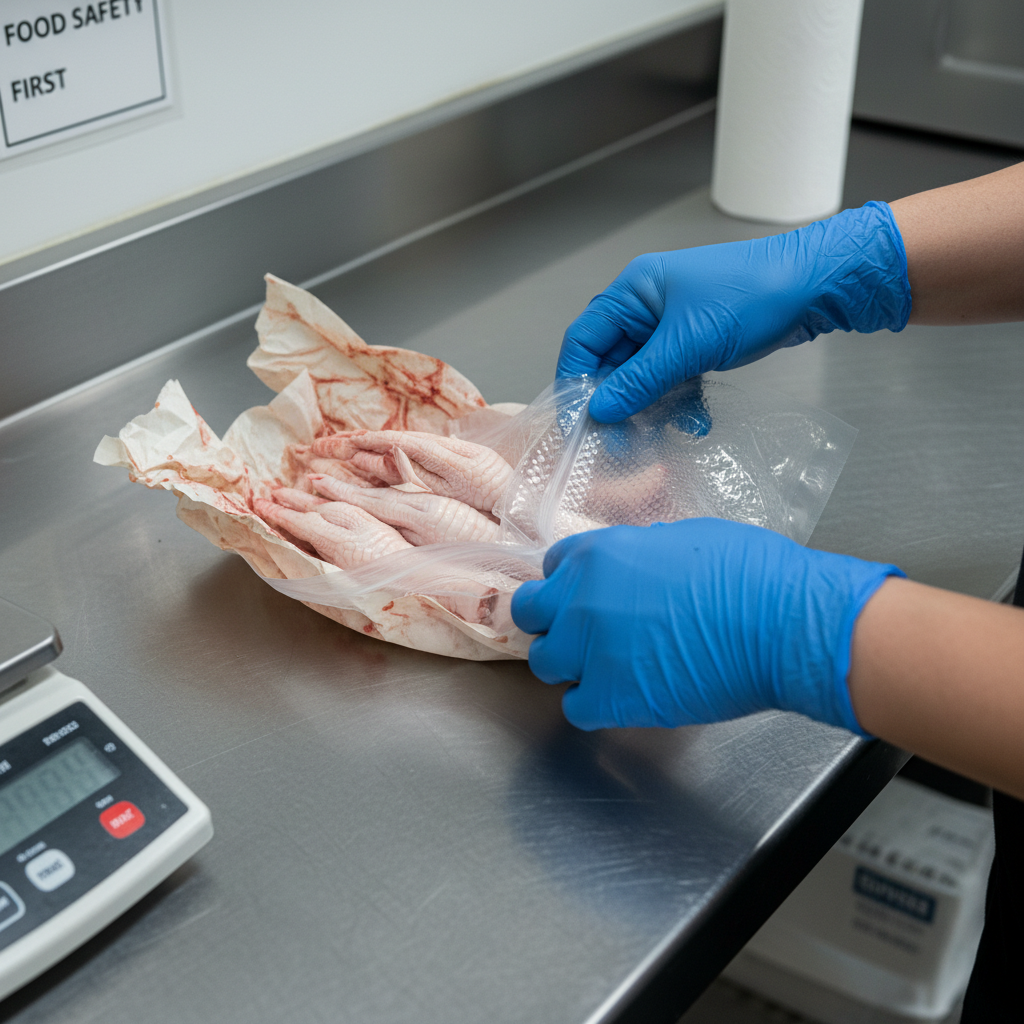
The Raw Analysis: Maximum Potency, Maximum Precaution
Feeding raw is the ultimate expression of ancestral nutrition. The primary argument for the raw approach is that it delivers nutrients in their most unadulterated, potent form. However, with great potency comes great responsibility.
The Unfiltered Benefits:
- Peak Nutritional Integrity: With zero heat application, all the delicate enzymes, vitamins, and amino acids remain intact. The glucosamine and chondroitin are delivered in their most bioavailable state.
- Superior Dental Health: The act of tearing the skin and crunching the small bones provides an unparalleled dental workout, scraping away plaque and tartar far more effectively than a dry biscuit.
The Non-Negotiable Risks:
Let’s be clear: raw feeding is not for the casual owner. It requires a meticulous approach to safety to mitigate very real risks.
- Bacterial Contamination: Raw chicken is a notorious carrier of pathogens like Salmonella and Campylobacter. While a healthy dog’s digestive system can often handle a higher bacterial load, these pathogens pose a significant risk to the humans in the household through cross-contamination of surfaces, bowls, and hands.
- Sourcing is Everything: The quality of your raw chicken feet is paramount. Sourcing from factory-farmed chickens can introduce unwanted antibiotics and hormones. You must find a reputable supplier of pasture-raised, antibiotic-free poultry.
- Choking Hazard: While the bones are soft and digestible, there is always a risk of a dog, especially a gulper, attempting to swallow a foot whole. Supervision is not optional.
As The Canine Nutrition Hacker, my first rule is mitigating risk. An ‘Insider Secret’ that should be standard practice: deep freeze all raw products for a minimum of two to three weeks before thawing and feeding. This helps to kill off potential parasites and some, but not all, harmful bacteria. This is a non-negotiable step in any safe raw feeding protocol.
The Dehydrated Verdict: Safety and Convenience at a Cost
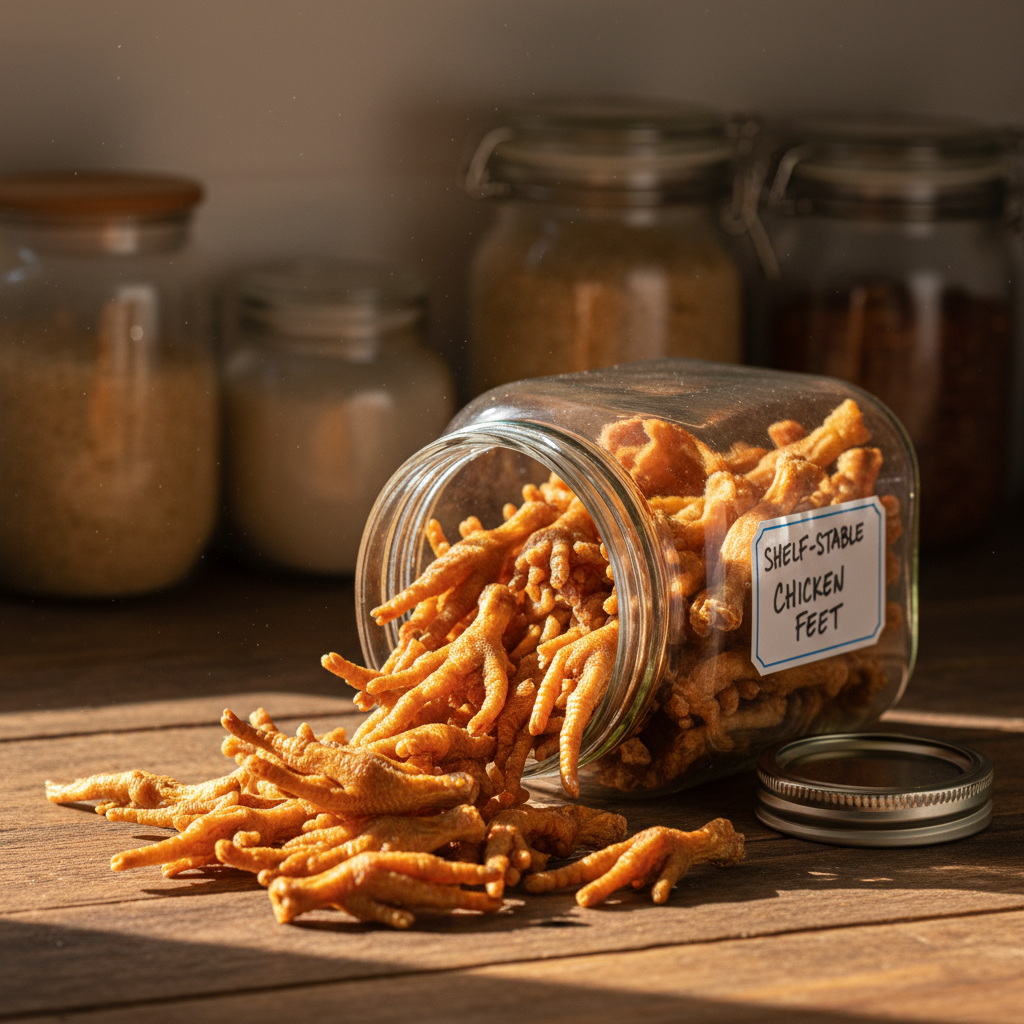
The Dehydrated Verdict: Safety and Convenience at a Cost
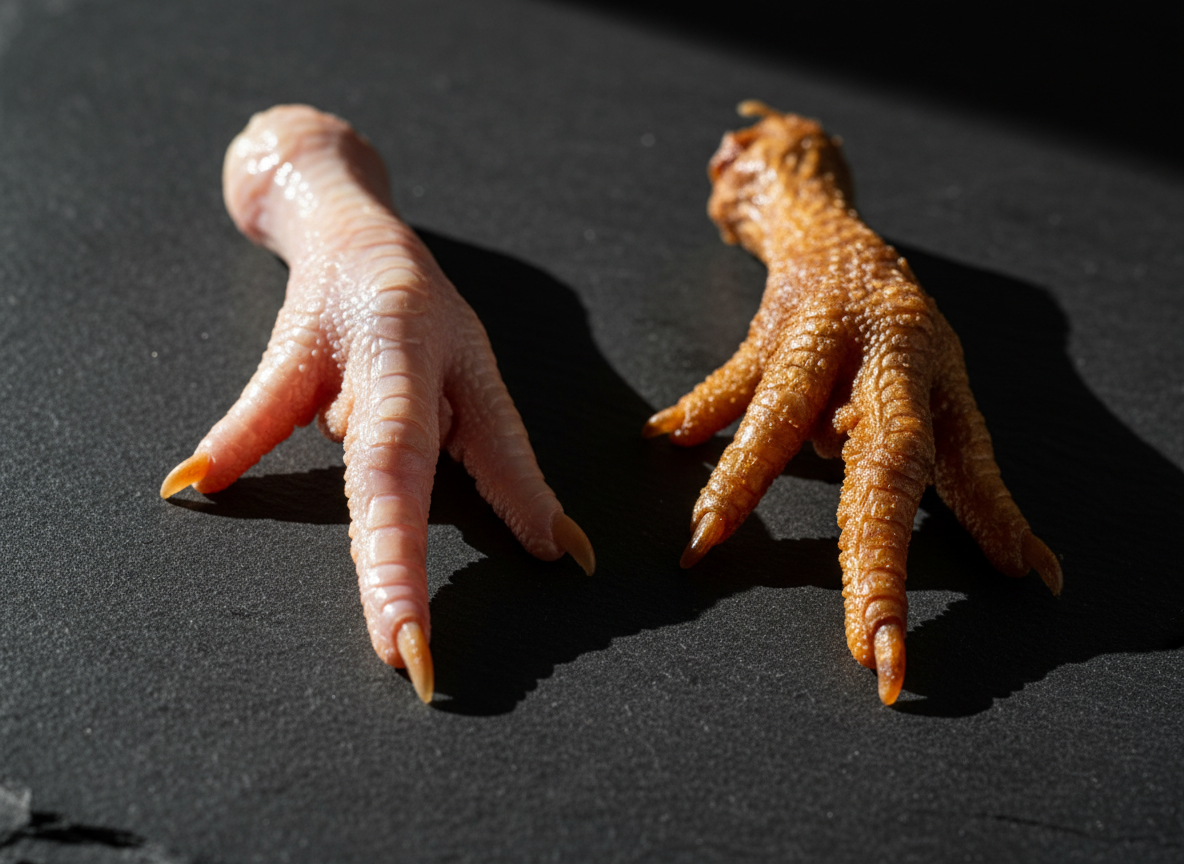
Dehydration offers a compelling middle ground, preserving much of the nutritional benefit of chicken feet while dramatically reducing the associated risks. The process involves using low heat over an extended period (typically 24+ hours) to remove moisture, which inhibits bacterial growth.
The Advantages of Going Dry:
- Pathogen Neutralization: The dehydration process effectively kills off harmful bacteria like Salmonella, making the final product significantly safer for both your dog and your family.
- Shelf-Stable Convenience: Dehydrated feet are lightweight, non-greasy, and can be stored in an airtight container for weeks or months. They are the perfect grab-and-go treat.
- Retained Dental Benefits: The resulting treat is a hard, crunchy chew that still provides excellent mechanical cleaning for your dog’s teeth.
The Nutritional Trade-Offs:
The application of heat, even at low temperatures, is not without consequences. While the core minerals, collagen, glucosamine, and chondroitin remain largely stable, some of the more delicate enzymes and vitamins will be degraded. For the specific purpose of joint support, this trade-off is often considered acceptable because the primary beneficial compounds are preserved. It’s crucial to distinguish between proper dehydration and cooking.
CRITICAL WARNING: Never, ever feed your dog cooked, baked, or fried chicken bones. Cooking at high temperatures makes bones hard and brittle, causing them to splinter into dangerous shards that can cause internal perforation. Dehydration creates a different texture; the bones become crunchy and crush into a digestible powder when chewed. If you’re buying pre-made treats, ensure the label says ‘dehydrated’ or ‘air-dried,’ not ‘smoked’ or ‘baked’.
The Cost-Benefit Analysis: Hacking Your Treat Budget
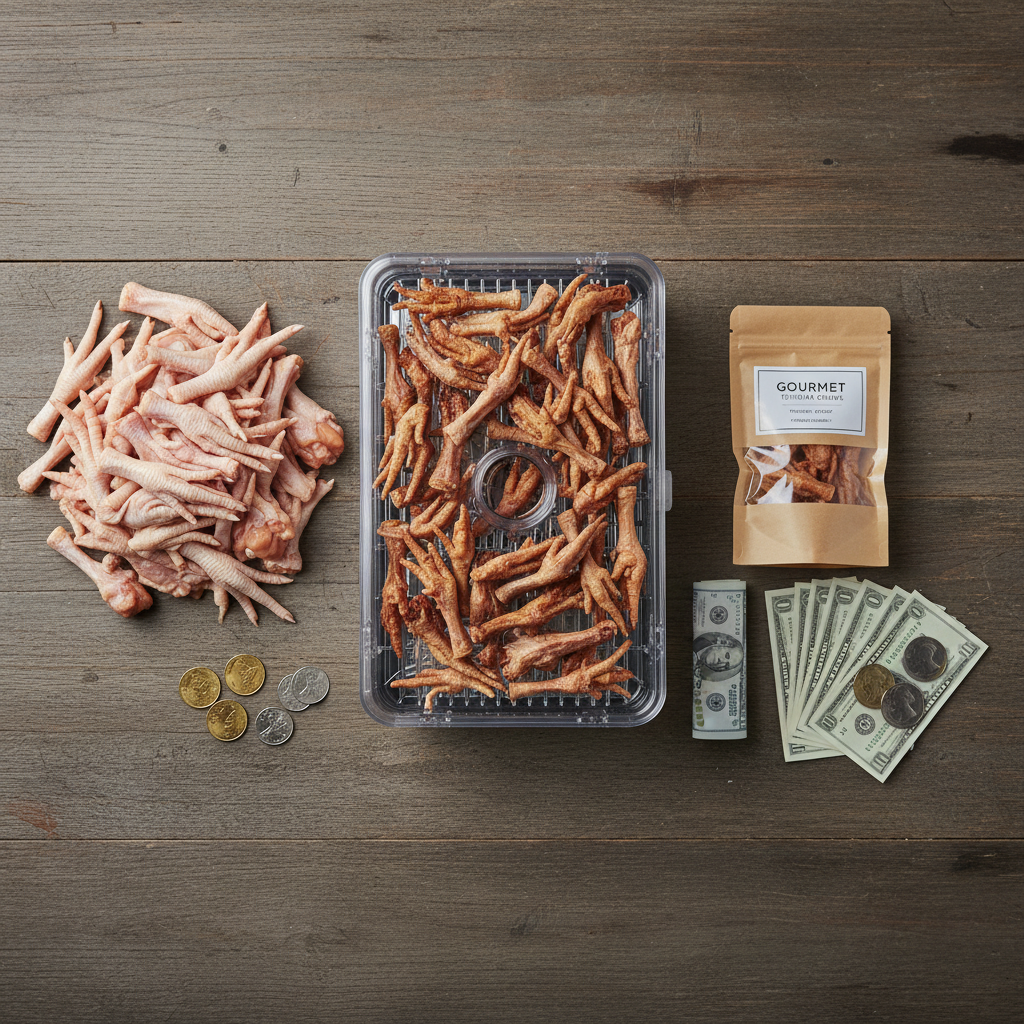
The Cost-Benefit Analysis: Hacking Your Treat Budget
True nutritional hacking isn’t just about finding the best ingredients; it’s about finding the best value. Let’s run the numbers and see how these options stack up against each other and against commercial joint supplements. The results are staggering.
We analyzed prices from local butchers, online raw food suppliers, boutique pet stores, and major online retailers to create a clear financial picture. The cost of a commercial glucosamine chew is often padded with fillers, flavorings, and marketing overhead. By going to the source, you can achieve better results for a fraction of the price.
| Joint Support Option | Source | Approximate Cost Per Unit | The Hacker’s Verdict |
|---|---|---|---|
| Raw Chicken Feet | Local Butcher / Asian Market | $0.25 – $0.50 per foot | The absolute cheapest and most potent option. Its value is only unlocked if you have the time and discipline for rigorous safety protocols. |
| DIY Dehydrated Feet | Homemade (Raw Feet + Electricity) | $0.35 – $0.60 per foot | The undisputed champion of value. For a small investment in a dehydrator and a little time, you get a safe, effective, and incredibly affordable product. |
| Store-Bought Dehydrated Feet | Boutique Pet Store / Online | $1.00 – $2.50 per foot | The peak of convenience and safety, but you pay a massive premium for it. Scrutinize labels for single-ingredient products sourced responsibly. |
| Synthetic Glucosamine Chews | Veterinarian / Big Box Store | $0.50 – $1.00 per day dose | A targeted but incomplete solution. Lacks the synergistic, whole-food benefits and can contain questionable fillers like cellulose or artificial flavors. |
The data is clear: preparing your own dehydrated chicken feet can save you up to 400% compared to buying them pre-made and offers a safer, more convenient alternative to raw for a negligible increase in cost.
The Canine Nutrition Hacker’s Feeding Protocol
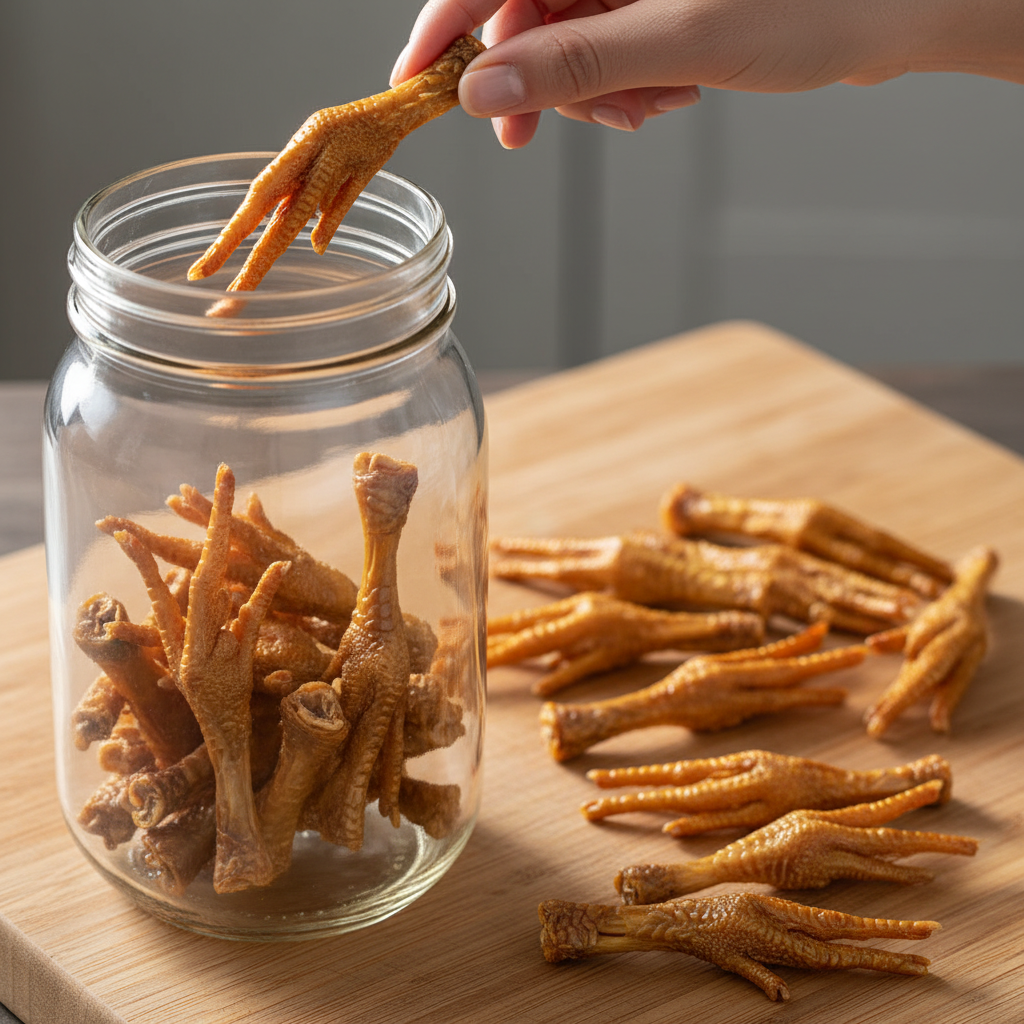
The Canine Nutrition Hacker’s Feeding Protocol
Knowledge without action is useless. Here is your step-by-step guide to safely preparing and incorporating chicken feet into your dog’s diet, whether you choose the raw or dehydrated route.
For DIY Dehydrating (The Recommended Method):
- Source & Prep: Purchase raw chicken feet from a trusted source. Wash them thoroughly under cold water. Some owners prefer to use poultry shears to clip the sharp tips of the nails, though this is optional.
- Arrange for Airflow: Place the clean feet on your dehydrator trays. Ensure they are in a single layer and not touching, allowing for optimal air circulation.
- The Low-and-Slow Process: Set your food dehydrator to a temperature between 160°F and 165°F (71-74°C). This temperature is high enough to kill bacteria but low enough to avoid cooking the bones.
- Patience is Key: Let them dehydrate for a minimum of 24 hours. For thicker feet, it may take up to 48 hours. The goal is zero moisture. A finished foot should be hard and brittle, and should snap cleanly in half when you apply pressure. If it bends, it needs more time.
- Proper Storage: Once cooled, store your dehydrated feet in an airtight container or vacuum-sealed bag. They will last for several weeks at room temperature or months in the freezer.
Introduction & Feeding Guidelines:
Whether raw or dehydrated, introduce chicken feet slowly. Start with one foot and monitor your dog for any digestive upset. A general guideline for a 50lb dog is two to three feet per week. Remember, these are not just treats; they are rich in calcium and should be factored into your dog’s overall diet. Always provide fresh water and supervise your dog while they enjoy their chew.
Conclusion
The verdict is in. While raw chicken feet offer the pinnacle of nutritional potency, the required safety protocols make them a high-stakes game. For the vast majority of savvy pet owners, the clear winner is DIY dehydrated chicken feet. This method strikes the perfect balance, delivering a safe, natural, and highly effective source of glucosamine and chondroitin at a price that exposes the inflated cost of commercial supplements. By investing a small amount of time and effort, you take complete control over the quality of your dog’s treats, eliminating additives, preservatives, and questionable sourcing. You are no longer just a consumer; you are your dog’s personal nutritionist. Stop overpaying for marketing and start investing in real, functional food. Your dog’s joints—and your bank account—will thank you.
Medical Disclaimer: The information provided in this article is for educational purposes only. It is not intended to be a substitute for professional veterinary advice, diagnosis, or treatment. Always seek the advice of your veterinarian with any questions you may have regarding your dog’s medical condition or dietary needs.