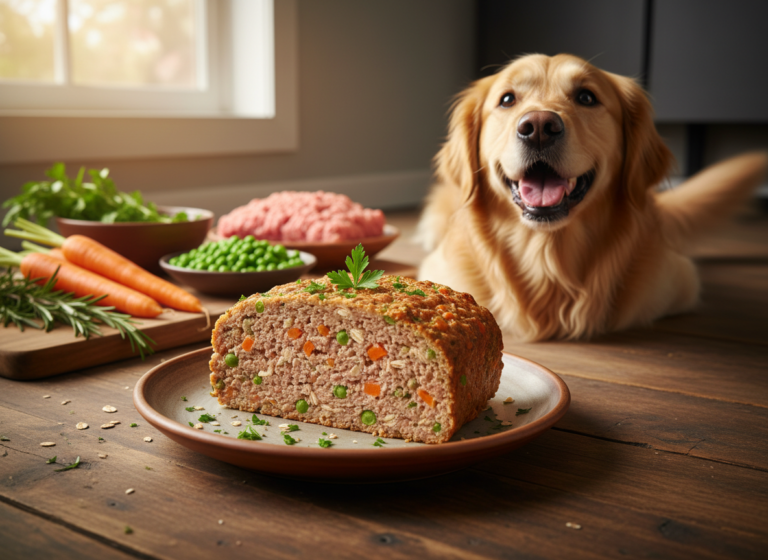

High-Calorie Homemade Dog Food Recipes for Nursing Moms
When a dog gives birth, her body undergoes one of the most demanding physiological events possible: lactation. Her nutritional requirements skyrocket, often doubling or even quadrupling compared to her normal maintenance needs. Feeding her standard adult dog food is simply not enough; it’s like trying to run a marathon on a single granola bar. As The Canine Nutrition Hacker, I’m here to cut through the marketing noise and give you the tools to take control. Commercial ‘puppy’ or ‘performance’ foods can work, but they often come with a premium price tag and ingredients you can’t control. This guide provides a blueprint for a high-calorie, nutrient-dense homemade diet designed specifically for the incredible demands placed on a nursing mother.
CRITICAL SAFETY DISCLAIMER: I am a canine nutrition analyst, not a veterinarian. The information provided here is for educational purposes only. Before starting any homemade diet, you MUST consult with your veterinarian or a board-certified veterinary nutritionist. A nursing dog has complex needs, and an improperly balanced diet can be dangerous for both her and her puppies. This recipe must be used in conjunction with specific supplements recommended by your vet to ensure it is complete and balanced.
The Nutritional Demands of Lactation: Why More Calories Are Non-Negotiable
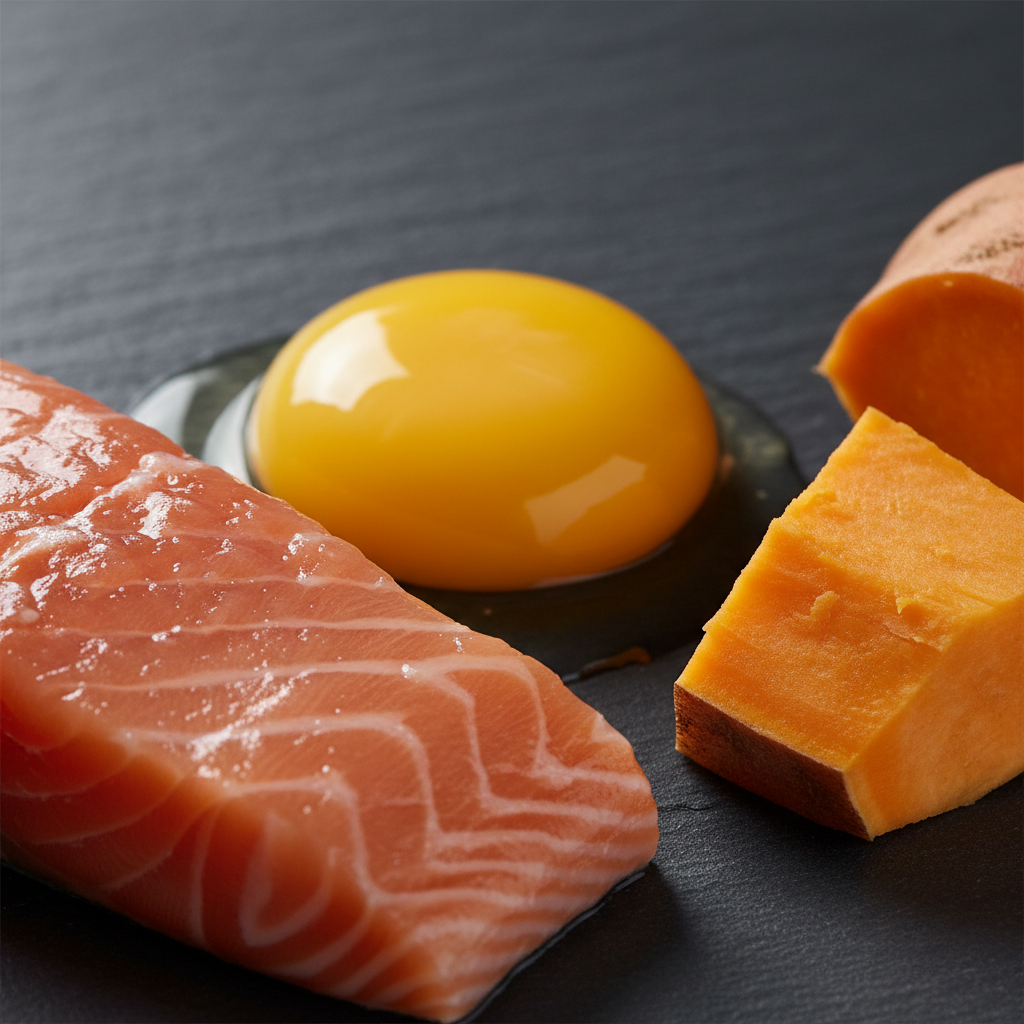
A nursing mother is a high-performance athlete. She is a factory, converting her own body’s resources into life-sustaining milk for a litter of rapidly growing puppies. This process is incredibly energy-intensive. Her caloric needs peak around 3-4 weeks post-whelping, when the puppies are largest and demand the most milk. Failure to meet these demands can lead to dangerous weight loss, poor milk production, and nutritional deficiencies that affect the entire litter.
The Macronutrient Imperative
- High-Quality Protein: Protein is the building block of life. The nursing mom needs ample amounts (at least 28-30% on a dry matter basis) to produce milk rich in antibodies and essential amino acids for her puppies’ growth. We’re not talking about protein fragments from corn; we need bioavailable animal sources like chicken, beef, turkey, and eggs.
- Concentrated Fat: Fat is the most concentrated source of energy. It provides more than twice the calories per gram compared to protein or carbohydrates. A diet for a lactating dog should be rich in healthy fats (around 20-30% on a dry matter basis) to fuel her metabolism and enrich her milk. Sources like chicken fat, salmon oil, and flaxseed are paramount. Furthermore, fats like DHA (docosahexaenoic acid) are critical for the neurological development of the puppies.
- Digestible Carbohydrates: While dogs don’t have a strict requirement for carbs, easily digestible sources like sweet potatoes, pumpkin, or brown rice provide readily available energy, sparing protein and fat for their more critical functions. They also provide fiber for healthy digestion during a time when her system is under stress.
Micronutrients: The Unsung Heroes
Beyond the basics, a lactating female has a massively increased need for specific minerals. Calcium and Phosphorus are the most critical. She leaches these from her own bones to fortify her milk. An imbalance can lead to eclampsia (hypocalcemia), a life-threatening condition. This is why a haphazard homemade diet is so dangerous and why any supplementation, especially calcium, must be directed by a veterinarian.
The Hacker’s Cost Analysis: DIY vs. Premium Commercial Foods
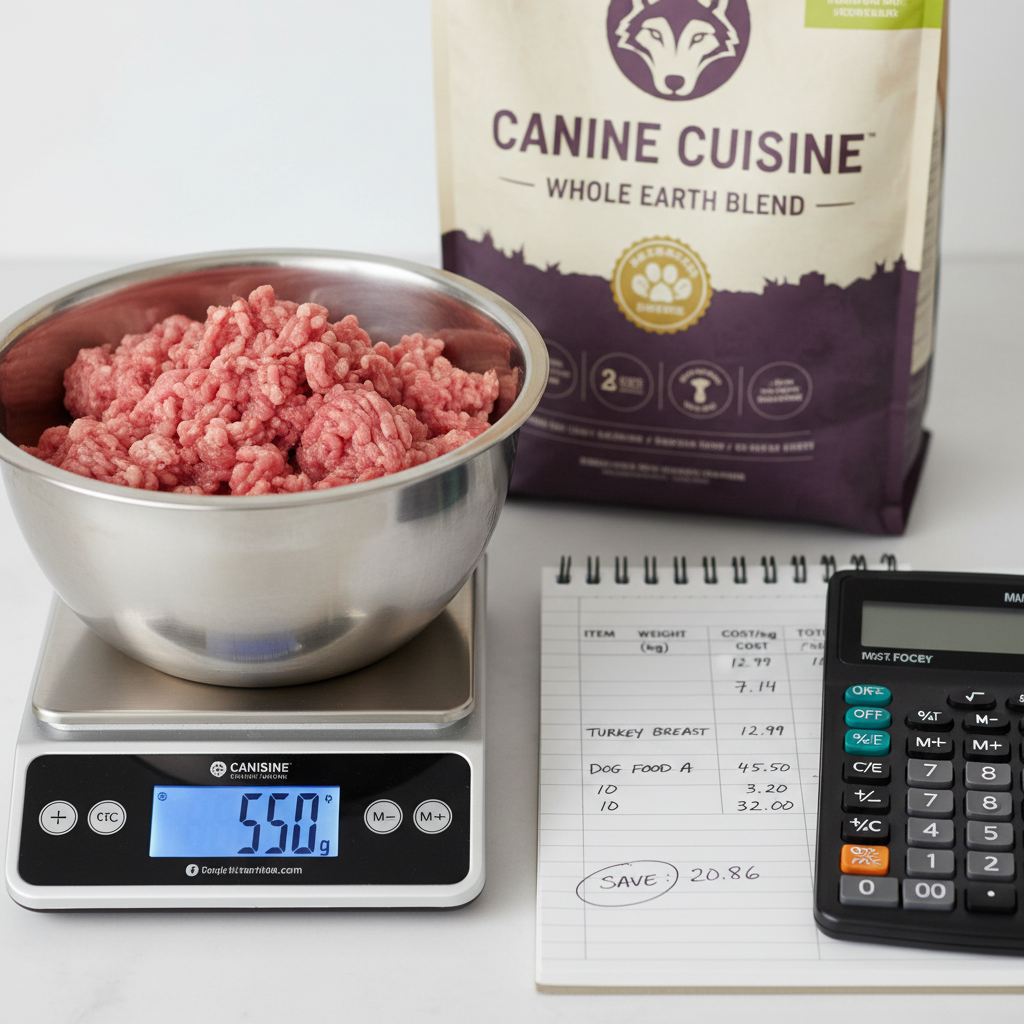
The ‘all life stages’ or ‘puppy’ formulas from premium brands are designed for high energy needs, but that convenience comes at a cost—both financially and in terms of ingredient oversight. Let’s break down the real numbers. By sourcing ingredients yourself, you gain absolute control over quality and can often provide superior nutrition for a comparable price, especially if you buy in bulk.
Here is a direct comparison between our DIY recipe and a typical high-end, grain-free puppy/performance kibble. Costs are estimates and will vary by location and supplier.
| Feature | The Hacker’s DIY Recipe | Premium Commercial Kibble |
|---|---|---|
| Primary Protein Source | Ground Turkey (93/7), Beef Liver, Eggs | Deboned Chicken, Chicken Meal |
| Primary Fat Source | Turkey Fat, Salmon Oil, Flaxseed | Chicken Fat, Canola Oil |
| Carbohydrate Source | Sweet Potato, Brown Rice, Pumpkin | Peas, Lentils, Potato Starch |
| Approx. Cost Per Pound | $2.50 – $3.50 | $3.00 – $4.50 |
| Cost Per Day (50lb Dog) | ~ $4.75/day (plus supplements) | ~ $5.25/day |
| Quality Control | 100% human-grade ingredients sourced by you. | Variable. Subject to plant conditions and potential recalls. |
| Verdict | Higher initial effort, but provides unparalleled control over ingredient quality and freshness for a competitive price. | Convenient and balanced, but you pay a premium for processing, marketing, and potentially lower-grade ingredients. |
Insider Secret: The ‘cost per day’ for the DIY recipe seems close, but the nutritional quality is worlds apart. You are paying for fresh, whole foods, not powdered ‘meals’ and fillers that have been extruded at high temperatures, which can degrade nutrients.
The Ultimate High-Calorie Recipe for Nursing Mothers
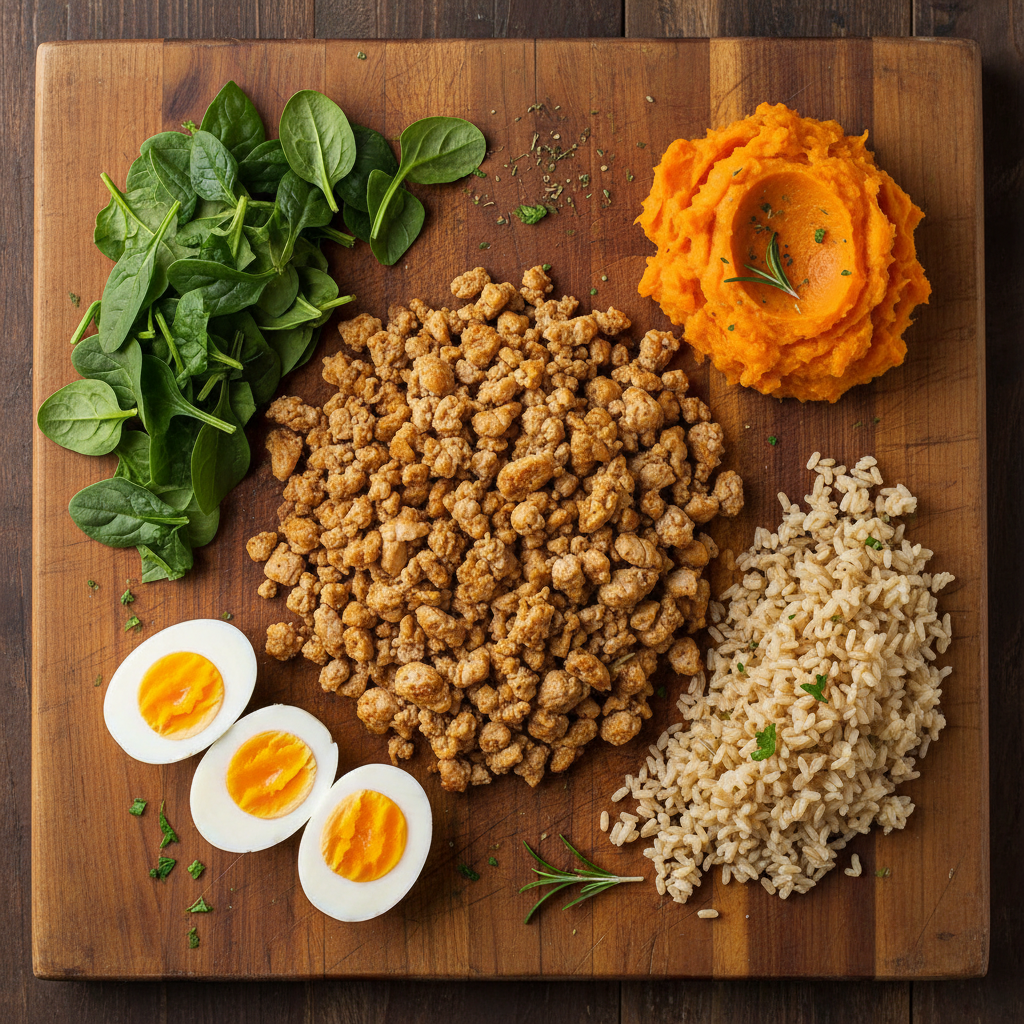
This recipe is formulated to be nutrient-dense, highly palatable, and easily digestible. It is designed as a base diet, to which you will add the specific supplements prescribed by your veterinarian. This recipe yields approximately 10 pounds of food.
Ingredient Roster (Approx. 10 lbs)
- 5 lbs Ground Turkey (93/7 or 85/15): An excellent source of high-quality protein and fat.
- 1 lb Beef or Chicken Liver: A nutrient powerhouse, rich in Vitamin A, iron, and B vitamins. Do not overfeed liver.
- 1.5 lbs Sweet Potatoes: Cooked and mashed. A fantastic source of complex carbohydrates and beta-carotene.
- 1.5 lbs Cooked Brown Rice: For sustained energy and fiber.
- 1 cup Pumpkin Puree (100% pure pumpkin, not pie filling): Excellent for digestive health.
- 1 cup Chopped Spinach or Kale (steamed): Packed with vitamins and minerals.
- 6 Whole Eggs (cooked): A perfect source of protein and other vital nutrients.
- 1/4 cup Ground Flaxseed: For Omega-3 fatty acids and fiber.
Execution Protocol
- Cook the ground turkey and liver in a large stockpot over medium heat until browned. Do not drain the fat; this is valuable energy for the mother.
- While the meat is cooking, boil or steam the sweet potatoes until tender, then mash them. Cook the brown rice according to package directions. Lightly steam the spinach or kale. Scramble or hard-boil the eggs.
- In the large stockpot with the cooked meat, add the mashed sweet potatoes, cooked rice, pumpkin puree, steamed greens, and cooked eggs.
- Mix everything together thoroughly until it resembles a thick, uniform stew.
- Turn off the heat and stir in the ground flaxseed.
- Allow the mixture to cool completely before portioning and storing.
The Mandatory Supplement Protocol
This recipe is a base. It is NOT complete and balanced on its own for the extreme needs of lactation. You must work with your vet to add:
- A High-Quality Canine Multivitamin: To fill any micronutrient gaps.
- Calcium: This is the most critical and dangerous supplement to get wrong. NEVER add calcium without explicit veterinary instructions on the type and dosage. Your vet will calculate the exact amount needed to prevent eclampsia without causing other mineral imbalances.
- Fish Oil (DHA/EPA): While flaxseed provides some Omega-3s, fish oil is the best source of DHA, which is vital for puppy brain and eye development. Your vet can recommend a dosage.
Batch Cooking & Storage: The Efficiency Protocol
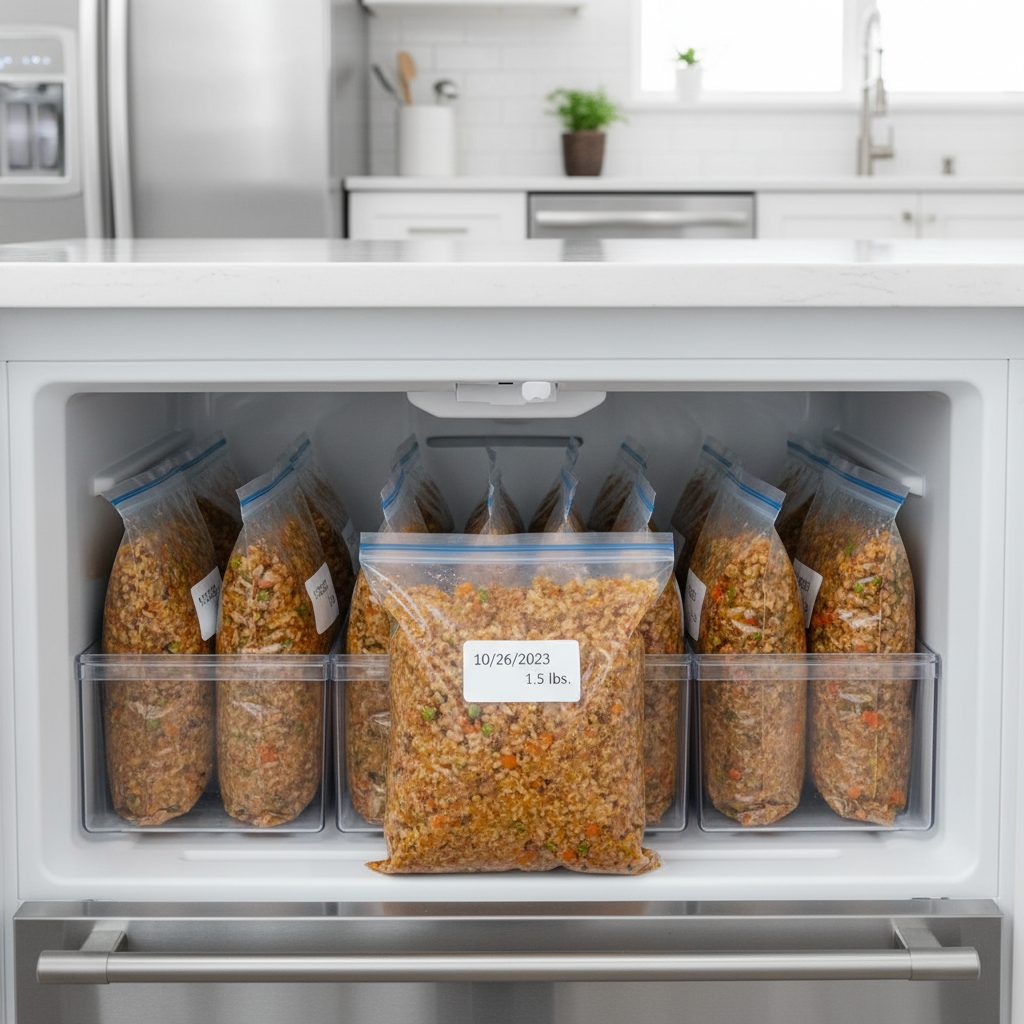
Feeding a nursing mother and her litter is a full-time job. The last thing you want is to be cooking from scratch every single day. The key is to implement an efficient batching and storage system. This 10-pound recipe can be scaled up or down depending on the size of your dog and her litter.
Storage Guidelines
- Refrigeration: The food will stay fresh in an airtight container in the refrigerator for up to 3-4 days. This is ideal for the food you’ll be using immediately.
- Freezing: This is your primary strategy. Once the food has cooled completely, portion it into daily or single-meal servings in freezer-safe bags or containers. Squeezing all the air out of the bags before sealing can help prevent freezer burn. The food can be safely frozen for up to 3 months.
Serving Instructions
To serve, thaw the frozen food overnight in the refrigerator. Never use a microwave to thaw or heat the food, as it can create hot spots that could burn the dog’s mouth and may degrade some nutrients. Gently warm the food by adding a small amount of warm water or low-sodium chicken broth. This not only makes it more palatable but also helps increase the mother’s fluid intake, which is crucial for milk production. Always serve in a clean bowl and discard any uneaten food after 20-30 minutes to prevent spoilage.
Hacker Tip: A nursing mom’s caloric needs change weekly. Pre-portion your frozen meals and label them by weight (e.g., ‘1.5 lbs’). As your vet advises you to increase her intake in weeks 2, 3, and 4, you can easily grab the correct pre-portioned amount without having to weigh food every single day. This saves critical time and ensures accuracy.
Conclusion
Providing optimal nutrition for a nursing dog is one of the most impactful things you can do to ensure the health and vitality of both her and her puppies. By taking on the role of her personal chef, you gain ultimate control over the quality of her diet during this critical period. This homemade, high-calorie recipe serves as a powerful, nutrient-dense foundation. However, it cannot be stressed enough that this is a team effort. Your veterinarian is your most important partner in this process. They are the only ones qualified to calibrate the precise supplement additions, especially calcium, that will make this diet truly complete and safe. Arm yourself with this knowledge, partner with your vet, source the best ingredients you can, and give your new mother and her puppies the exceptional nutritional start they deserve.