
Can Dogs Eat Scallops? A Hypoallergenic Protein Option
If you’re reading this, you’re likely tired of the endless cycle of itching, scratching, and digestive upset that plagues dogs with food allergies. You’ve probably tried every ‘limited ingredient’ or ‘sensitive stomach’ kibble on the market, only to find the same common culprits—chicken, beef, and soy—hiding in the ingredient list. As the Canine Nutrition Hacker, I’m here to tell you there’s a better way. We’re going to bypass the marketing noise and look at a powerful, often-overlooked weapon in the fight against allergies: novel proteins. Specifically, we’re putting scallops under the microscope to determine if this marine delicacy is the hypoallergenic hero your dog needs.
Forget what you’ve been told by big-box pet food brands. True nutritional control comes from understanding every single ingredient that goes into your dog’s bowl. This guide is your forensic blueprint for safely and effectively incorporating scallops into your dog’s diet, transforming mealtime from a source of stress into a powerhouse of healing nutrition.
The Allergy Epidemic: Why Your Dog’s Food is the Problem
The Allergy Epidemic: Why Your Dog’s Food is the Problem
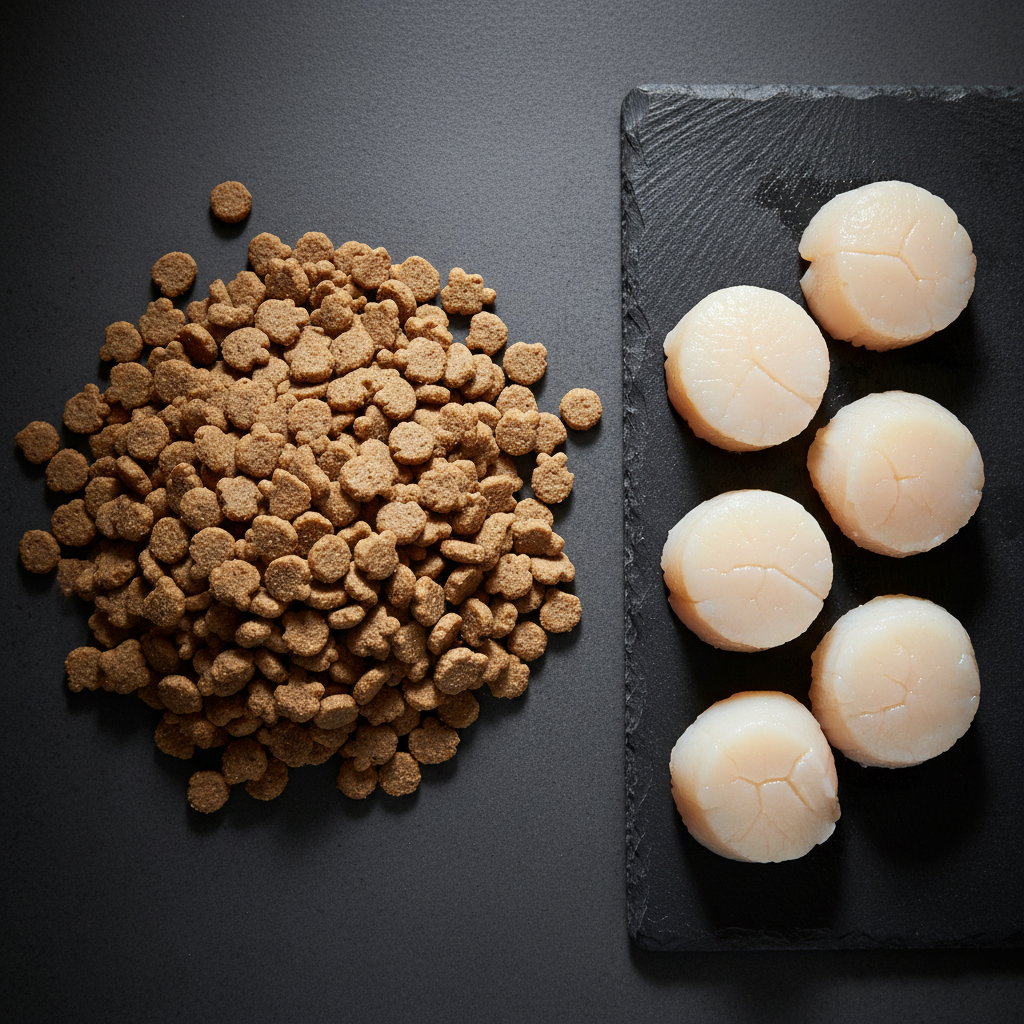
Food allergies and sensitivities in dogs are not just bad luck; they are often a direct result of overexposure to a limited number of protein sources used relentlessly by the commercial pet food industry. An allergy is an immune system response to a substance it mistakenly identifies as a threat. When a dog eats the same protein, like chicken, day after day for years, its immune system can become sensitized and launch an inflammatory attack.
The Usual Suspects: Enemy Ingredients
Before we can find the solution, we must identify the enemy. These are the most common triggers for food allergies in dogs, primarily because they are the cheapest and most overused ingredients in commercial formulas:
- Chicken: The number one offender. It’s in everything from kibble and wet food to treats.
- Beef: Another common protein that many dogs develop sensitivities to over time.
- Dairy: Many dogs are lactose intolerant, leading to significant gastrointestinal upset.
- Soy: A cheap plant-based protein filler that is a known allergen for many dogs.
- Corn & Wheat: Often used as inexpensive binders and fillers, these grains can trigger both allergic reactions and digestive issues.
The solution is to introduce a ‘novel’ protein—one your dog’s immune system has never encountered before. This is where scallops enter the picture.
The Hero Ingredient: Scallops as a Novel Protein
Scallops are an ideal novel protein for several reasons. They are mollusks, biologically distant from the land-animal proteins that dominate dog food. This genetic distance means there’s virtually no chance of cross-reactivity for a dog allergic to chicken or beef. By introducing scallops, you provide a clean slate for the immune system, allowing the body’s inflammatory response to calm down while still delivering high-quality protein for muscle maintenance and energy.
Insider Secret: Many ‘premium’ hypoallergenic foods use processed protein hydrolysates, where the protein is broken down into smaller pieces to avoid an immune response. Using a whole food novel protein like scallops is a more natural and often more effective approach to managing allergies.
Forensic Nutrition: A Deep Dive into Scallops
Forensic Nutrition: A Deep Dive into Scallops
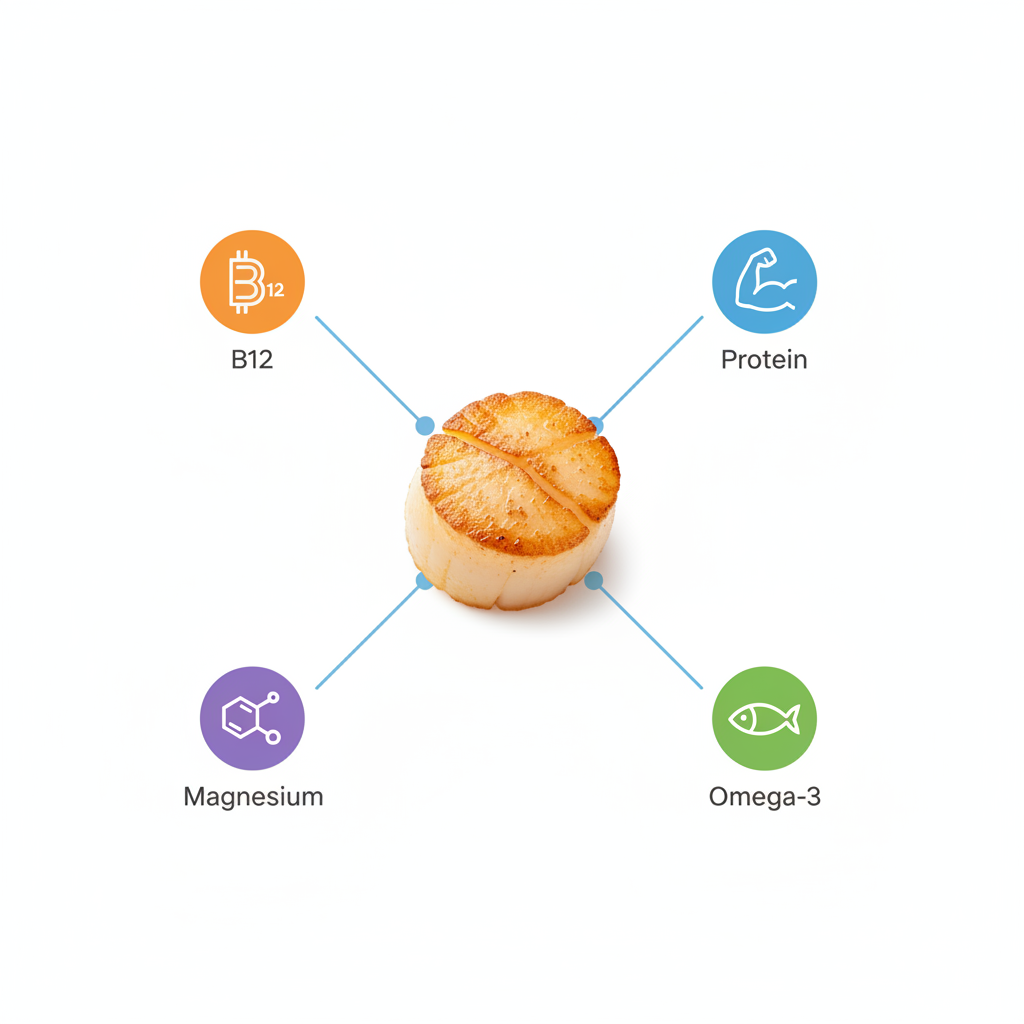
Before we recommend any ingredient, we must analyze its full nutritional profile—the good and the bad. Scallops are more than just a hypoallergenic protein; they are a dense source of vital nutrients that can directly benefit your dog’s health.
The Powerhouse Profile
A 3-ounce (about 85g) serving of cooked scallops contains approximately:
- Protein (around 20g): Essential for muscle development, tissue repair, and overall body function. This is a highly digestible, lean protein.
- Omega-3 Fatty Acids: These are powerful anti-inflammatory agents. For a dog with allergies, omega-3s can help reduce skin inflammation, soothe itchiness, and promote a healthy, glossy coat.
- Magnesium: Crucial for muscle function, energy production, and maintaining a normal heart rhythm.
- Potassium: Works with sodium to maintain fluid balance and is vital for nerve and muscle function.
- Vitamin B12: Essential for brain function and the formation of red blood cells.
- Phosphorus & Selenium: Important for bone health and antioxidant function, respectively.
Potential Risks and How to Mitigate Them
A true nutritional hacker always considers the risks. While scallops are generally safe, there are critical factors to manage:
- Heavy Metals: Like many types of seafood, scallops can contain heavy metals such as mercury or cadmium. Mitigation: The key is moderation. Scallops should be a part of a rotational diet, not a daily staple. Sourcing from reputable suppliers who fish in cleaner waters can also reduce risk.
- Thiaminase: Raw seafood can contain thiaminase, an enzyme that breaks down thiamine (Vitamin B1). A thiamine deficiency is a serious neurological issue. Mitigation: This risk is completely eliminated by thoroughly cooking the scallops. Never feed raw scallops to your dog.
- Sodium: Scallops are naturally higher in sodium than land-based proteins. Mitigation: Never add salt during preparation. The natural sodium level is generally fine for healthy dogs in moderation, but consult a vet if your dog has heart or kidney issues.
- Richness: Scallops are a rich food. Introducing too many at once can cause digestive upset (diarrhea or vomiting). Mitigation: Start with a tiny amount (a piece of one scallop) and monitor your dog’s reaction for 24-48 hours before incorporating more.
The Safe Preparation Protocol: Zero-Risk Cooking
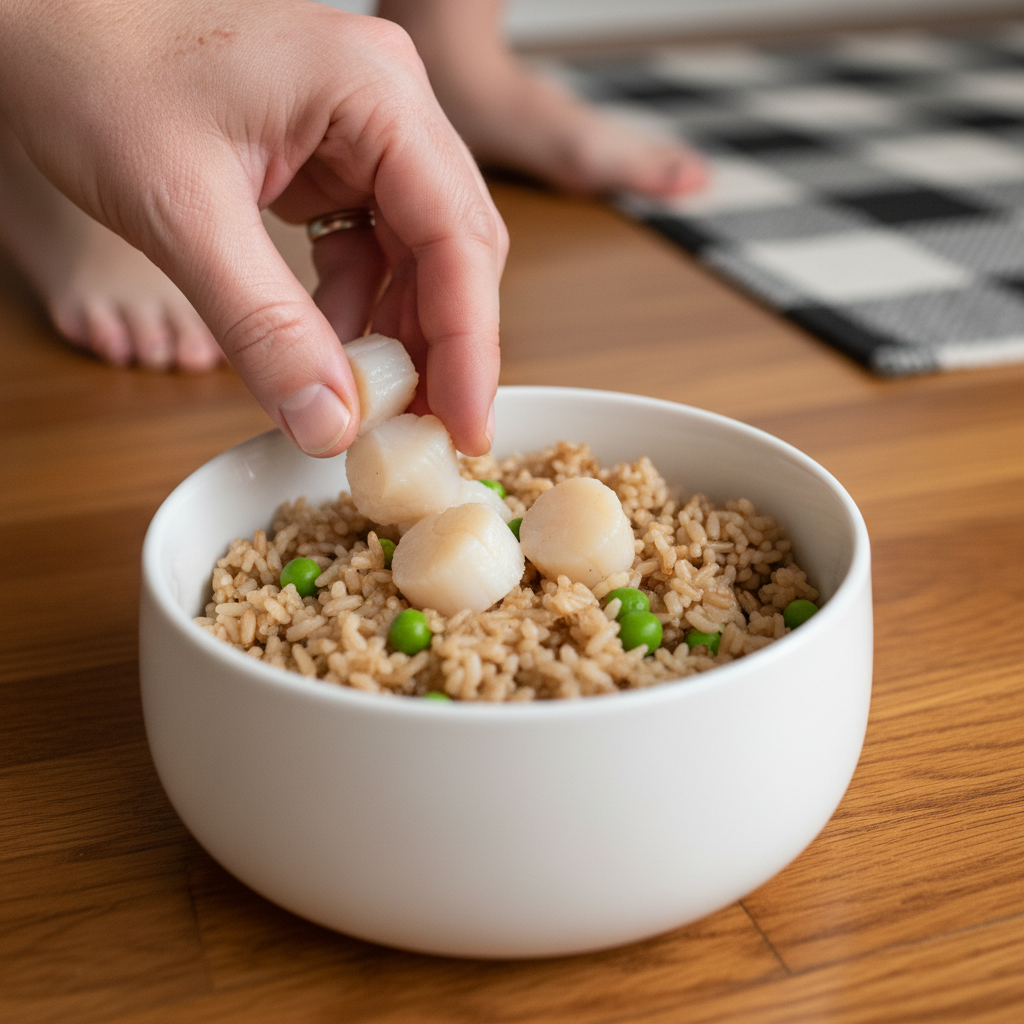
The Safe Preparation Protocol: Zero-Risk Cooking
How you prepare scallops is as important as the ingredient itself. The wrong method can introduce harmful substances or fail to eliminate risks. Follow this protocol precisely.
Step 1: Sourcing and Selection
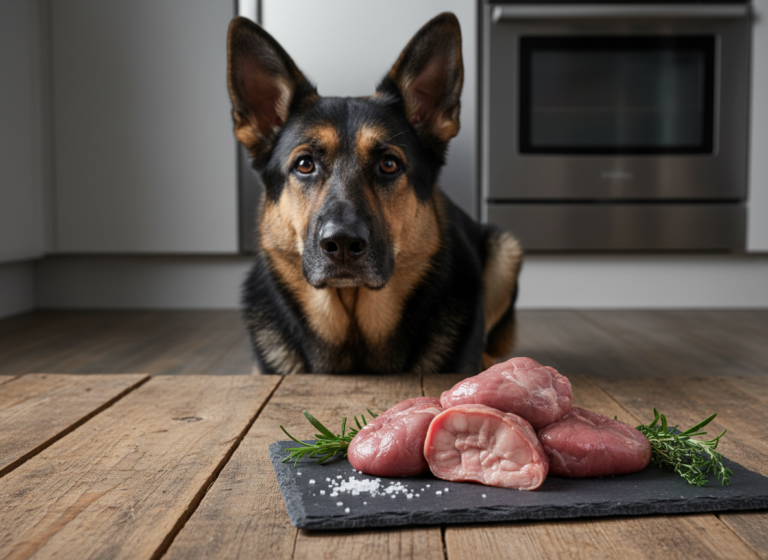
Always choose plain, unseasoned, and uncooked scallops. Avoid pre-marinated or breaded varieties, which contain harmful ingredients like garlic, onion powder, and excessive salt. Fresh or frozen scallops are both excellent choices. If using frozen, ensure they are thoroughly thawed before cooking.
Step 2: The Cooking Process – Keep It Simple
Your goal is to cook the scallop through without adding any harmful fats or seasonings. The best methods are:
- Steaming: Place scallops in a steamer basket over boiling water for a few minutes until they are opaque and firm. This is the purest cooking method.
- Boiling: Gently boil the scallops in plain water until cooked through.
- Pan-Searing (No-Fat): Heat a non-stick skillet over medium-high heat. Sear the scallops for 1-2 minutes per side. Do not add any oil, butter, or salt. The natural sugars will create a slight sear without any additives.
IMPORTANT WARNING: Ensure the scallops are cooked to an internal temperature of 145°F (63°C) to eliminate any potential bacteria and destroy thiaminase.
Step 3: Portion Control
Scallops should be treated as a high-value meal component or treat, not the bulk of your dog’s diet. Overfeeding can lead to digestive upset and an unbalanced diet. Use the following table as a guideline for a supplemental feeding.
| Dog’s Weight | Maximum Scallop Portion (per serving) | Frequency |
|---|---|---|
| Under 10 lbs (Toy Breeds) | 1/2 small scallop, chopped | 1-2 times per week |
| 10-30 lbs (Small Breeds) | 1 medium scallop | 1-2 times per week |
| 30-60 lbs (Medium Breeds) | 2 medium scallops | 1-2 times per week |
| Over 60 lbs (Large Breeds) | 3 medium scallops | 1-2 times per week |
Always chop the scallops into small, bite-sized pieces appropriate for your dog’s size to prevent a choking hazard.
The Hypoallergenic Meal Plan: Cost vs. Benefit Analysis
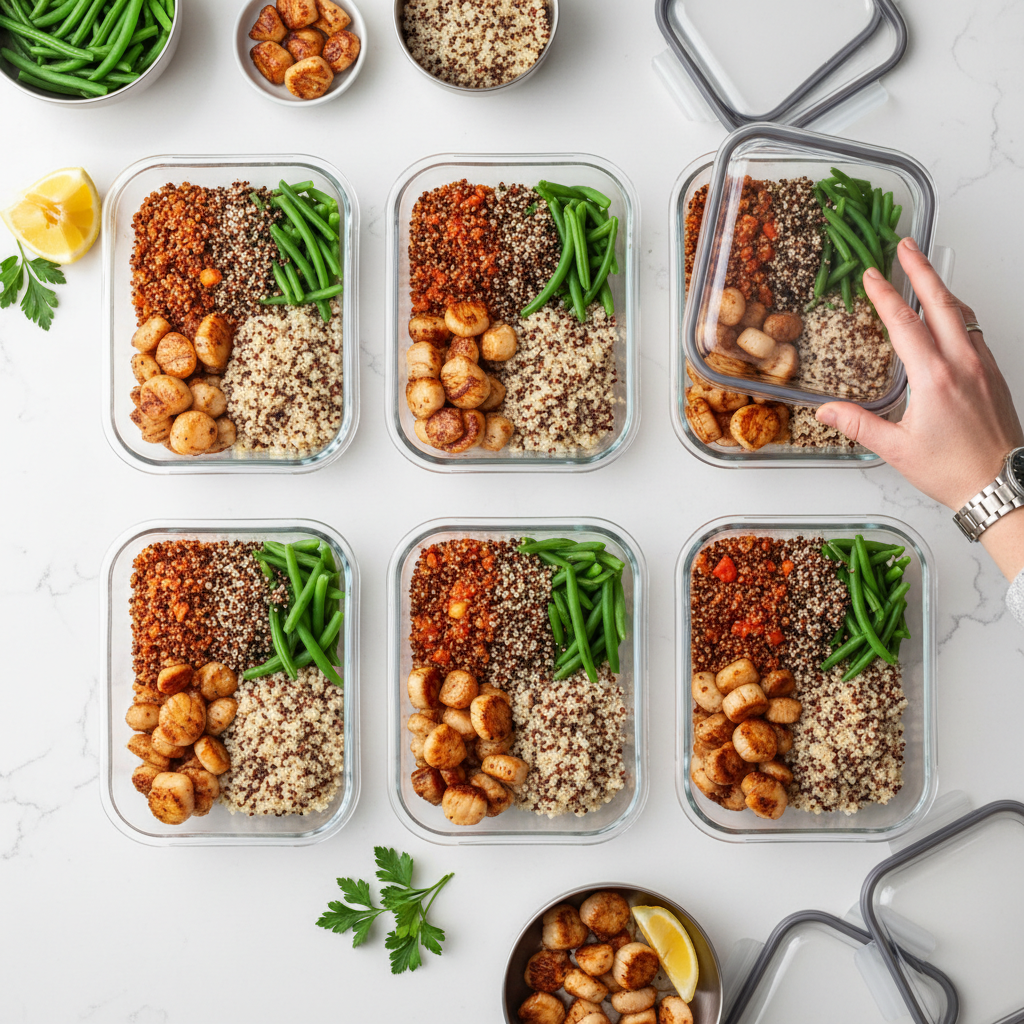
The Hypoallergenic Meal Plan: Cost vs. Benefit Analysis
Integrating scallops into a homemade diet can be a game-changer, but it requires careful planning to ensure it’s balanced and cost-effective. Here we break down the costs and provide a sample recipe.
Hacker Tip: Buy frozen scallops in bulk from a wholesale supplier. The ‘per piece’ cost is significantly lower than buying a few fresh scallops from a supermarket seafood counter. You can save up to 40-50%.
Real Cost Breakdown: DIY vs. Premium Kibble
Let’s analyze the cost for a 50lb dog. A premium, prescription hypoallergenic kibble can cost upwards of $100-$120 for a 25lb bag, which lasts about a month.
| Item | DIY Homemade (Scallop Recipe) | Premium Hypoallergenic Kibble |
|---|---|---|
| Primary Protein | Scallops (bought in bulk) | Hydrolyzed Soy or Novel Protein Meal |
| Approx. Daily Cost (50lb dog) | $3.50 – $4.50 (including carbs, veg, supplements) | $3.30 – $4.00 |
| Ingredient Control | 100% – You choose every ingredient. | Varies – Risk of cross-contamination and fillers. |
| Nutrient Quality | Whole food, high bioavailability. | Highly processed, potential nutrient loss. |
| Verdict | Slightly higher daily cost but offers unparalleled control and ingredient quality for severe allergy cases. | Convenient and balanced, but you’re paying for processing and marketing. |
Actionable Recipe: Balanced Scallop Meal (Yields ~1 Week for a 20lb Dog)
MEDICAL DISCLAIMER: This is a sample recipe for supplemental or short-term feeding. For a long-term homemade diet, you MUST consult with a veterinary nutritionist to ensure proper vitamin and mineral supplementation. This recipe is not a complete and balanced diet on its own.
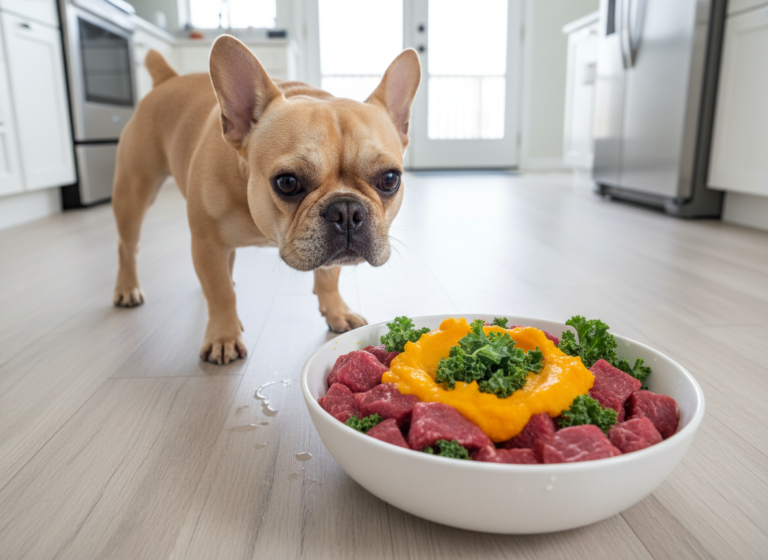
- Protein (40%): 1.5 lbs of plain, cooked scallops, chopped.
- Complex Carbohydrates (30%): 3 cups of cooked quinoa or brown rice. These are gluten-free and gentle on the digestive system.
- Vegetables & Fiber (30%): 3 cups of dog-safe vegetables. A mix of steamed and mashed carrots, green beans, and a tablespoon of plain pumpkin puree works well.
- Healthy Fat: 1 tablespoon of coconut oil or flaxseed oil (for additional Omega-3s).
Instructions:
- Cook the scallops, carbohydrates, and vegetables separately.
- Allow all ingredients to cool completely.
- In a large bowl, mix all ingredients together thoroughly.
- Portion into daily serving sizes based on your dog’s caloric needs.
Batch Cooking & Storage
This is the key to making a homemade diet manageable. Once the meal is mixed, portion it into freezer-safe containers or reusable bags. It will keep in the refrigerator for 3-4 days or in the freezer for up to 3 months. Thaw a portion in the refrigerator the night before you need it. This ensures you always have a safe, hypoallergenic meal ready to go.
Conclusion
The verdict is in: when sourced carefully and prepared correctly, scallops are an outstanding hypoallergenic protein option for dogs. They offer a powerful combination of novel, highly-digestible protein and anti-inflammatory omega-3 fatty acids that can provide significant relief for dogs suffering from food allergies. However, they are not a magic bullet. Success requires a hacker’s mindset: you must be diligent about preparation, strict with portion control, and committed to creating a truly balanced diet in consultation with a professional.
By stepping away from the over-processed commercial options and taking control of your dog’s bowl, you are not just eliminating allergens; you are providing fresh, whole-food nutrition that can transform their skin, coat, and overall well-being. Scallops are more than just a safe food; they are a strategic tool in your arsenal to build a stronger, healthier, and happier companion.