
Natural Deworming: Benefits of Rabbit Ears With Fur
In the world of canine wellness, the conversation around deworming is dominated by chemical solutions. We’re told to administer pills and liquids on a strict schedule, waging a chemical war inside our dogs’ most sensitive systems. But what if the industry’s default answer isn’t the only answer? As the Canine Nutrition Hacker, my job is to look past the marketing and analyze what truly works. Today, we’re targeting one of the most persistent problems for pet owners—intestinal parasites—and exposing a shockingly effective, all-natural tool that’s been hiding in plain sight: rabbit ears with fur.
This isn’t about folklore or old wives’ tales. This is a forensic breakdown of how a simple, natural chew can mechanically cleanse your dog’s digestive tract, offering benefits that go far beyond what’s on the label of a conventional dewormer. We’ll dissect the science, compare the costs, and give you an actionable protocol to integrate this powerful item into your dog’s health regimen.
MEDICAL DISCLAIMER: I am not a veterinarian. The information in this article is for educational purposes based on extensive research and analysis. It is not a substitute for professional veterinary advice, diagnosis, or treatment. Always consult with your trusted veterinarian before making any changes to your dog’s diet or health care, especially if you suspect your dog has an active parasite infestation.
The Chemical Warfare in Your Dog’s Gut: Deconstructing Conventional Dewormers

Before we explore the solution, we must first understand the problem. The standard approach to intestinal parasites involves a scheduled bombardment with anthelmintic drugs. These are medications designed to expel parasitic worms, and they fall into several classes, each with a different mechanism of action.
Common active ingredients you’ll find on the box include:
- Praziquantel: Primarily effective against tapeworms. It works by increasing the permeability of the worm’s cell membranes to calcium ions, resulting in severe muscle spasms and paralysis. The paralyzed worms are then dislodged from the intestinal wall and passed in the stool.
- Pyrantel Pamoate: Targets roundworms and hookworms. It acts as a neuromuscular blocking agent, causing sudden contraction followed by paralysis of the worms, which are then expelled.
- Fenbendazole: A broad-spectrum agent that works by disrupting the worms’ energy metabolism, effectively starving them to death over several days.
While often effective, this chemical approach is the equivalent of using a flamethrower to kill a spider. It’s a brute-force method that can come with a list of side effects, including vomiting, diarrhea, lethargy, and loss of appetite. More concerning for the discerning owner is the growing issue of parasite resistance to these drugs, similar to antibiotic resistance in bacteria. The more we use these chemicals, the greater the chance that strains of worms will evolve to survive them, requiring stronger, potentially harsher treatments down the line.
The insider secret here is that the conventional model is reactive and disruptive. It doesn’t support the gut’s natural ability to maintain a healthy environment; it simply sterilizes it periodically, wiping out both good and bad inhabitants, and can leave the system vulnerable.
This is why we must look for smarter, more synergistic solutions that work *with* the body’s systems, not against them.
The ‘Fiber Scour’: Unpacking the Mechanical Cleansing Action of Fur

This is where rabbit ears with fur enter the picture, not as a chemical agent, but as a mechanical tool. The magic is in the fur itself. Unlike meat and cartilage, fur is largely indigestible. It’s composed of keratin, the same protein found in hair and nails. As this fibrous material passes through your dog’s digestive tract, it functions as a natural ‘scour’ or intestinal brush.
Imagine trying to clean a narrow bottle with just water. You might rinse it out, but a persistent residue will remain. Now, imagine using a bottle brush. The bristles physically scrub the inner surfaces, dislodging and removing grime that water alone couldn’t touch. This is precisely how rabbit fur works in the canine gut.
The Mechanical Process:
- Ingestion and Transit: The dog chews and swallows the ear. The fur travels through the stomach and into the small and large intestines.
- Scouring Action: As the mass of fur moves along the intestinal tract, the individual strands gently brush against the intestinal walls (the villi). This action can physically dislodge worms and their eggs that are attached to the lining.
- Sweeping Effect: The fibrous mass traps and entangles not only parasites but also undigested food particles, mucus, and other waste material that may be lingering in the gut.
- Expulsion: This entire collection of fur and trapped waste is then passed naturally in the dog’s stool. Many owners report visibly seeing worms or tapeworm segments in the stool after their dog has had a furry ear.
Hacker Tip: This scouring action does more than just remove parasites. By cleaning the intestinal villi, it can improve the gut’s ability to absorb nutrients from food. A cleaner gut wall is a more efficient gut wall. You’re not just deworming; you’re potentially boosting overall nutrient uptake.
This process is gentle, non-toxic, and leverages a natural material to achieve a physical result. It’s a fundamentally different—and arguably more elegant—solution than chemical paralysis or poisoning.
More Than a Cleanser: The Hidden Nutritional and Dental Benefits
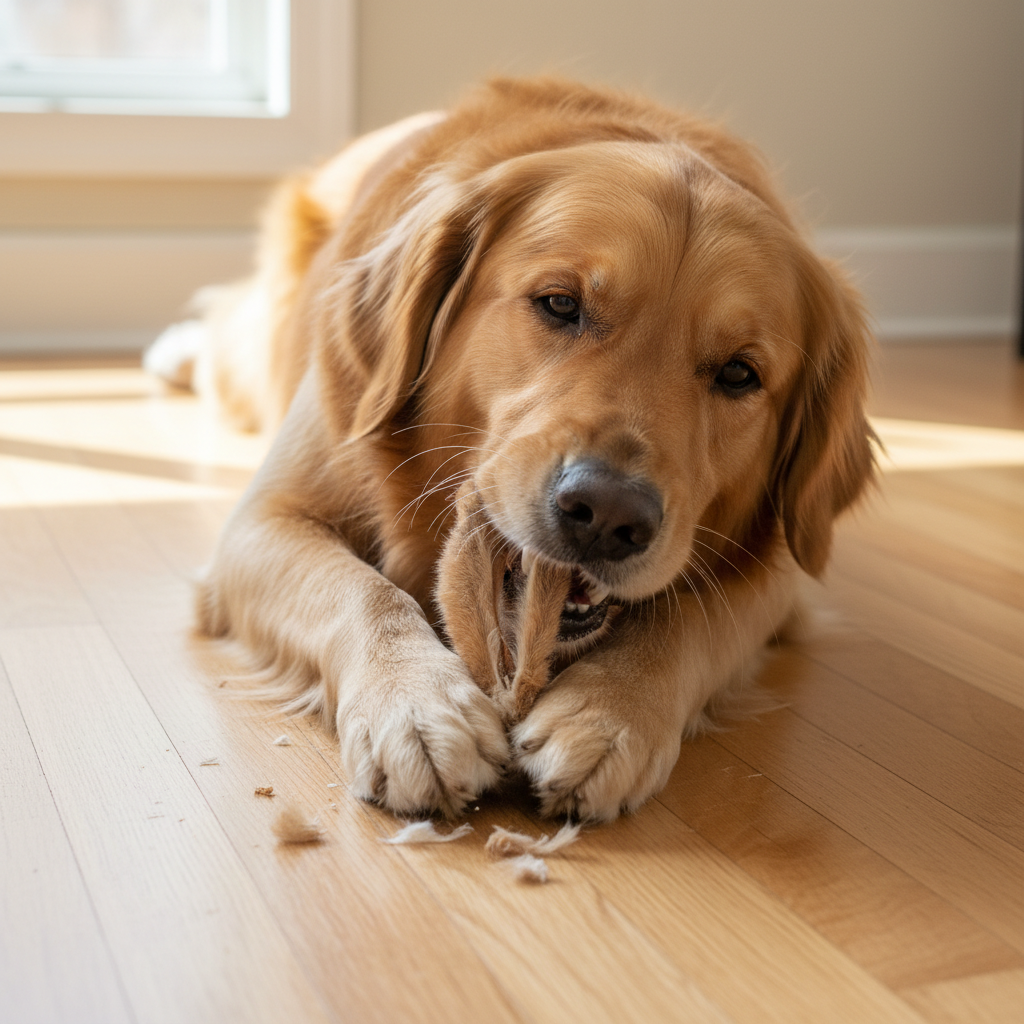
Labeling rabbit ears with fur as just a ‘natural dewormer’ is a gross oversimplification. From a nutritional hacker’s perspective, they are a multi-tool for canine health. Let’s break down the components beyond the fur.
Nutritional Analysis:
- Novel Protein: Rabbit is a ‘novel protein’ for most dogs, meaning they haven’t been exposed to it before. This makes it an excellent choice for dogs with common protein allergies to chicken, beef, or lamb.
- Low Fat, High Protein: They are naturally low in fat, making them a suitable treat for dogs on a weight management plan. The high protein content supports muscle maintenance and repair.
- Source of Manganese: Rabbit ears are a good source of the trace mineral manganese, which plays a vital role in the health of bones, joints, and ligaments.
Dental Health Benefits:
The act of chewing the cartilaginous ear provides significant dental benefits. The repetitive gnawing scrapes away plaque and tartar buildup on the teeth, particularly the molars. This action also massages the gums, promoting blood flow and reducing the risk of gingivitis. Unlike many processed dental chews, a rabbit ear is a single-ingredient product with a purpose.
Brand Comparison: The Natural vs. The Processed
Let’s put a rabbit ear head-to-head with a common processed chew, like a rawhide roll, using a forensic table.
| Feature | Air-Dried Rabbit Ear w/ Fur | Typical Rawhide Chew |
|---|---|---|
| Primary Ingredient | 100% Rabbit Ear | Processed animal hide (often from cattle) |
| Digestibility | High (cartilage); Fur is indigestible fiber | Low to moderate; can cause blockages |
| Allergen Profile | Hypoallergenic (Novel Protein) | Potential allergen (beef); often contains artificial flavors |
| Chemical Processing | Minimal (Air-dried) | Extensive (Cleaned with chemicals like bleach or hydrogen peroxide) |
| Hacker’s Verdict | Excellent. A functional, single-ingredient chew with multiple health benefits. | Avoid. High risk of chemical contamination and intestinal blockage for minimal nutritional gain. |
The Hacker’s Sourcing Guide: How to Choose Safe and Effective Rabbit Ears
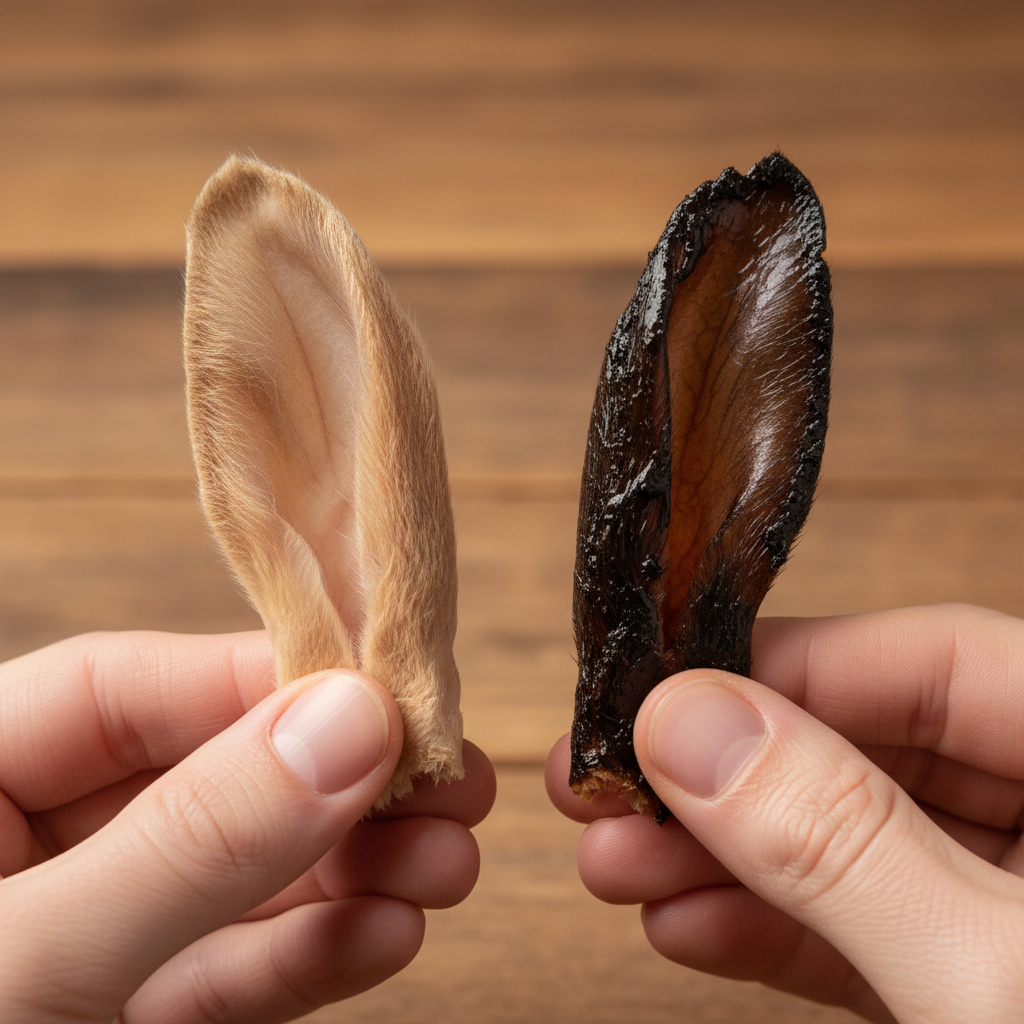
Not all rabbit ears are created equal. The market is flooded with cheap, low-quality options that could do more harm than good. Sourcing is everything. A poorly processed ear can be a choking hazard or contaminated with chemicals. Here is your forensic checklist for selecting a high-quality product:
- Processing Method: Look for products that are air-dried at low temperatures. This method dehydrates the ear slowly, preserving the nutritional integrity of the cartilage and ensuring it doesn’t become brittle. High-heat cooking can make the ear splinter like cooked bone.
- Source of Rabbit: Ethical sourcing is paramount. Look for suppliers who source from Europe or North America, where animal welfare standards are generally higher. Avoid products with an unknown or non-specified country of origin.
- Ingredient List: The ingredient list should have one item: ‘Rabbit Ear’. If you see any mention of preservatives, additives, ‘coatings’, or artificial flavors, put the bag down and walk away.
- Irradiation: Be wary of products from countries known for using irradiation to sterilize pet treats. While it kills bacteria, it can also degrade nutrients.
Hacker Tip: A quality air-dried rabbit ear should feel tough and leathery, with a slight flex. If you can snap it in half easily and it shatters, it has been over-processed with high heat. This brittle texture increases the risk of sharp pieces breaking off and causing harm.
Investing in a higher-quality ear from a reputable supplier isn’t just about ethics; it’s about safety and efficacy. A cheap, brittle, chemically-treated ear will not provide the same benefits and introduces unnecessary risks.
Implementation Protocol: A Practical Guide for Dog Owners
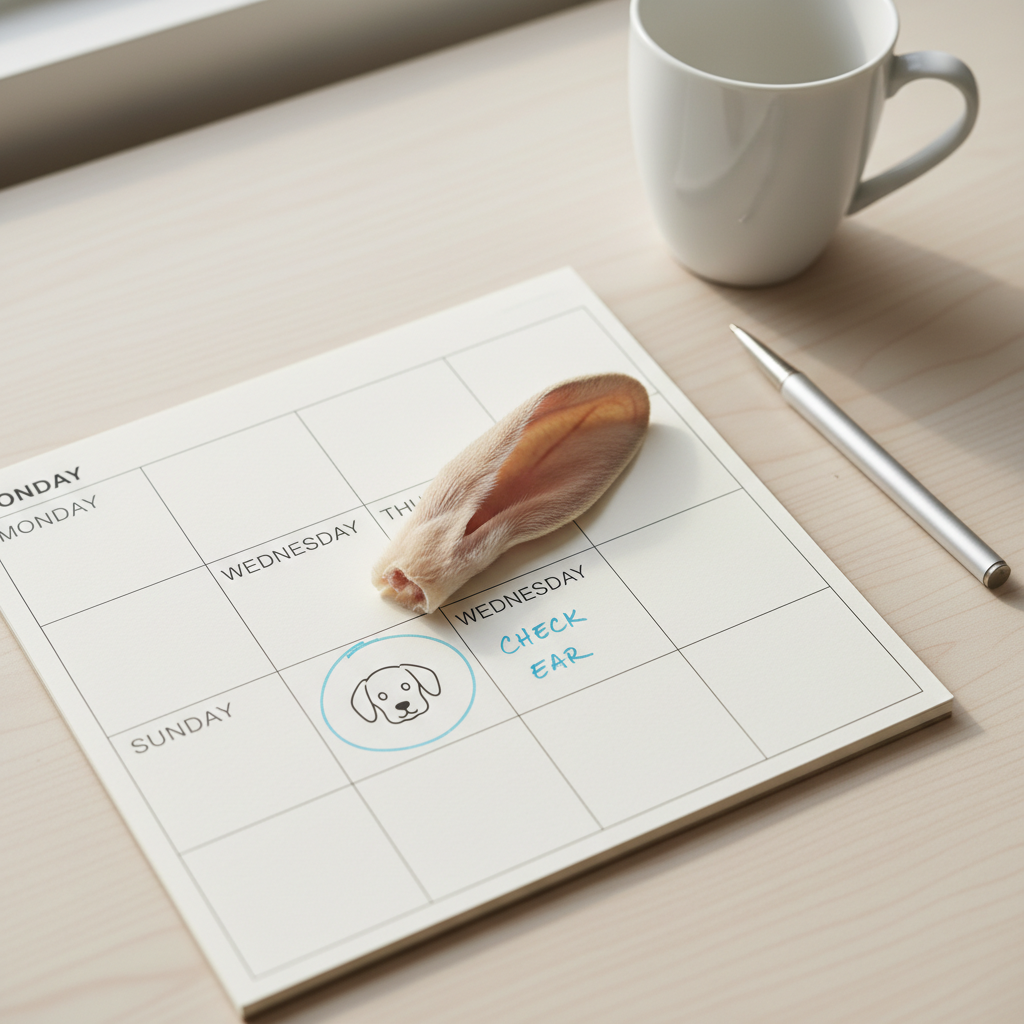
Integrating rabbit ears into your dog’s routine requires a thoughtful approach. This is not a free-for-all treat. It is a functional tool for gut maintenance.
Important: Rabbit ears with fur should be considered a preventative maintenance tool, not a cure for a severe, active parasite infestation. If your veterinarian has diagnosed your dog with a heavy worm load, you must follow their prescribed treatment protocol. Once the infestation is cleared, these ears can be used to help maintain a clean gut environment.
Suggested Frequency:
The ideal frequency depends on your dog’s size and digestive tolerance. A good starting point is:
- Small Dogs (under 20 lbs): Half an ear, once a week.
- Medium Dogs (20-50 lbs): One full ear, once a week.
- Large Dogs (over 50 lbs): One to two ears per week, given on separate days.
Always introduce any new chew slowly. Give a small portion first and monitor your dog’s stool for the next 24-48 hours to ensure they tolerate it well. Some digestive gurgling is normal as the gut adapts to the new fiber source.
Supervision is Non-Negotiable
Like any chew, rabbit ears should only be given under supervision. This is especially true for dogs who are aggressive chewers or tend to ‘gulp’ their food. Ensure your dog is gnawing on the ear, not trying to swallow large pieces. If a piece seems too small and could be swallowed whole, take it away.
Frequently Asked Questions
What if I see worms in my dog’s stool after they eat an ear?
This is often a sign that the scour is working. The fur has dislodged and expelled them. However, it also confirms the presence of parasites. It’s wise to follow up with your vet for a fecal test to determine if a full deworming protocol is necessary.
Can puppies have rabbit ears with fur?
It’s generally recommended to wait until a puppy is on solid food and has its adult teeth, typically around 4-6 months of age. The fur can be a lot of fiber for an immature digestive system to handle. Always start with a very small piece and supervise closely.
Conclusion
Moving beyond the cycle of chemical deworming requires a shift in perspective. It’s about seeing your dog’s gut not as a battlefield, but as an ecosystem to be managed. Rabbit ears with fur represent the Canine Nutrition Hacker philosophy in its purest form: using a simple, natural, and multi-functional ingredient to support the body’s own systems. They are not a magic pill, but a powerful mechanical cleanser, a superior dental chew, a source of novel protein, and a tool for promoting a healthy intestinal environment.
By understanding the science of the ‘fiber scour’ and learning how to source high-quality products, you can empower yourself to make smarter, more effective choices for your dog’s long-term health. Ditch the questionable processed chews and the reflexive chemical treatments, and embrace a solution that is as effective as it is elegant. As always, partner with your veterinarian to create a comprehensive wellness plan that is tailored to your dog’s specific needs.