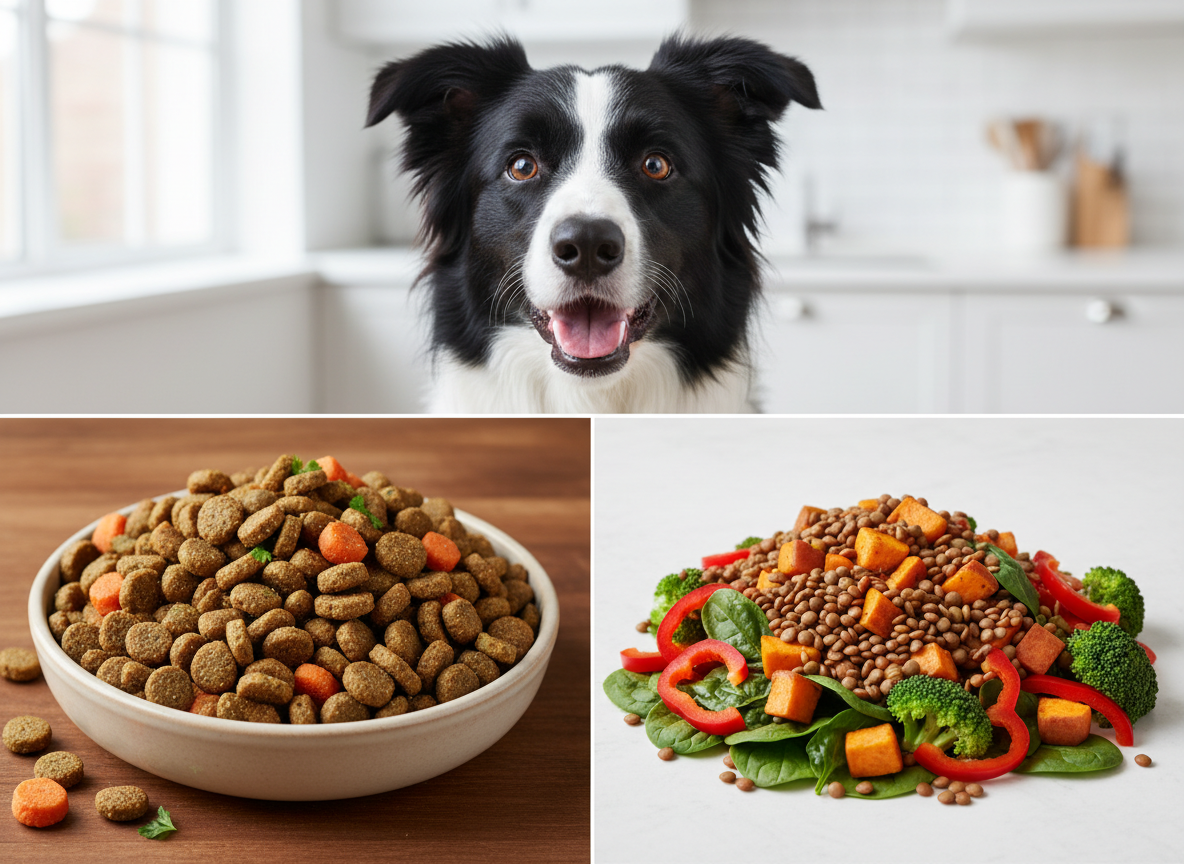
Vegetarian Dog Food: Risks, Benefits, and Vet Opinions
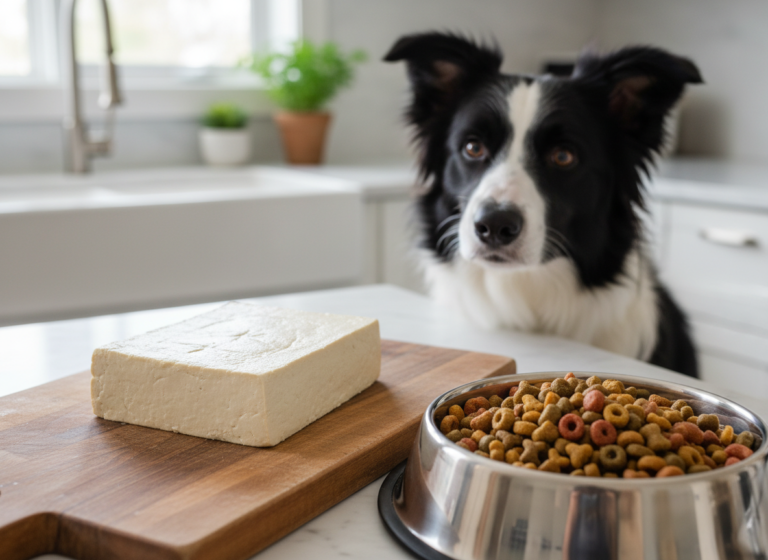
The concept of a vegetarian diet for dogs is one of the most contentious topics in canine nutrition. On one side, you have owners driven by ethical, environmental, or health concerns. On the other, a biological reality rooted in millennia of evolution. As the Canine Nutrition Hacker, my job is to cut through the noise and give you the unvarnished truth. This isn’t about feelings; it’s about science, safety, and the long-term health of your dog.
Before we proceed, let’s establish a critical ground rule: This article is for informational purposes only and does not constitute veterinary medical advice. The decision to switch your dog to a vegetarian diet is a significant medical choice that absolutely requires the partnership and supervision of a qualified veterinarian or a board-certified veterinary nutritionist. Attempting this without professional guidance can lead to severe, irreversible health consequences. Now, let’s dissect the facts.
The Biological Reality: Can Dogs Truly Thrive Without Meat?
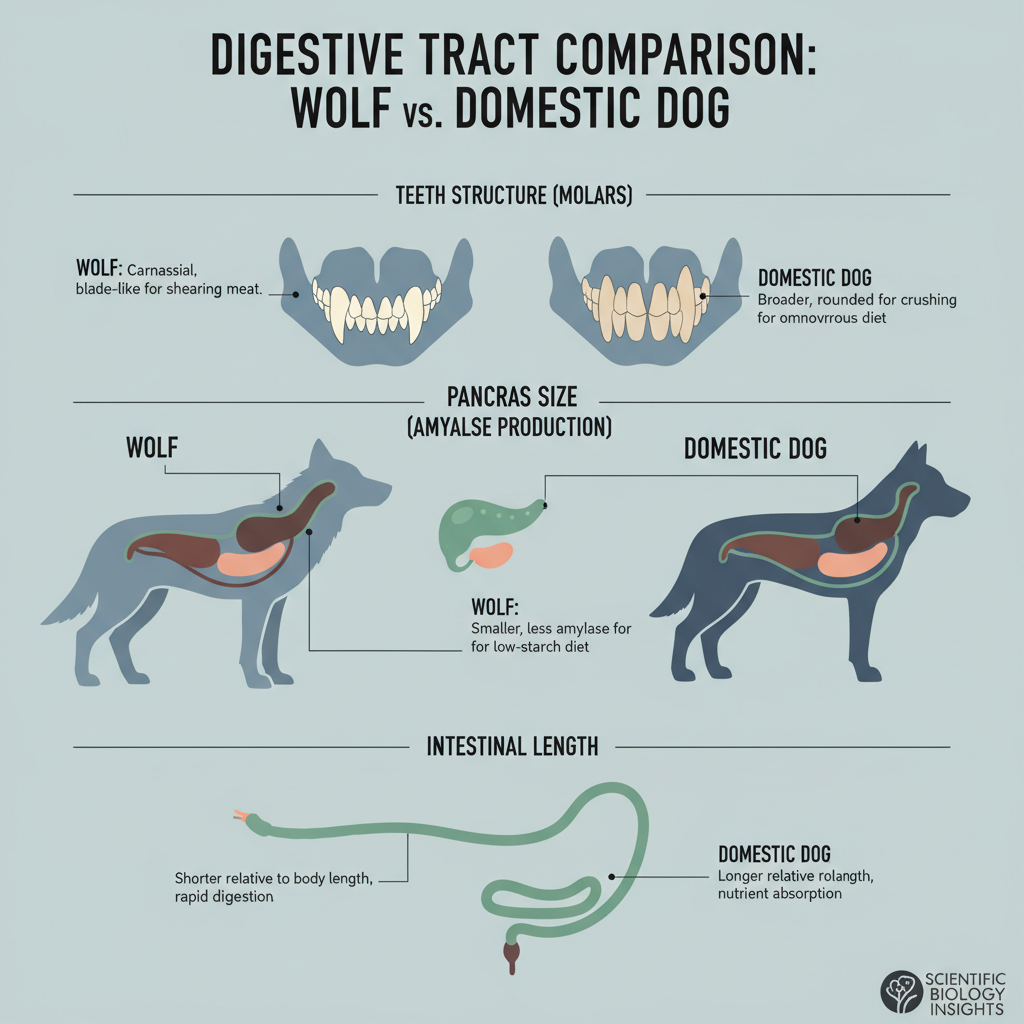
To understand the risks and benefits, we must first analyze the machine we’re trying to fuel. Are dogs carnivores like their wolf ancestors, or have they evolved into omnivores? The scientific consensus classifies domestic dogs (Canis lupus familiaris) as omnivores with a carnivorous bias. This isn’t just a trivial label; it’s a reflection of their digestive and metabolic machinery.
Anatomy of an Omnivore
Unlike true carnivores like cats, dogs possess several key adaptations that allow them to process plant matter:
- Teeth: While they have sharp canines for tearing meat, they also have molars with relatively flat surfaces designed for grinding fibrous plant material.
- Enzyme Production: Dogs can produce amylase, the enzyme required to break down starches into simple sugars. This ability is significantly more pronounced in dogs than in wolves, a direct result of living alongside humans and consuming starch-rich agricultural scraps for thousands of years.
- Intestinal Length: Their small intestine is longer than that of an obligate carnivore, providing more time and surface area to digest plant-based foods.
However, this doesn’t mean they are simply four-legged humans. Their system is still optimized to derive most of its essential nutrients from animal sources. Key amino acids, vitamins, and minerals are more bioavailable—meaning easier for their bodies to absorb and use—when they come from meat. This biological truth is the foundation for all the risks we are about to explore. Switching to a vegetarian diet means you are intentionally going against their system’s preferred programming, which requires a near-perfect formulation to avoid system failure.
Forensic Analysis: The Nutritional Risks of a Vegetarian Diet
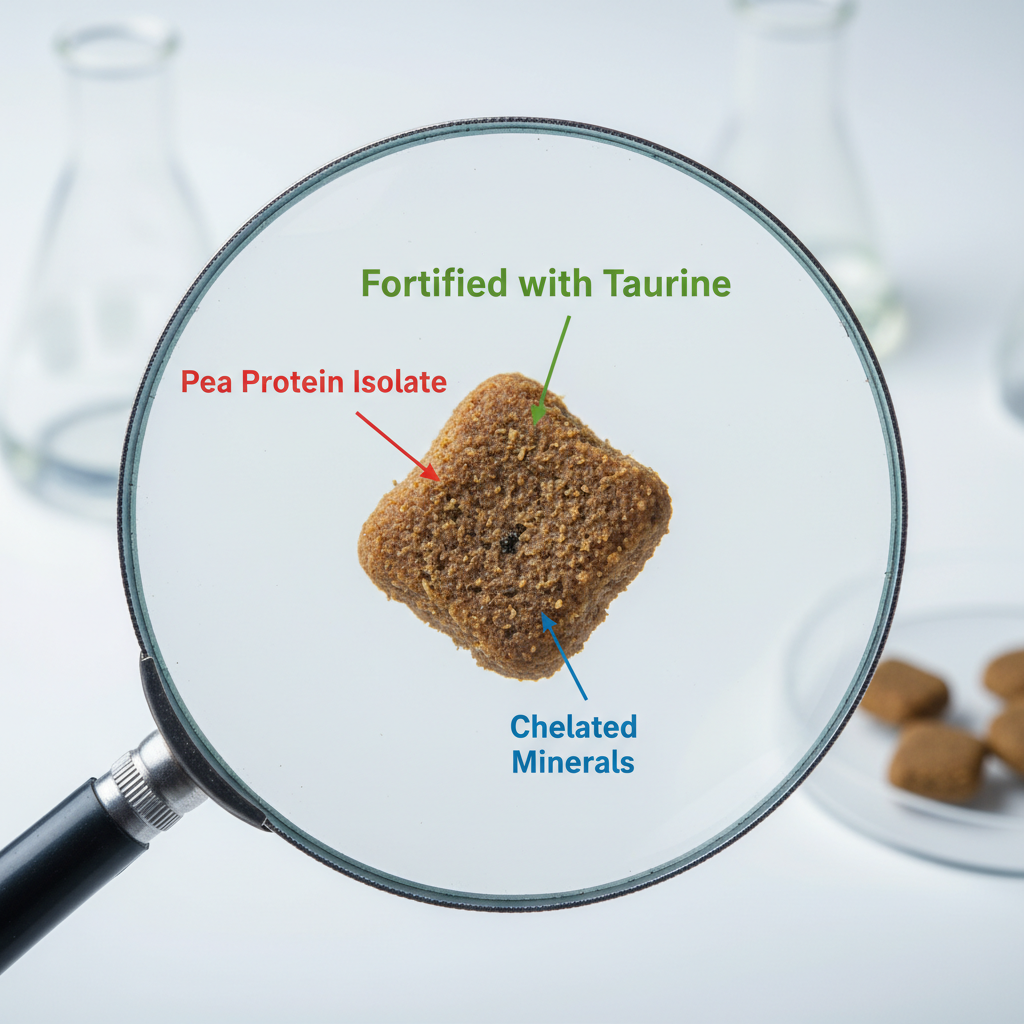
This is where we put on our lab coats. A poorly formulated vegetarian diet is not just suboptimal; it is dangerous. The absence of meat creates several nutritional voids that, if not meticulously filled with synthetic or carefully chosen plant-based alternatives, can lead to catastrophic health issues.
The Taurine and L-Carnitine Crisis
These two amino acids are the most critical weak points in any vegetarian canine diet. While technically not ‘essential’ for dogs (meaning they can synthesize them from other amino acids), they often can’t produce enough without the building blocks readily available in meat. Deficiencies in taurine and L-carnitine are directly linked to a life-threatening heart condition called dilated cardiomyopathy (DCM). Many commercial grain-free and plant-based diets have been investigated for potential links to DCM, making the sourcing and supplementation of these nutrients non-negotiable.
The Incomplete Protein Puzzle
Proteins are made of amino acids, and dogs require 22 of them. They can synthesize 12, but the other 10 are ‘essential’ and must come from their diet. Animal proteins are ‘complete,’ meaning they contain all 10 in the right proportions. Plant proteins are often ‘incomplete,’ lacking one or more essential amino acids. To create a complete protein profile from plants, you must skillfully combine different sources (like legumes and grains) to cover all the bases. It’s a complex puzzle that commercial formulators spend millions on to get right.
| Nutrient Source | Protein Quality | Key Amino Acid Profile | Bioavailability |
|---|---|---|---|
| Chicken Breast | Complete | High in Taurine, Methionine, Cysteine | Very High |
| Lentils | Incomplete | Low in Methionine & Cysteine (Taurine precursors) | Moderate |
| Soybean Meal | Complete (for dogs) | Good profile, but a common allergen | Moderate to High |
| Corn Gluten Meal | Incomplete | Lacks sufficient Lysine & Tryptophan | Low |
Digestibility and Anti-Nutrients
Many plant-based ingredients, particularly legumes, contain ‘anti-nutrients’ like phytates and lectins, which can interfere with the absorption of essential minerals like zinc, iron, and calcium. The high fiber content, while beneficial in moderation, can also cause gastrointestinal upset, excessive gas, and voluminous stools if the diet is not properly balanced. The dog’s digestive system may struggle to extract the maximum nutritional value from these fibrous, complex ingredients compared to more easily digestible animal tissues.
The Upside: Potential Benefits and Ideal Candidates

Despite the significant risks, there are specific scenarios where a veterinarian might recommend a carefully managed vegetarian diet. It’s not a choice to be made lightly for lifestyle reasons, but a targeted therapeutic tool.
The Allergy Solution
The most common reason for a vet-prescribed vegetarian diet is to manage severe food allergies. A surprising number of dogs develop allergies to common animal proteins like chicken, beef, and lamb. For these dogs, an elimination diet is necessary to identify the trigger. A vegetarian diet, using a novel protein source like hydrolyzed soy or pea protein, can provide complete nutrition while giving the dog’s immune system a rest from the offending allergen. In these cases, the benefits of stopping the allergic reaction (chronic skin infections, ear infections, GI distress) outweigh the risks of a plant-based diet, especially when it is a professionally formulated veterinary diet.
Ethical and Environmental Considerations
For some owners, the ethical implications of feeding animal products or the environmental footprint of the meat industry are powerful motivators. While this is a valid personal consideration for the owner, it’s crucial to understand that your dog does not share these values. The responsibility falls entirely on you to ensure these ethics do not compromise your dog’s health. This means choosing a premium, well-researched commercial food, not cutting corners with a risky homemade concoction.
Hacker Tip: Never trust a vegetarian dog food that doesn’t have an AAFCO (Association of American Feed Control Officials) statement on the bag. Look for the specific wording: “[Product Name] is formulated to meet the nutritional levels established by the AAFCO Dog Food Nutrient Profiles for [Adult Maintenance/All Life Stages].” This is your first line of defense against a nutritionally deficient product.
The Vet’s Verdict: What Board-Certified Nutritionists Actually Say

When you move past blogs and forums and into the world of veterinary medicine, the tone surrounding vegetarian dog diets becomes one of extreme caution. Board-certified veterinary nutritionists—the ultimate experts in this field—are not fundamentally opposed to the concept, but they are staunchly opposed to how it’s often executed by well-meaning but uninformed owners.
The Professional Consensus
The consensus among veterinary professionals can be summarized in a few key points:
- Possible, But Not Optimal: It is theoretically possible to formulate a complete and balanced vegetarian diet for an adult dog. However, it is difficult, expensive, and offers no inherent nutritional advantages over a well-made meat-based diet for a healthy dog. For puppies, pregnant, or lactating dogs, it is almost universally advised against due to their elevated nutritional demands.
- Commercial Over Homemade: The risk of nutritional deficiency in homemade vegetarian diets is exceptionally high. Vets overwhelmingly recommend sticking to commercial diets produced by reputable companies that employ full-time veterinary nutritionists and conduct extensive research and feeding trials.
- Requires Intense Monitoring: A dog on a vegetarian diet requires more vigilant veterinary care. This includes regular check-ups, blood work to monitor organ function and protein levels, and potentially even echocardiograms to screen for heart issues like DCM. It is not a ‘set it and forget it’ dietary choice.
Ultimately, the veterinary community approaches this as a medical treatment, not a lifestyle trend. They will use it as a tool for a dog with proven meat-protein allergies but will rarely, if ever, recommend it for a healthy dog that is thriving on a conventional diet.
The Hacker’s Checklist: Choosing a Safe Commercial Vegetarian Food
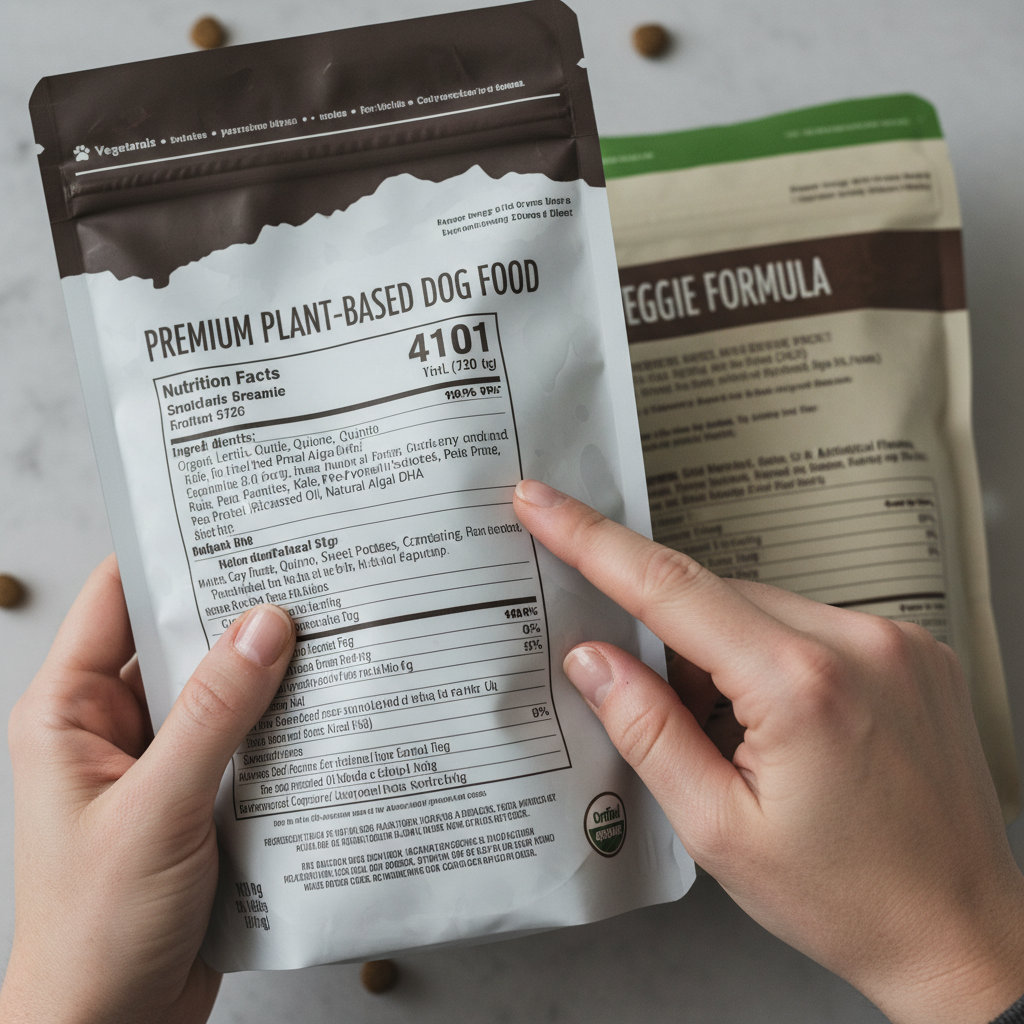
If, after consulting with your veterinarian, you’ve determined a commercial vegetarian diet is the right path, you must analyze your options with forensic scrutiny. Not all plant-based kibbles are created equal. Use this checklist to separate the scientifically sound from the dangerously deficient.
- Verify the AAFCO Statement: As mentioned before, this is non-negotiable. If it’s not on the bag, put it back on the shelf. Ensure it’s for the correct life stage (e.g., ‘Adult Maintenance’).
- Scrutinize the First 5 Ingredients: Look for high-quality, whole-food ingredients. Pea protein, chickpeas, lentils, and sweet potatoes are preferable to cheap fillers like corn gluten meal or wheat middlings. The primary protein source should be clearly identifiable and potent.
- Demand Taurine and L-Carnitine Fortification: Scan the ingredient list for ‘Taurine’ and ‘L-Carnitine’. Reputable brands add these proactively to mitigate the risk of DCM. If they are not listed, consider it a major red flag.
- Look for Chelated Minerals: Remember the ‘anti-nutrients’ that block mineral absorption? Chelated minerals (e.g., zinc proteinate, iron proteinate) are bonded to amino acids, making them much easier for a dog’s body to absorb. This shows a higher level of formulation science.
- Investigate the Brand’s Expertise: Does the company employ a full-time veterinary nutritionist? Do they conduct and publish research? Do they perform AAFCO feeding trials (the gold standard) or just formulate to meet profiles? A premium price should come with premium expertise.
| Brand (Example) | Primary Protein Source | Key Fortifications | AAFCO Statement | Hacker Verdict |
|---|---|---|---|---|
| Veterinary Formula V | Hydrolyzed Soy Protein | Taurine, L-Carnitine, Chelated Minerals | Yes – Adult Maintenance | Gold Standard: Designed by nutritionists for therapeutic use. High cost but maximum safety. |
| Premium Vegan Kibble | Pea Protein, Lentils | Taurine, DL-Methionine | Yes – Adult Maintenance | Acceptable: A good over-the-counter option, but requires monitoring with your vet. Ensure L-Carnitine is present or supplemented. |
| Budget Veggie Bites | Corn Gluten Meal, Soy Flour | None Listed | No | Avoid: High risk of nutritional deficiencies. Uses cheap fillers and lacks critical safety supplements. |
Conclusion
Navigating the world of vegetarian dog food is a high-stakes endeavor. While modern nutritional science has made it possible for some dogs—particularly those with specific health issues—to live on a plant-based diet, it is not a biologically optimal choice for the average healthy canine. The risks of catastrophic nutritional deficiencies, especially concerning heart health, are very real and demand respect.
Your role as a pet owner is to be a skeptical, informed advocate for your dog’s health. This means prioritizing scientific evidence over marketing claims and personal philosophies. The decision to remove meat from your dog’s bowl must be made in collaboration with a veterinary professional and executed with the highest quality, most scientifically rigorous commercial diet you can find. Your dog’s life literally depends on it.