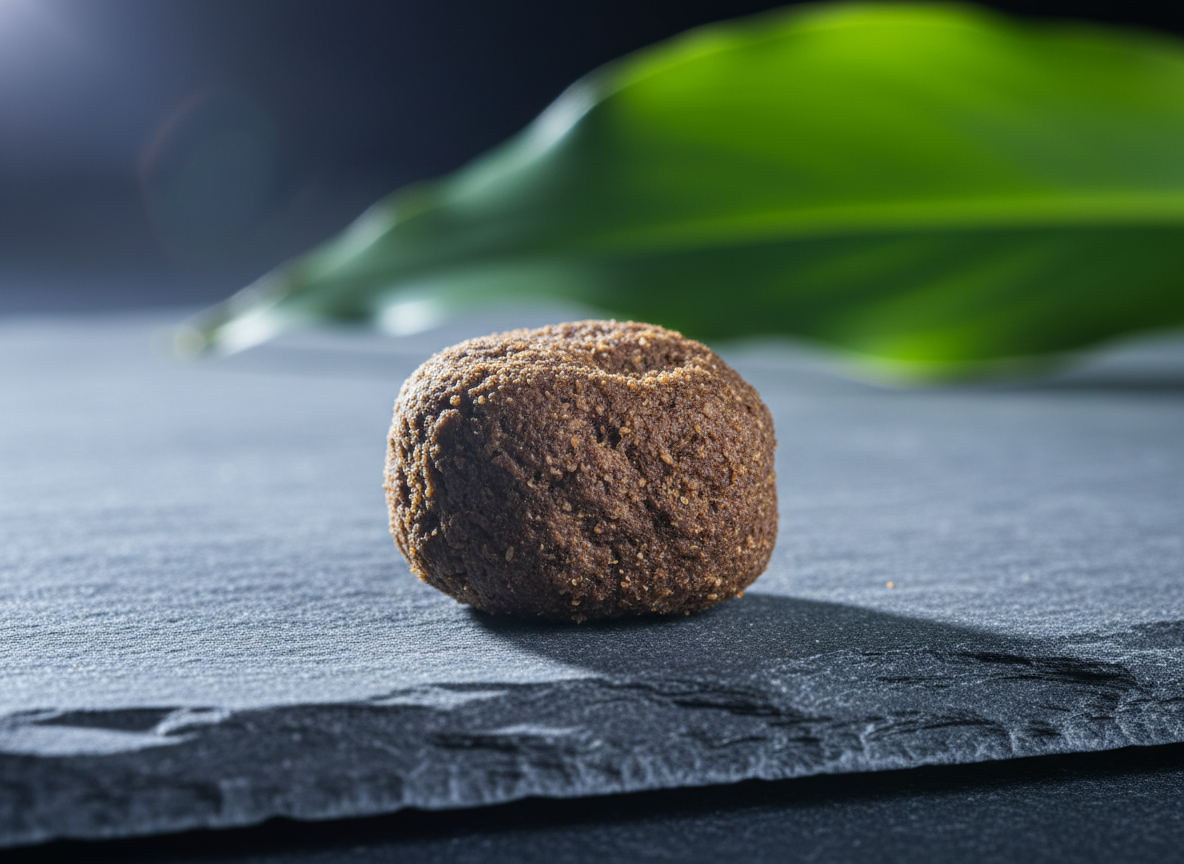
Why Insect Protein is the Future of Sustainable Dog Food
Let’s cut to the chase. The bag of premium, chicken or beef-based kibble you’re feeding your dog has a dirty secret: its environmental footprint is colossal. The pet food industry is a silent giant in the global livestock crisis, contributing significantly to land degradation, water consumption, and greenhouse gas emissions. For years, we’ve been told that meat is the only way to provide our canine companions with the high-quality protein they need to thrive. This is a myth perpetuated by a multi-billion dollar industry resistant to change.
As a Canine Nutrition Hacker, my job is to dissect labels, challenge the status quo, and find what’s truly best for our dogs and our wallets—and in this case, the planet. The solution isn’t about compromising on nutrition. It’s about upgrading it. The future of canine nutrition is crawling with potential, quite literally. We’re talking about insect protein, a revolutionary ingredient that is not only packed with every essential nutrient your dog needs but is also one of the most sustainable and hypoallergenic options on the market. It’s time to look beyond the ‘yuck factor’ and analyze the data. This isn’t a fad; it’s a food revolution.
The Planetary Price Tag of Your Dog’s Dinner
The Planetary Price Tag of Your Dog’s Dinner
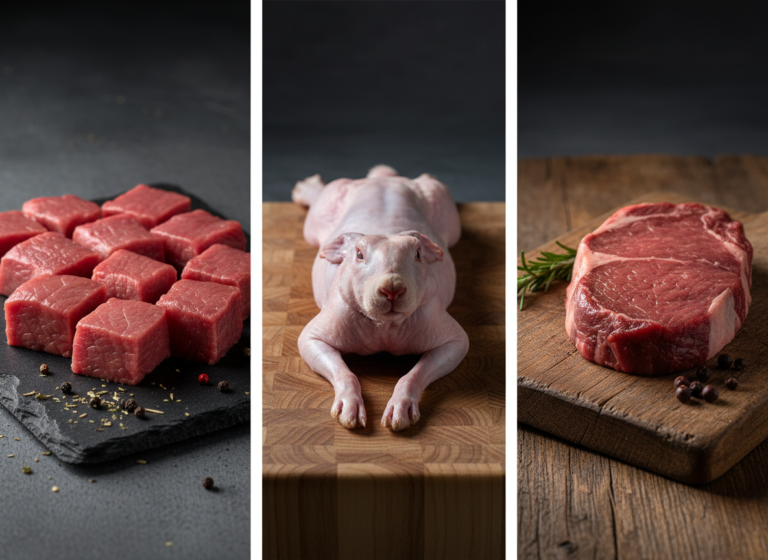
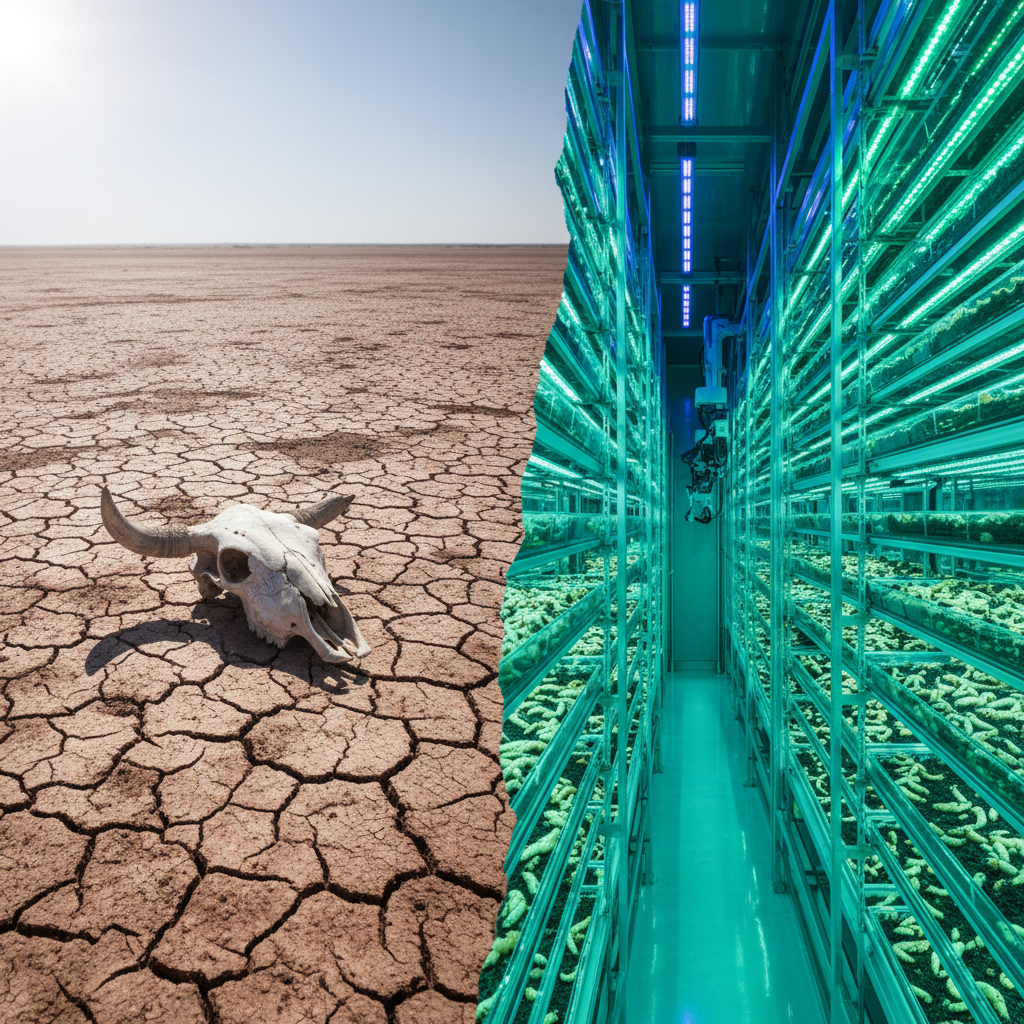
Before we dive into the solution, you need to understand the scale of the problem. Traditional livestock farming is one of the most resource-intensive industries on Earth. When you feed your dog a diet based on beef, lamb, or chicken, you are indirectly supporting this system. Let’s break down the forensic evidence:
- Land Usage: It’s estimated that if America’s 163 million cats and dogs were their own country, they would rank 5th in the world for meat consumption. The land required to raise livestock for this consumption is vast, leading to deforestation and loss of biodiversity.
- Water Consumption: Producing one pound of beef requires approximately 1,800 gallons of water. Compare that to the nearly non-existent water footprint of farming insects, which often get sufficient hydration from the food waste they consume.
- Greenhouse Gas Emissions: The livestock sector is a major source of methane, a potent greenhouse gas. The entire lifecycle, from farm to kibble factory to your dog’s bowl, carries a heavy carbon cost.
These aren’t just abstract numbers; they represent a direct and unsustainable drain on our planet’s resources. As responsible pet owners, we have the power to disrupt this cycle. The choice we make every time we fill our dog’s bowl has a ripple effect, and choosing a more sustainable protein source is one of the most impactful decisions we can make.
Insider Secret: Many ‘meat meal’ ingredients in pet food are rendered from parts of the animal not fit for human consumption. While this reduces waste, it also means the quality can be highly variable. The environmental cost of raising the animal in the first place remains the same.
Nutritional Forensics: Deconstructing Insect Protein
Nutritional Forensics: Deconstructing Insect Protein
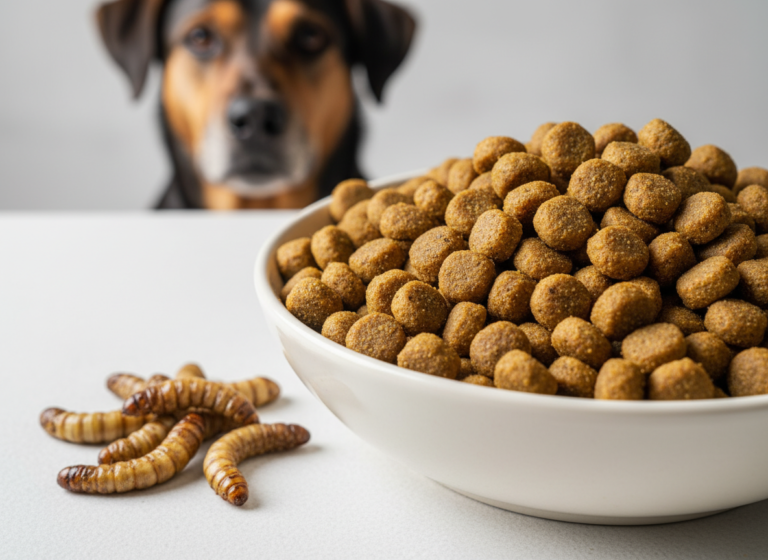
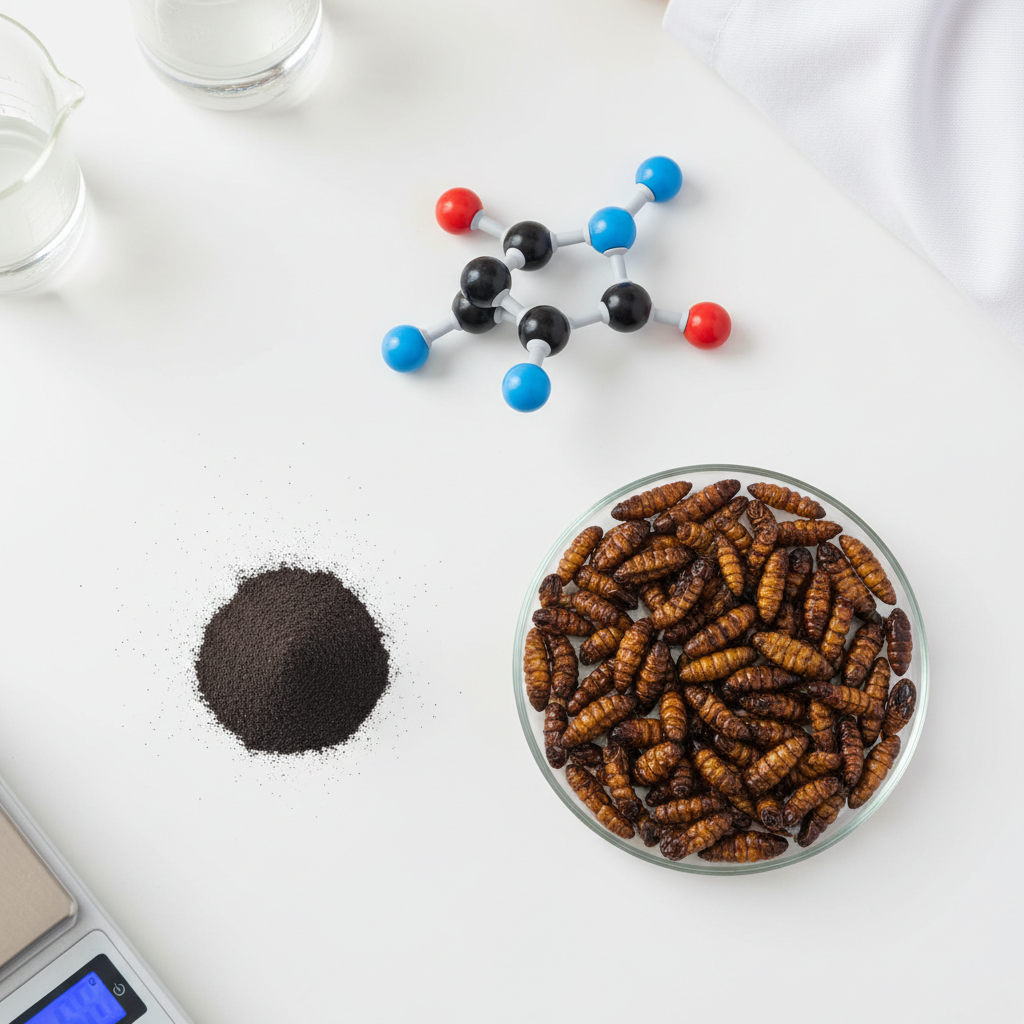
The primary objection to insect protein is based on emotion, not science. Let’s ignore the marketing noise and look at the hard data. The most common source used in high-quality dog food is the Black Soldier Fly Larvae (BSFL). It’s a nutritional powerhouse that doesn’t just compete with traditional meats; in some areas, it surpasses them.
The Macronutrient Profile
BSFL is a complete protein, meaning it contains all ten essential amino acids required by dogs for optimal health. Its protein content is highly digestible, which means more nutrients are absorbed and less waste is produced. Let’s put it head-to-head with the industry standards.
| Nutrient (Dry Matter Basis) | Black Soldier Fly Larvae Meal | Chicken Meal | Beef Meal |
|---|---|---|---|
| Crude Protein | 40-55% | 60-65% | 50-55% |
| Crude Fat | 15-35% (Rich in Lauric Acid) | 10-15% | 8-12% |
| Digestibility | ~85-90% | ~80-85% | ~75-80% |
| Verdict | Highly digestible, complete protein with beneficial fats. | Industry standard, but a common allergen. | Lower digestibility and high environmental cost. |
Micronutrient Superiority
It’s not just about protein and fat. BSFL are packed with vital micronutrients:
- Calcium: Naturally high in calcium, promoting strong bones and teeth. The calcium-to-phosphorus ratio is often ideal, reducing the need for synthetic supplements.
- Iron & Zinc: BSFL contains more iron than spinach and as much zinc as beef, crucial for immune function and energy metabolism.
- Lauric Acid: A significant portion of the fat in BSFL is lauric acid, a medium-chain fatty acid known for its antimicrobial properties and ability to promote skin and coat health.
The bottom line is that from a purely nutritional standpoint, insect protein is not a compromise. It is a high-performance ingredient backed by a growing body of scientific research.
The Allergy Solution: Why a Novel Protein is a Game-Changer

The Allergy Solution: Why a Novel Protein is a Game-Changer
Is your dog constantly scratching, licking its paws, or suffering from chronic ear infections and digestive upset? The culprit is often a food allergy or sensitivity. The most common triggers are the proteins dogs have been exposed to for generations: chicken, beef, and dairy. Their immune systems can overreact to these familiar proteins, causing a cascade of inflammatory issues.
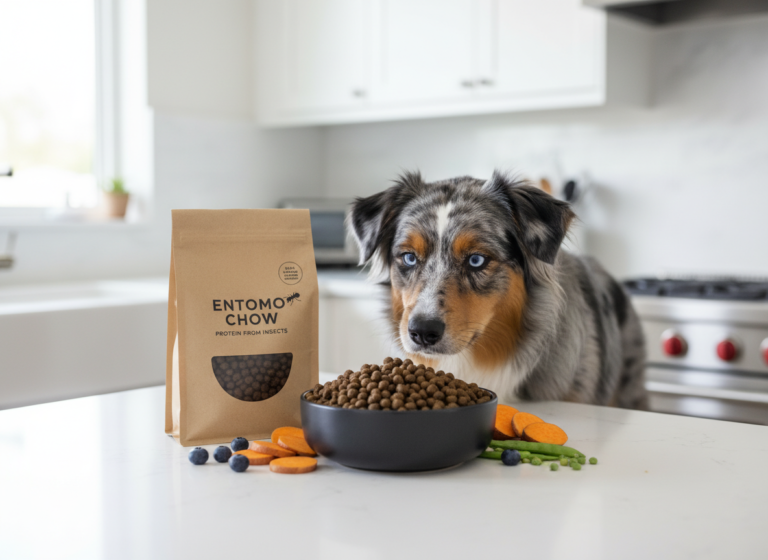
This is where insect protein becomes a hero ingredient. As a ‘novel’ protein, it’s an ingredient your dog’s immune system has almost certainly never encountered before. This gives the system a chance to ‘reset.’ By removing the common triggers, you can often eliminate the allergic reactions, providing immense relief for your dog.
Identifying the Enemy vs. The Hero
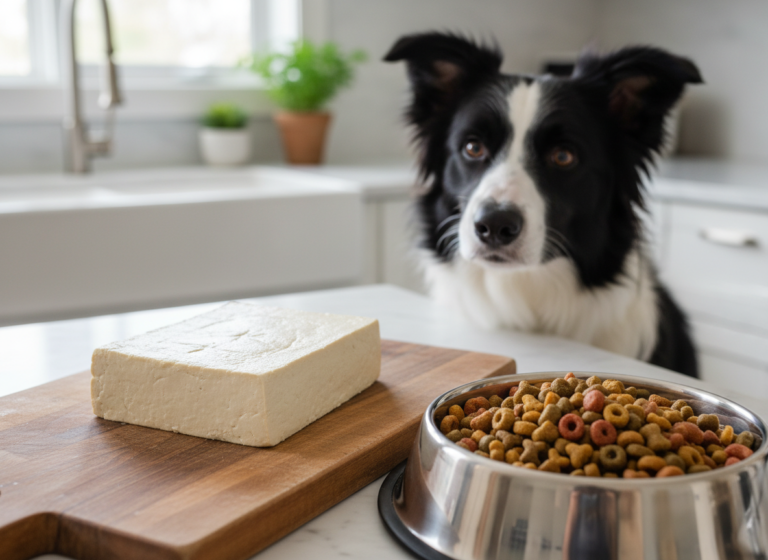
- Enemy Ingredients: Chicken, Beef, Lamb, Soy, Corn, Wheat. These are not inherently ‘bad,’ but they are the most frequent causes of allergic reactions due to overexposure in countless pet food formulas.
- Hero Ingredient: Black Soldier Fly Larvae. As a novel protein, it’s extremely unlikely to trigger an existing allergy. Its high digestibility also means it’s gentle on the gastrointestinal tract, making it an excellent choice for dogs with sensitive stomachs.
Hacker Tip: When switching to a hypoallergenic food, it is critical to eliminate ALL other sources of the old protein. This includes treats, dental chews, and table scraps. A single chicken-flavored treat can be enough to perpetuate the allergic cycle. Look for single-ingredient or insect-based treats to support the new diet.
For countless owners who have spent thousands on vet bills, medicated shampoos, and prescription diets, a high-quality insect-based food can be the simple, effective solution they’ve been searching for.
Cost Analysis: Is Sustainable Nutrition Affordable?

Cost Analysis: Is Sustainable Nutrition Affordable?
A revolutionary ingredient is useless if it’s not accessible. Let’s break down the cost. Yes, insect protein dog food is a premium product. The technology is new, and the scale is not yet at the level of traditional meat production. However, when you compare it to other premium, veterinary, or fresh food diets, the price is highly competitive.
Let’s run the numbers for a hypothetical 50lb dog requiring approximately 3 cups of food per day.
| Brand Type | Example Brand | Cost per Bag (approx. 22-25 lbs) | Approx. Cost Per Day (50lb Dog) |
|---|---|---|---|
| Insect Protein (Premium) | Brand X (e.g., Jiminy’s, Chippin) | $85 – $95 | $2.80 – $3.20 |
| Grain-Free Salmon (Premium) | Brand Y (e.g., Orijen, Acana) | $90 – $100 | $3.00 – $3.50 |
| Veterinary Hydrolyzed Diet | Brand Z (e.g., Royal Canin, Hill’s) | $110 – $125 | $4.00 – $4.50 |
| Standard Grocery Store Brand | Brand A (e.g., Purina Dog Chow) | $30 – $40 | $1.00 – $1.50 |
As you can see, insect protein is priced squarely in the premium pet food category. While it’s more expensive than a basic, filler-laden grocery store brand, it’s on par with or even cheaper than other premium and veterinary formulas designed to tackle similar health issues like allergies. When you factor in the potential savings on vet bills for allergy-related problems, the value proposition becomes even clearer. You’re not just buying dog food; you’re investing in your dog’s long-term health and reducing your environmental impact simultaneously.
Conclusion
The verdict is in. Insect protein is not a marketing gimmick or a fleeting trend. It is the logical, scientifically-backed evolution of canine nutrition. It addresses the two most significant challenges facing the modern pet owner: the rising tide of food allergies and the urgent need for environmental sustainability.
By looking past our own preconceived notions and analyzing the data, we can see a clear winner. Insect protein offers a complete and balanced nutritional profile that is highly digestible, hypoallergenic, and radically more sustainable than any traditional meat source. The choice to switch is a vote for a healthier pet and a healthier planet.
Don’t let the industry’s inertia dictate your dog’s health. Be a nutrition hacker. Read the labels, question the ingredients, and demand better. The future of dog food is here, and it’s time to embrace it. Consult with your veterinarian, find a reputable brand, and consider making the switch. Your dog—and the planet—will thank you for it.