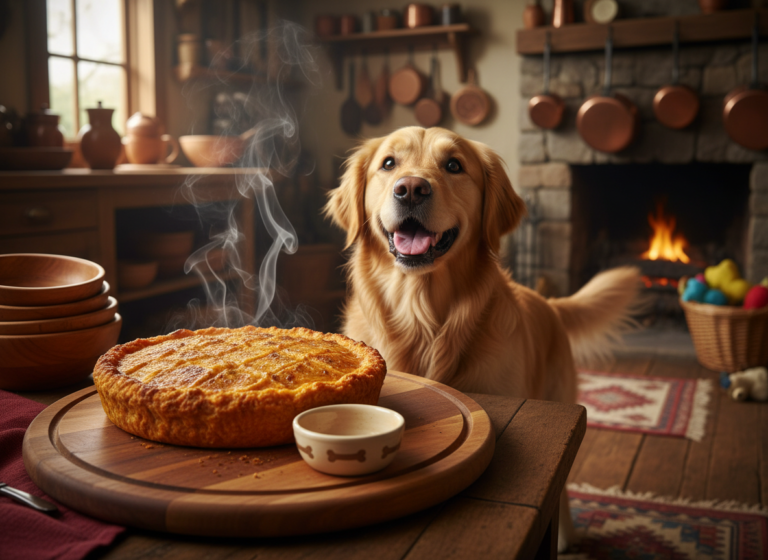
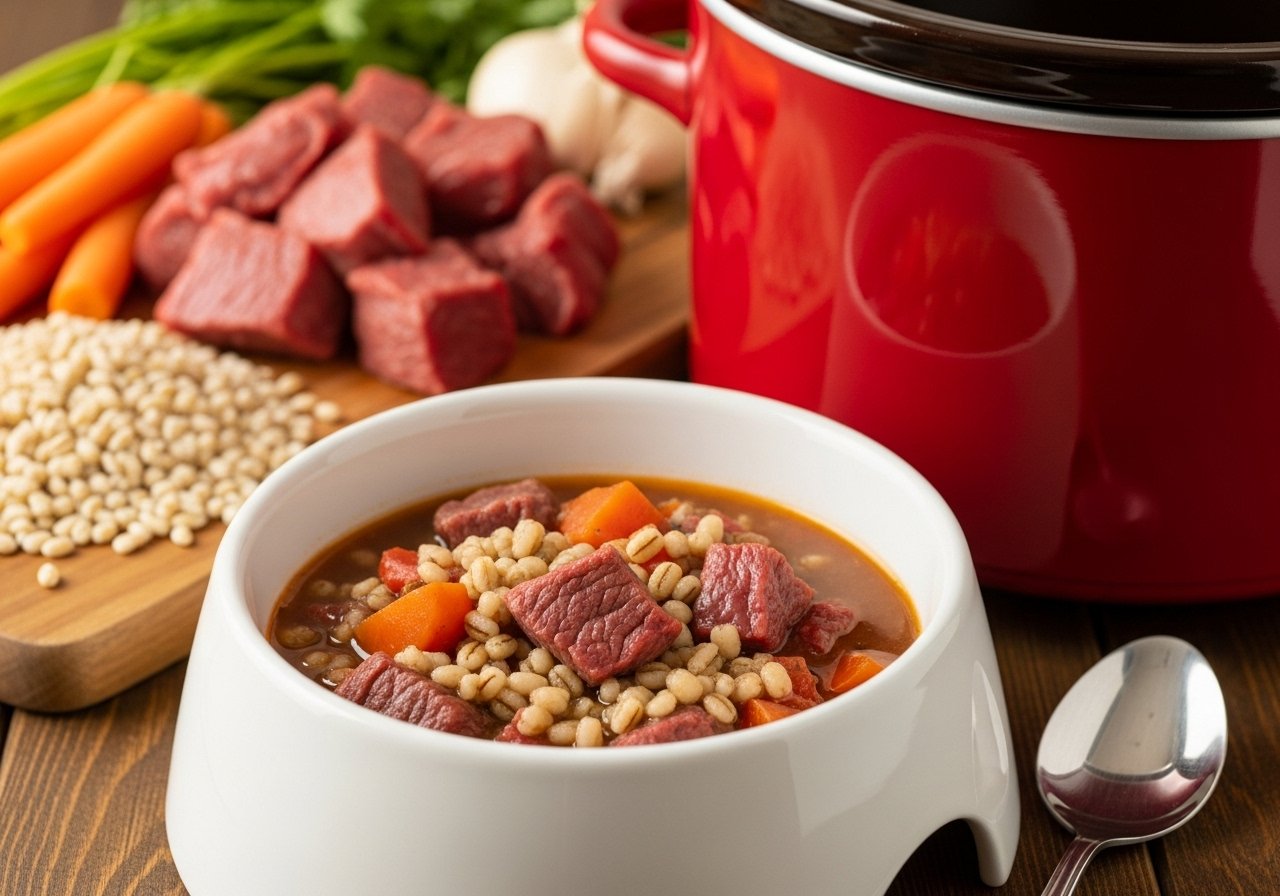
Crockpot Comfort: Beef and Barley Stew Recipe for Dogs
Are you tired of staring at a dog food label and feeling like you need a chemistry degree to understand it? You’re not alone. The commercial pet food industry is built on clever marketing and formulas packed with low-cost fillers designed to maximize profit, not your dog’s health. I’m The Canine Nutrition Hacker, and I’m here to show you how to take back control. It starts in your kitchen with a tool you already own: the crockpot.
This Beef and Barley Stew isn’t just a treat; it’s a statement. It’s a rejection of mysterious ‘meat by-products’ and a vote for transparent, whole-food nutrition. We’re going to break down the real cost, the powerful benefits, and the exact blueprint to do it safely.
CRITICAL SAFETY DISCLAIMER: Before you begin, understand this critical point. I am a canine nutrition analyst, not a veterinarian. This recipe is intended as a healthy, supplemental meal or topper, not a complete and balanced daily diet on its own. Long-term feeding of any homemade diet requires precise supplementation to avoid nutritional deficiencies. Always consult with your veterinarian or a board-certified veterinary nutritionist before making significant changes to your dog’s diet, especially if your dog has underlying health conditions.
Deconstructing the Kibble Bag: Why Your Crockpot is Your Best Ally
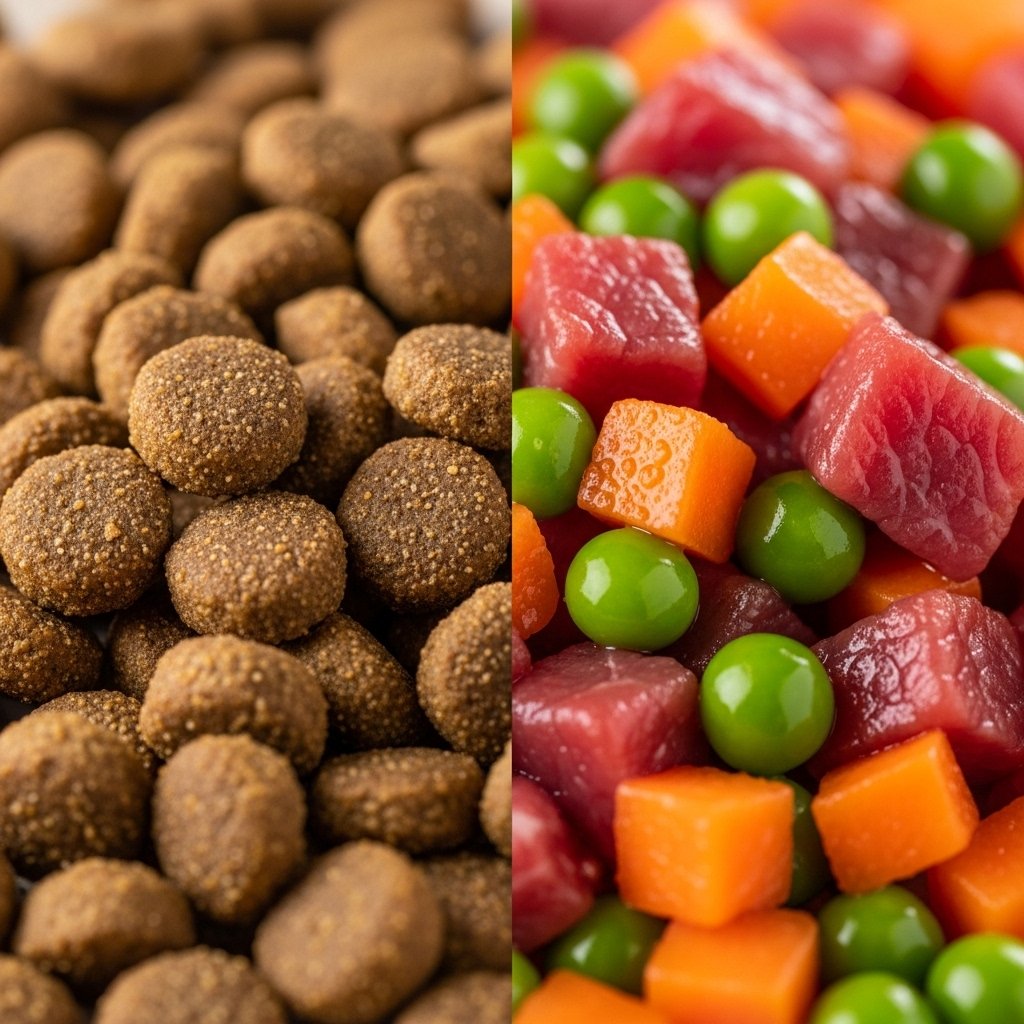
Let’s conduct a forensic analysis of a standard, mid-tier bag of ‘beef formula’ kibble. Turn it over. The front of the bag shows juicy steaks and happy dogs. The back tells the real story. The first five ingredients determine the quality of the food. Here’s what you often find:
- Corn Gluten Meal: A cheap, plant-based protein booster. It’s harder for dogs to digest than animal protein and is a common allergen.
- Meat and Bone Meal: A rendered product from slaughterhouse waste. The source and quality are impossible to verify. It’s a mystery meat concoction.
- Soybean Hulls: A filler. Pure fiber with little to no nutritional value, used to add bulk to the food and your dog’s stool.
- Animal Fat (preserved with BHA/BHT): Another mystery ingredient. Is it chicken fat? Beef fat? Who knows. The real red flag is the use of synthetic preservatives like BHA and BHT, which are controversial and have been linked to health issues.
- Artificial Flavors and Colors: If the ingredients were high-quality, they wouldn’t need to add fake flavor. This is a dead giveaway that the base ingredients are unappetizing.
When you make your dog’s food, the ingredient list is simple: beef, barley, carrots, peas, water. You control the quality of the meat, the freshness of the vegetables, and you eliminate every single filler, artificial preservative, and questionable additive. Your crockpot becomes a tool of nutritional empowerment.
The Bottom Line: A Forensic Cost Analysis of Homemade vs. Store-Bought
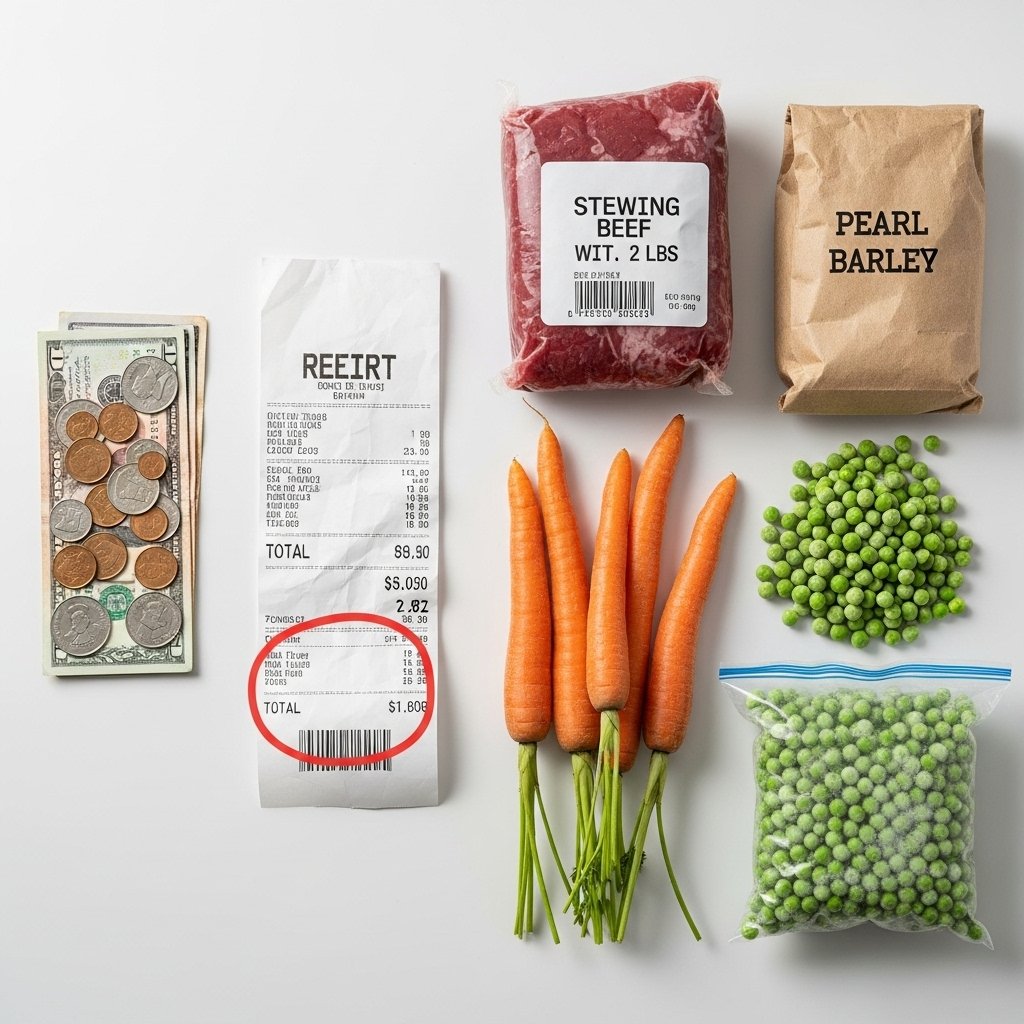
Premium, grain-inclusive dog food with beef as the first ingredient can easily cost over $70 for a 30lb bag. Let’s break down the numbers for a 50lb dog, which typically eats about 3 cups (or 12 oz) of food per day. This is where hacking your dog’s nutrition directly impacts your wallet.
| Metric | Premium ‘Beef & Barley’ Kibble | DIY Crockpot Beef & Barley Stew |
|---|---|---|
| Cost per Pound | Approx. $2.33/lb ($70 / 30 lbs) | Approx. $1.50/lb (Varies by ingredient cost) |
| Serving Size (50lb dog) | Approx. 12 oz / day | Approx. 16 oz / day (higher moisture) |
| Cost per Day | $1.75 | $1.50 |
| Monthly Cost | $52.50 | $45.00 |
| Annual Savings | – | $90.00+ |
While the initial savings might seem modest, they add up. More importantly, this calculation doesn’t factor in the quality upgrade. You are replacing low-grade ‘meat meal’ with actual stewing beef and ditching fillers for nutrient-dense vegetables. The value proposition is off the charts. You’re getting superior quality for a lower price, a classic hacker win.
The Blueprint: Crockpot Beef and Barley Stew Recipe
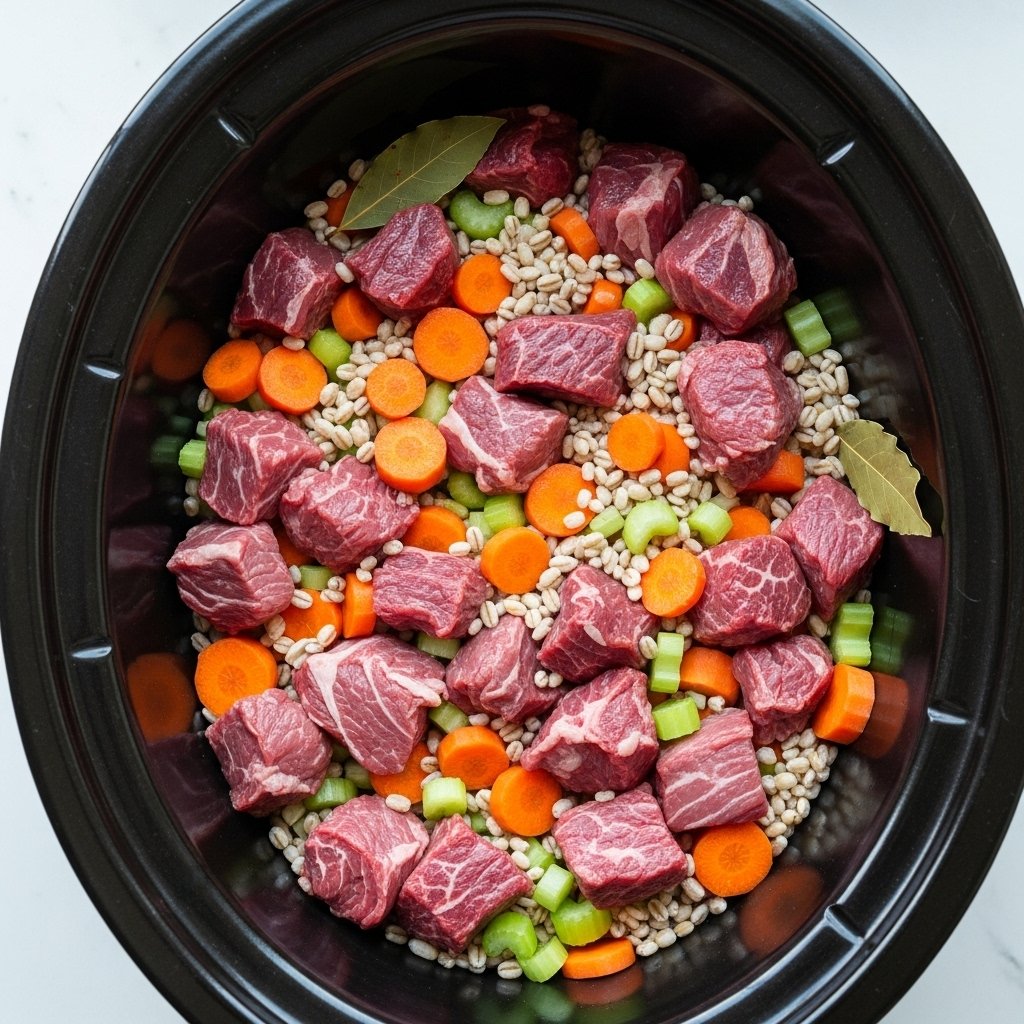
This recipe is designed for simplicity and nutritional value. The ratio we are aiming for is approximately 50% Protein, 25% Complex Carbohydrates, and 25% Vegetables. This provides a solid foundation of muscle-building protein, slow-release energy, and vital phytonutrients.
Ingredients:
- 2 lbs stewing beef or lean ground beef, cut into small, bite-sized cubes
- 1 cup pearl barley, rinsed
- 4 cups water or low-sodium beef broth (ensure no onion or garlic)
- 2 large carrots, washed and diced
- 1 cup frozen peas or green beans
- 1 tablespoon olive oil or coconut oil (optional, for browning)
Instructions:
- Sear the Protein (Optional but Recommended): In a skillet, heat the olive oil over medium-high heat. Add the beef and brown on all sides. This step isn’t strictly necessary, but it locks in flavor and creates a richer stew. Drain off any excess fat.
- Load the Crockpot: Transfer the browned beef to the slow cooker. Add the rinsed barley, diced carrots, and water or broth. Stir everything to combine.
- Cook Low and Slow: Cover and cook on low for 6-8 hours or on high for 3-4 hours. The beef should be tender and the barley should be soft and fully cooked.
- Add Vegetables Last: About 30 minutes before the end of the cooking time, stir in the frozen peas or green beans. This keeps them from getting too mushy and preserves more of their nutrients.
- Cool and Serve: Once done, turn off the crockpot and let the stew cool completely before serving. This is a critical step to prevent your dog from burning their mouth.
Hacker Tip: Do not add any salt, onions, or garlic, as these are toxic to dogs. For an omega-3 boost, you can stir in a pump of high-quality fish oil or a tablespoon of ground flaxseed after the stew has cooled, right before serving. Heat destroys the delicate fatty acids in these oils.
Critical Alert: Avoiding Nutritional Deficiencies
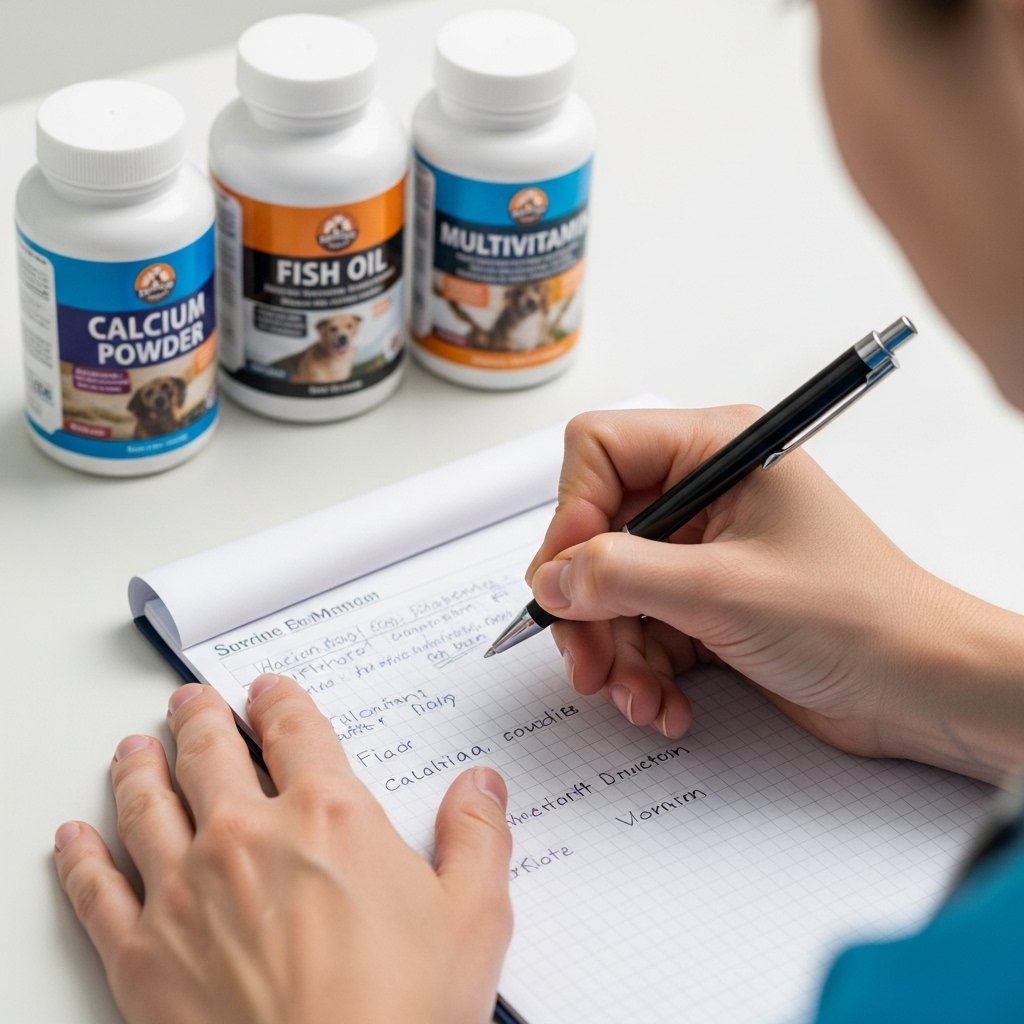
This is the most important section of this guide. While our stew is packed with wholesome macronutrients, it is NOT a complete diet. Commercial dog foods are fortified with a precise balance of vitamins and minerals (like calcium, phosphorus, zinc, Vitamin D, etc.) to meet AAFCO (The Association of American Feed Control Officials) standards for a ‘complete and balanced’ meal.
Feeding only this stew for a prolonged period will lead to serious nutritional deficiencies, particularly a dangerous imbalance in the calcium-to-phosphorus ratio, which is vital for bone health.
How to Balance the Diet:
- Use as a Topper: The safest way to use this stew is as a nutritious topper. Replace 25% of your dog’s regular kibble with the stew to add whole-food goodness without unbalancing their core diet.
- Short-Term Use: It can be used as a temporary diet for a few days to help with an upset stomach (after consulting your vet).
- Consult a Professional for Long-Term Feeding: If you wish to transition to a fully homemade diet, you MUST work with a veterinary nutritionist. They will analyze your recipes and prescribe a specific vitamin and mineral supplement blend (often a powder you mix in) to make the food complete and balanced for your dog’s specific needs, age, and activity level.
Do not guess on supplements. Over-supplementing can be just as dangerous as under-supplementing. Professional guidance is non-negotiable for a full dietary transition.
Efficiency Protocol: Batching, Freezing, and Storing Your Stew
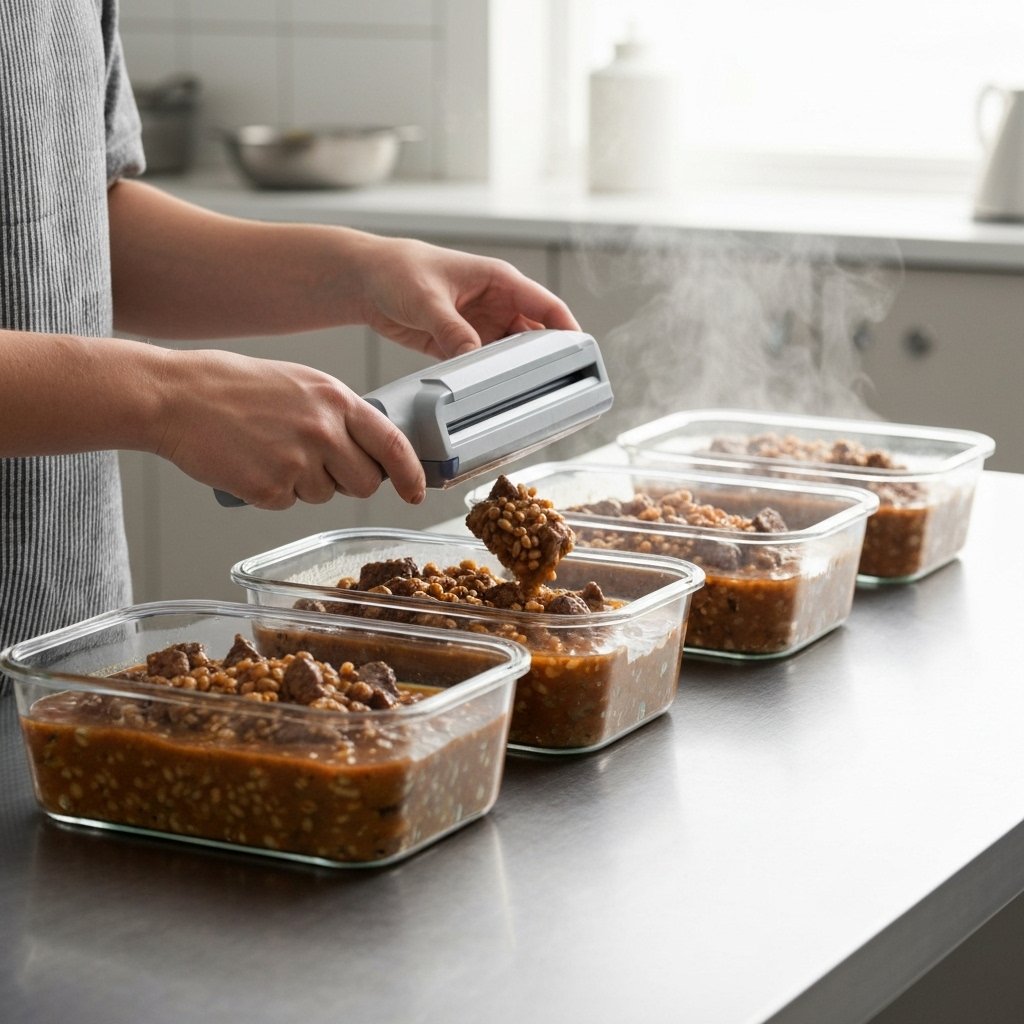
The beauty of a crockpot recipe is the sheer volume you can make at once. This is your key to making homemade food a sustainable practice, not a daily chore. Here’s the protocol for efficient storage:
Cooling and Portioning:
- After cooking, allow the stew to cool to room temperature on the counter. To speed this up, you can place the ceramic insert (if removable) on a cooling rack.
- Once cool, determine your dog’s portion size. This might be a half-cup, a full cup, or more depending on their size and whether you’re using it as a meal or a topper.
- Use a measuring cup to scoop out single portions into storage containers.
Storage Solutions:
- Refrigerator: The stew can be stored in an airtight container in the refrigerator for up to 4 days.
- Freezer: For long-term storage, the freezer is your best friend. Portion the stew into freezer-safe glass containers or BPA-free plastic bags. Squeeze out as much air as possible before sealing to prevent freezer burn. The stew will last for up to 3 months in the freezer.
Insider Secret: For small dogs or for use as a topper, portion the cooled stew into silicone ice cube trays or muffin tins. Once frozen solid, pop the ‘stew pucks’ out and store them in a large freezer bag. This allows you to thaw one or two small portions at a time with zero waste. Thaw overnight in the fridge or use the defrost setting on your microwave.
Conclusion
You’ve just hacked your dog’s dinner. By investing a little time, you’ve bypassed the confusing marketing and questionable ingredients of the commercial pet food world. You’ve provided a meal made with real, recognizable food that you can feel good about. This recipe is more than just food; it’s a powerful tool that puts you, the owner, back in the driver’s seat of your dog’s health journey.
Remember the core principles of the Canine Nutrition Hacker: question everything, demand transparency, and prioritize quality. Whether you use this stew as a special treat, a daily topper, or the first step on a larger journey into a balanced homemade diet, you’ve taken a definitive step toward becoming a more informed and empowered advocate for your best friend. Now, go preheat that crockpot, but don’t forget to have that crucial conversation with your veterinarian first.