How To Feed Canned Mackerel To Dogs (Serving Size Guide)
Walk down any pet food aisle and you’re bombarded with marketing terms: ‘ancestral diet,’ ‘biologically appropriate,’ ‘holistic blend.’ As The Canine Nutrition Hacker, my job is to cut through that noise. The truth is, one of the most powerful nutritional upgrades you can give your dog doesn’t come in a fancy bag with a picture of a wolf on it. It comes in a humble can from your local grocery store: mackerel.
Mackerel is a nutritional powerhouse, packed with anti-inflammatory Omega-3 fatty acids that most commercial dog foods skimp on. But here’s the problem: pet owners are rightfully cautious. Can dogs eat the bones? What about the salt? How much is too much? The fear of doing it wrong often prevents owners from providing a real, whole-food boost that could dramatically improve their dog’s health.
Consider this your definitive field guide. We are going to bypass the marketing and get straight to the data. This guide will provide you with the exact protocols for selecting the right product, calculating the precise serving size for your dog’s weight, and integrating it safely into their diet. It’s time to stop guessing and start leveraging one of the most cost-effective superfoods on the planet for your canine companion.
Deconstructing the Can: The Nutritional Case for Mackerel
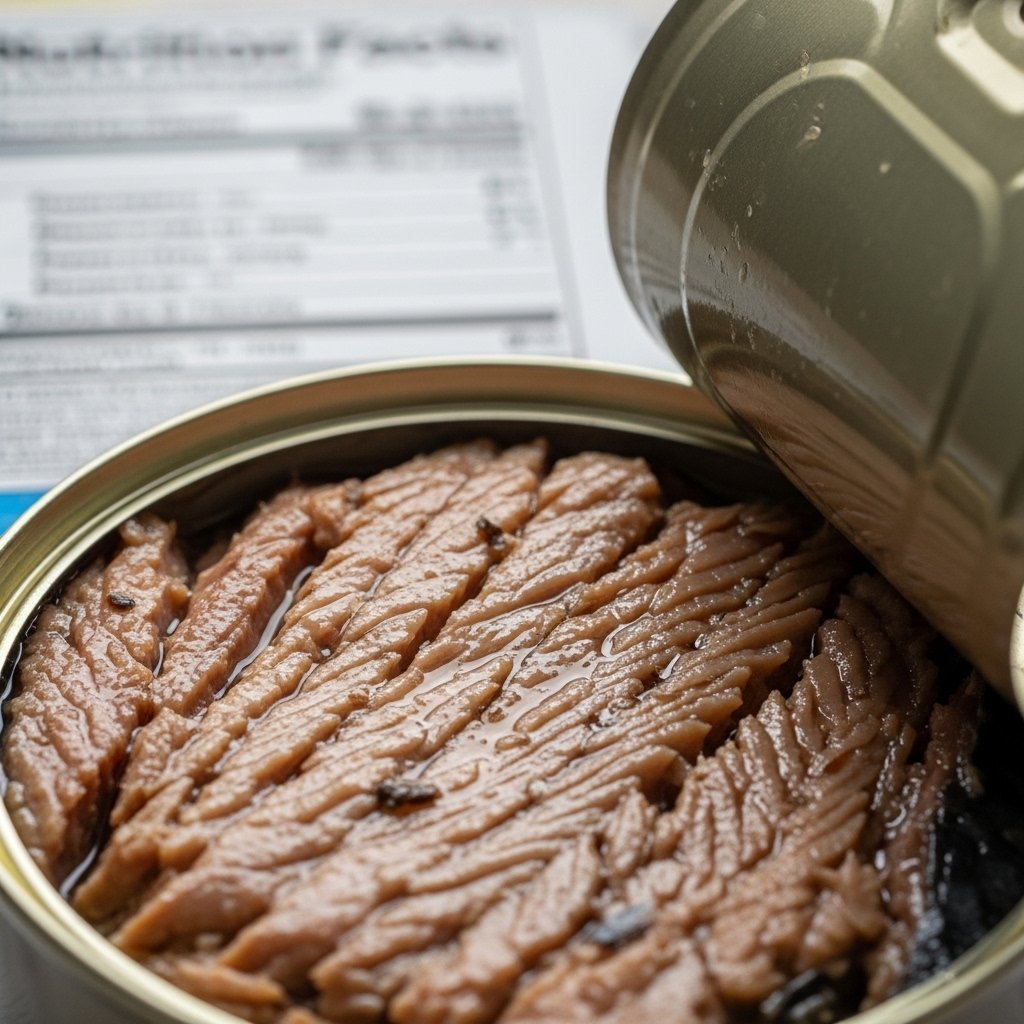
Before we discuss dosage, you need to understand *why* we’re doing this. It’s not about a tasty treat; it’s a strategic nutritional intervention. When I analyze a food, I look for its ‘nutritional payload’—the concentration of high-value nutrients versus empty calories or fillers. Canned mackerel has an incredible payload.
The Omega-3 Powerhouse: EPA & DHA
The primary reason to add mackerel to your dog’s diet is its high concentration of Omega-3 fatty acids, specifically Eicosapentaenoic Acid (EPA) and Docosahexaenoic Acid (DHA). While some dog foods claim ‘Omega-3s’ from plant sources like flaxseed, dogs are notoriously inefficient at converting plant-based ALA into the usable EPA and DHA forms. Marine sources like mackerel provide it directly.
- Anti-Inflammatory Action: Chronic inflammation is the root cause of many canine health issues, from arthritis to skin allergies. EPA is a powerful natural anti-inflammatory that can help manage joint pain and reduce itchy skin.
- Cognitive Function: DHA is a critical component of brain and retinal tissue. For puppies, it’s vital for development. For senior dogs, supplementing with DHA can help support cognitive function and slow the progression of canine cognitive dysfunction.
- Skin and Coat Health: A dull, flaky coat is often one of the first signs of an essential fatty acid deficiency. The oils in mackerel help to nourish the skin from the inside out, leading to a glossier, healthier coat and reduced shedding.
More Than Just Fish Oil
While the Omega-3s are the star of the show, mackerel is not a one-trick pony. It provides a host of other essential nutrients:
- High-Quality Protein: Mackerel is a complete protein, containing all the essential amino acids your dog needs to build and maintain lean muscle mass.
- Vitamin D: This is a critical nutrient that many dogs, especially those on homemade diets, can be deficient in. Vitamin D is essential for regulating calcium and phosphorus levels, crucial for bone health.
- Vitamin B12 (Cobalamin): Vital for a healthy nervous system, brain function, and the formation of blood cells.
Adding a small amount of mackerel isn’t just ‘humanizing’ your pet. It’s a calculated move to fill the nutritional gaps present in many mass-produced commercial dog foods. You’re providing bioavailable nutrients that their body can use immediately for critical functions.
The Canned Fish Minefield: Your Pre-Purchase Checklist
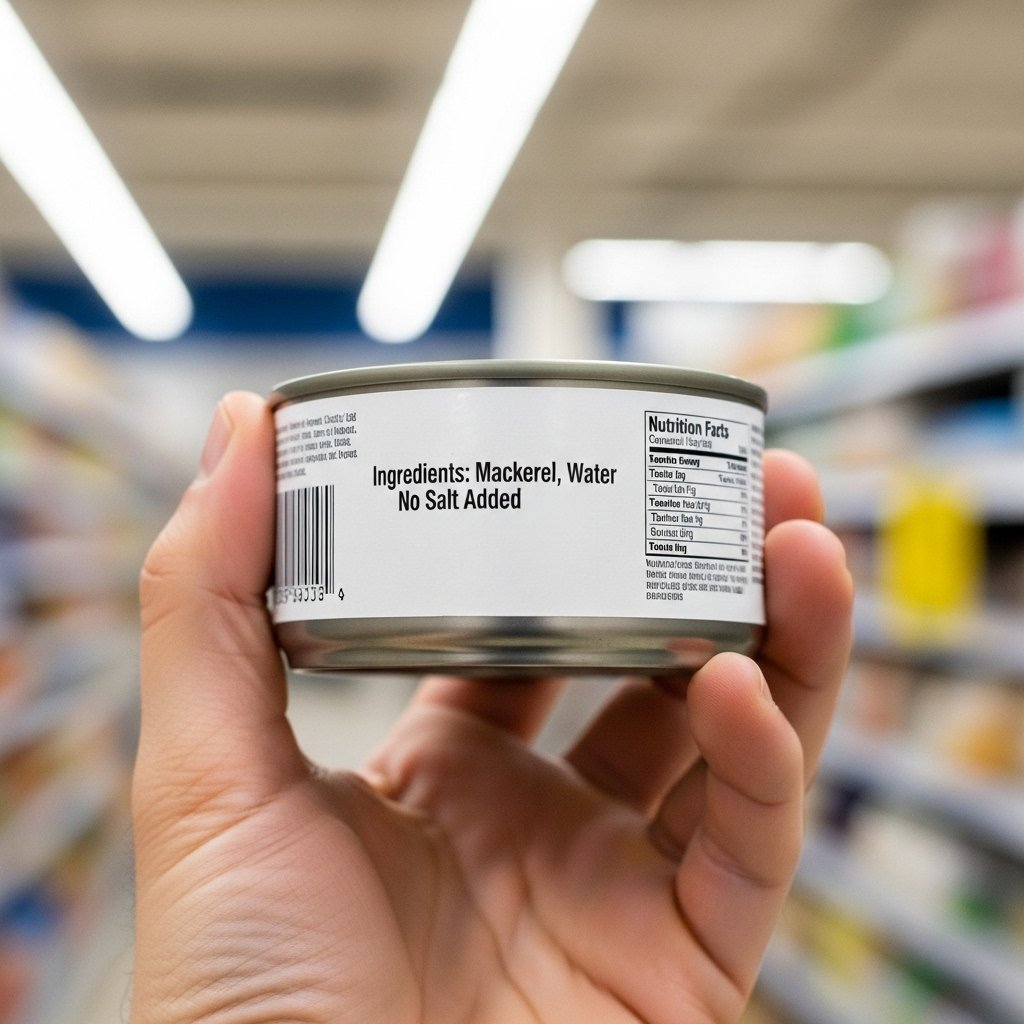
Not all canned mackerel is created equal. The wrong choice can negate the health benefits and even cause harm. The grocery store aisle is a minefield of high-sodium, high-fat, and inappropriately seasoned products. You must learn to read the label like a forensic scientist. Here is your non-negotiable checklist before a can ever goes into your cart.
The Non-Negotiable Rules of Engagement:
- Rule #1: Packed in WATER Only. You will see mackerel packed in soybean oil, olive oil, or other vegetable oils. Avoid them all. These add a significant number of unnecessary calories and, depending on the oil, can even be pro-inflammatory, defeating the purpose of the Omega-3s. We want the fish, not the cheap filler oil. The only acceptable ingredient is mackerel in water.
- Rule #2: ‘NO SALT ADDED’ is Mandatory. This is the single most important factor. A dog’s daily sodium requirement is very low. A single serving of mackerel packed in brine can contain several hundred milligrams of sodium, far exceeding their daily needs and putting a strain on their heart and kidneys. The label must explicitly state ‘No Salt Added’. Do not trust ‘Reduced Sodium’ claims.
- Rule #3: Scrutinize the Ingredients List. Avoid any product with added broths, spices, flavorings, or sauces. Ingredients like onion powder or garlic powder, often found in ‘tomato sauce’ or ‘mustard sauce’ varieties, are toxic to dogs. The ingredient list should be brutally simple: ‘Mackerel, Water’. That’s it.
- Rule #4: Assess the Bones. Most canned mackerel is ‘skinless and boneless,’ which is the safest option. However, some brands leave the tiny, pressure-cooked bones in. These are typically soft enough to be mashed with a fork and are an excellent source of calcium. If you can easily crush them into a paste, they are safe. If you find any bones that feel hard or sharp, discard them.
Hacker Tip: Ignore the flashy marketing on the front of the can. The ‘high in protein’ or ‘wild caught’ claims mean nothing if the product is swimming in salt and oil. The truth is always on the back, in the fine print of the nutrition facts panel and the ingredients list. That is your battlefield. Master it.
The Precise Dosage: Mackerel Serving Size by Dog Weight

This is where precision is paramount. We are not ‘eyeballing’ a portion. We are administering a specific, supplemental dose to achieve a nutritional benefit without overloading the system with calories or fat. Overfeeding can lead to digestive upset or, in sensitive dogs, contribute to pancreatitis. Always introduce any new food slowly and consult with your veterinarian, especially if your dog has a pre-existing health condition.
The following guide is a starting point for a healthy adult dog. The total amount should be split into 2-3 feedings throughout the week, not given all at once. This ensures a steadier supply of Omega-3s and is easier on their digestive system.
| Dog Weight (lbs) | Total Mackerel Per WEEK | Serving Suggestion |
|---|---|---|
| Under 10 lbs (e.g., Yorkie, Chihuahua) | 1 teaspoon (approx. 0.2 oz / 5g) | Split into two tiny servings per week. |
| 10-25 lbs (e.g., Beagle, French Bulldog) | 1 tablespoon (approx. 0.5 oz / 15g) | Give 1/2 tablespoon twice per week. |
| 25-50 lbs (e.g., Border Collie, Bulldog) | 1/4 of a standard can (approx. 1 oz / 30g) | Split the 1/4 can into two servings per week. |
| 50-75 lbs (e.g., Golden Retriever, German Shepherd) | 1/2 of a standard can (approx. 2 oz / 60g) | Give 1/4 can twice per week. |
| Over 75 lbs (e.g., Great Dane, Mastiff) | Up to 1 full standard can (approx. 4 oz / 115g) | Give 1/2 can twice per week. |
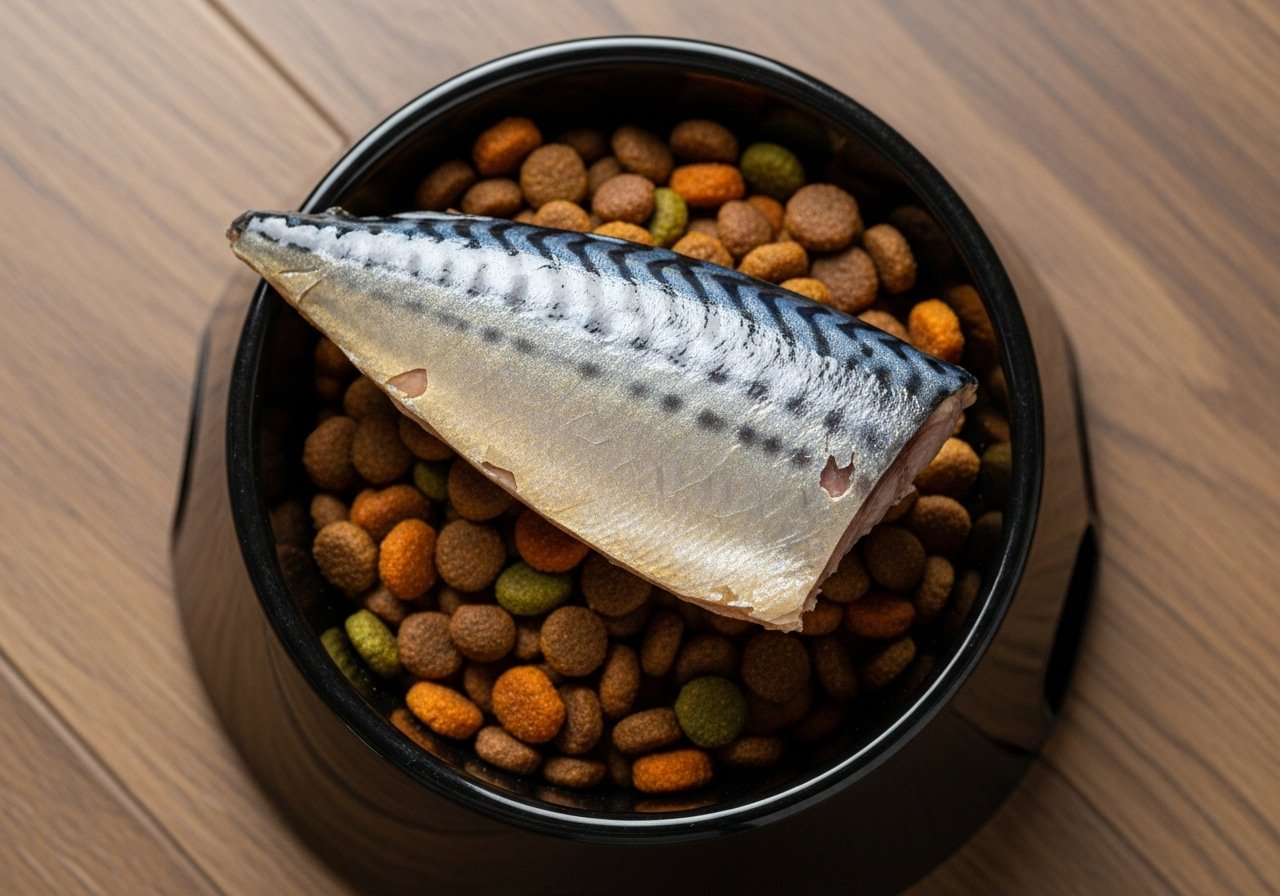
A ‘standard can’ is typically around 3.75 to 4.25 ounces (approx. 120g). When you open a can, drain the water thoroughly. Flake the appropriate amount with a fork and mix it directly into your dog’s regular food. You can refrigerate the remaining mackerel in a sealed, airtight container for up to 3 days. Do not leave an open metal can in the refrigerator.
Risk Analysis: Mercury, Allergies, and Pancreatitis

A smart hacker always assesses the risks. While mackerel is safer than many other fish, you must be aware of the potential downsides and how to mitigate them. Ignoring these can lead to serious health consequences for your dog.
Mercury Contamination
Mercury bioaccumulates up the food chain. Large, predatory fish like shark, swordfish, and certain species of tuna have the highest levels. Mackerel is a smaller, shorter-lived fish, placing it much lower on the food chain and therefore lower in mercury. By sticking to the recommended serving sizes, the risk of mercury toxicity is extremely low and is far outweighed by the anti-inflammatory benefits of the Omega-3s.
Allergic Reactions
Just like humans, dogs can be allergic to fish. When you first introduce mackerel, give only a tiny amount—less than a quarter of the recommended first serving. Over the next 24-48 hours, monitor for any signs of an adverse reaction, which can include:
- Excessive scratching or licking
- Red, inflamed skin or hot spots
- Vomiting or diarrhea
- Ear infections
If you notice any of these signs, discontinue feeding mackerel and consult your vet. Do not introduce any other new foods at the same time, or you won’t know what caused the reaction.
Pancreatitis and High-Fat Foods
Mackerel is an oily fish. This high-fat content is what provides the beneficial Omega-3s, but it can also be a trigger for dogs prone to pancreatitis—a painful and potentially fatal inflammation of the pancreas. If your dog has a history of pancreatitis or is a breed susceptible to it (like Miniature Schnauzers or Yorkshire Terriers), you must speak with your veterinarian before adding any extra fat to their diet. This is non-negotiable. For healthy dogs, the risk is low when sticking to the correct serving sizes and using only mackerel packed in water, not oil.
Conclusion
You now have the complete protocol. Adding canned mackerel to your dog’s diet is no longer a guessing game. It is a strategic, evidence-based method for boosting their intake of critical anti-inflammatory nutrients. You understand the ‘why’ (the nutritional payload), the ‘what’ (water-packed, no-salt-added), and the ‘how much’ (precise, weight-based dosing).
By following these guidelines, you move from being a standard pet owner to a proactive canine nutrition hacker. You are leveraging simple, cost-effective whole foods to fill the gaps left by commercial processing. Remember the core rules: read the label, control the portion, and monitor your dog. You are now equipped to make a safe, powerful, and positive impact on your dog’s long-term health and well-being.