Is Imitation Crab Meat Safe for Dogs? Additive Dangers
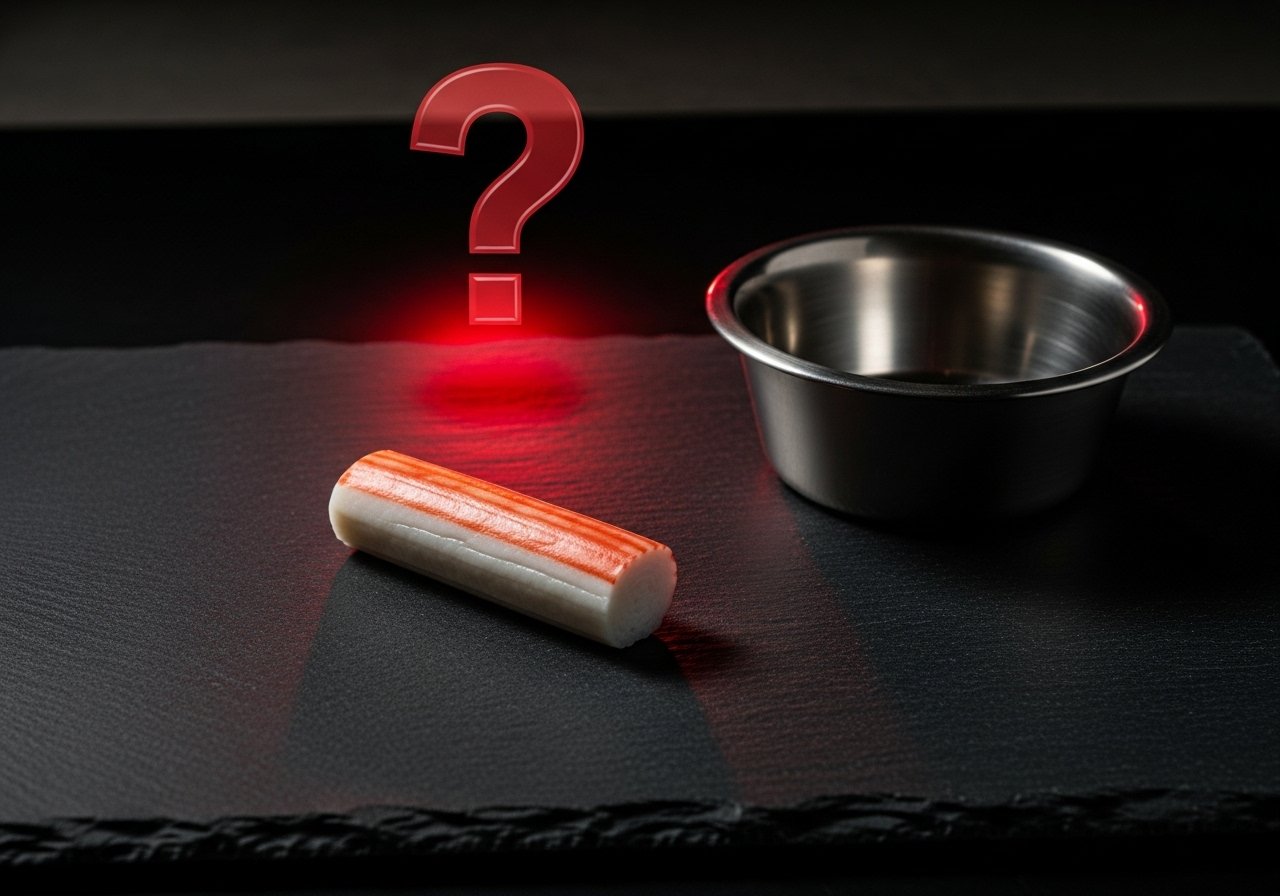
You’re making a seafood salad or enjoying a California roll, and those pleading eyes are fixed on you. It’s tempting to toss a piece of that flaky, red-edged ‘crab’ to your dog. It’s just fish, right? Wrong. As The Canine Nutrition Hacker, I’m here to tell you that imitation crab meat is one of the most deceptive ‘human foods’ you can give your pet. It isn’t crab. It’s a highly processed food-like product engineered in a lab, and its ingredient list reads like a chemical inventory sheet.
Before you share that snack, you need to look past the convincing packaging and understand what you’re actually introducing into your dog’s system. We’re going to put imitation crab under the microscope, dissecting its components to expose the fillers, chemicals, and additive dangers that make it a non-negotiable ‘no’ for your dog’s diet. This isn’t about being overly cautious; it’s about being an informed owner who protects their dog from preventable health issues caused by processed junk.
Deconstructing the ‘Crab Stick’: What Are You Actually Feeding Your Dog?
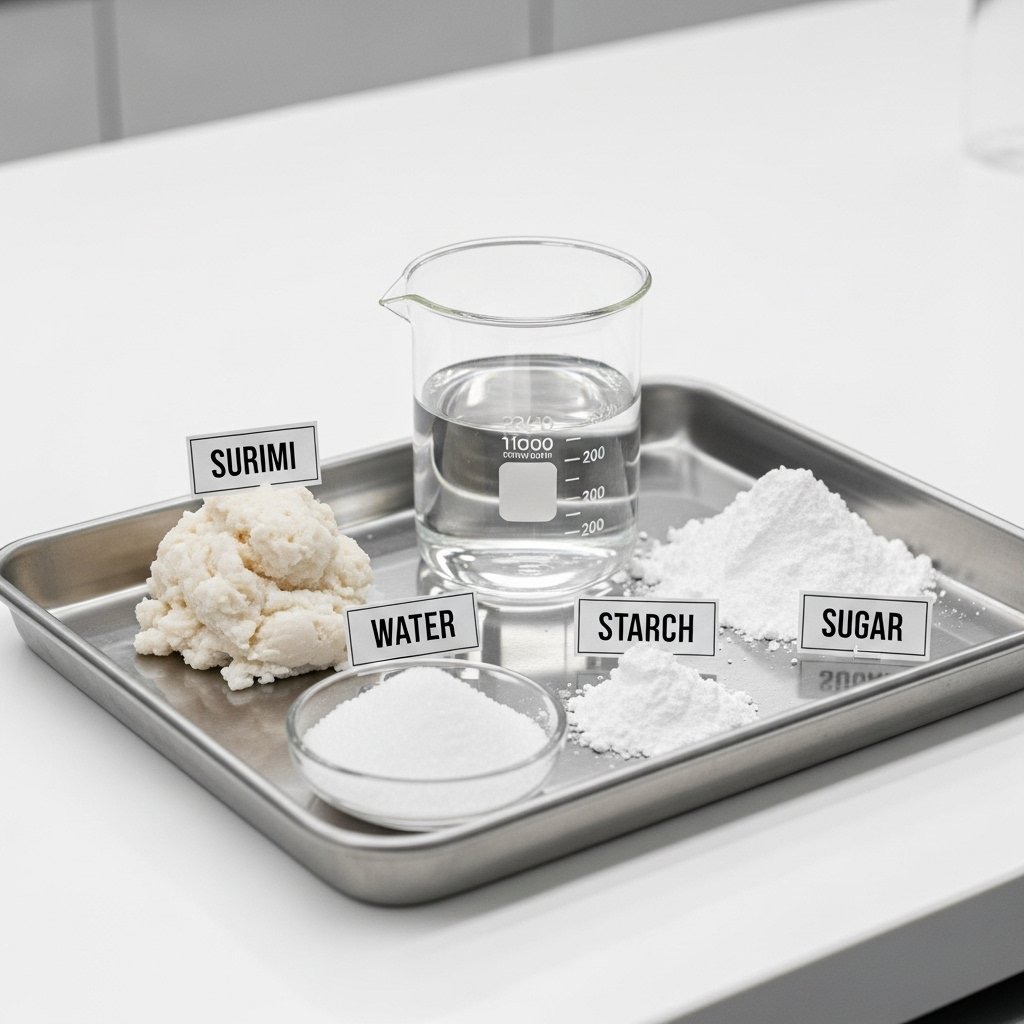
The first step in any nutritional investigation is to identify the primary suspect. In this case, it’s the product itself. Imitation crab, known in the industry as ‘surimi,’ is not shellfish. It’s a paste made from pulverized, low-cost white fish—typically Alaska Pollock. While pollock itself isn’t inherently bad for dogs, the process it undergoes strips it of most of its nutritional value, turning it into a blank canvas for a host of synthetic and low-quality additives.
The Core Components
Let’s examine the typical ‘first five’ ingredients you’ll find on a package of imitation crab meat:
- Surimi (Fish Protein): This is the base. The fish is deboned, minced, washed repeatedly to remove fat and undesirable bits, and then pulverized into a gelatinous paste. This intensive processing removes much of the beneficial fish oil (omega-3s) that makes fish a healthy choice for dogs.
- Water: Used to create the paste-like consistency and add weight.
- Starch (Wheat, Corn, or Tapioca): This is a cheap binding agent and filler. It adds carbs and texture but offers virtually zero nutritional value for a carnivorous animal. For dogs with grain sensitivities or allergies, wheat starch is an immediate red flag for gastrointestinal distress and inflammation.
- Sugar/Sorbitol: Sugar is added for flavor and to improve the texture during freezing and thawing. It’s an unnecessary ingredient that contributes to weight gain, dental issues, and can disrupt your dog’s metabolic processes. Sorbitol, a sugar alcohol, is a known gastrointestinal irritant for canines.
- Vegetable Oil (Soybean, Canola): Added for texture and as a preservative. These are often highly processed, inflammatory oils that provide none of the benefits of high-quality fats like fish oil.
Insider Secret: The term ‘fish protein’ or ‘surimi’ is intentionally vague. Manufacturers often use the scraps and less desirable parts of the fish catch. While it’s technically protein, it’s a far cry from the high-quality, nutrient-dense protein found in a fillet of whole fish. You’re paying for processed leftovers.
The Red Flag Rundown: Hazardous Additives Lurking in Surimi
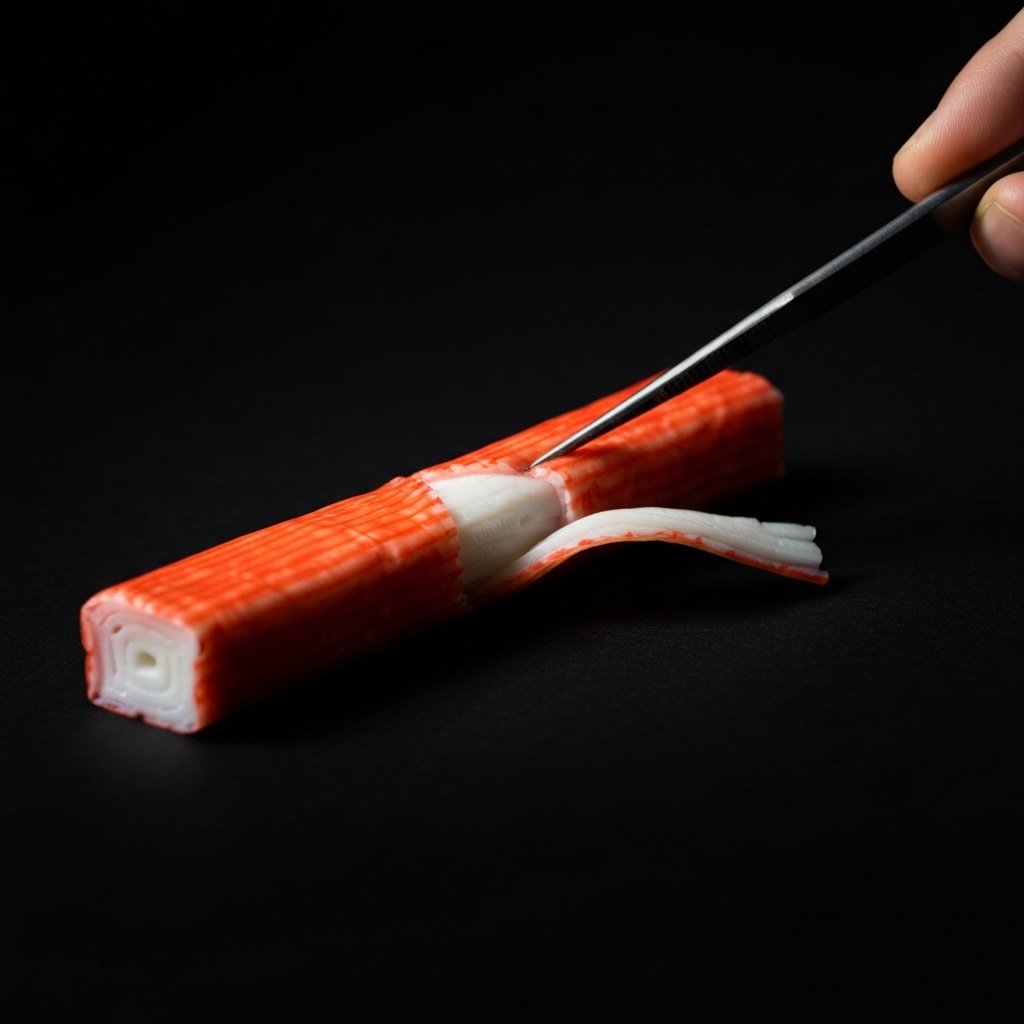
If the low-quality base ingredients weren’t enough to dissuade you, the cocktail of chemical additives should be. These are the ‘enemy ingredients’—the components added for flavor, color, and shelf-stability that pose the most direct threat to your dog’s health.
High Sodium Content: A Silent Threat
Imitation crab is loaded with salt. It’s used as a preservative and a flavor enhancer. A dog’s daily recommended sodium intake is very low (typically less than 100mg for a 33lb dog). A single stick of imitation crab can contain over 200mg of sodium. Giving your dog even a small piece can push them well over their daily limit, leading to increased thirst, urination, and in severe cases, sodium ion poisoning—a life-threatening condition that affects the kidneys and central nervous system.
Sugar, Sorbitol, and Fructose: The Sweet Deception
Dogs have no biological need for sugar. The sugars and sugar alcohols (like sorbitol) in surimi are purely for human palatability and product texture. For your dog, they are empty calories that can lead to obesity and diabetes. Worse, sugar alcohols are notorious for causing explosive diarrhea, gas, and stomach cramps in dogs, as their digestive systems are not equipped to process them.
Artificial Flavors and Monosodium Glutamate (MSG)
To make the bland fish paste taste like crab, manufacturers add a potent mix of artificial and ‘natural’ crab flavoring. The term ‘natural flavor’ is unregulated and can hide a multitude of chemicals, including MSG. While some dogs tolerate MSG, others can experience allergic reactions, nerve issues, or digestive upset. There is no reason to introduce these excitotoxins into your dog’s diet.
Harmful Preservatives
To keep the product ‘fresh’ on store shelves, preservatives like sodium tripolyphosphate or potassium sorbate are often used. Phosphates can be hard on the kidneys, especially for senior dogs or those with pre-existing renal conditions. These chemicals are foreign to a dog’s natural diet and add unnecessary strain on their organs.
Artificial Colors (Carmine, Paprika Oleoresin)
That familiar reddish-pink stripe on imitation crab isn’t natural. It’s painted on using coloring agents like carmine (derived from crushed insects) or paprika extract. While not acutely toxic, these dyes can trigger allergic reactions, skin irritation, and hyperactivity in sensitive dogs. They serve zero nutritional purpose and are purely cosmetic.
The Damage Report: Potential Health Consequences for Your Dog

Feeding your dog imitation crab meat, even as an occasional ‘treat,’ is a gamble with their health. The risks range from immediate discomfort to the promotion of chronic disease over time.
Short-Term Consequences:
- Gastrointestinal Upset: This is the most common and immediate reaction. The combination of starches, sugar alcohols, and artificial ingredients can lead to vomiting, severe diarrhea, painful gas, and bloating within hours of consumption.
- Allergic Reactions: The wheat, soy, artificial colors, and flavor enhancers are all potential allergens. Symptoms can include intense itching, hives, swelling of the face, and ear infections.
Long-Term Health Risks:
- Pancreatitis: This painful and potentially fatal inflammation of the pancreas can be triggered by highly processed, fatty, or unnatural foods. The combination of ingredients in surimi can be a trigger for susceptible dogs.
- Kidney Strain: The dangerously high sodium content puts a tremendous burden on the kidneys. For dogs with undiagnosed renal issues, a high-sodium snack can accelerate disease progression. Over time, it can contribute to hypertension and kidney damage in healthy dogs.
- Obesity and Diabetes: The empty calories from starches and sugars contribute directly to weight gain. Chronic exposure to sugar can lead to insulin resistance, paving the way for diabetes.
- Nutritional Deficiencies: When you give your dog a filler-based treat, you’re displacing calories that could have come from nutrient-rich, species-appropriate foods. It’s a missed opportunity for good nutrition and a step in the wrong direction.
Hacker Tip: Never assume a human food is safe. The rule is simple: When in doubt, leave it out. Your dog relies on you to be their gatekeeper against harmful ingredients. A moment of temptation for you can lead to days of suffering for them.
The Canine Nutrition Hacker’s Approved List: Safer Seafood Swaps
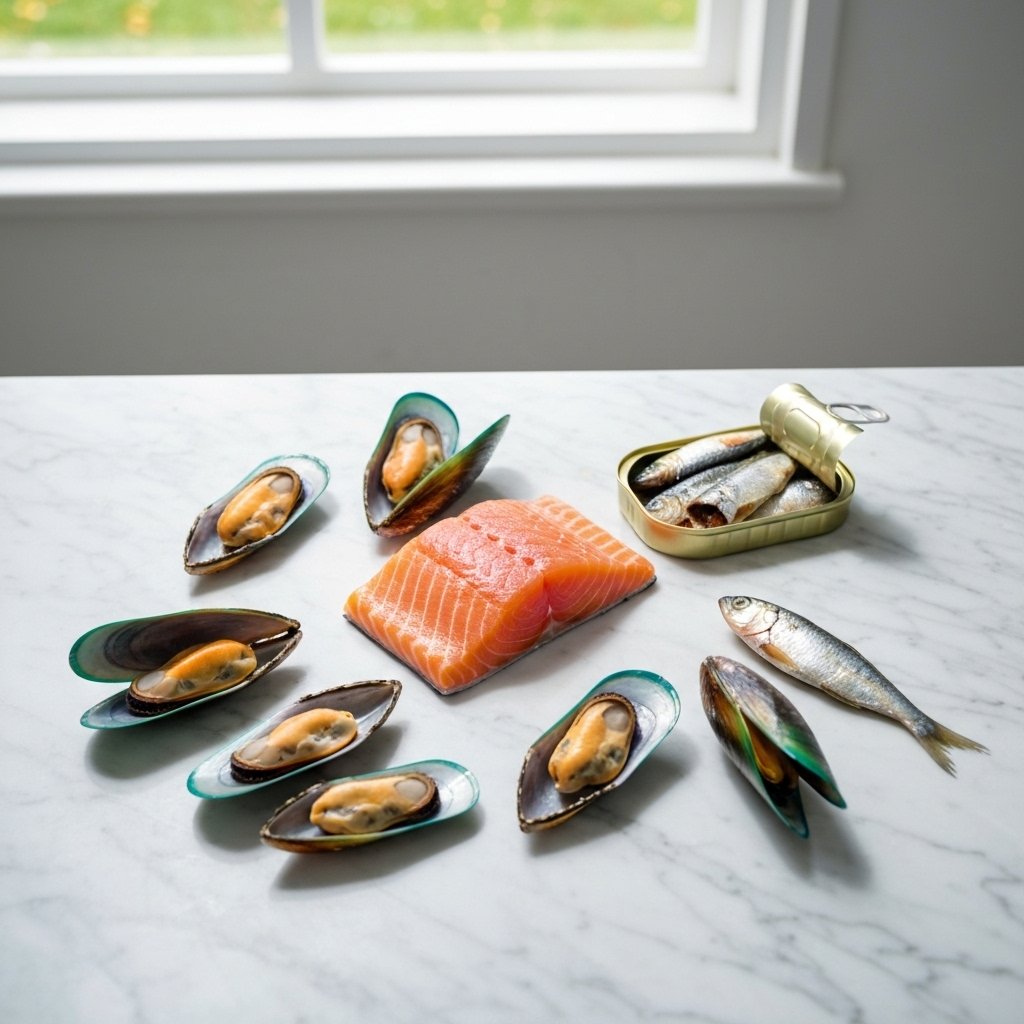
Rejecting imitation crab doesn’t mean your dog has to miss out on the benefits of seafood. The key is to choose whole, unprocessed, and properly prepared options. Here are several ‘hero’ ingredients that provide immense nutritional value without the chemical cocktail.
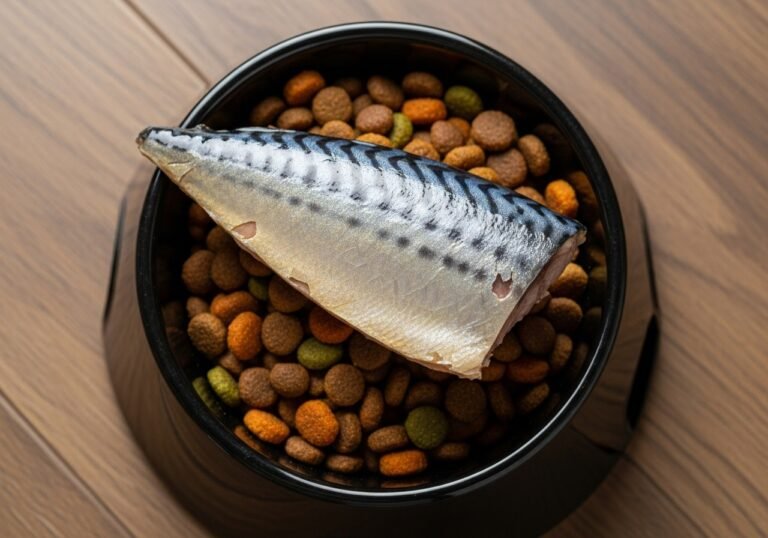
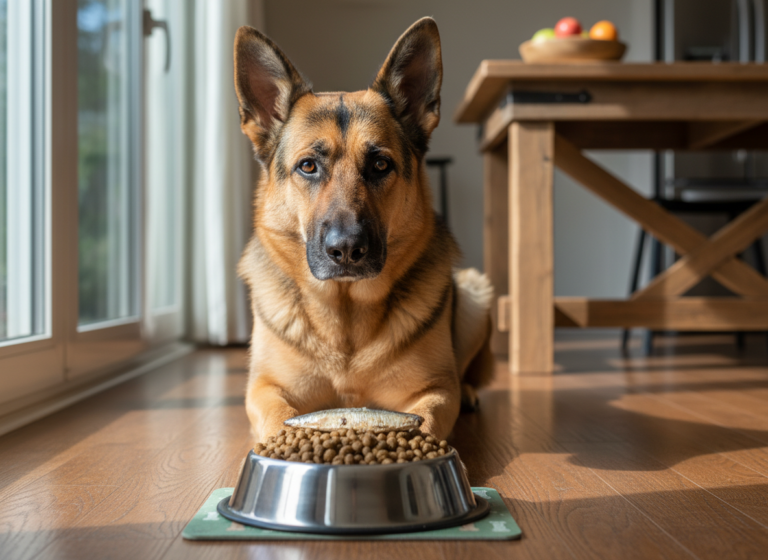
- Plain, Cooked Fish: A small portion of cooked salmon, cod, pollock, or flounder is an excellent source of protein and anti-inflammatory omega-3 fatty acids. Always ensure it is boneless and served without any seasoning, butter, or oil.
- Real, Cooked Crab Meat: If you want to give your dog crab, give them the real thing. A small amount of steamed or boiled crab meat (with all shell fragments removed) is a safe, high-protein treat. It is rich in vitamin B12 and zinc.
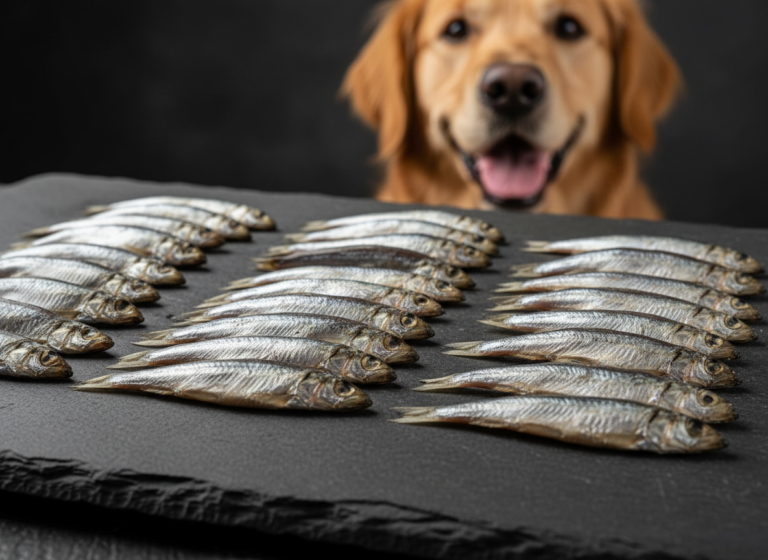
- Canned Sardines or Tuna: Choose varieties packed in water with no salt added. Sardines are a nutritional powerhouse, offering calcium, omega-3s, and vitamin D. They are a fantastic, budget-friendly food topper.
- Green-Lipped Mussels: This is a superfood for dogs, especially those with arthritis or joint issues. They are a natural source of glucosamine, chondroitin, and potent anti-inflammatory nutrients. Serve them steamed or freeze-dried.
Let’s see a direct comparison to understand the night-and-day difference between a processed product and a whole food.
| Feature | Imitation Crab Meat | Plain Cooked Salmon |
|---|---|---|
| Primary Ingredient | Processed Fish Paste (Surimi) & Fillers | Whole Fish Muscle |
| Protein Quality | Low to Moderate (Processed) | High (Rich in Omega-3s) |
| Key Additives | Salt, Sugar, Artificial Flavors, Preservatives, Dyes | None (when cooked plain) |
| Primary Risk | Sodium Poisoning, GI Upset, Allergic Reactions | Bones (if not removed) |
| Verdict | AVOID: High Risk, Low Reward | RECOMMENDED: High Reward, Low Risk |
Conclusion
The verdict is in, and it’s unequivocal: Imitation crab meat is not safe for dogs. It is a nutritional wasteland, an ultra-processed product engineered with cheap fillers and a long list of potentially harmful chemical additives. The momentary satisfaction of sharing a snack is not worth the risk of digestive distress, allergic reactions, or long-term damage to your dog’s vital organs.
Being a Canine Nutrition Hacker means becoming an ingredient detective. It means turning over the package and scrutinizing the label before a food ever passes your dog’s lips. Empower yourself with knowledge and protect your companion by choosing whole, species-appropriate foods over processed human junk. The next time you’re tempted to share, reach for a piece of plain cooked salmon or a nutrient-packed sardine instead. Your dog’s health is the ultimate reward.
Medical Disclaimer: I am a dedicated canine nutrition analyst, not a licensed veterinarian. The information provided in this article is for educational purposes only. Always consult with your trusted veterinarian before making any significant changes to your dog’s diet or introducing new foods, especially if your dog has underlying health conditions.