Scrambled or Boiled? How to Cook Eggs for a Shiny Dog Coat
Every savvy dog owner knows that a glossy, radiant coat isn’t just for show—it’s a direct reflection of a dog’s internal health. You can spend a fortune on high-end foods, expensive supplements, and grooming products, but one of the most powerful coat enhancers is likely already in your refrigerator: the humble egg. But simply tossing an egg into their bowl isn’t the optimal strategy. The preparation method matters. Immensely.
As The Canine Nutrition Hacker, my job is to dissect the marketing fluff and give you the unvarnished truth. Today, we’re putting two common methods head-to-head: scrambled versus boiled. We’ll analyze this from every angle—nutrient bioavailability, safety, and cost-effectiveness—to give you a definitive answer.
SAFETY DISCLAIMER: Before we proceed, let’s establish the ground rules. I am a canine nutrition analyst, not a licensed veterinarian. The information provided here is for educational purposes based on extensive research and analysis. Eggs are a supplemental food, not a complete diet. Always consult with your trusted veterinarian before making any significant changes to your dog’s diet, especially if they have pre-existing health conditions like pancreatitis or kidney disease.
The Nutritional Case for Eggs: A Coat-Boosting Powerhouse
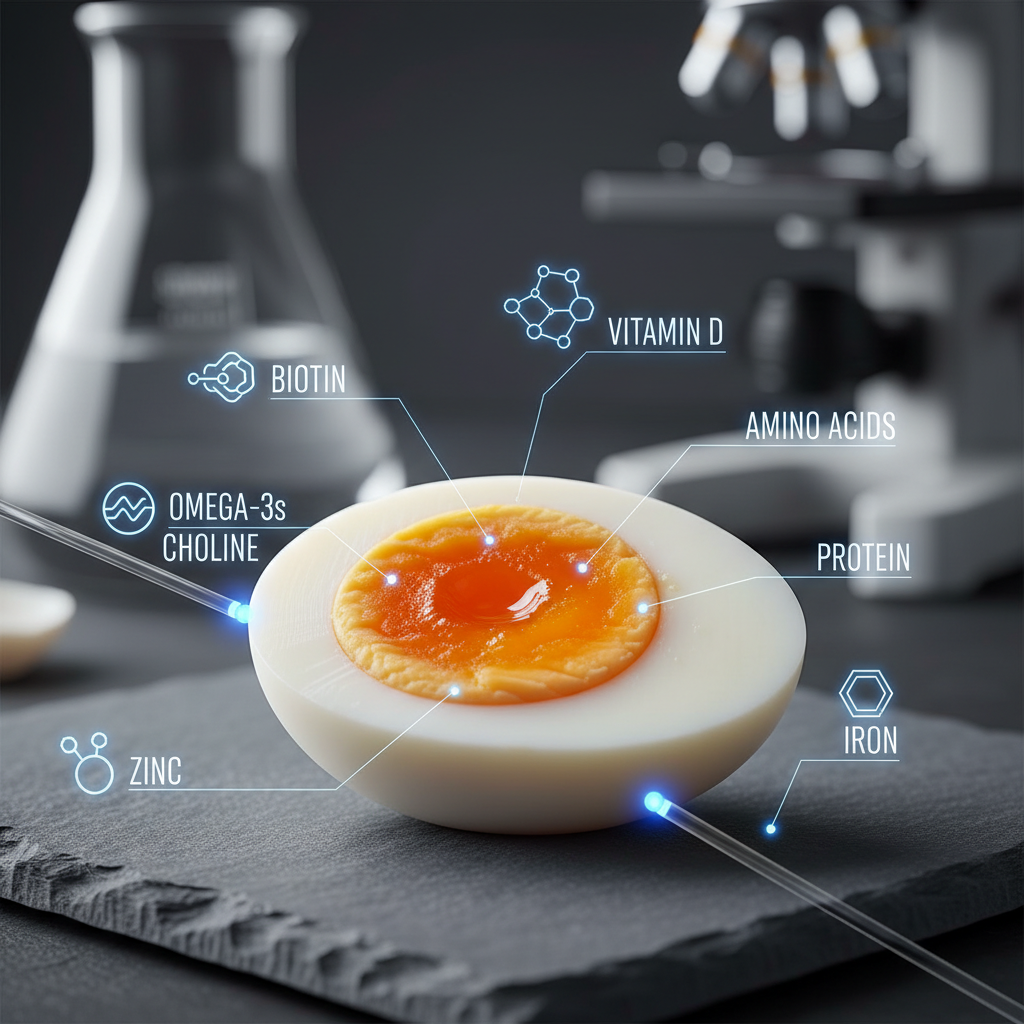
To understand how to cook an egg, you must first understand why it works. An egg isn’t just protein; it’s a perfectly contained nutritional capsule, packed with compounds that directly fuel skin and coat health. Ignoring this nutritional profile is like trying to build a house without reading the blueprints.
The Key Nutrients Under the Shell
- High-Quality Protein: A dog’s hair is composed of about 95% protein. Eggs provide a complete amino acid profile, delivering the essential building blocks (like keratin) for strong, resilient hair follicles.
- Biotin (Vitamin B7): This is the undisputed champion of coat health. Biotin is crucial for metabolizing fats, proteins, and carbohydrates, but its star role is in maintaining healthy skin and hair. A deficiency, though rare, can lead to hair loss and dry, flaky skin.
- Omega-3 and Omega-6 Fatty Acids: Found primarily in the yolk, these essential fats are critical for reducing inflammation in the skin, which can cause itching and dullness. They nourish the skin from within, promoting the production of oils that give the coat its natural luster.
- Vitamin A: Essential for cell growth and sebum production. Sebum is the natural oil that waterproofs and lubricates your dog’s coat, giving it that healthy sheen.
- Zinc: This mineral plays a vital role in protein synthesis and skin health. It helps maintain the integrity of the skin barrier, protecting against environmental irritants.
The Avidin Warning: Why Raw is a Risk
You may hear advocates of raw diets suggest feeding raw eggs. This is a critical error. Raw egg whites contain a protein called avidin, which binds to biotin and prevents its absorption in the gut. Consistently feeding raw eggs can, paradoxically, lead to a biotin deficiency—the very problem you’re trying to solve. The simple act of cooking denatures avidin, neutralizing the threat and unlocking the full nutritional potential of the egg. Cooking also eliminates the risk of salmonella contamination. There is no debate here; for safe and effective supplementation, eggs for dogs must be cooked.
The Showdown: Scrambled vs. Boiled – A Forensic Analysis
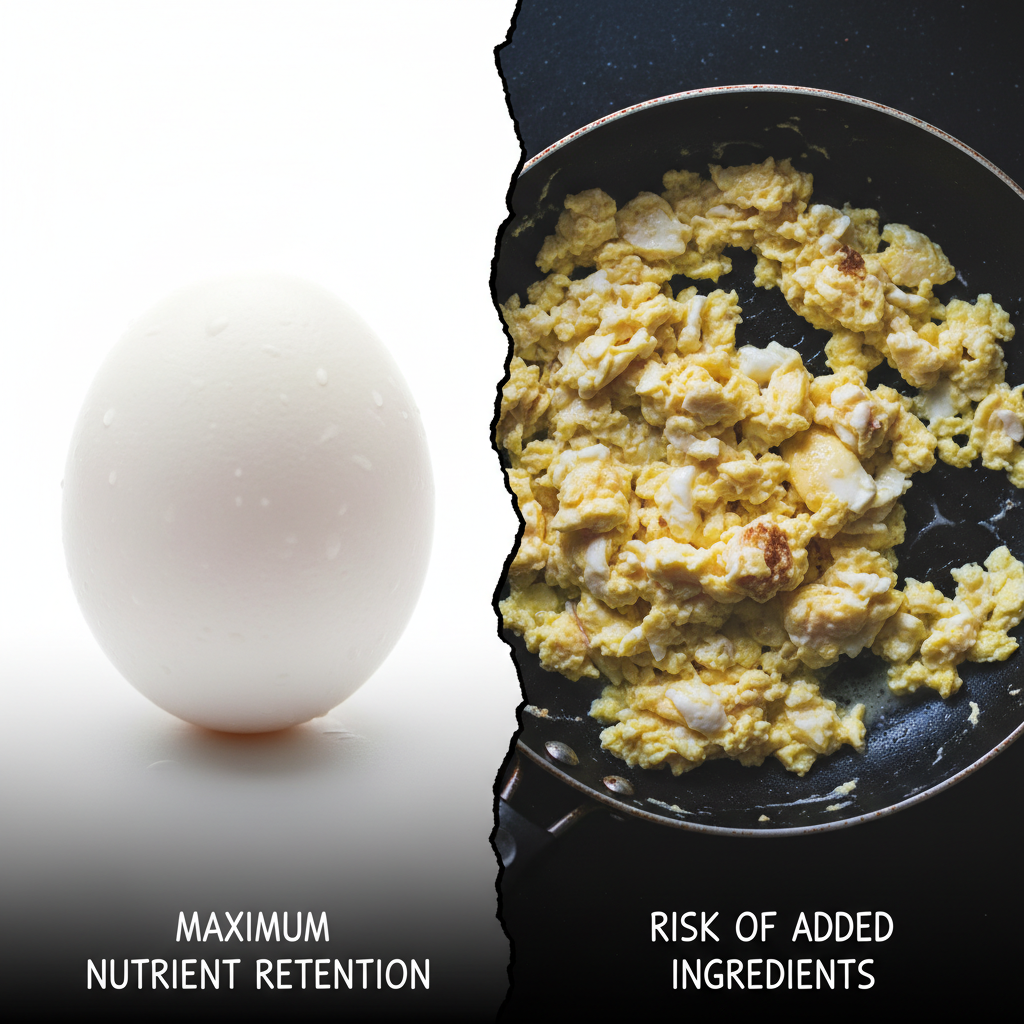
Now we arrive at the core of the issue. Both methods cook the egg, neutralizing avidin and killing bacteria. But the application of heat and the preparation process have different nutritional consequences. Let’s break it down.
Nutrient Retention and Bioavailability
The primary concern with any cooking method is nutrient degradation. Vitamins and fats are particularly sensitive to heat. A hard-boiled egg is cooked gently and evenly within its own shell, which acts as a protective vessel. This method minimizes the exposure of delicate fats in the yolk to oxygen, preventing oxidation. Scrambling, on the other hand, typically involves higher, more direct heat in an open pan. This process breaks up the yolk and exposes its fats to air and high temperatures, which can degrade some of the beneficial omega fatty acids and heat-sensitive vitamins. Winner: Boiled.
Digestibility and Safety
Both plain boiled and plain scrambled eggs are highly digestible for most dogs. The real issue with scrambling is the human element. The temptation to add a splash of milk, a pat of butter, or a pinch of salt is high. These additions are unacceptable for dogs. Dairy can cause digestive upset in lactose-intolerant dogs, while added fats and sodium are unhealthy and can be dangerous for dogs with certain health conditions. Boiling is foolproof. You boil it in water. There is no opportunity to add harmful ingredients. It is the purest, safest delivery method. Winner: Boiled.
The Verdict: A Clear Victor
While a properly prepared scrambled egg (cooked plain, on low heat, in a non-stick pan) is perfectly acceptable, the boiled egg is nutritionally and practically superior. It offers better protection against nutrient oxidation and removes any possibility of adding harmful extras. It is the cleaner, more efficient, and slightly more potent option for delivering the coat-boosting benefits your dog deserves.
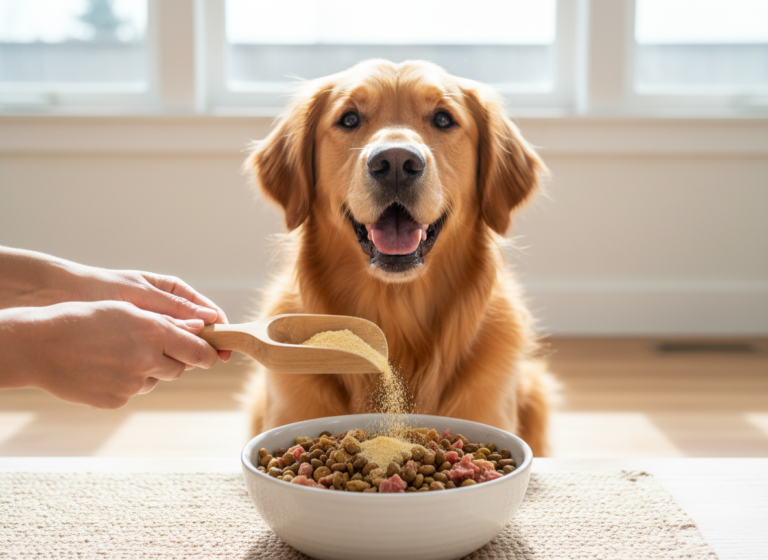
Insider Secret: Don’t throw away the shell. Eggshells are a fantastic source of calcium carbonate. After boiling, let the shells dry completely, then grind them into a fine powder using a coffee grinder. A small sprinkle (about 1/2 teaspoon for a 50lb dog) over their food provides a powerful, all-natural calcium boost for bone health. Ensure it’s a fine powder to avoid any digestive irritation.
The Canine Nutrition Hacker’s Protocol: Safe Preparation & Dosing

Knowledge without action is useless. Here is the exact protocol for preparing and serving eggs to maximize benefits and ensure safety. Follow these steps precisely.
The ‘Boil & Mash’ Method (Recommended)
- Select Quality Eggs: If your budget allows, opt for pasture-raised or omega-3 fortified eggs for a superior fatty acid profile.
- Gentle Boiling: Place the eggs in a saucepan and cover with at least an inch of cold water. Bringing them to a boil with the water prevents cracking.
- Cook Through: Once the water reaches a rolling boil, turn off the heat, cover the pan, and let the eggs sit for 10-12 minutes. This cooks the yolk completely without overcooking it.
- Cool Down: Immediately transfer the eggs to an ice bath or run under cold water to stop the cooking process. This also makes them easier to peel.
- Prepare for Serving: Peel the egg. For easy mixing and digestion, mash it thoroughly with a fork. You can serve it as a standalone treat or mix it directly into their regular meal.
Serving Size & Frequency
Eggs are a nutrient-dense food, and more is not always better. They should be treated as a supplement to a balanced diet. Use this as a general guideline, but adjust based on your dog’s size, activity level, and caloric needs. Always start with a smaller amount to ensure it agrees with their digestive system.
- Extra-Small Dogs (under 10 lbs): A few small pieces, totaling about a quarter of an egg, 2-3 times per week.
- Small Dogs (11-25 lbs): Half an egg every other day.
- Medium Dogs (26-50 lbs): One full egg every other day, or half an egg daily.
- Large Dogs (51-90 lbs): One full egg daily.
- Giant Breeds (90+ lbs): One to two eggs daily, depending on their overall diet.
Cost-Benefit Analysis: DIY Eggs vs. Commercial Coat Supplements
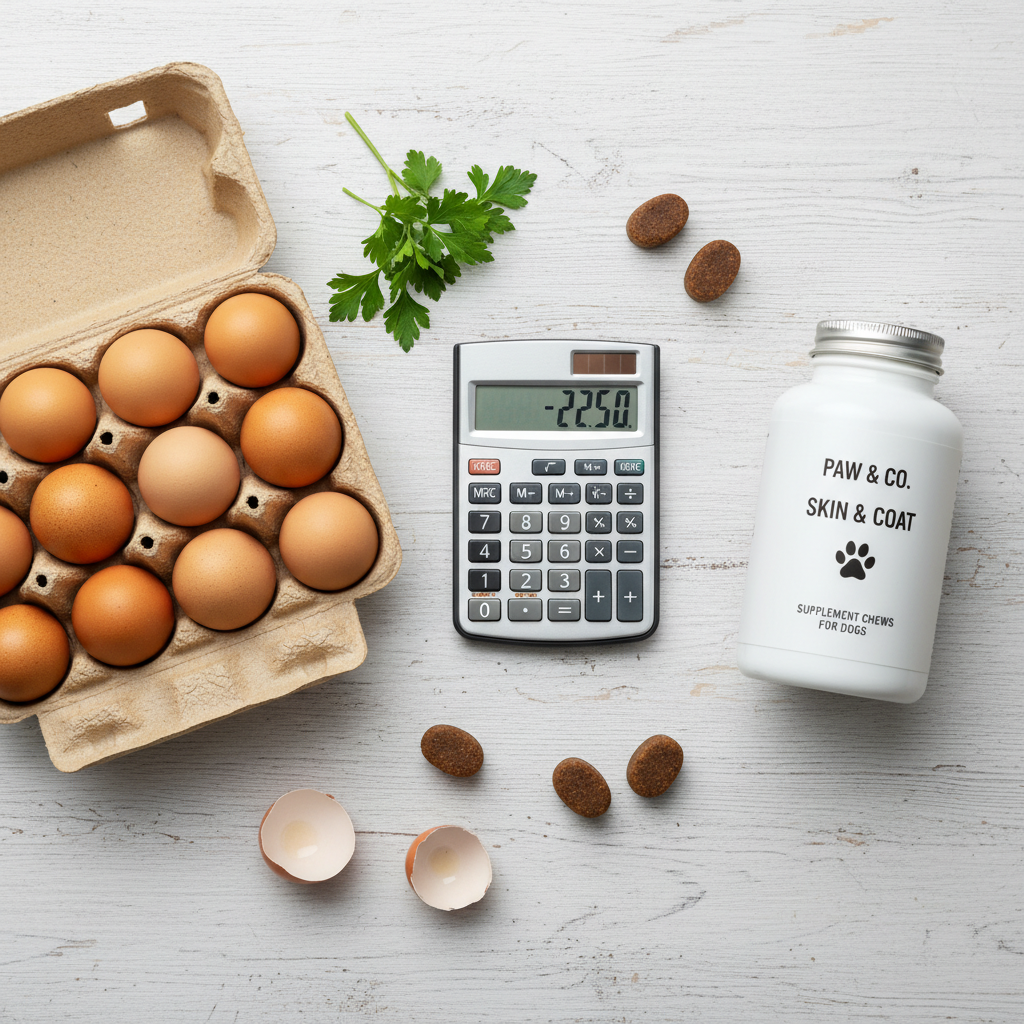
The pet supplement industry is a multi-billion dollar machine, and ‘Skin & Coat’ supplements are a top seller. They promise miracles in a bottle or chew, often at a premium price. But how do they stack up against a simple, boiled egg? Let’s run the numbers.
We will analyze the cost for a hypothetical 50lb dog, which would receive one egg per day.
| Feature | Whole Eggs (DIY) | Typical Coat Supplement |
|---|---|---|
| Primary Active Ingredients | Protein, Biotin, Omega-3 & 6 Fatty Acids, Vitamin A, Zinc | Fish Oil (Omega-3), Biotin, Vitamin E, Zinc (often with fillers) |
| Bioavailability | Extremely high. A whole food with nutrients in their natural, most absorbable state. | Varies. Depends on the quality of the ingredients and the manufacturing process. Synthetic vitamins can be less bioavailable. |
| Ingredient Control | 100% Control. You are providing one single, pure ingredient. No fillers, no artificial flavors, no preservatives. | Minimal control. You are trusting the manufacturer’s label, which may contain binders, fillers (like silicon dioxide), and artificial flavorings to improve palatability. |
| Cost Per Month (50lb dog) | A carton of 12 eggs costs ~$4.00. One egg per day is ~30 eggs per month (2.5 cartons). Approximate cost: $10.00/month. | A 30-day supply of a mid-range popular supplement costs between $25 and $40. Approximate cost: $32.50/month. |
| Verdict | Vastly more cost-effective. Provides a wider range of natural nutrients and gives the owner complete control over quality. | Convenient but significantly more expensive. Efficacy is dependent on brand quality, and you run the risk of feeding your dog unnecessary filler ingredients. |
The analysis is clear. By simply boiling an egg, you can save over $270 per year while providing a more natural, bioavailable, and pure source of the exact nutrients your dog needs for a healthy coat. This is the essence of hacking your dog’s nutrition: achieving superior results for a fraction of the cost.
Batch Cooking & Storage: The Hacker’s Efficiency Tip
Your time is valuable. The thought of preparing an egg every single day can seem daunting, but it doesn’t have to be. The key is to integrate it seamlessly into your routine through batch preparation.
The Weekly Boil-Up
Set aside 20 minutes on one day of the week—Sunday evening is a popular choice—to prepare your dog’s eggs for the entire week ahead. Simply boil seven eggs (or however many you need) using the protocol outlined above.
Proper Storage for Freshness and Safety
Once the eggs have been boiled and cooled, you have two options for storage:
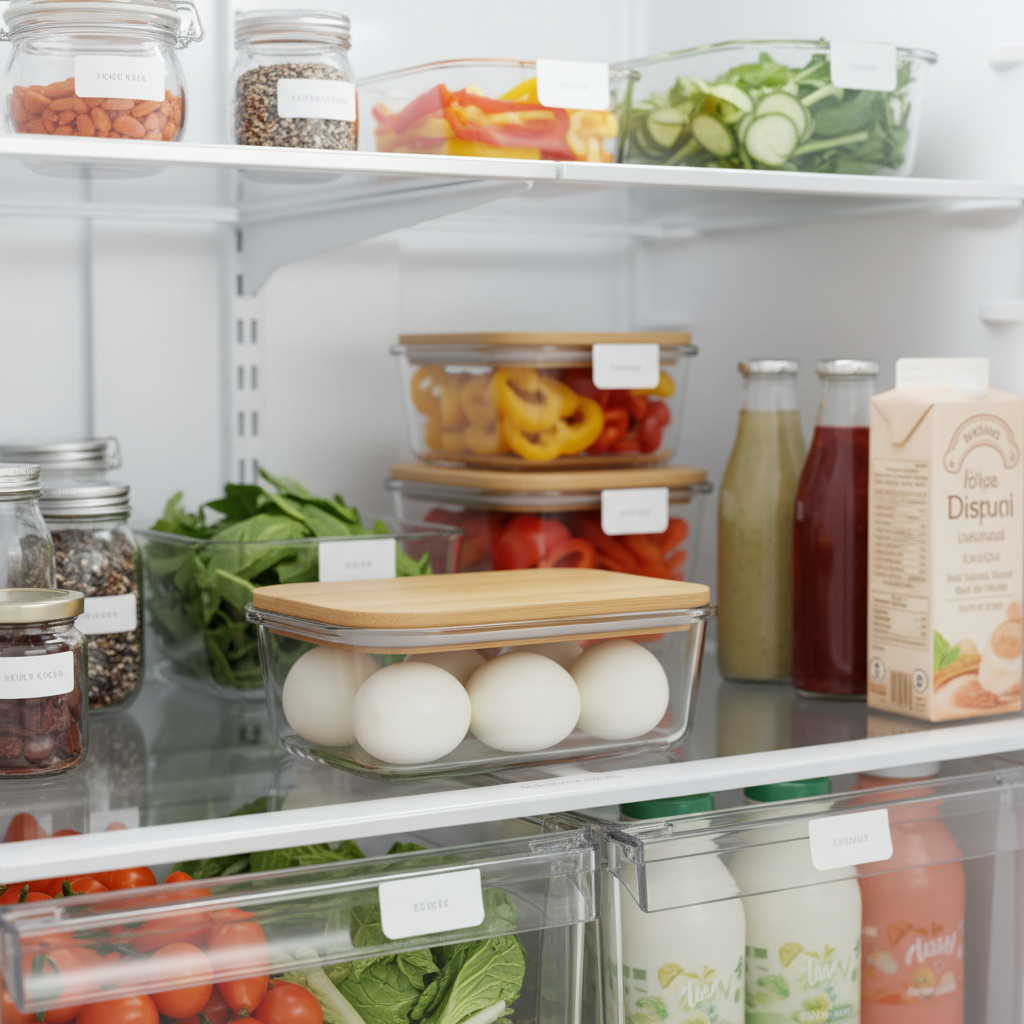
- Unpeeled: Storing the hard-boiled eggs with the shell on provides the best protection. They will remain fresh in an airtight container or an egg carton in the refrigerator for up to one week. The shell prevents them from absorbing other odors from the fridge.
- Peeled: If you prefer the convenience of having them ready to mash and serve, you can peel them after cooling. Store the peeled eggs in an airtight container in the refrigerator. To prevent them from drying out, you can place a damp paper towel in the container with them. They should be used within 5 days for optimal freshness.
By investing a small amount of time once a week, you can have a powerful, cost-effective nutritional supplement ready to go at a moment’s notice. This removes any friction and ensures you can consistently provide this benefit to your dog without adding a daily chore to your list.
Conclusion
The quest for a shiny coat doesn’t need to lead you down the expensive aisle of a pet store. The evidence is irrefutable: the egg is a nutritional juggernaut, perfectly designed to support skin and coat health from the inside out. When it comes to preparation, the science points to a clear winner. The hard-boiled egg, prepared simply in water, offers superior nutrient protection and a foolproof method that eliminates the risk of adding harmful ingredients. It is the most efficient and effective delivery system for this superfood.
You are now equipped with the data and the protocol to bypass the marketing hype. You can stop overpaying for formulated supplements and start leveraging the power of whole-food nutrition. By integrating this simple, cost-effective strategy into your routine, you are not just aiming for a shinier coat; you are making a tangible investment in your dog’s overall health and well-being. That is the core principle of a true Canine Nutrition Hacker.