Hemp Seed Oil vs. CBD: Which is Best for Itchy Dogs?
The constant jingle of a dog’s collar as they scratch relentlessly is a sound that frays the nerves of any dedicated owner. You’ve tried changing foods, medicated shampoos, and still, the itching persists. In your search for a solution, you’ve inevitably encountered two heavily marketed supplements: hemp seed oil and CBD oil. They sound similar, they come from the same plant, and brands often use the terms interchangeably to confuse and capitalize. This is where the marketing games end.
As the Canine Nutrition Hacker, I don’t deal in fluff; I deal in facts. The truth is, these two oils are fundamentally different compounds with drastically different mechanisms of action. One is a nutritional powerhouse for building skin resilience from the inside out. The other is a therapeutic agent that directly interacts with your dog’s internal systems to shut down the itch cycle. Choosing the wrong one is a waste of money and prolongs your dog’s discomfort. In this forensic breakdown, we will dissect the hemp plant, analyze the molecular differences, and deliver a clear, actionable verdict on which oil to use for your itchy dog, and when.
Deconstructing the Hemp Plant: Why Source Determines Function
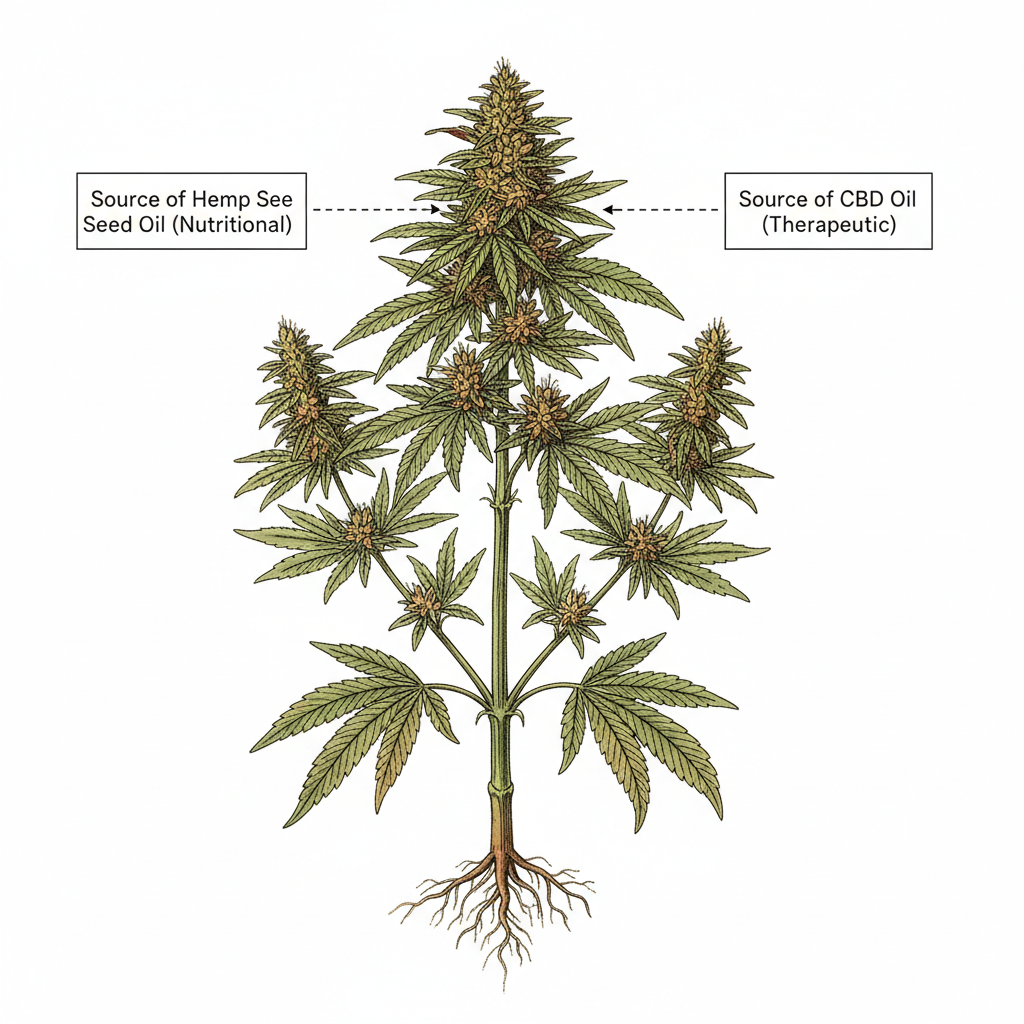
Deconstructing the Hemp Plant: Why Source Determines Function
Before we can even begin to compare these oils, we must establish a critical, non-negotiable fact: where the oil comes from on the plant changes everything. Both oils originate from the Cannabis sativa plant, but they are harvested from entirely different parts, resulting in unique chemical profiles.
Hemp Seed Oil: The Nutritional Cold-Press
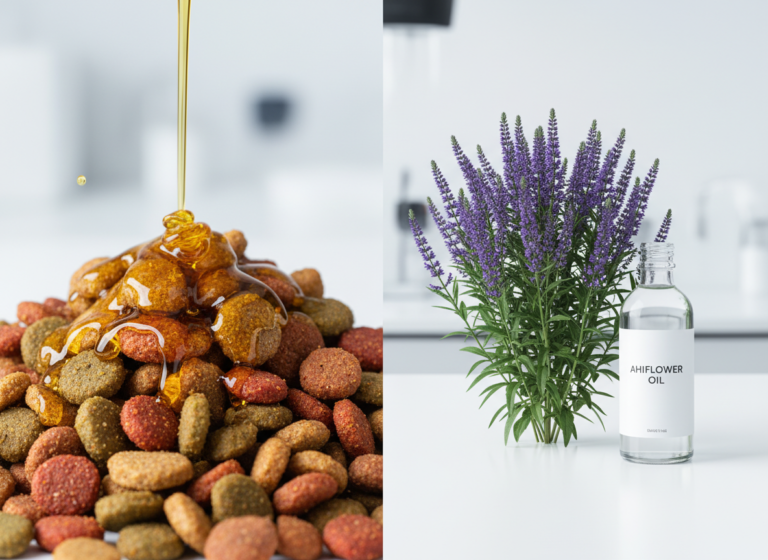
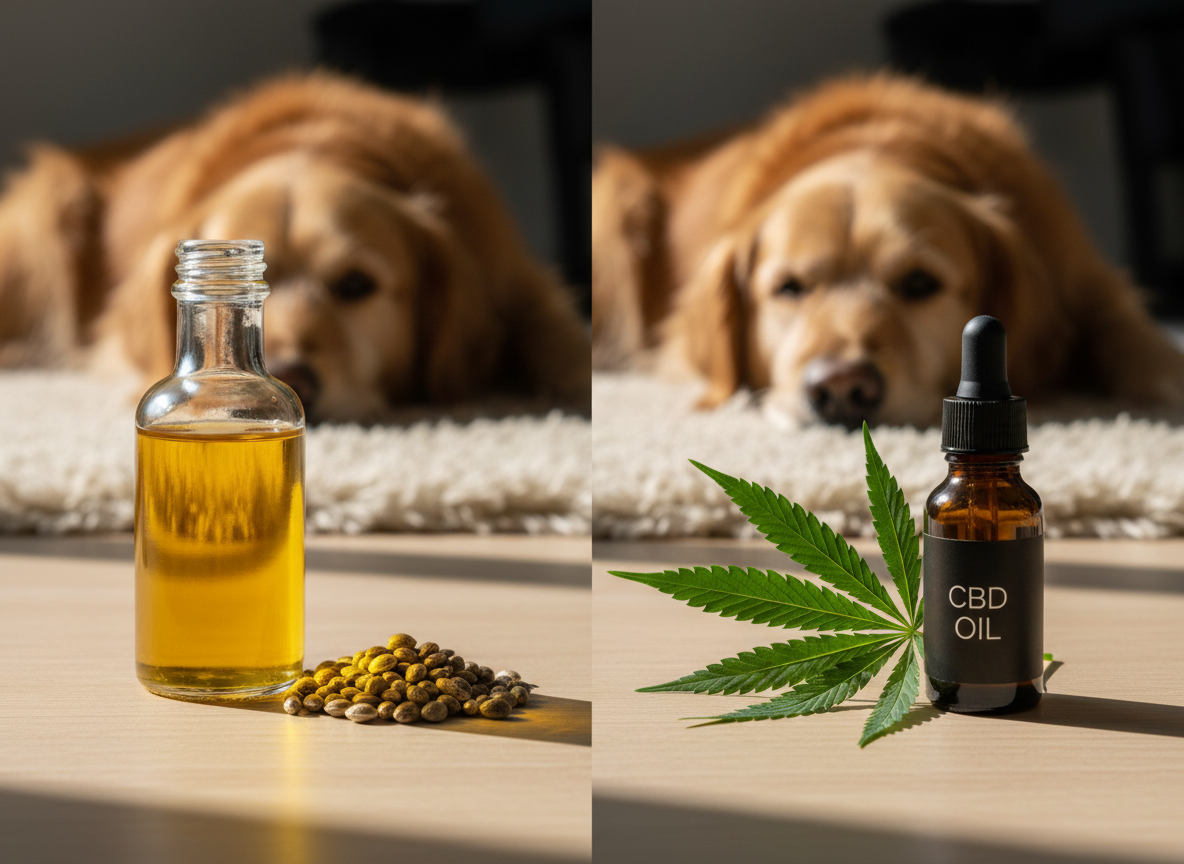
This is, in essence, a superfood. Hemp seed oil is produced by cold-pressing the seeds of the hemp plant. Think of it like olive oil or flaxseed oil. The seeds themselves do not contain any significant amount of cannabinoids. That means hemp seed oil contains no CBD and no THC. Its power lies in its exceptional nutritional makeup. It’s a source of healthy fats, antioxidants, and minerals. Its primary purpose is to provide foundational nutritional support to the body, including the skin.
CBD Oil: The Therapeutic Extract
CBD (cannabidiol) oil is a completely different beast. It is extracted from the plant’s flowers, leaves, and stalks, where a class of compounds called cannabinoids are produced in abundance. CBD is one of over 100 cannabinoids that directly interact with the body’s Endocannabinoid System (ECS). This system is a master regulator, controlling everything from mood and sleep to pain and, crucially, immune system responses. CBD oil is not about nutrition in the traditional sense; it’s a therapeutic compound designed to modulate this internal system for a specific outcome, such as reducing inflammation and the sensation of itch.
Insider Secret: If a product’s label says “hemp oil” and doesn’t specify the milligram (mg) content of CBD, it is almost certainly hemp seed oil. Companies use this ambiguous term to ride the CBD wave without providing the actual therapeutic compound. Always look for the CBD mg content and a Certificate of Analysis (COA).
Hemp Seed Oil: Fortifying the Skin’s Natural Barrier
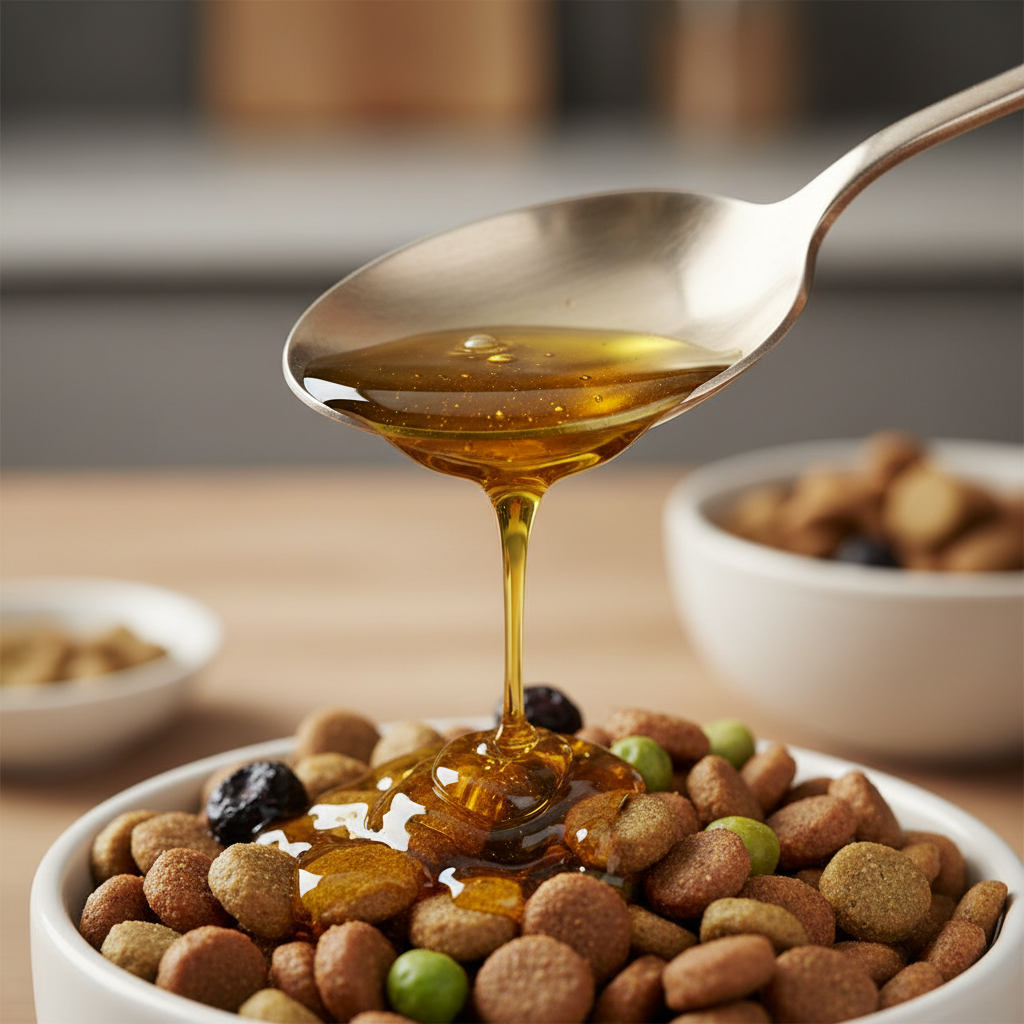
Hemp Seed Oil: Fortifying the Skin’s Natural Barrier
Let’s treat Hemp Seed Oil as the long-term defensive strategy. Its goal isn’t to stop an active itch attack in its tracks, but to build a stronger, more resilient skin barrier over time, making those attacks less frequent and severe.
Hero Ingredients: The Fatty Acid Arsenal
The magic of hemp seed oil is its fatty acid profile, which is uniquely suited for skin health:
- Optimal Omega Ratio: It boasts a naturally occurring 3:1 ratio of Omega-6 (linoleic acid) to Omega-3 (alpha-linolenic acid). This is considered the sweet spot for reducing systemic inflammation. While many commercial dog foods are overloaded with inflammatory Omega-6s, adding hemp seed oil can help bring this ratio back into balance.
- Gamma-Linolenic Acid (GLA): This is the secret weapon. GLA is a specific type of Omega-6 fatty acid that, unlike others, has powerful anti-inflammatory properties. It’s a building block for prostaglandins, hormones that help control inflammation and support skin cell regeneration. For dogs with conditions like atopic dermatitis, GLA is a critical nutrient.
By providing these essential building blocks, hemp seed oil helps strengthen the lipid barrier of your dog’s skin. A strong barrier does two things: it keeps moisture in, preventing dryness and flaking, and it keeps allergens and irritants out. It’s a foundational approach—you are arming your dog’s own body with the tools it needs to defend itself against irritants.
CBD Oil: Targeting the Source of the Itch Signal
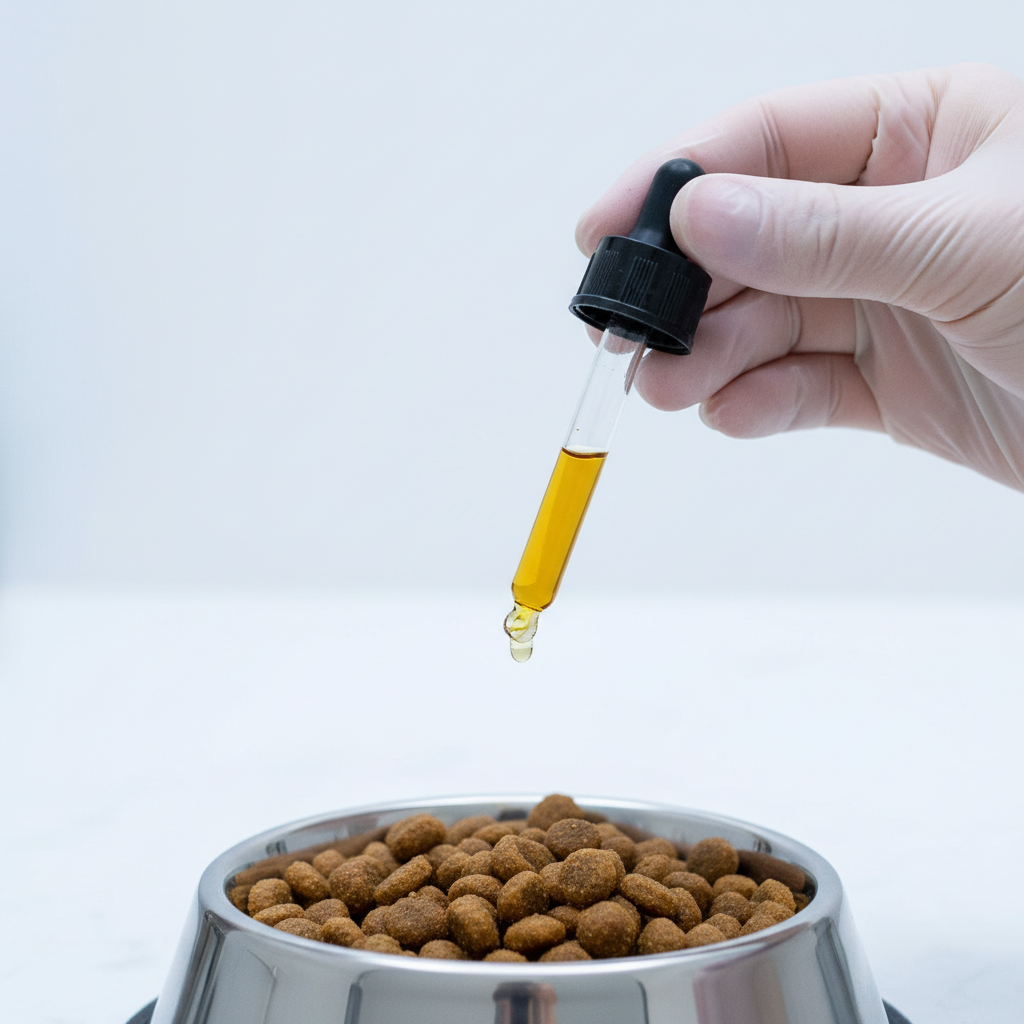
CBD Oil: Targeting the Source of the Itch Signal
If hemp seed oil is the defense, CBD oil is the elite special forces unit you deploy to neutralize an active threat. It works on a much more direct, therapeutic level by engaging with your dog’s Endocannabinoid System (ECS).
The Endocannabinoid System (ECS): Your Dog’s Itch Regulator
The ECS is a network of receptors found throughout your dog’s body, including their skin, immune cells, and nervous system. Its job is to maintain balance, or homeostasis. When an allergen triggers an immune response in the skin, the ECS can become overwhelmed, leading to a cascade of inflammation and the persistent sensation of itch.
CBD works by interacting with these ECS receptors. It doesn’t bind to them directly but influences them to work more efficiently. This interaction can have several profound effects for an itchy dog:
- Reduces Inflammation: CBD can help calm the overactive immune cells in the skin that are releasing inflammatory histamines in response to an allergen.
- Interrupts the Itch Signal: It can modulate the nerve endings in the skin, potentially dampening the signal they send to the brain that says “SCRATCH!”
- Promotes Calm: Chronic itching is stressful. CBD also has well-documented anxiolytic (anti-anxiety) properties, which can help calm a dog that is agitated and miserable from constant discomfort.
Full-Spectrum, Broad-Spectrum, or Isolate?
You’ll see these terms on CBD products. For skin issues, full-spectrum is often the most effective. It contains CBD along with other beneficial cannabinoids and terpenes from the plant, which work together in what’s known as the “entourage effect,” amplifying the therapeutic benefits. Broad-spectrum is similar but has the THC removed, and isolate is pure CBD. WARNING: Only ever use CBD products designed for pets with a verifiable, third-party Certificate of Analysis (COA) to ensure they contain less than 0.3% THC and are free from contaminants.
The Verdict: A Side-by-Side Takedown for Itchy Skin
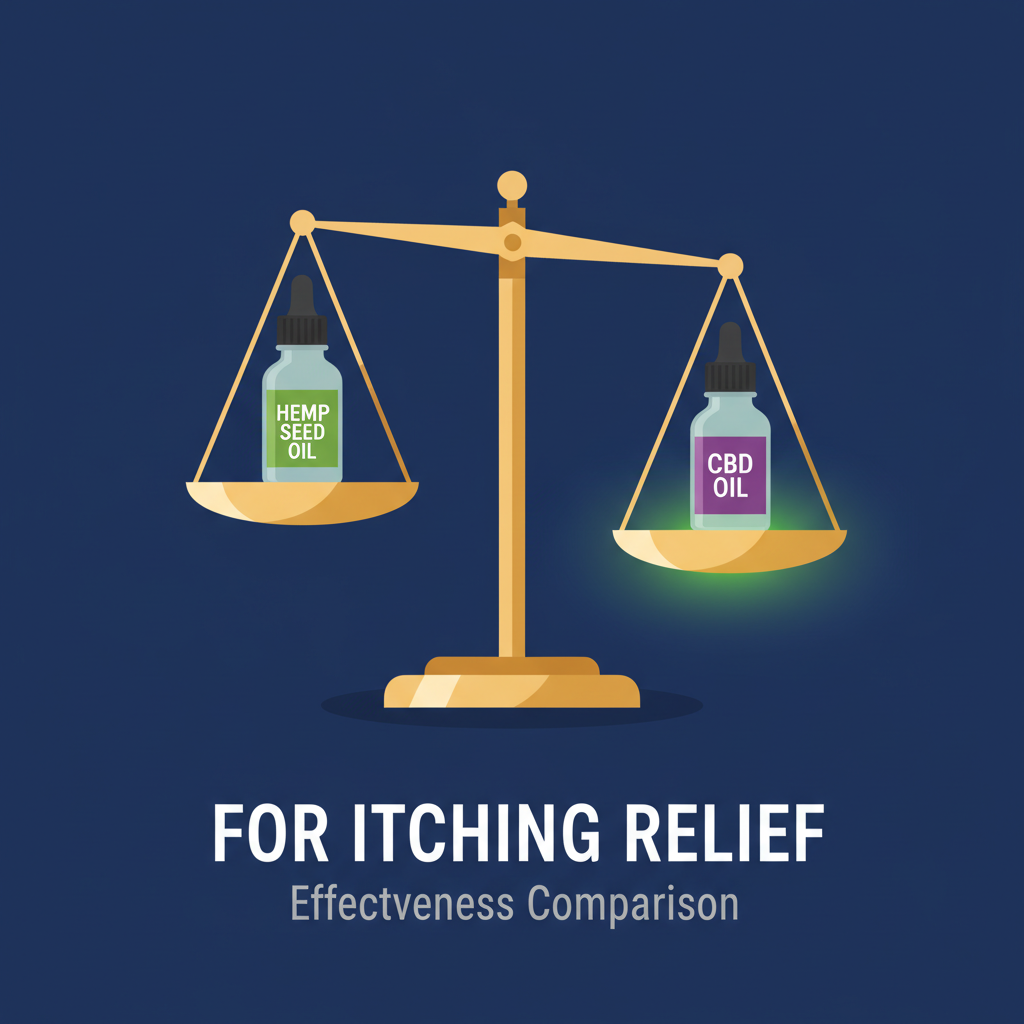
The Verdict: A Side-by-Side Takedown for Itchy Skin
Now it’s time to put these two oils in the ring and declare a winner for the specific problem of itchy skin. An analysis of their core functions reveals two very different, yet potentially complementary, roles.
| Feature | Hemp Seed Oil | CBD Oil | The Hacker’s Verdict |
|---|---|---|---|
| Primary Mechanism | Nutritional Support (Provides fatty acids to build a strong skin barrier) | Therapeutic Action (Interacts with the Endocannabinoid System) | CBD is the direct-action agent. |
| Key Active Compounds | Omega-3, Omega-6, GLA (Gamma-linolenic acid) | Cannabinoids (primarily CBD), Terpenes | Different tools for different jobs. |
| Best Use Case | Long-term maintenance, dry skin, dull coat, mild seasonal allergies. | Active flare-ups, atopic dermatitis, hot spots, anxiety-related itching. | CBD for active problems; Hemp for prevention. |
| Speed of Relief | Slow and cumulative (weeks to months to see full effect). | Relatively fast (can see effects within hours to days). | For immediate comfort, CBD is superior. |
| Cost | Generally affordable and cost-effective. | Significantly more expensive due to complex extraction process. | Hemp is budget-friendly for daily use. |
| Regulation & Safety | Regulated as a food product. Very safe with low risk of side effects. | Largely unregulated. COA is mandatory to ensure safety and potency. | Hemp is safer from a purchasing standpoint; CBD requires due diligence. |
The conclusion is clear: For a dog suffering from active, moderate-to-severe itching, CBD oil is the superior choice for providing direct, targeted relief. It actively works to calm the inflammatory response and interrupt the itch signals that are making your dog miserable. Hemp seed oil, while incredibly beneficial, is a passive nutritional supplement. It won’t stop a raging allergic reaction in its tracks. However, its role in building a healthier, more resilient skin foundation over the long term is undeniable.
The Hacker’s Protocol: Combining Forces for Maximum Relief
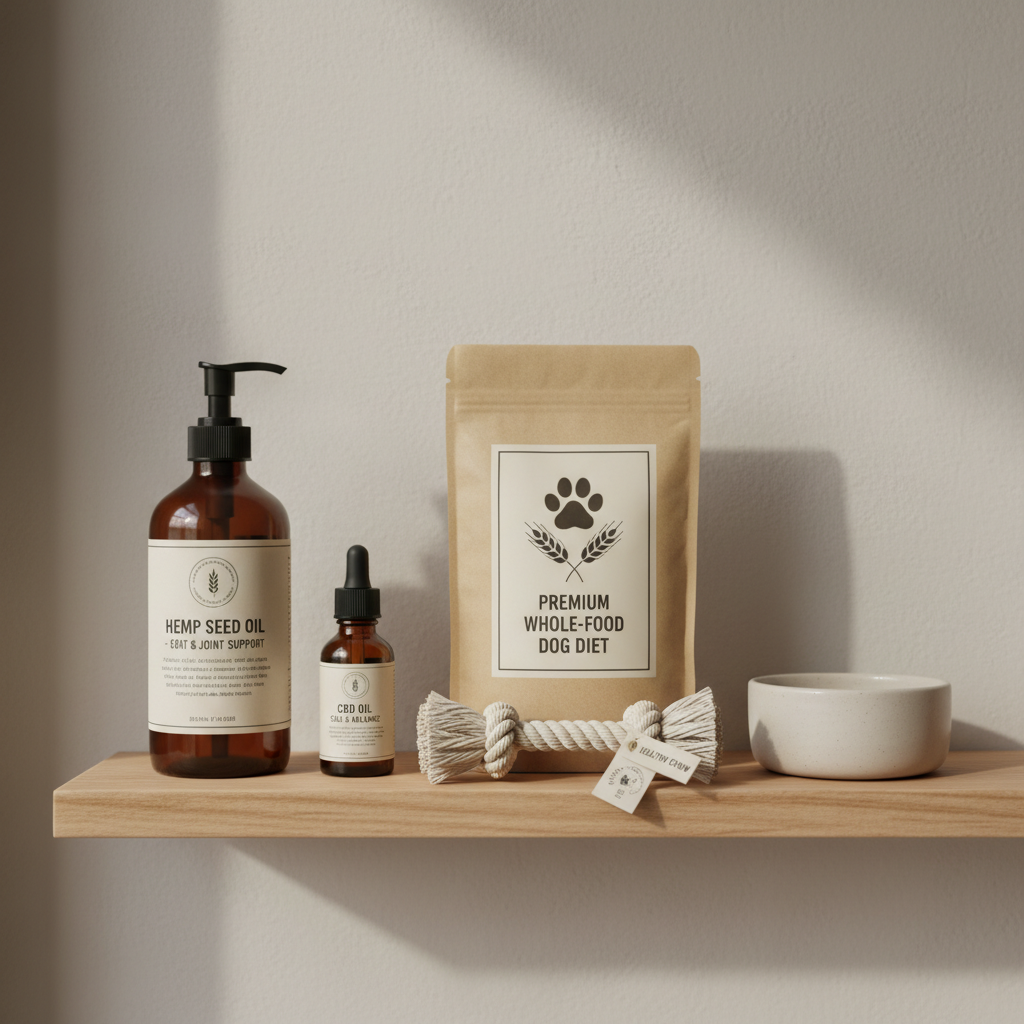
The Hacker’s Protocol: Combining Forces for Maximum Relief
Savvy owners know that the best approach is rarely about choosing one tool when you can use two in concert. Hemp seed oil and CBD oil are not competitors; they are allies in the war against itching. Here is the most effective protocol for comprehensive skin support.
Step 1: Build the Foundation with Hemp Seed Oil
Incorporate a high-quality, cold-pressed hemp seed oil into your dog’s daily meals. This is your long-term strategy. You are consistently supplying the essential fatty acids needed to strengthen the skin barrier from the inside. This makes the skin less permeable to allergens and better at retaining moisture. Think of this as building the fortress walls higher and stronger every day.
- Dosage: Follow package directions, typically around 1 tsp per 20 lbs of body weight daily.
Step 2: Deploy CBD Oil for Active Flare-Ups
Keep a bottle of high-quality, full-spectrum CBD oil on hand for when you see the itching start. This is your rapid-response team. When allergy season hits, or your dog has an unexplained flare-up, use CBD to quickly manage the inflammation and discomfort. This stops the destructive scratch-and-lick cycle before it leads to hot spots and secondary infections.
- Dosage: Always start low and go slow. A common starting point is 1-2 mg of CBD per 10 lbs of body weight, given once or twice daily. Observe your dog and adjust as needed.
Insider Secret: Don’t choose one or the other. Use Hemp Seed Oil to build the fortress walls (a strong skin barrier) and use CBD as the elite special forces to quell active rebellions (allergic flare-ups). This two-pronged attack is how you win the war on itching. It’s a proactive nutritional strategy combined with a powerful therapeutic response.
By using this combined approach, you are not only soothing your dog’s current discomfort with CBD but also actively working with hemp seed oil to reduce the frequency and severity of future flare-ups. This is the most comprehensive and effective way to manage chronic itch.
Conclusion
The confusion between hemp seed oil and CBD oil is a deliberate marketing tactic that preys on well-meaning pet owners. But now you have the facts. Hemp seed oil is a nutritional supplement, a fantastic source of omegas for building long-term skin health. CBD oil is a therapeutic agent that actively engages with your dog’s internal systems to provide relief from inflammation and itching. For the immediate, pressing problem of an itchy dog, CBD oil is the more potent and direct tool. However, the ultimate strategy for a savvy owner is to use both: hemp seed oil for daily defense and CBD for targeted offense.
Stop wasting money on ambiguously labeled “hemp oils.” Demand to see the CBD milligram content. Ask for the third-party Certificate of Analysis. Analyze the fatty acid profile. Your dog’s comfort is in your hands, and your greatest tool is not a product, but knowledge.
Medical Disclaimer: I am not a veterinarian. The information provided in this article is for educational purposes only. Always consult with your veterinarian before introducing any new supplement to your dog’s diet, especially if they have pre-existing health conditions or are taking other medications.