Best Dog Food for Shiba Inus: Combating Itchy Skin and Shedding
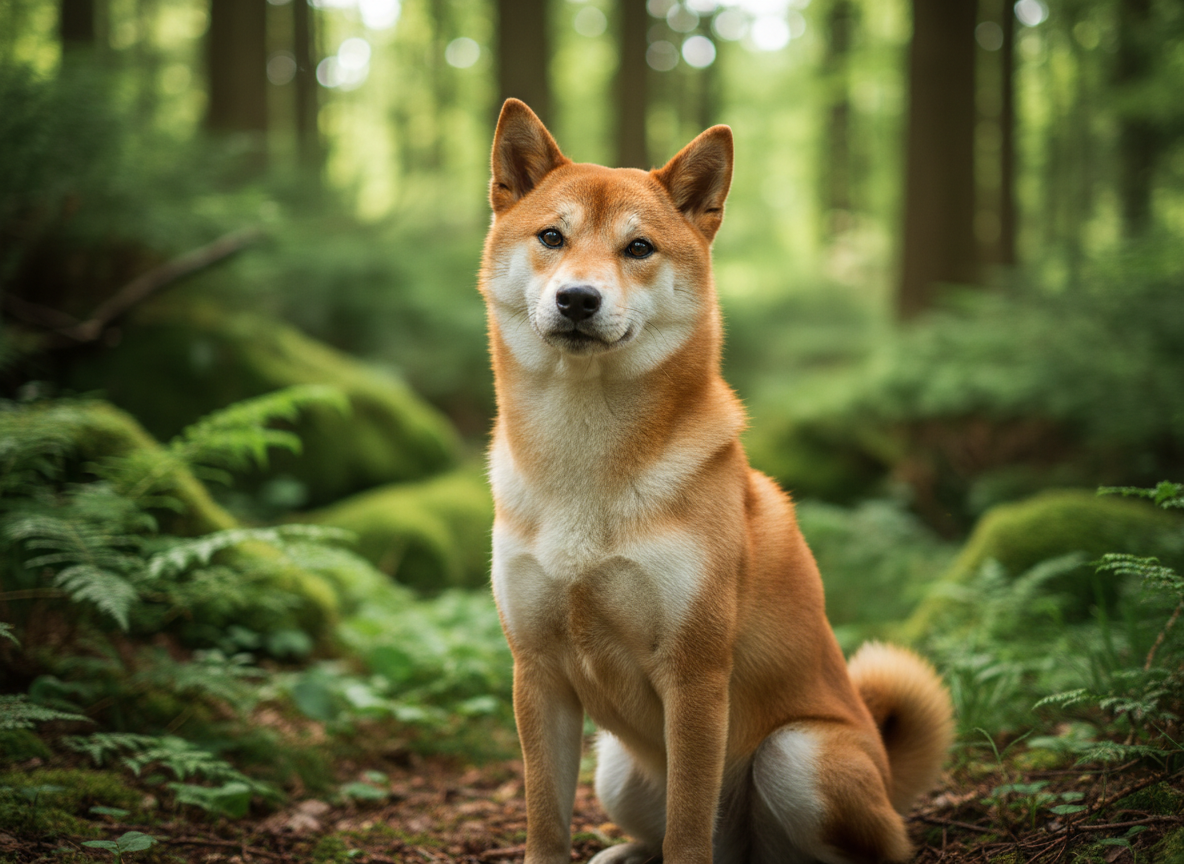
The Shiba Inu: intelligent, bold, and meticulously clean. But beneath that dignified exterior often lies a battleground of dermatological distress. If you’re tired of the constant scratching, licking, and the ‘Shiba glitter’ that covers your home, you’re not alone. This breed is genetically predisposed to atopic dermatitis, turning their diet into the single most powerful tool in your arsenal against itchy skin and excessive shedding. Forget marketing fluff and cartoon wolves on the bag. We’re going to dissect dog food labels like a forensic scientist and expose what’s really triggering your Shiba’s discomfort.
This is not another generic pet blog post. This is a tactical guide to reclaiming your dog’s comfort and your home’s cleanliness. We will identify the enemy ingredients, champion the nutritional heroes, and give you the data you need to make an informed, cost-effective decision.
Medical Disclaimer: I am a canine nutrition analyst, not a veterinarian. The information in this article is for educational purposes only. Always consult with your veterinarian before making significant changes to your dog’s diet, especially if they have pre-existing health conditions.
Decoding the Shiba Inu Allergy Epidemic: Why Your Dog Can’t Stop Scratching

Before you can solve the problem, you must understand the enemy. For many Shiba Inus, the enemy is hiding in plain sight: their food bowl. Their immune systems can be hyper-reactive, and certain ingredients act as fuel for the inflammatory fire that manifests as itchy, irritated skin. This isn’t just about ‘allergies’; it’s about chronic inflammation that starts in the gut and works its way out.
The Primary Suspects: Enemy Ingredients
When I analyze a food label for a dog with skin issues, these are the red flags I look for immediately. Many popular and expensive ‘premium’ brands are guilty of using them.
- Common Protein Agitators: The most frequent culprits are not low-quality ingredients, but the ones dogs are most commonly exposed to. These include Chicken, Beef, and Dairy. Overexposure can lead the immune system to flag them as threats, triggering an allergic response.
- Inflammatory Grains & Fillers: These are the cheap binders that bulk up kibble and your vet bills. Ingredients like Corn (and its derivatives like corn gluten meal), Wheat, and Soy are notorious for causing inflammation and offering minimal nutritional value for a carnivore-leaning omnivore. They are often the root cause of yeasty skin and ear infections.
- Artificial Additives: If you can’t pronounce it, your dog probably shouldn’t be eating it. Artificial colors (like Red 40), flavors, and chemical preservatives (such as BHA, BHT, and ethoxyquin) can put an unnecessary burden on the immune system, contributing to overall reactivity.
Hacker Tip: The term ‘meat by-products’ on a label is a massive red flag. It can legally include a rendered concoction of slaughterhouse waste. If the brand isn’t proud enough to name the specific organ (e.g., ‘beef liver’), you shouldn’t be confident enough to feed it.
The Nutritional Arsenal: Hero Ingredients for a Healthy Shiba Coat
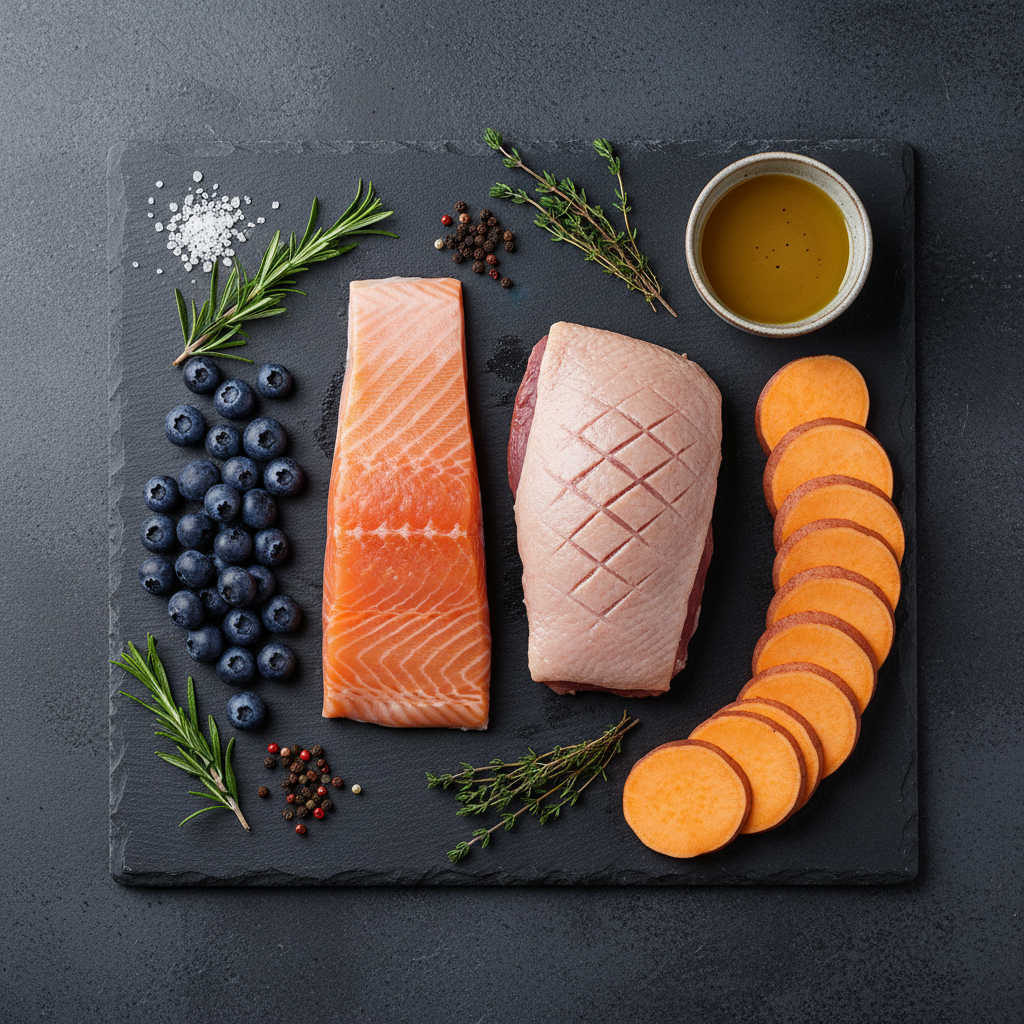
Now for the good news. Just as some ingredients can harm, others can heal. Building your Shiba’s diet around these nutritional powerhouses can calm inflammation, strengthen the skin barrier, and produce a coat so healthy it shines. These are the ‘hero ingredients’ you should be actively seeking on a food label.
Your Go-To List for Skin and Coat Health
- Novel Proteins: To combat sensitivities to common proteins, we introduce ‘novel’ ones the dog’s immune system hasn’t encountered before. Think Duck, Lamb, Rabbit, Venison, or fish like Salmon and Sardines. Rotating between a few of these can also help prevent new allergies from developing.
- Omega-3 & Omega-6 Fatty Acids: This is non-negotiable for skin health. Omega-3s (found in fish oil, salmon, flaxseed) are powerful anti-inflammatories. Omega-6s (found in plant oils and chicken fat) are important for skin barrier function but can be pro-inflammatory in excess. The key is a balanced ratio, ideally around 4:1 (Omega-6 to Omega-3). Look for foods with guaranteed levels of EPA and DHA, the most potent forms of Omega-3s.
- Gut-Supporting Nutrients: A healthy gut equals healthy skin. Prebiotics (like chicory root or FOS) feed the good bacteria, while probiotics introduce more beneficial bacteria to the system. Easily digestible fibers like pumpkin and sweet potato also support digestive regularity, which is crucial for nutrient absorption.
- Powerful Antioxidants: Ingredients like blueberries, cranberries, spinach, and kale help fight oxidative stress at a cellular level. This supports the immune system and helps the body manage inflammation more effectively.
Forensic Analysis: Top Commercial Dog Foods for Allergic Shiba Inus
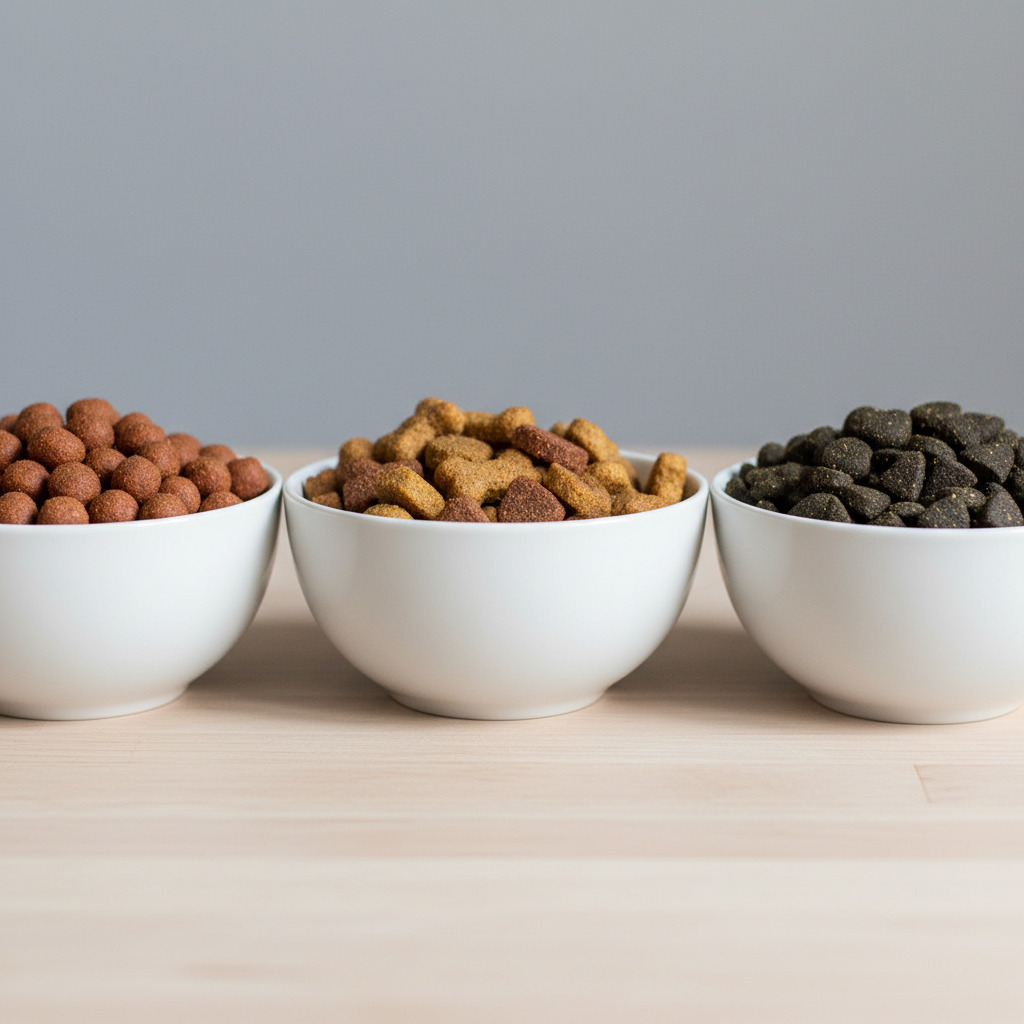
Let’s put theory into practice. I’ve analyzed dozens of brands marketed for sensitive skin. Most are overpriced junk. A few, however, pass the test. Here’s a forensic breakdown of commercial options that prioritize the ‘hero ingredients’ we’ve discussed. We will focus on limited ingredient diets (LIDs) as they are the most effective tool for managing food sensitivities.
The Forensic Review
We’ll evaluate a few top contenders. Note that costs are estimates for a typical 25lb Shiba Inu and can vary.
1. Acana Singles Limited Ingredient Diet (Lamb & Apple Recipe)
- First 5 Ingredients Truth: Deboned lamb, lamb meal, lamb liver, sweet potato, whole chickpeas. Verdict: Excellent. High-quality, single-source animal protein leads the list. No cheap fillers.
- Cost Per Day: Approximately $2.10/day.
- Recall Check: Parent company Champion Petfoods has had recalls, but the Acana brand has a strong safety record.
- Analysis: This is a nutrient-dense formula with a heavy emphasis on animal ingredients (60%). The inclusion of pumpkin and chicory root aids digestion. It’s grain-free and avoids chicken, beef, and dairy. A top-tier choice for an elimination diet.
2. Zignature Select Cuts (Trout & Salmon Meal Formula)
- First 5 Ingredients Truth: Trout, Salmon Meal, Oats, Millet, Sunflower Oil. Verdict: Very Good. Multiple high-quality fish sources provide excellent Omega-3s. Uses healthy, ancient grains instead of being grain-free, which can be beneficial for some dogs.
- Cost Per Day: Approximately $1.95/day.
- Recall Check: Zignature has a very clean recall history.
- Analysis: Zignature is known for its ‘physiologically tuned’ diets. This formula is chicken-free, potato-free, and specifically designed to be low-glycemic. The trout and salmon are fantastic for combating inflammation.
3. Canidae PURE Limited Ingredient (Salmon & Sweet Potato Recipe)
- First 5 Ingredients Truth: Salmon, salmon meal, menhaden fish meal, sweet potatoes, peas. Verdict: Good. Strong fish-based protein profile. The inclusion of peas is a slight drawback as some dogs have trouble digesting them, but it’s a common binder in grain-free foods.
- Cost Per Day: Approximately $1.80/day.
- Recall Check: Canidae has had a few minor recalls in its long history but is generally considered a safe brand.
- Analysis: This is a widely available and reasonably priced LID option. It’s made with just 8 key ingredients, making it a simple and effective choice for dogs with sensitivities. The added probiotics are a significant plus for gut health.
| Brand | Primary Protein Source | Grain Status | Key Skin-Soothing Ingredients | Price Tier | Verdict |
|---|---|---|---|---|---|
| Acana Singles | Lamb (Novel Protein) | Grain-Free | Lamb Liver, Pumpkin, Chicory Root | Premium | Excellent choice for severe allergies; nutrient-dense. |
| Zignature Select Cuts | Trout & Salmon (Novel Protein) | Grain-Inclusive (Healthy Grains) | Trout, Salmon Meal, Sunflower Oil (Omega-6) | High-End | Top-tier for owners preferring healthy grains over legumes. |
| Canidae PURE | Salmon (Novel Protein) | Grain-Free | Salmon, Menhaden Fish Meal, Probiotics | Mid-Range | A solid, accessible, and effective LID option. |
The DIY Route: A Controlled Limited Ingredient Diet (LID) Recipe
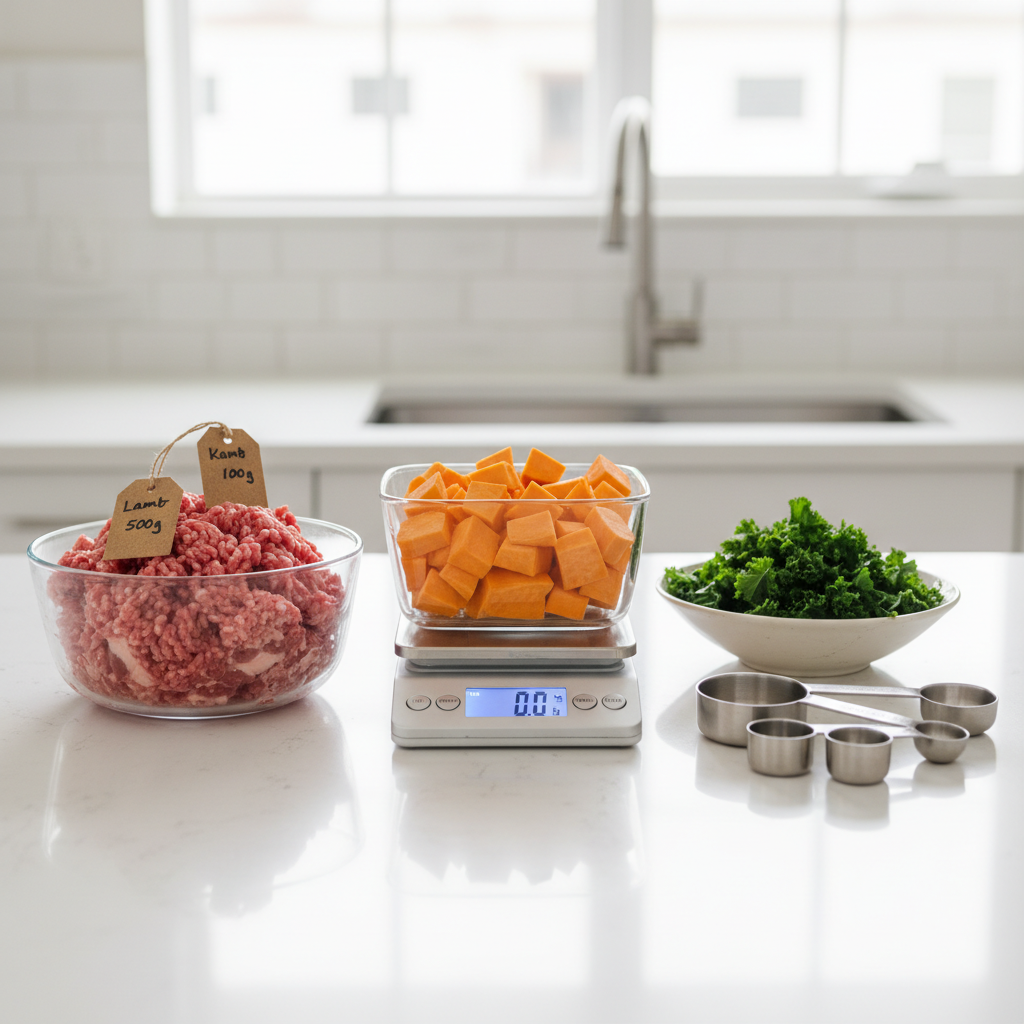
For the ultimate control over what goes into your Shiba’s bowl, nothing beats a carefully prepared homemade diet. This approach allows you to build a diet from the ground up using a single novel protein and carbohydrate, making it the gold standard for an elimination diet to pinpoint specific triggers.
CRITICAL SAFETY DISCLAIMER: This is a foundational recipe for short-term elimination trials and is NOT nutritionally complete for long-term feeding on its own. Long-term homemade diets require precise supplementation (calcium, vitamins, minerals, oils) to prevent severe nutritional deficiencies. You MUST work with a veterinarian or a board-certified veterinary nutritionist to create a balanced long-term plan.
Base Elimination Diet Recipe (for a ~25lb Shiba)
This recipe follows a basic ratio of 50% protein, 25% carbohydrate, and 25% vegetables.
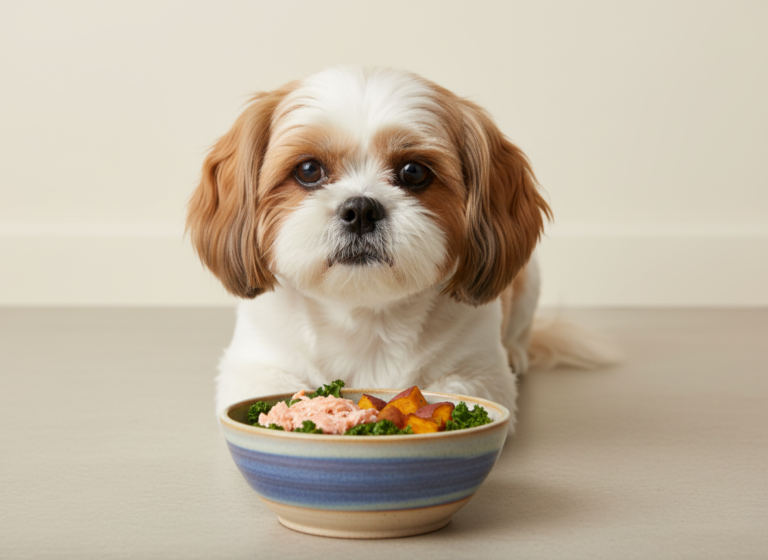
- Protein (50%): 1/2 pound of ground lamb or duck. Cook by lightly browning in a pan with no oil or seasoning. Drain excess fat.
- Carbohydrate (25%): 1 cup of cooked sweet potato, mashed. Boil or bake until tender.
- Vegetables (25%): 1 cup of finely chopped or pureed steamed kale or zucchini. Steaming makes the nutrients more bioavailable.
- Assembly: Mix all cooked ingredients together thoroughly. The daily serving size is approximately 1.5 to 2 cups, split into two meals. Adjust based on your dog’s activity level and body condition.
Real Cost Breakdown
While it seems expensive upfront, DIY can be competitive. A pound of ground lamb might cost $8, and a large sweet potato $2. This batch could last 2-3 days, making the cost around $3.50-$4.00/day. This is more than premium kibble but gives you 100% control over ingredient quality and freshness, which can be priceless for a suffering dog.
Hacker Tip (Batch Cooking): Triple or quadruple the recipe. Cook a large batch on a Sunday and portion it into daily servings in freezer-safe containers or bags. Thaw one portion in the refrigerator the night before you need it. This makes the DIY route manageable even with a busy schedule.
Conclusion
Combating your Shiba Inu’s itchy skin and shedding is a winnable war, and the front line is their food bowl. The strategy is simple: eliminate the inflammatory enemies and deploy the nutritional heroes. Whether you choose a meticulously researched commercial limited ingredient diet or take full control with a veterinarian-guided homemade approach, the power is in your hands. Stop treating the symptoms with temporary fixes. Analyze the label, understand the ingredients, and invest in a diet that calms the system from the inside out. You are your Shiba’s primary health advocate; by making these informed nutritional choices, you can provide them with lasting relief and the vibrant health they deserve.