Vet-Approved Homemade Recipes for Diabetic Dogs
IMPORTANT MEDICAL DISCLAIMER: I am The Canine Nutrition Hacker, not a veterinarian. The information in this article is for educational purposes and is based on extensive research and consultation with veterinary nutritionists. Canine diabetes is a serious medical condition that requires professional veterinary care. NEVER change your dog’s diet, especially a diabetic dog’s, without the explicit approval and guidance of your veterinarian. This includes adjusting insulin dosages, which can be life-threatening if done incorrectly. Regular blood glucose monitoring is non-negotiable.
A diabetes diagnosis for your dog can feel overwhelming. You’re suddenly thrust into a world of insulin injections, glucose curves, and strict schedules. The commercial prescription diets recommended are often expensive and filled with ingredients you can’t pronounce. This is where we, as savvy owners, can reclaim control. Crafting a homemade diet for your diabetic dog isn’t about saving a few bucks (though we’ll prove you can save a lot); it’s about absolute precision. It’s about knowing every single gram of protein, fat, and carbohydrate that enters their body. It’s about eliminating the high-glycemic fillers that can send their blood sugar on a dangerous rollercoaster. This guide will arm you with the principles, a foundational recipe, and the strategies to become the master of your dog’s diabetic management plan, in full partnership with your vet.
The Glycemic Battleground: Core Principles of a Diabetic Dog’s Diet
Managing a diabetic dog is a game of consistency and control, and the primary battlefield is the food bowl. The goal is simple: prevent sharp spikes and drops in blood glucose. This is achieved by focusing on foods that are digested slowly, providing a steady release of energy. To do this, you must learn to identify nutritional enemies and heroes.
The Enemy: High-Glycemic Ingredients
These are the ingredients that break down into sugar quickly, causing a rapid surge in blood glucose that the diabetic dog’s body cannot manage. Scrutinize labels—both on commercial foods and in your own pantry—and eliminate these culprits:
- Simple Carbohydrates: This includes ingredients like corn, corn syrup, white rice, wheat, and potatoes. They are cheap fillers in many commercial foods and are metabolic poison for a diabetic dog.
- Sugars & Sweeteners: Obvious offenders like sugar, molasses, or fructose should be avoided. Be wary of fruits high in sugar, such as grapes (which are toxic anyway), bananas, and mangos.
- Low-Quality Fats: Unspecified ‘animal fat’ or rendered fats can contribute to pancreatitis, a condition to which diabetic dogs are already prone.
The Heroes: Low-Glycemic Powerhouses
These are the cornerstones of your homemade diet. They provide sustained energy, promote satiety, and help regulate blood sugar levels with their high fiber and quality nutrient profiles.
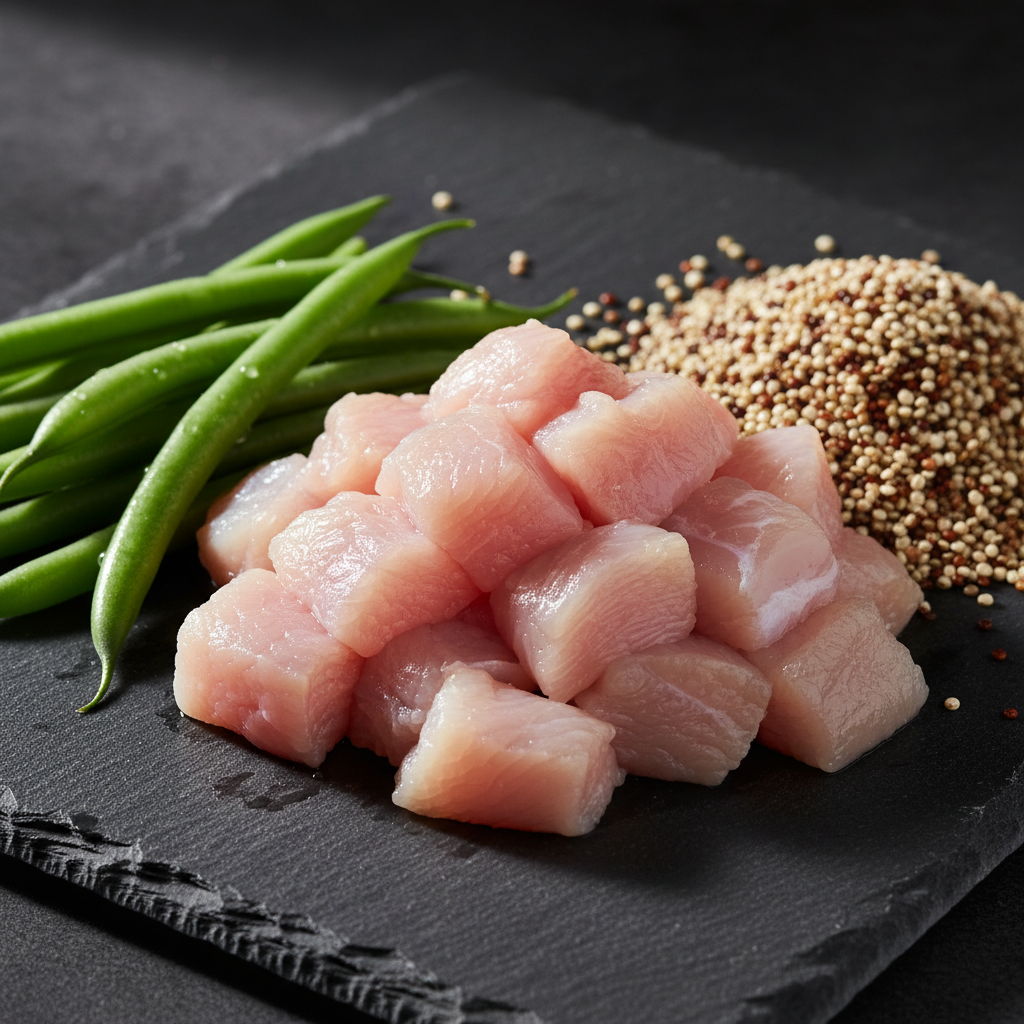
- High-Quality Lean Protein: Protein has a minimal effect on blood sugar. It’s essential for maintaining muscle mass. Excellent sources include skinless chicken breast, 93% lean ground turkey, lean beef, and fish like cod or haddock.
- Complex Carbohydrates: These are your go-to energy source, but they must be chosen carefully and used in moderation. They break down slowly. Think quinoa, barley, rolled oats, and small amounts of sweet potato or pumpkin.
- High-Fiber Vegetables: Fiber is a diabetic dog’s best friend. It slows down the absorption of sugar and helps them feel full. The best options are low-glycemic green vegetables like green beans, broccoli, spinach, and cauliflower.
Insider Secret: The ‘First 5 Ingredients’ rule is paramount. In any food, these make up the bulk of the recipe. For a diabetic dog, you want to see a lean protein source listed as number one, followed by high-fiber vegetables and a complex carbohydrate. If you see corn or wheat in the top three, put the bag down.
Cost Analysis: Prescription Kibble vs. Strategic Home Cooking
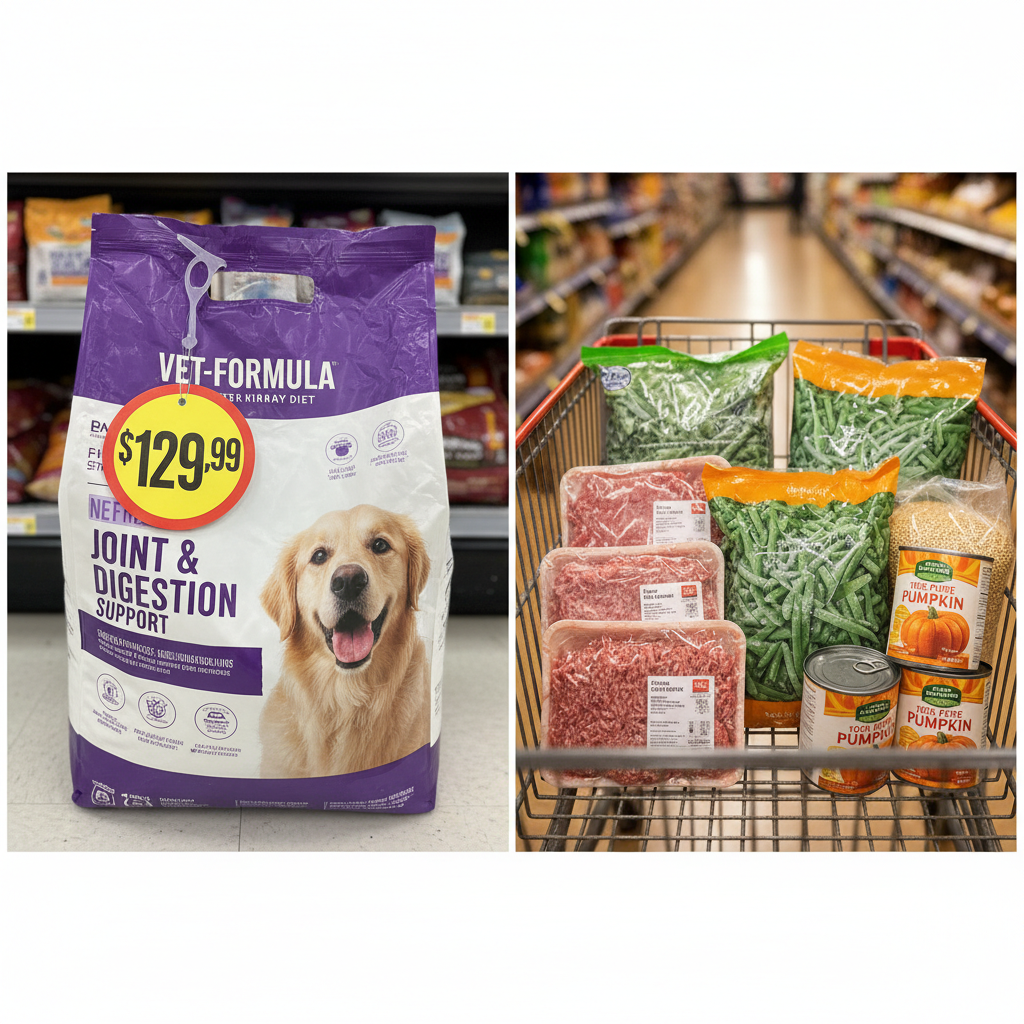
One of the biggest shocks after a diabetes diagnosis is the cost of veterinary prescription diets. While effective, the price tag can be substantial. Let’s break down the numbers to see how a strategic homemade approach compares for a hypothetical 50lb dog. Prices are estimates and will vary by location and retailer.
| Metric | Popular Prescription Diet (e.g., Hill’s w/d) | DIY Diabetic-Friendly Diet |
|---|---|---|
| Primary Ingredients | Whole Grain Corn, Powdered Cellulose, Chicken Meal | Lean Ground Turkey, Green Beans, Quinoa, Pumpkin |
| Approx. Cost per Large Bag/Batch | $105 for a 27.5 lb bag | $45 for ingredients for ~2 weeks (30 lbs of food) |
| Servings per Unit | ~110 cups per bag | ~60 cups per batch |
| Daily Serving (50lb dog) | ~3.5 cups per day | ~3 cups per day |
| Cost Per Day | ~$3.34 / day | ~$2.25 / day |
| Monthly Cost | ~$100.20 | ~$67.50 |
| Annual Savings with DIY | Approximately $392.40 per year | |
The financial savings are clear. But the real value is in the quality control. With the homemade diet, you are paying for fresh, whole-food ingredients, not processed meals and fillers. You control the sourcing, the freshness, and the exact composition, which is a priceless advantage in managing a delicate medical condition. Remember to factor in the cost of a good quality vitamin and mineral supplement, as recommended by your vet, which is essential to balance any homemade diet.
The Foundational Vet-Approved Recipe for Diabetic Dogs
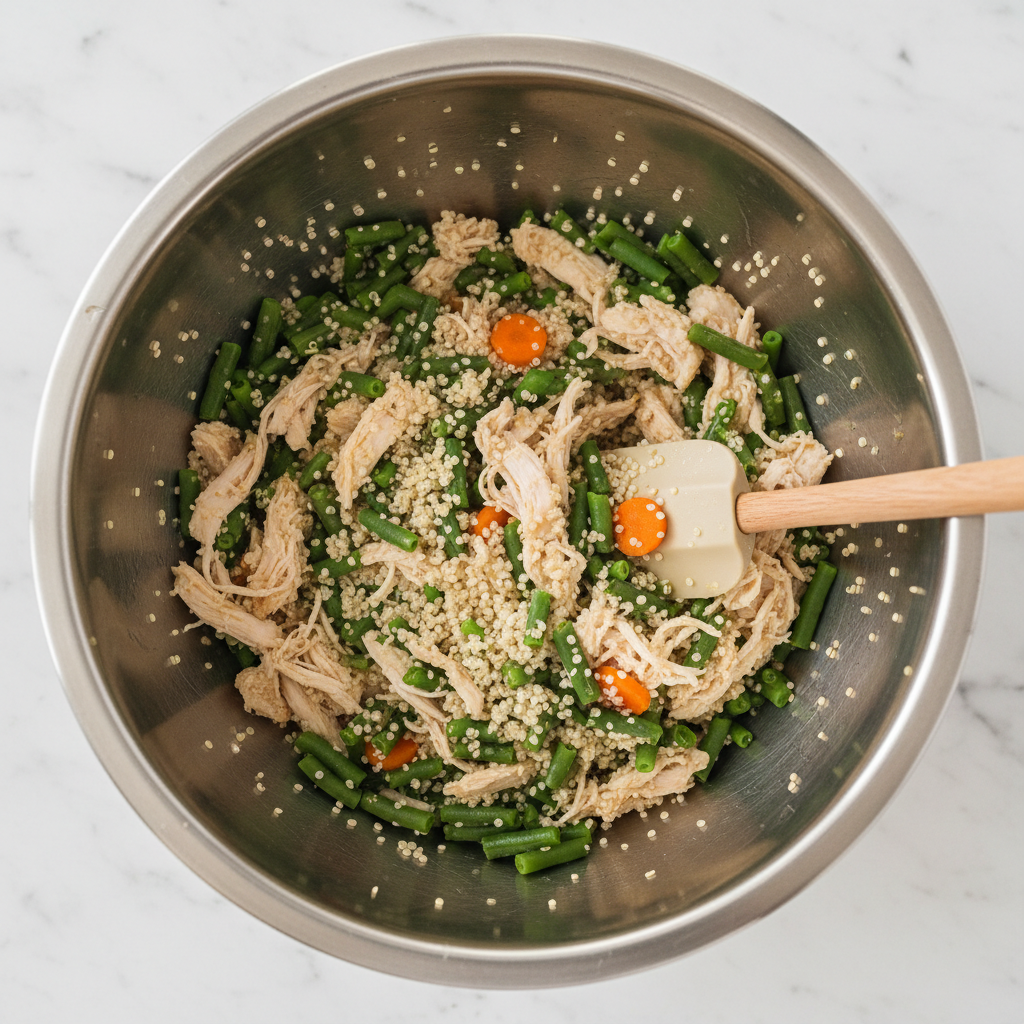
This recipe serves as a balanced, low-glycemic foundation. It is formulated to provide consistent energy release. You must discuss this recipe and your dog’s specific portion sizes with your veterinarian. They will calculate the exact caloric need based on your dog’s weight, age, and activity level. Consistency is key—feed the same amount at the same times every day.
Ingredients (Makes approx. 1 week of food for a 30-40lb dog):
- 2 lbs (900g) 93% Lean Ground Turkey or Chicken Breast, cooked and drained of all fat
- 1.5 cups (275g) Uncooked Quinoa, cooked according to package directions
- 4 cups (500g) Chopped Green Beans, fresh or frozen (steamed)
- 1 cup (245g) Pure Pumpkin Puree (NOT pie filling)
- 2 tablespoons Coconut Oil or Fish Oil (rich in Omega-3s)
- Veterinarian-approved vitamin/mineral supplement (e.g., Balance IT or similar, added per package instructions for the batch size)
Cooking Instructions:
- Cook the ground turkey or chicken in a large pot or skillet until no longer pink. Drain off any and all fat thoroughly. If using chicken breast, poach or bake it, then shred or dice it.
- While the meat is cooking, prepare the quinoa according to the package instructions. Also, steam the green beans until they are tender but still have some firmness.
- In a very large mixing bowl, combine the cooked meat, cooked quinoa, steamed green beans, and pumpkin puree.
- Drizzle the coconut or fish oil over the mixture.
- Mix everything together thoroughly until it is evenly combined.
- Allow the mixture to cool completely to room temperature. This is critical before portioning and storing.
- Once cool, add the vet-approved vitamin and mineral supplement, mixing one last time to ensure it is distributed evenly throughout the batch.
Hacker Tip: Invest in a digital kitchen scale. Precision is your greatest weapon against diabetes. Weighing your dog’s food for every single meal eliminates guesswork and ensures the caloric and carbohydrate intake is identical every time, which is critical for stable insulin dosing and blood sugar levels.
Mastering Meal Prep: The Batch Cooking & Storage Protocol
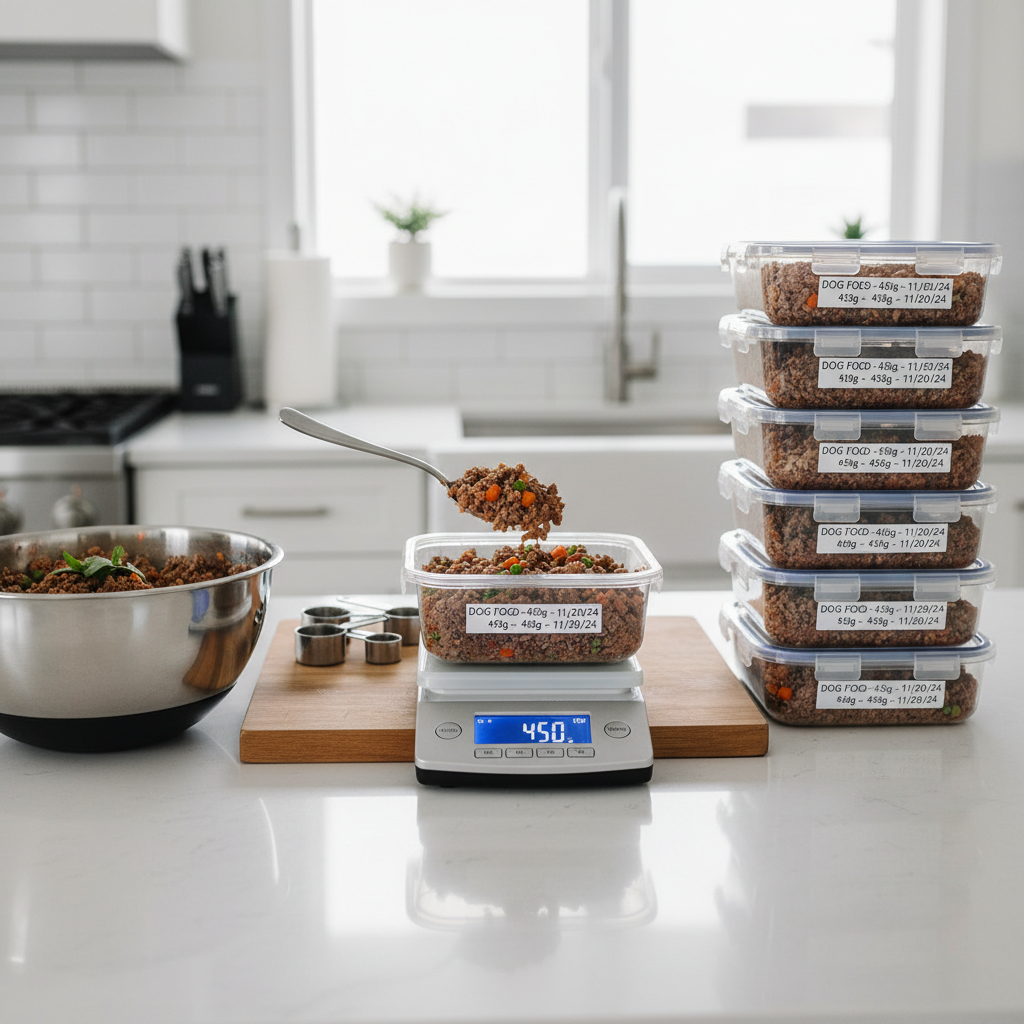
Consistency in your dog’s diet is paramount, and the best way to ensure that is through batch cooking. Spending a few hours one day a week will save you immense time and remove the stress of daily meal prep. It also guarantees your dog’s meals are identical, which is vital for glucose regulation.
The Batch Cooking Workflow
- Prepare Your Ingredients: Cook all your protein, carbohydrates, and vegetables as outlined in the recipe. Let everything cool down. This is a crucial food safety step to prevent bacterial growth.
- Mix and Supplement: Combine all ingredients in a large bowl and add the vitamin/mineral supplement once the food has cooled completely. Heat can degrade certain vitamins, so always add the supplement to cooled food.
- Portion with Precision: Using your digital kitchen scale, weigh out each individual meal into separate containers or freezer bags. If your vet has prescribed 250g per meal, measure out exactly 250g into each container.
- Label Everything: Use masking tape or a marker to label each container or bag with the date it was made. This helps you rotate your stock and ensure you’re always using the freshest food first.
- Refrigerate & Freeze: Store enough portions in the refrigerator for the next 3-4 days. Freeze the rest immediately. Flat-packing the food in freezer bags saves an incredible amount of space.
Insider Secret: For perfect portions, use large silicone muffin tins or freezer trays. Pack the food into the molds, freeze until solid, then pop out the ‘pucks’ of food and store them in a large freezer bag. This makes grabbing a single, perfectly portioned meal incredibly fast and easy.
To serve, simply take a portion out of the freezer and let it thaw in the refrigerator overnight. You can warm it slightly with a splash of hot water before serving, but avoid microwaving, which can create hot spots and degrade nutrients.
Conclusion
Taking on the task of preparing a homemade diet for your diabetic dog is a significant commitment, but it is also one of the most empowering actions you can take for their health. You are no longer a passive consumer of a pre-made product; you are an active, informed participant in your dog’s wellness. By focusing on low-glycemic, high-fiber, whole-food ingredients, you provide your dog with a clean, predictable source of fuel that makes managing their condition significantly easier. This dietary control, combined with the unwavering guidance of your veterinarian and consistent glucose monitoring, forms the trifecta of successful diabetes management. You have the knowledge and the plan—now you can provide the precise, loving care your loyal companion deserves.