
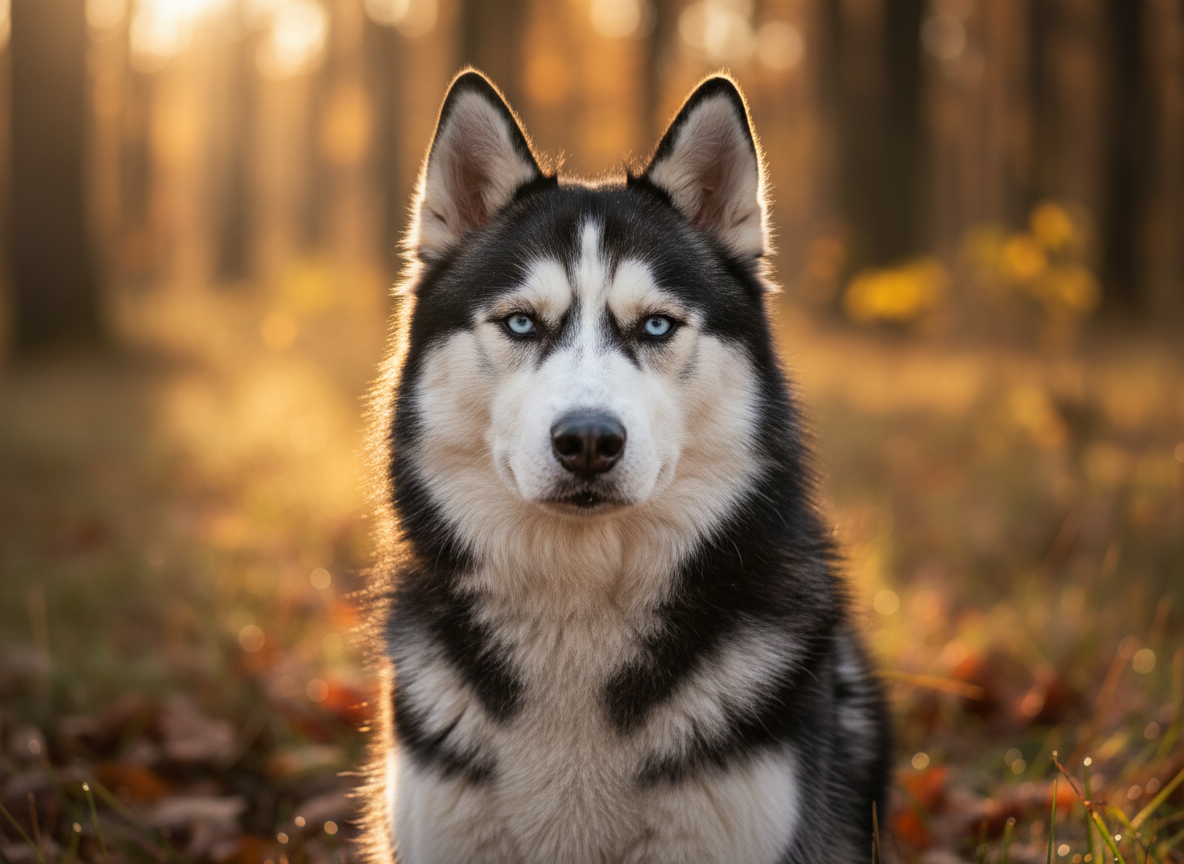
Zinc Deficiency In Huskies: Best Foods To Add To Their Diet
You see the signs: the dry, crusty nose; the thinning fur around the eyes; the cracked, painful paw pads. You’ve been told it’s ‘just allergies,’ but your gut says it’s something more. For Siberian Husky owners, this scenario is all too common, and the culprit is often a stealthy nutritional issue: zinc deficiency. This isn’t your average dietary problem; it’s a genetic predisposition hard-wired into arctic breeds. They don’t process zinc like other dogs, making them highly susceptible to a condition known as Zinc-Responsive Dermatosis.
Forget generic pet store advice. We’re not here to just recommend a supplement and call it a day. We’re here to hack your dog’s bowl. This guide is your forensic toolkit for dissecting your Husky’s diet, identifying the nutritional enemies that block zinc absorption, and weaponizing their meals with powerhouse ingredients that fight back. We’ll decode food labels, expose common fillers, and give you the actionable, authoritative strategies to manage this condition from the inside out.
MEDICAL DISCLAIMER: This article is for informational purposes only and does not constitute veterinary medical advice. The information provided is not intended to be a substitute for professional veterinary advice, diagnosis, or treatment. Always seek the advice of your veterinarian with any questions you may have regarding your dog’s medical condition. Do not start or stop any nutritional plan or supplement without first consulting your veterinarian.
Decoding Zinc-Responsive Dermatosis in Huskies

Before you can fix the problem, you have to understand the enemy. Zinc-Responsive Dermatosis isn’t a simple deficiency caused by a poor-quality diet alone, although that can certainly make it worse. In Huskies, we’re primarily dealing with Type I Zinc-Responsive Dermatosis, a congenital issue where the dog has an impaired ability to absorb zinc from their intestines. Even on a diet that meets the standard requirements for an ‘average’ dog, your Husky may be starving for this critical mineral.
Zinc is a workhorse nutrient. It’s essential for immune function, thyroid health, and the synthesis of hundreds of enzymes. Most visibly, it’s a cornerstone for healthy skin and coat—the body’s first line of defense. When absorption fails, the signs manifest in the fastest-growing cells, namely the skin.
Telltale Signs of Zinc Deficiency in Huskies:
- Crusting and Scaling: Thick, yellowish crusts (parakeratotic scaling) typically appear symmetrically around the mouth, chin, eyes, and ears.
- Hair Loss (Alopecia): You’ll notice thinning fur in the same areas as the crusting, as well as on the legs and footpads.
- Hyperkeratosis: The nose and paw pads become abnormally hard, thick, and prone to cracking and secondary infections.
- Dull, Brittle Coat: The once-lustrous Husky coat becomes dry, sparse, and loses its vibrancy.
- Lethargy and Immune Issues: A chronic deficiency can lead to a suppressed immune system, making your dog more susceptible to infections.
Recognizing these signs isn’t about panic; it’s about empowerment. Identifying the specific symptoms allows you to have a more informed conversation with your veterinarian and begin the process of nutritional intervention. This is a manageable, lifelong condition, and dietary strategy is your primary weapon.
Nutritional Sabotage: The Ingredients That Block Zinc Absorption
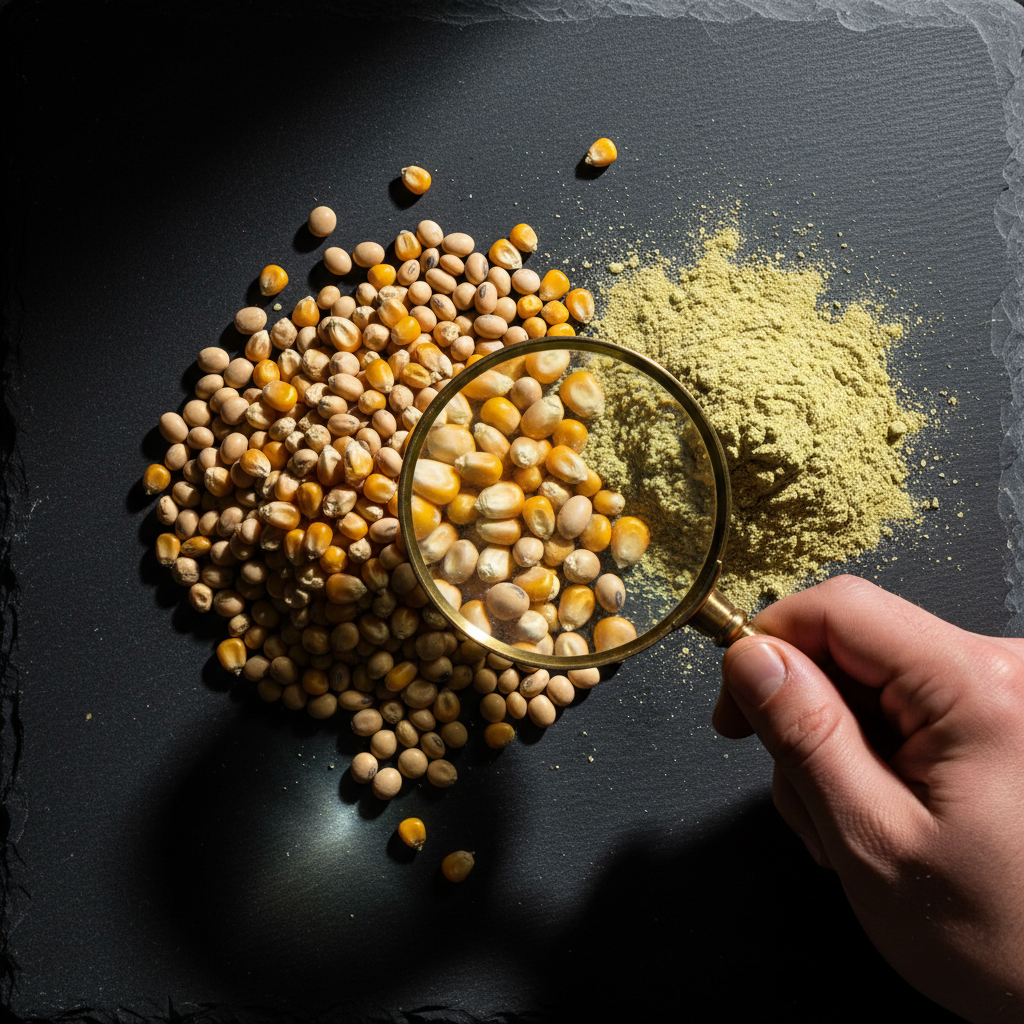
Here’s where we go from owner to forensic nutritionist. Many well-intentioned owners feed their Huskies premium, expensive foods, yet the deficiency persists. Why? Because the problem isn’t just about the *amount* of zinc in the food; it’s about its bioavailability. Certain ingredients, often used as cheap fillers even in high-end brands, act as nutritional saboteurs, binding to zinc and preventing your dog from using it.
Enemy Ingredient #1: Phytates
Phytates (or phytic acid) are the number one enemy. This compound is found in the hulls of grains, nuts, seeds, and legumes. It acts as a ‘mineral magnet,’ binding strongly to minerals like zinc, iron, and calcium, forming an insoluble complex that passes through the digestive system unabsorbed. A diet high in the following is a red flag for any Husky owner:
- Corn (corn gluten meal, whole corn)
- Wheat and Soy
- Legumes (peas, lentils, chickpeas) – a very common ingredient in ‘grain-free’ formulas.
Enemy Ingredient #2: Excessive Calcium
Calcium is essential, but too much of a good thing is a problem. High levels of dietary calcium compete with zinc for the same absorption pathways in the intestine. If a food is overloaded with calcium—sometimes seen in formulas designed for giant breed puppies or those using low-quality calcium supplements like calcium carbonate—it can effectively crowd out zinc, worsening the deficiency.
The Canine Nutrition Hacker’s Secret: Look at the first 5-7 ingredients on your dog food bag. If you see multiple high-phytate ingredients like peas, pea protein, lentils, and potatoes before you see a high-quality zinc source (like zinc proteinate), your dog’s diet may be actively working against them. Animal-based proteins do not contain phytates, which is why a meat-first diet is non-negotiable for these breeds.
The Zinc Powerhouse List: Top Foods for Your Husky’s Diet
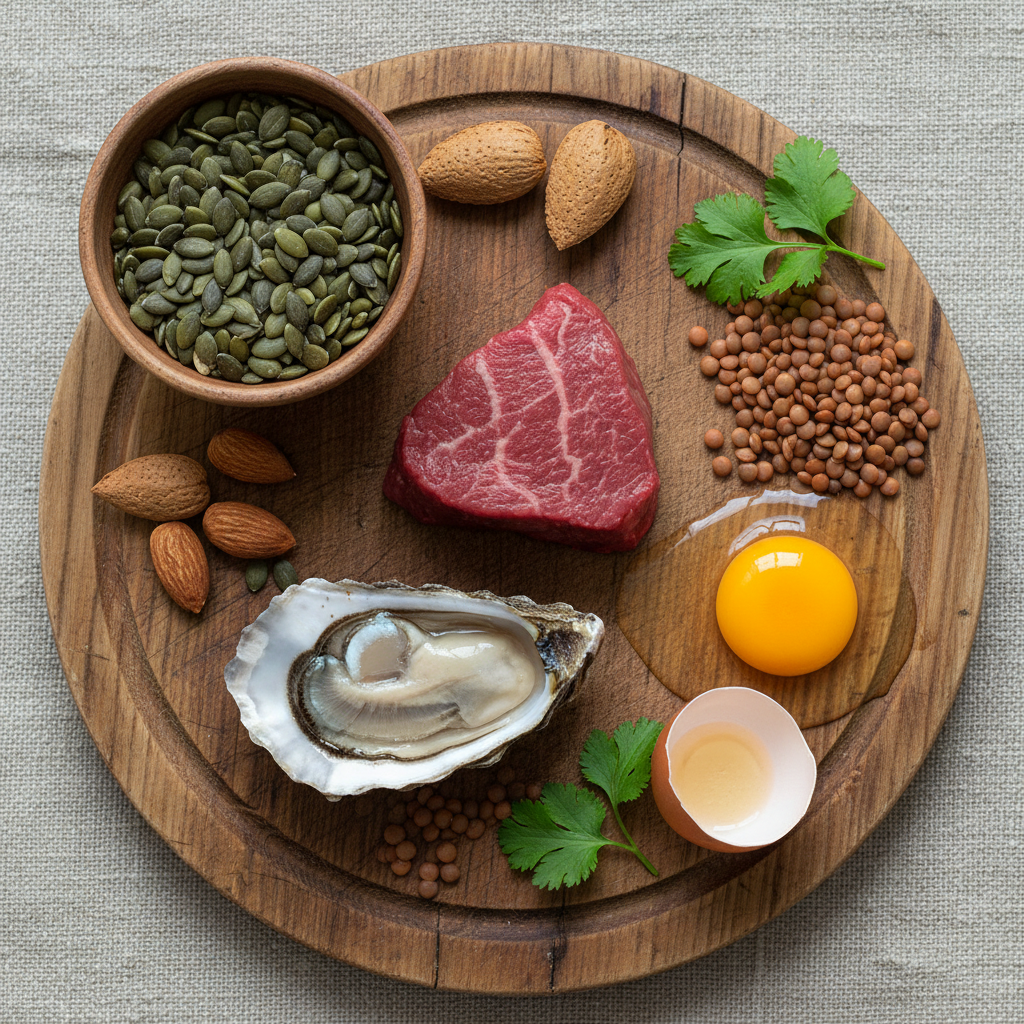
Now for the offensive strategy. To combat poor absorption, we need to flood the system with highly bioavailable, animal-based sources of zinc. These are foods where the zinc is not only abundant but also in a form your Husky’s body can readily use. Incorporating these ‘hero ingredients’ as part of their main diet or as toppers can make a significant difference.
Top Tier Zinc Sources:
- Oysters: By far the most potent source of zinc on the planet. A single canned oyster (packed in water, no salt added) a few times a week can provide a powerful zinc boost. Mash it into their food.
- Red Meat (Beef & Lamb): The muscle meat and organs from red meat sources are rich in heme iron and bioavailable zinc. A diet based on beef or lamb is an excellent foundation.
- Organ Meats: Beef liver, in particular, is a nutritional powerhouse. It’s rich in zinc, Vitamin A, and copper. Feed in moderation (no more than 5% of the total diet) to avoid vitamin toxicity.
- Pumpkin Seeds: One of the best plant-based sources. Buy raw, unsalted seeds and grind them into a powder before adding to food to increase digestibility and nutrient absorption.
- Hemp Hearts: Another excellent seed source, rich in zinc, magnesium, and healthy fats.
Solid Secondary Sources:
- Dark Meat Poultry (Chicken & Turkey Thighs): While not as high as red meat, dark meat contains more zinc than white breast meat.
- Eggs: The yolk is the nutritional goldmine, containing a good amount of zinc.
- Sardines: Canned sardines (packed in water, no salt) are a great addition, providing not just zinc but also anti-inflammatory Omega-3 fatty acids that support skin health.
The goal is to build a diet where these ingredients are the stars, not the supporting cast. This ‘food first’ approach ensures your dog gets zinc in its most natural, absorbable state, complete with the co-factors needed for optimal use.
The Kibble Code: Choosing a Zinc-Friendly Commercial Diet
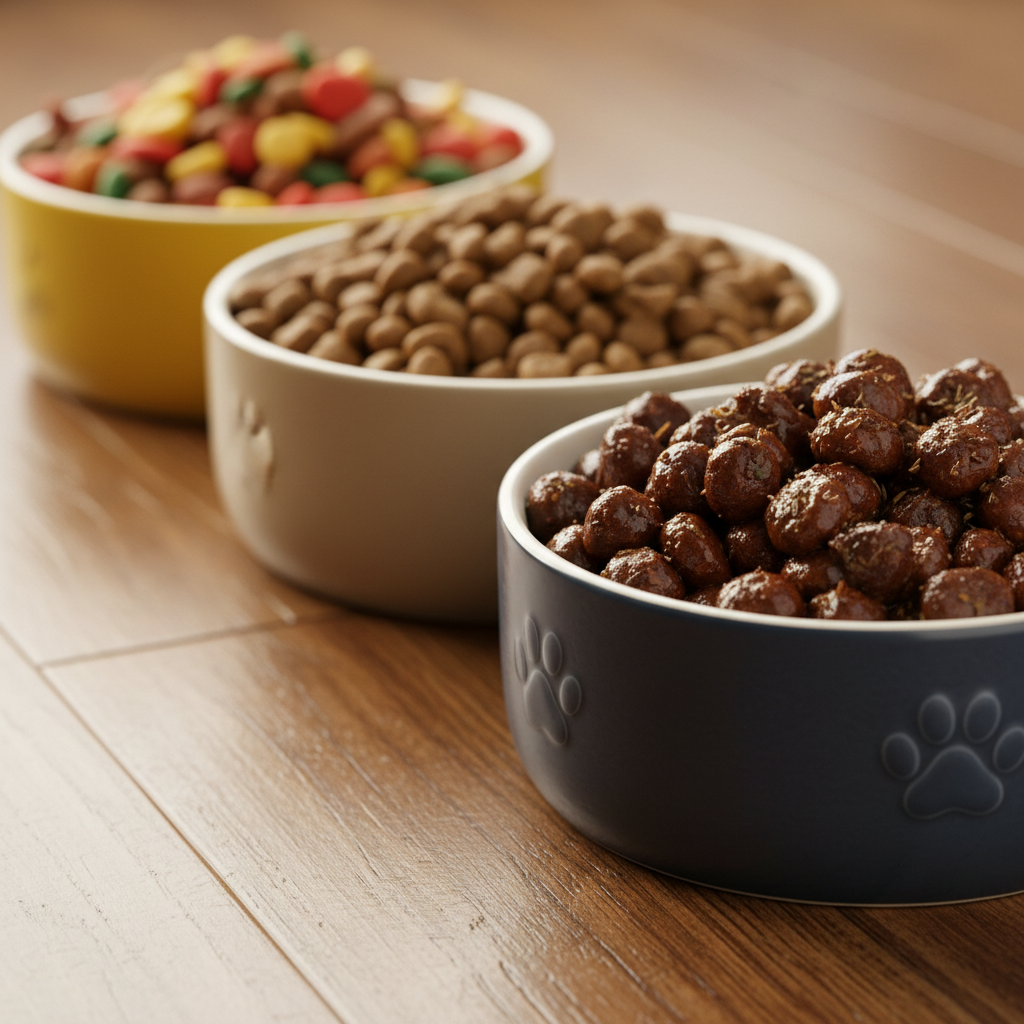
For many, a 100% fresh diet isn’t practical. The key is to become an expert at reading commercial dog food labels to find a product that supports your Husky’s unique needs. You’re looking for a formula that maximizes zinc bioavailability and minimizes the blockers we’ve identified.
Your Label-Reading Checklist:
- Meat-First Philosophy: The first ingredient must be a named animal protein (e.g., ‘Deboned Beef,’ ‘Lamb Meal’). Avoid vague terms like ‘Meat and Bone Meal.’
- Identify Phytate Load: Scrutinize the ingredient list for corn, wheat, soy, peas, and lentils. The higher up they appear on the list, the more problematic they are. A food with rice or oats is generally better than one loaded with legumes.
- Look for Chelated Minerals: This is a non-negotiable insider secret. Standard zinc supplements like ‘zinc oxide’ or ‘zinc sulfate’ are poorly absorbed. You MUST find foods that use chelated minerals. These are minerals chemically bonded to an amino acid, making them vastly more bioavailable. Look for ‘zinc proteinate,’ ‘zinc methionine,’ or ‘amino acid chelate’ on the label.
- Check the Guaranteed Analysis: Look for the Calcium-to-Phosphorus ratio and the overall calcium percentage. For an adult Husky, a food with a calcium level between 1.2% and 1.8% is generally a safe range.
To illustrate the difference, let’s analyze three tiers of commercial food:
| Food Tier | Primary Zinc Source | Phytate Load | Absorption Potential | Verdict |
|---|---|---|---|---|
| Budget / Filler-Heavy | Zinc Sulfate | High (Corn, Soy, Peas in first 5 ingredients) | Very Low | Avoid. This food actively works against your Husky by blocking the poor-quality zinc it contains. |
| Mid-Tier ‘Grain-Free’ | Zinc Proteinate | Medium-High (Peas, Lentils, Potatoes) | Moderate | Use with caution. While the zinc is better quality, the high legume content can still interfere with absorption. May require supplementation. |
| Premium High-Meat | Zinc Proteinate | Low (Meat-first, uses low-phytate carbs like sweet potato or oats sparingly) | High | Ideal Choice. This structure provides high-quality, bioavailable zinc with minimal interference from phytate-heavy ingredients. |
Conclusion
Managing zinc deficiency in your Siberian Husky is not a passive activity; it requires a strategic, proactive approach. You are now armed with the knowledge to move beyond surface-level solutions. You understand that your dog’s genetic makeup demands a different nutritional rulebook. The path to healthy skin and a vibrant coat lies in maximizing the absorption of this crucial mineral.
The power is now in your hands. Scrutinize that ingredient label. Prioritize high-quality, animal-based proteins and chelated minerals. Systematically eliminate the nutritional saboteurs—the high-phytate fillers that compromise your dog’s health. By incorporating zinc-powerhouse foods and choosing a commercial diet with forensic precision, you can build a nutritional fortress for your Husky. Always partner with your veterinarian to fine-tune your approach and confirm your strategy with diagnostics. You are your dog’s best advocate, and hacking their diet is the most powerful tool you have.