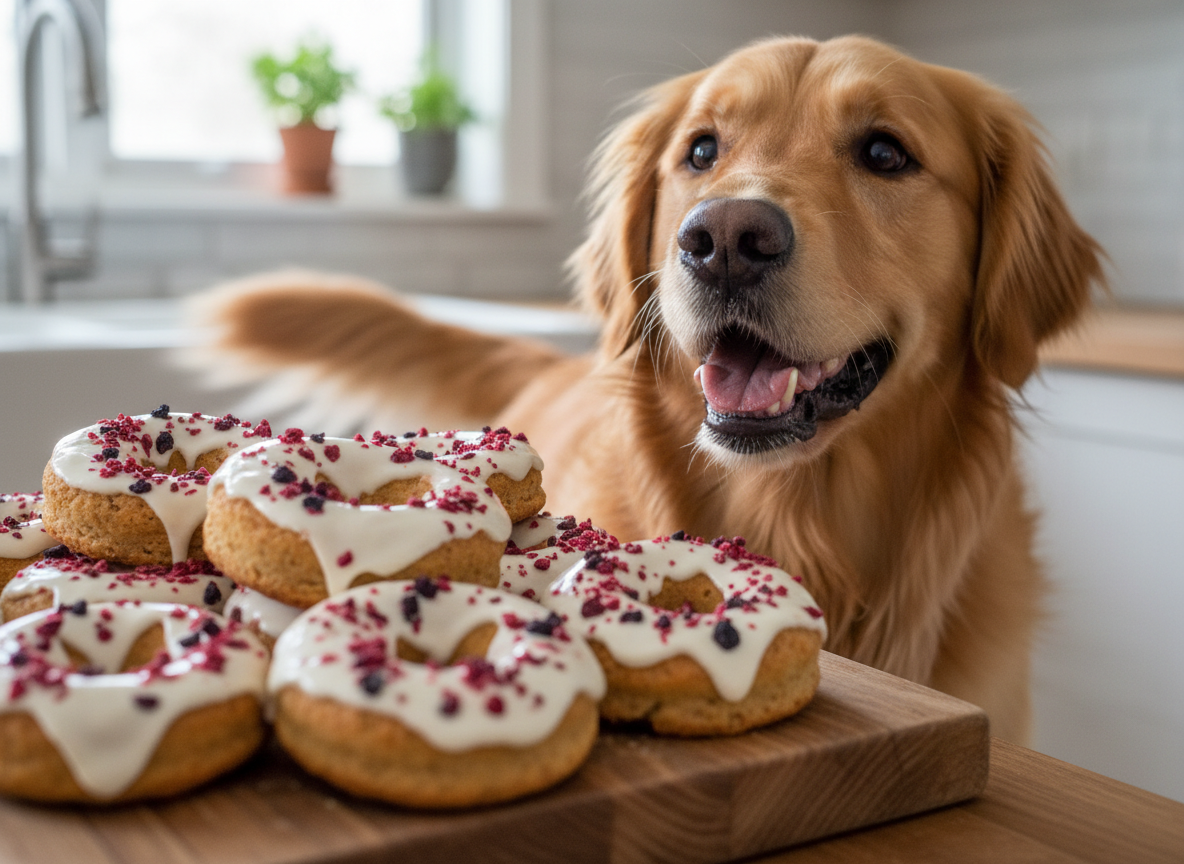
Adorably Delicious: Baked Dog Donuts with Greek Yogurt Glaze
Let’s cut to the chase. The pet treat aisle is a minefield of marketing gimmicks, cheap fillers, and ingredients you can’t pronounce. Manufacturers bank on you grabbing a colorful bag without scrutinizing the label. That stops today. I’m The Canine Nutrition Hacker, and my mission is to arm you with the knowledge to bypass the commercial noise and provide superior nutrition for your dog without breaking the bank. These baked dog donuts aren’t just a cute treat; they are a statement. They declare that you are in control of what goes into your dog’s body.
Before we dive into the recipe, we need to establish a critical protocol. This is non-negotiable.
SAFETY DISCLAIMER: I am a canine nutrition analyst, not a veterinarian. The information provided here is for educational purposes and should not replace professional veterinary advice. These donuts are intended as treats and should not be used as a meal replacement. They are supplementary to a complete and balanced diet. Always consult with your veterinarian before introducing new foods into your dog’s diet, especially if your dog has underlying health conditions, allergies, or dietary sensitivities. Ensure all ingredients, particularly yogurt and any nut butters, are free from xylitol, which is highly toxic to dogs.
Deconstructing the Store-Bought Treat: A Forensic Analysis
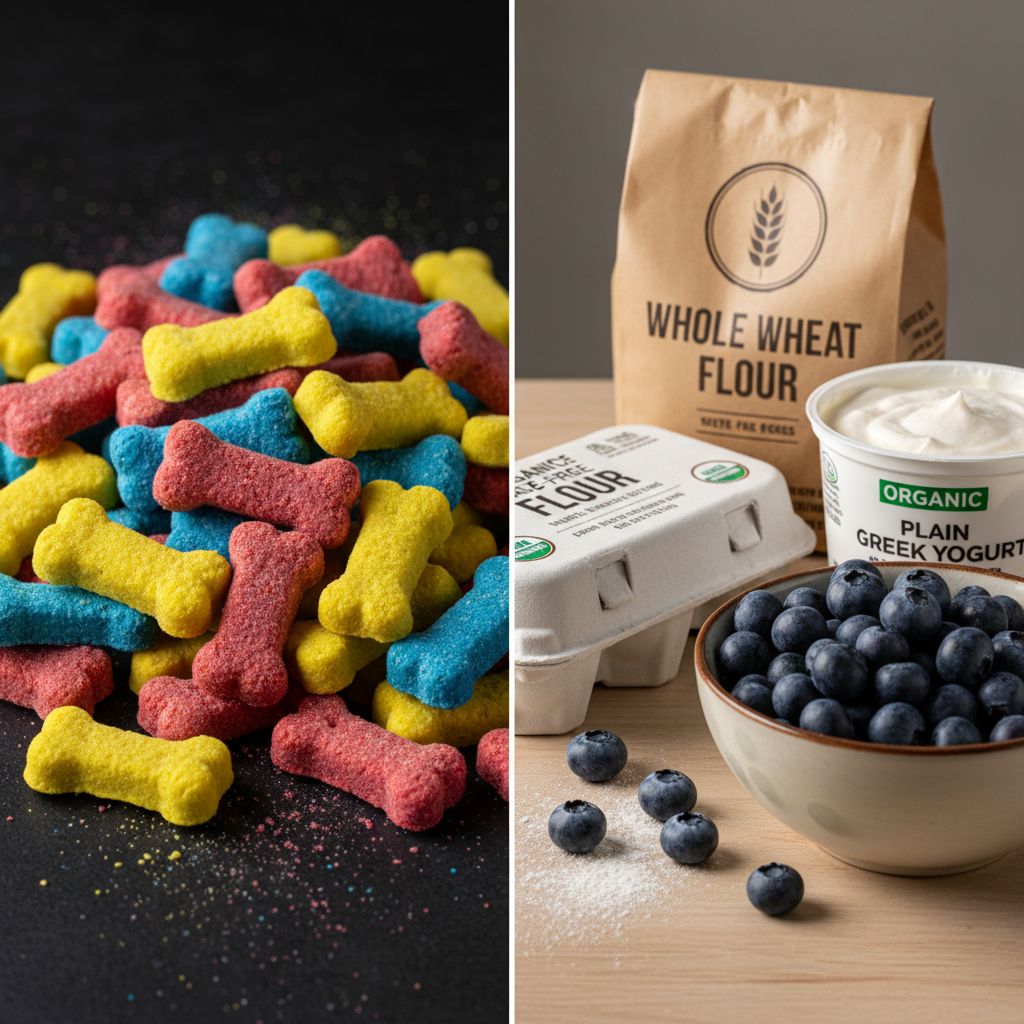
To understand why we’re baking, we first need to perform an autopsy on a typical store-bought ‘bakery’ treat. Turn over that cute, bone-shaped cookie and the truth is often grim. You’ll find a roster of ingredients designed for shelf stability and low-cost production, not optimal canine health.
The Usual Suspects on the Label:
- Sugar/Corn Syrup: The number one enemy. It contributes to obesity, dental problems, and diabetes. It’s a cheap filler used to make treats more palatable.
- Artificial Colors (e.g., Red 40, Yellow 5): These are linked to hyperactivity and other health concerns and serve no nutritional purpose. They exist only to appeal to the human buyer.
- Propylene Glycol: A controversial preservative used to maintain moisture. While GRAS (Generally Recognized as Safe) for dogs, it’s a chemical you can easily avoid.
- Meat By-Products: An unspecified mix of slaughterhouse waste. You have no idea what animal it came from or what parts are included. Contrast this with using a whole, fresh egg in our recipe.
The financial deception is just as blatant. Premium-looking bakery treats can cost a fortune. Let’s run the numbers and see the real cost of convenience versus the cost of control.
Cost Breakdown: DIY Donuts vs. Premium Store-Bought
| Metric | DIY Baked Donuts (per donut) | Premium ‘Bakery’ Treat (per treat) |
|---|---|---|
| Primary Ingredients | Whole wheat flour, oats, egg, Greek yogurt | Often unspecified flours, sugar, by-products |
| Preservatives/Fillers | None | Often contains chemical preservatives, colors |
| Approximate Cost | $0.25 – $0.40 | $1.50 – $3.00 |
| Verdict | Massive cost savings, complete ingredient control, superior nutritional value. | High cost for often inferior, sugar-laden ingredients. You pay for marketing. |
Insider Secret: The ‘per treat’ cost of commercial products is intentionally obscured by packaging. Always calculate the price per ounce or per treat to see the true cost. The numbers rarely lie, and they almost always favor making your own.
The Canine Nutrition Hacker’s Blueprint: Core Ingredients
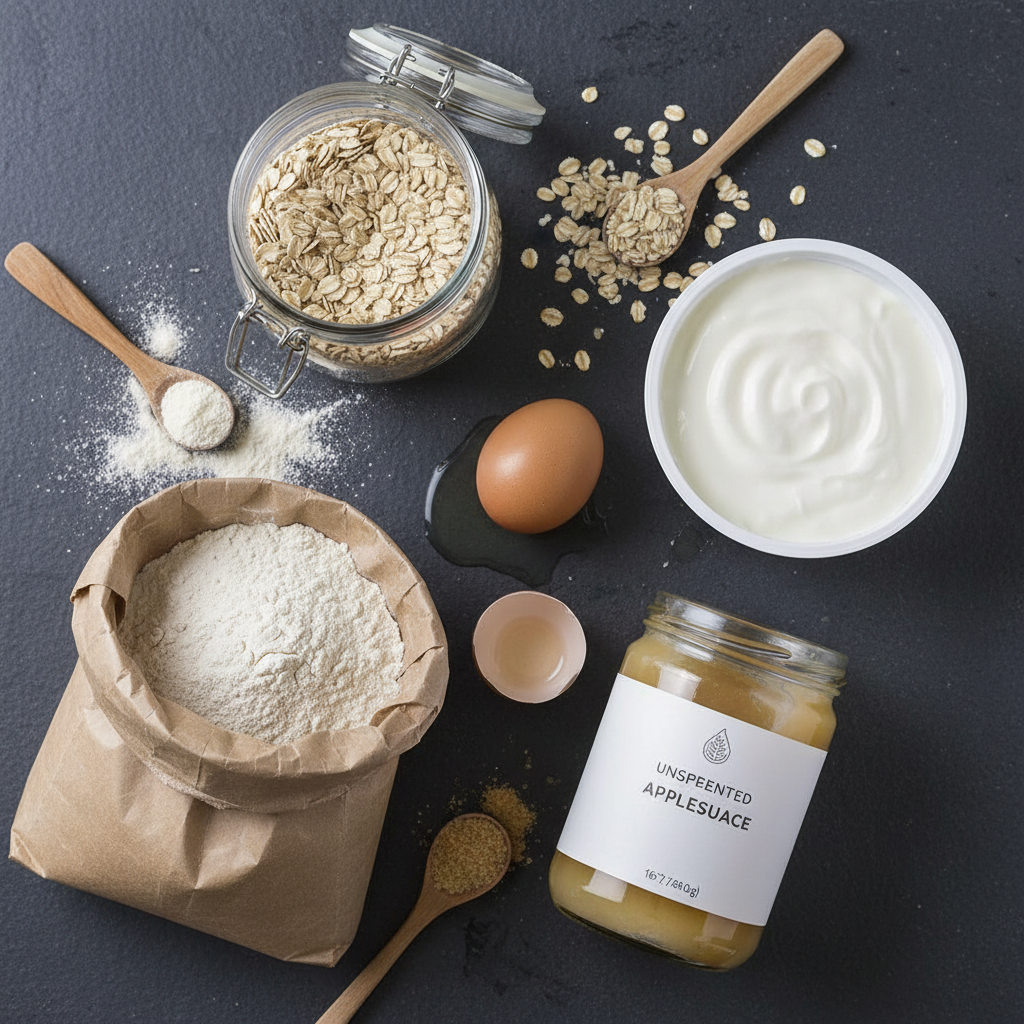
Our recipe is built on a foundation of simple, powerful, and functional ingredients. Every component serves a purpose beyond just being a binder or a filler. This is the core of the hacker philosophy: maximum nutritional impact from every calorie.
Hero Ingredient #1: Whole Wheat Flour & Rolled Oats
We use a blend for a reason. Whole wheat flour provides fiber for digestive health and complex carbohydrates for sustained energy. Rolled oats are a fantastic source of soluble fiber, which can help regulate blood glucose levels. They also contain essential minerals like manganese and selenium.
Hero Ingredient #2: The Egg
The egg is nature’s perfect protein package. It’s a complete protein source, meaning it contains all the essential amino acids your dog needs. Plus, eggs provide vitamins and minerals, including Vitamin A, Vitamin D, and iron. We use the whole egg for maximum benefit.
Hero Ingredient #3: Unsweetened Applesauce
This acts as a natural sweetener and a binder, replacing the need for processed sugars or oils. Applesauce is a good source of dietary fiber and Vitamin C. Crucially, ensure it is unsweetened and contains no artificial sweeteners like xylitol.
Hero Ingredient #4: Plain Greek Yogurt
This is the star of our glaze. Plain, unsweetened Greek yogurt is a powerhouse of probiotics, which support a healthy gut microbiome. It’s also an excellent source of calcium and protein. The tangy flavor is a bonus that dogs love.
Hacker Tip: When selecting Greek yogurt, look for two things on the label: ‘Live and Active Cultures’ for the probiotic benefit, and ZERO added sugars or sweeteners. Full-fat or low-fat is acceptable, but avoid fat-free versions as they often contain additives to improve texture.
The Recipe: Step-by-Step Execution for Perfect Donuts
Follow this blueprint precisely for consistent, safe, and delicious results. Precision is key in baking, even for dogs. This recipe is formulated for a standard donut pan, yielding approximately 12 donuts.
Donut Ingredients:
- 1 cup Whole Wheat Flour
- 1 cup Rolled Oats (old-fashioned or quick oats are fine)
- 1 teaspoon Baking Powder
- 1/2 cup Unsweetened Applesauce
- 1/2 cup Water or Low-Sodium Chicken Broth
- 1 Large Egg
- 2 tablespoons Coconut Oil, melted
Glaze Ingredients:
- 1/2 cup Plain Greek Yogurt (Warning: NO XYLITOL)
- 1 tablespoon Tapioca Starch or Cornstarch (optional, for thickening)
Execution Protocol:
- Preheat your oven to 375°F (190°C). Lightly grease a donut pan with coconut oil.
- In a large bowl, combine the dry ingredients: whole wheat flour, rolled oats, and baking powder. Whisk to combine.
- In a separate medium bowl, whisk together the wet ingredients: unsweetened applesauce, water/broth, egg, and melted coconut oil. Mix until smooth.
- Pour the wet ingredients into the dry ingredients. Stir until just combined. Do not overmix; a few lumps are acceptable. The batter will be thick.
- Carefully spoon or pipe the batter into the prepared donut pan, filling each cavity about three-quarters full.
- Bake for 15-20 minutes, or until a toothpick inserted into the center of a donut comes out clean.
- Let the donuts cool in the pan for 5-10 minutes before transferring them to a wire rack to cool completely. This is a critical step; glazing warm donuts will result in a runny mess.
Glaze Application:
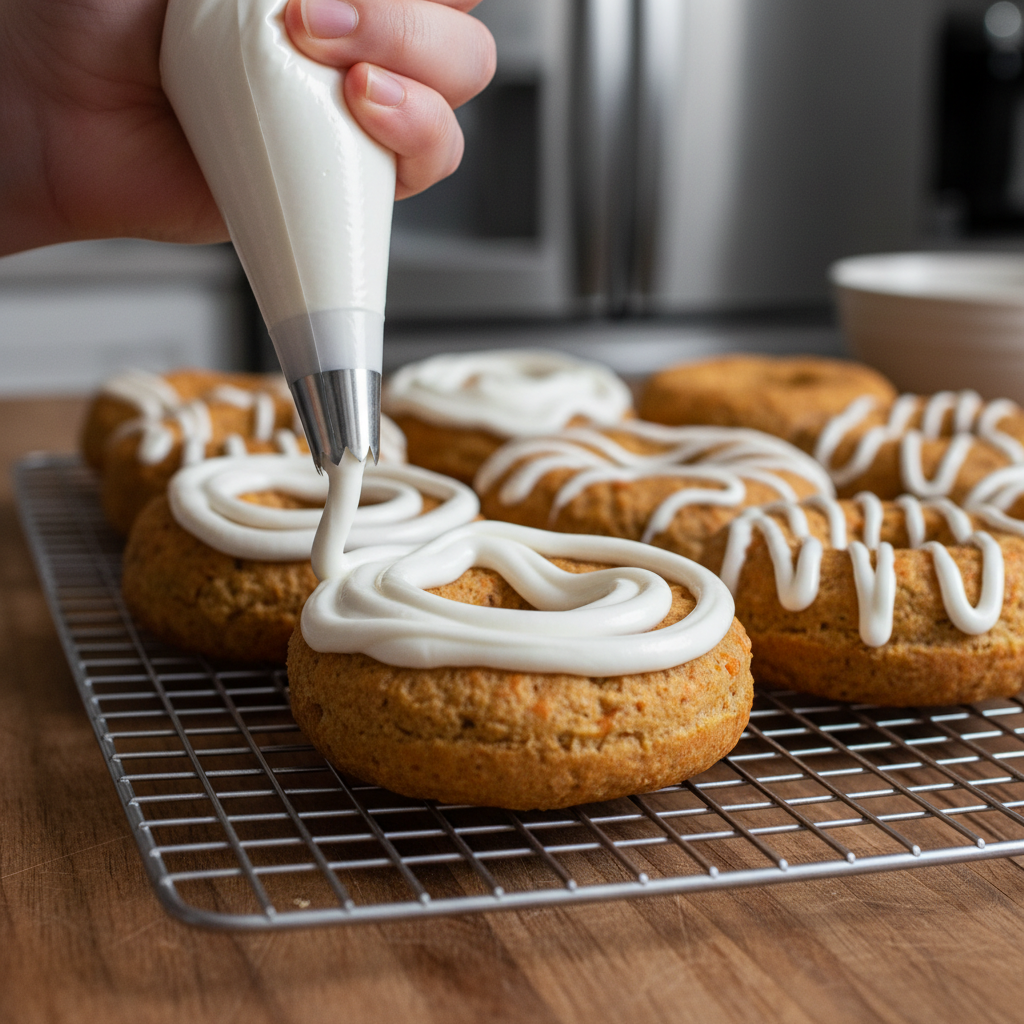
Once the donuts are completely cool, prepare the glaze. If using a thickener, whisk the tapioca starch or cornstarch into the Greek yogurt until smooth. This will help the glaze set and be less messy. Dip the top of each donut into the yogurt glaze or use a spoon to spread it evenly. Decorate with dog-safe toppings like crushed berries or finely chopped parsley if desired. Place the glazed donuts in the refrigerator for at least 30 minutes for the glaze to set.
Advanced Customization & Safety Protocols
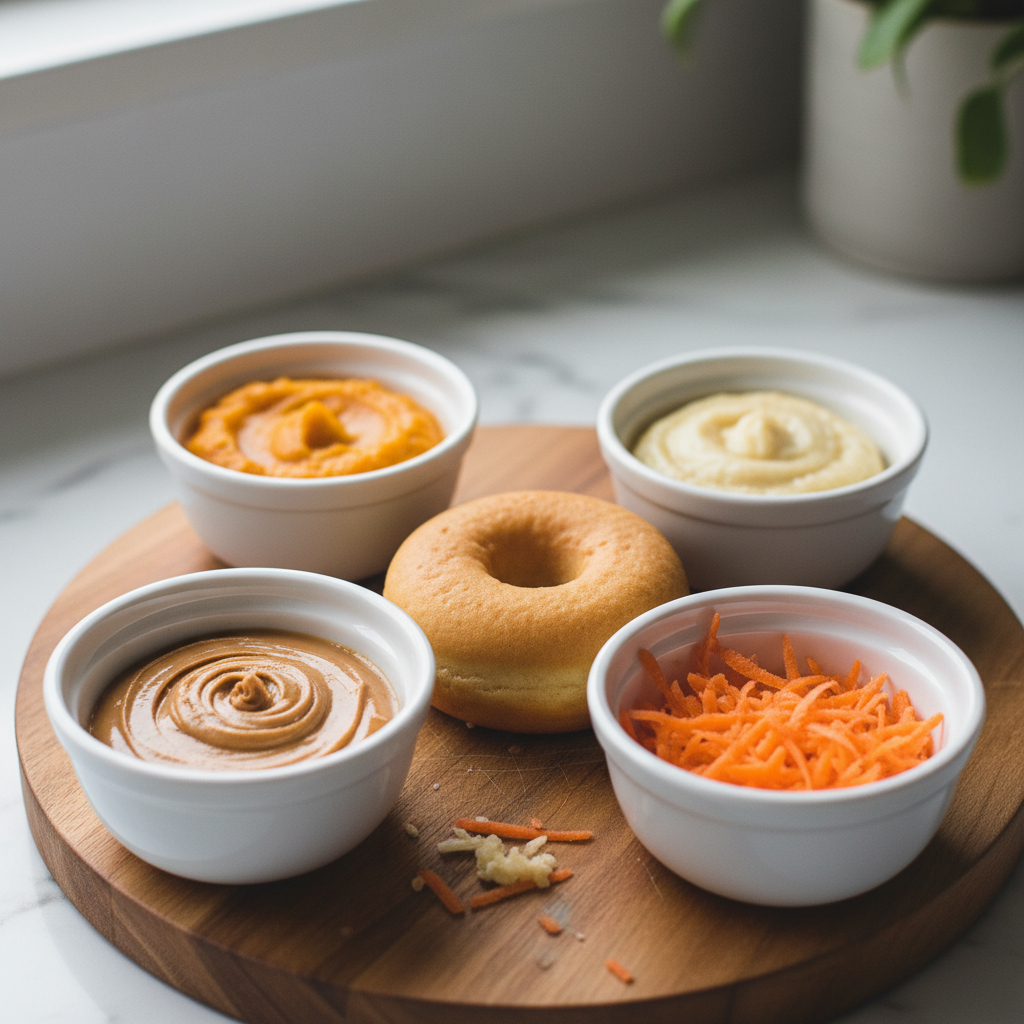
Once you’ve mastered the base recipe, you can modify it to suit your dog’s specific needs or preferences. However, customization requires heightened vigilance regarding safety.
Safe & Functional Add-ins:
- Pumpkin Purée: Swap out the applesauce for 100% pure pumpkin purée (not pie filling) for a fiber boost that’s excellent for digestion.
- Mashed Banana: For a touch more natural sweetness and potassium, substitute half of the applesauce with one mashed ripe banana.
- Peanut Butter: Add 2 tablespoons of natural, unsalted peanut butter to the wet ingredients. VERIFY THE LABEL TO ENSURE IT IS XYLITOL-FREE.
- Grain-Free Flours: For dogs with wheat sensitivities, you can experiment with coconut flour or oat flour. Note that these flours have different absorption properties, so you may need to adjust the amount of liquid.
WARNING: INGREDIENT DANGER ZONES
Your kitchen contains many ingredients that are harmless to you but toxic to your dog. Cross-contamination is a real risk. Memorize this list. There is no margin for error.
- XYLITOL: This artificial sweetener is extremely toxic to dogs and can cause life-threatening hypoglycemia and liver failure. It is found in many sugar-free products, including some peanut butters and yogurts.
- Chocolate & Caffeine: Contain methylxanthines, which are highly toxic to dogs.
- Grapes & Raisins: Can cause acute kidney failure.
- Onions & Garlic: Can damage red blood cells, leading to anemia.
- Macadamia Nuts: Highly toxic, causing weakness, vomiting, and hyperthermia.
Always maintain a clean and separate preparation area for your dog’s treats to prevent accidental exposure to these dangerous substances.
The ‘Batch & Stash’ Method: Maximizing Your Efforts
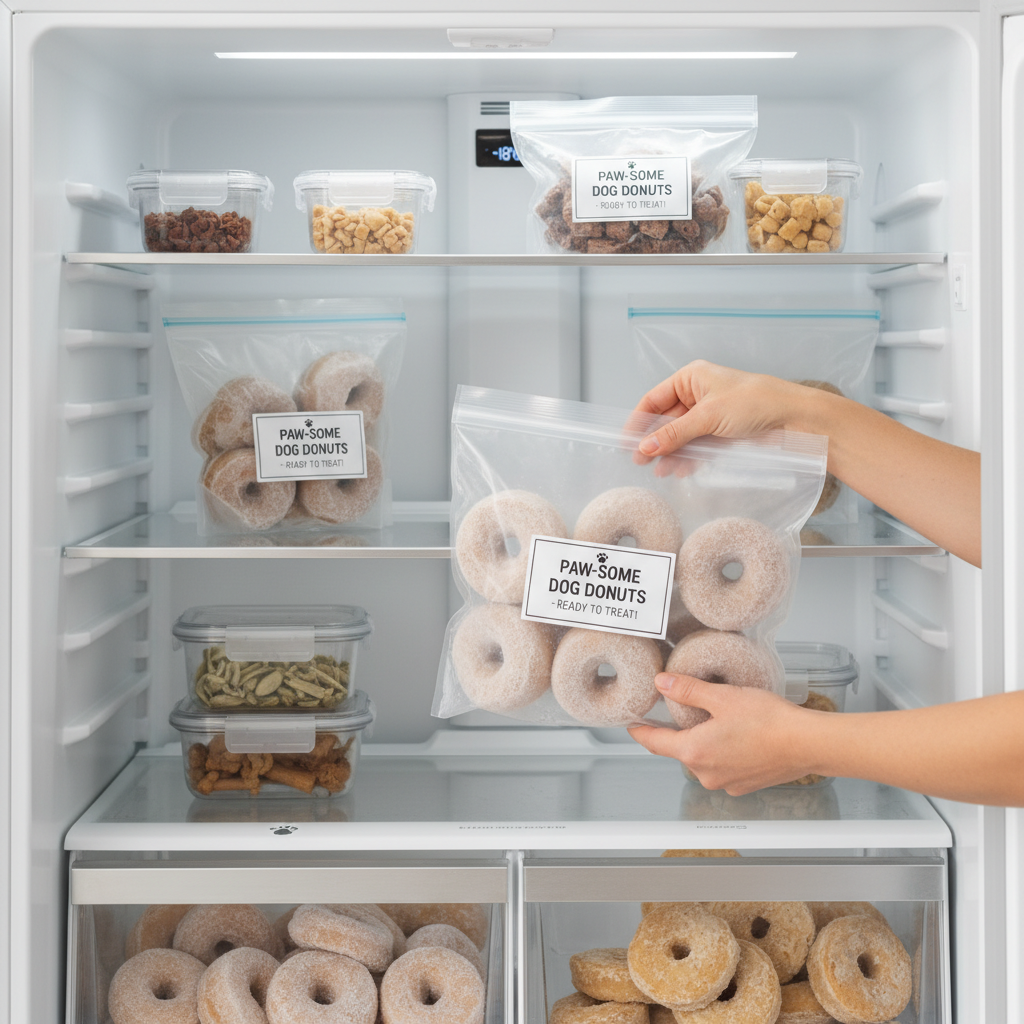
Baking for your dog shouldn’t be a daily chore. The key to efficiency is batching your production and storing the results for later use. This ensures you always have a healthy, cost-effective treat on hand, reducing the temptation to grab a bag of commercial junk.
Short-Term Storage (1-5 Days)
Once glazed and set, these donuts should be stored in an airtight container in the refrigerator. Due to the fresh yogurt glaze, they are perishable and should not be left at room temperature for extended periods. They will maintain their best texture for up to 5 days.
Long-Term Storage (Up to 3 Months)
Freezing is your best tool for long-term preservation. However, there is a specific protocol to follow for optimal results.
- Bake and Cool: Follow the recipe to bake the donuts and let them cool completely.
- DO NOT GLAZE: This is the most important step. Freeze the donuts plain. The yogurt glaze does not freeze and thaw well, often becoming watery and separating.
- Flash Freeze: Arrange the plain, cooled donuts in a single layer on a baking sheet. Place the sheet in the freezer for 1-2 hours, or until the donuts are frozen solid. This prevents them from sticking together in the storage bag.
- Package and Store: Transfer the frozen donuts to a heavy-duty freezer bag or airtight container. Label the bag with the date and contents. They can be stored in the freezer for up to 3 months.
Insider Secret: To serve, simply pull out the number of donuts you need and let them thaw at room temperature for about 20-30 minutes. You can then apply a fresh yogurt glaze just before serving. This preserves the perfect texture of the donut and the fresh quality of the glaze, giving your dog a premium treat every time.
Conclusion
You have now moved beyond the role of a mere pet owner to become a proactive canine nutritionist. By baking these donuts, you’ve rejected the marketing-driven pet food industry and embraced a philosophy of ingredient transparency and control. You’ve provided a treat that is not only delicious but also nutritionally superior and more cost-effective than almost any commercial alternative. This recipe is more than just a set of instructions; it’s a template for a new standard of care. Apply this hacker’s mindset to everything you feed your dog. Scrutinize every label, question every ingredient, and never settle for less than the best. You have the power to optimize your dog’s health and longevity, and it starts right in your own kitchen.