Are Duck Necks Safe for Dogs? A Raw Feeding Guide
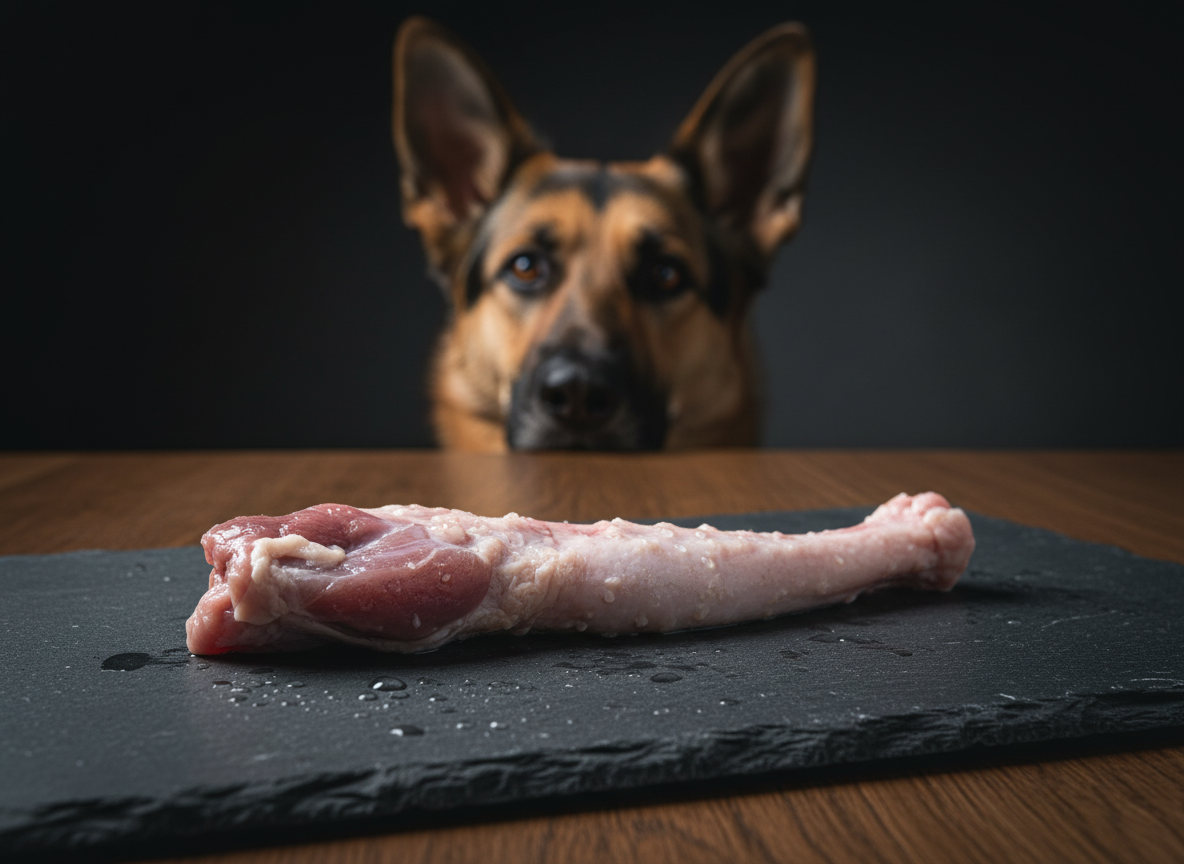
You’re standing in the pet supply aisle, or maybe browsing a raw food co-op online, and you see them: duck necks. They’re touted as a natural dental chew, a ‘superfood’ for dogs. But the question nagging at you is a critical one: Are they actually safe? The internet is a minefield of conflicting advice, with one side praising them as a miracle chew and the other waving red flags about choking and broken teeth. As The Canine Nutrition Hacker, my job is to cut through that noise. The answer is yes, duck necks can be an incredibly beneficial, safe, and cost-effective addition to your dog’s diet—but only if you follow a strict safety protocol. Get it wrong, and you risk a costly emergency vet visit. Get it right, and you’ll be giving your dog a nutrient-packed treat that scrubs their teeth better than most commercial products on the market. This guide is your blueprint for getting it right, every single time.
SAFETY DISCLAIMER: I am a canine nutrition analyst, not a veterinarian. The information in this guide is for educational purposes and is based on extensive research and experience. It is not a substitute for professional veterinary advice. Always consult with your veterinarian or a certified canine nutritionist before making significant changes to your dog’s diet, especially if your dog has pre-existing health conditions. You are responsible for your dog’s safety.
The Nutritional Autopsy: Why Duck Necks Are a Canine Superfood
Before we discuss safety, you need to understand *why* you’d even consider feeding a duck neck. This isn’t just a treat; it’s a functional food. When you give your dog a raw duck neck, you’re providing a complex package of nutrients that kibble can’t replicate. Let’s put it under the microscope.
What’s Inside a Raw Meaty Bone?
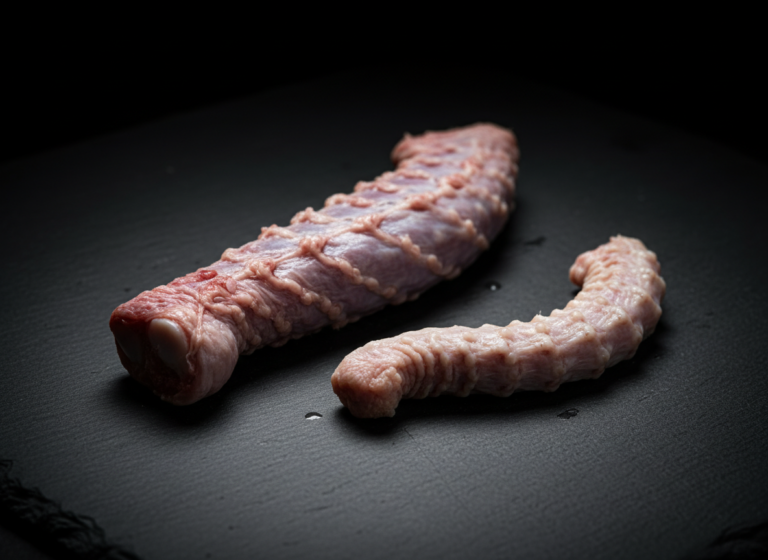
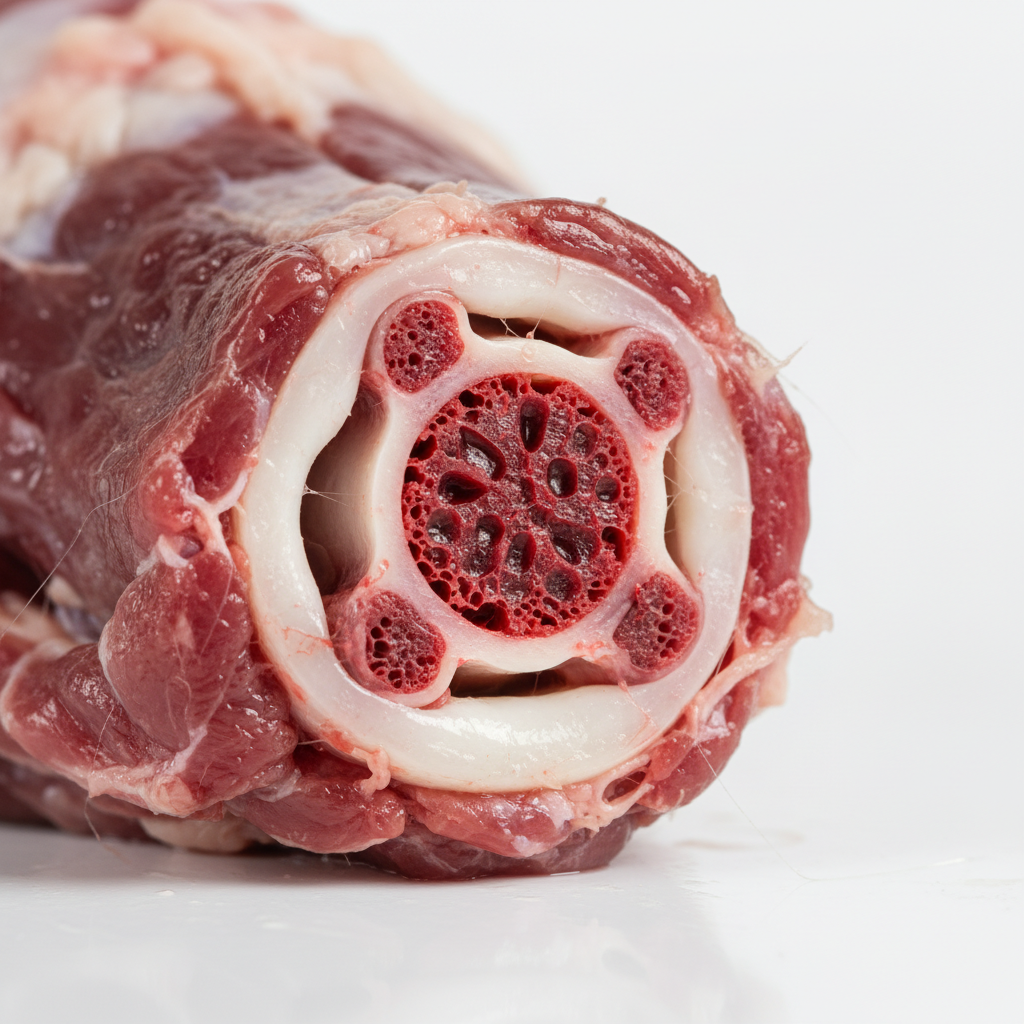
A duck neck is a prime example of a ‘Raw Meaty Bone’ (RMB). It’s comprised of several key components, each with a distinct nutritional benefit:
- Edible Bone: This is the primary source of essential minerals. It provides a perfectly balanced, natural source of calcium and phosphorus, which are vital for your dog’s own bone structure, muscle function, and nerve signaling. Unlike synthetic supplements, the minerals in raw bone are highly bioavailable.
- Bone Marrow: The soft tissue inside the bone is a rich source of healthy fats, B vitamins, and iron. It’s a nutrient-dense powerhouse that supports energy levels and overall vitality.
- Cartilage: The connective tissue surrounding the joints in the neck is loaded with naturally occurring glucosamine and chondroitin. Forget expensive, synthetic joint supplements; this is the original source. These compounds are critical for maintaining healthy joints, reducing inflammation, and supporting mobility, especially in active or aging dogs.
- Lean Muscle Meat & Connective Tissue: The meat attached to the bone provides high-quality animal protein for muscle maintenance and repair. Chewing through the tough connective tissues also provides an incredible workout for your dog’s jaw, neck, and shoulder muscles.
The Ultimate Dental Health Tool
The most celebrated benefit is dental hygiene. When a dog chews on a raw duck neck, the bones, cartilage, and meat work together as a natural toothbrush and floss. The abrasive action scrapes away plaque and tartar from the tooth surface, while the wrapping and tearing motion helps clean up to the gumline. This mechanical cleaning is far more effective than dental kibble or most hard biscuits, helping to prevent periodontal disease, which can lead to systemic health issues if left unchecked.
The Hacker’s Safety Protocol: Non-Negotiable Rules for Feeding Raw Bones

This is the most important section of this guide. Nutritional benefits mean nothing if your dog gets hurt. Internalizing these rules is not optional; it’s the price of admission to the world of raw feeding.
- Rule #1: ALWAYS RAW. NEVER, EVER COOKED. This is the cardinal rule. Raw poultry bones are soft, pliable, and designed to be crushed and digested. When you cook a bone, its entire chemical structure changes. It becomes brittle, hard, and sharp. Cooked bones don’t crush; they splinter into dangerous shards that can cause choking, internal perforations of the digestive tract, or severe blockages. There are zero exceptions to this rule.
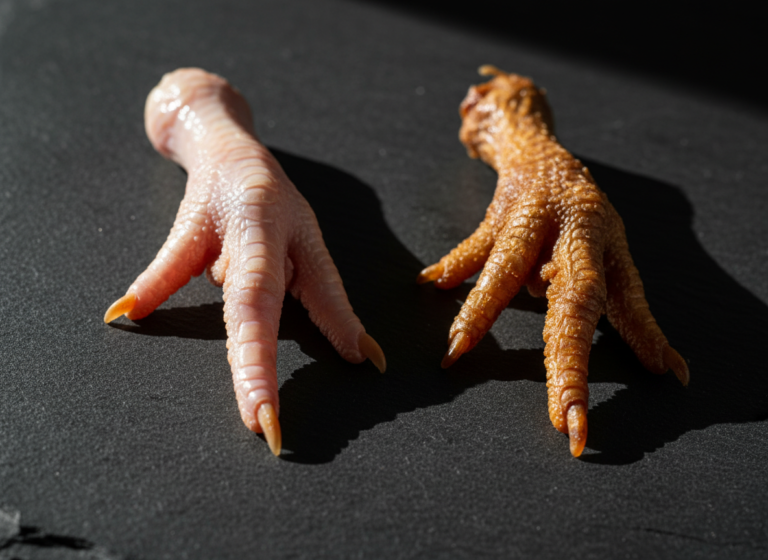
- Rule #2: Size Matters—Prevent Gulping. The single biggest choking risk comes from a dog swallowing a bone whole or in large chunks. The duck neck should be large enough that your dog is forced to chew it, not gulp it. A good rule of thumb is that the bone should be larger than your dog’s muzzle is wide. For a large dog, a whole duck neck is usually fine. For a smaller dog, you might consider a duck foot or wing as a safer starting point.
- Rule #3: Supervise Every Single Chew Session. Do not give your dog a duck neck and walk away. You must be present and attentive for the entire duration. Watch their chewing style. Are they carefully grinding it down, or are they trying to snap it in half and swallow it? If they manage to break off a large piece, be prepared to trade them for a high-value treat to get the piece away from them.
- Rule #4: Know Your Dog’s Eating Style. Are you the owner of a delicate chewer or a power-gulper? Dogs that inhale their food are at a much higher risk. For these ‘gulpers,’ you may need to hold one end of the duck neck securely while they chew the other. This forces them to slow down and actually work at the bone.
- Rule #5: Master Safe Handling & Sanitation. Treat raw duck necks exactly as you would treat raw chicken for your family. Assume it carries bacteria like Salmonella or E. coli.
- Thaw frozen necks in the refrigerator, not on the counter.
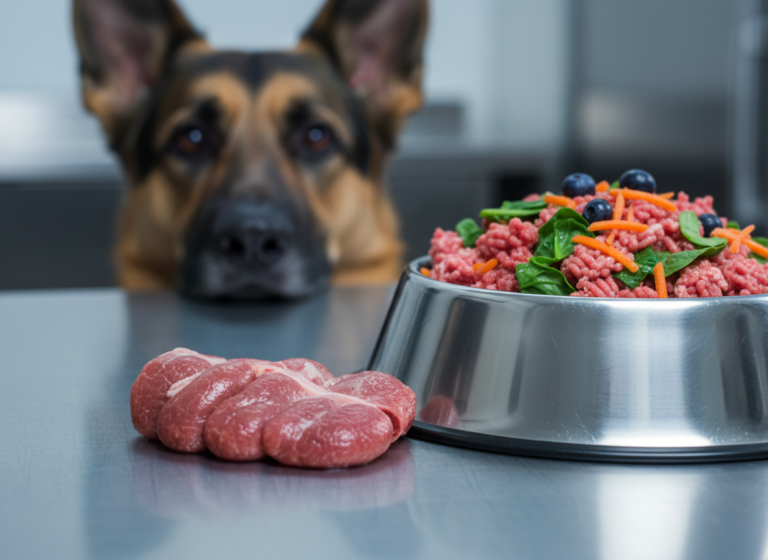
- Prepare the neck on a non-porous surface like a stainless steel counter, dedicated plastic cutting board, or feed it directly from a stainless steel bowl.
- After feeding, immediately wash the bowl, the feeding area, and your hands thoroughly with hot, soapy water.
- Feed in an area that is easy to clean, like a crate, on a tile floor, or outside. Avoid feeding on carpet.
Hacker Tip: For dogs that are new to raw bones or tend to gulp, try using a large pair of vice grips to securely hold one end of the duck neck. This creates a ‘handle’ that forces them to slow down and chew properly. You can release the end piece once they’ve safely consumed the rest.
Sourcing & Cost Analysis: How to Find Quality Duck Necks Without Getting Ripped Off
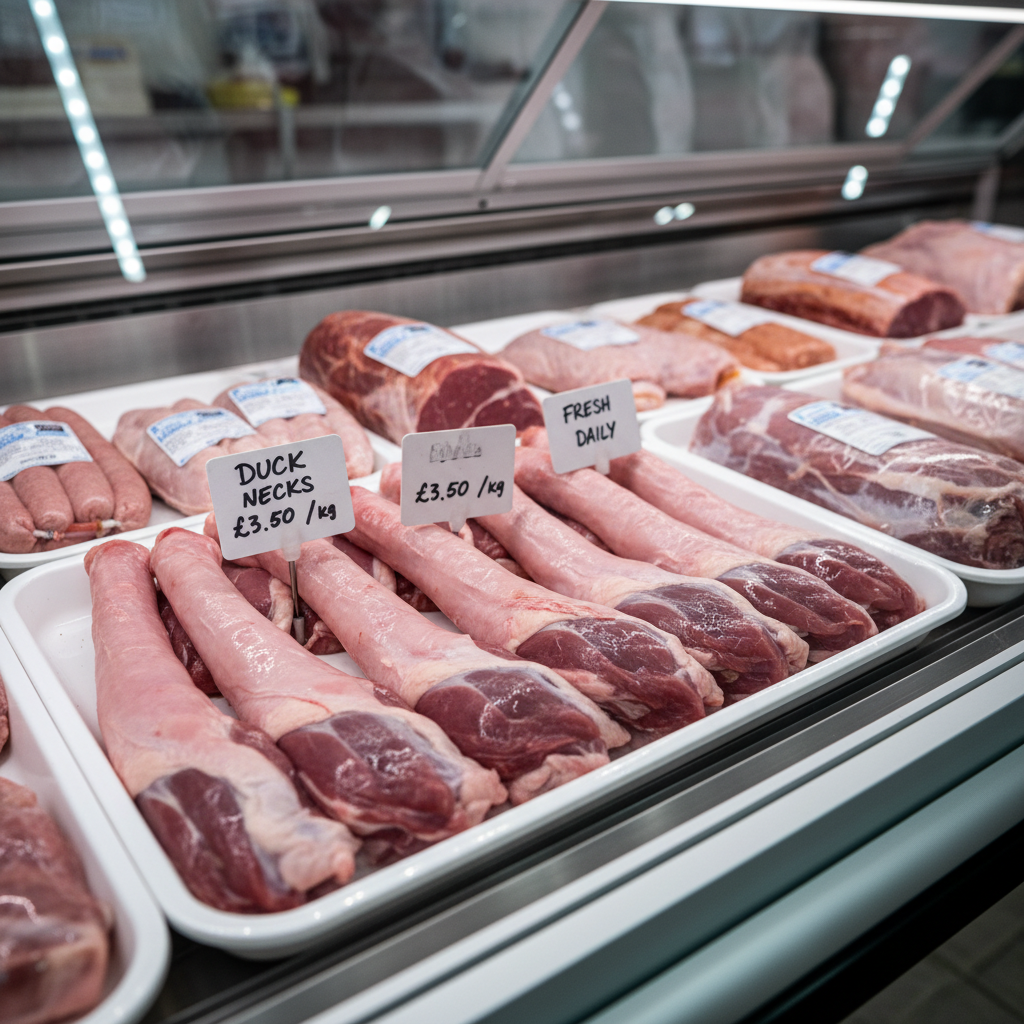
Not all duck necks are created equal, and where you buy them has a huge impact on both quality and price. Forget the overpriced, tiny packages at boutique pet stores. A savvy hacker knows where to look.
Where to Source Quality Necks:
- Ethnic Markets: Asian or Hispanic markets are often goldmines for affordable, high-quality poultry parts that are considered delicacies. You can often find duck necks, feet, and frames for a fraction of the price of pet-specific retailers.
- Local Butchers & Farms: Building a relationship with a local butcher can give you access to the freshest products. Ask them directly for duck or chicken necks; they may sell them to you in bulk at a great price.
- Raw Food Co-ops: These groups organize bulk purchases directly from farms or distributors, offering significant savings. A quick search online for ‘raw feeding co-op near me’ can yield excellent results.
- Online Raw Food Suppliers: Companies specializing in raw pet food often sell bulk boxes of duck necks, which can be very cost-effective if you have the freezer space.
The Real Cost Breakdown: Raw Bones vs. Commercial Chews
Let’s analyze the numbers. Commercial ‘dental chews’ are often packed with fillers, sugars, and questionable ingredients, and they come with a premium price tag. Here’s how a raw duck neck stacks up.
| Item | Typical Source | Average Cost | Hacker’s Verdict |
|---|---|---|---|
| Raw Duck Necks (Bulk) | Ethnic Market / Co-op | $2.50 – $4.00 per pound | Nutritionally superior, excellent for dental health. The most cost-effective and beneficial option by far. |
| Premium ‘Dental’ Chews (e.g., Greenies) | Big Box Pet Store | $1.50 – $3.00 per chew | Often high in starch/sugar, consumed in minutes with minimal dental scraping action. Extremely poor value. |
| Bully Sticks (6-inch) | Online Retailer | $2.00 – $4.00 per stick | A good single-ingredient chew, but offers limited nutritional variety and no bone/cartilage benefits. More expensive. |
| Freeze-Dried Duck Necks | Boutique Pet Store | $15.00 – $25.00 per pound | Convenient but nutritionally compromised by the processing. The price is wildly inflated. Not a substitute for raw. |
The Step-by-Step Feeding Guide: Introducing Duck Necks Safely
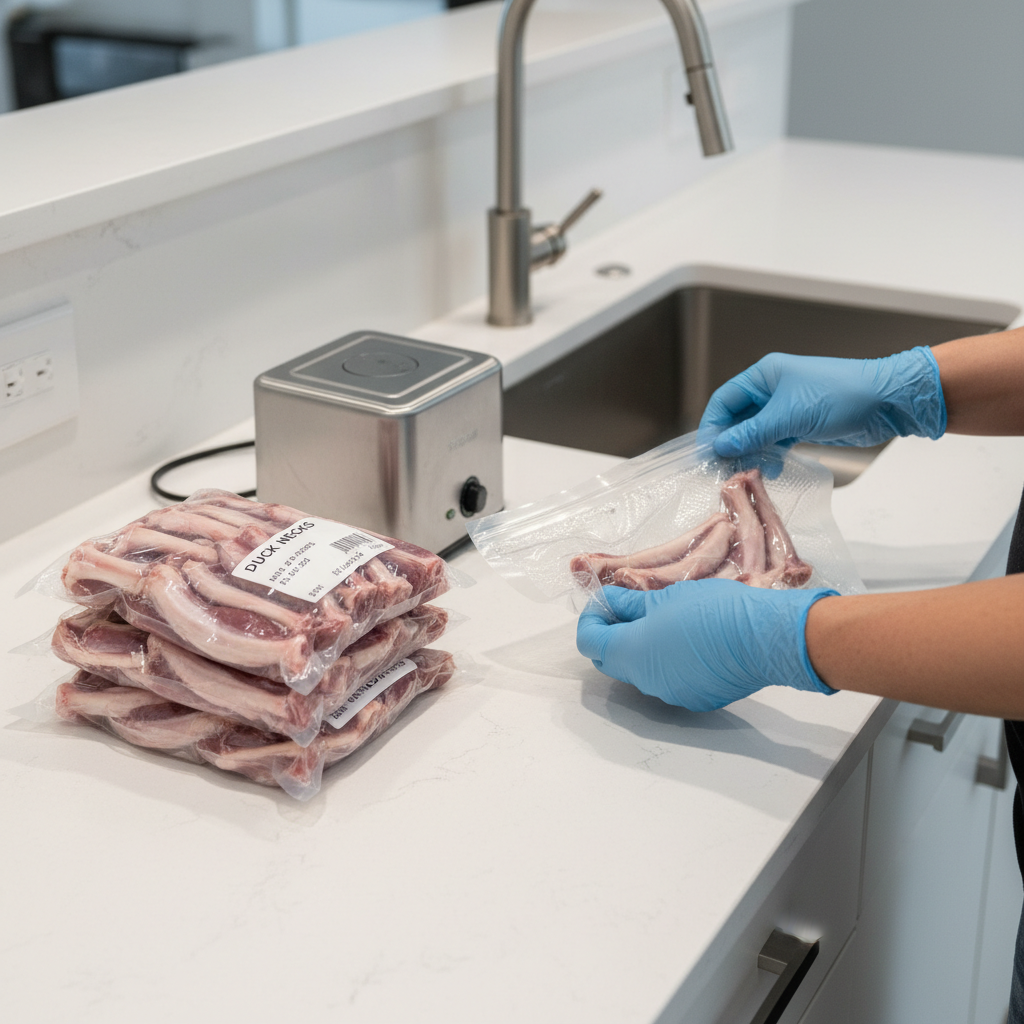
Now that you understand the what, why, and where, let’s cover the how. A slow and steady introduction is key to ensuring a positive experience for both you and your dog.
- Step 1: The First Introduction. Choose a time when your dog is calm. For the very first time, hold one end of the neck firmly and let your dog begin to chew on the other. This allows you to gauge their chewing style and prevents them from immediately trying to swallow it. Praise them for gentle chewing.
- Step 2: Establish Portion Control. Duck necks are not an ‘all-you-can-eat’ buffet. They are nutritionally dense and count as part of a meal, not just a treat. For a dog on a kibble diet, one or two necks per week is plenty. For dogs on a balanced raw diet, duck necks can make up a portion of their daily ‘Raw Meaty Bone’ requirement, which is typically around 10% of their total food intake. Overfeeding can lead to constipation.
- Step 3: Monitor the Aftermath. The 24 hours after feeding a new bone are important. Pay close attention to your dog’s stool. It’s normal for it to be firmer, paler, and slightly crumbly—this is often called ‘bone poop’. However, if your dog is straining, constipated for more than a day, or has diarrhea, you may have fed too much bone. Adjust the quantity downward next time.
- Step 4: Storage for Freshness and Safety. You’ll likely buy duck necks in bulk to save money. The best way to store them is in the freezer. Portion them out into individual servings in freezer bags or containers. This makes it easy to thaw one at a time in the refrigerator the day before you plan to feed it. They will typically last for 3-4 days in the fridge or up to 6 months in a deep freezer.
Insider Secret: If your dog’s stool is too hard after a bone meal, add a tablespoon of pure pumpkin puree (not pie filling) to their next meal. The added fiber works wonders to get things moving again.
Potential Risks & Red Flags: When to AVOID Duck Necks
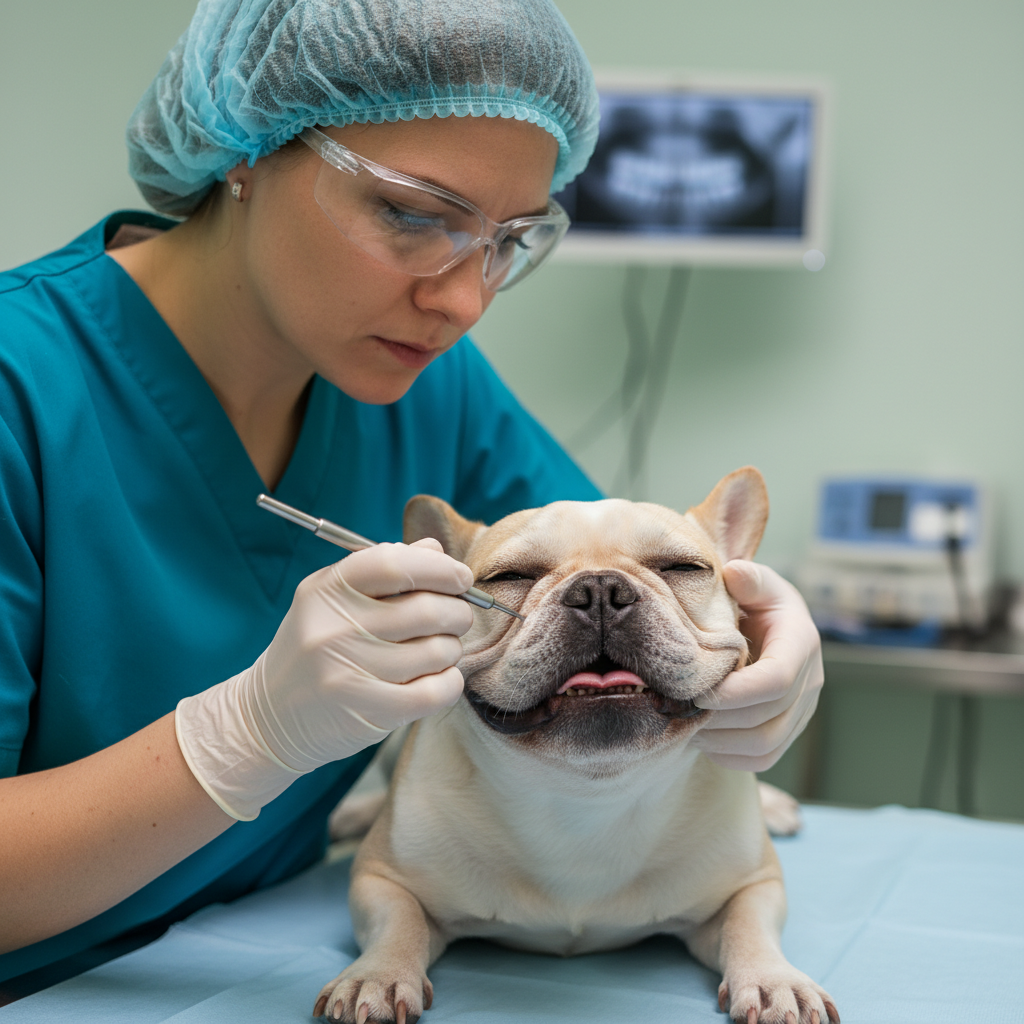
While duck necks are safe for most healthy dogs when fed correctly, they are not suitable for every dog. It is your responsibility to know when to say no.
Dogs with Specific Health Conditions:
- History of Pancreatitis: Duck necks, particularly with the skin on, can be high in fat. This can trigger a painful and dangerous pancreatitis flare-up in susceptible dogs. Chicken necks or turkey necks with the skin removed are leaner alternatives.
- Severe Dental Issues: If your dog has cracked teeth, crowns, or advanced periodontal disease, the pressure of chewing on bone could cause further damage or pain. Consult your vet before feeding any hard chews.
- Resource Guarders: A high-value item like a raw duck neck can trigger resource guarding behavior in some dogs. If your dog growls, snaps, or becomes possessive over food or toys, you must work with a professional trainer to manage this behavior before introducing items like raw bones.
Breeds and Individual Dogs at Higher Risk:
Brachycephalic (flat-faced) breeds like Pugs, French Bulldogs, and Boxers can have a harder time chewing effectively and may be at a higher risk of choking. Additionally, any dog with a known history of swallowing things whole should be approached with extreme caution, likely requiring you to hold the bone for the entire duration.
Recognizing a Problem:
Know the difference between gagging and choking. Gagging is a productive, noisy process where the dog is actively trying to bring something up from the back of its throat. Choking is silent. The dog may be pawing at its mouth, unable to breathe, and panicking. If you suspect your dog is choking, you must perform the canine Heimlich maneuver and get to an emergency veterinarian immediately. Other red flags after feeding include vomiting, lethargy, or signs of abdominal pain, which could indicate a blockage.
Conclusion
The verdict is in: raw duck necks are not just safe for dogs; they are a nutritional and dental health powerhouse when incorporated with intelligence and strict supervision. You’ve now moved beyond the simple ‘yes or no’ and into the realm of the informed owner. You understand the nutritional architecture of a raw meaty bone, you’ve memorized the non-negotiable safety protocols, and you know how to source them without overpaying. The power is now in your hands. By respecting the rules—always raw, size appropriately, and supervise relentlessly—you can confidently offer your dog one of the most beneficial and satisfying chews that nature has to offer. You are no longer just a pet owner; you are a Canine Nutrition Hacker, equipped with the knowledge to build a healthier, happier dog from the inside out.