
Are Icelandic Lamb Horns Safe? A Long-Lasting Chew Review
The quest for the perfect dog chew can feel like a full-time job. You need something to bust boredom and clean teeth, but the options are overwhelming. You want natural, but you need durable. Most importantly, you demand safety. Enter the Icelandic Lamb Horn, a product flooding pet stores with promises of a long-lasting, all-natural chewing experience. But as The Canine Nutrition Hacker, I don’t take marketing claims at face value. My job is to dissect these products, expose the potential risks, and give you the unvarnished truth.
Is this chew a safe, cost-effective solution for your dog’s chewing needs, or is it a potential trip to the emergency vet waiting to happen? In this forensic review, we will break down the composition of lamb horns, audit the safety risks from dental fractures to blockages, and pit them head-to-head against other popular chews. Forget the cute packaging; it’s time to analyze what really matters.
Deconstructing the Chew: What’s Inside an Icelandic Lamb Horn?
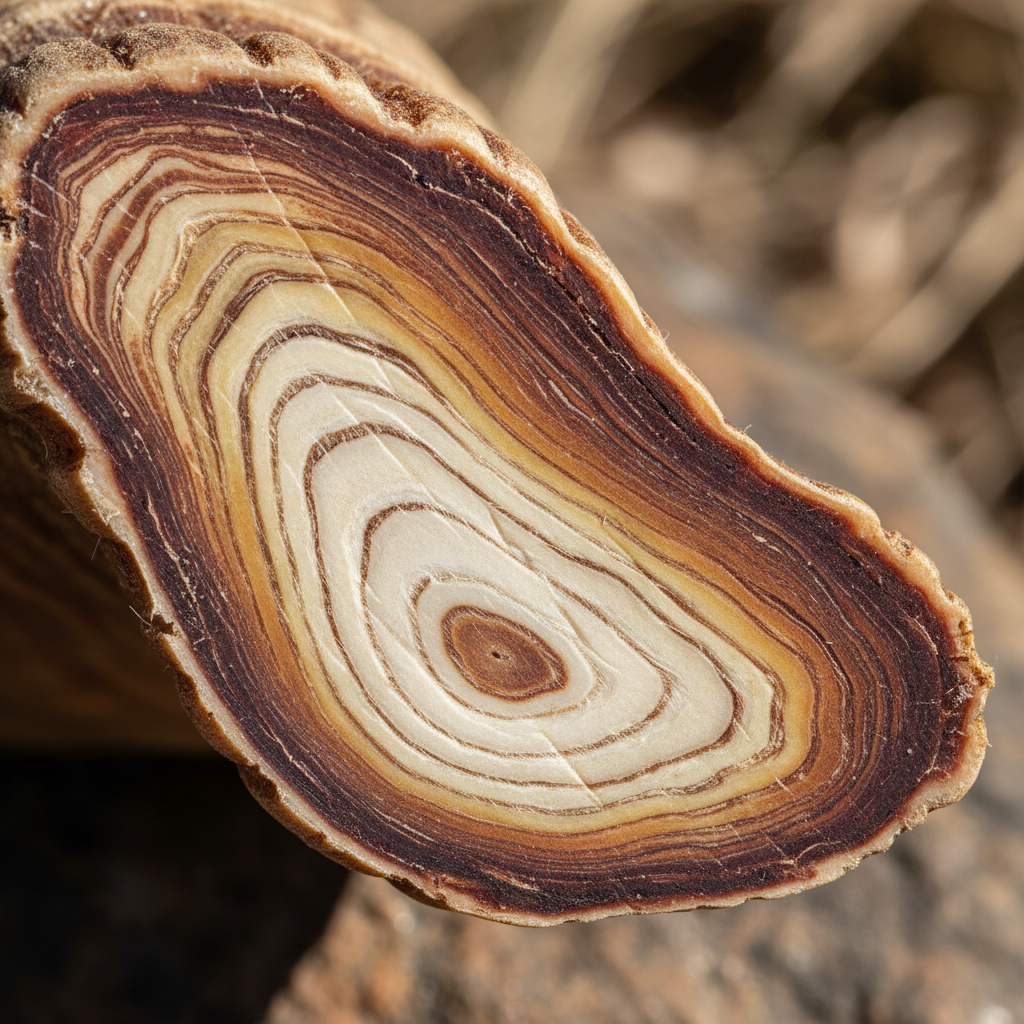
Before we can assess the risk, we need to understand the material. Unlike bone, which is a calcified tissue, or antlers, which are also bone, a lamb horn is primarily composed of keratin. This is the same fibrous structural protein found in hair, feathers, claws, and hooves. The horns are sourced from lambs in Iceland, often touted for their free-range, natural lifestyle. After being harvested, they are cleaned, and sometimes lightly smoked, then sold as a single-ingredient dog chew.
The key difference lies in its structure. A lamb horn consists of a hollow, keratinous sheath that once covered a bony core. When processed for dog chews, you’re getting just this outer sheath. It’s tough and fibrous, designed to be gnawed down slowly rather than crunched and consumed like a biscuit. This composition is what gives it its reputation for durability and makes it a lower-fat alternative to other animal-based chews. However, this unique keratin structure also presents its own set of challenges for a dog’s digestive system and teeth, which we will dissect next.
The Hacker’s Safety Audit: A Forensic Breakdown of Potential Risks
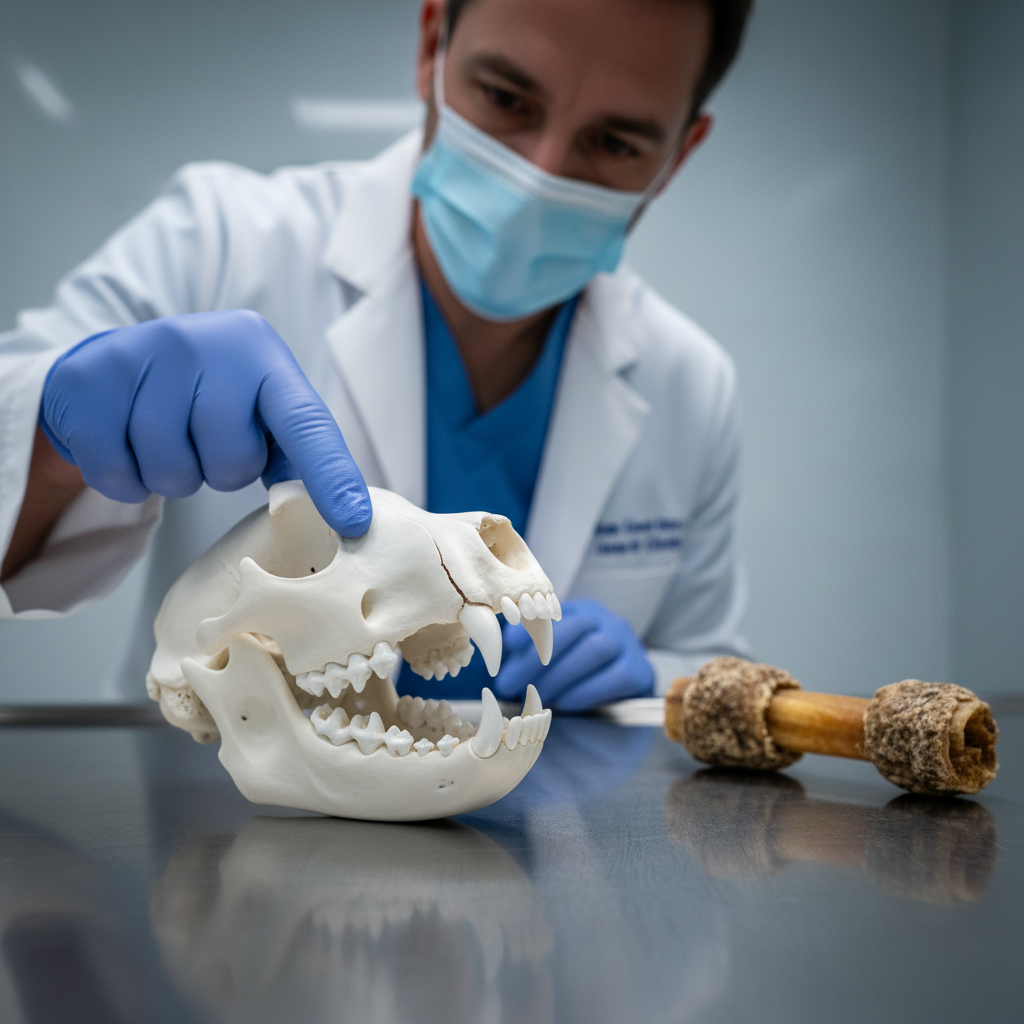
This is the most critical part of our analysis. While ‘all-natural’ sounds safe, nature is full of things that can harm your dog. Here are the non-negotiable risks you must be aware of before handing over a lamb horn.
Dental Fracture Risk
While manufacturers often claim lamb horns are safer than dense antlers, they are still an incredibly hard substance. For dogs that are aggressive, powerful chewers—what I call ‘power chewers’—the risk of a slab fracture or a cracked tooth is very real. These fractures are painful and often require expensive veterinary intervention, such as a root canal or tooth extraction. The horn’s irregular shape can create pressure points on the molars, and a dog determined to crack it open can easily exert enough force to damage a tooth.
Choking & Blockage Hazard
As your dog works on the horn, it will eventually be worn down to a smaller size. This smaller piece presents a significant choking hazard. If swallowed, it can also lead to a life-threatening gastrointestinal blockage. SUPERVISION IS NON-NEGOTIABLE. You must be prepared to remove the chew once it is small enough for your dog to swallow. Furthermore, some ‘power chewers’ can break off large, sharp shards of the horn, which can cause damage to the mouth, esophagus, or stomach lining.
Digestive Upset
Keratin is not easily digestible. While small shavings may pass through without issue, a dog that ingests larger pieces may experience significant digestive upset, including gas, diarrhea, or vomiting. For dogs with sensitive stomachs, the rich nature of the horn’s marrow (if any remains) and the indigestible keratin can be a recipe for discomfort.
Lamb Horns vs. The Competition: A Chew Showdown
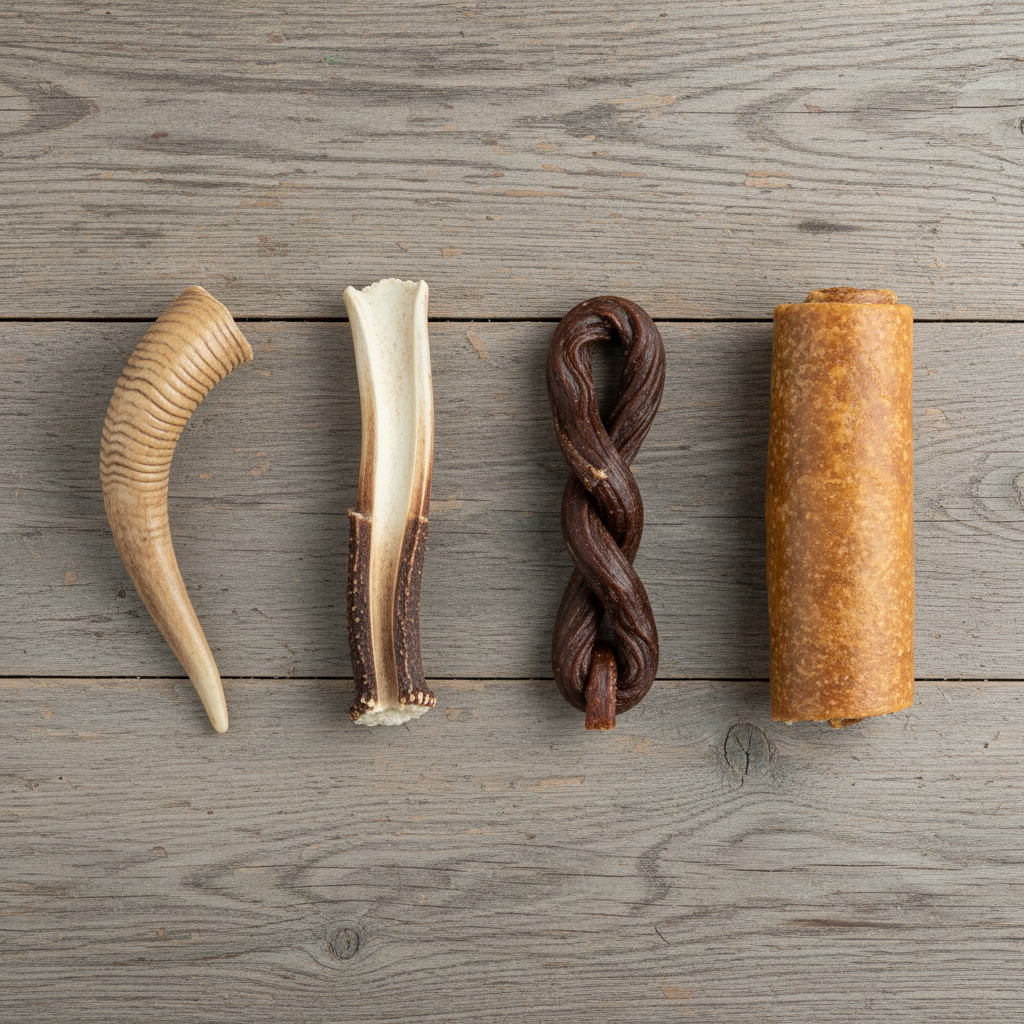
How do Icelandic Lamb Horns stack up against other giants in the long-lasting chew market? Let’s put them in the ring and compare the hard data. This chart breaks down the pros and cons to help you make an informed, budget-conscious decision.
| Chew Type | Durability | Dental Risk | Digestibility | Hacker’s Verdict |
|---|---|---|---|---|
| Icelandic Lamb Horn | High (for moderate chewers) | Moderate to High | Low (Keratin is indigestible) | A good option for moderate, supervised chewers, but a risk for ‘power chewers’. Low odor is a major plus. |
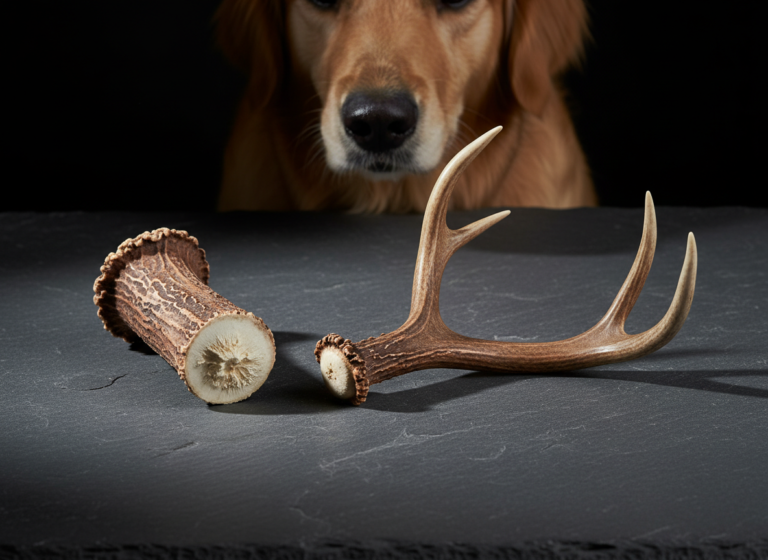
| Elk/Deer Antler | Very High | Very High | Low (Essentially bone) | Too risky for most dogs due to extreme hardness. The potential for a multi-thousand dollar dental bill is too high. Avoid for all but the most gentle gnawers. |
| Bully Stick | Moderate | Low | High (Fully digestible) | Safer on teeth and fully digestible, making it a top choice. The main drawbacks are the high cost and strong odor. They don’t last as long as horns. |
| Nylon Chews (e.g., Nylabone) | Very High | Moderate | N/A (Not meant for consumption) | Excellent for extreme chewers, but carries a risk if dogs ingest plastic shavings. Must be monitored closely for wear and replaced often. Lacks the nutritional value of natural chews. |
| Beef Cheek Rolls | High | Low | High (Fully digestible) | A fantastic, long-lasting, and safer alternative to rawhide. They soften as the dog chews, reducing dental risk. A top-tier choice. |
The Canine Nutrition Hacker’s Protocol for Safe Chewing

If you’ve weighed the risks and decided a lamb horn is appropriate for your dog, you must follow a strict safety protocol. This isn’t just a treat; it’s a tool that requires responsible management.
Rule #1: Size Matters
Never give a dog a chew that is too small. The horn should be large enough that they cannot get the entire thing in their mouth. For large breeds, this means choosing the ‘Jumbo’ or ‘Extra Large’ sizes, even if they cost more. Saving a few dollars isn’t worth the risk of a blockage.
Rule #2: Know Your Chewer
Be brutally honest about your dog’s chewing style. Is he a gentle gnawer who savors his chews, or is he a ‘power chewer’ whose goal is to destroy things as quickly as possible? If your dog has a history of breaking other ‘indestructible’ toys or chews, a lamb horn is not the right choice for him. Opt for something safer, like a beef cheek roll.
Rule #3: The Supervision Mandate
Never, ever leave your dog unattended with a lamb horn. You need to be present to intervene if a sharp piece breaks off or if the chew gets worn down to a dangerous size.
Rule #4: The ‘Throw-Away’ Point
This is the rule most owners break. Once the horn is worn down to a size that your dog could potentially swallow, it must be thrown away immediately. That last little bit is the most dangerous part. Don’t try to get every penny’s worth out of it.
Hacker Tip: For first-time users or dogs with sensitive teeth, you can slightly soften the outer layer of the horn by soaking it in hot water for 5-10 minutes before giving it to your dog. This can help reduce the initial hardness and make for a safer introductory chewing session.
Conclusion
So, are Icelandic Lamb Horns safe? The answer isn’t a simple yes or no. For the right dog—a moderate, supervised chewer—they can be a fantastic, long-lasting, and low-odor tool for dental health and enrichment. However, for the wrong dog—an unsupervised, ‘power chewer’—they represent a significant risk of dental damage and internal injury.
Ultimately, the safety of any chew doesn’t just lie in the product itself; it lies in your hands. As an informed owner, you are the ultimate safety feature. By understanding your dog’s chewing habits, choosing the correct size, and practicing diligent supervision, you can mitigate the risks. Your job as a Canine Nutrition Hacker is to analyze, assess, and execute a plan that prioritizes your dog’s safety above all else. Make the smart choice, not just the easy one.