
Best Diet for Dachshunds with IVDD: Nutritional Support Guide
When you hear the acronym ‘IVDD,’ your world as a Dachshund owner stops. The diagnosis of Intervertebral Disc Disease is a terrifying prospect, filled with visions of pain, paralysis, and expensive surgeries. Your veterinarian will lay out a medical plan involving crate rest, medications, and possibly surgical intervention. This is the critical first line of defense. But what they often gloss over is the single most powerful tool you control, three times a day: your dog’s food bowl.
I am The Canine Nutrition Hacker. I don’t rehash generic pet blog advice. I dissect dog food labels with forensic precision to expose the marketing fluff and identify what truly fuels health or disease. For a Dachshund with IVDD, their diet isn’t just about sustenance; it’s a constant battle between ingredients that fan the flames of inflammation and those that build a resilient, pain-resistant body.
This guide is your strategic manual. We will move beyond the basics and arm you with the knowledge to turn your dog’s diet into a powerful adjunctive therapy. We’ll identify the enemy ingredients lurking in plain sight and build an arsenal of nutritional heroes to support your Dachshund’s spine. Let’s get to work.
MEDICAL DISCLAIMER: I am a canine nutrition analyst, not a veterinarian. The information in this article is for educational purposes only and is not a substitute for professional veterinary advice, diagnosis, or treatment. Always consult with your veterinarian before making any changes to your dog’s diet or health regimen, especially when managing a serious condition like IVDD.
The IVDD-Nutrition Connection: Why Your Dachshund’s Food Bowl is a Battlefield
To effectively fight IVDD with nutrition, you must first understand the enemy. IVDD is a degenerative disease where the cushioning discs between the vertebrae of the spinal column harden, bulge, or burst. This puts pressure on the spinal cord, causing immense pain, nerve damage, and potential paralysis. While genetics and conformation play a huge role in why Dachshunds are predisposed, two key factors can be directly influenced by diet: weight and inflammation.
The Weight Factor: A Game of Ounces
Your Dachshund’s long spine is an engineering marvel, but it’s also a vulnerability. Every extra ounce of body weight exerts compounding force on those delicate intervertebral discs. A dog that is even slightly overweight is carrying a significant burden that increases the risk of disc herniation and complicates recovery. The number one nutritional goal for any Dachshund, especially one with IVDD, is to maintain a lean, optimal body condition. This isn’t about vanity; it’s about physics. A lean dog has less mechanical stress on its spine, period.
The Inflammation Factor: The Silent Enemy
Inflammation is the body’s natural response to injury, but chronic, low-grade inflammation is a destructive force. When a disc degenerates or herniates, it triggers a massive inflammatory cascade. The body floods the area with inflammatory cells, causing swelling that further compresses the spinal cord. Many common dog food ingredients are pro-inflammatory, meaning they actively contribute to this destructive cycle. Your mission is to eliminate these agents and replace them with powerful, natural anti-inflammatory compounds. By controlling inflammation, you can help manage pain and create a better environment for healing.
Hacker Tip: Think of your Dachshund’s diet as a balancing act. You must tip the scales heavily in favor of anti-inflammatory ingredients while providing just enough calories to maintain lean muscle mass for spinal support, and nothing more.
Enemy Ingredients: Foods That Fuel the Fire of Inflammation
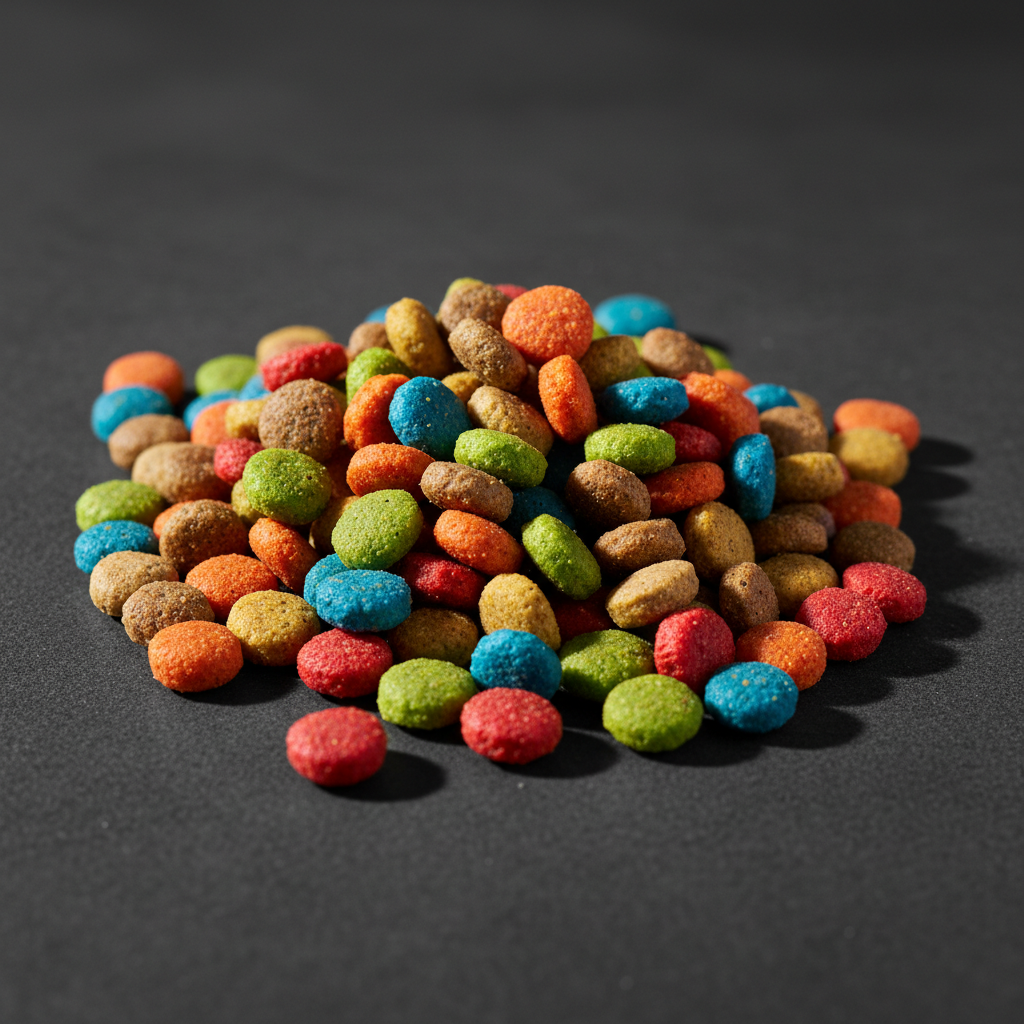
The commercial pet food industry is masterful at marketing. They use pictures of savory stews and happy dogs to sell bags of highly processed, pro-inflammatory ingredients. It’s time to learn their playbook and identify the key offenders that have no place in an IVDD-supportive diet. Scrutinize every label for these culprits:
- Pro-inflammatory Grains & Fillers: Ingredients like corn (in all its forms: corn gluten meal, ground yellow corn), wheat, and soy are cheap fillers. They offer minimal nutritional value and can be significant triggers for inflammation and allergies in many dogs. They are metabolically stressful and can contribute to weight gain.
- Unspecified Meat Sources: Vague terms like “meat by-products” or “animal digest” are red flags. You have no idea what animal it came from or what part of the animal was used. Quality nutrition demands transparency. Stick to named protein sources (e.g., “deboned chicken,” “lamb meal”).
- Omega-6 Heavy Fats: While some Omega-6 fatty acids are necessary, modern diets are overloaded with them, often from cheap fats like vegetable oil, corn oil, and safflower oil. An excess of Omega-6s relative to Omega-3s promotes a pro-inflammatory state in the body. The balance is critical.
- Sugars and Simple Starches: Ingredients like cane molasses, corn syrup, and even an overabundance of high-glycemic carbohydrates like white potatoes can spike blood sugar. This leads to insulin release and can promote inflammatory pathways and fat storage – a double negative for an IVDD dog.
- Artificial Additives: Artificial colors (e.g., Red 40), flavors, and chemical preservatives like BHA, BHT, and ethoxyquin are synthetic chemicals that add stress to the body’s systems and can contribute to chronic inflammation. There is no nutritional need for them whatsoever.
Reading the ingredient list is not optional. If these ingredients are in the top 10, especially the top 5, put the bag down and walk away. Your Dachshund’s spinal health depends on it.
The Nutritional Armory: Hero Ingredients for Spinal Support
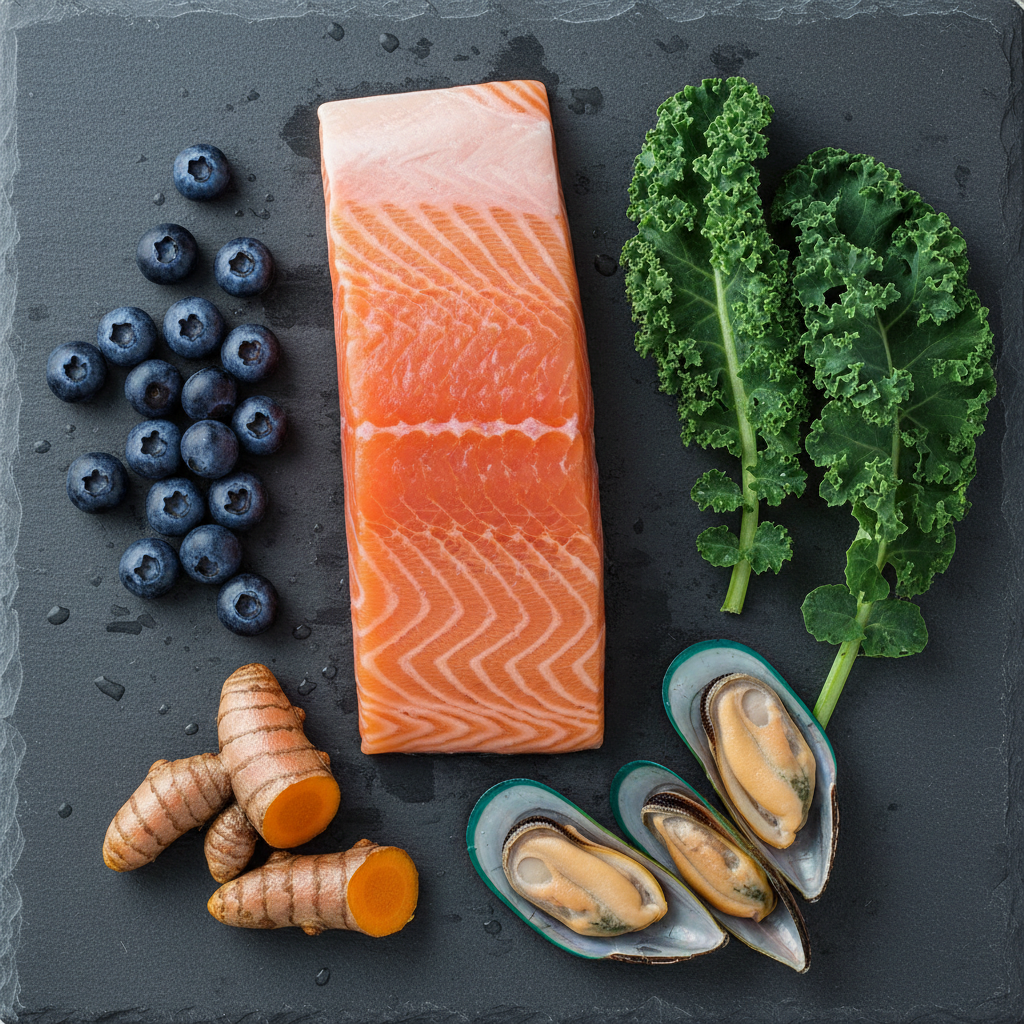
Now that we’ve eliminated the enemy, it’s time to build our arsenal. These are the powerful, nutrient-dense ingredients you should be actively seeking out. They work synergistically to reduce inflammation, support connective tissue, and maintain a lean, strong physique.
The Anti-Inflammatory Powerhouses
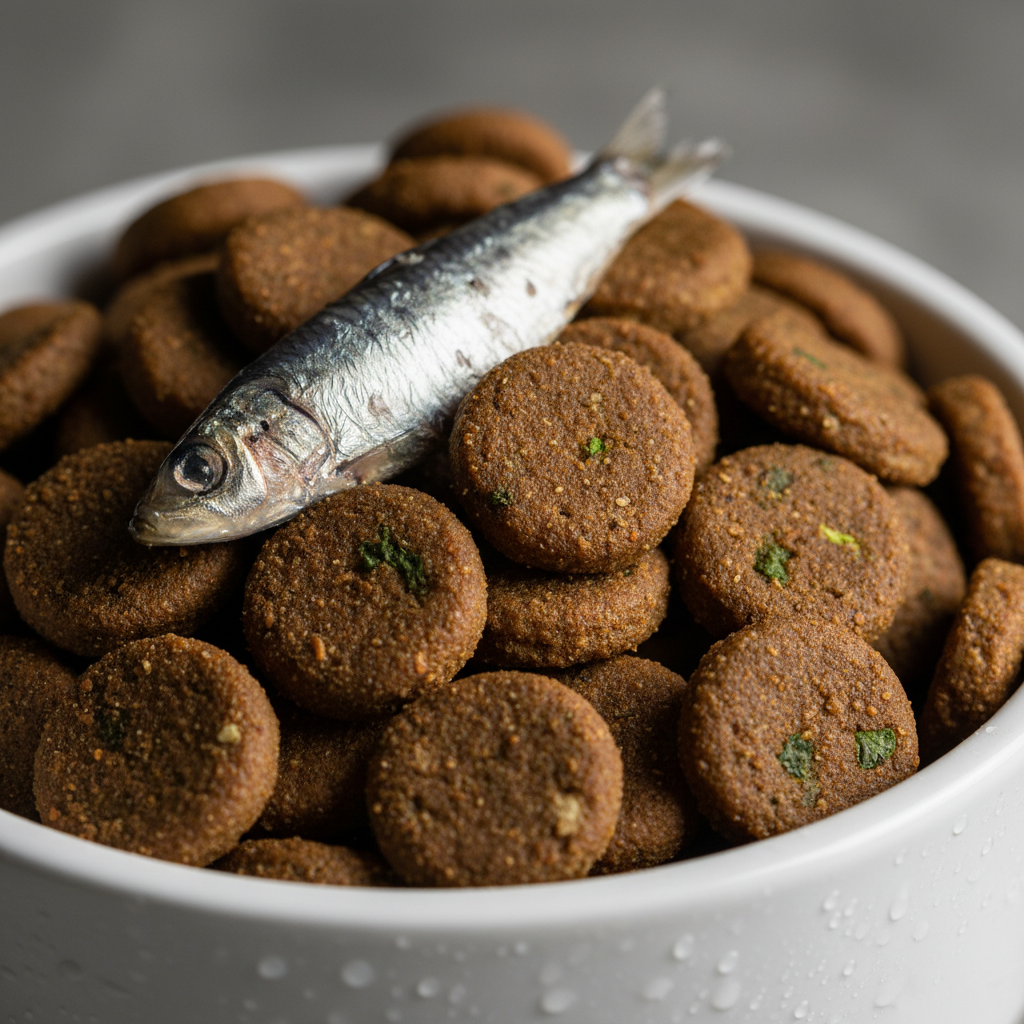
- Omega-3 Fatty Acids (EPA & DHA): This is your number one weapon. Eicosapentaenoic acid (EPA) and docosahexaenoic acid (DHA) are potent anti-inflammatory agents. They directly compete with pro-inflammatory pathways in the body. Look for foods rich in fish oil (salmon, mackerel, sardines), algae oil, or with added green-lipped mussel.
- Natural Antioxidants: Cellular stress (oxidation) is a partner to inflammation. Fight it with antioxidant-rich foods. Brightly colored fruits and vegetables like blueberries, kale, spinach, and pumpkin provide vitamins and phytonutrients that neutralize damaging free radicals.
- Turmeric (Curcumin): Curcumin, the active compound in turmeric, is a well-studied natural anti-inflammatory. Some high-end foods are now including it. When using it as a supplement, ensure it’s formulated for bioavailability, often by including black pepper extract (piperine).
The Joint & Tissue Supporters
- Glucosamine & Chondroitin Sulfate: These are the building blocks of cartilage. Providing them nutritionally helps support the integrity of the cartilage within the joints and the discs themselves. Sources include green-lipped mussel, poultry cartilage (found in chicken meal), and supplements.
- High-Quality, Lean Protein: Strong core muscles are essential for supporting the spine. A diet with adequate, highly digestible protein from sources like deboned turkey, grass-fed beef, lamb, or fish helps maintain this crucial muscle mass, even during periods of restricted activity like crate rest.
Insider Secret: Don’t fall for “made with real chicken” on the front of the bag. The secret is in the ingredient panel. Look for a food that not only lists a quality protein first but also includes a potent source of Omega-3s like salmon oil or green-lipped mussel within the first 10 ingredients. That’s a sign the manufacturer is serious about functional nutrition, not just marketing.
Forensic Analysis: Comparing IVDD-Supportive vs. Standard Dog Foods
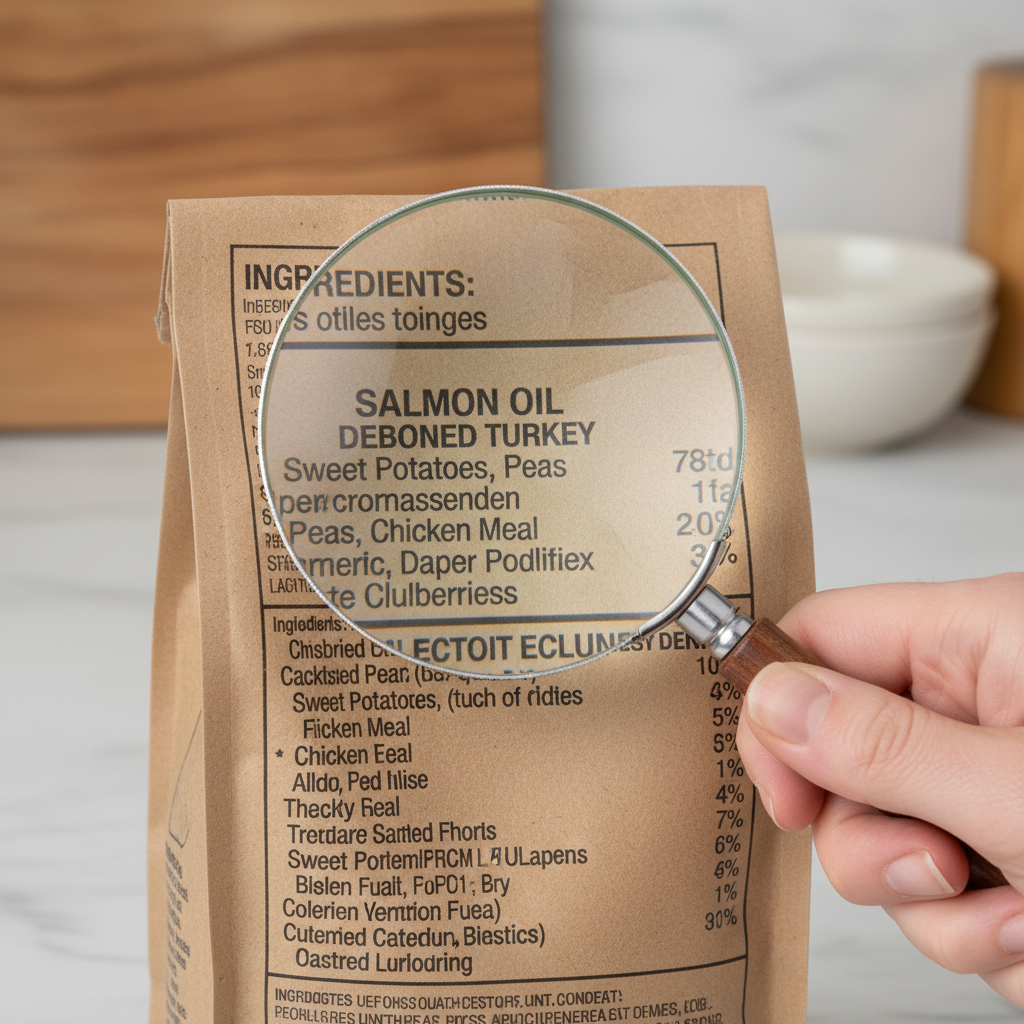
Talk is cheap. Let’s apply our knowledge in a real-world scenario. The difference between a food that supports an IVDD dog and one that works against them is stark when you know what to look for. It’s not about price alone; it’s about ingredient strategy. Below is a forensic breakdown of two hypothetical dog foods.
The First 5 Ingredients Tell the Story
The first five ingredients make up the bulk of the food. Let’s analyze:
- Brand A (IVDD-Supportive): Deboned Turkey, Turkey Meal, Lentils, Salmon Oil, Blueberries.
Analysis: Two high-quality, named protein sources lead the list. Lentils are a low-glycemic carbohydrate. Salmon oil is a direct source of anti-inflammatory EPA/DHA. Blueberries provide antioxidant support. This is a purpose-built formula. - Brand B (Standard/Budget): Corn, Chicken By-Product Meal, Wheat Flour, Soybean Meal, Animal Fat (preserved with BHA).
Analysis: The primary ingredient is a pro-inflammatory, low-nutrient filler (corn). The protein is a low-quality, unspecified by-product. It’s followed by more fillers. The fat source is vague and preserved with a chemical. This formula is built for cost, not health.
Let’s put this into a head-to-head comparison table to make the choice crystal clear.
| Nutritional Factor | Brand A (IVDD-Supportive) | Brand B (Standard/Budget) |
|---|---|---|
| Primary Protein | Deboned Turkey, Turkey Meal (Named, High-Quality) | Chicken By-Product Meal (Unnamed parts, Lower Quality) |
| Primary Carbohydrate | Lentils (Low-Glycemic, Fiber-Rich) | Corn, Wheat Flour (High-Glycemic, Pro-Inflammatory Fillers) |
| Primary Fat Source | Salmon Oil (Rich in Omega-3 EPA/DHA) | Animal Fat (Vague source, Omega-6 heavy) |
| Functional Ingredients | Blueberries (Antioxidants), Added Glucosamine & Chondroitin | None listed in first 5. Likely contains artificial colors/flavors. |
| Verdict | WINNER: Actively works to reduce inflammation and manage weight. | AVOID: Likely contributes to inflammation and weight gain. |
Beyond the Bowl: Critical Supplements for IVDD Management
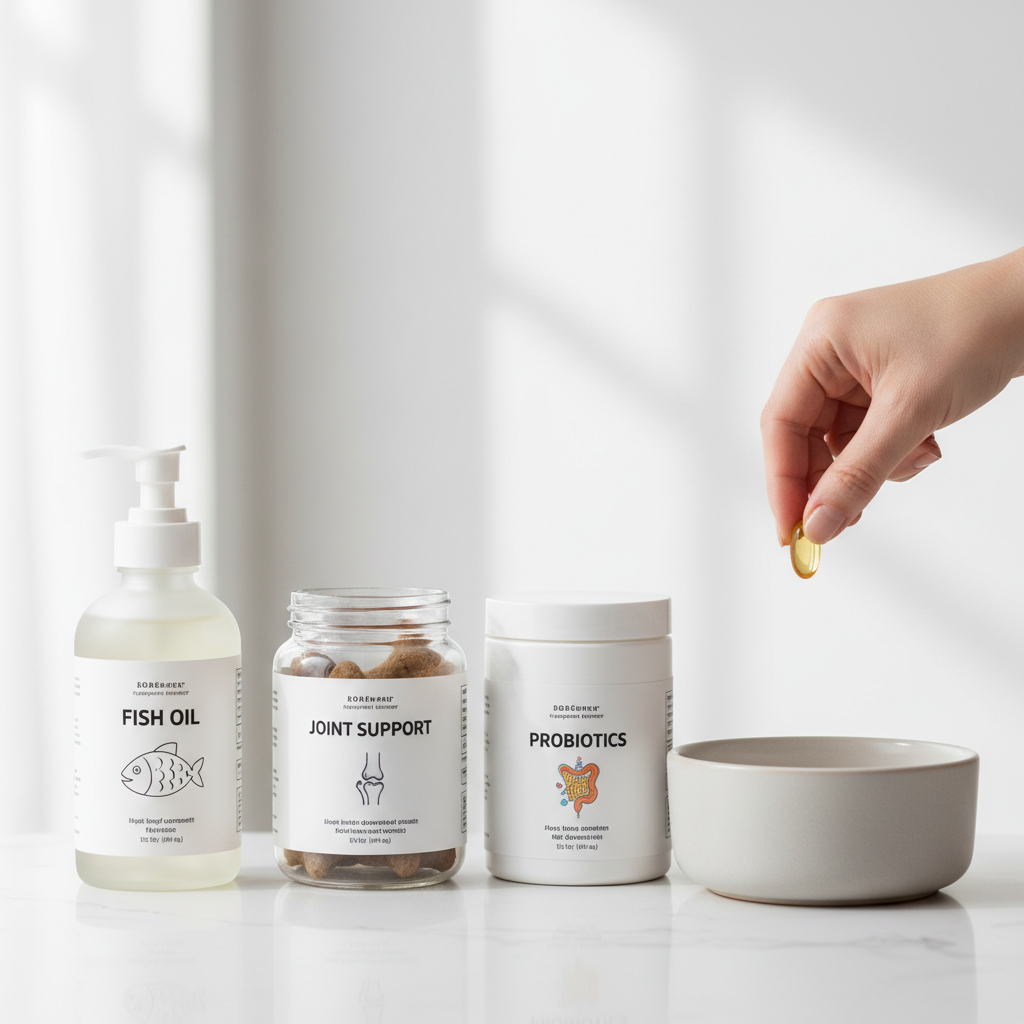
Even the best commercial dog food may not contain therapeutic levels of the nutrients needed to manage a serious condition like IVDD. Supplementation, done correctly and under veterinary guidance, can be a game-changer. Think of it as adding specialized tools to your nutritional armory.
Core Supplements to Discuss With Your Vet
- High-Potency Fish Oil: This is non-negotiable. While many foods contain some Omega-3s, they are often not enough to exert a powerful anti-inflammatory effect. A high-quality, third-party tested fish oil supplement provides a concentrated dose of EPA and DHA. The liquid form is often easiest to add to food. Warning: Fish oil is a blood thinner, so it’s critical to discuss dosage with your vet, especially if your dog is on other medications or scheduled for surgery.
- A Comprehensive Joint Supplement: Look for a formula that combines multiple agents. The key ingredients to look for are Glucosamine Sulfate, Chondroitin Sulfate, MSM (Methylsulfonylmethane), and Hyaluronic Acid. These work together to support cartilage health, reduce inflammation, and improve joint lubrication.
- Probiotics: A healthy gut is the foundation of a healthy immune system and a balanced inflammatory response. Chronic stress and pain medication can disrupt the gut microbiome. A high-quality canine probiotic can help restore balance, which has systemic benefits for reducing inflammation throughout the body.
- Broad-Spectrum Antioxidants: For dogs under significant physical stress, a supplement containing a blend of antioxidants like Vitamin E, Vitamin C, and Selenium can provide extra support against oxidative damage at the cellular level.
Hacker Tip: Look for the NASC (National Animal Supplement Council) Quality Seal on any supplement you buy. This seal indicates that the manufacturer complies with strict quality control standards and provides transparent, accurate labeling. Don’t waste your money on products that can’t verify what’s in the bottle.
Remember, the goal of supplementation is to provide targeted, therapeutic doses. Always start with a lower dose to assess tolerance and work with your veterinarian to find the optimal amount for your Dachshund’s specific needs.
Conclusion
Managing your Dachshund’s IVDD is a marathon, not a sprint. While you cannot change their genetics, you have direct and powerful control over their nutritional environment. By eliminating pro-inflammatory ‘enemy’ ingredients and strategically deploying an army of ‘hero’ nutrients, you transform their food bowl from a simple meal into a daily therapeutic tool.
The core principles are simple but non-negotiable: maintain a lean body weight to reduce spinal load and actively fight inflammation with every bite. Read every label. Question every ingredient. Become a fierce advocate for your dog’s health, because the choices you make in the pet food aisle have a direct impact on their comfort, mobility, and quality of life.
Work in lockstep with your veterinarian. Combine their medical expertise with your newfound nutritional authority. You are not helpless in the face of an IVDD diagnosis. You are the gatekeeper of your dog’s nutrition, and that is one of the most powerful roles you can play in their long-term health and happiness.