
Best Dog Food for Apartment Living: Reducing Odor and Waste
Living with a dog in an apartment is a unique dance of joy and compromise. You get all the love and companionship, but you’re also in a front-row seat for every digestive rumble, gassy emission, and—let’s be blunt—the inevitable waste disposal. In close quarters, a dog’s digestive health isn’t just about their comfort; it’s about your air quality and sanity. Many owners resign themselves to constant air freshener spraying and frequent trash runs, believing it’s just part of the deal. They’re wrong.
As the Canine Nutrition Hacker, I’m here to tell you the single most powerful tool you have to combat pet-related apartment funk is sitting in your dog’s food bowl. The commercial pet food industry has mastered the art of marketing, but they haven’t eliminated the science of digestion. Low-quality, filler-packed foods lead directly to larger, smellier stools and gas that can clear a room. This guide is your forensic manual to cutting through the noise. We’re going to dissect what truly makes a dog food ‘low-odor’ and ‘low-waste’ by analyzing ingredients, not just pretty packaging. Prepare to upgrade your dog’s diet and reclaim your apartment’s air quality.
The Science of Stink: Why Your Dog’s Diet Dictates Apartment Air Quality
Before you can solve the problem, you must understand the source. The volume and odor of your dog’s waste are direct indicators of how efficiently their body is processing their food. Think of it like this: high-quality fuel burns clean, leaving minimal residue. Low-quality fuel burns dirty, leaving a lot of waste behind. It’s the same for your dog’s digestive system.
The key metric here is digestibility. This refers to the percentage of nutrients in the food that your dog’s body can actually absorb and use. When a food is highly digestible, the body utilizes most of it for energy, muscle maintenance, and cellular repair. What’s left over is a small, firm, and relatively low-odor stool. Conversely, when a food is packed with poorly digestible ingredients, the body struggles to break them down. These ingredients pass through the digestive tract largely unused, resulting in bulky, soft, and offensively odorous waste.
Enemy Ingredients: The Primary Offenders in Your Dog’s Bowl
These are the fillers and common irritants that I consistently find in foods that lead to digestive distress. Scrutinize your dog’s food label for these culprits:
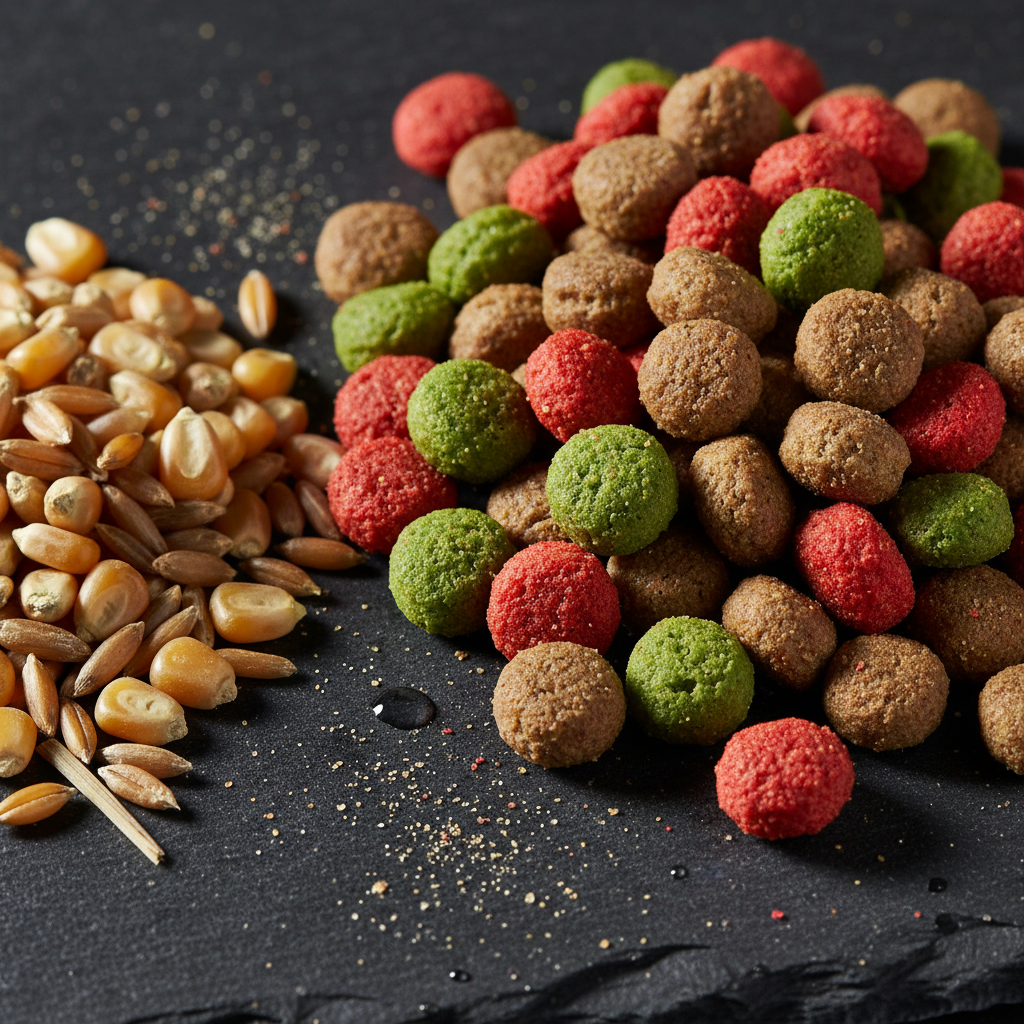
- Corn (Corn Gluten Meal, Ground Yellow Corn): A cheap, subsidized filler that dogs struggle to digest. It offers minimal nutritional value and is a primary contributor to large stool volume.
- Wheat and Soy: Common allergens for many dogs, these ingredients can cause inflammation in the gut, leading to gas, bloating, and inconsistent stool quality.
- Animal By-Products: This is a vague, low-quality ingredient category. It can include anything from beaks and feathers to hooves and intestines. The lack of specificity means inconsistent quality and digestibility.
- Artificial Colors, Flavors, and Preservatives (BHA, BHT, Ethoxyquin): These chemical additives can irritate the digestive system and offer zero nutritional benefit. A high-quality food doesn’t need artificial flavors to be palatable.
Hacker Tip: The ‘First 5 Ingredients’ rule is your most powerful weapon. Ingredients are listed by weight. If the first few ingredients are high-quality, named meat sources (e.g., ‘Deboned Chicken’, ‘Lamb Meal’), you’re on the right track. If you see corn, wheat, soy, or vague ‘meat’ terms in that top five, put the bag down.
The ‘Hero Ingredients’ for a Low-Odor Lifestyle
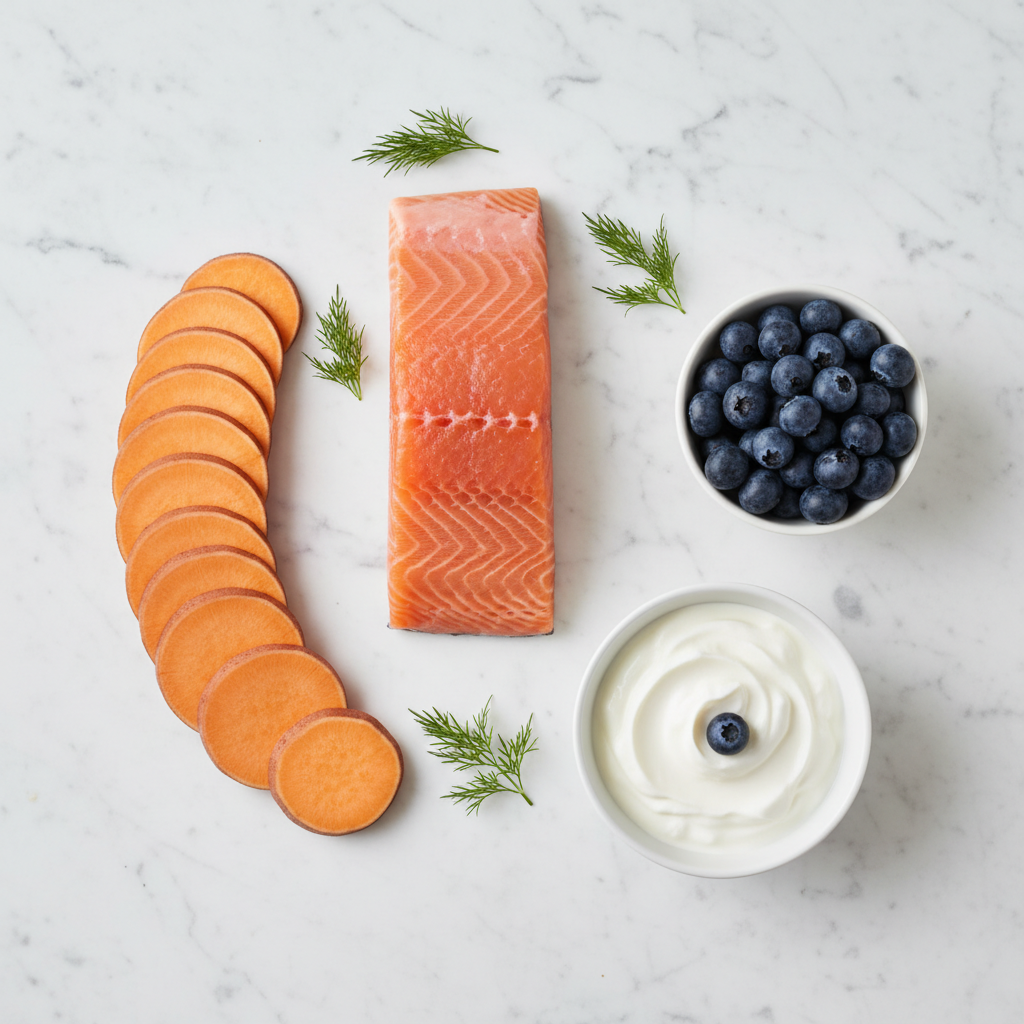
Now that we’ve identified the enemy, let’s focus on the solution. Building a low-waste, low-odor diet involves prioritizing ingredients that work with your dog’s natural digestive processes, not against them. These are the ‘hero ingredients’ you should be actively seeking out on labels.
Building the Perfect Bowl for Apartment Harmony
- Highly Digestible, Named Animal Proteins: This is non-negotiable. Look for specific sources like ‘Deboned Duck,’ ‘Lamb Meal,’ or ‘Wild-Caught Salmon.’ These proteins are easily broken down and absorbed, minimizing digestive waste. Novel proteins (like duck, rabbit, or fish) can also be beneficial for dogs with sensitivities to common proteins like chicken or beef.
- Digestible Carbohydrates: Swap out corn and wheat for superior complex carbs. Sweet potatoes, peas, and lentils provide sustained energy and are much gentler on the digestive system. They are nutrient-dense and contribute to smaller stool volume.
- Prebiotics and Probiotics: These are the cornerstones of a healthy gut microbiome. Prebiotics, like chicory root or FOS (fructooligosaccharides), are fibers that feed the good bacteria in your dog’s gut. Probiotics are the beneficial bacteria themselves. Together, they create a balanced gut environment that drastically reduces gas and improves stool consistency.
- Beneficial Fibers: Not all fiber is created equal. Soluble and insoluble fibers play different roles. Look for sources like pumpkin, beet pulp, and psyllium husk. These help regulate digestion, add bulk for firm stools, and can even help naturally express anal glands—a common source of fishy odors in apartments.
- Omega Fatty Acids: Ingredients like flaxseed and fish oil are rich in Omega-3 and Omega-6. While primarily known for skin and coat health, they also possess anti-inflammatory properties that can soothe the gut lining, leading to better overall digestive function.
Forensic Review: Top Dog Foods for Compact Living
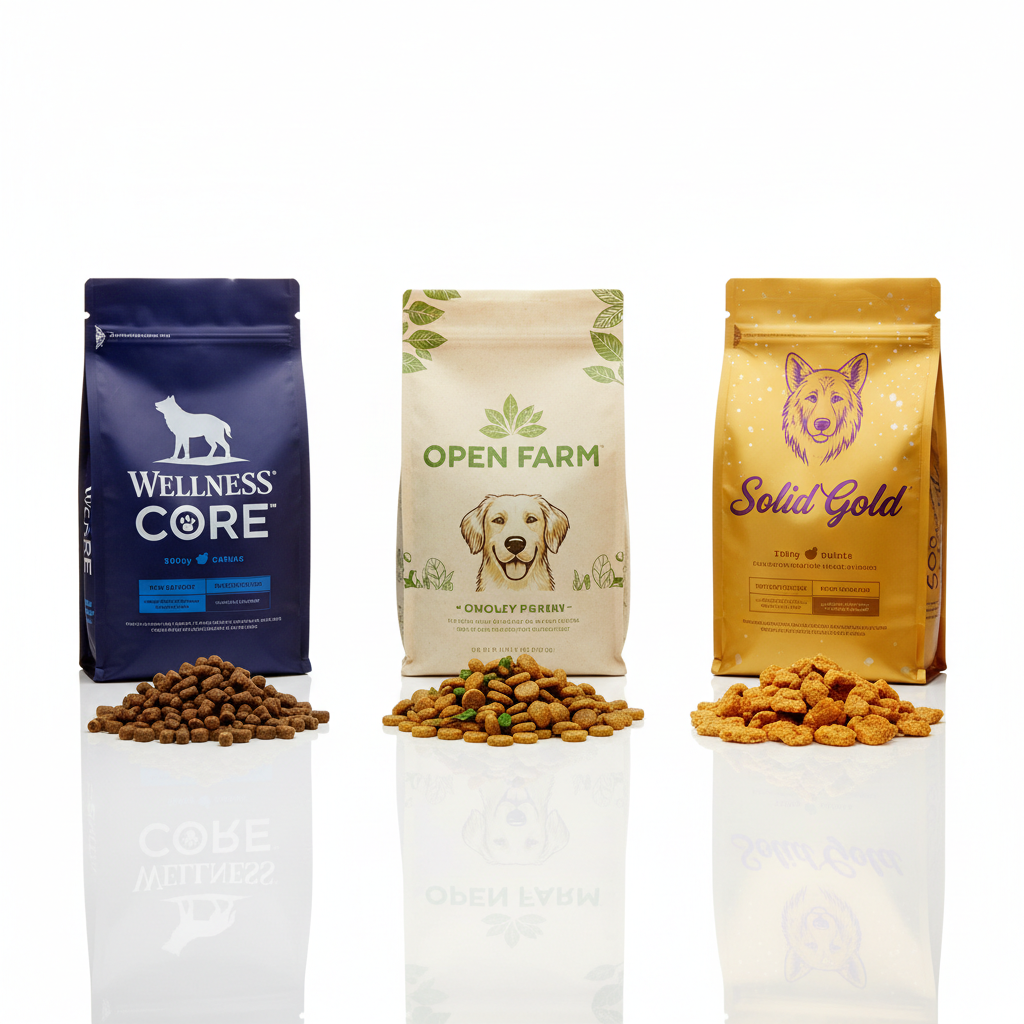
Theory is useless without application. Let’s put our knowledge to the test by performing a forensic analysis on several brands known for their focus on digestive health. For this comparison, all costs are estimated for a moderately active 40lb dog.
Brand 1: Wellness CORE Digestive Health
- First 5 Ingredients Truth: Deboned Chicken, Chicken Meal, Brown Rice, Barley, Oat Groats. A solid start with two quality meat sources, followed by digestible whole grains. No corn, wheat, or soy.
- Digestive Aids: Coated with probiotics; contains prebiotics and a blend of digestive enzymes. Pumpkin and papaya are included for fiber.
- Recall Check: Wellness has had recalls in its history, but the CORE line has a generally strong safety record. Always check the FDA database for the most current information.
- Cost Per Day: Approximately $2.10/day.
Brand 2: Open Farm Ancient Grains (Pasture-Raised Lamb)
- First 5 Ingredients Truth: Lamb, Oats, Millet, Quinoa, Brown Rice. Excellent. A single, high-quality novel protein source followed by a blend of nutrient-dense ancient grains. Ideal for dogs with poultry sensitivities.
- Digestive Aids: Contains pumpkin and chicory root for fiber and prebiotics. Known for ethically sourced ingredients with high traceability.
- Recall Check: Open Farm has a pristine recall history, which is a major point of trust for consumers.
- Cost Per Day: Approximately $2.75/day.
Brand 3: Solid Gold Leaping Waters (Sensitive Stomach)
- First 5 Ingredients Truth: Salmon, Ocean Fish Meal, Chickpeas, Lentils, Peas. A fantastic grain-free option focused on cold-water fish, which are rich in omega-3s and are highly digestible.
- Digestive Aids: Features their proprietary ‘plasma’ ingredient for gut health, plus a robust blend of 20 superfoods and living probiotics.
- Recall Check: Solid Gold has a very limited recall history, with incidents being minor and precautionary.
- Cost Per Day: Approximately $2.40/day.
| Brand | Primary Protein | Grain Status | Price Tier | Verdict |
|---|---|---|---|---|
| Wellness CORE Digestive Health | Chicken | Grain-Inclusive (No Corn/Wheat) | Mid-High | Excellent all-around choice with proven digestive aids. |
| Open Farm Ancient Grains | Lamb (Novel Protein) | Grain-Inclusive (Ancient Grains) | Premium | Top-tier choice for ingredient quality, traceability, and dogs with sensitivities. |
| Solid Gold Leaping Waters | Salmon & Ocean Fish | Grain-Free | Mid-High | Powerful grain-free option for sensitive stomachs, rich in anti-inflammatory omegas. |
Beyond the Bowl: Lifestyle Hacks to Minimize Apartment Pet Odors
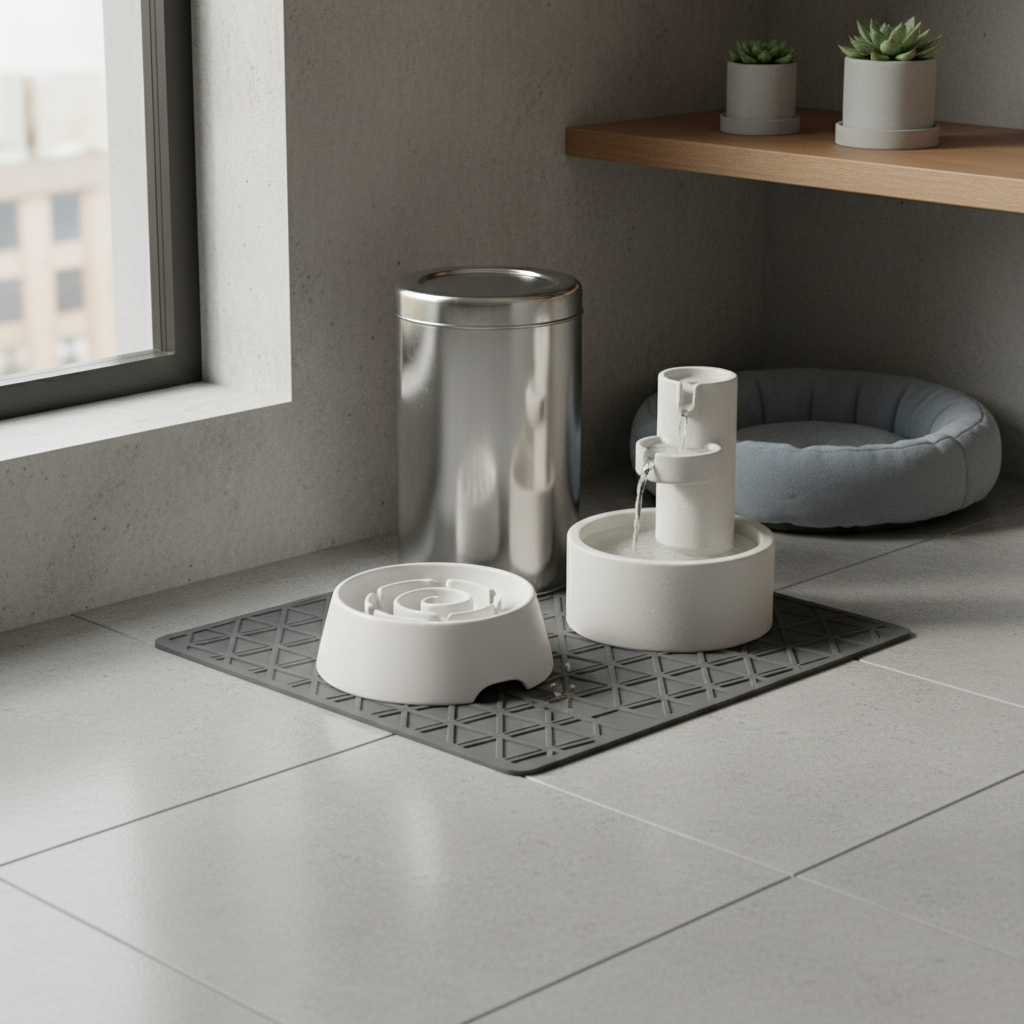
The right food is 90% of the battle, but strategic lifestyle adjustments can eliminate that last 10% of lingering pet odor. Integrate these hacks into your routine for an even fresher home environment.
1. Airtight Food Storage is Non-Negotiable
When dog food is exposed to air, the fats within it begin to oxidize and go rancid. This not only diminishes its nutritional value but can also cause digestive upset and bad breath. Storing kibble in an airtight container in a cool, dark place preserves its integrity and palatability. Never just roll down the top of the bag.
2. Implement a Slow-Feeder Bowl
Does your dog inhale their food in seconds? This rapid eating causes them to swallow large amounts of air, a condition called aerophagia. This trapped air has to go somewhere, and it usually comes out as excessive, smelly gas. A slow-feeder bowl with its maze-like patterns forces your dog to eat more slowly, significantly reducing air intake and post-meal flatulence.
3. Hydration for Digestive Motility
Proper hydration is crucial for keeping the digestive tract moving smoothly. Dehydration can lead to constipation, which means waste sits in the colon longer, fermenting and creating more odor. Ensure your dog always has access to fresh, clean water. A pet water fountain can encourage more frequent drinking for picky dogs.
4. The Power of a Post-Meal Walk
A short, leisurely walk 15-30 minutes after a meal can do wonders for digestion. The gentle movement helps stimulate the intestines, promoting regular bowel movements and preventing the buildup of gas. This simple habit helps ‘keep things moving’ on a predictable schedule—a godsend for apartment dwellers.
Insider Secret: For a quick breath-freshening hack, add a small spoonful of chopped fresh parsley or a few drops of organic coconut oil to your dog’s food. Parsley contains chlorophyll, a natural deodorizer, while coconut oil has antimicrobial properties that can help combat bacteria in the mouth.
Conclusion
Transforming your apartment from a potential odor zone into a fresh, welcoming home is entirely within your control. The power lies not in masking sprays or plug-in air fresheners, but in the nutritional science you apply to your dog’s diet. By becoming a forensic label-reader and prioritizing highly digestible, high-quality ingredients, you directly impact the end result. Less waste in means less waste out—and the waste that is produced will be smaller, firmer, and significantly less odorous.
You are now equipped with the knowledge to identify ‘enemy’ fillers and champion the ‘hero’ ingredients that promote gut health. Use this guide to confidently select a food that supports your dog’s well-being and enhances your shared living space. A happy gut leads to a happy dog, and a happy dog leads to a harmonious, odor-free apartment life.
Disclaimer: I am not a veterinarian. The information provided in this article is for educational purposes only. Always consult with your trusted veterinarian before making any changes to your dog’s diet, especially if they have pre-existing health conditions.