Best Silicone Treat Pouches for Raw and Wet Dog Food Training
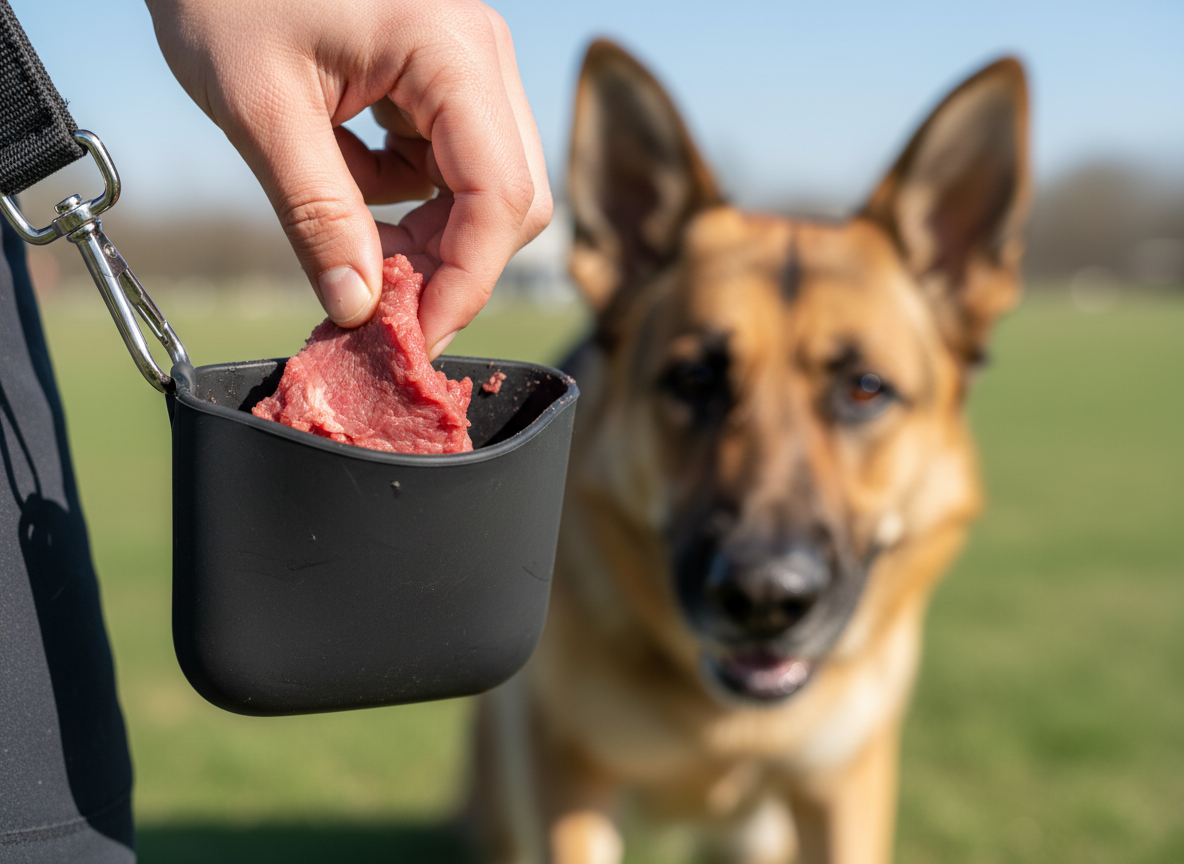
If you’re a serious dog trainer using high-value rewards like raw meat, boiled chicken, or wet food, you’ve already discovered a dirty secret: your standard fabric treat pouch is a liability. It’s a breeding ground for bacteria, a nightmare to clean, and within weeks, it develops a permanent, foul odor that no amount of washing can remove. You’re compromising your dog’s health and wasting money on gear that simply isn’t designed for the job.
This is where the game changes. Silicone isn’t just a trendy material; it’s a strategic upgrade for any owner who refuses to compromise on training rewards. As the Canine Nutrition Hacker, I don’t just look at products; I dissect them. This guide is a forensic analysis of silicone treat pouches, designed to cut through marketing hype and expose the critical design features that separate the professional-grade tools from the cheap imitations. We’ll examine material purity, closure mechanisms, and carry systems to identify the pouches that deliver on hygiene, durability, and speed—the three pillars of effective treat delivery. It’s time to stop making excuses for subpar gear and invest in a tool that works as hard as you do.
The Silicone Advantage: Why Your Fabric Pouch is a Health Hazard
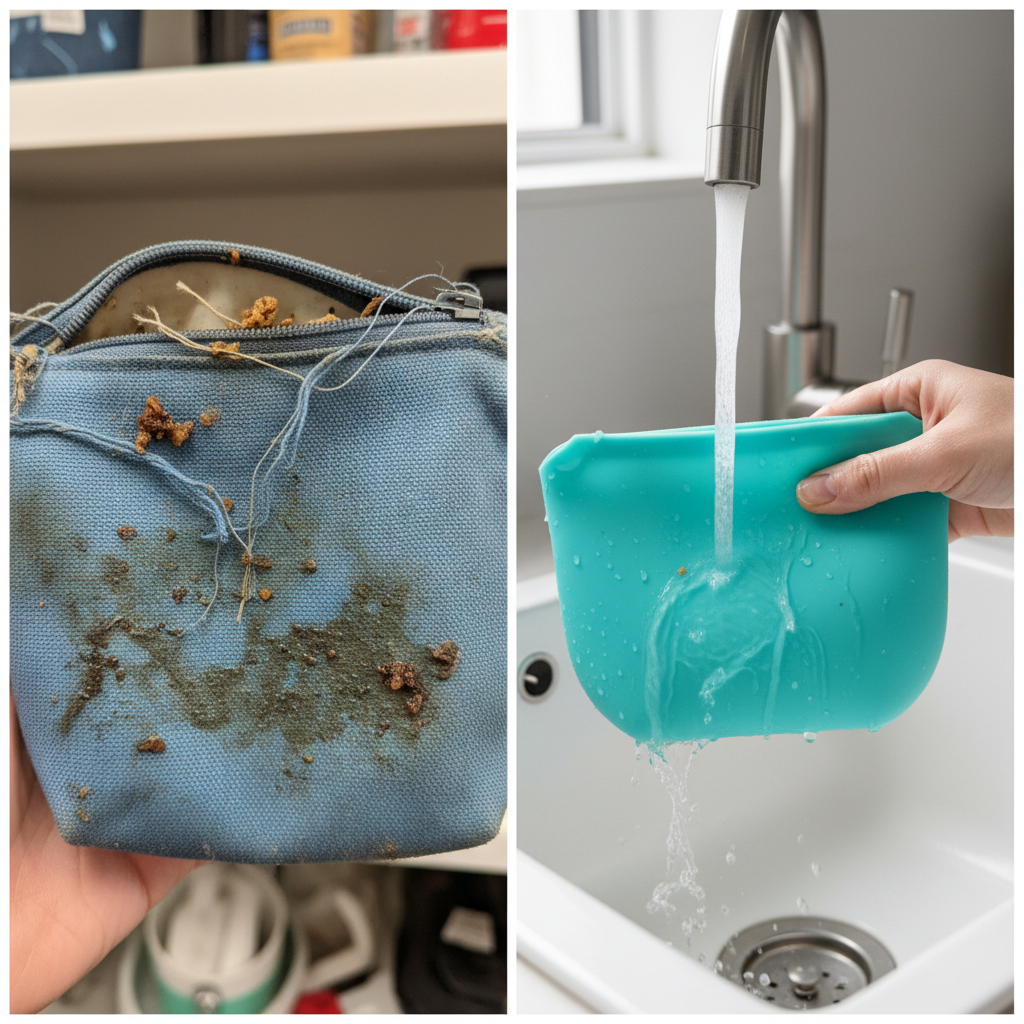
Let’s be blunt: that canvas or nylon pouch you’re using is a sponge. Every time you drop in a piece of greasy liver or moist chicken, the fabric fibers absorb the oils and moisture. This creates the perfect warm, damp environment for bacteria like E. coli and Salmonella to thrive. You wouldn’t store raw meat in a cloth bag in your pocket for hours, yet that’s exactly what you’re doing with your dog’s most powerful motivator.
The Failures of Fabric: A Forensic Breakdown
- Porosity and Contamination: Fabric is inherently porous. Oils seep through, staining your clothes and creating a permanent greasy film that attracts dirt and bacteria. It’s impossible to truly sanitize without damaging the material over time.
- Cleaning Inefficiency: Most fabric pouches are ‘spot clean’ or ‘hand wash’ only. This is insufficient for removing harmful bacteria. Throwing them in the washing machine often leads to frayed seams, broken zippers, and a misshapen product that’s even less effective.
- Odor Retention: The combination of absorbed oils and bacterial growth leads to a persistent, foul odor that can even make the treats inside unappealing to your dog.
The Uncompromising Superiority of Food-Grade Silicone
Silicone is a non-porous polymer, which means it has a solid surface that liquids and oils cannot penetrate. This single property makes it the undisputed champion for handling wet and raw treats.
- Impermeable and Hygienic: Because nothing can soak in, bacteria has nowhere to hide. A simple rinse with soap and water removes all residue. For a deep clean, most high-quality silicone pouches are 100% dishwasher safe, achieving a level of sanitation that fabric can never match.
- Extreme Durability: Silicone is resistant to tearing, warping, and degradation from heat or cold. It won’t fray, the colors won’t fade, and it maintains its shape and flexibility for years of heavy use.
- Chemically Inert: 100% food-grade silicone is non-toxic and doesn’t leach chemicals into your dog’s treats, ensuring the rewards are as healthy as they are motivating. This is a non-negotiable feature.
Switching to silicone isn’t just about convenience; it’s a critical decision for your dog’s health and the integrity of your training program. You eliminate the risk of cross-contamination and ensure that every reward you deliver is fresh and safe.
The Forensic Analysis: Deconstructing the ‘Perfect’ Pouch
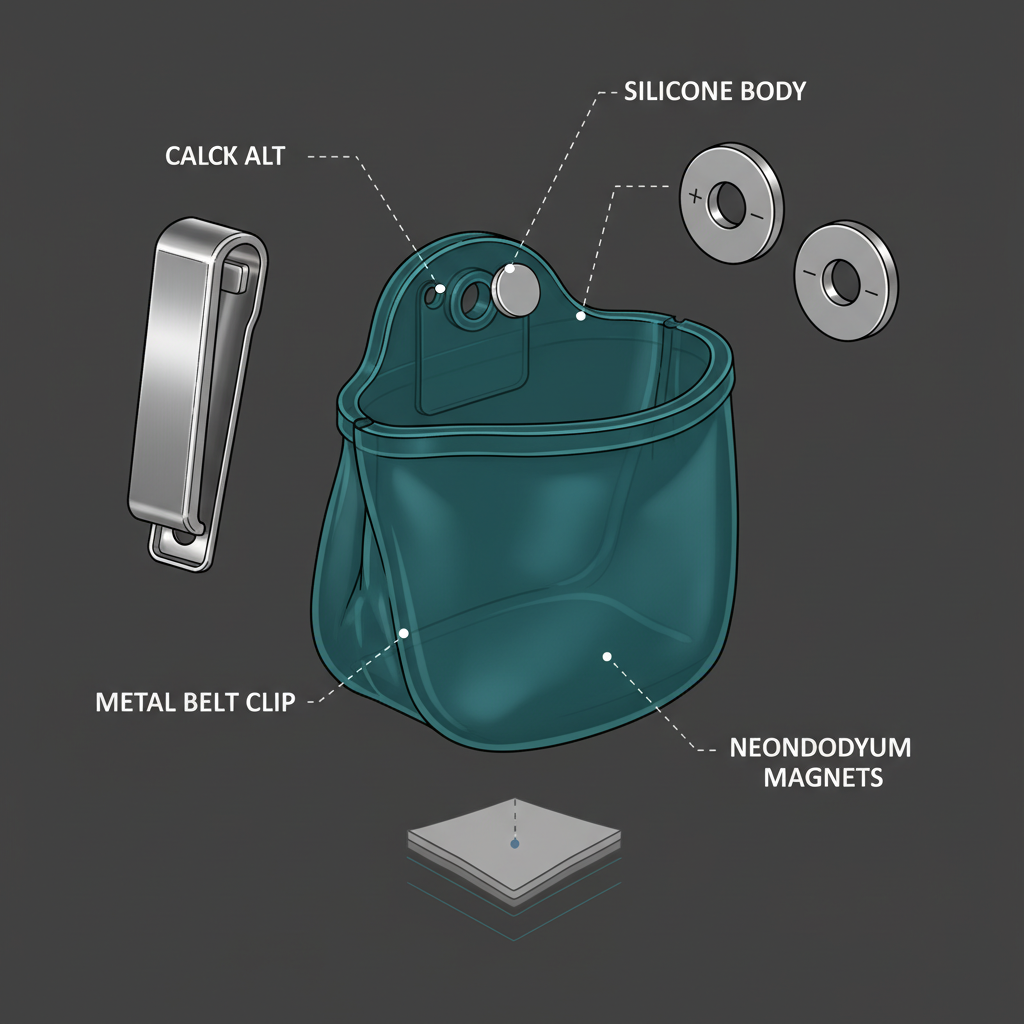
Not all silicone pouches are created equal. Manufacturers often cut corners on the most critical components to save a few cents, resulting in products that fail when you need them most. A true ‘hacker’ knows what to look for beyond the bright colors and clever marketing. Here is the anatomy of a superior pouch.
Material Grade & Purity: The Foundation
The label must say 100% food-grade, BPA-free silicone. Anything less is a red flag. Some cheaper products use silicone mixed with plastic fillers to reduce costs. These fillers can compromise the material’s durability and safety.
Hacker Tip: The Pinch Test. Pinch and twist a flat part of the pouch. If the silicone turns white, it contains plastic fillers. Pure silicone will retain its color, no matter how much you deform it. Do not buy a pouch that fails this test.
Closure Mechanism: The Make-or-Break Feature
How you access the treat is paramount. A clumsy closure can cost you the perfect moment to reward your dog. There are two primary types:
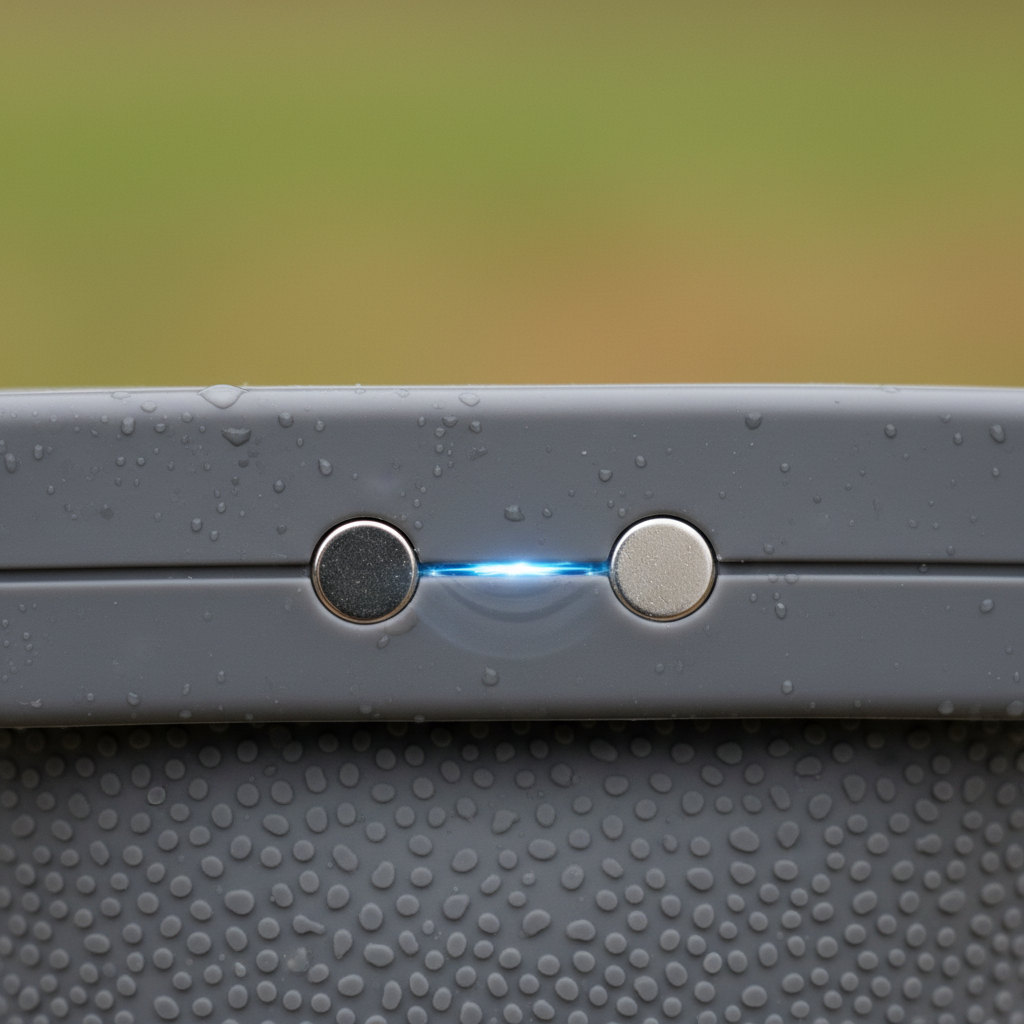
- Magnetic Closures: This is the professional’s choice. Embedded magnets provide a secure seal that prevents spilling, even when you bend over or run. Yet, they open instantly with a simple dip of your hand and snap shut automatically. This one-handed, no-look operation is essential for maintaining focus on your dog. Look for strong, embedded magnets that won’t fall out.
- Slit/Pinch Openings: These are simpler, with no moving parts. They rely on the silicone’s flexibility to create a slit that you push your fingers through. While reliable, they can be slower to access and may not be as secure against spills if the pouch is overfilled or jostled aggressively.
Clip & Carry System: The Point of Failure
This is the most common failure point. A fantastic pouch with a flimsy plastic clip is useless after the first week. Analyze the carry system with extreme prejudice.
- The Clip: It must be made of metal or high-density, shatterproof polymer. Standard plastic clips will snap under pressure or become brittle in the cold. The clip should be robust and attach securely to the pouch itself, not with a flimsy fabric loop that can tear.
- Carry Options: A single clip offers versatility, allowing you to attach it to a pocket, waistband, or belt. Some models also include an integrated belt loop, providing a more stable and secure attachment method for rigorous activity.
Capacity & Ergonomics: Design for a Real Hand
The pouch needs to hold enough treats for a full training session without being bulky. More importantly, the opening must be wide enough for your hand to get in and out without a struggle—even if you’re wearing gloves. A tapered design that’s wider at the top is often ideal for preventing fumbling.
The Contenders: Top Silicone Pouches Under the Microscope
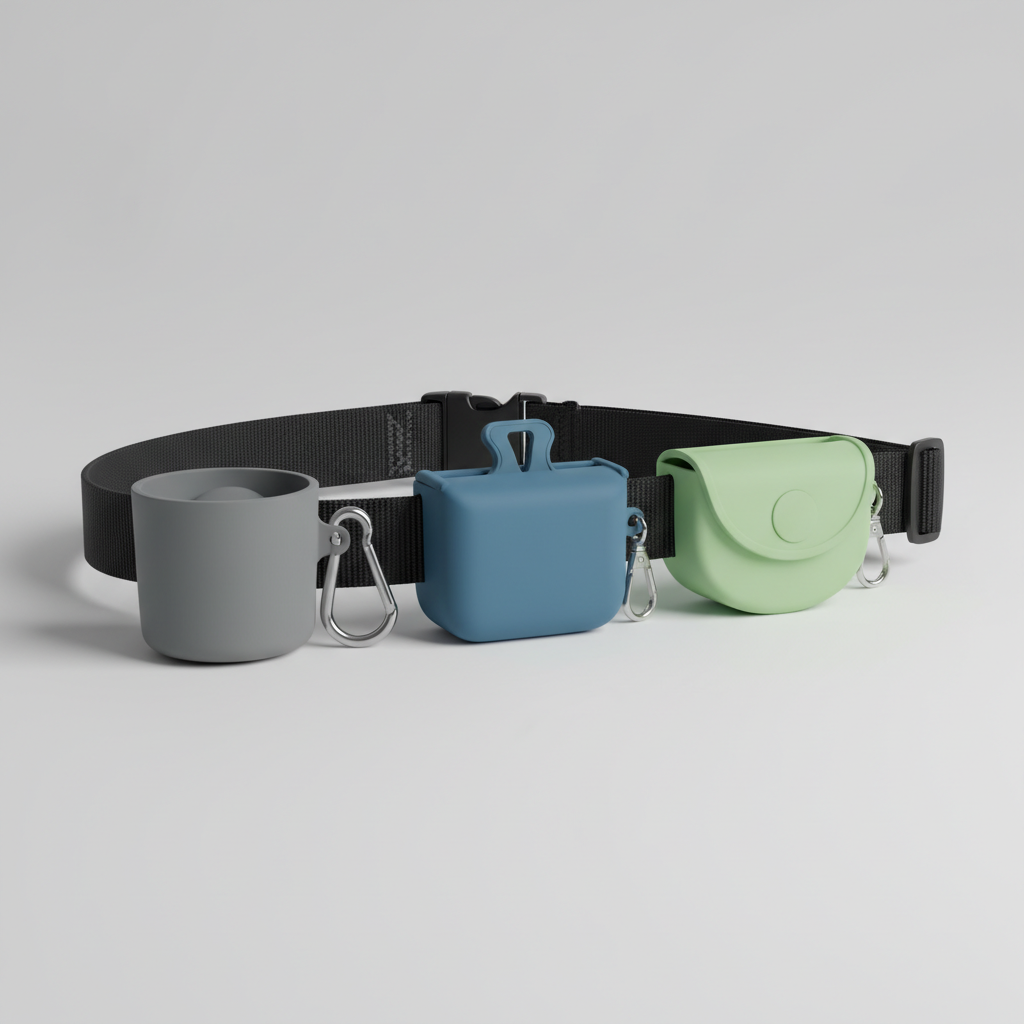
We subjected several top-rated silicone pouches to a rigorous analysis based on our forensic criteria. We’re not naming specific brands you can find on Amazon, as they change constantly. Instead, we’re analyzing archetypes—the common designs you’ll encounter—to arm you with the knowledge to judge them for yourself.
Archetype 1: The ‘Pro-Magnetic’ Pouch
This is the workhorse model. It typically features a large capacity, a very wide opening, and a strong magnetic closure. The silicone is thick and durable, passing the pinch test with ease. Its defining feature is a heavy-duty metal clip, often supplemented with a belt loop for added stability. This is the pouch for serious trainers, agility competitors, and anyone who trains for extended periods. The only downside can be its slightly larger profile, which might feel bulky for casual walks.
Archetype 2: The ‘Compact Clip’ Pouch
Designed for quick outings and everyday carry, this model is smaller and more discreet. It almost always uses a simple slit or pinch-to-open closure rather than magnets to save on space and cost. While access is slightly slower, its minimalist design is a major advantage. The critical inspection point here is the clip. Many compact models skimp with a cheap plastic clip that is destined to fail. Seek out a version with a metal clip; it’s the defining feature of a quality compact pouch. It’s perfect for carrying a small amount of high-value rewards for leash training or park visits.
Archetype 3: The ‘Budget Basic’ Pouch
You’ll see dozens of these online, often in multi-packs for a low price. They are almost always made of thinner silicone that turns white during the pinch test, indicating fillers. The closure is a simple slit, and the clip is invariably a thin, brittle plastic. While tempting for the price, these are a false economy. The clip will break, the silicone may tear, and the closure isn’t secure enough for vigorous activity. They are functionally disposable and should be avoided by anyone serious about training.
Insider Secret: The Dishwasher Hack. For any silicone pouch, especially after using particularly greasy or smelly treats like fish or liver, run it through the dishwasher on the top rack. To ensure it dries completely and remains odor-free, turn it inside out and let it air dry for a few hours before its next use. This resets it to a perfectly neutral state.
The Verdict: Comparative Takedown
Information without comparison is just noise. This table breaks down the critical differences between the pouch archetypes, allowing you to make a decision based on your specific training needs and standards. The ‘Hacker’s Verdict’ provides the final, no-nonsense recommendation.
| Feature | Pro-Magnetic Pouch | Compact Clip Pouch | Budget Basic Pouch |
|---|---|---|---|
| Material Purity | 100% Food-Grade Silicone (Passes Pinch Test) | 100% Food-Grade Silicone (Passes Pinch Test) | Silicone with Fillers (Fails Pinch Test) |
| Closure Type | Strong Dual Magnets | Slit / Pinch-to-Open | Simple Slit |
| Access Speed | Instant, One-Handed | Good, Requires Intent | Slow, Requires Two Hands |
| Clip Material | Heavy-Duty Metal | Metal (on good models) or Plastic | Thin, Brittle Plastic |
| Capacity | High (1.5 – 2 cups) | Low (0.75 – 1 cup) | Low to Medium |
| Dishwasher Safe | Yes, Top Rack | Yes, Top Rack | Questionable due to fillers |
| Price Tier | $$$ | $$ | $ |
| Hacker’s Verdict | The Professional Standard. The investment pays for itself in durability and efficiency. The only choice for serious, high-frequency training. | Excellent for Daily Use. Perfect for walks and casual training, provided you find one with a durable metal clip. Avoid the plastic clip versions. | Avoid. A classic false economy. The inevitable clip failure makes it unreliable and ultimately more expensive when you have to replace it. |
Conclusion
The search for the perfect treat pouch for raw and wet food is over, and the verdict is unequivocal: food-grade silicone is the only material that meets the standard for hygiene, durability, and performance. Your fabric pouch is a relic, actively working against your goals by creating a health risk and a cleaning nightmare. By upgrading to a high-quality silicone pouch, you are investing in a professional-grade tool that enhances your training efficiency.
However, not all silicone is created equal. You must become a ruthless inspector of the details. Prioritize a strong magnetic closure for rapid-fire rewards. Scrutinize the carry system and accept nothing less than a robust metal clip. Always perform the pinch test to ensure you’re getting pure, 100% food-grade silicone without cheap fillers. By applying this forensic mindset, you move beyond being a mere consumer and become an informed operator, selecting gear based on performance metrics, not marketing. Choose wisely, train effectively, and never let your equipment be the weak link in your chain of success.