
Bison vs. Beef Dog Food: Which Red Meat is Better?
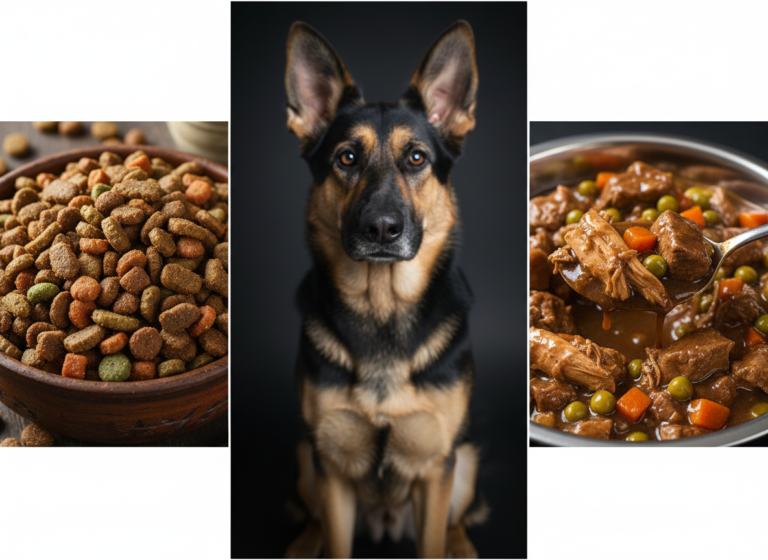
Walk down any pet food aisle and you’re bombarded with choices. Grain-free, ancient grains, limited ingredient… and the big one: the protein source. The marketing for exotic proteins like bison paints a picture of a wolf-like, ancestral diet. Beef, on the other hand, is the trusted classic. But what’s the real story behind the label? As the Canine Nutrition Hacker, I’m here to cut through the marketing noise. We’re not just looking at the picture on the bag; we’re conducting a forensic investigation into the nutritional science, ingredient quality, and true cost of bison versus beef. Forget the hype. It’s time to empower yourself with data and decide which red meat reigns supreme for your canine companion.
Nutritional Deep Dive: A Forensic Analysis of Bison vs. Beef
The Macronutrient Showdown
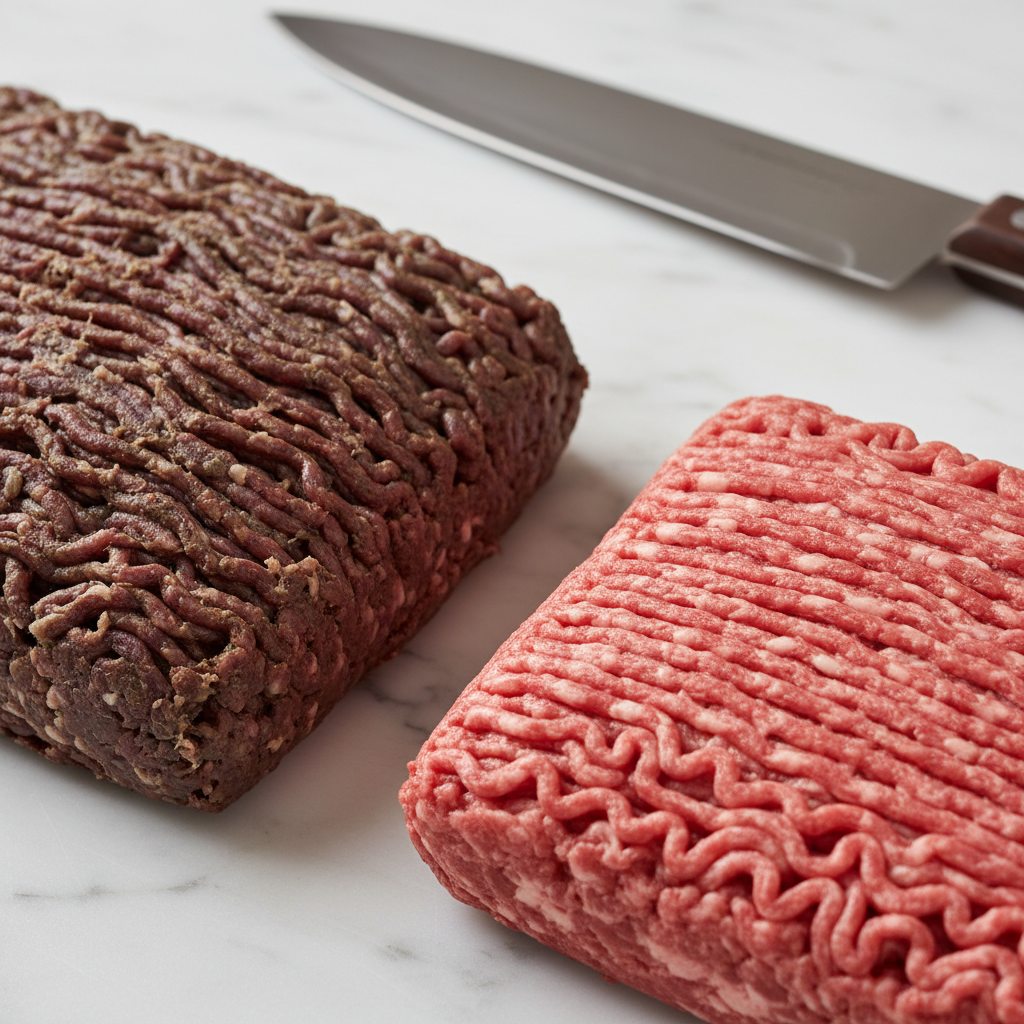
At a glance, bison and beef seem similar. They’re both red meats packed with the amino acids essential for muscle development and energy. But the devil is in the details. The key differences lie in the fat content and quality, which directly impacts the caloric density and overall health benefits.
Generally, bison is a leaner meat than beef. It contains significantly less fat and fewer calories per ounce. This can be a major advantage for dogs needing weight management or those prone to pancreatitis. Furthermore, bison often boasts a superior fatty acid profile, with a more favorable ratio of Omega-3 to Omega-6 fatty acids. Omega-3s are critical for reducing inflammation, supporting cognitive function, and promoting a healthy skin and coat.
Beef is no slouch, however. It’s an exceptional source of high-quality protein and essential minerals like iron, zinc, and selenium. For active, working, or large-breed dogs that require higher caloric intake, a quality beef-based formula can be an excellent and efficient energy source. The key is the quality of the beef cut and how it’s rendered in the food, which we’ll dissect later.
Let’s put them head-to-head in a direct comparison based on a typical 4-ounce serving of raw, 90% lean meat:
| Nutrient (approx. per 4oz) | Bison (Grass-Fed) | Beef (Grass-Fed) | The Hacker’s Verdict |
|---|---|---|---|
| Calories | ~164 kcal | ~185 kcal | Bison is the leaner choice, ideal for weight management. |
| Protein | ~24g | ~24g | Virtually identical. Both are excellent sources of complete protein. |
| Total Fat | ~7g | ~9g | Bison has a clear edge with lower total fat content. |
| Omega-3 Fatty Acids | Higher | Lower | Bison’s superior fatty acid profile helps fight inflammation. |
| Iron | ~3.4mg | ~2.9mg | Bison provides more of this crucial mineral for oxygen transport. |
| Zinc | ~4.7mg | ~5.3mg | Beef has a slight advantage in zinc for immune support. |
Insider Secret: Don’t be fooled by the term “meat.” The label must specify the source. “Beef” is good. “Bison” is good. Vague terms like “meat meal” or “animal by-product meal” are red flags. They can be a mystery mix of proteins from unspecified sources, which is a nightmare for dogs with sensitivities.
The ‘First 5 Ingredients’ Truth: Decoding the Label
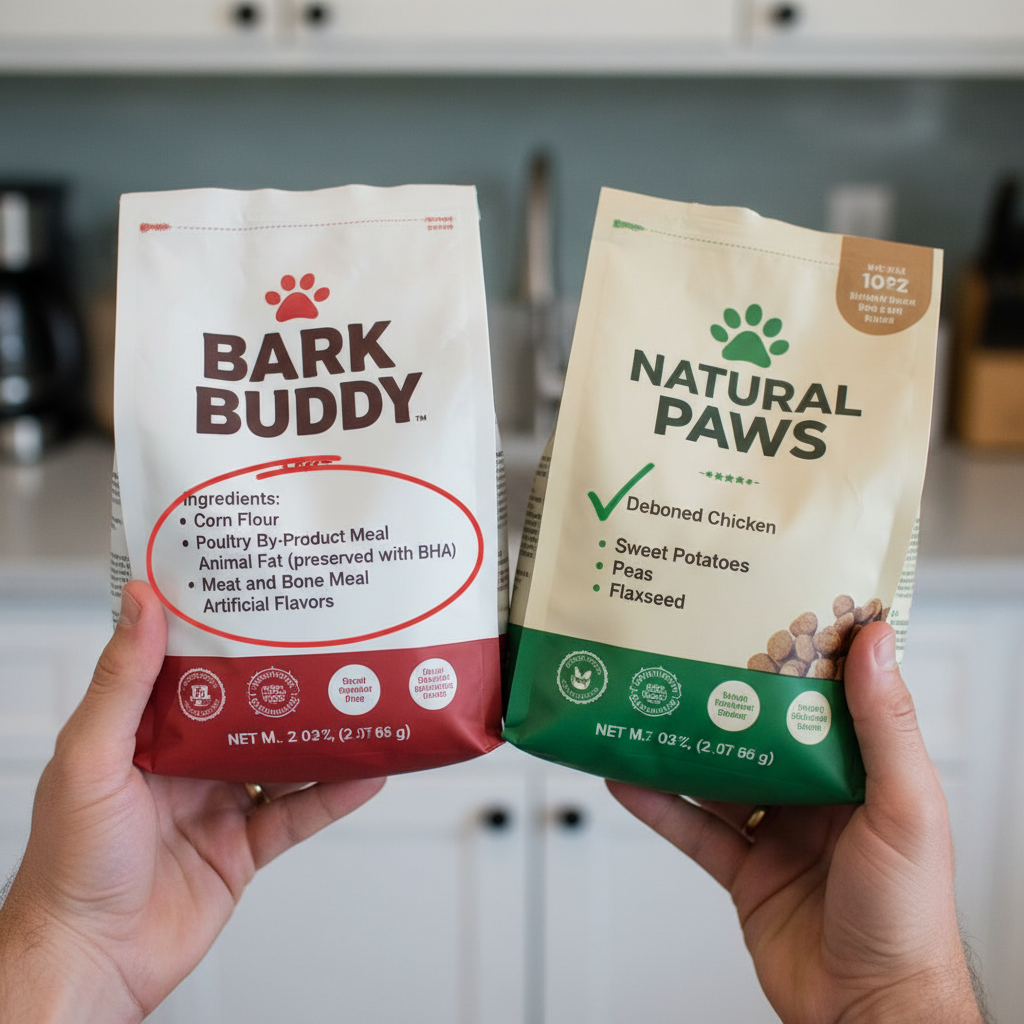
Why the First Five Matter Most
Dog food ingredients are listed by weight before cooking. This means the first five ingredients make up the bulk of the food’s nutritional content. This is where manufacturers play their games, and where you need to become a forensic analyst. A bag that screams “REAL BISON!” on the front can be a huge disappointment on the back.
Let’s analyze two hypothetical—but very realistic—ingredient panels. One represents a high-quality formula, and the other shows how a premium protein can be used to mask a low-quality base.
Example 1: High-Quality Bison Formula
- Deboned Bison: Excellent. Whole, identifiable meat source.
- Bison Meal: A concentrated protein source. Good, as long as it’s from a named animal.
- Sweet Potatoes: A complex carbohydrate, providing sustained energy and fiber.
- Peas: Source of protein and carbs. Note: High pea content can be controversial (related to DCM studies), so its position here is key.
- Whole Eggs: A fantastic, highly digestible source of protein and fats.
Verdict: This is a strong start. The primary ingredients are high-quality animal proteins and digestible carbohydrates.
Example 2: Low-Quality Beef Formula with Deceptive Marketing
- Corn: A cheap filler with limited nutritional value for dogs.
- Beef and Bone Meal: A lower-quality rendered product compared to “beef meal” or “deboned beef.”
- Soybean Meal: A plant-based protein filler and a common allergen for many dogs.
- Chicken By-Product Meal: An inexpensive mix of leftovers from processing.
- Deboned Beef: They finally list the good stuff at #5, after it’s been outweighed by fillers.
Verdict: This food uses beef for marketing, but its foundation is built on cheap fillers and low-grade ingredients. This is a formula to avoid.
Hacker Tip on “Ingredient Splitting”: Manufacturers often use a trick called ‘ingredient splitting.’ They’ll list peas, pea protein, and pea fiber separately. If you were to combine them, ‘peas’ might actually be the #1 ingredient, bumping the expensive meat down the list. Always scan the entire list for multiple variations of the same cheap ingredient.
The Real Cost Breakdown: Is Bison Worth the Premium?

Crunching the Numbers: Cost Per Day Analysis
Bison is an expensive protein. The cost of raising bison is higher than cattle, and that premium is passed directly to you. But what does that actually mean for your wallet? Let’s break down the approximate daily cost to feed a 50-pound, moderately active dog. Prices are estimates and will vary by brand, retailer, and location.
We will compare a well-regarded, mid-tier beef formula with a premium, grain-free bison formula.
| Metric | Mid-Tier Beef Formula | Premium Bison Formula |
|---|---|---|
| Bag Size | 30 lbs | 24 lbs |
| Approximate Cost | $60.00 | $85.00 |
| Cost Per Pound | $2.00/lb | $3.54/lb |
| Serving Size (50lb dog) | ~3 cups/day (~0.75 lbs) | ~2.5 cups/day (~0.65 lbs) |
| Cost Per Day | ~$1.50/day | ~$2.30/day |
| Monthly Cost Difference | The Bison formula costs approximately $24 more per month. | |
Is the extra cost justified?
An extra $24 per month might be significant. The decision comes down to your dog’s specific needs. If your dog is healthy, active, and thrives on a high-quality beef diet, there may be no compelling reason to switch. However, if your dog suffers from food sensitivities, allergies, or inflammatory conditions (like arthritis or IBD), the anti-inflammatory properties and novel protein benefits of bison could be worth every penny. Think of it not as a food cost, but as a potential savings on future vet bills and medications.
The Allergy & Sensitivity Gauntlet: Bison as a ‘Novel Protein’

Why ‘Novel’ Matters in Nutrition
One of the most compelling arguments for bison is its status as a novel protein. A novel protein is simply one that your dog has not been exposed to before. Food allergies and sensitivities in dogs often develop over time due to repeated exposure to the same proteins, most commonly chicken and beef.
When a dog’s immune system mistakenly identifies a common protein as a threat, it can trigger a host of miserable symptoms:
- Chronic ear infections
- Itchy skin and hot spots
- Excessive paw licking and chewing
- Gastrointestinal upset (gas, loose stools, vomiting)
By introducing a protein like bison, you’re offering a source that the immune system doesn’t recognize and is therefore unlikely to react to. This provides a ‘clean slate’ that can allow the dog’s inflamed system to calm down and heal.
Identifying Enemy vs. Hero Ingredients
If you suspect a food sensitivity, your job is to eliminate the problem and introduce a solution. This is where reading the *entire* label becomes non-negotiable.
- Enemy Ingredients (Common Triggers): Chicken, Beef, Dairy, Soy, Wheat, Corn. Many dogs are sensitive to one or more of these. Even if a food is ‘bison-based,’ you must check for hidden chicken fat or beef broth used for flavoring.
- Hero Ingredients (Potential Solutions): Bison, Duck, Lamb, Salmon, Rabbit. These are common novel proteins. They should be paired with gentle carbohydrates like sweet potato or pumpkin, which also aids digestion.
Medical Disclaimer: I am a nutrition analyst, not a veterinarian. If you suspect your dog has a food allergy, the gold standard for diagnosis is an elimination diet conducted under the guidance of your vet. Switching proteins can be a powerful tool, but it should be part of a comprehensive strategy developed with a professional.
Conclusion
So, which red meat is better? The forensic evidence points to a nuanced conclusion. Nutritionally, bison has the edge. It’s leaner, lower in calories, and possesses a more favorable anti-inflammatory fat profile. For dogs with sensitivities to common proteins, it’s not just a food—it’s a powerful nutritional tool. However, this superiority comes at a significant financial cost.
High-quality, grass-fed beef remains an outstanding choice for healthy, active dogs without specific dietary issues. It’s a protein powerhouse that is more accessible and affordable. The ultimate decider is not the protein on the front of the bag, but the quality of the entire ingredient list on the back. A top-tier beef formula will always be superior to a mediocre bison formula loaded with fillers.
Your mission, as a savvy pet owner, is to use this knowledge to look past the marketing. Analyze the first five ingredients, understand the cost-per-day, and choose the protein that best suits your dog’s unique health needs and your budget. The power is in reading the label, not the hype.