Blue Mussels For Dogs: The Joint Superfood You’re Missing
As pet owners, we watch our dogs go from clumsy puppies to graceful adults, and eventually, to dignified seniors. But with age, and for many breeds, even in youth, comes the silent creep of joint disease. You see it in the slight hesitation before a jump, the stiffness after a nap, or the slower pace on your daily walks. The conventional path often leads to a cabinet full of pricey supplements and prescription NSAIDs, which can feel like you’re just managing the decline, not reversing it.
But what if the industry has overlooked a potent, natural weapon in the fight against canine joint degradation? What if a specific type of mollusk holds the key to not just soothing inflammation, but actually providing the building blocks for healthier cartilage? This isn’t marketing hype; it’s nutritional science. We’re talking about Blue Mussels, and more specifically, their incredibly powerful cousin, the New Zealand Green-Lipped Mussel. As The Canine Nutrition Hacker, my job is to cut through the noise, analyze the evidence, and give you the actionable intelligence you need to optimize your dog’s health. Forget the fancy labels and celebrity endorsements. It’s time to look at the source code of your dog’s nutrition and leverage one of the ocean’s most powerful joint superfoods.
The Invisible Enemy: What’s Really Destroying Your Dog’s Joints?
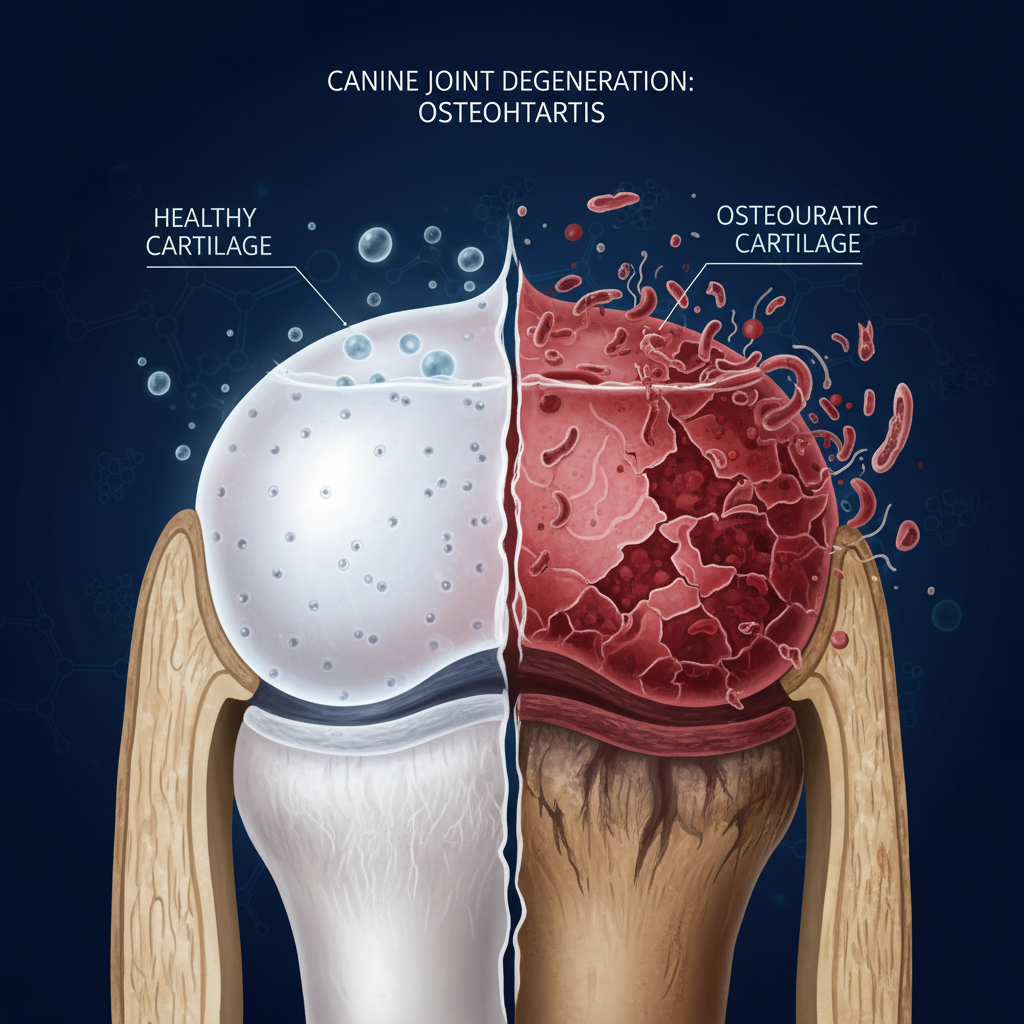
Before we can introduce a hero, we must first identify the villain. Canine joint disease, or osteoarthritis, isn’t just about ‘wear and tear.’ It’s a complex disease process driven by a persistent, low-grade inflammation that slowly erodes the protective cartilage lining your dog’s joints. When this cartilage breaks down, bone rubs against bone, causing pain, stiffness, and a significant loss of mobility. While genetics and injuries play a role, many dog owners are unknowingly accelerating this process with what they put in the food bowl every single day.
Enemy #1: Pro-Inflammatory Fillers
Take a hard look at the ingredient panel of many commercial dog foods. You’ll often find ingredients like corn gluten meal, wheat flour, and soy in the top spots. These are cheap fillers used to bulk up the food and boost protein percentages on paper. However, for many dogs, these ingredients can trigger an inflammatory response throughout the body, including the joints. This systemic inflammation is like pouring gasoline on the fire of arthritis.
Enemy #2: The Omega Imbalance
Fats are not created equal. Your dog’s diet needs a careful balance of Omega-6 and Omega-3 fatty acids. Omega-6s, found in high amounts in chicken fat and vegetable oils (like corn and sunflower oil), are generally pro-inflammatory. Omega-3s, found in fatty fish and certain marine sources, are anti-inflammatory. Most processed kibbles have a massively skewed ratio, with far too many Omega-6s and not nearly enough Omega-3s. This imbalance constantly pushes the body towards a state of inflammation, making joints more susceptible to damage and pain.
Hacker Tip: Don’t be fooled by labels that say “with Omega fatty acids.” This is a classic marketing trick. You need to know the source. If the fat source is primarily “chicken fat” or “vegetable oil” with no specific mention of a potent Omega-3 source like fish oil or mussels, you likely have an imbalanced, pro-inflammatory food.
The Hero Ingredient: Deconstructing the Green-Lipped Mussel
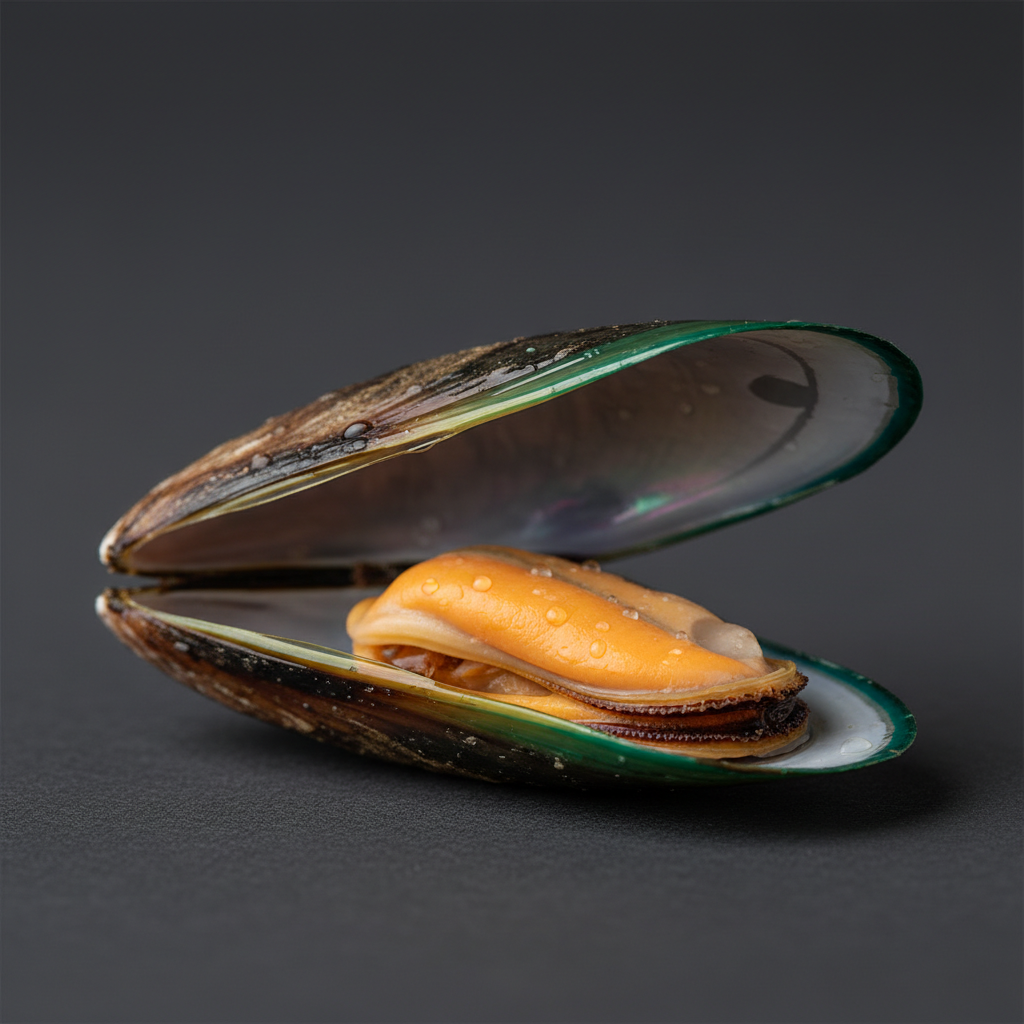
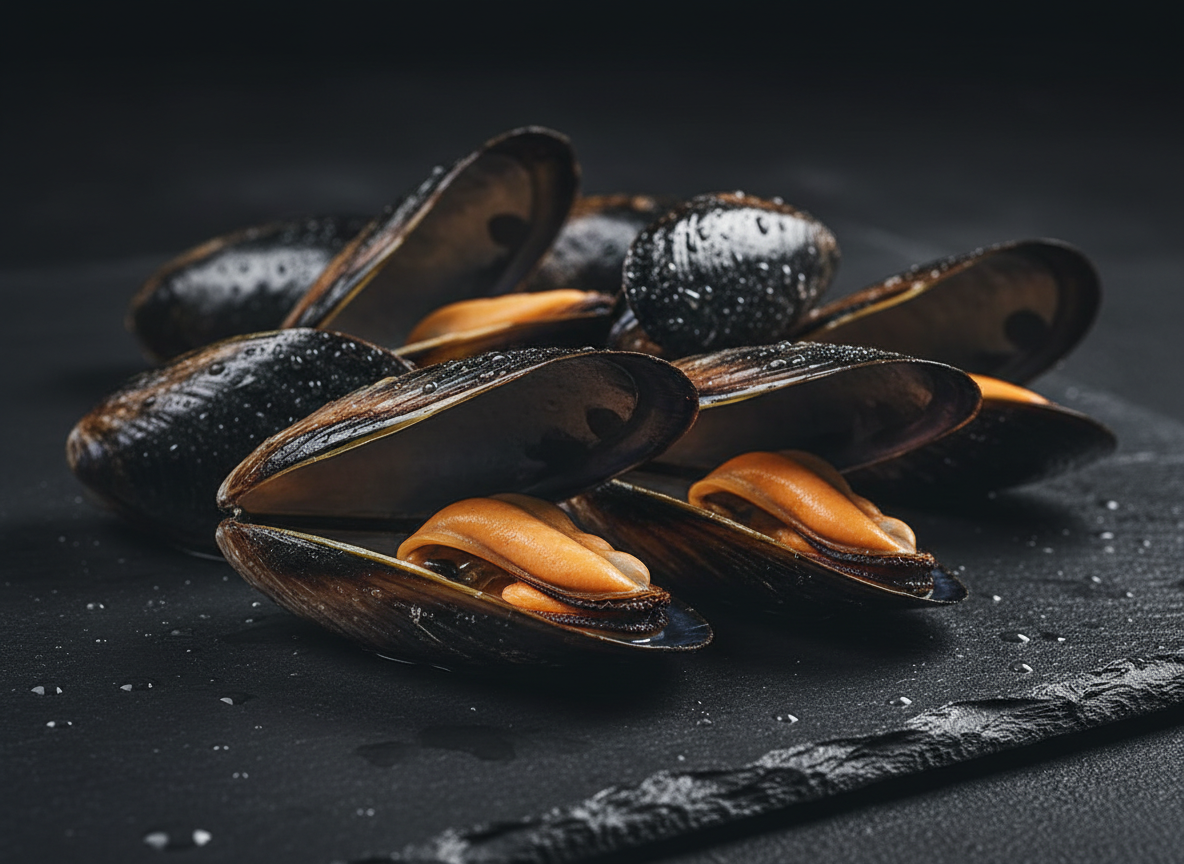
While the term ‘Blue Mussel’ is often used, the undisputed champion of joint health in the mollusk world is a specific species from New Zealand: the Green-Lipped Mussel (GLM), or Perna canaliculus. This isn’t just another supplement; it’s a whole food containing a unique synergy of bioactive compounds that attack joint disease from multiple angles. When a supplement company says their product contains ‘blue mussels for joints,’ they are almost certainly referring to the benefits derived from this specific powerhouse.
What makes GLM so effective? It’s not one single component, but a matrix of powerful nutrients working together:
- A Unique Omega-3 Profile: GLM is rich in the well-known Omega-3s, EPA and DHA, but it also contains a rare one called Eicosatetraenoic Acid (ETA). ETA is a potent anti-inflammatory that works by inhibiting the body’s inflammatory pathways at a different point than other fatty acids, making it uniquely effective.
- Natural Glycosaminoglycans (GAGs): You’ve probably heard of glucosamine and chondroitin. These are GAGs, the essential building blocks of cartilage and joint fluid. Instead of providing these as isolated, synthetic chemicals, GLM delivers them in their natural, highly bioavailable food state.
- Potent Antioxidants: GLM is packed with antioxidants, including zinc, copper, manganese, and vitamins C and E. These molecules fight oxidative stress, which is a major contributor to cartilage degradation and cellular aging within the joint.
Let’s put this into perspective. Here’s how Green-Lipped Mussel stacks up against other common joint supplements:
| Nutrient Profile | Standard Fish Oil | Glucosamine/Chondroitin | Green-Lipped Mussel (GLM) |
|---|---|---|---|
| Anti-Inflammatory Action | Excellent (EPA/DHA) | Minimal | Exceptional (EPA, DHA, ETA) |
| Cartilage Building Blocks | None | Excellent (Synthetic GAGs) | Excellent (Natural GAGs) |
| Antioxidant Support | Minimal | None | Good |
| Overall Approach | Reduces Inflammation | Provides Building Blocks | Reduces Inflammation AND Provides Building Blocks |
The Hacker’s Guide: Sourcing and Dosing Mussels Safely
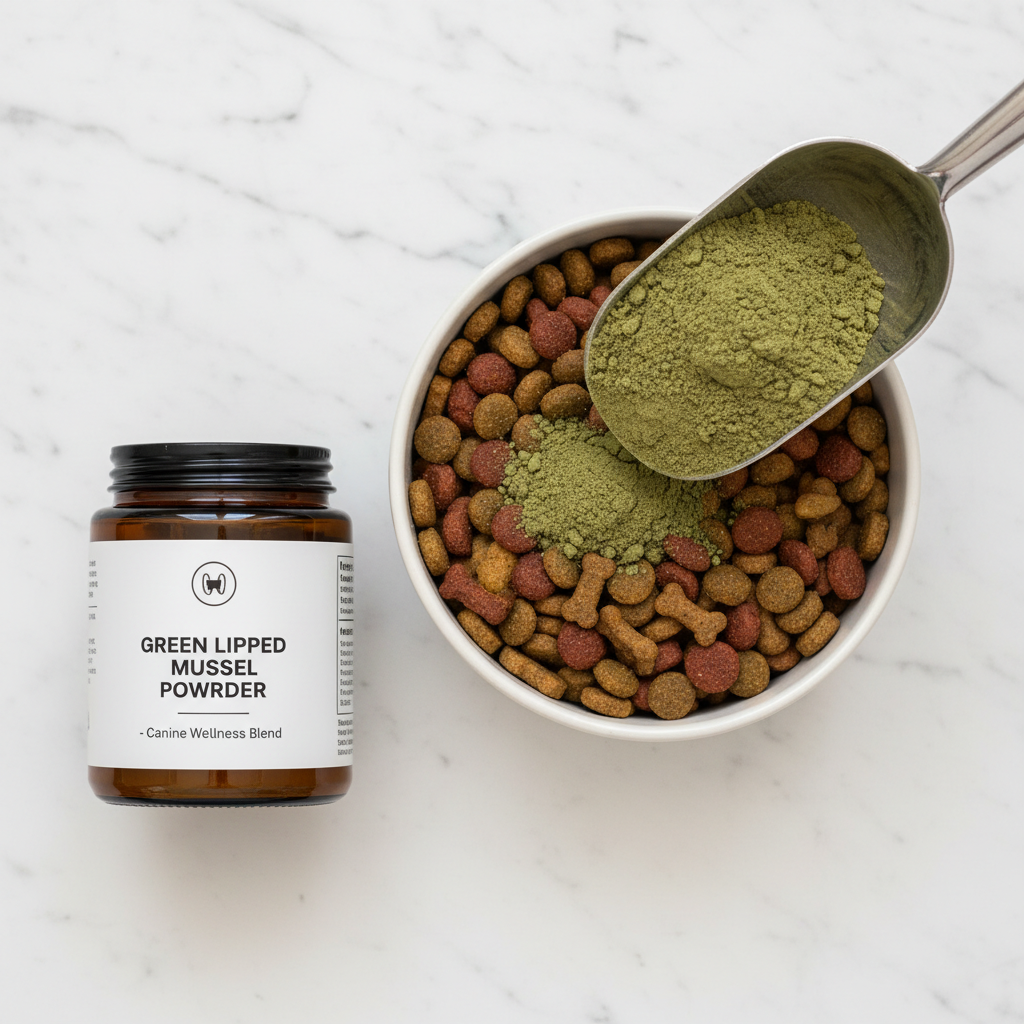
Integrating this superfood into your dog’s diet requires a strategic approach. Not all forms are created equal, and dosage is critical for therapeutic effect. Simply buying a kibble with “mussel meal” listed as the 20th ingredient is a waste of money.
Forms of Green-Lipped Mussel:
- Freeze-Dried Powder: This is the gold standard. The freeze-drying process (lyophilization) preserves the delicate Omega-3 fatty acids and other nutrients without using heat, which can destroy them. This is the most potent and reliable form for therapeutic use.
- Oil/Extracts: These contain the fatty acid components but often lack the full spectrum of nutrients like the GAGs and minerals found in the whole mussel powder. They are good, but less complete.
- Whole Mussels (Cooked or Frozen): Offering your dog a cooked blue or green-lipped mussel can be a healthy treat. However, heat damages the fragile fats, and it’s nearly impossible to calculate a consistent therapeutic dose. Use them as a healthy topper, not as a primary joint supplement.
- Treats and Kibble: Be extremely skeptical. The amount of GLM included is often minuscule—a practice known as “ingredient decking” to make the label look good. The dose is almost never high enough to provide a true anti-inflammatory benefit.
Dosing and Safety:
For a high-quality, freeze-dried GLM powder, a general dosing guideline is:
- Small Dogs (under 25 lbs): 200-400 mg per day
- Medium Dogs (25-50 lbs): 400-800 mg per day
- Large Dogs (50-100 lbs): 800-1200 mg per day
Important: Always start with a quarter of the recommended dose and gradually increase over a week or two to allow your dog’s digestive system to adjust.
Insider Secret: The efficacy of GLM powder is directly tied to its fat content. Look for products that list a high percentage of crude fat (often 8-12%) on the guaranteed analysis. Avoid products that have been “de-fatted,” as this removes the most crucial anti-inflammatory components—the Omega-3s.
MEDICAL DISCLAIMER: I am a nutrition analyst, not a veterinarian. Always consult with your veterinarian before adding any new food or supplement to your dog’s diet, especially if your dog has a history of shellfish allergies, is pregnant, or is currently on medication. This information is for educational purposes only.
The Bottom Line: A Forensic Cost vs. Efficacy Analysis

In the world of canine nutrition, every dollar counts. Investing in a supplement only makes sense if it delivers tangible results that outperform or out-value other options. Let’s break down the real-world cost and benefits of GLM compared to other common joint-care strategies for a hypothetical 50lb dog.
| Intervention | Primary Action | Avg. Monthly Cost (50lb Dog) | Pros | Cons | Verdict |
|---|---|---|---|---|---|
| Veterinary NSAID (e.g., Carprofen) | Pain & Inflammation Blocking | $40 – $70 | Fast-acting pain relief. | Potential long-term side effects (liver, kidney, GI). Masks symptoms, doesn’t heal. | Necessary for acute pain, but not an ideal long-term solution. |
| Standard Glucosamine & Chondroitin | Provides Cartilage Building Blocks | $15 – $30 | Relatively inexpensive. Widely available. | No direct anti-inflammatory action. Efficacy can be slow or minimal for advanced cases. | A foundational piece, but incomplete on its own. |
| High-Quality Fish Oil | Reduces Inflammation | $20 – $35 | Excellent systemic anti-inflammatory benefits. | No cartilage-building components. Can be messy. Quality varies wildly. | Excellent for inflammation, but doesn’t provide structural support. |
| Green-Lipped Mussel Powder | Reduces Inflammation AND Provides Building Blocks | $25 – $45 | All-in-one solution. Natural food source. Excellent safety profile. | Higher initial cost than single-action supplements. Specific taste may require introduction. | The most efficient and comprehensive long-term investment for joint health. |
The analysis is clear. While a prescription NSAID offers the fastest relief, it’s a short-term patch with long-term risks. The traditional approach requires you to buy two separate supplements—one for inflammation (fish oil) and one for structure (glucosamine)—to achieve what GLM does in a single, natural product. By consolidating your supplement strategy into a high-quality GLM powder, you are not only getting a more potent and synergistic effect but are often achieving it at a comparable or even lower long-term cost. This is the definition of hacking your dog’s nutrition: achieving a superior outcome with a smarter, more efficient investment.
Conclusion
The evidence is compelling. The silent epidemic of joint disease in our dogs requires a more intelligent approach than simply masking pain or supplementing with isolated nutrients. The path forward lies in targeting the root cause—inflammation—while simultaneously providing the raw materials for repair. Green-Lipped Mussel is not a miracle cure, but it is a scientifically-validated superfood that accomplishes both of these critical tasks with remarkable efficiency.
As a Canine Nutrition Hacker, I urge you to look beyond the flashy marketing on the front of the bag. Turn it around, scrutinize the ingredient list, and question the source and purpose of every component. By choosing a potent, properly sourced supplement like freeze-dried Green-Lipped Mussel powder, you are making a powerful, proactive investment in your dog’s mobility, comfort, and quality of life. Stop chasing symptoms. It’s time to start rebuilding your dog’s joint health from the inside out.