Budget-Friendly Superfood: Slow Cooked Chicken Gizzards for Dogs
Walk down any pet food aisle and you’re bombarded with slick marketing for ‘premium,’ ‘human-grade,’ and ‘ancestral’ diets, all with price tags that can rival your own grocery bill. The big brands want you to believe that optimal canine nutrition is complex and expensive. That’s a myth. As a Canine Nutrition Hacker, I analyze labels and costs to find the nutritional goldmines the industry overlooks. Today, we’re targeting one of the most powerful and criminally underrated superfoods for dogs: the humble chicken gizzard.
Forget overpriced kibble packed with fillers. Chicken gizzards are a dense source of high-quality protein, joint-supporting glucosamine, and essential vitamins—all for a fraction of the cost of fancy cuts of meat. This guide will provide you with the blueprint to safely prepare this budget-friendly powerhouse in your slow cooker, giving you complete control over what goes into your dog’s bowl and saving you a significant amount of money in the process. It’s time to stop paying for marketing and start investing in real, unadulterated nutrition.
Deconstructing the Superfood: Why Gizzards Are a Nutritional Goldmine
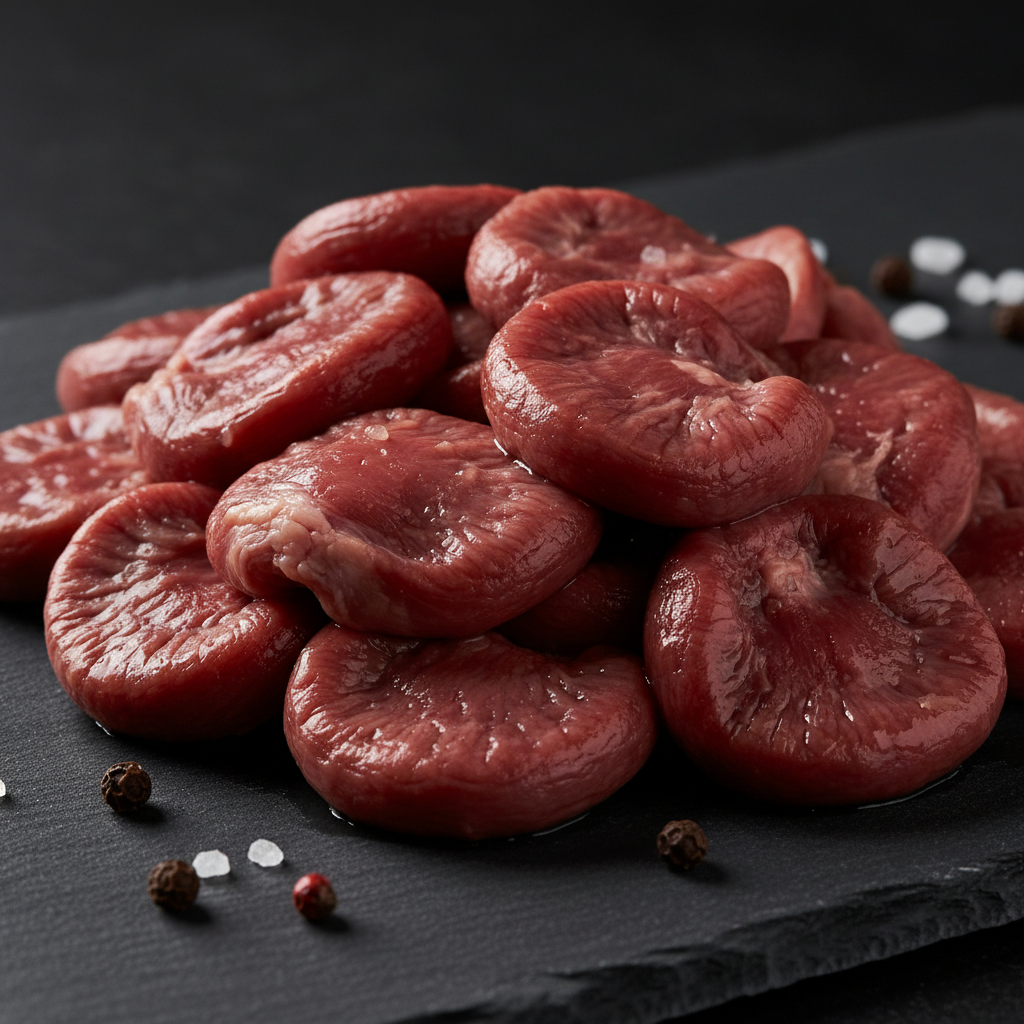
Before we start cooking, you need to understand why this specific organ meat is a cornerstone of savvy canine nutrition. A gizzard isn’t just a cheap byproduct; it’s a hard-working muscle, part of the bird’s digestive tract responsible for grinding up food. This muscular nature is what makes it a uniquely dense and beneficial food for your dog.
Let’s conduct a forensic analysis of its nutritional profile:
- High-Quality Lean Protein: Gizzards are almost pure muscle, providing essential amino acids for muscle development, tissue repair, and overall energy without the high fat content of other meats.
- Natural Source of Glucosamine and Chondroitin: This is the key benefit. Gizzards contain cartilage, which is a rich natural source of glucosamine and chondroitin. These compounds are the building blocks for healthy joints and are often sold as expensive standalone supplements for dogs with arthritis or hip dysplasia. Feeding gizzards provides this benefit directly from the source.
- Rich in Vitamins and Minerals: They are packed with vital nutrients that support multiple bodily functions. This includes:
- Vitamin B12: Crucial for brain function and the formation of red blood cells.
- Iron: Essential for carrying oxygen in the blood, preventing anemia and fatigue.
- Zinc: Supports the immune system, thyroid function, and healthy skin and coat.
- Selenium: A powerful antioxidant that helps protect cells from damage.
When you compare a serving of chicken gizzards to an equal weight of ‘premium chicken breast’ often touted in commercial foods, the gizzard offers a more complex and beneficial nutrient profile, especially regarding joint health, at a significantly lower cost.
WARNING: Your Essential Pre-Cooking Safety Briefing

Empowerment comes from knowledge, and that includes knowing the safety protocols. Making homemade food is a serious responsibility. Before you even plug in your slow cooker, you must understand the following non-negotiable rules.
Insider Secret: The difference between helping and harming your dog is balance. Commercial dog foods are formulated to meet AAFCO (The Association of American Feed Control Officials) standards for a ‘complete and balanced’ diet. A meal of only chicken gizzards and vegetables is NOT complete and balanced for long-term, exclusive feeding.
This recipe is designed as a healthy meal topper, a supplemental meal, or a high-value treat. It should not replace your dog’s primary, balanced diet without professional guidance.
Crucial Safety Mandates:
- Consult Your Veterinarian: Always discuss any significant changes to your dog’s diet with your vet or a board-certified veterinary nutritionist. They can assess your dog’s specific health needs, age, and breed requirements.
- Balance is Non-Negotiable: A diet of just meat and a few vegetables is critically deficient in calcium and other essential minerals. Long-term feeding without proper supplementation can lead to severe health issues, including bone and joint problems. If you wish to transition to a fully homemade diet, you must work with a professional to formulate a recipe that includes a proper vitamin/mineral supplement and a calcium source (like eggshell powder or bone meal).
- Forbidden Ingredients: Never add ingredients that are toxic to dogs. This includes onions, garlic, salt, xylitol, grapes, and raisins. This recipe is intentionally simple to ensure safety.
The Bottom Line: A Forensic Cost Breakdown
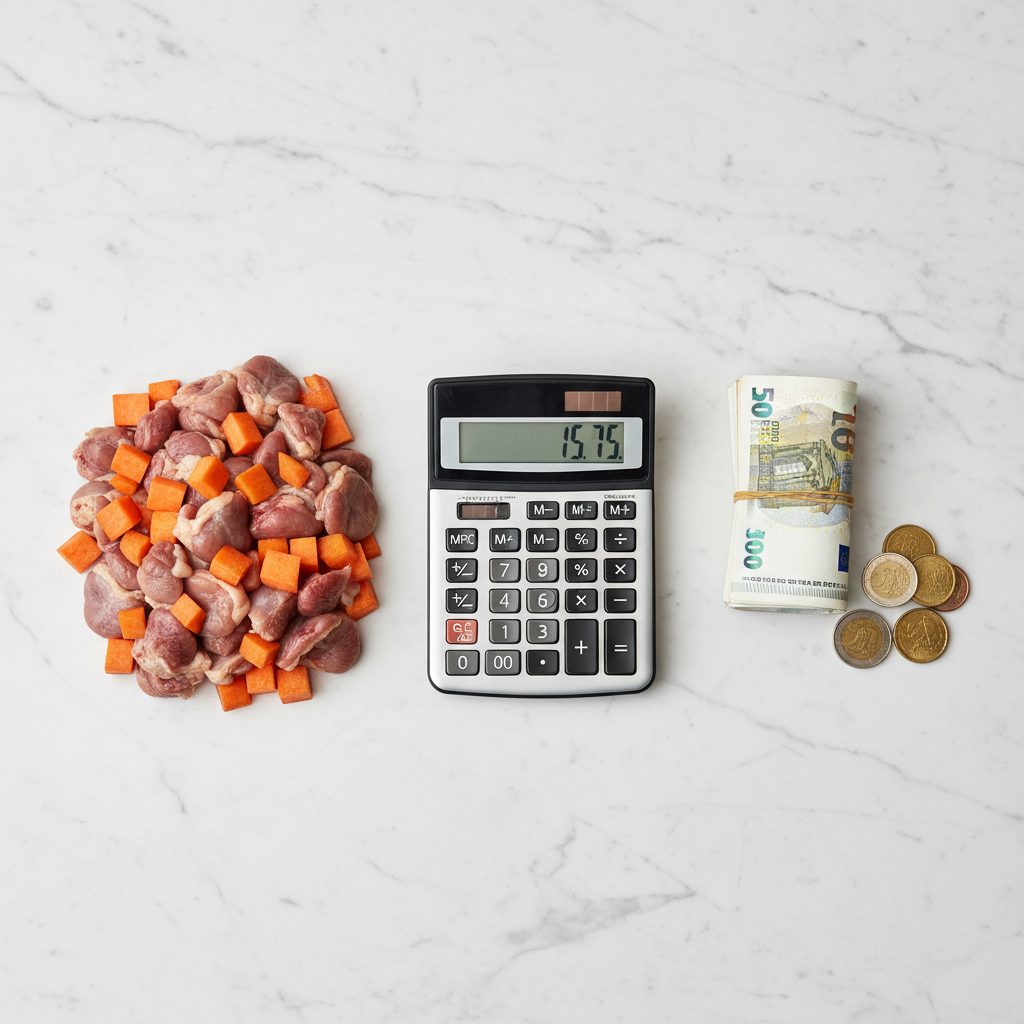
Here’s where the ‘hacker’ mentality pays off. Let’s run the numbers and see the real-world savings of this DIY superfood compared to a popular ‘premium’ fresh dog food brand. We’ll base our calculations on feeding a 50lb dog.
| Metric | DIY Slow Cooked Gizzards | Premium Fresh Food Brand |
|---|---|---|
| Primary Protein | Chicken Gizzards | Chicken Breast |
| Cost of Protein (approx.) | $1.50 – $2.50 per pound | $4.00 – $6.00 per pound |
| Cost of Other Ingredients (Veggies) | ~$3.00 for a 4lb batch | Included in final price |
| Total Cost for ~4lb Batch | ~$9.00 | ~$40.00 |
| Serving Size (50lb dog, per day) | ~1.5 cups (~0.75 lbs) | ~1.5 cups (~0.75 lbs) |
| Cost Per Day | ~$1.68 | ~$7.50 |
| Monthly Cost | ~$50.40 | ~$225.00 |
The analysis is clear. By simply switching to this homemade superfood topper or supplemental meal, you can achieve superior or comparable nutritional benefits for a fraction of the price. The potential monthly savings are substantial—money that can be reallocated to vet care, training, or other enrichment for your dog. You are no longer paying for marketing, refrigerated shipping, and fancy packaging; you are paying only for pure, wholesome ingredients.
The Blueprint: Slow Cooked Chicken Gizzards & Veggies

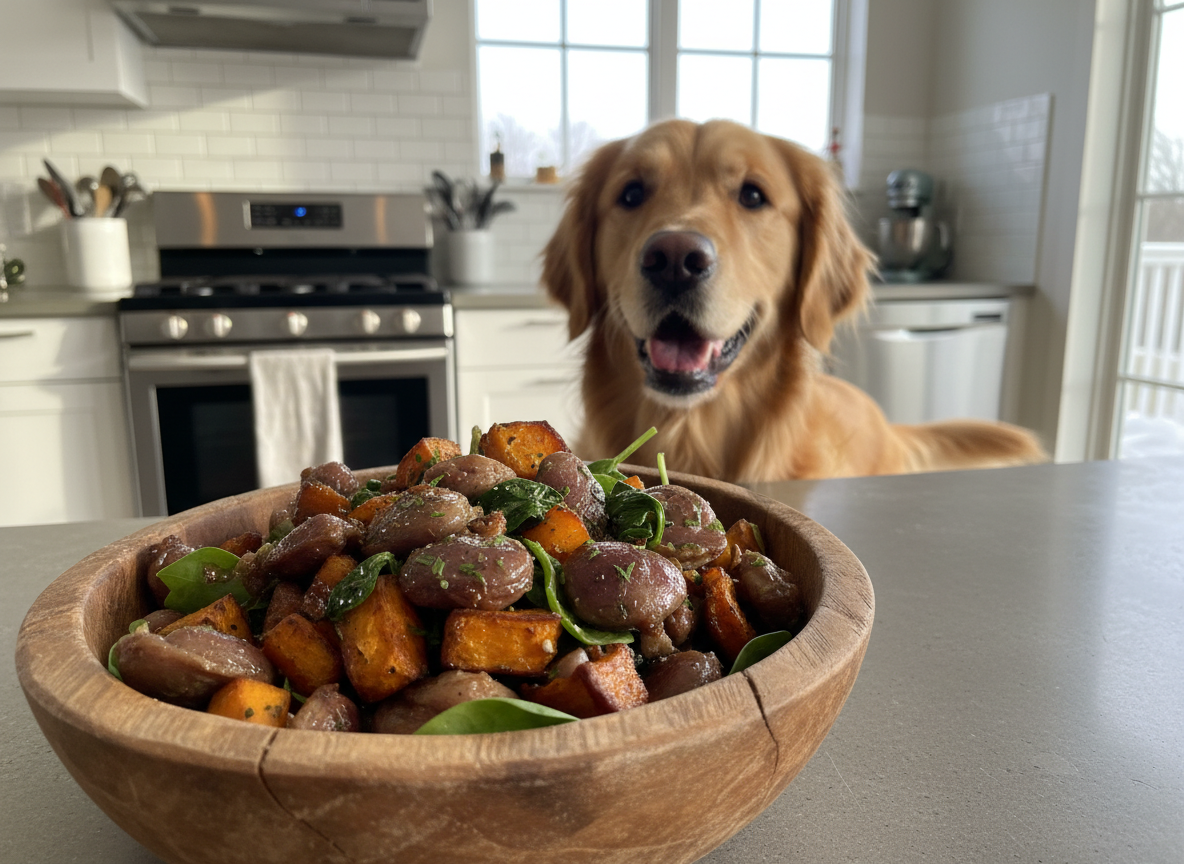
This is the core protocol. It’s designed for simplicity, safety, and maximum nutritional extraction. The slow cooking process makes the tough gizzard muscle tender and easy to digest, while gently cooking the vegetables to retain nutrients.
Ingredients & Ratios
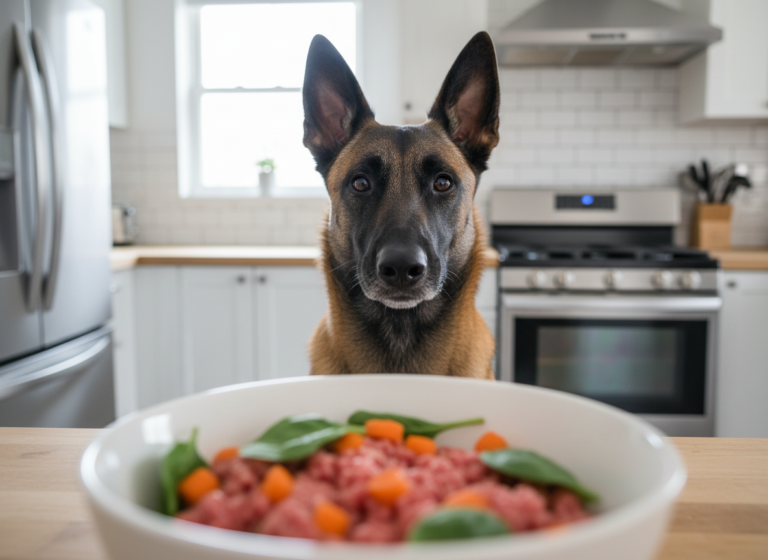
This recipe follows a balanced ratio of approximately 75% meat to 25% dog-safe vegetables. This provides a high-protein meal with beneficial fiber and vitamins.
- 3 lbs Chicken Gizzards: Rinsed thoroughly in cold water.
- 2 Large Sweet Potatoes: Washed and diced into 1/2-inch cubes (do not peel – the skin contains nutrients).
- 4-5 Carrots: Washed and chopped.
- 2 cups Fresh Spinach: Packed.
- 1/4 cup Water or Unsalted Bone Broth: To prevent sticking.
Step-by-Step Protocol
- Preparation: Wash and chop all vegetables as described. Thoroughly rinse the chicken gizzards under cold running water to remove any grit.
- Layer the Slow Cooker: Place the diced sweet potatoes and carrots at the bottom of the slow cooker. This creates a bed for the gizzards and prevents them from scorching.
- Add Gizzards: Spread the rinsed chicken gizzards evenly over the vegetables.
- Add Liquid: Pour the 1/4 cup of water or unsalted bone broth over the ingredients.
- Cook: Cover the slow cooker and cook on LOW for 6-8 hours or on HIGH for 3-4 hours. The gizzards should be incredibly tender and fall apart easily.
- Wilt the Spinach: About 15 minutes before the cooking time is complete, add the fresh spinach on top. It will wilt down quickly from the steam and heat.
- Cool and Shred: Turn off the slow cooker and let the mixture cool for at least 30-45 minutes. Once cool enough to handle, you can shred the larger gizzards with two forks or give the entire mixture a rough chop to ensure bite-sized pieces for your dog.
Hacker Tip: Do not drain the liquid from the slow cooker! This broth is a nutrient-rich ‘gizzard gravy’ full of collagen and flavor. Mix it back into the food.
Efficiency Protocol: Batch Cooking & Long-Term Storage
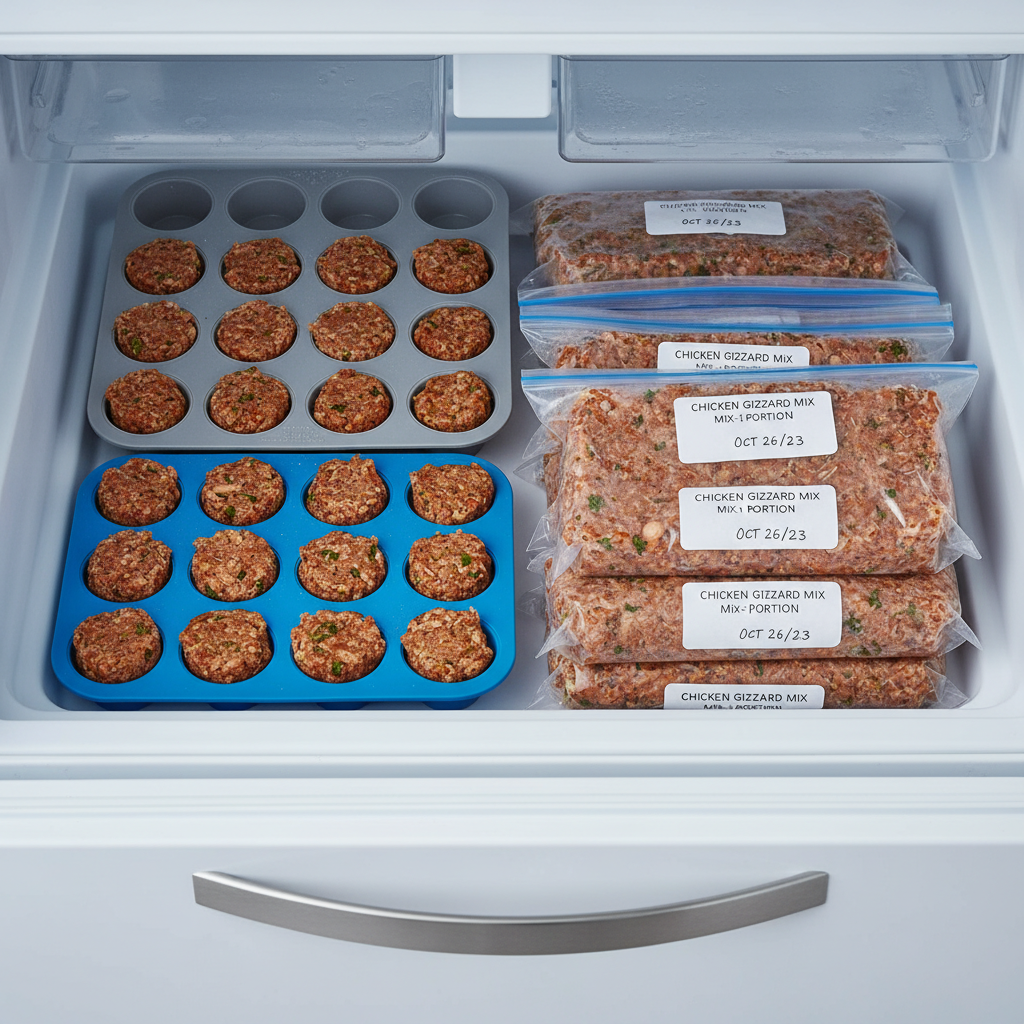
To maximize the cost and time-saving benefits, you must master the art of batching and storage. A single 3lb batch of gizzards can provide supplemental meals for a medium-sized dog for over a week.
Portioning for Your Dog
The amount you feed depends on whether you’re using this as a topper or a meal. As a general guideline:
- As a Topper: Add 2-3 tablespoons to their regular kibble.
- As a Supplemental Meal (replacing one meal): Consult your vet for portion sizes, but a common starting point for a 50lb dog is around 1 to 1.5 cups.
Storage Protocol
- Refrigeration: Once cooled, portion the food into airtight containers. It will keep safely in the refrigerator for 3-4 days.
- Freezing (The Hacker’s Choice): For long-term storage, freezing is the best method. Portion the cooled food into freezer-safe zip-top bags or containers. Squeeze out as much air as possible to prevent freezer burn. The food will last for up to 3 months in the freezer.
Insider Secret: Use silicone muffin tins or large ice cube trays to freeze perfect single-serving portions. Once frozen solid, pop the ‘pucks’ out and store them in a large freezer bag. This allows you to thaw exactly what you need each day without defrosting a large container.
Safe Thawing
To serve from frozen, either move a portion from the freezer to the fridge the night before or use the defrost setting on your microwave for a quick meal. Never leave frozen food to thaw on the counter for extended periods, as this can encourage bacterial growth.
Conclusion
You now possess the knowledge to bypass the premium pet food marketing machine and provide your dog with a nutrient-dense, joint-supporting superfood for pennies on the dollar. Slow-cooked chicken gizzards are more than just a cheap meal; they are a strategic tool in your canine nutrition arsenal. By taking a hands-on approach, you gain ultimate control over the quality of ingredients, eliminate harmful fillers, and directly contribute to your dog’s long-term health and vitality.
Remember the core principles: this is a powerful supplement, not a standalone diet without professional formulation. Always operate with a safety-first mindset and maintain an open dialogue with your veterinarian. Welcome to the world of the Canine Nutrition Hacker—where smart choices, not expensive labels, define a truly premium diet.