Camel Meat for Dogs: A Hypoallergenic Powerhouse
Stop the endless cycle of vet visits, prescription diets, and mystery ailments. If your dog is plagued by incessant scratching, hot spots, chronic ear infections, or digestive upset, the culprit is very likely hiding in plain sight: their food bowl. The commercial pet food industry has conditioned us to accept a narrow range of proteins—chicken, beef, and lamb—as standard. The result? Widespread overexposure has turned these once-staple ingredients into primary triggers for a host of immune-related problems.
As The Canine Nutrition Hacker, I don’t follow trends; I follow results. The solution isn’t another overpriced, over-marketed ‘sensitive skin’ formula packed with the same old ingredients. The solution is to outsmart the problem. This requires a strategic pivot to a truly novel protein—one your dog’s immune system has never encountered and therefore has no reason to attack. Enter the undisputed, under-the-radar champion in this arena: camel meat.
This guide is your deep-dive into why camel meat isn’t just an alternative; for many dogs, it’s the answer. We will dissect its nutritional profile, compare it forensically to common allergens, and provide an actionable protocol for introducing it safely and effectively. It’s time to stop managing symptoms and start solving the problem at its source.
MEDICAL DISCLAIMER: I am a canine nutrition analyst, not a veterinarian. The information in this article is for educational purposes only and is based on extensive research and experience. Always consult with a qualified veterinarian or a board-certified veterinary nutritionist before making significant changes to your dog’s diet, especially if your dog has pre-existing health conditions.
The Allergy Epidemic: Why Your Dog’s ‘Premium’ Food Might Be the Problem

The label says ‘premium,’ ‘natural,’ or even ‘grain-free.’ You’re paying a high price, so you assume you’re buying the best. Yet, the allergic reactions persist. The truth is, marketing language is meaningless without a forensic examination of the ingredient panel. The problem isn’t always about quality; it’s about molecular identity. A dog’s immune system can, over time, flag a specific protein molecule as a foreign invader, launching an inflammatory attack every time it’s consumed. This is a food sensitivity, and it’s rampant.
The Usual Suspects: Top Dietary Enemy Ingredients
Years of industry dominance have led to the over-saturation of a few key protein and filler ingredients in the vast majority of commercial dog foods. This constant exposure is the primary driver behind acquired food allergies.
- Chicken: The single most common allergen in canine diets. It’s inexpensive and plentiful, so it’s used everywhere from kibble and wet food to treats. This ubiquity is its downfall.
- Beef: Another top offender. While a quality protein, its molecular structure is a frequent trigger for dogs who have developed sensitivities.
- Dairy & Eggs: Often used as binders or protein boosters, they are common culprits for both digestive upset and skin inflammation.
- Soy: A cheap, plant-based protein filler that offers poor bioavailability for dogs and is a well-documented allergen. If you see ‘soybean meal’ or ‘soy protein concentrate,’ it’s a red flag.
- Corn & Wheat Gluten: These are not just fillers; they are low-cost binders and protein sources that provide minimal nutritional value and are frequent triggers for allergic reactions. They are classic signs of a cost-cutting formula.
Hacker Tip: Don’t be fooled by the ‘hydrolyzed’ protein trick. While hydrolyzing (breaking down) proteins can sometimes reduce their allergenicity, it’s often a band-aid solution used on low-quality ingredients like soy or chicken feathers. A truly hypoallergenic diet doesn’t need to rely on chemical tricks; it uses inherently non-allergenic ingredients.
The constant, low-grade inflammation caused by these ingredients can manifest in numerous ways: itchy paws, red-stained skin from licking, recurrent ear infections, loose stools, and general lethargy. By continuing to feed these common proteins, you are unknowingly keeping your dog in a state of chronic immune system activation.
Unlocking the Power of Novel Proteins: Camel as the Ultimate Hero Ingredient
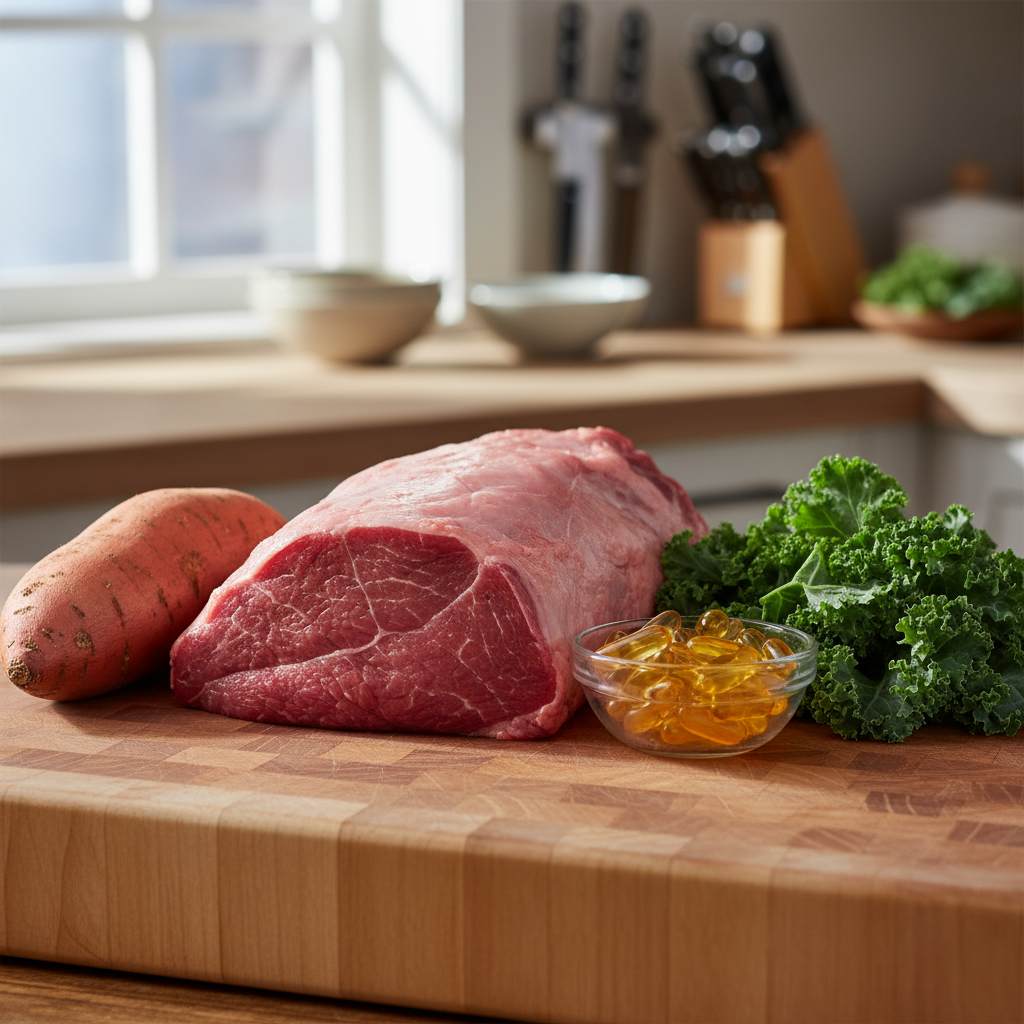
The core principle of an elimination diet is to introduce a ‘novel’ ingredient—one the body has never processed before. For years, this meant turning to proteins like duck, venison, or bison. But as these became more mainstream, their ‘novelty’ diminished. To achieve a true system reset, we must go further. Camel is, for the vast majority of dogs, the ultimate novel protein.
Because it is almost never used in commercial pet foods, there is virtually zero chance your dog’s immune system has been pre-sensitized to it. This provides a clean slate, allowing an inflamed gut and over-stimulated immune system to finally calm down. But its benefits extend far beyond mere novelty.
The Nutritional Profile of a Powerhouse
Camel meat is not a gimmick; it is a nutritional juggernaut that stands on its own merits.
- Extremely Lean: Camel is exceptionally low in fat, particularly intramuscular fat. This makes it an outstanding choice for dogs requiring weight management or those prone to pancreatitis.
- High in Protein: It boasts a protein content comparable to beef but without the associated allergenic risk or high fat content.
- Rich in Iron and Vitamin B12: It contains significantly more iron than beef, crucial for energy production and healthy red blood cells. It’s also packed with B vitamins, essential for neurological function and metabolism.
- Naturally Hypoallergenic: Its unique protein structure is so different from common meats that it bypasses the immune triggers that cause reactions in sensitive dogs.
- Sustainable Source: In many parts of the world, camels are raised in arid environments with a lower ecological footprint than cattle, making it a more sustainable red meat option.
By introducing camel, you are not just removing a problem; you are adding a superior nutritional solution. It provides the building blocks for a healthy coat, strong muscles, and robust energy levels, all while giving your dog’s immune system a much-needed rest.
Forensic Nutrition: A Head-to-Head Analysis of Camel vs. Common Proteins

Talk is cheap. Let’s look at the data. When we strip away the marketing and analyze the nutritional facts, the superiority of camel meat for a hypoallergenic diet becomes undeniable. Below is a direct comparison based on approximate values per 100g of raw, lean meat. This forensic breakdown illustrates why a simple protein switch can have such a profound impact.
| Nutritional Metric | Camel Meat | Chicken Breast (Skinless) | Beef (Lean Sirloin) |
|---|---|---|---|
| Allergenicity Potential | Extremely Low (Truly Novel) | Very High (Most Common Allergen) | High (Second Most Common Allergen) |
| Protein (Approx.) | ~22g | ~23g | ~21g |
| Fat (Approx.) | ~1.0g – 2.0g | ~3.6g | ~5.0g – 8.0g |
| Iron Content | Very High | Low | High |
| Key Nutrient Highlight | Rich in Vitamin B12, Zinc | Source of Niacin, Selenium | Source of Zinc, Vitamin B6 |
| The Hacker’s Verdict | The ultimate hypoallergenic powerhouse. Ideal for elimination diets, weight management, and dogs with pancreatitis due to its ultra-low fat content. | A good lean protein for non-sensitive dogs, but a primary suspect and enemy ingredient for any dog with allergy symptoms. | A dense source of nutrients but a major allergenic trigger. Its higher fat content can be problematic for some dogs. |
As the table clearly shows, camel meat delivers comparable high-quality protein to beef and chicken but with a fraction of the fat and, most critically, a near-zero allergenicity profile. For a dog suffering from food-related inflammation, switching from a high-allergen, higher-fat protein to an ultra-lean, non-allergenic one like camel is a game-changer.
The Transition Protocol: A Step-by-Step Guide to Introducing Camel Meat

Switching your dog’s primary protein source, especially to something as rich and new as camel, requires a slow, methodical approach to avoid digestive upset. A dog’s gut microbiome is adapted to its current diet; a sudden change can lead to diarrhea or vomiting, which you might mistake for a negative reaction to the new food itself. Follow this protocol precisely for a seamless transition.
The 10-Day Switchover Plan
This schedule is designed for a gradual introduction, allowing the digestive system to adapt. The percentages refer to the total portion of food per meal.
- Days 1-3: 75% Old Food + 25% New Food (Camel). Mix thoroughly. Observe your dog’s stool and energy levels. Stools should remain firm.
- Days 4-6: 50% Old Food + 50% New Food (Camel). You are now at the halfway point. This is a critical stage for monitoring.
- Days 7-9: 25% Old Food + 75% New Food (Camel). Your dog should now be well-adjusted to the new protein.
- Day 10 and Beyond: 100% New Food (Camel). You have successfully completed the transition. Continue to monitor your dog for the next few weeks as the full benefits, such as improved skin and coat, become apparent.
Insider Secret: When first introducing camel, especially if you are using a raw or home-cooked preparation, lightly pan-sear the small 25% portion for the first couple of days. Cooking makes the protein slightly easier to digest initially. You can then transition to feeding it raw (if that is your goal) once your dog is accustomed to it.
During this entire process, do not introduce any other new foods, treats, or supplements. You need a clean, controlled environment to accurately assess your dog’s response to the camel meat. If at any point your dog experiences significant digestive upset, revert to the previous ratio for an extra day or two before proceeding.
Sourcing and Preparation: Your Guide to Finding and Using Camel Meat
Given its novelty, you won’t find camel meat in the pet aisle of your local supermarket. Sourcing high-quality camel requires some strategic effort, but the payoff for your dog’s health is immense. You generally have two paths: purchasing a commercial pre-made food or sourcing the meat for DIY meals.
Commercial Camel Meat Diets
A growing number of boutique and veterinary diet brands now offer camel-based formulas. These come in several forms:
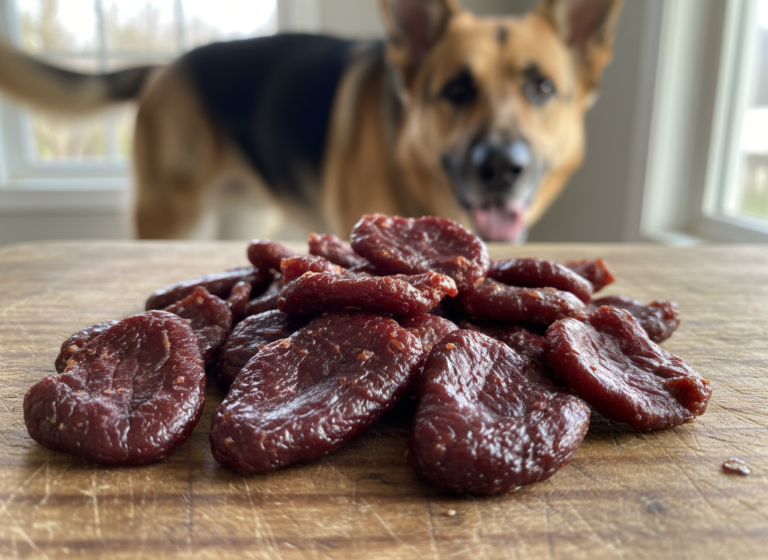
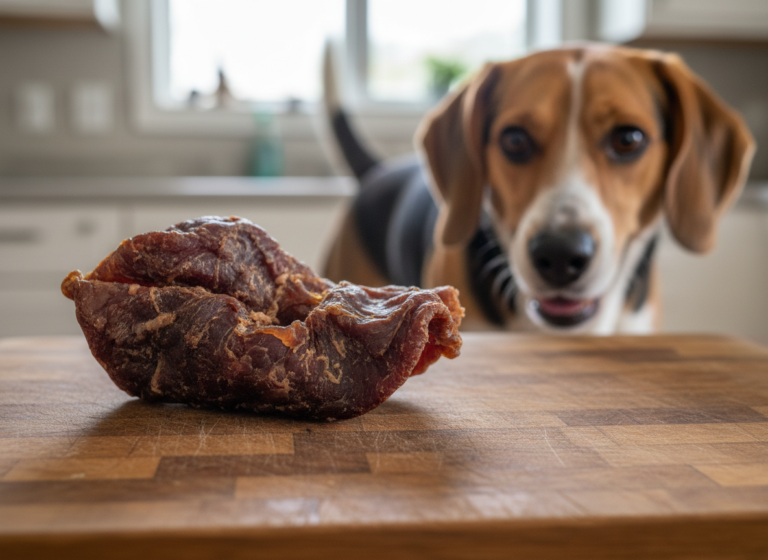
- Air-Dried or Dehydrated: These foods offer the nutritional benefits of raw meat with the convenience of kibble. They are shelf-stable and excellent for travel.
- Canned/Wet Food: Often a simple formula of camel meat, broth, and a few binders or vegetables. Excellent for palatability and adding hydration.
- Pre-made Raw Formulas: These are balanced grinds that often include ground bone for calcium and organ meats for essential nutrients. They are the most convenient way to feed a raw camel diet.
When choosing a commercial option, apply the same forensic scrutiny to the label. Ensure camel is the first ingredient and that the formula is free of common fillers and allergens like grains, soy, or chicken fat.
The DIY Approach: Sourcing and Cost
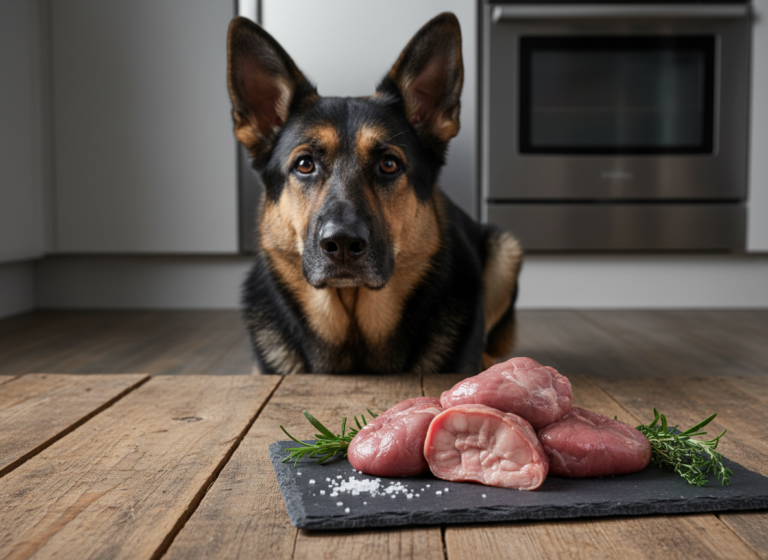
For the ultimate control over your dog’s intake, sourcing raw camel meat is the superior option. Look for suppliers that specialize in exotic meats for pet consumption.
- Online Raw Pet Food Suppliers: This is your most reliable source. They often sell camel in various forms like chunks, ground meat, or organ blends.
- Specialty Butchers: Some butchers catering to human consumption of exotic meats can be a source, but ensure the meat is free from seasonings or additives.
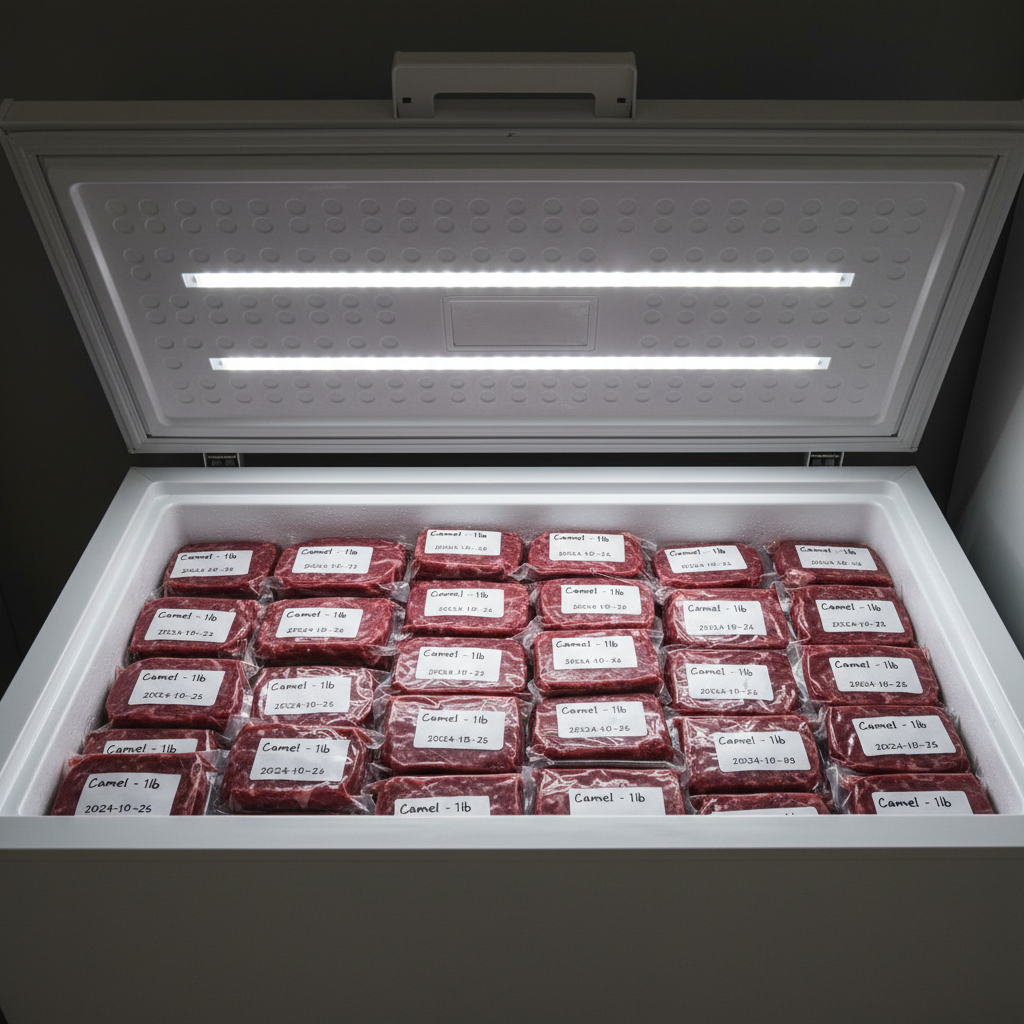
Hacker Tip: The biggest cost savings come from buying in bulk. Many online suppliers offer significant discounts on orders over 20 or 30 pounds. Invest in a chest freezer, and portion the meat into daily servings in vacuum-sealed bags or reusable containers. This reduces the per-pound cost dramatically, often making it competitive with super-premium kibbles.
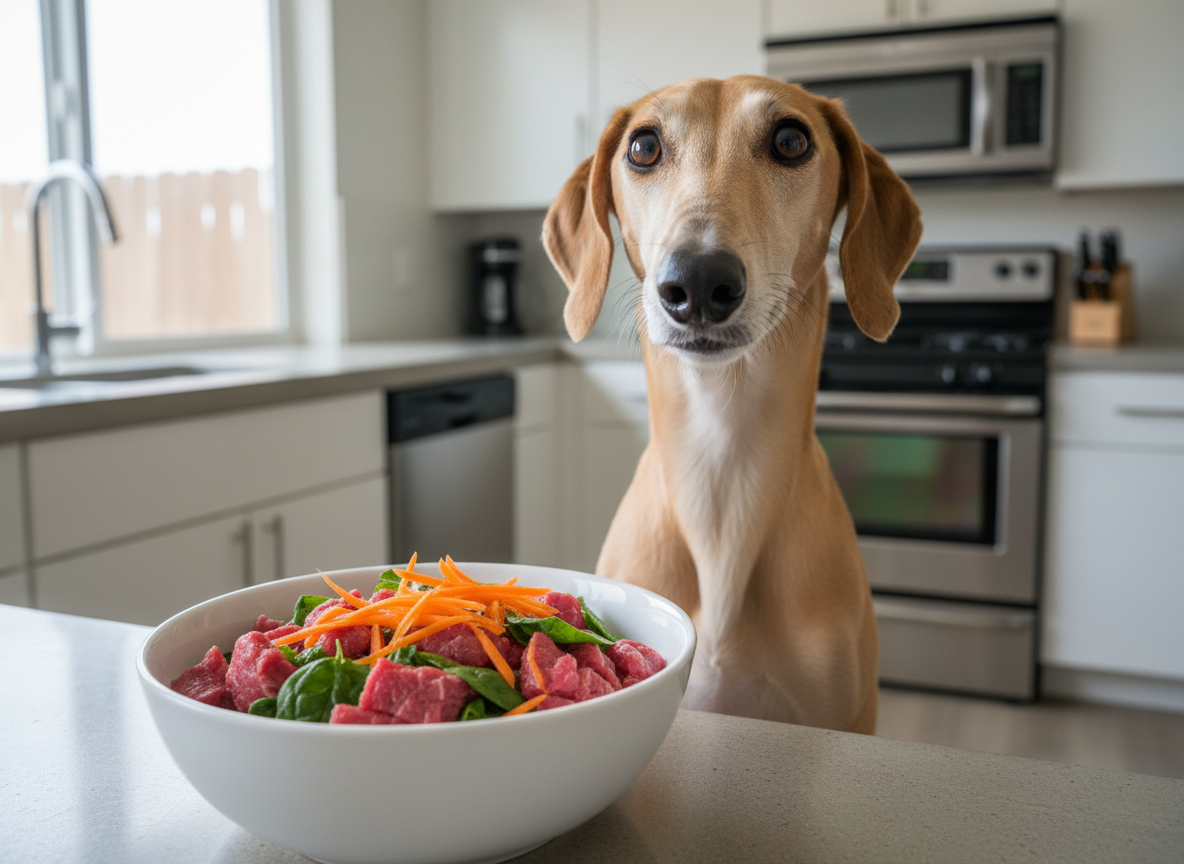
If preparing a homemade diet, remember that meat alone is not a complete meal. You must work with a veterinary nutritionist to ensure you are adding the correct balance of calcium, essential fatty acids, vitamins, and minerals. A common starting ratio for a homemade diet is roughly 80% muscle meat, 10% edible bone, and 10% organ meat, but this requires professional guidance to perfect.
Conclusion
The path to resolving your dog’s chronic food sensitivities is not paved with more medications or marketing gimmicks. It is paved with intelligent, strategic nutritional choices. Removing the inflammatory ‘enemy ingredients’ is the critical first step, but true, lasting success is found by introducing a powerful, clean, and genuinely novel protein source. Camel meat is, without question, one of the most effective tools in the Canine Nutrition Hacker’s arsenal.
Its unique combination of being an ultra-lean, nutrient-dense, and truly novel protein makes it the perfect solution for resetting a compromised immune system. By taking control, analyzing ingredients like a professional, and making a decisive switch, you can move beyond simply managing symptoms and begin to build a foundation of robust, vibrant health for your dog from the inside out. Don’t just change your dog’s food; upgrade their entire operating system.