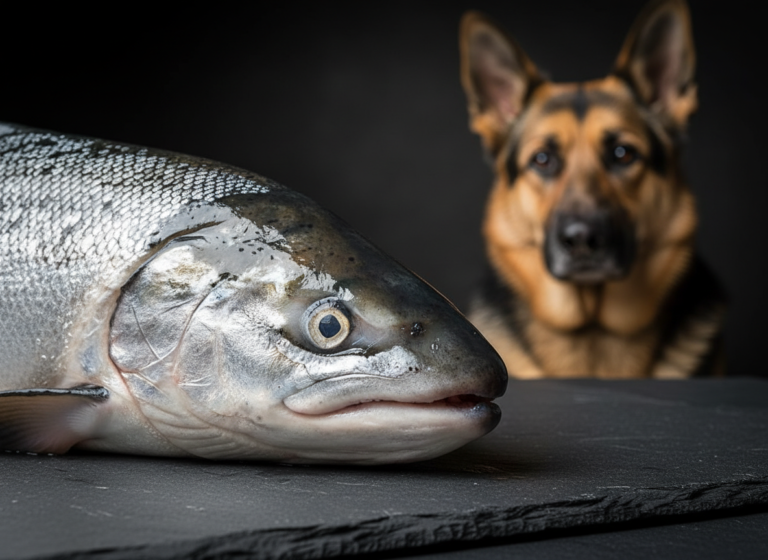

Can Dogs Eat Black Mussels? Seafood Safety Guide
In the world of canine nutrition, we’re constantly on the hunt for the next ‘superfood’ that can give our dogs a health advantage. We’ve seen the rise of blueberries, kale, and pumpkin, but there’s a powerful contender from the sea that often gets overlooked: the black mussel. You’ve seen them on restaurant menus, but the question is, can they be a safe and effective part of your dog’s diet? The answer is a resounding yes—but only if you follow a precise protocol. Feeding mussels incorrectly can lead to serious health issues. This guide isn’t about cute pet food trends; it’s a forensic breakdown of the nutritional science, the non-negotiable safety rules, and the economic advantage of using this potent food source. As the Canine Nutrition Hacker, I’m here to give you the insider knowledge to leverage the power of mussels safely and effectively, turning your dog’s food bowl into a source of therapeutic nutrition.
The Nutritional Powerhouse: Deconstructing the Mussel
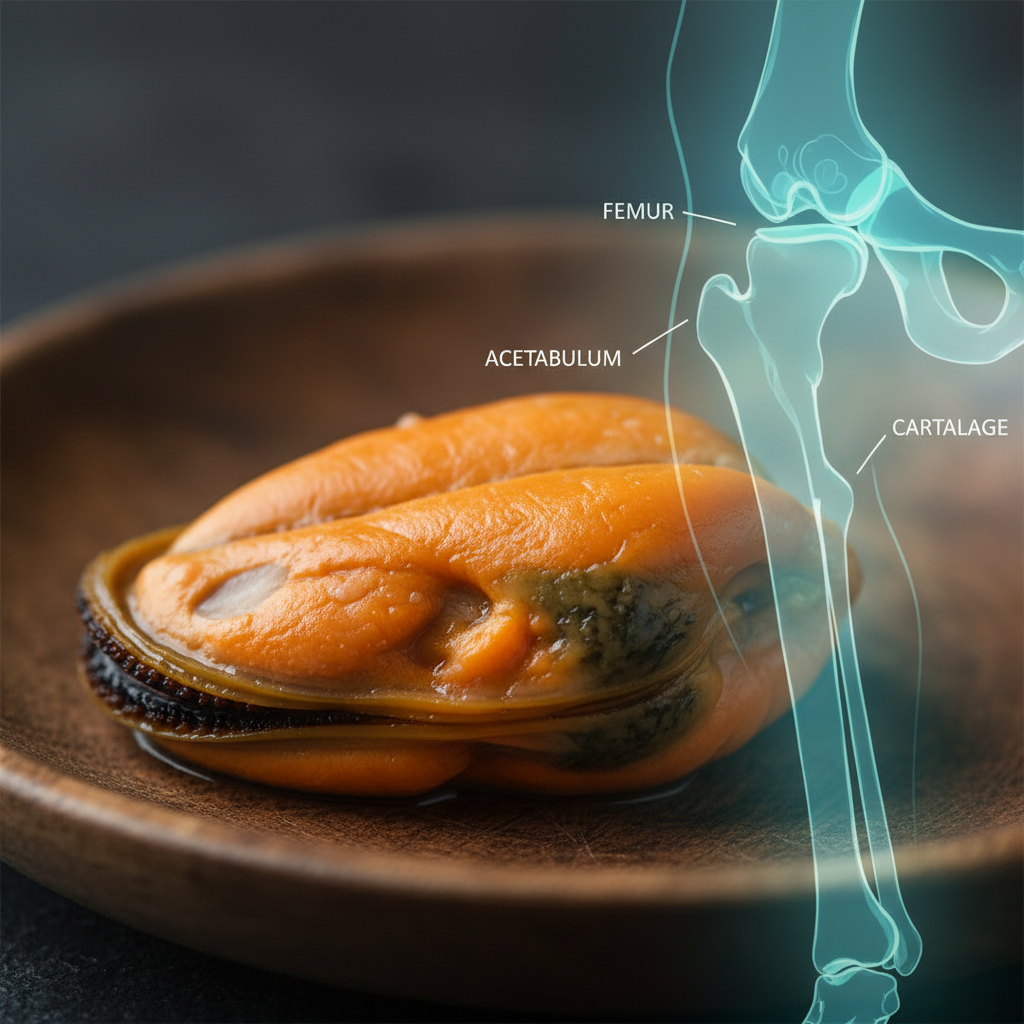
Before we add anything to our dog’s diet, we must analyze its components like a forensic scientist. A black mussel isn’t just a tasty morsel; it’s a biological treasure chest of high-impact nutrients that commercial supplements try to replicate, often with less success. Let’s dissect the key compounds that make mussels a top-tier addition for canine health.
Natural Source of Glucosamine and Chondroitin
This is the headline benefit. You likely spend a significant amount on joint supplements containing glucosamine and chondroitin to manage arthritis or protect your dog’s joints. Mussels are one of nature’s richest sources of these compounds. Unlike synthesized versions found in pills and powders, the nutrients in mussels are in a natural, whole-food form. This means they are often more bioavailable—the body can recognize, absorb, and utilize them more efficiently. Providing these compounds through diet can help maintain the cartilage in your dog’s joints, reduce the pain and inflammation associated with arthritis, and improve overall mobility, especially in senior dogs and breeds prone to hip dysplasia.
Potent Omega-3 Fatty Acids (EPA & DHA)
While fish oil is the go-to for Omega-3s, mussels, particularly the green-lipped variety’s cousin, the black mussel, are an exceptional source. They are rich in Eicosapentaenoic Acid (EPA) and Docosahexaenoic Acid (DHA). These aren’t just fancy acronyms; they are powerful anti-inflammatory agents. Chronic inflammation is the root cause of many canine diseases, from skin allergies and itchy coats to more severe conditions like heart disease and certain cancers. A regular, controlled intake of these Omega-3s can lead to a visibly glossier coat, reduced shedding, less scratching, and crucial support for cognitive and cardiovascular health.
A Symphony of Essential Vitamins and Minerals
Beyond the star players, mussels are packed with a supporting cast of micronutrients vital for your dog’s bodily functions:
- Vitamin B12: Crucial for brain and nervous system function, as well as the formation of red blood cells.
- Iron: A key component of hemoglobin, which carries oxygen in the blood. An iron deficiency can lead to anemia and lethargy.
- Zinc: Essential for a healthy immune system, proper thyroid function, and maintaining healthy skin and coat.
- Selenium: A powerful antioxidant that protects cells from damage and plays a role in immune and thyroid health.
By providing these nutrients from a whole food source, you ensure a synergistic effect that isolated, synthetic vitamins in processed foods can’t always match.
The Non-Negotiable Safety Protocol: How to Serve Mussels Without Risk

Understanding the benefits is easy. Executing the preparation safely is where most owners fail. This is not a place for shortcuts or guesswork. Follow this protocol to the letter to eliminate the risks associated with shellfish.
Sourcing is Everything: The Contaminant Risk
Mussels are filter feeders, meaning they absorb whatever is in their environment. This can include harmful toxins and heavy metals like mercury and lead if they are harvested from polluted waters. Rule #1: Only purchase mussels intended for human consumption from reputable sources like a trusted grocery store or fishmonger. Never harvest them yourself unless you are an expert and certain the water is unpolluted. Avoid ‘pet grade’ shellfish entirely, as the standards are often dangerously lower.
The Cardinal Rule: ALWAYS COOKED
Let me be unequivocal: NEVER feed your dog raw mussels. Raw shellfish can harbor dangerous bacteria, including Salmonella, Listeria, and Vibrio, which can cause severe gastrointestinal distress, vomiting, diarrhea, and potentially life-threatening illness. The cooking process kills these harmful pathogens.
Preparation is Paramount: The Step-by-Step Hacker’s Method
Forget your gourmet instincts. Preparing mussels for your dog is about safety, not flavor. Any ingredients you’d use for yourself—garlic, onions, wine, butter, salt—are toxic or unhealthy for your dog.
- Inspect: Discard any mussels with broken shells or any that are open and do not close when tapped. These are dead and unsafe to eat.
- Clean: Scrub the shells under cold running water to remove any barnacles or debris. If present, pull off the fibrous ‘beard’ (byssal threads) that protrudes from the shell.
- Steam: Place the cleaned mussels in a pot with a small amount of plain, fresh water (about an inch). Bring to a boil, cover the pot, and reduce the heat. Steam for 5-7 minutes, or until all the shells have opened wide. Discard any mussels that did not open after cooking.
- Cool and Shell: Let the mussels cool completely. Once cool, remove the meat from the shell. WARNING: The shell is a severe choking and internal obstruction hazard. Never give your dog a mussel in its shell.
- Serve: Chop the cooked mussel meat into a size appropriate for your dog and mix it with their regular food.
Portion Control: Dosing for Maximum Benefit
Mussels are a nutrient-dense food, not a meal replacement. Overfeeding can lead to digestive upset. Use them as a supplement or topper. A general guideline is:
- Small Dogs (under 20 lbs): 1 mussel, 2-3 times per week.
- Medium Dogs (20-50 lbs): 2-3 mussels, 2-3 times per week.
- Large Dogs (over 50 lbs): 3-5 mussels, 2-3 times per week.
Start with a smaller amount to ensure your dog tolerates them well.
Red Flags & Contraindications: When to Avoid Mussels

While mussels are a powerful tool, they are not suitable for every dog. A savvy owner knows when to abstain. Pay close attention to these red flags and potential issues.
Shellfish Allergies
Though not as common as allergies to chicken or beef, shellfish allergies can occur in dogs. When you first introduce mussels, give only a tiny amount and monitor your dog closely for the next 24-48 hours. Signs of an allergic reaction include:
- Intense itching and scratching
- Hives or red skin patches
- Facial swelling (lips, eyelids)
- Vomiting or diarrhea
- Ear infections
If you notice any of these signs, stop feeding mussels immediately and consult your veterinarian.
Pre-Existing Health Conditions
Due to their mineral and protein content, mussels may not be appropriate for dogs with certain health issues. It is critical to consult your veterinarian before adding mussels to the diet of a dog with:
- Kidney Disease: Mussels are relatively high in phosphorus, which can be difficult for compromised kidneys to process.
- Liver Disease: The protein and copper content may need to be carefully managed in dogs with liver shunts or other hepatic conditions.
The Dangers of Prepared Mussels
Never, under any circumstances, feed your dog mussels prepared for humans from a can, jar, or pouch. These products are almost always preserved in oil, brine (high salt), or sauces containing harmful ingredients like garlic, onions, and excessive spices. The sodium content alone can be dangerous, potentially leading to salt toxicity. Stick to fresh or frozen plain mussels that you prepare yourself.
Insider Secret: Many owners see ‘smoked mussels’ and think they are a safe treat. This is a trap. Smoked products are exceptionally high in sodium, which can disrupt your dog’s electrolyte balance and is particularly dangerous for dogs with cardiac conditions. Avoid them entirely.
Mussels vs. The Supplement Aisle: A Cost & Efficacy Breakdown
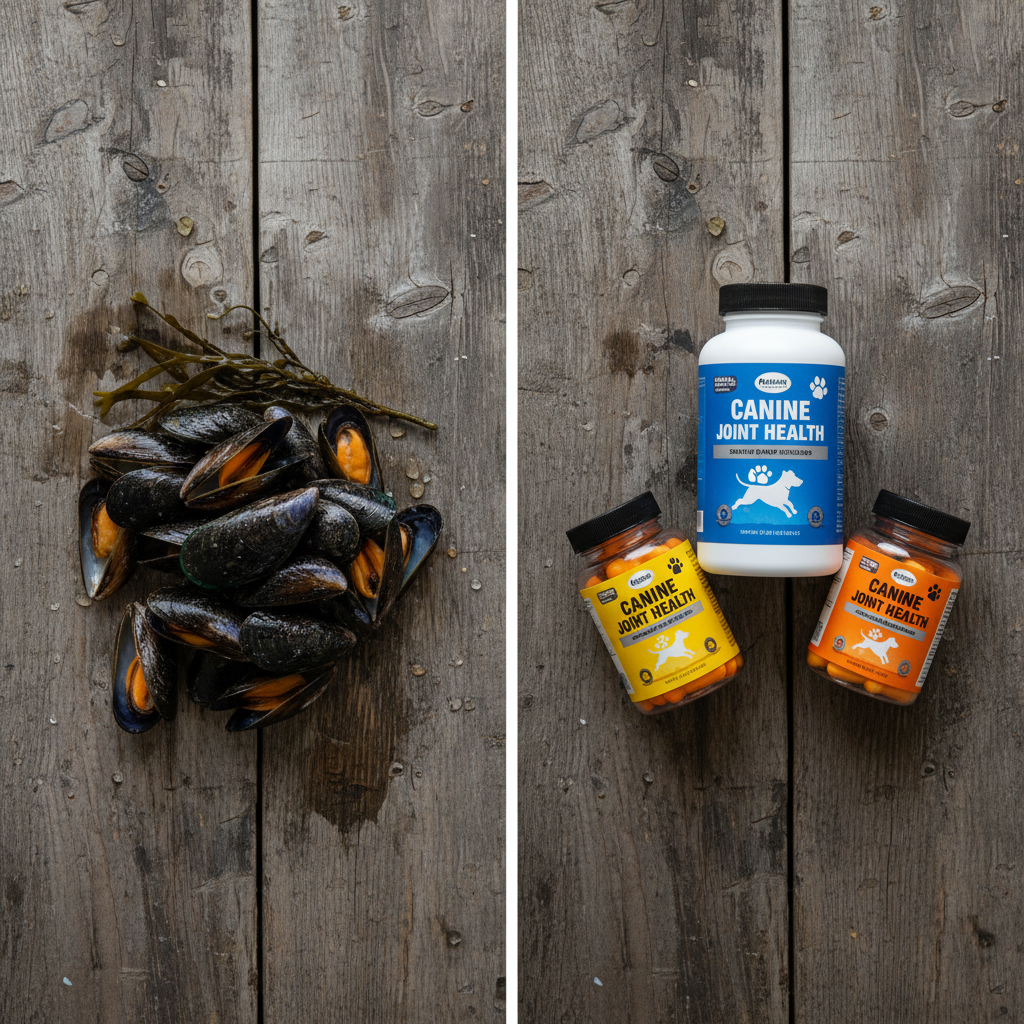
Now for the hacker’s analysis. Is it more effective and economical to use a whole food like mussels instead of buying expensive, formulated joint supplements? Let’s break down the data. Commercial supplements are a multi-billion dollar industry, but they often rely on marketing more than metabolic reality. The body is designed to derive nutrients from food, not from isolated chemicals pressed into a chewable tablet.
The primary advantage of a whole food source is nutrient synergy. The glucosamine, chondroitin, omega-3s, vitamins, and minerals in a mussel work together. This synergistic effect can enhance the absorption and utility of each individual nutrient, an effect that is difficult to replicate in a lab. While supplements provide a measured, concentrated dose, their bioavailability can be questionable and varies wildly between brands.
Let’s look at a practical cost comparison for a 50lb dog needing joint support:
| Metric | Fresh Black Mussels | Mid-Range Joint Supplement |
|---|---|---|
| Primary Active Ingredients | Glucosamine, Chondroitin, Omega-3s, Zinc, Selenium, B12 | Glucosamine HCl, Chondroitin Sulfate, MSM |
| Source | Whole Food (High Bioavailability) | Synthesized/Extracted (Variable Bioavailability) |
| Approx. Monthly Cost | $10 – $15 (serving 3 mussels, 3x/week) | $25 – $40 |
| Additional Benefits | Anti-inflammatory, improved skin/coat, immune support | Primarily focused on joints, may include some anti-inflammatories |
| The Hacker’s Verdict | Superior. More cost-effective with broader nutritional benefits and higher likely bioavailability. Requires preparation effort. | Convenient but Costly. Offers a standardized dose but lacks the synergistic benefits of a whole food and is more expensive. |
As the table clearly shows, incorporating fresh mussels is not only lighter on your wallet but also provides a more holistic nutritional benefit. The small amount of time spent on preparation is a worthwhile investment for the superior quality of nutrition you are providing.
Insider Secret: The most heavily researched mussel for joint health is the New Zealand Green-Lipped Mussel (Perna canaliculus). It is often sold in a powdered supplement form. While highly effective, fresh black mussels (Mytilus edulis) offer very similar glycosaminoglycans (the compounds that support joints) and are far more accessible and affordable for use as a whole food. For routine support, the black mussel is the smarter, more economical choice.
Conclusion
The verdict is in: black mussels are a certified canine superfood. When stripped of the marketing hype and analyzed for their core nutritional components, they offer a potent, bioavailable, and cost-effective method for supporting your dog’s joint health, reducing inflammation, and improving their skin and coat. However, this power comes with responsibility. The ‘hacker’s way’ is not about being reckless; it’s about being smarter. The safety protocol is not a suggestion—it’s a set of hard and fast rules. Source carefully, always cook thoroughly, serve plain, and never, ever include the shell. By following these critical steps, you can move beyond generic kibble and expensive supplements, leveraging the power of whole-food nutrition to give your dog a tangible health advantage. You are now equipped with the insider knowledge to do it safely and effectively.