Can Dogs Eat Cooked Shrimp Tails? Safety and Risks Explained
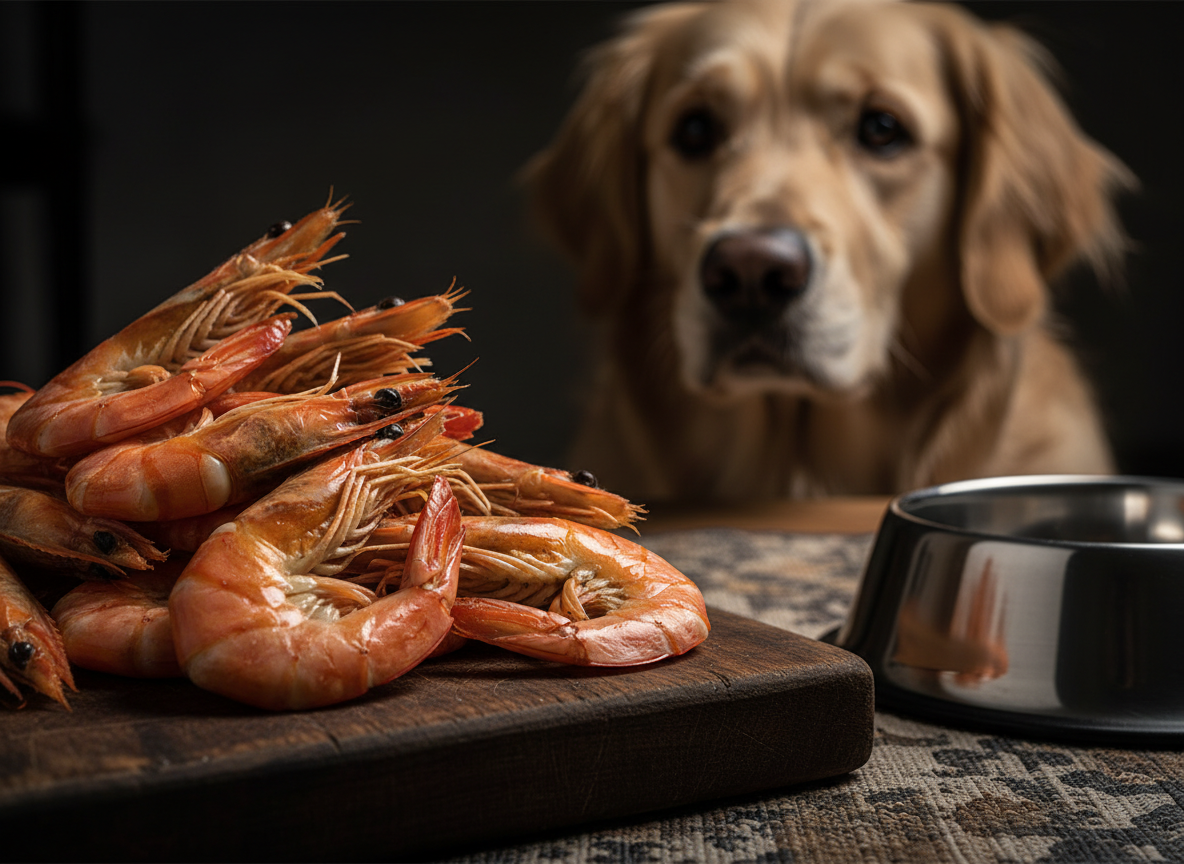
You’ve just finished a delicious shrimp scampi dinner. As you’re clearing the plates, your loyal canine companion looks up at you with those pleading eyes, nose twitching at the lingering seafood aroma. You glance at the small pile of leftover shrimp tails. It seems harmless enough, right? A crunchy little treat? This is a scenario that plays out in thousands of homes, but the decision made in this moment can have serious consequences.
As the Canine Nutrition Hacker, I don’t deal in vague advice. I analyze ingredients and food items with forensic precision to expose the truth behind what’s safe and what’s a hidden danger. When it comes to shrimp tails, the internet is filled with conflicting, watered-down answers. Let’s cut through the noise. The professional, authoritative answer is an unequivocal no, dogs should not eat shrimp tails. This article will dissect the ‘why’—breaking down the severe mechanical risks, the complete lack of nutritional value, and the smarter, safer alternatives you can offer your pet.
The Forensic Analysis: Deconstructing the Shrimp Tail
What Are You Actually Feeding Your Dog?
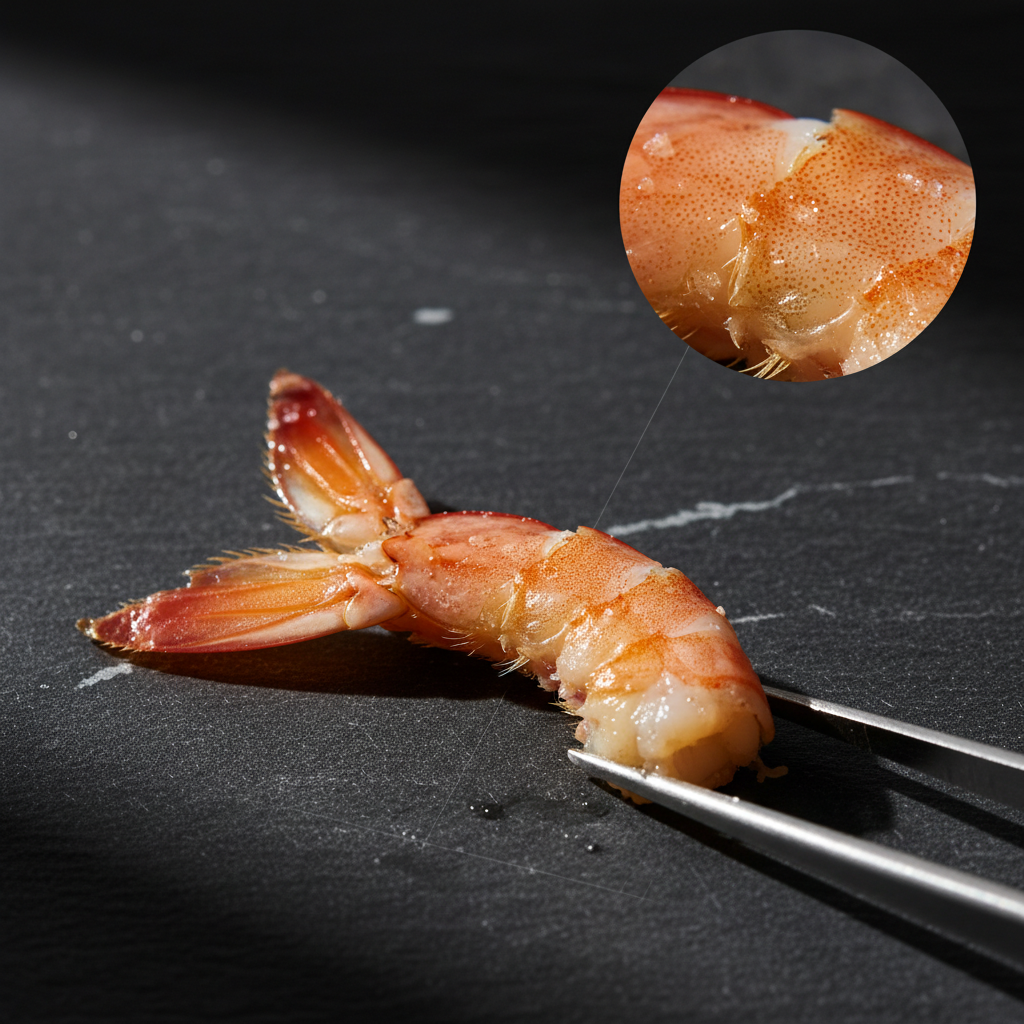
Before we can assess the risk, we must understand the material. A shrimp tail is not meat. It’s not a source of protein or beneficial nutrients in any meaningful way. It is the terminal section of the shrimp’s exoskeleton, a rigid, armor-like covering. The primary component of this exoskeleton is chitin.
Chitin is a complex polysaccharide, a fibrous substance that is structurally similar to keratin (the stuff that makes up hair and nails). While some animals have the enzyme chitinase to break it down, dogs produce it in very limited quantities, if at all. For all practical purposes, chitin is indigestible for canines. Feeding your dog a shrimp tail is functionally equivalent to feeding them a piece of a plastic toy, a wood chip, or a fingernail clipping. It’s foreign material that the digestive system is not equipped to handle.
Texture and Composition: A Recipe for Disaster
When cooked, the shrimp tail becomes even more hazardous. The heating process makes it brittle and prone to shattering into sharp, jagged pieces. These pieces have no nutritional value and serve only as indigestible, abrasive bulk moving through your dog’s sensitive gastrointestinal tract. Unlike a piece of meat that softens and breaks down, the shrimp tail remains largely intact, posing a series of mechanical threats from the moment it enters your dog’s mouth.
Insider Secret: Many commercial pet food manufacturers use ‘shrimp meal’ as an ingredient. This is not the same as whole shrimp tails. Shrimp meal is created by drying and grinding the shells and other waste parts. The grinding process reduces the particle size to a fine powder, eliminating the choking and perforation risks associated with whole tails. Do not mistake the safety of a processed meal for the safety of a whole, cooked tail.
The Red Flags: A Breakdown of the Primary Dangers
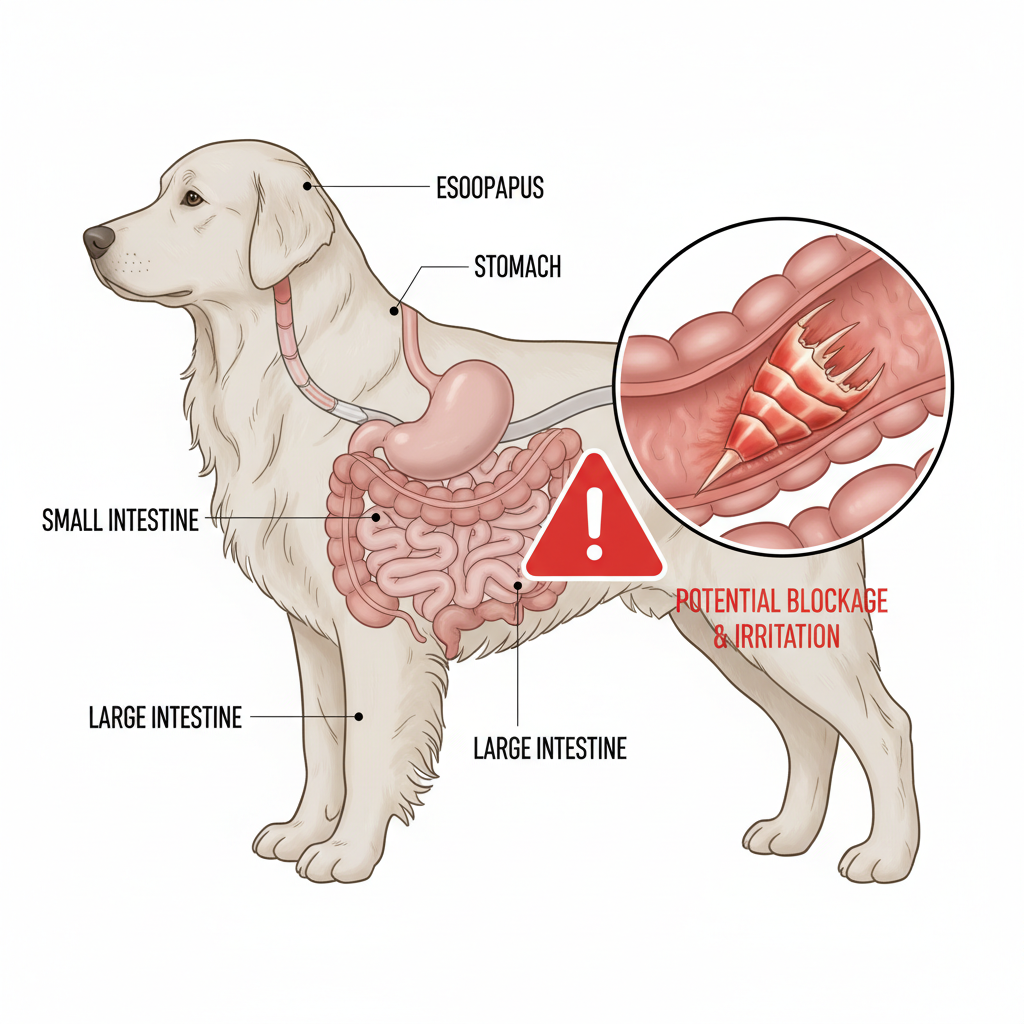
The risks associated with shrimp tails are not toxicological; they are mechanical. The danger lies in their physical properties and their inability to be digested. Here is a professional breakdown of the three primary threats to your dog’s health.
Threat #1: Acute Choking Hazard
This is the most immediate and life-threatening risk. The size and awkward, curved shape of a shrimp tail make it a perfect plug for a dog’s airway. An eager dog, especially a small or medium-sized breed, can easily gulp a tail down without chewing, causing it to become lodged in the esophagus or trachea. Signs of choking include:
- Frantic pawing at the mouth
- Gagging, retching, or coughing
- Labored or noisy breathing
- Blue-tinged gums or tongue (cyanosis)
- Collapse
A choking incident is a dire veterinary emergency that requires immediate intervention, such as the Heimlich maneuver for dogs, and professional medical help.
Threat #2: Gastrointestinal Obstruction
If the tail makes it past the throat, the danger isn’t over. Because it is indigestible, the shrimp tail—or multiple tails—can clump together with other food material and form a blockage, known as a foreign body obstruction. This is most likely to occur at the narrow junctions of the digestive tract, such as the pylorus (where the stomach empties into the small intestine) or within the small intestine itself. An obstruction prevents food and water from passing through and can cut off blood supply to the intestinal walls, causing tissue to die. This is a painful and life-threatening condition that almost always requires expensive and invasive emergency surgery.
Threat #3: Internal Perforation and Irritation
Even if it doesn’t cause a full blockage, the sharp, brittle nature of a broken shrimp tail poses a significant risk. As these sharp fragments travel through the digestive system, they can scrape, irritate, and even puncture the delicate lining of the esophagus, stomach, or intestines. This can lead to internal bleeding, inflammation (gastritis or enteritis), and potentially a severe infection called peritonitis if the intestinal wall is fully perforated. The symptoms can be subtle at first—a slight loss of appetite or lethargy—but the internal damage can be severe.
Nutritional Value vs. Risk: A Cost-Benefit Analysis
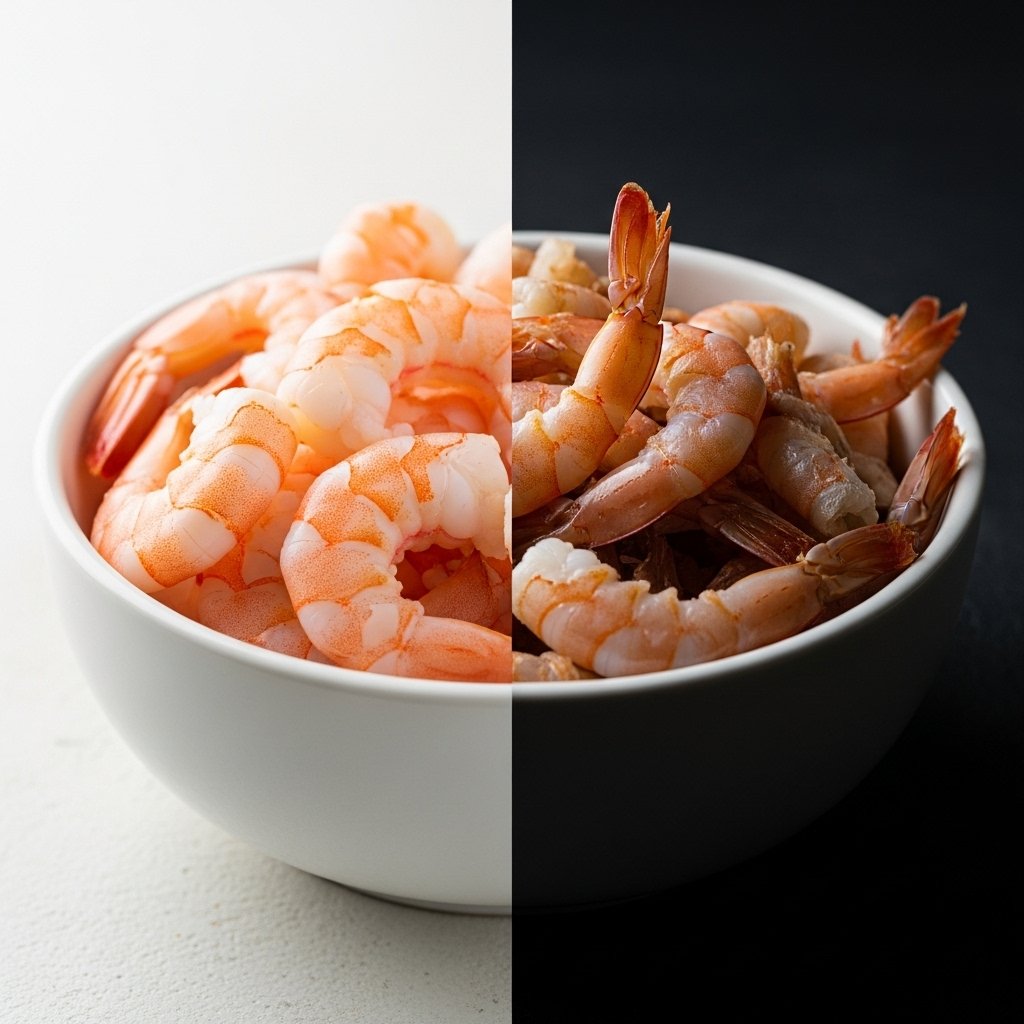
As a nutrition-focused analyst, every food item must be evaluated on a risk-versus-reward basis. For a food to be considered a ‘treat,’ it must offer some nutritional benefit that outweighs any potential negatives. Let’s put the cooked shrimp tail to the test.
The verdict is clear. The shrimp tail fails the cost-benefit analysis spectacularly. It offers zero digestible nutrition while presenting a trifecta of significant health risks. There is no logical or nutritional reason to ever feed one to your dog. The ‘reward’ is non-existent, and the ‘risk’ includes emergency surgery and death.
| Attribute | Cooked Shrimp Meat (Peeled) | Cooked Shrimp Tail (Shell) |
|---|---|---|
| Primary Component | Animal Protein | Chitin (Indigestible Fiber) |
| Protein Digestibility | High (approx. 90%+) | Extremely Low (Negligible) |
| Key Nutrients | Phosphorus, Vitamin B12, Niacin, Omega-3s | None (Nutrients are non-bioavailable) |
| Choking Risk | Low (when appropriately sized) | High |
| Obstruction Risk | Very Low | Moderate to High |
| Perforation Risk | None | Moderate |
| Overall Verdict | Acceptable Treat in Moderation | Dangerous Hazard: AVOID |
The Hacker’s Guide to Safe Seafood Swaps
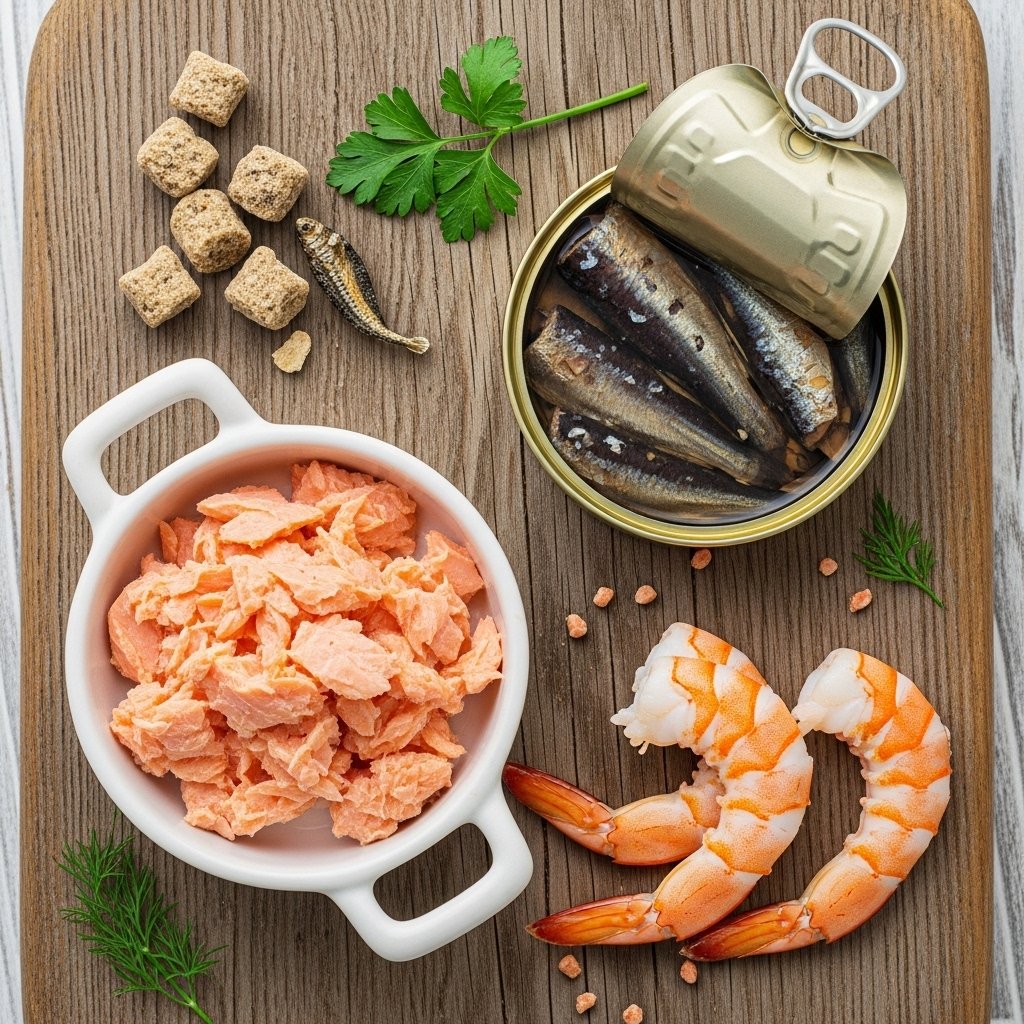
Rejecting shrimp tails doesn’t mean your dog can’t enjoy the benefits of seafood. The key is to make smart, safe, and nutritionally sound choices. If your dog enjoys the taste of fish, here are several hacker-approved alternatives that provide real value without the risk.
- Plain, Cooked, Peeled Shrimp: The most obvious alternative. A few cooked shrimp, completely free of shells, tails, seasoning, butter, garlic, or oils, can be a high-value, low-calorie treat. They are an excellent source of protein and antioxidants.
- Sardines Packed in Water: A nutritional powerhouse. Sardines are loaded with Omega-3 fatty acids (EPA and DHA), which are fantastic for skin, coat, joint, and cognitive health. Always choose sardines packed in water with no added salt.
- Fish Oil Supplements: For a concentrated dose of Omega-3s, a high-quality fish oil (from salmon, pollock, or sardines) is one of the best supplements you can add to your dog’s diet. This provides all the benefits with none of the risks of feeding whole seafood parts.
- Green-Lipped Mussels: This is a ‘hero ingredient’ for any dog, especially seniors or those prone to joint issues. They are a natural source of glucosamine, chondroitin, and unique anti-inflammatory fatty acids. They can be given freeze-dried or powdered.
- Single-Ingredient Fish Treats: Look for commercially available freeze-dried salmon, cod skins, or minnows. These provide a satisfying crunch your dog might crave, but they are fully digestible and safe. Scrutinize the label to ensure there are no artificial preservatives or additives.
Emergency Protocol: What to Do If Your Dog Eats a Shrimp Tail

Even the most vigilant owner can have a moment of distraction. A dropped plate or a quick swipe from the counter, and your dog has ingested a shrimp tail. Panicking won’t help; a clear, calm protocol will.
Step 1: Assess the Situation Immediately
First, determine if the dog is in immediate distress. Are they actively choking? If so, you must act instantly. Familiarize yourself with the canine Heimlich maneuver beforehand. If the dog is breathing normally, try to ascertain how many tails were eaten. One tail is less of a concern for a Great Dane than it is for a Chihuahua.
Step 2: Do NOT Induce Vomiting
This is critical. A sharp shrimp tail can cause as much, or more, damage coming back up as it did going down. Inducing vomiting can cause the tail to become lodged in the esophagus or cause aspiration. Leave this decision to a veterinary professional.
Step 3: Monitor Closely for Symptoms
For the next 48-72 hours, you must be a vigilant observer. Watch for any signs of gastrointestinal distress, which could indicate a blockage or internal irritation. These signs include:
- Vomiting or repeated attempts to vomit
- Lethargy or depression
- Loss of appetite
- Abdominal pain or sensitivity (your dog may yelp or guard their belly)
- Straining to defecate or constipation
- Diarrhea (sometimes liquid can get around a partial obstruction)
Step 4: When to Call the Veterinarian
The safest course of action is always to call your vet or an emergency animal hospital as soon as you know your dog has eaten a shrimp tail. They can provide specific advice based on your dog’s size, breed, and the quantity consumed. You should seek immediate veterinary care if you observe any of the symptoms listed in Step 3, or if your dog is in any obvious pain or distress. It is always better to pay for an exam that reveals nothing is wrong than to wait until a minor issue becomes a life-threatening emergency.
Conclusion
The final analysis is conclusive: cooked shrimp tails are a dangerous foreign object with no place in your dog’s diet. The conversation ends where the risk begins. The potential for choking, intestinal blockages, and internal perforation are not theoretical—they are real-world emergencies that veterinarians treat regularly. As the Canine Nutrition Hacker, my mission is to empower you with the unvarnished facts so you can make the most intelligent decisions for your dog’s health and safety.
The allure of sharing a ‘treat’ from your plate is strong, but true care comes from protecting your dog from harm. Ditch the dangerous kitchen scraps. Instead, invest in one of the many safe, nutritious, and beneficial seafood alternatives available. A smart choice not only prevents a potential tragedy but actively contributes to your dog’s long-term well-being. That is the ultimate nutritional hack.