Can Dogs Eat Lobster? The Richness Risk Explained
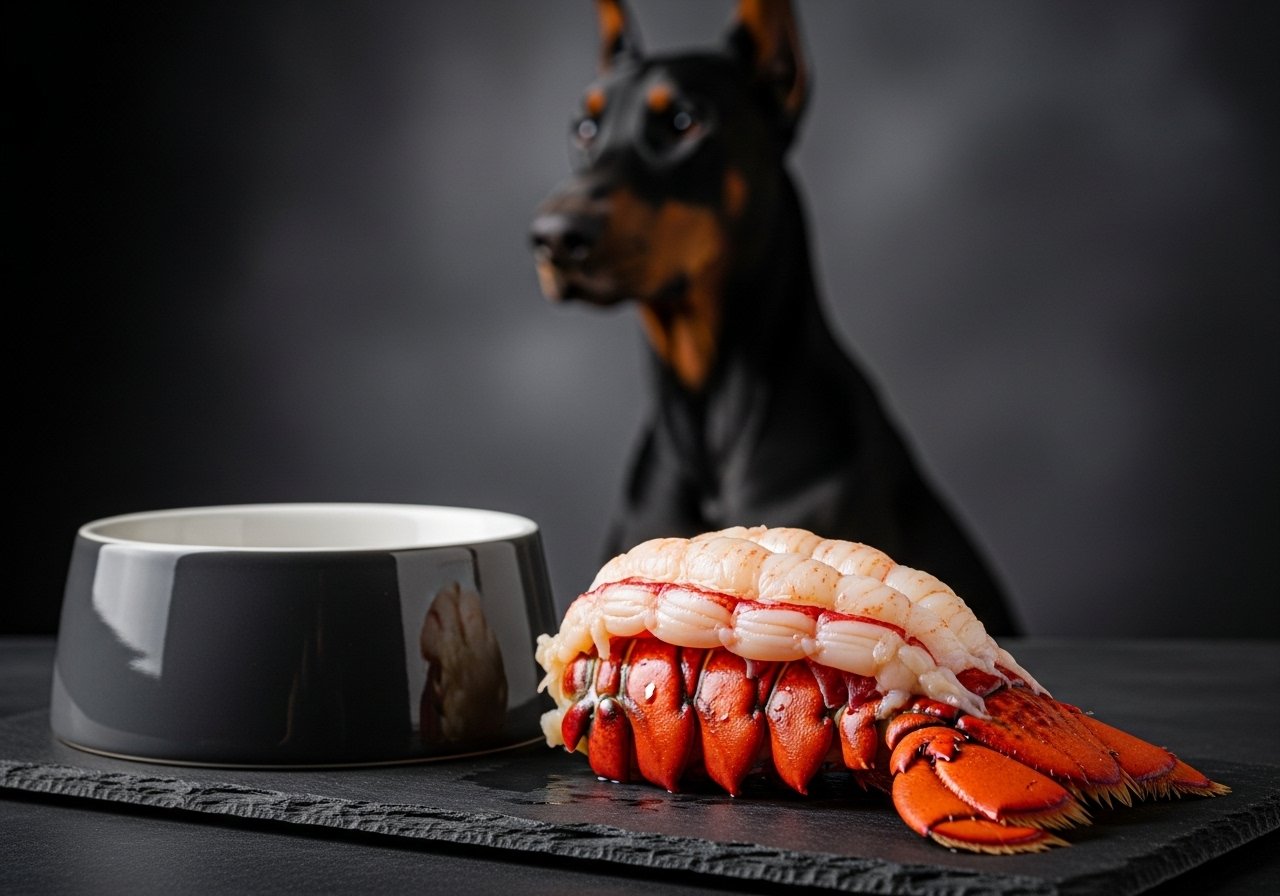
When you’re cracking into a luxurious lobster dinner, it’s natural to look down at your canine companion’s pleading eyes and wonder, ‘Can I share a piece?’ The internet offers a confusing mix of answers, but I’m not here to give you vague advice. I’m The Canine Nutrition Hacker, and my job is to dissect the facts, expose the risks, and give you the unvarnished truth. The short answer is yes, a dog can technically eat lobster. But the real, critical answer is far more complex and fraught with risk.
Feeding your dog lobster isn’t like tossing them a piece of carrot. This is a high-risk treat that sits at the intersection of nutritional benefit and potential medical emergency. The primary danger isn’t poison, but pathology. We’re talking about the ‘Richness Risk’—a term for the cascade of gastrointestinal issues, pancreatitis, and even sodium poisoning that can result from improper feeding. Before you even think about letting a morsel of this crustacean pass your dog’s lips, you need to understand the forensic breakdown of what you’re actually feeding them. Let’s get into it.
The Forensic Breakdown: Deconstructing Lobster for Your Dog
Nutritional Profile: The Good, The Bad, and The Risky
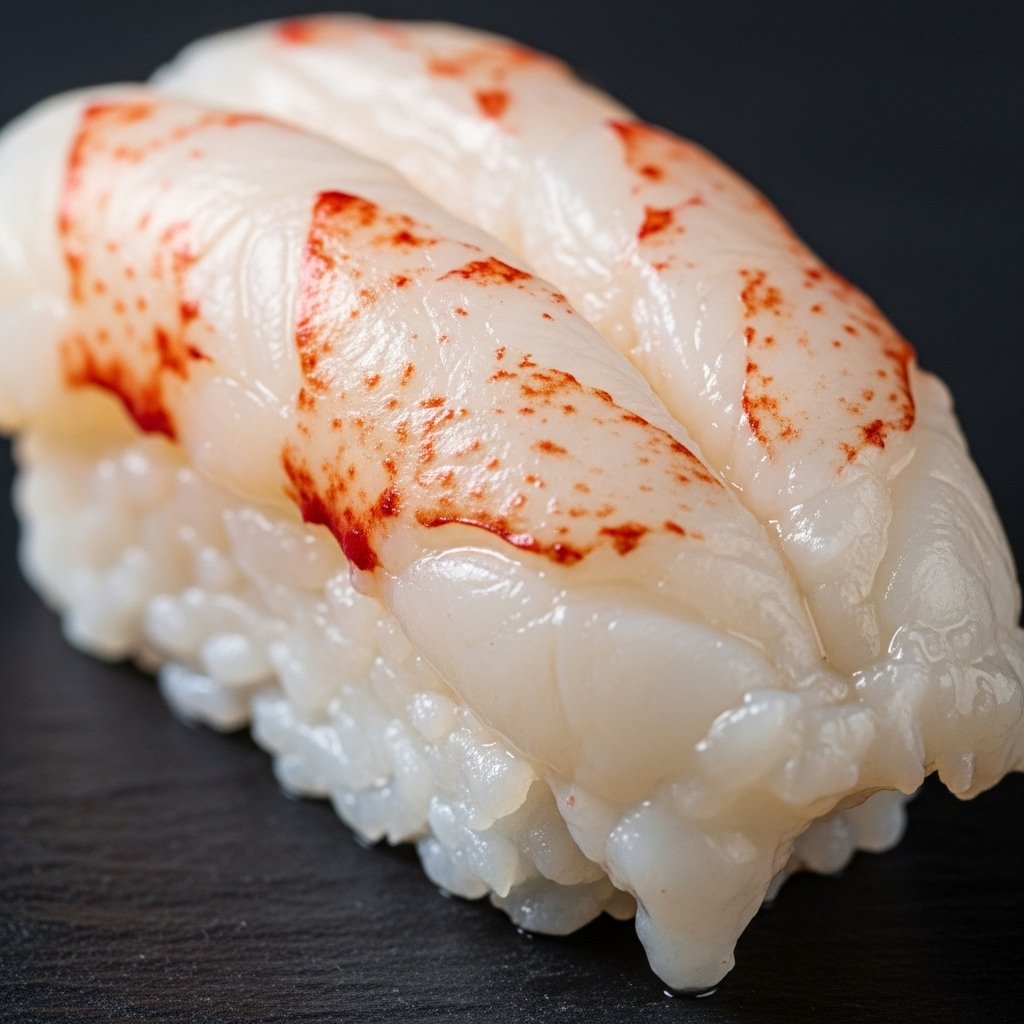
To make an informed decision, you must first analyze the asset. Lobster meat, stripped of its shell and served plain, is not inherently ‘bad.’ It contains beneficial compounds. However, its composition also presents clear and present dangers for a canine digestive system, which is not designed to process this type of marine protein in large, rich quantities.
- The ‘Hero’ Components: At its core, lobster meat is a source of high-quality protein, which is essential for muscle maintenance and repair. It’s also packed with omega-3 fatty acids, known for their anti-inflammatory properties that support skin, coat, and joint health. Furthermore, it contains vital minerals like zinc (for immune function), phosphorus (for bones and teeth), and magnesium (for muscle and nerve function).
- The ‘Enemy’ Components: Here’s where the risk profile escalates. Lobster is naturally high in sodium and cholesterol. While dogs need sodium, the levels in lobster can be excessive, especially for smaller breeds or dogs with pre-existing heart or kidney conditions. The richness, which we will dissect further, is the primary trigger for severe health issues.
Let’s put this under the microscope with a clear, no-nonsense table.
| Nutrient (per 100g cooked lobster) | Approximate Amount | Canine Implication & Risk Analysis |
|---|---|---|
| Protein | ~20g | Benefit: Excellent source for muscle health. |
| Fat | ~1.3g | Risk: Seems low, but it’s a ‘rich’ fat. The danger multiplies exponentially when cooked with butter or oil. This is a primary pancreatitis trigger. |
| Cholesterol | ~125mg | Risk: Significantly high for a dog. Can contribute to long-term health issues if fed regularly. |
| Sodium | ~400-500mg | Risk: Extremely high. A small portion can push a dog over its safe daily sodium limit, risking dehydration and, in severe cases, sodium ion poisoning. |
| Omega-3 Fatty Acids | ~200mg | Benefit: Good for joints, skin, and coat, but safer sources exist (e.g., salmon, sardines). |
Insider Secret: The nutritional data doesn’t tell the whole story. The ‘richness’ of a food isn’t just about the fat percentage; it’s about how a dog’s pancreas reacts to the specific combination of proteins and fats. Lobster is a novel, rich protein that can shock the system, leading to an inflammatory response.
The ‘Richness Risk’: Why Vets Urge Extreme Caution

The single most critical danger of feeding your dog lobster is inducing a bout of acute pancreatitis. This is not a simple upset stomach; it is a painful, potentially fatal medical emergency where the pancreas becomes inflamed and starts to digest itself.
Understanding Pancreatitis: A Vicious Inflammatory Cascade
A sudden influx of rich, fatty food is the classic trigger for pancreatitis in dogs. The pancreas, an organ responsible for producing digestive enzymes, goes into overdrive. These enzymes, which should be activating in the small intestine, activate prematurely within the pancreas, causing severe inflammation and damage. The symptoms are severe and require immediate veterinary intervention:
- Repeated vomiting (may include bile)
- Severe abdominal pain (dogs may assume a ‘praying’ position with their rear in the air)
- Diarrhea (often with a greasy appearance)
- Lethargy and weakness
- Dehydration
- Fever
A single, seemingly innocent piece of buttery lobster can be enough to land a susceptible dog in the veterinary ICU for days, running up thousands of dollars in bills. It is a gamble with your dog’s health and your financial stability.
Beyond Pancreatitis: Other Critical Risks
While pancreatitis is the headliner, other dangers are lurking:
- Sodium Ion Poisoning: As noted, lobster is high in sodium. If your dog consumes too much, especially without access to fresh water, it can lead to a condition called hypernatremia. Symptoms include extreme thirst, confusion, vomiting, seizures, and can be fatal.
- Allergic Reactions: Just like humans, dogs can be allergic to shellfish. An allergic reaction can range from mild itching and skin hives to severe anaphylactic shock, which involves difficulty breathing and collapse. If you notice any signs like facial swelling, hives, or intense scratching after feeding even a tiny amount, contact your vet immediately.
Hacker Tip: Never assume your dog isn’t susceptible. Breeds like Miniature Schnauzers, Yorkshire Terriers, and Cocker Spaniels are genetically predisposed to pancreatitis, but any dog of any breed or age can be affected by a sudden dietary indiscretion.
The Danger Zone: Parts of the Lobster That Are Strictly Off-Limits
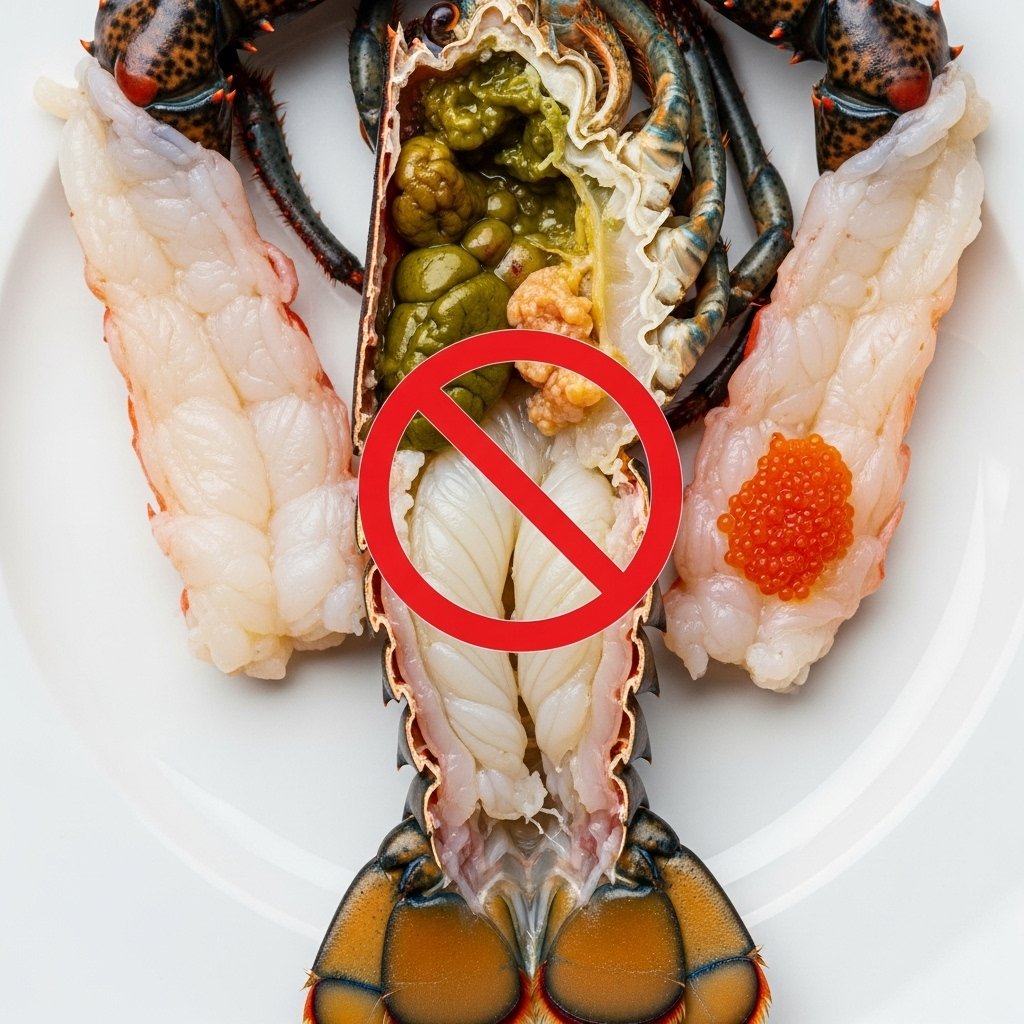
If you choose to proceed despite the risks, you must become a meticulous butcher. Not all parts of the lobster are created equal, and some are unequivocally hazardous. Feeding these parts to your dog is an act of negligence.
1. The Shell: A Choking and Perforation Hazard
This should be obvious, but it must be stated unequivocally: NEVER give a dog a lobster shell. The shells are brittle and break into sharp, jagged pieces. This presents two distinct dangers:
- Choking Hazard: A piece of shell can easily become lodged in your dog’s throat, blocking their airway. This is an immediate, life-threatening emergency.
- Internal Damage: If swallowed, sharp shell fragments can cause lacerations and perforations anywhere along the digestive tract, from the esophagus to the intestines. This leads to internal bleeding, sepsis, and requires complex emergency surgery to fix.
2. The Tomalley: A Reservoir for Toxins
The green paste-like substance found in the lobster’s body cavity is the tomalley, which functions as its liver and pancreas. This organ filters impurities from the lobster’s environment. As such, it can accumulate high levels of toxins, including those responsible for Paralytic Shellfish Poisoning (PSP). While rare, the risk is not zero. The tomalley is too rich and poses a completely unnecessary toxicological risk to your dog. It must be discarded.
3. The Roe: Unnecessary and Excessively Rich
The red-orange substance found in female lobsters is the roe, or eggs. While considered a delicacy by some, it is incredibly rich and offers no unique nutritional benefit to your dog that would justify the added risk of gastrointestinal upset. Like the tomalley, it should be completely removed and discarded.
The Canine Nutrition Hacker’s Safe Preparation Protocol
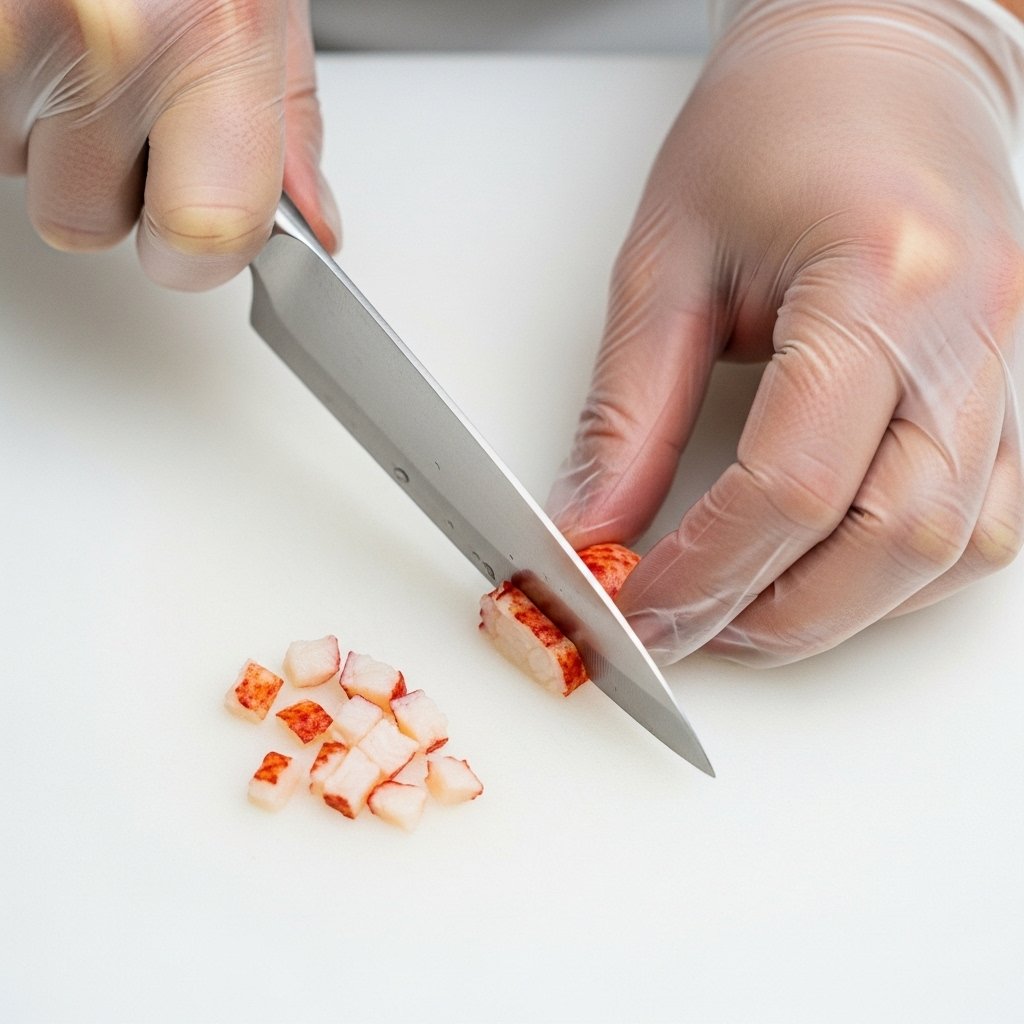
If, after understanding all the severe risks, you decide to offer your dog a minuscule taste of lobster, you must follow this non-negotiable protocol. There is no room for error. This is a treat, not a meal, and it must be prepared with the precision of a laboratory technician.
- Source Meticulously: Only use high-quality, fresh lobster from a reputable source. Ensure it has been handled and stored correctly to minimize bacterial contamination.
- Cook It Plain. Period. This is the most critical step. The lobster must be cooked by steaming or boiling ONLY. Absolutely no butter, oil, salt, pepper, garlic, onion, or any other seasoning. Garlic and onions are toxic to dogs, and fats are the primary pancreatitis trigger. The lobster must be utterly plain.
- Perform a Forensic Dissection: Once cooked, let it cool completely. Meticulously remove all the meat from the shell. Inspect every piece for shell fragments. This is not a time for speed; it is a time for precision. Discard the shell, head, tomalley, and roe immediately.
- Portion Control is Law: This cannot be overstated. The amount you feed is microscopic compared to a human portion. For a small dog (under 20 lbs), a piece the size of your pinky fingernail is sufficient. For a medium dog (20-50 lbs), a thumbnail-sized piece. For a large dog (over 50 lbs), no more than a postage stamp-sized piece.
- Observe and Monitor: After feeding the tiny treat, monitor your dog for the next 24-48 hours for any signs of gastrointestinal upset, including vomiting, diarrhea, or lethargy. If you see any adverse signs, contact your veterinarian immediately and do not feed lobster again.
Hacker Tip: Want to give your dog the flavor without the risk? After boiling a PLAIN lobster for yourself, save the unseasoned cooling water. Once completely cool, you can freeze it in ice cube trays. Adding one of these flavor cubes to your dog’s regular kibble provides an enticing scent and taste without the dangers of the meat’s richness and high sodium content.
Lobster vs. Safer Seafood: A Comparative Risk Analysis
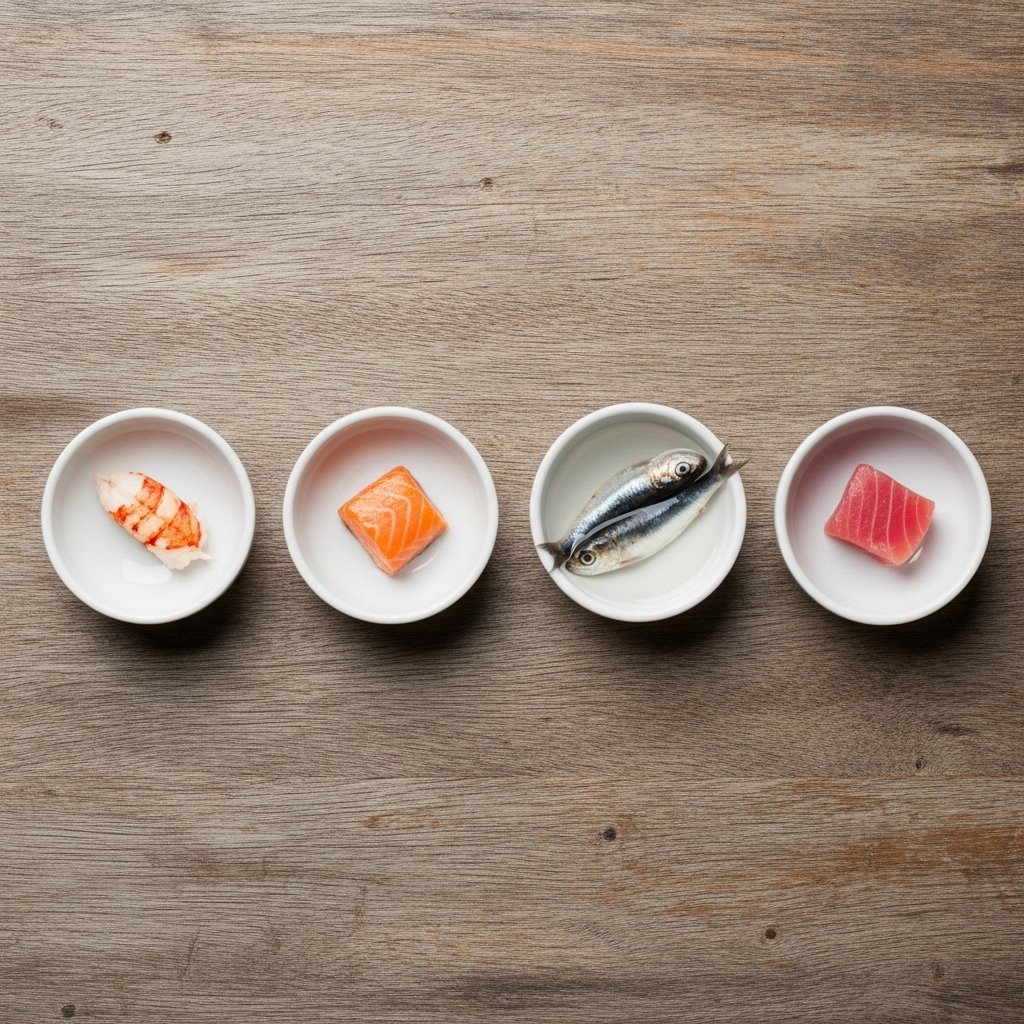
As a nutrition hacker, my goal is to optimize your dog’s diet, not just add risky novelties. While lobster is a high-risk, low-reward treat, other seafood options offer a much better risk-to-benefit ratio. Let’s compare them directly so you can make a smarter, safer choice for your pet.
| Seafood Type | Key Benefits | Primary Risks | Hacker Verdict |
|---|---|---|---|
| Lobster | High in protein, some minerals. | EXTREME RISK. Pancreatitis, high sodium, cholesterol, choking hazard from shell, potential allergens and toxins. | AVOID. The risks far outweigh any potential benefits. There are superior and safer alternatives available. |
| Salmon | Excellent source of Omega-3 fatty acids (EPA/DHA), high-quality protein. | Must be thoroughly cooked to kill parasites (Salmon Poisoning Disease). Bones must be removed. Source from clean waters to avoid heavy metals. | APPROVED (with caution). A top-tier choice when cooked plain and deboned. A fantastic supplement for skin and coat health. |
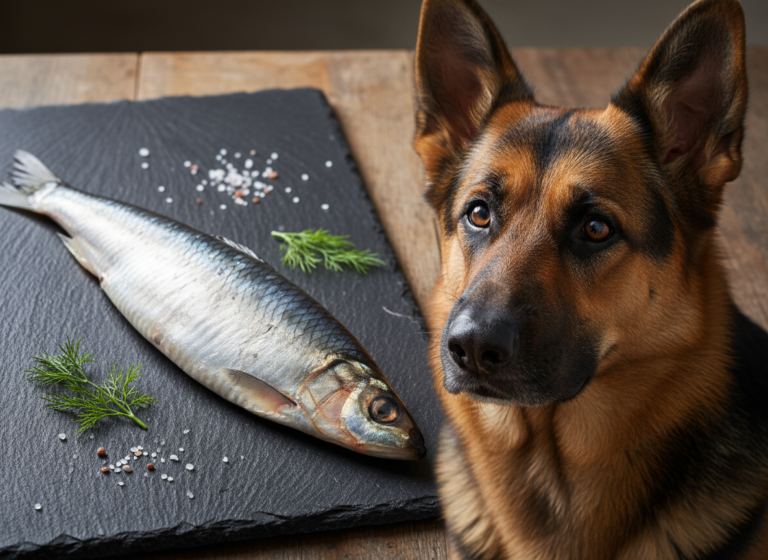
| Sardines (in water) | Packed with Omega-3s, calcium (from edible bones), protein, and Vitamin D. Low on the food chain, so fewer heavy metals. | Must be packed in water with NO added salt. Oil-packed versions add unnecessary fat and calories. | HIGHLY RECOMMENDED. One of the best, most cost-effective nutritional supplements you can add to your dog’s bowl. A true superfood. |
| Tuna (light, in water) | Good source of protein and Omega-3s. | High risk of mercury contamination. Should only be fed in very small amounts and infrequently. Choose light tuna over albacore (lower mercury). | USE SPARINGLY. Acceptable as a rare treat, but sardines and salmon are far superior choices due to the mercury risk. |
The data is clear. If you want to add the benefits of seafood to your dog’s diet, options like sardines and cooked salmon provide all the advantages with a dramatically lower risk profile than lobster.
Conclusion
The Final Verdict: A High-Risk Luxury to Avoid
So, can dogs eat lobster? We’ve established that while the meat isn’t toxic, the title of ‘safe’ is one it absolutely does not deserve. The potential for inducing a life-threatening bout of pancreatitis, combined with the risks of sodium poisoning, allergic reactions, and internal injury from the shell, places lobster firmly in the ‘do not feed’ category for any responsible pet owner. The minimal nutritional benefits it offers are massively overshadowed by the severe and costly dangers.
Your role as a pet owner is to be a guardian of their health, a gatekeeper of their nutrition. There are countless other ways to treat your dog that are both safer and more beneficial. Choose nutrient-dense options like sardines, cooked salmon, or even simple, healthy treats like blueberries and carrots. Don’t gamble with your dog’s well-being for the sake of sharing a moment of human luxury. Be a nutrition hacker: analyze the data, understand the risks, and always make the choice that prioritizes your dog’s long-term health over a fleeting treat.
Medical Disclaimer: The information in this article is for educational purposes only and is not a substitute for professional veterinary advice. Always consult with your trusted veterinarian before introducing any new food into your dog’s diet, especially if your dog has underlying health conditions.