
Can Dogs Eat Sardines? Benefits & Serving Size Guide
In the world of canine nutrition, we’re constantly bombarded with marketing for expensive supplements and boutique ingredients. But what if one of the most powerful nutritional boosters for your dog costs less than your morning coffee and is sitting on your local grocery store shelf? Enter the humble sardine. Many pet owners ask, ‘Can dogs eat sardines?’ The answer is a resounding yes, but with critical caveats that separate a health-boosting superfood from a hidden dietary disaster.
As the Canine Nutrition Hacker, my job is to cut through the noise and give you the unvarnished truth. We’re not talking about trendy fads; we’re talking about forensic nutritional analysis that empowers you to make the smartest choices for your dog’s health and your wallet. Sardines aren’t just a ‘treat’—when chosen and served correctly, they are a strategic tool to combat inflammation, boost cognitive function, and support overall vitality. This guide will arm you with the insider knowledge to navigate the canned fish aisle like a pro, identify and avoid the harmful ‘filler’ versions, and implement the precise dosage for your dog’s specific needs.
The Nutritional Goldmine: Deconstructing the Sardine
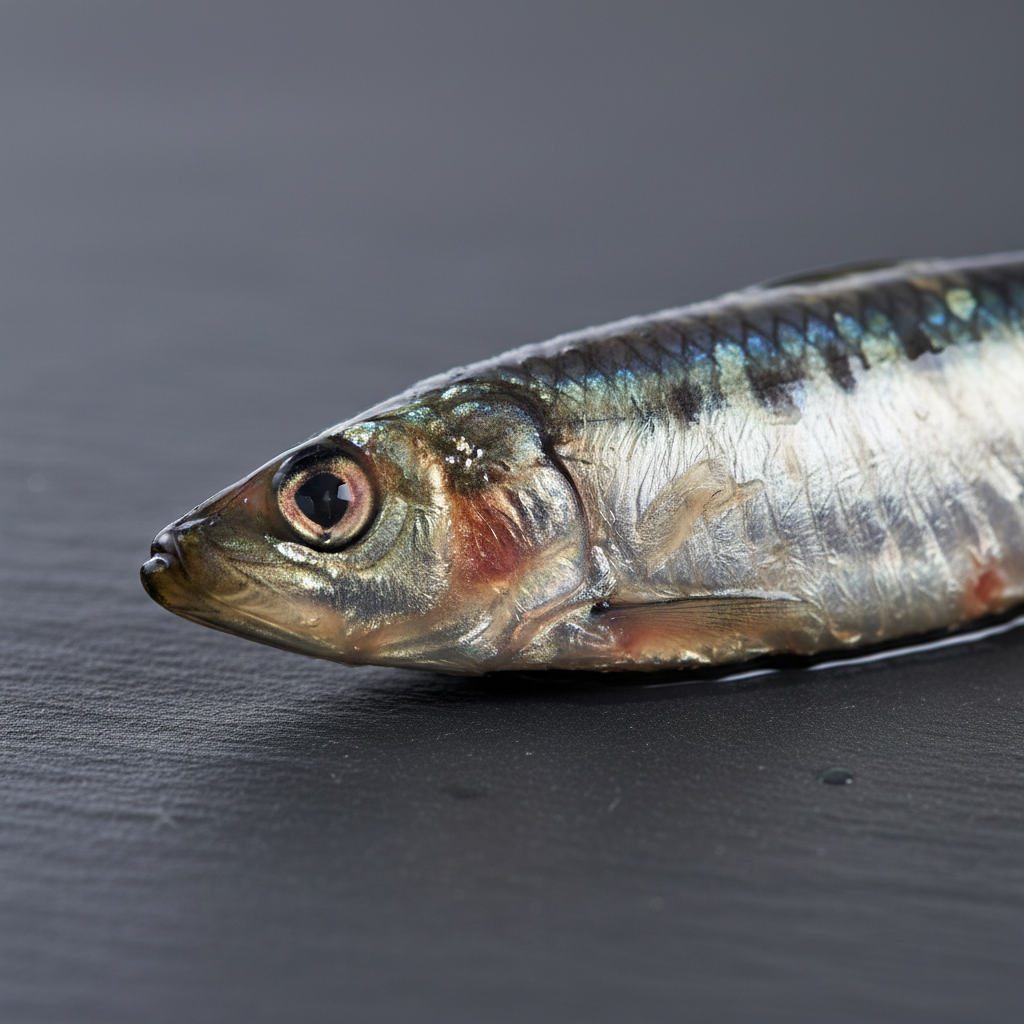
Before we discuss how to serve them, let’s analyze precisely why sardines are considered a nutritional powerhouse. Understanding the specific components allows you to appreciate their role beyond being a simple food topper. This isn’t just fish; it’s a dense package of bioavailable nutrients that can have a profound impact on your dog’s health from the cellular level up.
Omega-3 Fatty Acids (EPA & DHA)
This is the primary reason sardines are so highly recommended. They are packed with two crucial long-chain omega-3 fatty acids: eicosapentaenoic acid (EPA) and docosahexaenoic acid (DHA). Unlike plant-based omega-3s (ALA), which dogs convert inefficiently, EPA and DHA from fish are ready for immediate use by the body. Their benefits are extensive:
- Anti-Inflammatory Power: Chronic inflammation is the root cause of many canine diseases, from arthritis to skin allergies. EPA is a potent natural anti-inflammatory that can help soothe aching joints and calm itchy skin.
- Cognitive and Neurological Health: DHA is a major structural component of the brain and retina. Supplementing with DHA is critical for puppy brain development and can help support cognitive function in aging dogs, potentially slowing the onset of canine cognitive dysfunction.
- Cardiovascular Support: Omega-3s have been shown to support heart health by helping to maintain healthy blood pressure and triglyceride levels.
High-Quality, Digestible Protein
Sardines provide a complete protein source, meaning they contain all the essential amino acids your dog needs to build and maintain lean muscle mass, support organ function, and fuel metabolic processes. The protein in sardines is also highly digestible, ensuring your dog absorbs and utilizes these critical nutrients effectively.
Calcium & Vitamin D
One of the unique benefits of sardines is that they are typically eaten whole—bones and all. These tiny, soft bones are a fantastic, natural source of calcium and phosphorus, essential for skeletal strength and dental health. The fish also contains Vitamin D, which is crucial for the proper absorption and utilization of calcium. This synergistic combination makes sardines an excellent supplement for bone health, far superior to many synthetic calcium additives found in commercial foods.
Coenzyme Q10 (CoQ10)
This is an insider’s secret. Sardines are a good source of CoQ10, a powerful, vitamin-like antioxidant that is vital for energy production within the cells, particularly in the heart muscle. It also helps protect the body from oxidative damage. For active dogs or seniors, CoQ10 provides an extra layer of support for cardiovascular health and overall cellular efficiency.
The Sardine Minefield: How to Choose the Right Product and Avoid Hidden Dangers
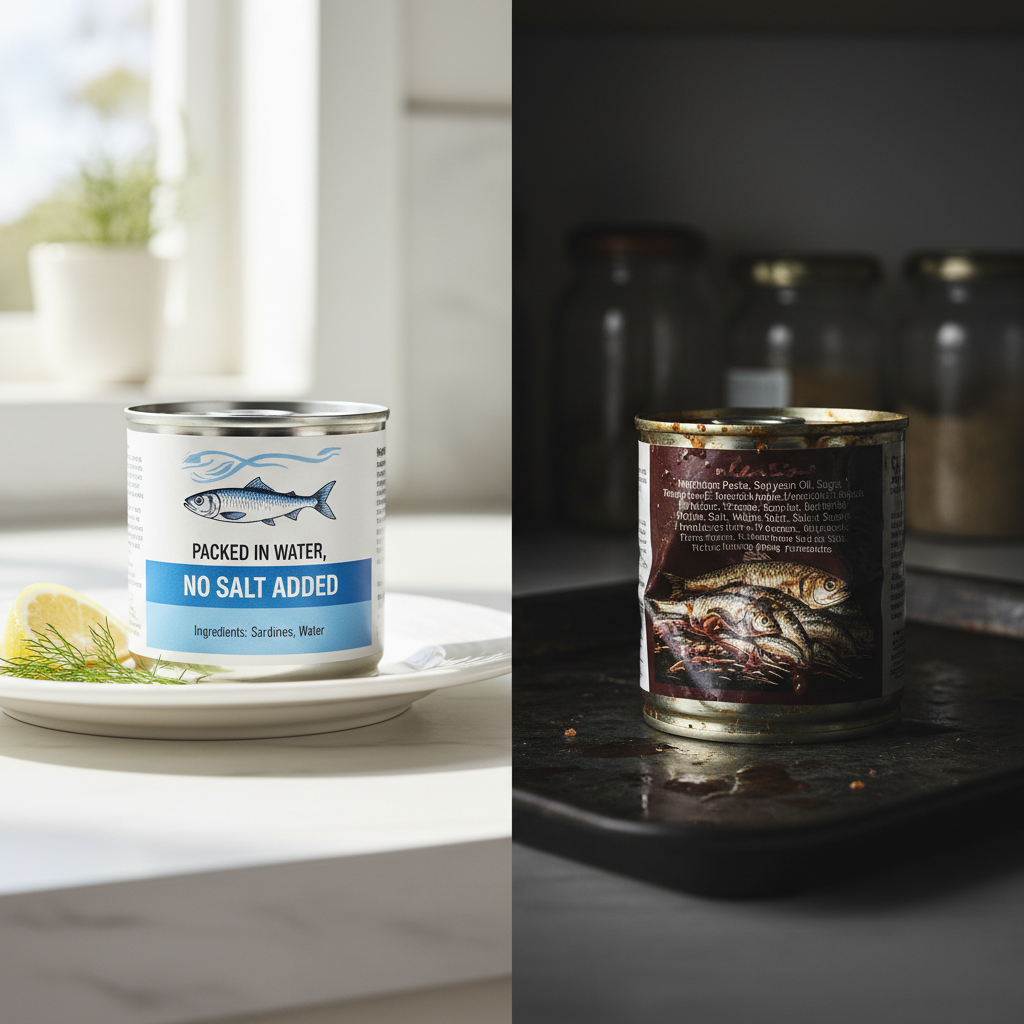
Not all canned sardines are created equal. The grocery store aisle presents a minefield of options that can either benefit or harm your dog. Your ability to read and interpret an ingredient label is the single most important skill in this process. Ignore the branding and focus solely on the facts on the back of the can.
The Golden Rule: Water is Your Ally
The absolute best choice for your dog is sardines packed in spring water. This ensures you are getting just the fish and its natural, beneficial oils without any unnecessary or harmful additives. The second-best option is sardines packed in their own oil. However, water is always the superior choice to control fat content.
The Oil Trap: Not All Oils Are Equal
Many sardines come packed in oil, and this is where many owners make a critical mistake. Avoid the following:
- Soybean, Corn, or ‘Vegetable’ Oil: These oils are high in inflammatory Omega-6 fatty acids, which can counteract the anti-inflammatory benefits of the Omega-3s in the fish. Adding them to your dog’s diet is counterproductive.
- Olive Oil: While not as detrimental as the oils above, olive oil adds significant calories and fat without providing a specific benefit for your dog. For dogs prone to weight gain or pancreatitis, this is an unnecessary risk.
The Sodium Bomb: A Major Red Flag
Dogs are highly sensitive to sodium. Canned goods intended for human consumption are often loaded with salt for flavor and preservation. Always look for products with ‘No Salt Added‘ explicitly stated on the label. Sardines packed in brine are a complete non-starter and can contribute to sodium ion poisoning, which is a veterinary emergency.
Smoked, Seasoned, and Sauced: A Hard Pass
Never feed your dog sardines that have been smoked or come with added flavorings or sauces (like mustard, hot sauce, or tomato sauce). These products often contain ingredients that are toxic to dogs, such as garlic powder, onion powder, and excessive spices, in addition to high levels of sugar and sodium. Smoked products can also contain harmful carcinogens.
The Canine Nutrition Hacker’s Tip: Ignore the flashy marketing on the front of the can. The only thing that matters is the ingredient list on the back. If it says anything other than ‘Sardines, Water,’ you must proceed with extreme caution. The ideal, safest product will have two ingredients: Sardines, Water. Full stop.
The Dosage Protocol: Safe Serving Sizes and Frequency
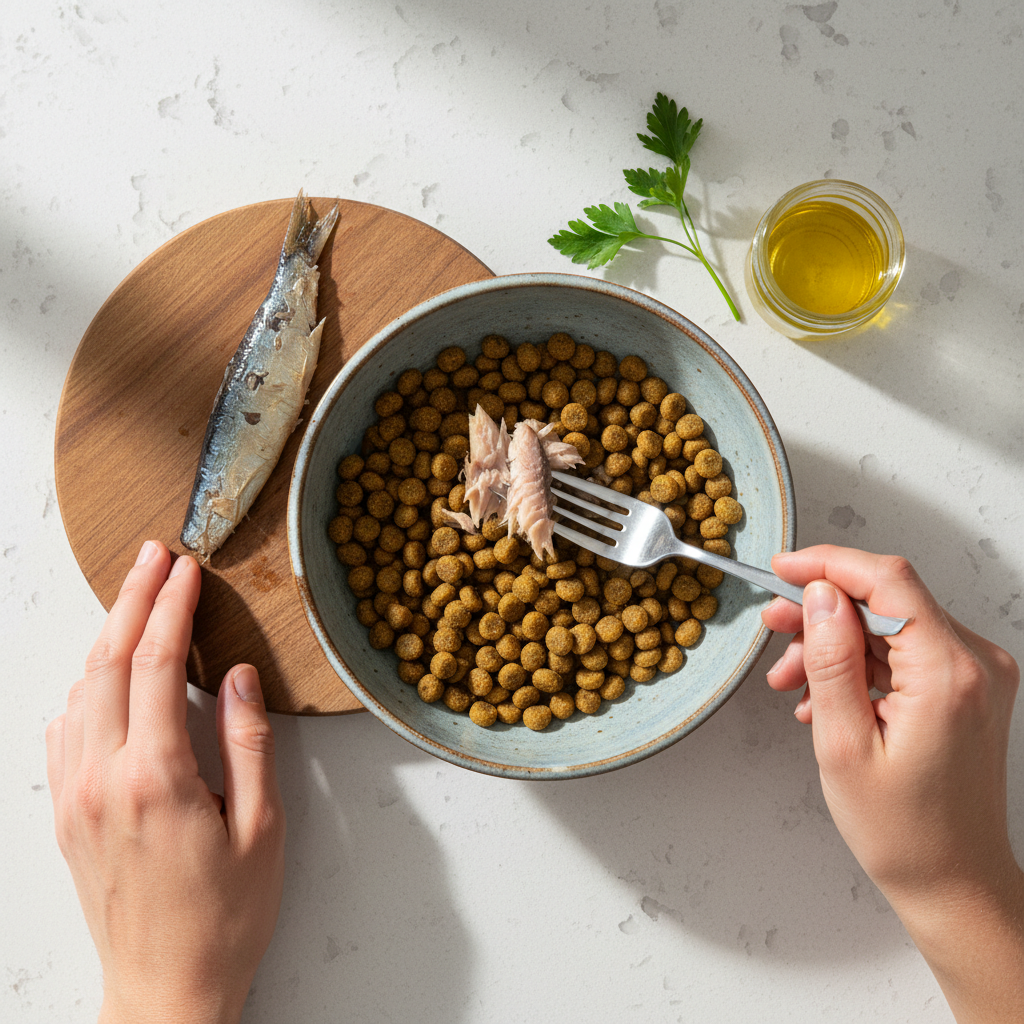
Even a superfood can cause problems if overfed. Sardines are nutritionally dense and rich in calories and fat, so portion control is non-negotiable. The goal is to supplement your dog’s diet, not replace a meal. IMPORTANT: You must consult your veterinarian before introducing any new food into your dog’s diet, especially if they have pre-existing health conditions like pancreatitis, kidney disease, or are overweight.
When first introducing sardines, start with a tiny amount—a small piece of a single sardine—to see how your dog’s digestive system responds. Once you know they tolerate it well, you can gradually work up to the recommended serving size. Sardines should be considered a high-value treat or food topper, not a daily staple. A frequency of two to three times per week is generally sufficient for most healthy dogs to reap the benefits without overdoing it on calories or fat.
Use the following table as a general guideline. These recommendations are based on a standard 3.75oz (106g) can of sardines.
| Dog’s Weight | Serving Amount Per Feeding | Recommended Maximum Frequency |
|---|---|---|
| Under 10 lbs (4.5 kg) | 1/4 of a single sardine | Twice a week |
| 10-25 lbs (4.5-11 kg) | 1/2 of a single sardine | Twice a week |
| 25-50 lbs (11-23 kg) | 1 whole sardine | Three times a week |
| 50-100 lbs (23-45 kg) | 1.5 – 2 whole sardines | Three times a week |
| Over 100 lbs (45 kg) | Up to 1/2 of a 3.75oz can | Three times a week |
Always remember to account for these calories in your dog’s daily total to prevent unwanted weight gain. If your dog has a sensitive stomach, mash the sardine and mix it thoroughly with their regular food to aid digestion.
Potential Risks and Red Flags: When to Avoid Sardines

While sardines are a nutritional asset for most dogs, they are not appropriate for every animal. Acknowledging the potential risks and contraindications is part of being a responsible and informed owner. Certain health conditions require a more careful approach to diet, and sardines could exacerbate these issues.
Pancreatitis and High-Fat Foods
For dogs with a history of pancreatitis or those prone to it (certain breeds like Miniature Schnauzers are more susceptible), high-fat foods can be a dangerous trigger. Sardines, while containing ‘good’ fats, are still a rich food. A sudden introduction of this much fat can overwhelm the pancreas, leading to a painful and potentially life-threatening flare-up. For these dogs, sardines should be avoided entirely unless explicitly approved and supervised by a veterinarian.
Kidney Disease Concerns
Sardines contain moderate levels of phosphorus. For a healthy dog, this is not an issue. However, for dogs with compromised kidney function or chronic kidney disease (CKD), managing phosphorus intake is a cornerstone of their treatment. The kidneys are responsible for filtering excess phosphorus from the blood, and when they aren’t working properly, levels can build up and cause further damage. Therefore, sardines are generally not recommended for dogs with renal issues.
Fish Allergies
While less common than allergies to proteins like chicken or beef, fish allergies do exist in dogs. If you introduce sardines and notice signs of an allergic reaction—such as itchy skin, hives, facial swelling, vomiting, or diarrhea—stop feeding them immediately and consult your vet.
Mercury and Contaminants: A Common Misconception
Many owners worry about mercury in fish. This is a valid concern for large, predatory fish like tuna, shark, and swordfish, which accumulate toxins over their long lifespans. However, one of the greatest advantages of sardines is their position at the bottom of the aquatic food chain. They are small, have short lifespans, and feed on plankton. As a result, sardines have a very low risk of mercury and heavy metal contamination, making them one of the safest and cleanest fish you can offer your dog.
Conclusion
The verdict is clear: sardines are more than just a treat; they are a potent nutritional supplement that can significantly enhance your dog’s health when used correctly. By acting as a discerning ‘Canine Nutrition Hacker,’ you can leverage this affordable superfood to provide powerful anti-inflammatory benefits, support joint and cognitive health, and boost overall vitality. The key to success lies not in simply buying any can off the shelf, but in meticulous label analysis.
Remember the unwavering rule: sardines packed in water, with no salt added. This simple principle is your shield against harmful oils, excessive sodium, and toxic seasonings. By following the serving size protocols and understanding the potential risks for dogs with specific health conditions, you can confidently and safely incorporate this oceanic powerhouse into your dog’s diet. You don’t need expensive, over-marketed supplements to provide elite nutrition. You just need the right information to unlock the power of real, whole foods.