
Emu Meat: The Ultimate Novel Protein for Allergic Dogs
If you’re reading this, you’re likely at your wit’s end. The constant scratching, the hot spots, the ear infections, the endless vet visits, the frustrating food trials that lead nowhere—it’s a draining and expensive cycle. You’ve been told your dog has ‘allergies,’ a vague diagnosis that launches you into a confusing world of ‘limited ingredient’ and ‘grain-free’ labels that often fail to deliver on their promises. You’ve become an expert in deciphering ingredient lists, yet the problem persists. The truth is, the commercial pet food industry has overexposed our dogs to a handful of proteins, turning these once-benign ingredients into immunological triggers.
This is where we hack the system. We’re going to sidestep the common culprits entirely and introduce a nutritional powerhouse that most dogs’ immune systems have never encountered: Emu meat. This isn’t just another fad. This is a strategic, targeted solution for dogs suffering from food-related ailments. In this guide, we will dissect the problem, reveal the enemy ingredients, and provide a clear, actionable plan for leveraging emu meat to reclaim your dog’s health and comfort.
MEDICAL DISCLAIMER: I am not a veterinarian. The information in this article is the result of extensive research and experience, but it is not a substitute for professional veterinary advice. Always consult with your veterinarian or a board-certified veterinary nutritionist before making any significant changes to your dog’s diet, especially if they have pre-existing health conditions.
The Allergy Epidemic: Identifying the ‘Enemy Ingredients’ in Your Dog’s Bowl
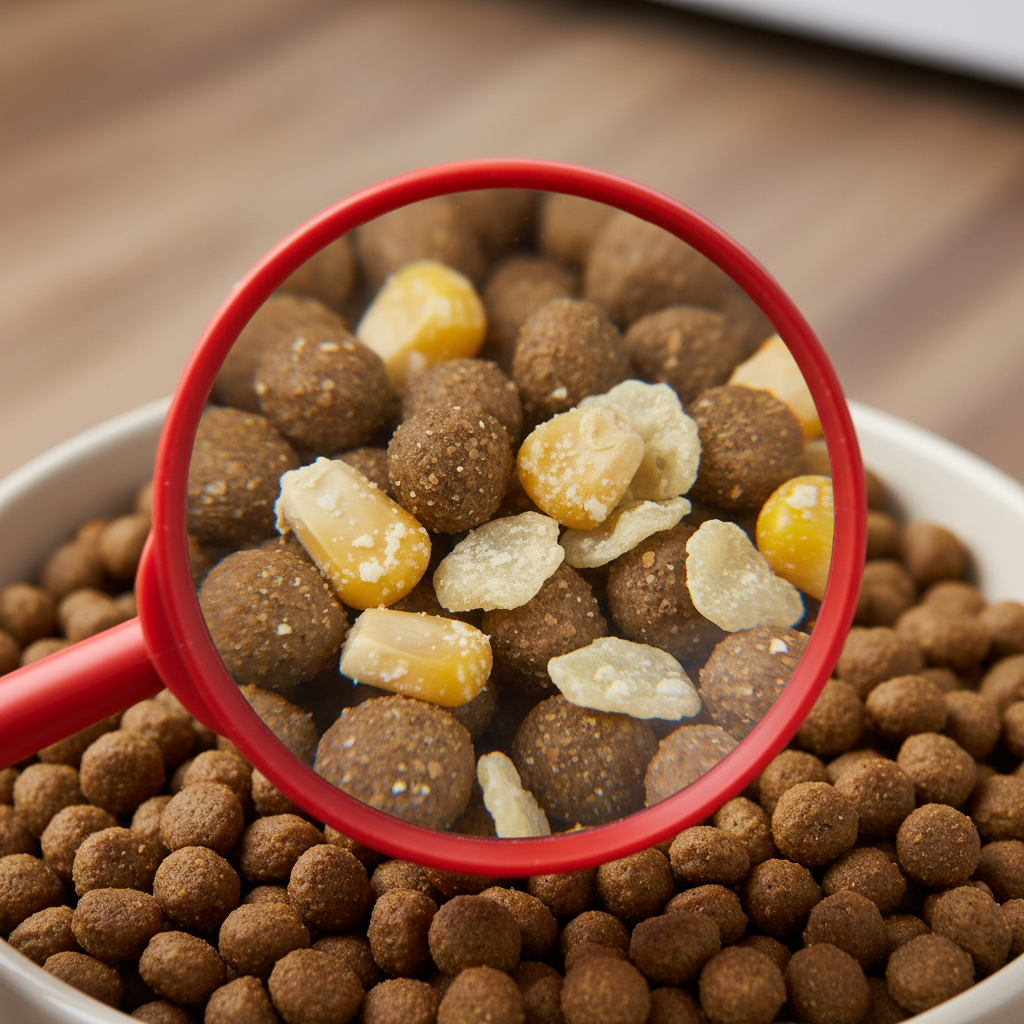
Before we can introduce a solution, we must conduct a forensic analysis of the problem. A food allergy is an immune system response to a food protein that the body mistakenly identifies as a threat. An intolerance is a digestive issue. For your suffering dog, the distinction is academic; the result is the same discomfort. The issue is almost always overexposure. The proteins used relentlessly in 99% of dog foods have become public enemy number one for a growing number of canines.
The Usual Suspects
Your dog’s immune system is likely reacting to one or more of these common proteins and fillers:
- Chicken: The most ubiquitous protein in dog food, from kibble to treats. Its constant presence has made it the leading cause of food allergies in dogs.
- Beef: Another extremely common protein that many dogs have developed sensitivities to over time.
- Dairy: Often used as a binder or flavor enhancer, many dogs lack the enzyme (lactase) to properly digest it.
- Soy: A cheap, plant-based protein filler that is notorious for causing both allergic reactions and digestive upset.
- Wheat & Corn: These grains are often used as inexpensive fillers to bulk up kibble. They offer minimal nutritional value and are common allergens.
Manufacturers hide these ingredients under deceptive names. ‘Animal fat’ is often chicken fat. ‘Hydrolyzed protein’ could be derived from soy or chicken. You have to read the label like a detective investigating a crime scene.
Hacker Tip: The ‘First 5 Ingredients’ rule is your best weapon. The first five ingredients listed on a dog food label make up the vast majority of the formula. If you see corn, wheat, soy, or an unnamed ‘meat by-product’ in that top five, put the bag down. It’s a formula built on cheap fillers, not premium nutrition.
The ‘Hero Ingredient’ Unveiled: Why Emu Meat is a Nutritional Powerhouse
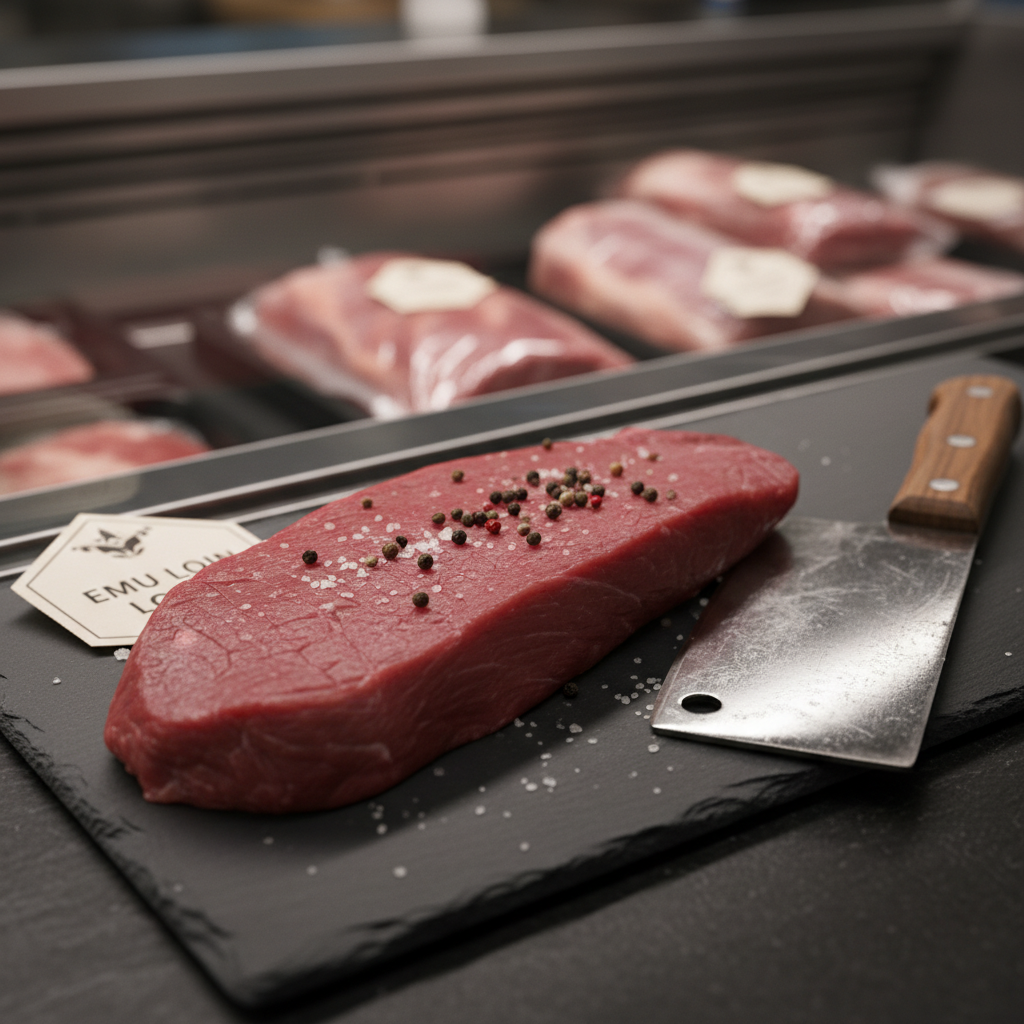
Now, let’s talk about the hero ingredient: Emu. This giant, flightless bird from Australia provides a red meat that is uniquely suited to combatting food allergies. Its primary advantage is its novelty. Since it’s almost never used in commercial pet foods, it’s highly unlikely your dog’s immune system has ever encountered it, meaning there’s virtually no chance of a pre-existing allergy.
But its benefits go far beyond just being ‘new.’ Emu meat is a nutritional juggernaut.
- Lean Protein: It’s incredibly high in protein but remarkably low in fat, making it an excellent choice for weight management and building lean muscle mass.
- Rich in Iron: Emu meat contains significantly more iron than beef, which is crucial for energy production and oxygen transport in the blood.
- Packed with B Vitamins: It’s a fantastic source of Vitamin B12 for neurological health, B6 for hormone regulation, and Niacin for skin and coat health.
- Hypoallergenic Properties: The unique protein structure of emu meat is less likely to trigger an immune response compared to more complex proteins like chicken or beef.
Nutritional Showdown: Emu vs. The Common Culprits
Let’s look at the raw data. Here’s how emu stacks up against the proteins that are likely causing your dog’s issues. (Values are approximate per 100g serving).
| Nutrient | Emu (Lean) | Chicken (Breast) | Beef (85% Lean) |
|---|---|---|---|
| Protein | 23g | 25g | 22g |
| Fat | 3g | 5g | 15g |
| Iron | 4.5mg | 1mg | 2.6mg |
| Allergenicity | Extremely Low | Very High | High |
As you can see, emu competes strongly on protein while offering a significantly leaner profile than beef and a superior iron content to both. Its key advantage, however, is its extremely low allergenicity, making it the clear winner for sensitive dogs.
The Safe Chef’s Guide: A Foundational DIY Emu Recipe
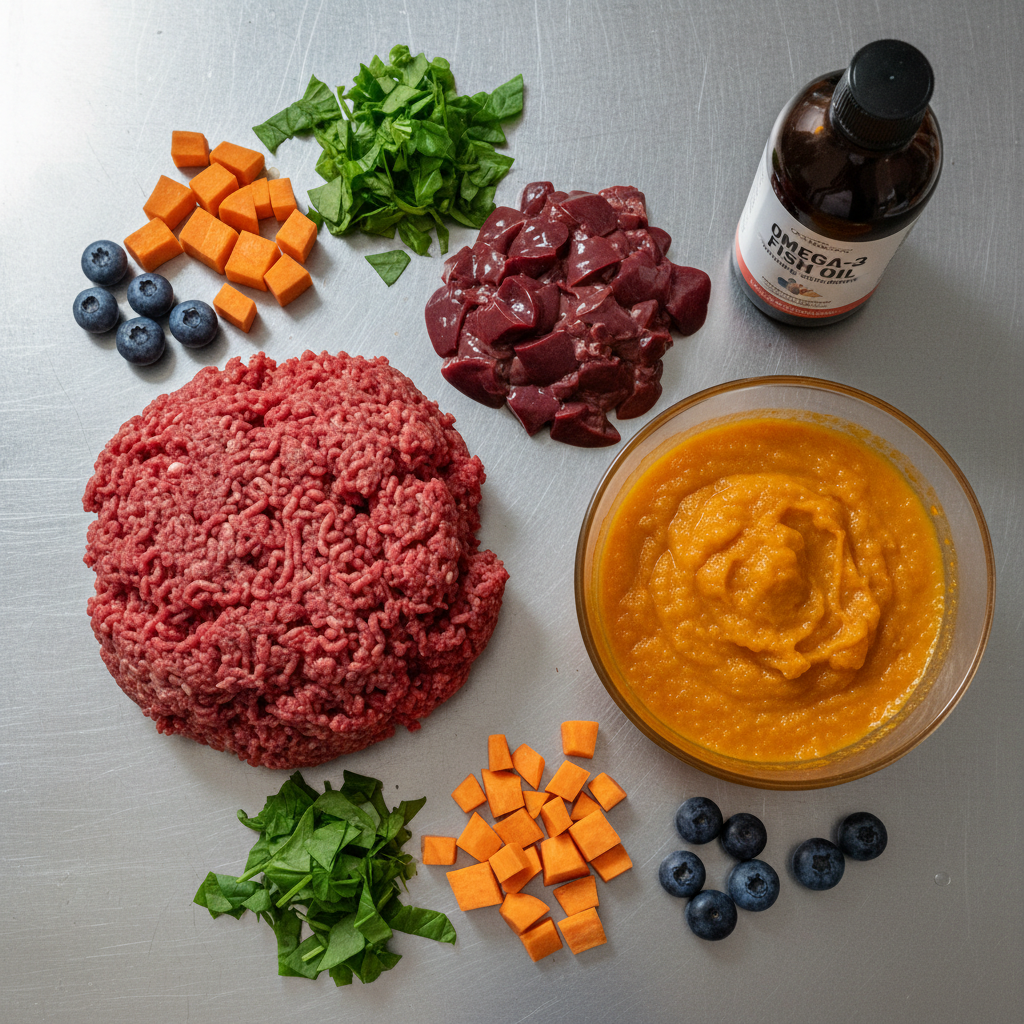
For the ultimate control over what goes into your dog’s bowl, nothing beats a carefully prepared homemade diet. This recipe provides a balanced foundation, but it is not complete on its own. It MUST be used with a balancing supplement to provide essential minerals like calcium.
CRITICAL SAFETY DISCLAIMER:
A homemade diet done wrong can be more harmful than cheap kibble. This recipe is a starting point. You must consult with a board-certified veterinary nutritionist to ensure your dog’s specific needs (age, breed, activity level, health conditions) are met. You will need to add a vitamin and mineral supplement formulated for homemade diets to prevent dangerous deficiencies.
Foundational Emu & Veggie Mix (7-Day Batch for a 50lb Dog)
The Ratios: Aim for approximately 70% muscle meat, 10% organ meat, and 20% low-glycemic vegetables and healthy fats.
- Protein Base: 5 lbs ground emu meat
- Organ Meat: 0.75 lbs emu liver or heart (if available, otherwise use beef liver)
- Vegetable Medley: 1.5 lbs puréed vegetables (e.g., steamed and blended pumpkin, spinach, and finely chopped carrots)
- Healthy Fats: 1/4 cup fish oil (sardine or anchovy) or flaxseed oil
- Required Supplement: A high-quality vitamin/mineral supplement for homemade dog food (follow package directions for a 50lb dog’s weekly dose).
Instructions:
- Gently cook or serve the ground emu and organ meats raw, depending on your comfort level and your dog’s preference. Gentle cooking can make it more digestible for some.
- Steam the vegetables until soft, then purée in a blender for maximum nutrient absorption.
- In a large bowl, combine the meat, puréed vegetables, and oil. Mix thoroughly.
- Add the balancing supplement according to the manufacturer’s instructions.
- Portion the mixture into daily servings (approx. 1 lb per day for a 50lb dog, split into two meals) and freeze what you won’t use in the next 3 days.
Insider Secret: Source your emu meat directly from a farm if possible. You can often buy in bulk for a fraction of the price of specialty pet stores, and you’re getting a fresher, higher-quality product. Many farms that raise emus for their oil sell the meat as a secondary product.
The Transition Protocol: How to Safely Introduce Emu Meat
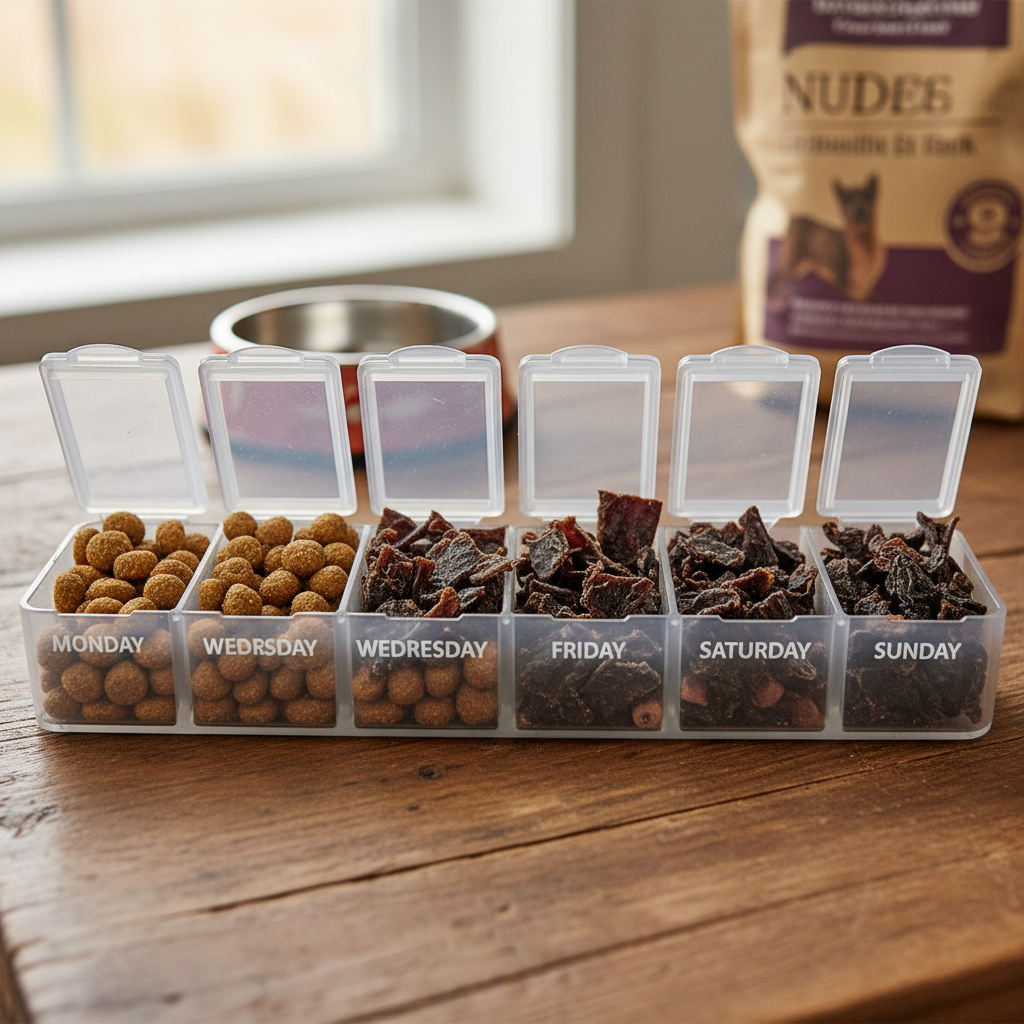
Even when switching to a superior food, a sudden change can shock your dog’s digestive system. A slow, methodical transition is non-negotiable to avoid stomach upset and ensure a smooth adjustment. This process allows the gut microbiome to adapt to the new protein source.
We will use a 10-day transition schedule. The goal is to gradually increase the amount of the new emu-based food while decreasing the old food. Pay close attention to your dog’s stool quality and energy levels throughout this period.
The 10-Day Switchover Plan:
- Days 1-3: 25% new food, 75% old food. Mix thoroughly. This is just to introduce the new taste and protein structure.
- Days 4-6: 50% new food, 50% old food. Your dog’s system is now seriously beginning to process the emu meat.
- Days 7-9: 75% new food, 25% old food. We are now in the home stretch. By this point, you may already start to see a reduction in itching or inflammation.
- Day 10: 100% new food. You have successfully transitioned.
What to Monitor:
- Stool Consistency: Look for firm, well-formed stools. Some initial softness can be normal, but diarrhea is a sign to slow down the transition.
- Itching & Scratching: Keep a journal. Note the frequency and intensity of scratching. A true food allergy should begin to show improvement within 2-4 weeks of being 100% on the new diet.
- Energy Levels: Many owners report a significant increase in energy and vitality once their dog is on a high-quality, biologically appropriate diet.
Hacker Tip: Add a tablespoon of pure pumpkin purée (not pie filling) and a high-quality canine probiotic to each meal during the transition. The fiber from the pumpkin helps maintain stool consistency, and the probiotics support a healthy gut biome, making the switch even smoother.
Conclusion
You are your dog’s primary advocate, and that role extends to being the gatekeeper of their food bowl. The chronic discomfort of food allergies is not a life sentence. By moving beyond the conventional, overused proteins and strategically employing a powerful novel protein like emu, you can break the inflammatory cycle and provide genuine relief. It requires diligence, a willingness to read labels with a critical eye, and a refusal to accept subpar ingredients. Whether you choose a commercial freeze-dried formula or embark on a carefully balanced homemade diet, introducing emu meat could be the single most effective change you make for your allergic dog’s health and happiness. Stop managing the symptoms and start solving the problem from the inside out.