Feeding Raw Brains: The DHA Superfood for Canine Cognitive Health
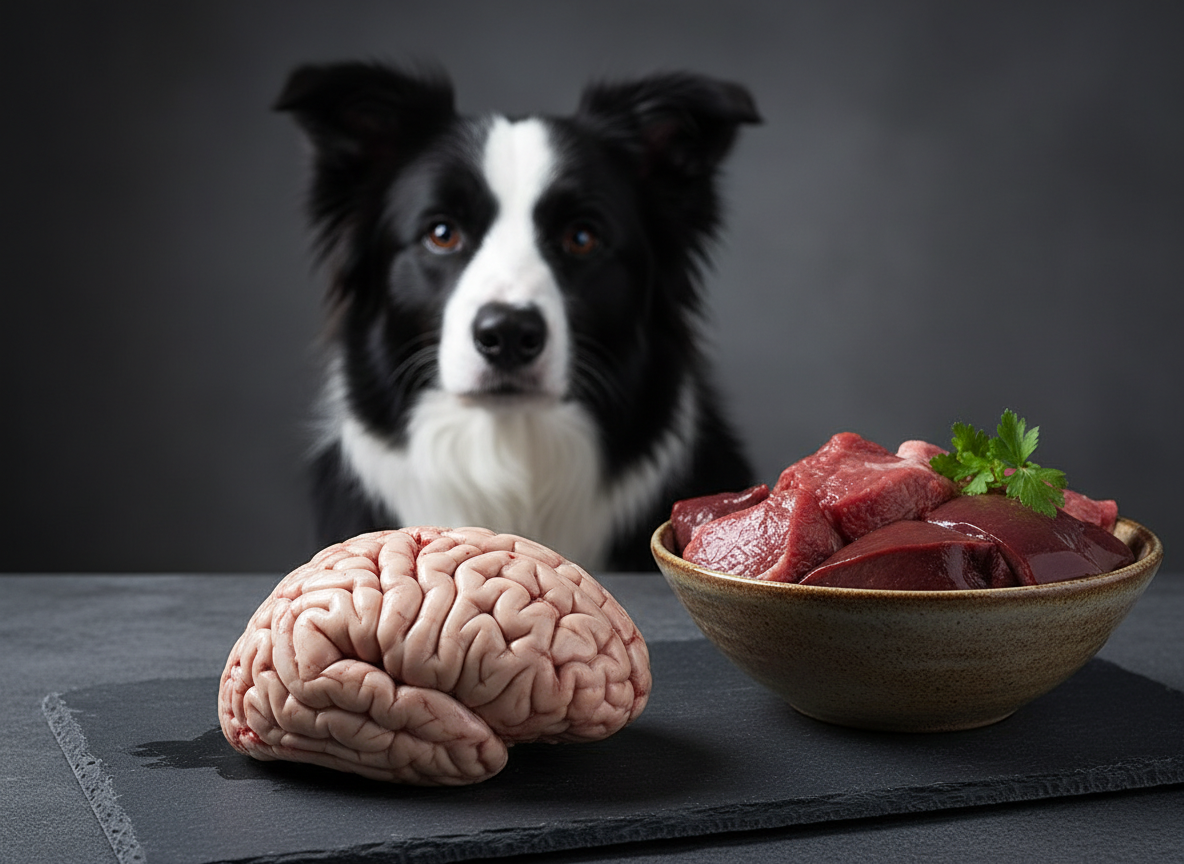
Let’s cut through the marketing noise. The pet food industry sells you expensive powders, oils, and ‘scientifically formulated’ kibbles, all promising to boost your dog’s brainpower. They’re selling a convenient solution, but what they aren’t telling you is that the most potent cognitive enhancer for your dog is likely sitting in your local butcher’s discard pile. I’m talking about raw brain—nature’s original nootropic and a nutritional powerhouse that leaves commercial supplements in the dust.
As The Canine Nutrition Hacker, my job is to expose the fillers, analyze the data, and give you the insider secrets to unlock your dog’s peak health without emptying your wallet. Feeding raw brain might sound extreme, but it’s one of the most effective ways to supply your dog with highly bioavailable Docosahexaenoic acid (DHA), the single most important fatty acid for cognitive and neurological health. This guide is your blueprint for safely incorporating this superfood into your dog’s diet.
MEDICAL & SAFETY DISCLAIMER: I am not a veterinarian. The information in this article is for educational purposes only and is based on extensive research and experience. It is not a substitute for professional veterinary advice. Before making any significant changes to your dog’s diet, especially if your dog has underlying health conditions, consult with a qualified veterinarian or a certified canine nutritionist. You are solely responsible for the health and safety of your pet. Sourcing and handling raw meat products carry inherent risks that must be managed with extreme care.
The DHA Deception: Why Most Commercial ‘Brain Boosters’ Fall Short
DHA, or Docosahexaenoic acid, is an omega-3 fatty acid that is a primary structural component of the brain, cerebral cortex, skin, and retina. In dogs, it’s critical for everything from puppy brain development to maintaining cognitive function in seniors. Without adequate DHA, neural pathways don’t fire efficiently, learning can be impaired, and the risk of age-related cognitive decline increases.
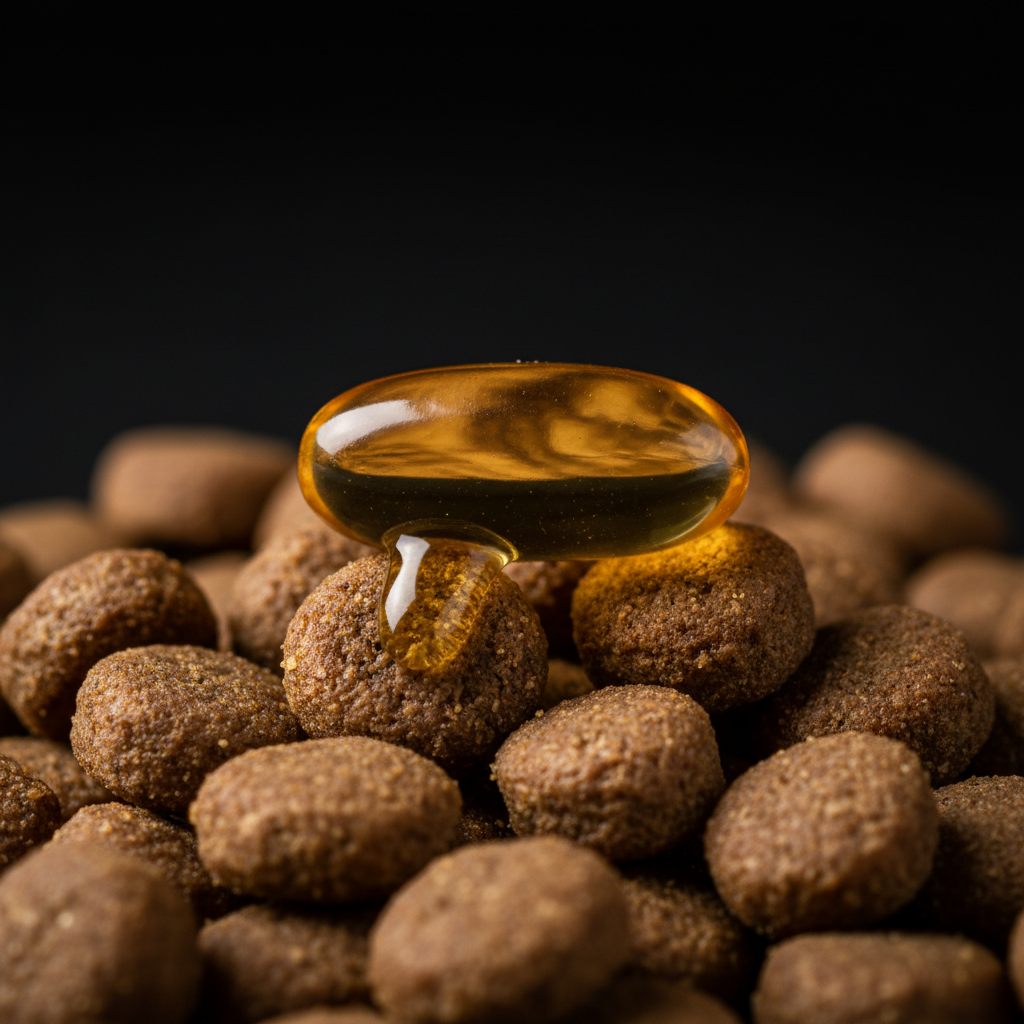
The pet industry knows this, so they fortify everything with omega-3s. The most common source? Fish oil. But here’s the dirty secret: fish oil is incredibly fragile. The moment it’s exposed to oxygen, light, or heat, it begins to oxidize—a process that turns it rancid. A rancid fat doesn’t just lose its benefits; it creates harmful free radicals that can promote inflammation and cellular damage. That expensive pump-bottle of fish oil you’re adding to your dog’s food could be doing more harm than good if it isn’t sourced, processed, and stored with laboratory-grade precision.
What about kibble? The high-heat extrusion process used to make dry dog food is the mortal enemy of delicate fats like DHA. Any benefit that might have existed in the raw ingredients is often degraded, if not entirely destroyed, by the time it reaches your dog’s bowl. You’re paying a premium for a promise that the manufacturing process itself cannot deliver.
Insider Secret: Whole foods provide nutrients in their natural, synergistic state. The DHA in raw brain is protected within a matrix of phospholipids and other fats, making it more stable and far more bioavailable to your dog’s body than the isolated, processed DHA found in supplements and kibble.
The Forensic Analysis: Unpacking the Nutritional Power of Raw Brain

When we put raw brain under the microscope, we find a nutritional profile perfectly designed for cognitive support. It’s not just about one nutrient; it’s about the entire package.
Key Cognitive Nutrients in Brain:
- DHA and EPA: Brain is arguably the most concentrated whole-food source of these critical omega-3s. Unlike plant-based sources (like flax), which require the body to convert ALA to DHA (a very inefficient process in dogs), brain delivers DHA directly for immediate use.
- Phospholipids: These are special fats that are integral components of cell membranes. They ensure that nerve cells remain flexible and that communication between neurons is fluid and fast.
- Choline: A vital nutrient for producing acetylcholine, a neurotransmitter essential for memory and muscle control.
- Key Minerals: Brain is also a good source of minerals like selenium and copper, which act as antioxidants, protecting delicate brain cells from oxidative stress.
Let’s look at the hard data. The numbers don’t lie, and they reveal a clear winner in the quest for functional DHA.
| Nutrient Source (per 100g) | Approximate DHA Content | Bioavailability | Key Co-Factors |
|---|---|---|---|
| Raw Lamb Brain | ~1200-1500 mg | Extremely High | Phospholipids, Choline, Peptides |
| Farmed Atlantic Salmon (cooked) | ~1000-1400 mg | High | EPA, Vitamin D |
| Typical Fish Oil Supplement (1 pump/5ml) | ~400-600 mg | Variable (risk of oxidation) | Isolated, lacks co-factors |
| ‘Brain Health’ Kibble (per cup) | ~100-200 mg | Low (heat degraded) | Often synthetic nutrient packs |
The table makes it clear. While salmon is an excellent source, raw brain delivers a comparable or even superior amount of DHA in a format that your dog’s body is designed to absorb and utilize with maximum efficiency.
The Safe Chef’s Guide: Sourcing and Preparation Protocols
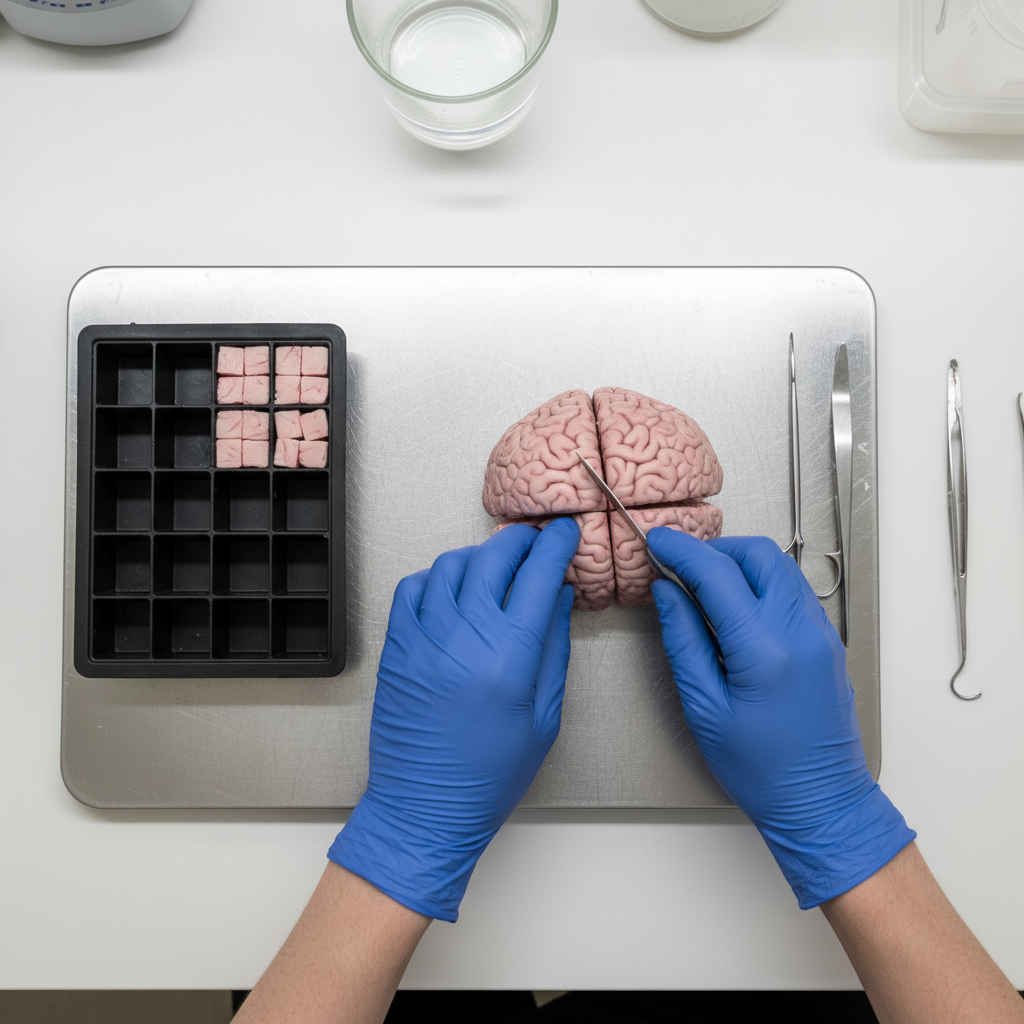
Incorporating raw brain is straightforward, but safety and sourcing are non-negotiable. Cutting corners here is not an option. Follow these protocols precisely to ensure you’re providing a safe, healthy addition to your dog’s meals.
Sourcing: The Non-Negotiables
Your source is everything. You must acquire brains from animals that have been deemed fit for human consumption. Find a local, trusted butcher who can tell you the origin of their animals.
- Best Sources: Lamb, calf (veal), and pork brains are generally the safest and most accessible options. Look for grass-fed and pasture-raised sources whenever possible for a superior fatty acid profile.
- AVOID AT ALL COSTS: Never, under any circumstances, feed brain from wild cervids (deer, elk, moose). The risk of Chronic Wasting Disease (CWD), a fatal prion disease, is far too high. Similarly, while the risk in the US is extremely low, it’s wise to avoid adult cattle brains due to the historical (though now largely mitigated) risk of Bovine Spongiform Encephalopathy (BSE), or Mad Cow Disease. Stick to young animals like lamb and veal.
Handling and Preparation
Brain is delicate and soft, almost like a thick custard. Rinse it gently under cool water to remove any bone fragments or surface impurities. There is no need to cook it; cooking would destroy the very nutrients we’re trying to preserve. You can feed it whole as a special treat or, more practically, chop it into smaller, meal-sized portions.
Freezing for Safety and Storage (The Batching Tip)
Freezing is your best friend for both safety and convenience.
- Portion the fresh brain into appropriate daily or weekly amounts for your dog (we’ll cover dosage next).
- Place these individual portions on a parchment-lined baking sheet, ensuring they don’t touch.
- Flash-freeze the sheet for 2-3 hours until the portions are solid. This prevents them from clumping into a giant, unusable mass.
- Transfer the frozen portions into a freezer-safe bag or container. They will last for several months in a deep freezer.
Crucial Safety Step: Freezing the brain for a minimum of three weeks before feeding can help kill off potential parasites, adding an essential layer of safety to your raw feeding routine.
The Dosage Dilemma: How Much Brain to Feed Your Dog
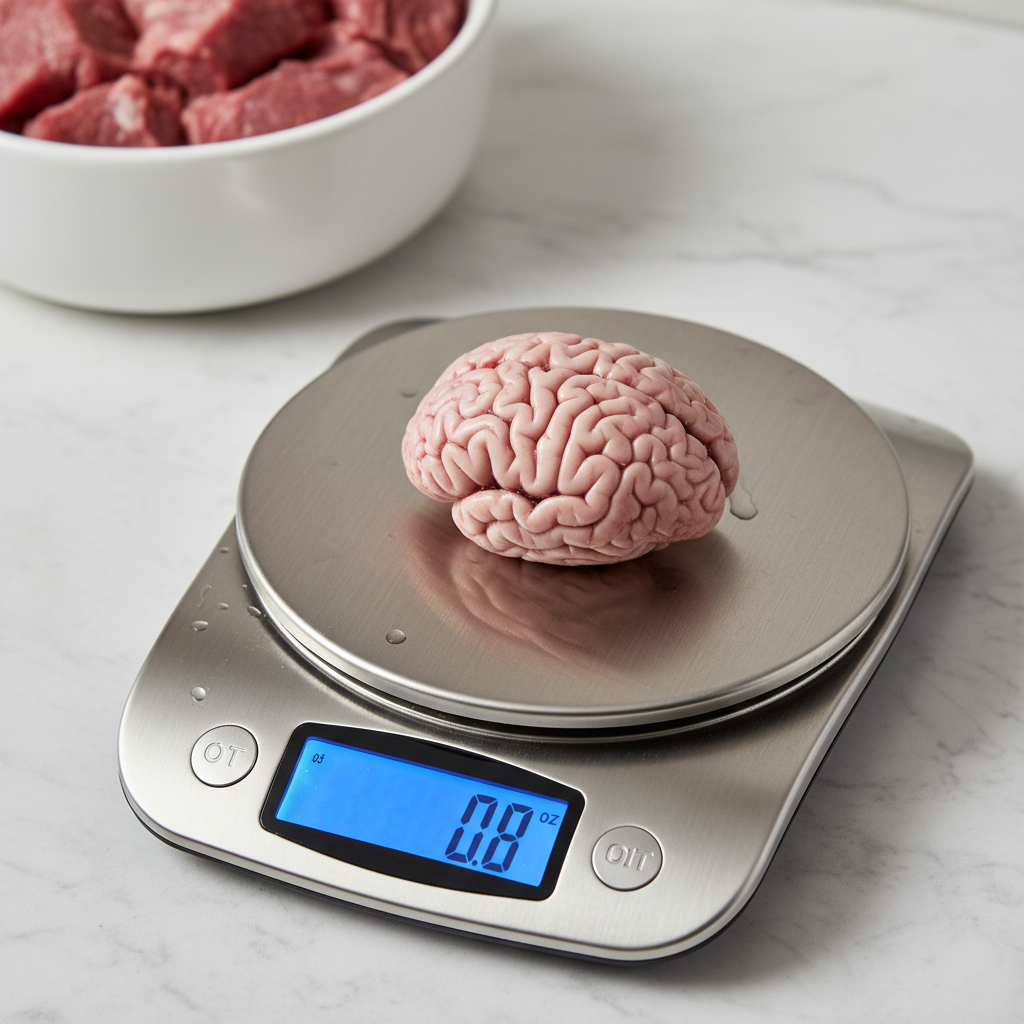
Brain is classified as an organ meat in a raw diet. However, because it is so incredibly rich in fats and nutrients, it must be fed in moderation and introduced very slowly. The standard guideline for a balanced raw diet is the 80/10/10 model: 80% muscle meat, 10% raw edible bone, and 10% organ meat.
That 10% organ meat is typically split into two halves: 5% liver and 5% other secreting organs. Brain falls into the ‘other secreting organs’ category.
Calculating the Right Amount
Let’s use a 50lb, moderately active dog as an example. This dog might eat around 1lb (16 ounces) of food per day.
- Total Daily Food: 16 oz
- Total Organ Meat (10%): 1.6 oz
- ‘Other Secreting Organ’ Portion (5% of total): 0.8 oz per day
This means a 50lb dog should receive about 0.8 ounces of brain per day, or about 5.6 ounces per week. You can feed a small portion daily or give a larger chunk a few times a week. For smaller dogs, the amount will be significantly less.
Hacker Tip: When first introducing brain, start with a tiny amount—no more than a teaspoon for a medium-sized dog. Mix it thoroughly into their regular meal. Monitor their stool for the next 24-48 hours. If all is well, you can gradually increase to the calculated target amount over a week or two. Rushing this can lead to digestive upset.
Debunking Common Fears
- Myth: Feeding brain will make my dog aggressive. This is completely false. A dog’s behavior is not dictated by the body parts they eat. This myth has no basis in science.
- Concern: Isn’t the cholesterol bad for them? Dogs are carnivores and are metabolically designed to handle high levels of dietary cholesterol and fat very differently from humans. For a healthy, active dog, the cholesterol in organ meats is not a concern and is, in fact, essential for hormone production.
The Real Cost Breakdown: Brains vs. Bottled Supplements
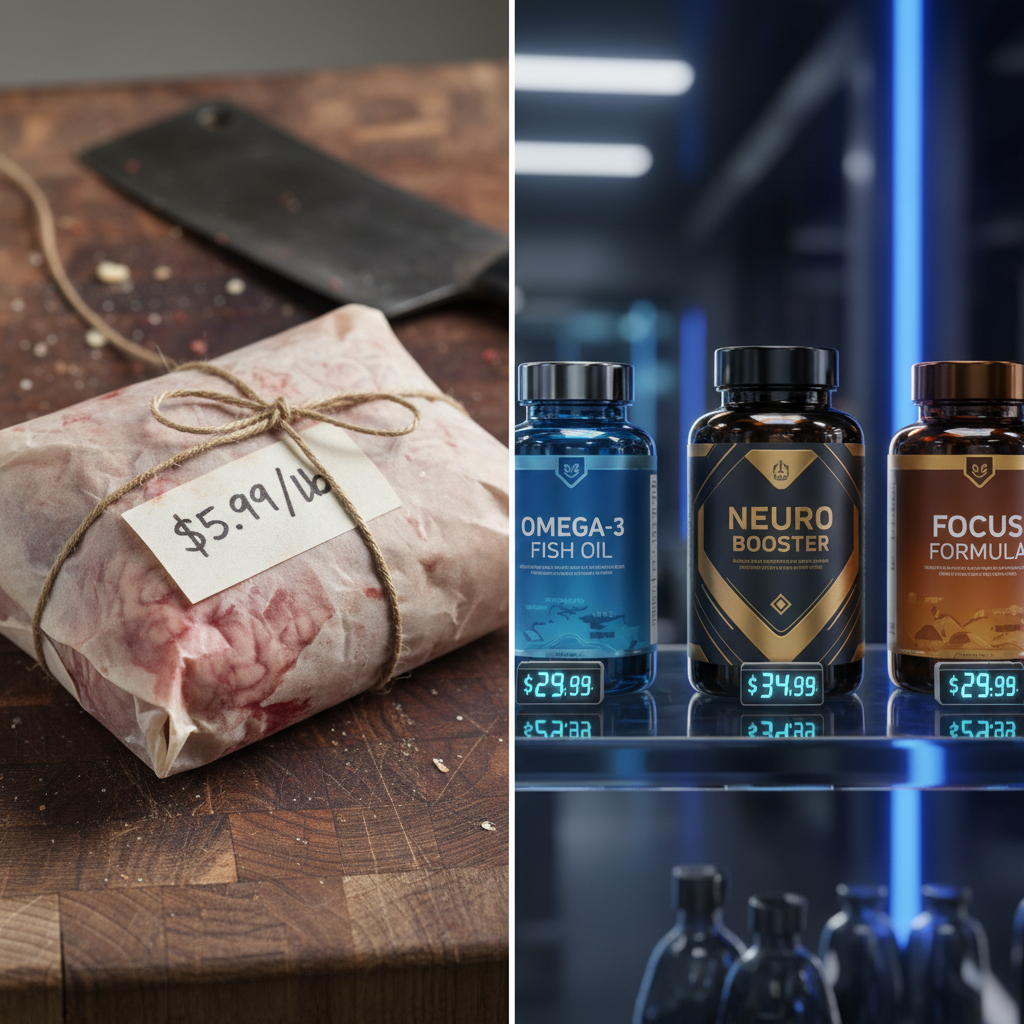
A core tenet of being a Canine Nutrition Hacker is achieving superior results for less money. Why pay a premium for a processed, potentially inferior product when the whole-food original is more effective and often cheaper? Let’s run the numbers for our hypothetical 50lb dog, which needs approximately 24 ounces (1.5 lbs) of brain per month.
| DHA Source | Typical Cost | Monthly Cost (50lb Dog) | Pros | Cons |
|---|---|---|---|---|
| Raw Lamb Brain | $4-7 per lb | $6.00 – $10.50 | Whole food, highly bioavailable, synergistic nutrients. | Requires sourcing, handling, and storage. |
| High-Quality Liquid Fish Oil | $25-40 per 16oz bottle | $20.00 – $35.00 | Easy to administer. | High risk of oxidation, potential for contaminants, lower bioavailability. |
| Premium Algal Oil (Vegan) | $30-50 per 2oz bottle | $40.00 – $60.00+ | Sustainable, no fish contaminants. | Extremely expensive, lacks other co-factors found in brain. |
| ‘Brain Boosting’ Kibble Topper | $20-35 per bag | $20.00 – $35.00 | Convenient, palatable. | Low DHA levels, highly processed, often contains fillers. |
The verdict is undeniable. By sourcing raw brain directly, you can save 50-80% per month compared to commercial supplements, all while providing a nutritionally superior product. You are cutting out the middlemen, the processing, the marketing, and the fancy packaging, and delivering pure, unadulterated nutrition directly to your dog’s bowl. That is the hacker’s way.
Conclusion
The path to optimal canine health isn’t found in a bottle or a bag of processed pellets. It’s found by returning to the principles of species-appropriate, whole-food nutrition. Raw brain stands as a powerful testament to this truth—a discarded, overlooked part of the animal that holds the key to profound neurological health. It’s a cost-effective, supremely bioavailable source of the DHA your dog needs for a sharp mind and healthy nervous system, from puppyhood through their golden years.
Yes, it requires more effort than popping a capsule or pouring a powder. It demands careful sourcing, safe handling, and a commitment to understanding your dog’s true nutritional needs. But the rewards—a vibrant, intelligent, and cognitively healthy companion—are immeasurable. Take control of the bowl. Question the marketing. Feed the brain.